Blog

  • AI in Agriculture: How Indian Farms Are Slowly Turning Smarter

    AI in Agriculture: How Indian Farms Are Slowly Turning Smarter

    Indian farmer using smartphone in a field with drone and AI-based farming tools.

    Agriculture in India has never been easy. From unpredictable rains to rising costs and shrinking profits, farmers have been facing challenges for decades. But now, a new kind of support is showing up not in the form of subsidies or schemes, but through technology. Artificial intelligence, or AI, is slowly finding its way into Indian fields. And no, it’s not some sci-fi idea. It’s already being used by farmers in different parts of the country to grow better crops, use less water, and avoid losses.

    In this blog, we’ll talk about how AI agriculture is helping Indian farmers. Not in big, complex terms, but in a simple way. We’ll look at what it actually does, how it’s used here, the benefits it brings, and where it’s still struggling. We’ll also touch on what needs to be done so that even small farmers in remote villages can benefit.

    What Does AI in Farming Even Mean?

    Let’s keep it simple. AI is just a tool that helps machines think, learn, and make decisions. In farming, it means using apps, sensors, drones, or even satellite images to collect data and tell farmers what to do next. For example, how much to water, when to spray pesticides, or whether the crop is getting any disease.

    Instead of guessing when to irrigate or depending fully on gut feeling, AI can give real-time suggestions. Think of it like this: a farmer in Punjab growing wheat can now get a phone alert saying, “The soil’s dry. You should irrigate now.” Or a cotton grower in Maharashtra can get a warning that pest activity is going up and it’s time to take preventive action.

    How AI is Being Used on Indian Farms

    Now, let’s not think only big cities use this. Even in states like Odisha and Bihar, farmers are trying out AI tools.

    Take the government’s “Per Drop More Crop” scheme, for example. It uses AI to help farmers save water while growing the same or even better-quality crops. It checks the soil, the weather, and the plant needs then suggests how much water should be used. That’s a big deal in places where water is already drying up.

    Then there’s the National Pest Surveillance System. Sounds fancy, right? But what it does is pretty useful it tells farmers early if pests like bollworms or locusts are coming. That kind of warning can save entire fields.

    Even startups are playing a role. CropIn gives farmers updates about their crop health, and Intello Labs allows them to click photos of their plants, and the app tells if there’s any disease faster than the human eye sometimes.

    It’s not just about tools. It’s about making sure the smallest farmer also gets the kind of advice that used to be available only to big ones.

    What’s Actually Changing on Ground

    Let’s be honest farming has always had its share of uncertainties. But AI is slowly helping reduce those unknowns.

    For starters, AI is saving money. Fertilizer use can go down by up to 30% if it’s used only when and where needed. That means fewer chemicals in the soil, cleaner groundwater, and some money saved. In Punjab and Haryana, where overuse of fertilizer has caused long-term soil issues, this change is much needed.

    It’s also helping with market prices. AI can study demand and predict what crop is likely to sell better in the coming season. So, instead of growing what everyone else is growing, a farmer can plan better. Let’s say someone in West Bengal usually grows rice. But this year, if the app shows better returns for lentils, they might switch. That’s smart farming.

    Knowledge-sharing has also become easier. Before, many farmers didn’t even know about drought-resistant seeds or organic practices. Now, simple mobile apps are sharing this info in local languages. A farmer in Tamil Nadu might learn about new fertilizers, while another in UP might get tips on tomato farming all through AI tools.

    Still, Not Everything is Perfect

    Of course, nothing comes without problems.

    First off, AI tech is still expensive. Small farmers don’t always have smartphones, let alone money to buy sensors or drones. Plus, rural areas often don’t have good internet. Even if they do, understanding these tools takes time and training.

    Also, a lot of these tools are made by private companies. If the government doesn’t step in to support and subsidize them, small farmers may be left out. So while big farms in Haryana may be using automated machines, someone in a Jharkhand village may not even know such a thing exists.

    What Needs to Happen Next

    For AI agriculture to truly work in Indian farming, it has to become common. Like fertilizers or tractors. Not just a special tool for a few.

    Subsidies can help. Training programs too. And let’s not forget language these apps and tools should talk in local languages, not just English. Even voice-based tools can help those who can’t read much.

    In a few years, we could see self-driving tractors in Indian fields, or AI-powered robots harvesting sugarcane. Sounds big, but it’s possible. What’s needed is support for the small farmer, for better internet in villages, and for making the tech affordable.

    My Personal Take

    I’ve seen farming up close relatives, neighbours, friends all doing it. It’s not just work, it’s life. There’s a kind of hope in every seed that’s sown. And now, AI feels like a helping hand that’s finally arrived.

    But let’s be real it’ll only help if we make sure it reaches everyone. No farmer should be left behind just because they didn’t have the money or the knowledge. If used well, AI can reduce pain and increase profit. But we need to treat it as a tool, not a miracle.

    🔗 Useful Links

  • Tata Altroz 2025: नया लुक, नई सोच, लेकिन पुराना भरोसा

    Tata Altroz 2025: नया लुक, नई सोच, लेकिन पुराना भरोसा

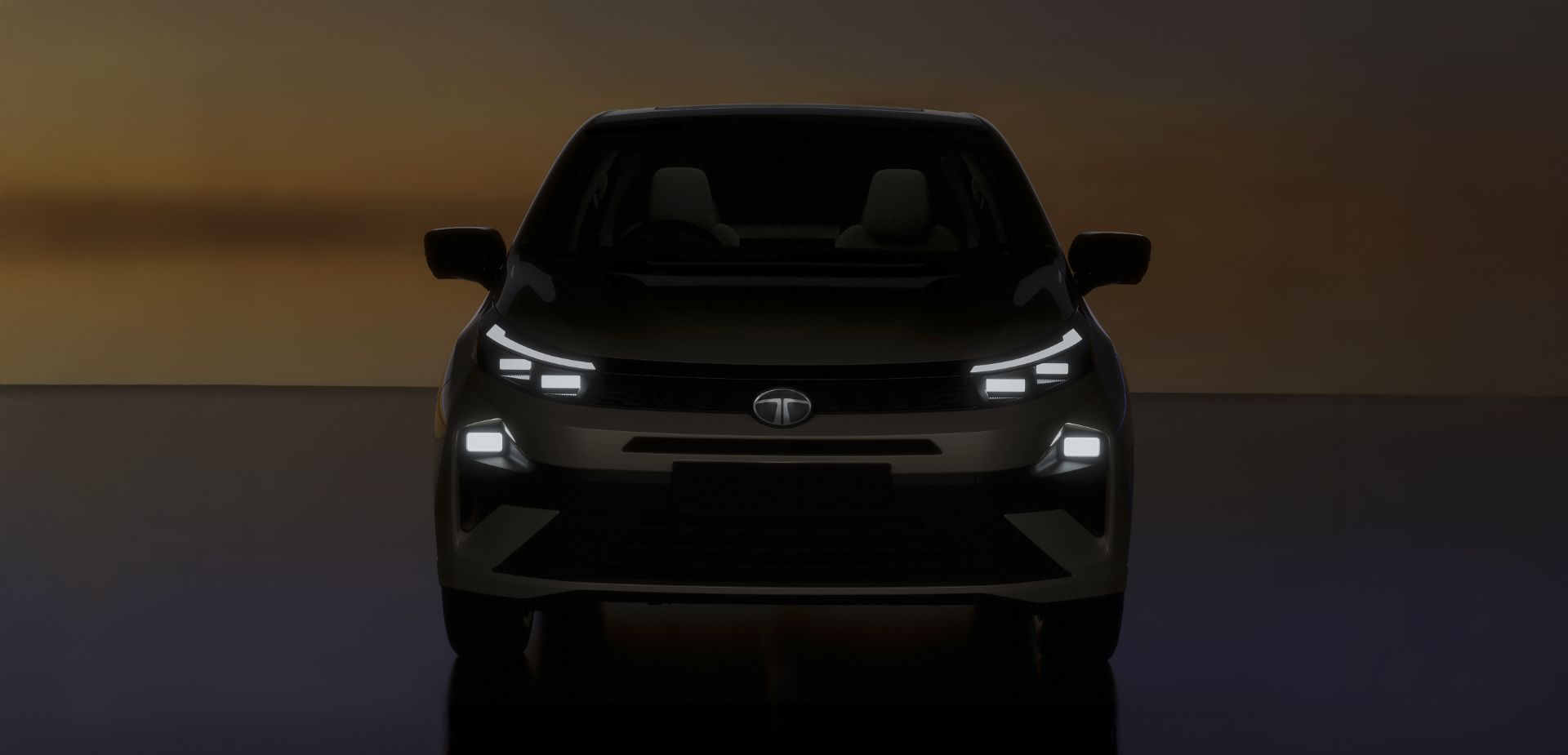
    Tata Altroz Facelift 2025 front view with LED DRLs and new grille design

    Tata Motors एक बार फिर अपने प्रीमियम हैचबैक Altroz को नया अंदाज़ देने जा रही है। 9 मई 2025 को इसका ऑफिशियल डेब्यू होगा और 22 मई को कीमत का खुलासा किया जाएगा। अगर आप ऐसी कार की तलाश में हैं जो दिखने में स्टाइलिश हो, सेफ्टी में दमदार हो और फीचर्स से भरपूर हो – तो Altroz का ये नया फेसलिफ्ट वर्जन आपकी लिस्ट में ज़रूर होना चाहिए।

    शुरुआती कीमत करीब ₹7 लाख रहने की उम्मीद है, जो अपने आप में काफी बैलेंस्ड लगती है। Tata ने इस बार फीचर्स बढ़ाए हैं लेकिन कीमत ज्यादा नहीं बढ़ाई – और शायद यही इसकी सबसे बड़ी ताकत भी होगी।

    बाहरी लुक में क्या बदला है?

    Altroz 2025 का डिजाइन अब और ज्यादा शार्प और प्रीमियम नज़र आता है।

    सबसे पहले नज़र जाती है इसके ऑल-LED हेडलैम्प्स पर, जिनमें eyebrow-style DRLs दिए गए हैं – देखने में एकदम मॉडर्न और स्मार्ट। पुरानी piano-black ग्रिल की जगह अब 3D लुक वाली ग्रिल है, जिससे कार का फेस और क्लीन लगता है।

    Flush door handles जो हमने पहले Tata Curvv में देखे थे, अब Altroz में भी मिलेंगे। ये सिर्फ दिखने के लिए नहीं, बल्कि एयरोडायनामिक्स में भी मदद करते हैं। साइड से देखेंगे तो नए अलॉय व्हील्स का डिज़ाइन काफी बढ़िया बैठता है पूरी कार की थीम में। पीछे की तरफ, connected LED tail lamps इसे एक स्लिक और अपडेटेड फिनिश देते हैं।

    कुल मिलाकर, Altroz अब और मैच्योर दिखती है – बिना ओवरड्रामैटिक हुए।

    इंटीरियर में बड़ा बदलाव

    जैसे ही दरवाज़ा खोलकर बैठेंगे, आपको महसूस होगा कि अंदर का अपग्रेड सिर्फ हल्का-फुल्का नहीं, बल्कि काफ़ी ठोस है।

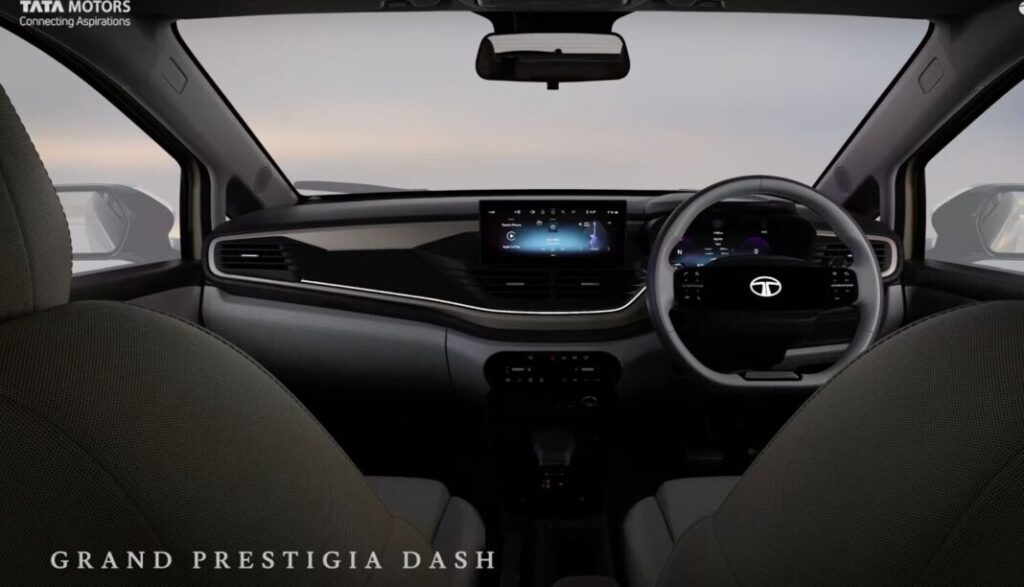
    बीच में 10.25 इंच का नया टचस्क्रीन इंफोटेनमेंट सिस्टम है, जो Android Auto और Apple CarPlay दोनों को वायरलेस सपोर्ट करता है। लॉन्ग ड्राइव करने वालों या डेली ट्रैफिक में फंसे रहने वालों के लिए ये बहुत काम की चीज़ है – खासकर म्यूजिक और नेविगेशन के लिए।

    इसके अलावा, 10.25 इंच का फुली डिजिटल इंस्ट्रूमेंट क्लस्टर भी दिया गया है, जो काफी क्लियर और प्रीमियम फील देता है – जैसे किसी ऊंचे सेगमेंट की कार में होता है। स्टेयरिंग व्हील में भी बदलाव हुआ है, अब Tata लोगो ग्लो करता है, जो एक अच्छा टच है।

    Indian गर्मी को देखते हुए वेंटिलेटेड फ्रंट सीट्स एक बड़ी राहत हैं – खासकर दिल्ली, नागपुर जैसे शहरों में। इसके साथ पावर्ड ड्राइवर सीट, एम्बिएंट लाइटिंग और ऑटो-डिमिंग रियर व्यू मिरर भी हैं, जिससे केबिन अब एक तरह का mini-lounge जैसा फील देता है।

    सेफ्टी और फीचर्स – Tata की कोई कसर नहीं

    Tata हमेशा से सेफ्टी को लेकर सीरियस रही है, और इस बार भी वो पीछे नहीं हटी है।

    अब Altroz में 6 एयरबैग्स स्टैंडर्ड मिलेंगे – जो इस प्राइस रेंज में बड़ी बात है। साथ ही, ADAS (Advanced Driver Assistance System) आने की भी चर्चा है – जैसे lane keep assist, auto emergency braking वगैरह। अगर ये सच हुआ, तो हैचबैक सेगमेंट में काफी हलचल मचेगी।

    नया टेलिमैटिक्स सिस्टम भी मिलेगा जिससे शायद आप अपनी कार के कुछ फंक्शन्स मोबाइल से कंट्रोल कर सकें – जैसे AC ऑन करना या लाइट्स चेक करना।

    और हां, डुअल-पेन सनरूफ की भी काफी चर्चा है। ऑफिशियल कन्फर्मेशन अभी नहीं आया है, लेकिन अगर मिल गया तो लॉन्ग ड्राइव्स का मज़ा दोगुना हो जाएगा।

    इंजन – पुराने लेकिन भरोसेमंद ऑप्शन

    Altroz 2025 में इंजन लाइनअप वही रहेगा – और ये बुरी बात नहीं है।

    • 1.2L पेट्रोल – डेली यूज़र्स के लिए
    • 1.5L डीज़ल – माइलेज लवर्स के लिए
    • 1.2L टर्बो पेट्रोल (Racer वैरिएंट) – जिनको चाहिए थोड़ी performance

    गियरबॉक्स ऑप्शन में है – 5-speed manual, टर्बो के लिए 6-speed manual, और रेगुलर पेट्रोल के लिए AMT। हो सकता है बाद में 6-speed DCT (dual-clutch) भी आ जाए, जो शहर की ट्रैफिक में काफी स्मूद ड्राइव देगा।

    चाहे आप जयपुर की टाइट गलियों में हों या NH44 पर लॉन्ग ड्राइव कर रहे हों – Altroz हर तरह के यूज़र को ध्यान में रखकर बनाई गई है।

    कीमत, वैरिएंट्स और मुकाबला

    Altroz Facelift की कीमत ₹7.00 से ₹11.50 लाख (एक्स-शोरूम) के बीच रह सकती है। इसका मुकाबला Hyundai i20, Maruti Baleno और Toyota Glanza से होगा – तीनों ही पॉपुलर नाम हैं।

    Tata Altroz अब ज्यादा फीचर्स के साथ आ रही है, लेकिन अपनी मजबूत बॉडी और सेफ्टी का USP बनाए रख रही है। वैरिएंट्स में XE से लेकर XZ Plus S Lux तक ऑप्शन होंगे, और कलर ऑप्शन में White, Red और Grey जैसे शेड्स मिलेंगे – कुछ कलर वैरिएंट-स्पेसिफिक होंगे।

    पैरामीटरडिटेल्स
    कीमत रेंज₹7.00 – ₹11.50 लाख (एक्स-शोरूम)
    लॉन्च डेटपब्लिक डेब्यू – 9 मई 2025
    कीमत खुलासा – 22 मई 2025
    उपलब्ध कलरवाइट, रेड, ग्रे (वैरिएंट स्पेसिफिक)
    वैरिएंट्सXE से XZ Plus S Lux तक
    मुख्य कॉम्पिटीटर्सHyundai i20, Maruti Baleno, Toyota Glanza

    मेरी राय – Altroz 2025 क्यों है खास?

    मेरे लिए ये अपडेट सिर्फ बड़ा स्क्रीन या नई लाइट्स का मामला नहीं है। Tata ने इस बार यूज़र्स की बात सुनी है – और उसी के हिसाब से कंफर्ट, टेक्नोलॉजी और सेफ्टी में सुधार किया है।

    इंजन वही हैं, लेकिन पूरी ड्राइविंग एक्सपीरियंस अब ज्यादा रिफाइंड लगती है। अगर आप ऐसी हैचबैक चाहते हैं जो “बेसिक” ना लगे, तो Altroz facelift एक दमदार ऑप्शन बनकर आया है – खासकर उन लोगों के लिए जिनकी लिस्ट में सेफ्टी, लुक्स और स्मार्ट फीचर्स ऊपर हैं।

    🔗 ये ब्लॉग्स भी आपके काम के हो सकते हैं:

    👉 Maruti की बड़ी EV एंट्री! – देखिए e-VITARA क्या कुछ नया लेकर आ रही है।
    🚗 i20 vs Altroz? – पढ़िए हमारा फीचर और वैल्यू बेस्ड कम्पैरिजन।

  • Tata Altroz Facelift 2025: New Features, Price & Design Upgrade

    Tata Altroz Facelift 2025: New Features, Price & Design Upgrade

    Tata Altroz Facelift 2025 front view with LED DRLs and new grille design

    A Quick Glimpse at What’s Coming

    Tata Motors is getting ready to launch the updated Altroz on May 9, 2025, and the price announcement will follow on May 22. If you’re someone who’s been eyeing a premium hatchback that blends looks, safety, and new-age features, this one’s worth checking. The new Altroz facelift is expected to start around ₹7 lakh, and honestly, it feels like Tata’s trying to raise the game without making the price shoot up too much.

    Now let’s dive in and see what’s changed, what’s new, and if it’s really worth the buzz.

    What’s New on the Outside?

    One look at the 2025 Altroz facelift, and you can tell it’s been to the stylist’s room.

    The front now looks sharper, thanks to all-LED headlamps with those smart-looking eyebrow-style DRLs. That old piano-black grille? Gone. In its place, you now get a 3D-style grille that actually gives the car a cleaner, more premium face.

    Another neat touch is the flush door handles something we saw earlier on the Tata Curvv. These aren’t just for style. They help with aerodynamics too. The sides now wear new alloy wheels that fit well with the overall design, and the rear lighting has been cleaned up with connected LED tail lamps. Slimmer and sleeker they look way better than before.

    To put it simply, the Altroz looks more modern now. Not flashy, but smart.

    Step Inside – Big Changes Here

    When you open the door and sit inside, you’ll feel it’s not just a small upgrade it’s a pretty decent refresh.

    There’s a 10.25-inch touchscreen infotainment system sitting in the middle, and it supports both Android Auto and Apple CarPlay wirelessly. For those who do long drives or spend time in traffic, this one helps a lot especially with music and navigation.

    Then comes the fully digital instrument cluster, which also measures 10.25 inches. Clear display, crisp info feels like something from a segment above. The steering wheel gets a glow-up too, with a lit-up Tata logo in the center.

    Another big win for Indian summers ventilated front seats. Honestly, in cities like Delhi or Nagpur, this is a blessing. On top of that, you get a powered driver’s seat, ambient lighting, and even an auto-dimming rear-view mirror. All these small touches give the Altroz a more lounge-like cabin feel.

    Safety & Features – Tata Is Not Holding Back

    Tata is clearly pushing safety, and that’s a big deal for buyers here.

    The new Altroz comes with six airbags as standard, which is rare in this price range. Apart from that, there’s talk of ADAS (Advanced Driver Assistance System) making its way in — features like lane assist, auto emergency braking, etc. If that’s true, it’s going to shake up the hatchback segment.

    There’s also an upgraded telematics system, so you can expect some level of smartphone integration maybe control lights or AC using your phone. Not fully confirmed, but possible.

    And yes, there’s a buzz about a dual-pane sunroof. While that’s still not official, even the idea is exciting, especially for long drives.

    Under the Hood – No Surprises, But That’s Okay

    The engine options stay the same and that’s not a bad thing.

    You’ve still got:

    • 1.2L petrol for daily users
    • 1.5L diesel for mileage-focused buyers
    • 1.2L turbo petrol for those who want that sporty punch (Racer variant)

    Transmission-wise, there’s 5-speed manual, 6-speed manual for turbo, and AMT for regular petrol. A 6-speed DCT (dual-clutch) might show up later, which would make city drives smoother.

    So whether you’re navigating tight lanes in Jaipur or cruising through NH44, you’ll find something that fits.

    Price, Variants & Competition

    The facelifted Altroz is expected to cost between ₹7.00 and ₹11.50 lakh (ex-showroom). It’ll go up against Hyundai i20, Maruti Baleno, and Toyota Glanza all strong names.

    Altroz still offers that tough build and now comes loaded with features that many others skip. It’ll have multiple variants from XE to XZ Plus S Lux and will be available in shades like White, Red, and Grey, some specific to variants.

    AspectDetails
    Expected Price Range₹7.00 – ₹11.50 Lakh (ex-showroom)
    Launch DatePublic Debut – May 9, 2025
    Price Reveal – May 22, 2025
    Available ColorsWhite, Red, Grey (variant-specific options)
    VariantsMultiple, from XE to XZ Plus S Lux
    CompetitorsHyundai i20, Maruti Suzuki Baleno, Toyota Glanza

    My Take on the 2025 Altroz Facelift

    To me, this upgrade is not just about fancy lights or bigger screens. It feels like Tata has listened to what users wanted more comfort, better tech, and solid safety.

    Sure, it’s still using the same engine, but the real charm lies in the overall experience. For people who want a hatchback that doesn’t feel “entry-level”, this facelifted Altroz is a solid pick. Especially if safety, style, and smart features are on your checklist.

    If you ask me, take a test drive when it hits showrooms. That’s the only way to know if it suits your kind of driving.

    🔗 You Might Also Like Reading These:

    👉 Maruti’s Big Electric Move!Explore the new e-VITARA electric SUV and see what it brings to the table.
    👉 Thinking of Switching to EVs?We break down if EVs really make sense in India with actual cost vs savings.

    🚗 Confused Between Hatchbacks?
    Check out our side-by-side take on Hyundai i20 vs Tata Altrozfeatures, comfort, and value compared clearly.

  • बजट पर Galaxy A सीरीज को मिला Gemini AI बूस्ट

    बजट पर Galaxy A सीरीज को मिला Gemini AI बूस्ट

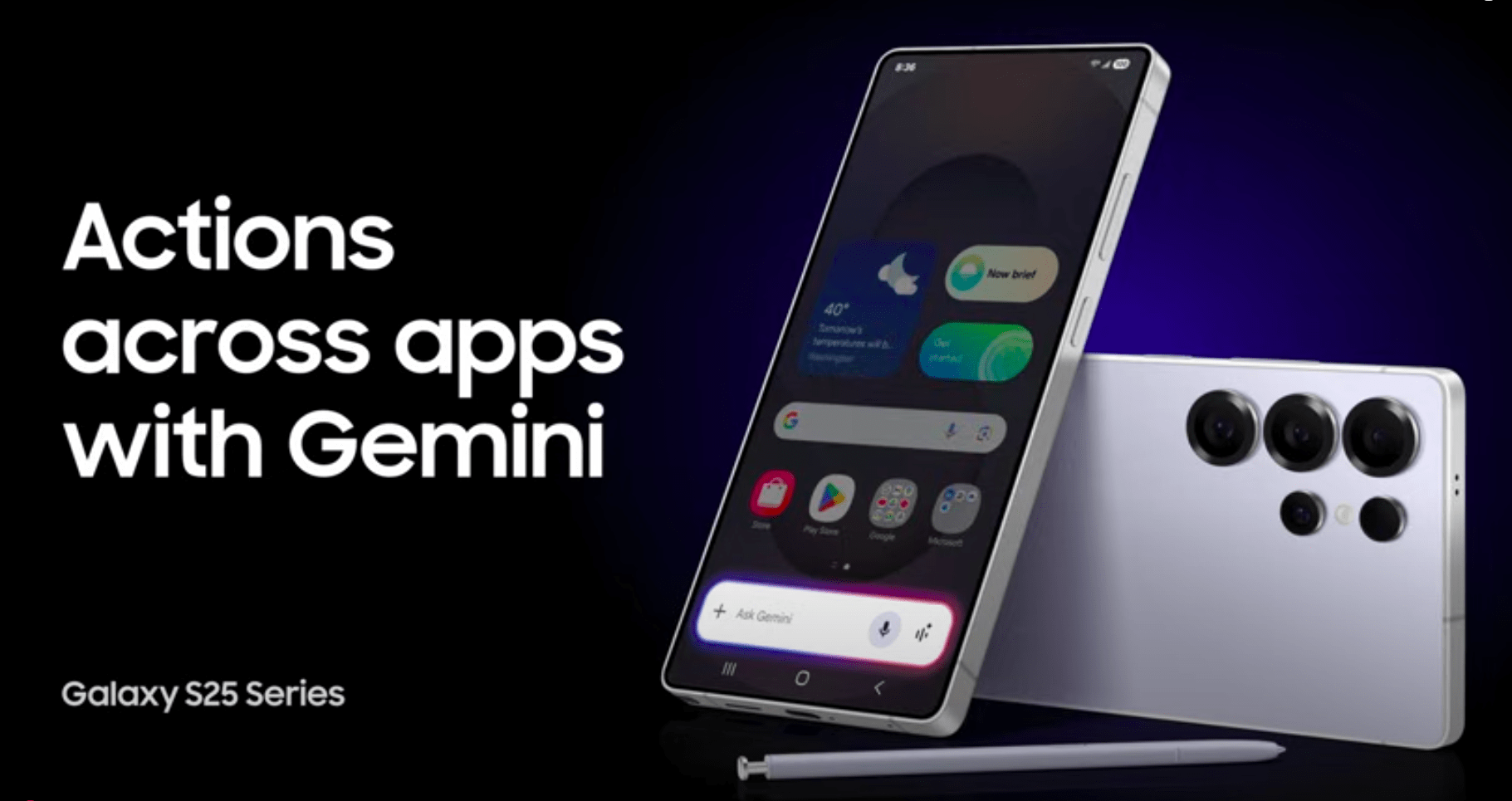
    Samsung Galaxy A56, A36 and A26 5G smartphones demonstrating Google Gemini AI assistant activation via side‑button press

    अपने Galaxy फोन में पावर बटन दबाकर रखिए, और Google का Gemini स्क्रीन पर आ जाएगा—अब मेन्यू में तलबीज़ नहीं करनी पड़ेगी। मई की शुरुआत में रोल-आउट हुआ यह फीचर मिड-रेंज Galaxy फोन को असली काम का बना देता है: Maps में पास के पानी-पूरी के ठिकानों को खोजिए, फिर एक झटके में पता WhatsApp पर भेज दीजिए। भारत के किफायती फोन मार्केट में ये एक स्मार्ट ट्रिक है।

    “Awesome Intelligence” क्या है?

    इसे ढंग का नाम दिया गया है—Awesome Intelligence—लेकिन असल में यह Gemini तक एक शॉर्टकट भर है:

    • Hold & talk: साइड की दबाकर रखिए, Gemini सुनने के लिए तैयार हो जाता है।
    • One UI समझदारी: चाहे आप Camera, Maps या Gmail में हों, यह जानकर सही ऐप खोल देता है (बढ़िया, है ना?)।

    भारत में इसका मतलब क्या है?

    चाय-पर-चर्चा में AI

    हममें से ज़्यादातर लोग एक लाख रुपये के फ्लैगशिप फोन नहीं लेते। अगर आपका फोन 30–40 हज़ार में है, तब भी आपको AI मिल रहा है जो:

    • आपकी ‘अम्मा’ के सांभर रेसिपी को बिना भाड़े के स्नैप में कन्वर्ट कर देता है।
    • जब आप बच्चे की ट्यूशन क्लास के लिए लेट हों तो एक त्वरित मैसेज ड्राफ्ट कर देता है।
    • सुबह की सैर से निकलने से पहले गुवाहाटी में मौसम चेक कर देता है (बरसात अचानक नहीं आती)।

    ये दिखावटी डेमो नहीं, बल्कि असली ज़िन्दगी की जरूरतें हैं।

    मुकाबले से आगे

    Xiaomi और Realme के भी वॉयस असिस्टेंट हैं—लेकिन Samsung ने Google के बड़े-बुद्धि मॉडल को अपने स्मूथ One UI ट्रिक्स के साथ मिलाया है। मेरे दोस्त की भाषा में: “यह रोबोट नहीं, बल्कि मददगार दोस्त जैसा लगता है।”

    इसे कैसे ऑन करें

    1. अपडेट करें: One UI 7 (Android 15) + अप्रैल/मई पैच डाउनलोड करें—Wi‑Fi पर दो मिनट।
    2. साइड की सेट करें: Settings → Advanced Features → Side Key → Press and Hold → Launch Assistant App → Gemini।
    3. ट्राई करें: बटन दबाकर कहें, “Show me the nearest EV charger on my route to office,”
      और देखते जाइए कैसे Gemini Maps, ट्रैफ़िक info, और Messages को सहजता से हैंडल करता है।

    सिर्फ़ Voice‑to‑Text से कहीं ज्यादा

    • App स्मार्टनेस: Camera में “Best Face AI” मांगिए—Gemini आपकी फोटो को तुरंत ठीक कर देगा।
    • Task chaining: “Book me an Ola to MG Road, then find a bakery nearby”—एक ही बार में दोनों काम कर देता है।

    असल किस्से (बॉलीवुड ग्लैमर नहीं)

    • लखनऊ की एक पड़ोसी ने Gemini से पापा का बजट SMS, WhatsApp, और ईमेल में 30 सेकंड में बाँटा।
    • कोयंबटूर में मेरी एक परिचित ने Drive में पड़े लंबी PDF बिल का सार Gemini से पूछा—और बिना पल भर पढ़े सारे टोटल पाकर खुश हो गई।

    ध्यान देने वाली बातें

    • प्राइवेसी: वॉयस डेटा Google को जाता है; बैंक OTP या आधार नंबर शेयर ना करें।
    • कनेक्टिविटी: बिहार के गांव में अगर सिर्फ 2G मिले तो Gemini रुक-रुक सकता है।
    • बैटरी: AI काम थोड़ी ज़्यादा बैटरी खाता है, हालांकि Samsung कहता है कि firmware में सुधार कर दिया है।

    आगे क्या आने वाला है?

    वे और A‑सीरीज़ (A16, A14) में लाना चाहते हैं—और बंगाली, मराठी जैसी भाषाओं को जोड़ना भी प्लान में है। साथ ही, Google का Gemini Live (रीयल-टाइम विज़ुअल AI) साल के अंत तक इन फोन पर आ सकता है।

    संबंधित आर्टिकल पढ़ें:

  • Galaxy A Series Gets Gemini AI Boost on a Budget

    Galaxy A Series Gets Gemini AI Boost on a Budget

    Samsung Galaxy A56, A36 and A26 5G smartphones demonstrating Google Gemini AI assistant activation via side‑button press

    Samsung’s April patch now turns your Galaxy A56, A36, or A26 5G into a little AI sidekick. Hold the power button, and Google’s Gemini pops up—no more fumbling through menus. Rolled out in early May, this feature makes mid‑range phones genuinely useful: find nearby pani puri stalls in Maps, then shoot the address over WhatsApp in a snap. In India’s thrifty-phone market, that’s a neat trick.

    What Is “Awesome Intelligence”?

    They’ve given it a fancy name—Awesome Intelligence—but really, it’s just a shortcut to Gemini:

    • Hold & talk: Press the side key and Gemini is all ears.
    • One UI savvy: It already knows whether you’re in Camera, Maps, or Gmail—so it switches apps for you (handy, right?).

    Why It Matters Here

    Making AI a “Chai‑Pe-Charcha” Topic

    Most of us don’t buy ₹1 lakh flagships. If your phone cost ₹30–40 K, you still get AI that can:

    • Convert your Amma’s sambhar recipe without scribbling fractions.
    • Draft a quick text message when you’re running late for your kid’s tuition class.
    • Check the weather in Guwahati before you step out for your morning walk (because drizzle comes unannounced).

    That’s practical stuff, not flashy demos.

    Beating the Competition

    Xiaomi and Realme have voice helpers, sure—but only Samsung combines Google’s big‑brain model with its smooth One UI tricks. In my friend’s words: “It feels less like a robot and more like a helpful buddy.”

    How to Switch It On

    1. Update: Grab One UI 7 (Android 15) with the April/May patch—takes two minutes over Wi‑Fi.
    2. Set side key: Go to Settings → Advanced Features → Side Key → Press and Hold → Launch Assistant App → Gemini.
    3. Try it: Hold that button and say, “Show me the nearest EV charger on my route to office,”
      and watch Gemini juggle Maps, traffic info, and Messages without breaking a sweat.

    More Than Just Voice‑To‑Text

    • App smarts: In Camera, ask for Best Face AI—Gemini will tweak your shot on the fly.
    • Task chaining: “Book me an Ola to MG Road, then find a bakery nearby”—and it does both in one go.

    Real Stories (No Bollywood Glamour Here)

    • A cousin in Lucknow used Gemini to split her dad’s budget across SMS, WhatsApp, and email—all in under 30 seconds.
    • My neighbour in Coimbatore asked Gemini to summarise a long PDF bill in Drive—it gave her straight totals without reading through the fine print.

    Watch Outs

    • Privacy: Voice data goes to Google; avoid sharing bank OTPs or Aadhaar numbers.
    • Connectivity: If you’re stuck in a Bihar village with patchy 2G, Gemini might stall.
    • Battery: AI tasks do sip extra juice, though Samsung says they’ve tweaked the firmware to compensate.

    What’s Cooking Next?

    They’re eyeing more A‑series handsets—A16, A14—and adding regional tongues like Bengali and Marathi. Plus, Google’s Gemini Live (real‑time visual AI) might land on these phones before year‑end.

    Also read related artical:
    Are We Ready for AI’s Energy Crisis? Data Centers Set to Double Power Use by 2030
    The 10 Best AI Tools in 2025 (That Are Truly Worth Your Time)

  • मारुति का ₹90,000 करोड़ का इलेक्ट्रिक दांव: e‑Vitara की तैयारी

    मारुति का ₹90,000 करोड़ का इलेक्ट्रिक दांव: e‑Vitara की तैयारी

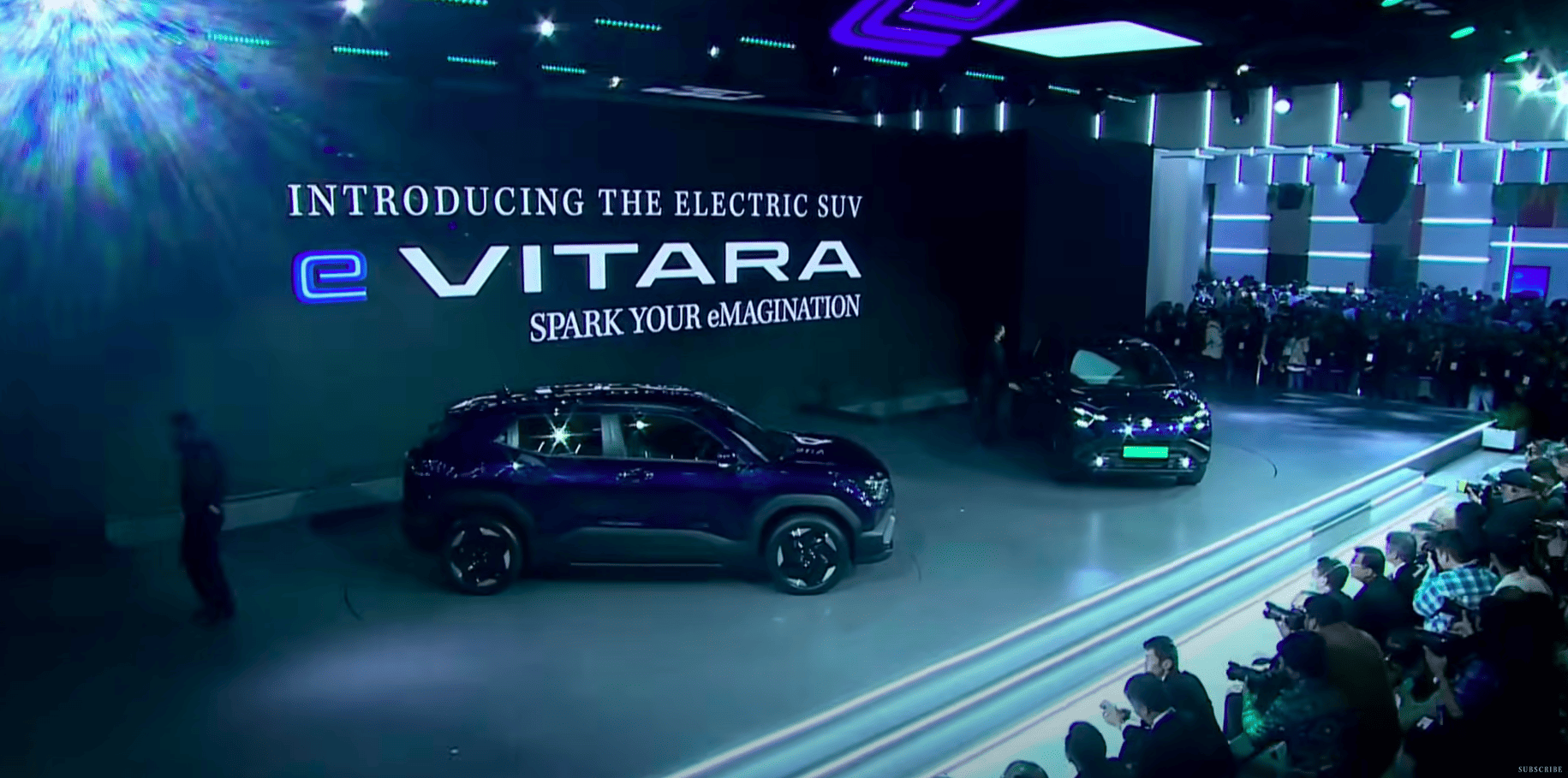
    maruti suzuki vitara electric

    दिल्ली में हाल ही में हुए Bharat Mobility Expo में मुझे मारुति के स्टॉल पर सबसे ज्यादा जो चीज़ आकर्षित कर रही थी, वह थी e‑Vitara का झांकता अवतार। दशकों से मारुति का नाम किफायती पेट्रोल‑डीजल गाड़ियों के साथ जुड़ा रहा है, लेकिन अब कंपनी इलेक्ट्रिक मोबिलिटी के मैदान में भी बड़ा दांव लगा रही है। चलिए समझते हैं कि ये ₹90,000 करोड़ का निवेश आखिर हमारे लिए क्या मायने रखता है।

    ₹90,000 करोड़ का निवेश

    मारुति सुजुकी ने घोषणा की है कि इस वित्त वर्ष में वह कुल मिलाकर ₹80,000–₹90,000 करोड़ तक खर्च कर सकती है, जिसका मुख्य मकसद इलेक्ट्रिक व्हीकल्स विकसित करना, उत्पादन लाइनें बढ़ाना और निर्यात क्षमताओं को मजबूत करना है।

    • बड़ी रकम का कारण: Suzuki समूह ने पहले ही संकेत दिया था कि भारत को EV हब बनाने पर $4 बिलियन से ज्यादा का ध्यान दिया जाएगा।
    • कारखाने का विस्तार: हरयाणा के खारखौदा में बनने वाली तीसरी फेक्ट्री इसी निवेश का हिस्सा है, जो ICE गाड़ियों के साथ-साथ EV बनाना भी संभालेगी।

    e‑Vitara: मारुति का पहला EV मॉडल

    मारुति के चेयरमैन आर. सी. भार्गव ने कंफर्म किया कि e‑Vitara को कंपनी के अपडेटेड Heartect‑e प्लेटफ़ॉर्म पर सितंबर 2025 तक उतार दिया जाएगा।

    • उत्पादन लक्ष्य: वित्त वर्ष 2025–26 में करीब 70,000 यूनिट बनाकर भेजने की योजना है, जिनमें से ज्यादातर निर्यात के लिए जाएंगे।
    • डिज़ाइन: कॉम्पैक्ट SUV वाला लुक, बढ़ी हुई ग्राउंड क्लीयरेंस—देश की टूटी सड़कें और हिमाचल‑यात्राओं में भी आरामदेह।

    निर्यात पर खास ध्यान

    मारुति पहले से ही भारत की सबसे बड़ी ऑटो एक्सपोर्टर है, जो देश के कुल निर्यात का करीब 40% हिस्सा संभालती है।

    • मूल्य हेजिंग: अगर घरेलू EV मार्केट धीरे चले, तो अधिकतर e‑Vitara विदेशी बाज़ारों—जैसे जापान, यूरोप—में भेजकर कंपनी घाटा कम कर सकती है।
    • नए बाजार: छोटे EVs की डिमांड वाले देशों में मारुति नई जगह बना सकती है।

    भारत में EV का परिदृश्य

    सरकारी सब्सिडी और पॉलीसियों के बावजूद, हमारे देश में अभी EV केवल करीब 2.5% कार सेल में ही शामिल हैं, जबकि 2030 तक 30% का लक्ष्य रखा गया है। बड़े चैलेंज हैं:

    1. चार्जिंग नेटवर्क की कमी – टियर‑2 और टियर‑3 शहरों में चार्जर प्लग नहीं मिलते।
    2. बैटरी की महंगाई – EV की कीमत अभी औसत खरीदार की पहुंच से ऊपर।
    3. रेंज एंग्जाइटी – लोग दूरी तय करने में हिचकते हैं और रेसेल वैल्यू को लेकर भी संशय है।

    मारुति के पास देश में सबसे बड़ा डीलर-नेटवर्क और किफायती कार बनाने का अनुभव है, जिससे ये चुनौतियां तेजी से कम हो सकती हैं।

    चुनौतियाँ और आगे का रास्ता

    • प्रतिस्पर्धा तेज: Tata, Hyundai, MG जैसी कंपनियाँ पहले से ही EV सेगमेंट में पैर पसार चुकी हैं।
    • नीति‑निर्भरता: FAME II सब्सिडी और GST छूट जारी रहे, ये कीमतों में अंतर बनाए रखेंगे।
    • डीलर तैयारियाँ: 3,000+ शोरूम्स को EV सर्विसिंग, चार्जिंग प्वाइंट्स और ट्रेनिंग में अपग्रेड करना होगा।

    अगर मारुति किफायती कीमत, भरोसेमंद रेंज और चार्जिंग इंफ्रास्ट्रक्चर का संतुलन बना पाए, तो यह वही इतिहास दोहरा सकती है जो उसने छोटी कारों के जरिए बनाया था।

    निष्कर्ष और मेरी राय

    हमारे यहाँ मारुति खरीदना बहुतों के लिए पहली कार बनने जैसा है। अब सोचिए, वही कार पेट्रोल की जगह बिजली पर चले और किमी के आधार पर खर्च भी कम हो—यही वो क्रांति है जिसकी उम्मीद EV से है। अगर e‑Vitara सही कीमत में, अच्छा रेंज और चार्जिंग सुविधा के साथ आए, तो यह सिर्फ एक मॉडल नहीं, पूरे भारत की मोबिलिटी की दिशा बदल सकता है। ड्राइविंग फ्युचर के लिहाज़ से मैं उत्साहित हूँ—शहर में और हिल स्टेशन की सड़कों पर भी सफर तेजी से साफ और शांत होगा।

    Read the more related artical here:
    Introducing Maruti Suzuki Electric SUV : e VITARA
    Are EVs Really Worth It in India? Real-Life Look at Cost vs Savings