Tag: wellness

  • 6 Side Effects of Vitamin D Supplements and How to Minimize Them

    6 Side Effects of Vitamin D Supplements and How to Minimize Them

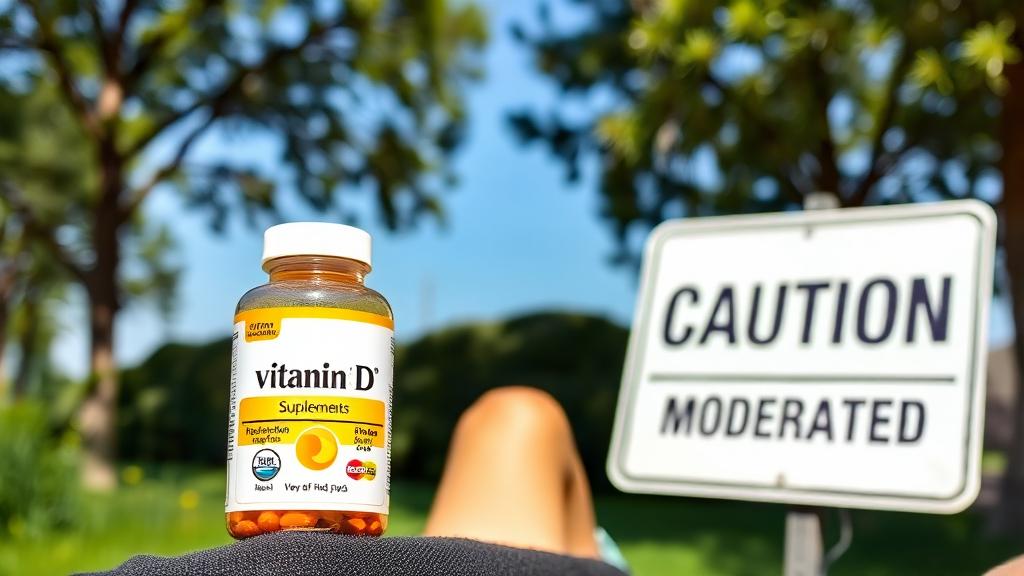
    Person sitting in sunlight with a bottle of Vitamin D supplements and a caution sign, showing the importance of safe usage.

    Introduction

    Vitamin D is one of those nutrients that everyone talks about these days and for good reason. It’s linked to stronger bones, better immunity, and even mental well-being. But while most people know about its benefits, very few pay attention to the side effects that come when we start taking it in Vitamin D supplements form sometimes without even checking if we actually need it.

    Even though India gets good sunlight, many people still have low Vitamin D levels due to lifestyle changes like working indoors, staying covered up, or living in areas with pollution. That’s why supplements have become so common. But taking them blindly, without proper understanding, can cause some problems the kind that don’t always show up right away.

    This blog talks about 6 silent side effects that might happen if you’re overdoing Vitamin D supplements. Along with that, you’ll also find some easy tips to avoid these issues and use the supplement the right way.

    Why Are So Many Indians Taking Vitamin D Supplements?

    In recent years, many Indians have started popping Vitamin D pills, sometimes even without checking with a doctor. A big reason is deficiency studies show that 70% to 90% of Indians don’t get enough Vitamin D. It’s surprising, especially in a sunny country like ours. But between staying indoors, covering our skin, and city pollution blocking sunlight, it’s more common than we think.

    So yes, supplements help. But just like anything else, too much of it is not good either. And often, the side effects creep in quietly we don’t even notice until things get serious.

    1. High Calcium Levels Without Warning

    Vitamin D helps our body absorb calcium, but when there’s too much of it, things go off track. It’s like adding extra salt to food — a pinch helps, but too much spoils everything.

    If calcium becomes too high in the blood (a condition called hypercalcemia), you might feel very tired, get nausea, or need to pee frequently. But in many cases, there are no big signs which is what makes it tricky.

    How to avoid this:
    Don’t cross the usual daily dose of 600 to 800 IU unless your doctor clearly says so. Also, get your blood tested now and then if you’re taking high-dose supplements.

    2. Kidney Trouble or Stones

    Extra Vitamin D means more calcium getting absorbed. But that calcium doesn’t always go to your bones some of it builds up in the kidneys, slowly creating stones or damaging the kidneys over time.

    The symptoms can be quiet until the problem becomes painful.

    What you can do:
    Drink plenty of water to keep your kidneys happy. And unless a doctor advises, don’t mix calcium and Vitamin D supplements together.

    3. Upset Stomach That Just Won’t Go

    Sometimes people notice bloating, cramps, or constipation after starting Vitamin D supplements. It’s easy to ignore, thinking it’s something you ate. But if it keeps happening, your body might be reacting to the supplement.

    Tip:
    Take the pill along with a proper meal not on an empty stomach. And if the issue continues, maybe try switching to a lower dose or another brand.

    4. Mood Swings or Irritability

    This one’s a bit unexpected. But too much Vitamin D can mess with hormones, which in turn can affect your mood. Some people feel more anxious, short-tempered, or just “not themselves” when they overdo it.

    In a country where mental health isn’t openly discussed, it often goes unnoticed.

    Best approach:
    If your mood starts feeling off after taking supplements, make a note and speak to your doctor. It might be related.

    5. Bone Pain or Weakness (Yes, Really!)

    This might sound strange after all, we take Vitamin D to make our bones stronger. But very high levels can actually pull calcium out of the bones, weakening them over time.

    You won’t notice this right away, but slow pain or stiffness can start building up.

    How to stay safe:
    Balance is the key. Along with Vitamin D, make sure your diet has enough magnesium and Vitamin K2 they help guide the calcium to your bones, where it belongs.

    6. Trouble with Other Medicines

    If you’re already taking medicines for your heart, BP, or bones, Vitamin D might quietly interfere. Either it makes the medicine less effective, or increases side effects without showing clear symptoms.

    Solution:
    Don’t hide your supplements from your doctor. Share everything you take even if it feels small. It helps avoid future issues.

    How to Use Vitamin D Supplements Safely

    You don’t need to be scared of taking supplements. But you do need to be careful and aware.

    Here’s a basic guide to stay on the safe side:

    • Always ask a doctor before starting any supplement — especially if you’re already on medication.
    • Stick to the daily limit — usually 600–800 IU for adults, unless told otherwise.
    • Get your levels checked once or twice a year if you’re taking it regularly.
    • Notice any strange symptoms — digestion, mood, bone pain, anything odd.
    • Eat more natural sources — like egg yolk, oily fish, and fortified foods. Supplements are good, but real food is always better.

    My Final Thoughts

    In India, we often follow the “more is better” thinking. Whether it’s spices or supplements, we go all in. But health doesn’t work like that.

    Vitamin D is important no doubt. But the side effects we just discussed are real and often missed. So instead of just gulping down pills, take a step back. Understand what your body needs. Talk to your doctor. And stay balanced.

    That’s the best way to enjoy the benefits without any of the hidden risks.

    🔗 Useful Links for Vitamin D and Health

    ☀️ Understanding Vitamin D Deficiency
    Learn why Vitamin D is essential, how deficiency affects health, and simple ways to get enough safely.
    👉 Visit Healthline’s Vitamin D Guide

    ⚠️ Side Effects of Vitamin D Supplements
    Know the possible risks of too much Vitamin D and how to avoid them.
    👉 Read on Mayo Clinic

    💊 Safe Supplementation Practices
    Tips on how to take Vitamin D supplements correctly and when to consult your doctor.
    👉 Read WebMD Vitamin D Safety

    ❤️ Weak Heart Warnings: Know the Silent Signs Before a Heart Attack
    Understand the early symptoms of a weak heart and when to get medical help.
    👉 Learn More Here

  • 5 Real Benefits of Flax Seeds You Should Know

    5 Real Benefits of Flax Seeds You Should Know

    Flax seeds in a wooden spoon with Indian dishes like roti dough, curd, poha, sabzi, and laddoos on a rustic kitchen counter.

    Introduction

    Flax seeds may look small, but they’ve got big things to offer. These tiny seeds, commonly found in Indian kirana stores or health aisles now, are slowly becoming a regular in many homes. Not just because people call them “superfoods,” but because they genuinely help with some of the everyday health problems we all face like high sugar, digestion issues, or even weight gain.

    In this blog, we’ll talk in simple words about five real benefits of flax seeds. You’ll also get some easy ways to use them in your daily Indian meals without changing your entire routine. Whether you’re trying to improve your diet or just want to feel a bit healthier, this guide will come handy.

    1. Good for Your Heart — Just Like Walking Daily

    Heart problems are rising fast in India. You hear about someone in their 30s or 40s getting a heart attack quite scary, right? One reason is our lifestyle, and another is what we eat. Now, seeds are known to help with heart health. They have something called omega-3, which is a good type of fat. It helps to control cholesterol and supports better blood pressure.

    Think of it like this just like you take a short walk daily to stay active, adding flax seeds is like giving your heart a little extra support from the inside. You don’t need fancy recipes. Just grind and sprinkle them over your dalia or mix a spoon in buttermilk. That’s it.

    2. Makes Digestion Smoother — No More Waiting Hours

    Let’s be honest many of us quietly suffer from constipation, gas, or bloating. Most Indian meals are heavy in carbs and low in fiber, especially when we skip raw vegetables. Flax seeds are full of fiber, and this is the part that helps your stomach work better.

    You don’t have to go overboard. Just add a spoonful into your roti dough or morning curd. You’ll slowly feel your stomach becoming regular, lighter. In fact, people who added flax seeds to their diet saw a visible change in bowel movements within a few weeks. No medicines, no side effects.

    3. Helps You Feel Full — So You Snack Less

    One reason many people can’t lose weight is the constant hunger between meals. Flax seeds can help here. Because they’re high in fiber and healthy fats, they keep you full for longer. So, you’re less likely to grab that biscuit packet at 4 pm.

    A small change like mixing flax powder into your breakfast smoothie or eating it with curd in the evening can help you manage your appetite. And over time, this can lead to weight loss. Studies have shown people who regularly ate flax seeds ended up reducing body fat more than those who didn’t.

    4. Adds Natural Support Against Cell Damage

    No seed or fruit can promise you won’t get cancer. But some foods may help reduce risk by fighting damage inside the body. Flax seeds have something called lignans — they are natural plant compounds that act like antioxidants. They clean up the harmful stuff inside that might cause health trouble later on.

    It’s not a magic bullet, but yes, having flax seeds regularly means you’re adding one more protective layer to your body. Especially in today’s time where pollution, stress, and packaged foods are common, this natural support matters.

    5. Keeps Blood Sugar More Stable

    Diabetes has become common in almost every Indian family now. And while medicines are important, diet control is equally needed. Flax seeds help because they slow down how sugar enters your blood. That means fewer sugar spikes, which is good news for anyone trying to control diabetes or avoid it.

    If you’re someone who eats regular homemade food, just try mixing flax seeds into your chapati dough or into boiled vegetables as a topping. It’s a simple change, but it can really support your sugar control over time.

    How to Use Flax Seeds in Indian Style

    You don’t need to make foreign dishes to enjoy flax seeds. Just keep it simple:

    • Add ground flax seeds into your flour while kneading dough.
    • Mix into curd, porridge, or poha during breakfast.
    • Sprinkle some over your vegetables or even on rice with dal.
    • You can even make laddoos with flax seeds and jaggery.

    Tip: Always use ground flax seeds, not whole ones otherwise your body can’t absorb all the benefits. Store them in a glass jar in a cool place. If you buy flaxseed oil, keep it in the fridge.

    Final Thoughts

    Flax seeds may not look like much, but they can do a lot quietly in the background. From supporting your heart to helping digestion and weight control they’re a small habit with long-term gains. You don’t need to spend thousands on fancy foods. Just pick up a packet of flax seeds and start using it in your regular meals.

    I’ve tried this myself, and over time, I did feel the difference better energy, fewer stomach issues, and even better skin. Sometimes, the answers to good health are right in front of us, in the form of small, forgotten seeds.

    🔗 Related Articles

    8 Health Benefits of Flaxseed
    How to Actually Save Money on Daily Expenses in 2025


  • 12 Everyday Habits Secretly Damaging Your Health

    12 Everyday Habits Secretly Damaging Your Health

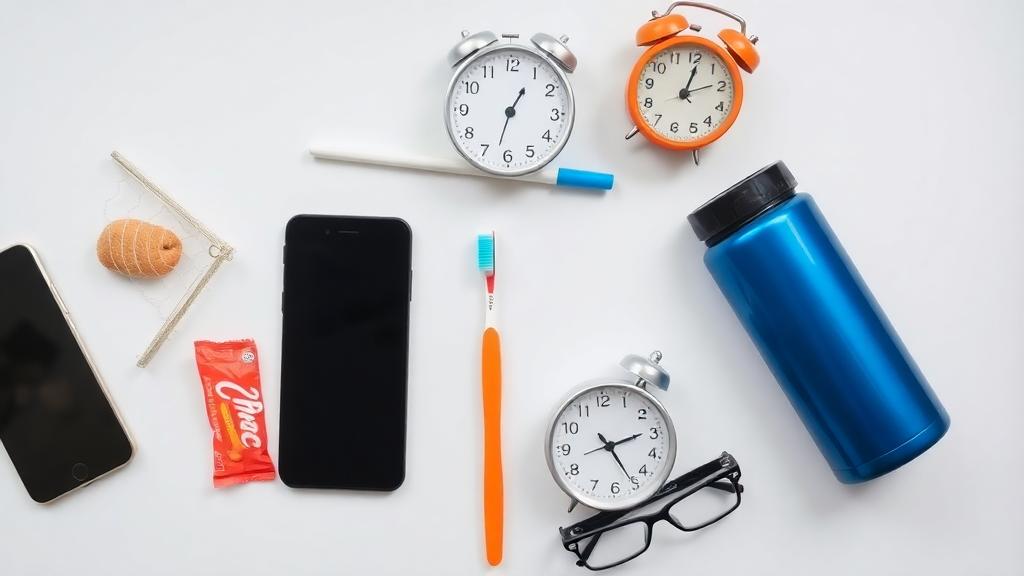
    Health & wellness A relatable flat-lay photo showing common daily items like mobile phone, snacks, water bottle, toothbrush, alarm clock, and eyeglasses.

    We Don’t Realise How Much Our Daily Habits Mess With Our Health

    You know how we go through most days doing the same old stuff wake up late, grab whatever we find to eat, stare at screens all day, and maybe complain about back pain or tiredness by evening? It all feels pretty normal, na?

    But here’s the thing. Some of these regular, everyday habits that we don’t think twice about… they quietly mess with our health behind the scenes. And not in some dramatic way—but slowly, like water dripping on stone.

    I’m not here to lecture or sound like a doctor. I’m just sharing stuff I’ve seen, felt, and figured out over time. So here are a bunch of small habits that might be quietly messing you up—and what you can do to slowly fix them.

    1. Skipping Breakfast – “Aree, I’ll Eat Later” Never Works Long-Term

    Raise your hand if your breakfast is just chai or coffee (or nothing at all) while rushing through morning madness. Same here, honestly.

    But turns out, skipping breakfast can actually mess up your whole day. Your body feels like it’s running on empty, and by noon, you’re either snapping at people or stuffing your face with random junk. Been there, done that.

    What helps: Even a basic breakfast works. A boiled egg, some upma, banana with peanut butter, or plain toast with ghee—it doesn’t have to be fancy. Just give your body something to start the engine.

    2. Sitting Too Long – “I Didn’t Even Realise I Was Sitting for 5 Hours Straight”

    Whether it’s office work, online classes, or just scrolling endlessly—sitting has become the new smoking (as dramatic as that sounds). Your back hurts, neck feels stiff, and somehow you’re still tired after doing ‘nothing’.

    I once sat through a full Sunday watching IPL and didn’t even realise I hadn’t moved much. Monday morning? Full-body regret.

    Small fix: Just stand up every hour, stretch your arms, walk to fill your water bottle, or take a call while pacing. You don’t need to hit the gym—just keep moving a bit here and there.

    3. Too Much Screen Time – Eyes Tired, Brain Fried

    Ever felt like your eyes are burning but you can’t stop scrolling? Or you switch off Netflix and still feel weirdly restless? Yep, that’s your brain telling you it’s had enough of screens.

    I once binge-watched an entire series in two days and then couldn’t sleep properly for the next three nights. Eyes dry, mind racing.

    What helps: Use blue light filters, set “no screen” hours post 9 PM, and try doing something chill—like listening to music or reading a paperback—before bed. Not everything needs a screen.

    4. Bad Posture – Slouching Into Problems You Didn’t Ask For

    Let’s be real, most of us sit like prawns. Laptop down, neck bent, shoulders tight. Over time, this turns into constant backaches or even breathing issues.

    My physio once told me, “Your body remembers every slouch.” It hit hard.

    Quick fix: Keep your screen at eye level, use a cushion behind your back, and just be mindful of how you sit. Stretching for even 5 minutes daily makes a difference.

    5. Not Drinking Enough Water – Your Body’s Silent Complaint

    By the time you feel thirsty, you’re already slightly dehydrated. And that headache? That afternoon slump? Might be ‘cause your body’s just asking for water.

    There was a phase where I kept popping Disprins, only to realise I hadn’t drunk enough water for two days straight.

    Simple hack: Fill a reusable bottle, keep it in front of you, and sip whenever you remember. Aim for at least 6–8 glasses a day. More if it’s hot or you’re moving around a lot.

    6. Late-Night Snacking – Tummy Full, Sleep Gone

    That midnight maggi or biscuit nibbling during Netflix? Fun in the moment, but your sleep cycle gets a real beating. Your tummy’s busy digesting when it should be winding down.

    I’ve had nights where I ate a full meal at 11 PM and then lay in bed till 2 AM regretting everything.

    Better option: If you must eat, go for something light—like a handful of almonds or curd. And finish dinner at least two hours before lying down.

    7. Poor Sleep Habits – “Sleep Is For The Weak” Is A Lie

    Some people wear sleeplessness like a badge of honour. “Bro I slept only 4 hours!”—as if that’s a flex. But constant lack of sleep slowly drains your body, memory, mood, and immunity.

    I was in zombie mode for months before I realised I was burning out from poor sleep.

    Fix the pattern: Sleep and wake up at the same time daily. Make your room a sleep zone—dim lights, no noise, no phones in bed. Try warm water or soothing music to wind down.

    8. Ignoring Oral Care – Not Just About Teeth

    You brush in a rush, floss never, and dental checkups? Forget it. But poor oral hygiene can affect way more than your gums. It’s linked to heart health too!

    I once had a painful root canal and the dentist bluntly said, “This could’ve been avoided with 2 extra minutes daily.” Harsh, but true.Quick routine: Brush twice, floss once, and visit the dentist twice a year. Your mouth (and heart) will thank you later.

    9. Overusing Pills – “Bas Ek Tablet Le Lo”… But It Adds Up

    I used to be the kind of person who’d grab a Combiflam at the first sign of period cramps or a headache. It became so normal that I didn’t even pause to think—just pop and move on.

    But then one day, during a particularly bad cycle, I took so many painkillers that I ended up feeling worse—nausea, dizziness, no appetite. My body literally gave up on me.

    That day was a wake-up call. Now, I try to hold off unless the pain is really unbearable. For mild aches, I go with a hot water bag or do some light stretches. I even tried basic yoga moves—surprisingly, they work! Trust me, your body knows when it’s being pushed too much.

    10. Junk Food – Easy to Grab, Hard to Quit

    I won’t lie—there was a time when Maggi, chips, and cold drinks were my go-to dinner. Quick, tasty, and zero effort. But after a few months, I felt constantly tired, bloated, and just… off.

    One evening, after finishing a bag of chips and cola, I caught my reflection and thought—is this how I want to feel every day?

    Now I’m not saying I gave up junk food overnight. I still have it now and then. But I started adding homemade food here and there—like dal chawal or upma with veggies. I even started carrying fruit in my bag. Small things, but they make a big difference.

    11. Mental Health – Not Talking About It Doesn’t Make It Go Away

    You ever feel like everything’s fine… until one tiny thing makes you cry for no reason? That was me. I kept pretending I was okay. Smiling, working, chatting—while inside, I was one small moment away from breaking.

    My breakdown came over something stupid—a charger I couldn’t find. I sat on the floor and cried like a child. That’s when I realised: this wasn’t tiredness. It was burnout.

    After that, I started journaling a bit. Nothing fancy—just scribbled what I felt. Some days I talk to a friend, other days I just cry in the shower. It’s not about having solutions. It’s just about letting it out before it eats you from the inside.

    12. Drinking – “Just Chilling” Can Turn into Trouble

    Weekend parties were routine—shots, loud music, late nights. It started with “just for fun,” but somewhere along the way, it turned into a pattern. And not a healthy one.

    I remember a friend saying, “I only drink socially.” But when ‘socially’ became 4 times a week, his energy dipped, his mood was off, and his sleep was a mess.

    Now when we go out, we set a limit—max 1–2 drinks. We drink water in between, and some weekends we skip it altogether. Not because we’re saints—but because we got tired of feeling like crap the next day.

    Final Thoughts – No Pressure, Just Progress

    You don’t need to turn into some perfect health freak overnight. Honestly, nobody does. Just take it slow.

    Pick one small thing—maybe drink an extra glass of water or cut down sugar in your chai. Try sleeping 15 minutes earlier. Skip that one extra biscuit.

    You won’t feel different on Day 1. But by Week 3, you’ll notice the fog lifting. That’s how change begins—small, real, and quietly powerful.

    🔗 Related Articles
    12 Everyday Habits That Are Secretly Ruining Your Body, Health, and Looks
    How to Stay Motivated to Exercise: Real Tips Backed by Science and Experience

  • How to Build a Healthy Routine for Your Family

    How to Build a Healthy Routine for Your Family

    Family living room with a child

    Let’s be real for a minute some days, family life feels like a circus. One child is crying because their socks don’t match, another can’t find their homework, and your chai has gone cold… again. In between all this, expecting a perfect routine? Arrey bhai, that’s like asking for rain in April!

    But listen, routine doesn’t mean military discipline. It’s not about waking up at 6:01 sharp and eating lauki every Wednesday. A proper family routine is more like a gentle rhythm — something that brings balance, not pressure.

    Even if your life feels a bit all over the place, you can still build a routine that feels good. Not like a timetable stuck on the fridge, but like a flow — something that makes everyone’s day smoother, a little less stressful, and a lot more connected.

    Why Routines Actually Help (More Than We Think)

    Now you must’ve noticed this — kids behave better when they know what’s coming next. When they’re sure that after lunch it’s nap time or after play it’s homework, their mind relaxes. Even we adults feel settled when the day has some kind of order.

    A routine acts like a backbone. You don’t always see it, but it holds everything together. It helps in:

    • Reducing those small everyday fights (like “When will you stop watching TV?”)
    • Teaching kids small habits without scolding again and again
    • Making sure everyone eats, sleeps, and moves properly
    • Giving you a bit of breathing space too, not just running behind everyone

    Honestly, even a small thing like sitting together for 10 minutes in the evening can bring peace. It’s not about fancy planners — it’s about creating pockets of calm.

    So, How Do You Build That Kind of Routine?

    1. Don’t Try to Fix Everything in One Day

    Let’s not jump like we’re fixing the whole country in one go. Start with one messy area — maybe mornings are full of shouting, or bedtime takes forever.

    Try these kinds of small jugaads:

    • Make a picture-based checklist for younger kids — they see, they do
    • Prep the school tiffins or uniforms at night itself — saves morning drama
    • Begin bedtime 30 minutes earlier, slowly-slowly

    Think of it like planting a neem tree — slow to grow, but strong roots.

    2. Involve the Whole Family (Even the Little Ones)

    Routine doesn’t work if it’s just top-down orders. Sit with your kids, even if they’re 3 or 13, and ask — “What should we do differently?” You’ll be surprised, they have ideas!

    Let it be a small family meeting:

    • What time feels too rushed?
    • What helps you feel calm before school?
    • Where can we add some fun or breathing space?

    Write it down on a page, stick it on the fridge. Not a chart, just a reminder of your “family rhythm”.

    3. Use Anchor Points Instead of a Full Schedule

    Forget scheduling every minute. Just fix a few points in the day that are always the same — like telephone poles that hold the wires.

    For example:

    • Morning ritual: A quick good-morning hug, chai or milk, a small chat
    • After-school pause: No phone, just sit and eat a snack together quietly
    • Dinner time: Eat together, even if it’s roti-subzi or just dal-chawal
    • Bedtime: Change into night clothes, light story or talk, cuddle

    These become emotional signals, not just time-pass. Kids begin to feel, this is my safe zone.

    4. Add Health Habits Slowly – Not Forcefully

    Now don’t dump a yoga routine, water bottles, and karela juice on Day 1. Ease these things into life like you’d add salt to sabzi — little at a time.

    • Do a 5-minute family stretch before school, nothing fancy
    • Keep steel bottles filled with water on the table — easy to reach
    • Have 30 minutes screen-free time before bed (light music, talking, drawing)
    • After dinner, do a 10-minute team-clean of the house — everyone helps a little
    • On Sundays, plan the week’s meals roughly together — saves guessing later

    Make it fun, like Dadi’s way of slipping haldi into every meal without announcing it.

    5. Don’t Stress on Bad Days — They Happen

    Some days will go completely out of control. One child falls sick, the other throws a tantrum, and you forget your own phone charger. It’s normal.

    Having a routine doesn’t mean every day will go perfectly. It just means you bounce back faster.

    So if dinner happens in front of the TV sometimes, or bedtime is skipped — don’t scold yourself. Try again tomorrow. That’s all.

    Different Ages, Different Needs — Adjust Accordingly

    For Toddlers & Preschool Kids:

    1. Meals and naps at roughly same time daily
    2. Wind-down cues like bath → story → light lullaby
    3. Teach cleanup as a game — “Let’s park all toys!”

    For School-Age Kids:

    • Use pictures or short lists for getting ready
    • Set a time for both homework and play
    • Keep small responsibilities — like setting plates, folding napkins

    For Tweens & Teenagers:

    • Let them manage wake-up and getting ready (with gentle nudges)
    • One hour daily for studies without screen
    • Let them choose one evening chore — water plants, sweep, anything
    • Talk once a day — not to lecture, just to listen

    When It All Starts Flowing Like a River

    A good routine isn’t a straight line — it’s more like a flowing river. It bends around stones, flows fast some days, slow on others.

    It’s not about being perfect. It’s about showing up. It’s about making small changes that slowly shape your family’s day. Over time, these routines turn into memories — like evening chai on the balcony, bedtime stories that become family favourites, or cleaning together on Sundays while old songs play.

    And when the day feels too messy to manage, take a breath. Tomorrow is another chance. No big deal.