Tag: Travel

  • 6 Most Scenic Walking Trails Around the World

    6 Most Scenic Walking Trails Around the World

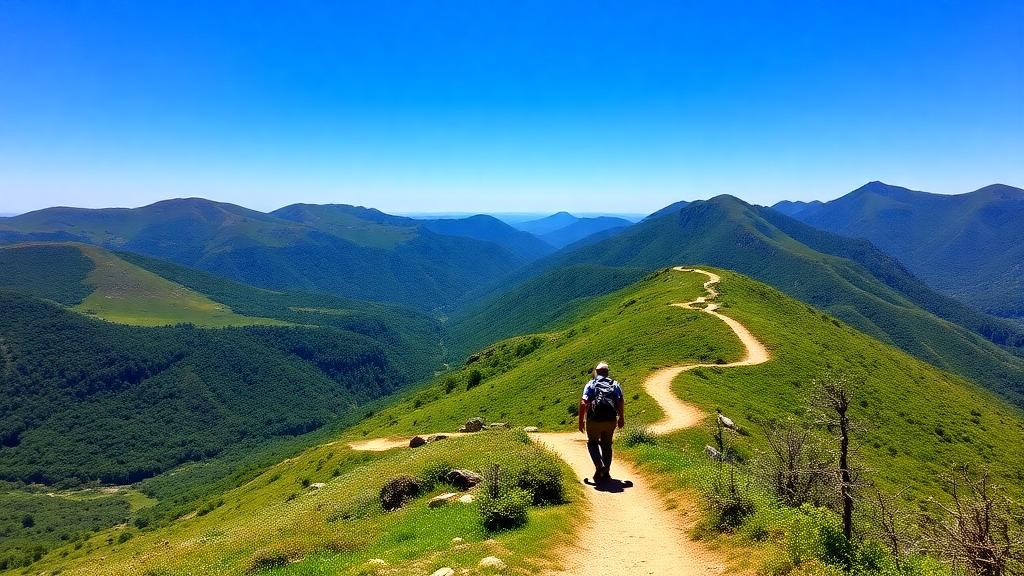
    A lone hiker walking along a peaceful trail surrounded by lush green mountains under a clear blue sky.

    Introduction

    Walking trails offer a way to step away from everyday worries and dive straight into nature’s beauty. These paths show us views that are hard to forget, fresh air that clears the mind, and a feeling of small wins with every step. Across the world, from misty mountains to sunny coastlines, there are trails that give a perfect mix of peace and adventure. In this blog, I’ll take you through six of the most beautiful walking trails you can find. These trails bring calm, excitement, and breathtaking sights all at once. Whether you enjoy long hikes or a simple walk, these spots will inspire your next travel plan. Plus, I will also share a few lesser-known trails in India, for those who want to explore closer to home. So, let’s get going and discover these amazing paths.

    1. Appalachian Trail, USA
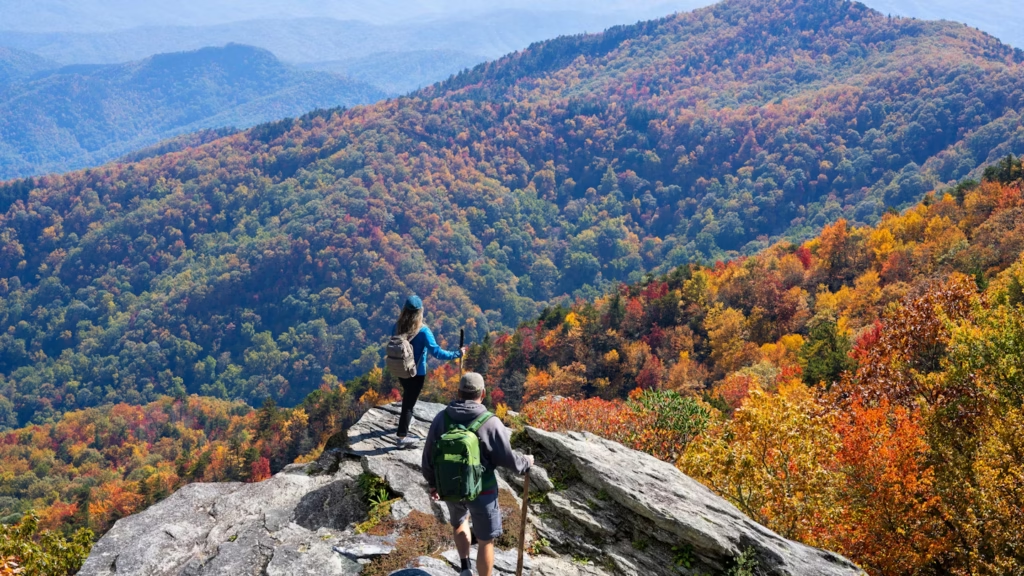
    Hiker walking on a sunlit forest trail surrounded by tall green trees on the Appalachian Trail, USA.

    Think about walking through places that look straight out of a picture postcard. That’s what the Appalachian Trail is like. Stretching more than 3,500 kilometres, it runs from Georgia all the way up to Maine, crossing 14 states. You will find everything here thick forests, tall mountain peaks, flower-filled meadows, and small mountain towns with their own charm. Most people don’t try to walk the whole trail in one go that would take months! Instead, they pick short parts to enjoy over several trips. The months from April to October are best because the weather is neither too cold nor too hot, and the scenery is at its best. For Indian travellers, it’s like combining the different landscapes of the Himalayas with the peaceful mountain villages you find in Himachal Pradesh.

    2. Yoshida Trail, Japan
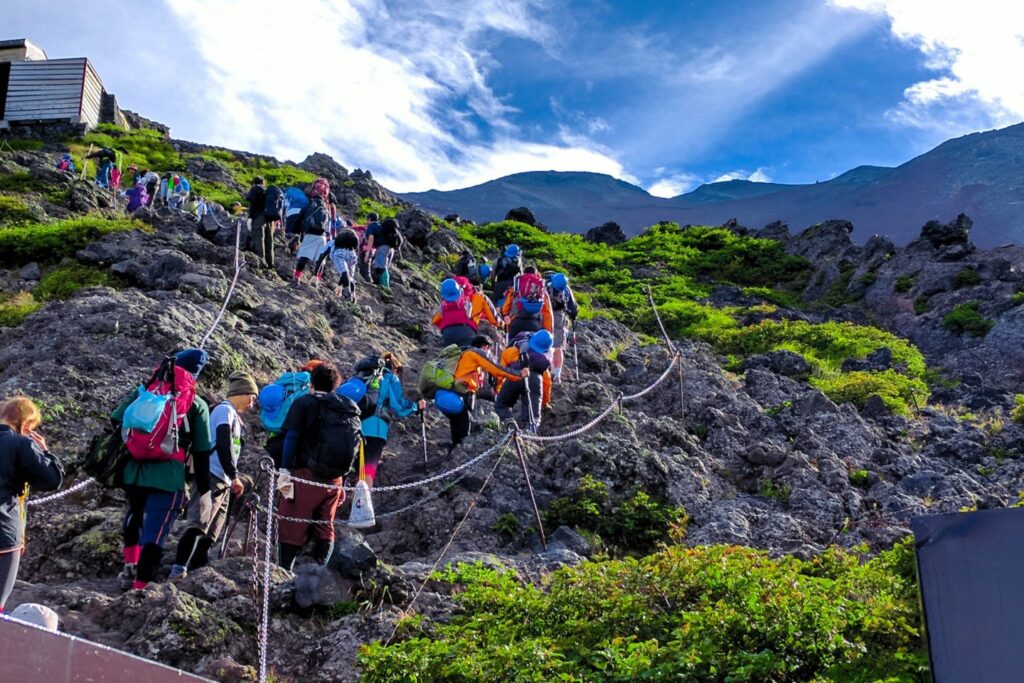
    Hikers climbing the Yoshida Trail on Mount Fuji with volcanic rocks and shrines visible along the path.

    If climbing Mount Fuji has ever been on your mind, the Yoshida Trail is the most popular way to reach the top of Japan’s highest peak at 3,776 meters. This trail shows a mix of rough volcanic rocks and steep climbs, with old shrines along the way that add a peaceful feel. The real magic is waiting for you at the summit the sunrise called goraiko. It’s a quiet moment, almost like time stands still. The best months to visit are July and August when the snow melts and the weather stays steady. Along the way, small rest stops offer traditional Japanese snacks, giving you the energy to keep moving. For readers in India, it’s a bit like climbing to Kedarnath or another sacred peak, but with a different, unique Japanese atmosphere.

    3. Cinque Terre Trail, Italy
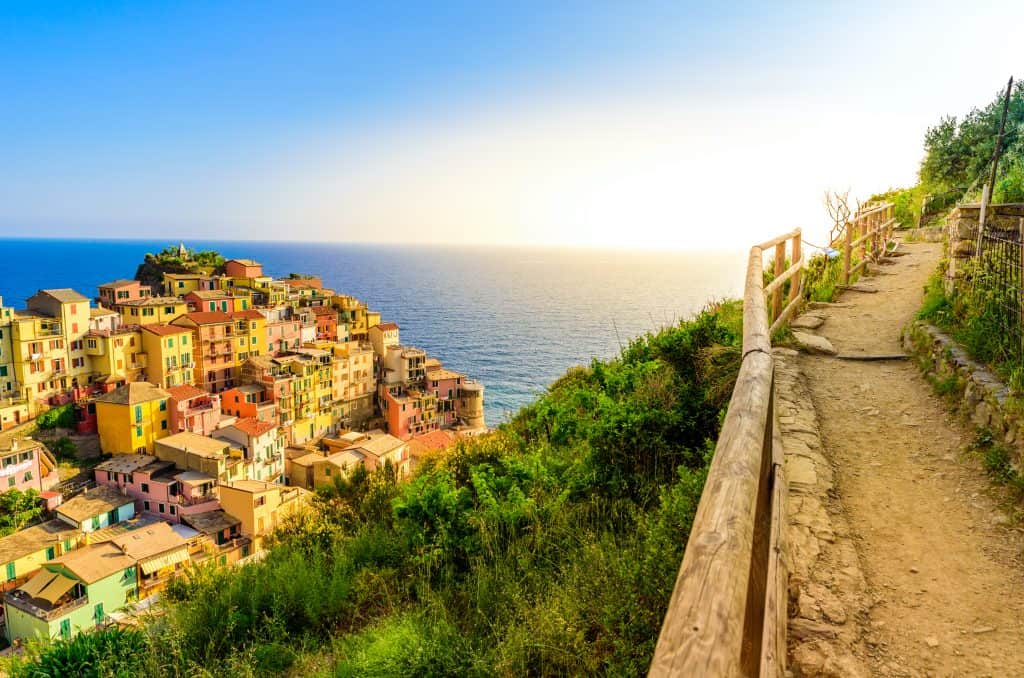
    Cinque Terre coastal hiking trail with colorful cliffside villages and clear blue sea.

    For those who enjoy coastal walks, the Cinque Terre Trail in Italy is hard to beat. This 12-kilometer path connects five small villages that sit on cliffs overlooking the beautiful Ligurian Sea. Each village is special, with colorful houses, vineyards grown on terraces, and narrow lanes that feel frozen in time. Walking here means enjoying crashing waves, the fresh smell of herbs like basil, and of course, stopping for gelato now and then. It’s not a difficult hike, and you can finish it in a day if you want, but spending a night in one of the villages makes it even better. For Indian travelers, it brings to mind the peaceful coastal feeling you get in places like Goa.

    4. Overland Track, Australia
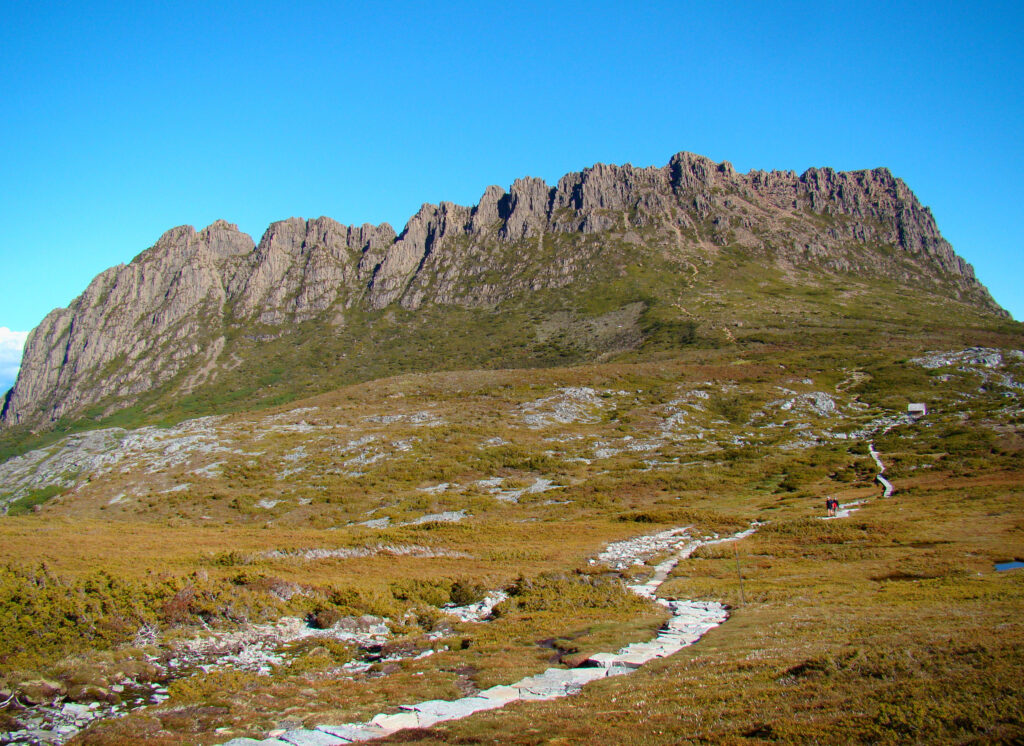
    Hiker walking along the Overland Track in Tasmania surrounded by lush rainforest and open alpine plains.

    Down in Tasmania, Australia, the Overland Track covers 65 kilometers of wild, untouched beauty. The trail begins at Cradle Mountain and ends at Lake St Clair. Along the way, you walk through old rainforests, wide alpine plains, and valleys shaped by glaciers. You might spot interesting animals like wombats and Tasmanian devils if you’re lucky. This trail has huts for resting overnight, making it good for longer treks. The best time to visit is from October to April when the weather is friendlier and days are longer. For Indian adventurers, it’s like trekking through the untouched forests in the Western Ghats but with a distinct Australian flavour.

    5. Camino de Santiago, Spain
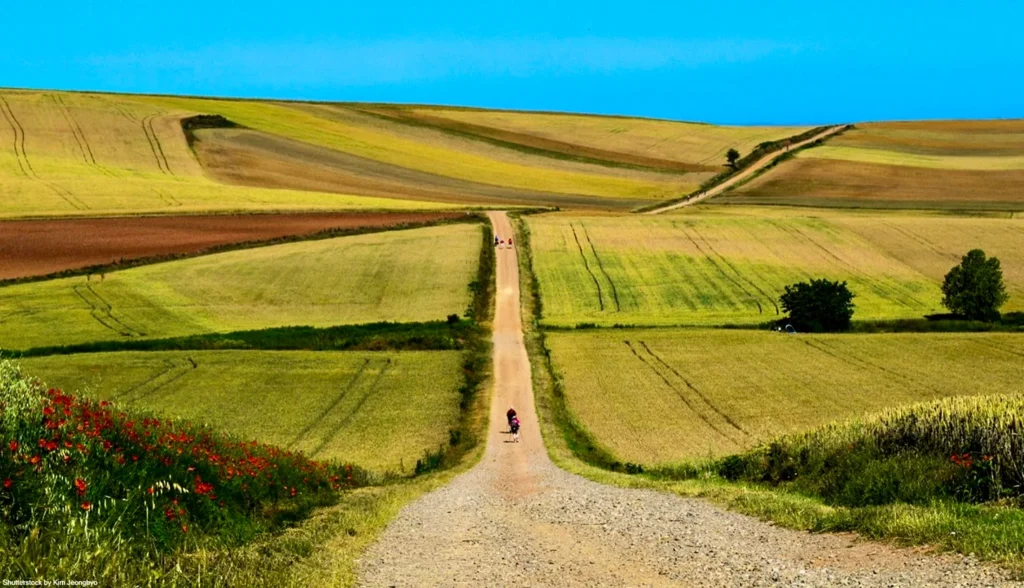
    Pilgrims walking the scenic Camino de Santiago trail through Spanish countryside marked with yellow arrows.

    The Camino de Santiago is more than just a walking trail; it’s a centuries-old pilgrimage. The French Way, the most popular route, starts in a small town in France and stretches around 790 kilometers to Santiago de Compostela in Spain. The journey takes you through different kinds of landscapes—from the Pyrenees mountains to flat plains—and historic cities along the way. The route is clearly marked, and many people walk it seeking both a physical challenge and some spiritual time. Hostels along the way provide places to rest. The best seasons are spring and autumn, when the weather feels pleasant and the path is less crowded. For Indian readers, it is somewhat like going on a pilgrimage to places such as Amarnath or Sabarimala, but in a European setting.

    6. West Highland Way, Scotland
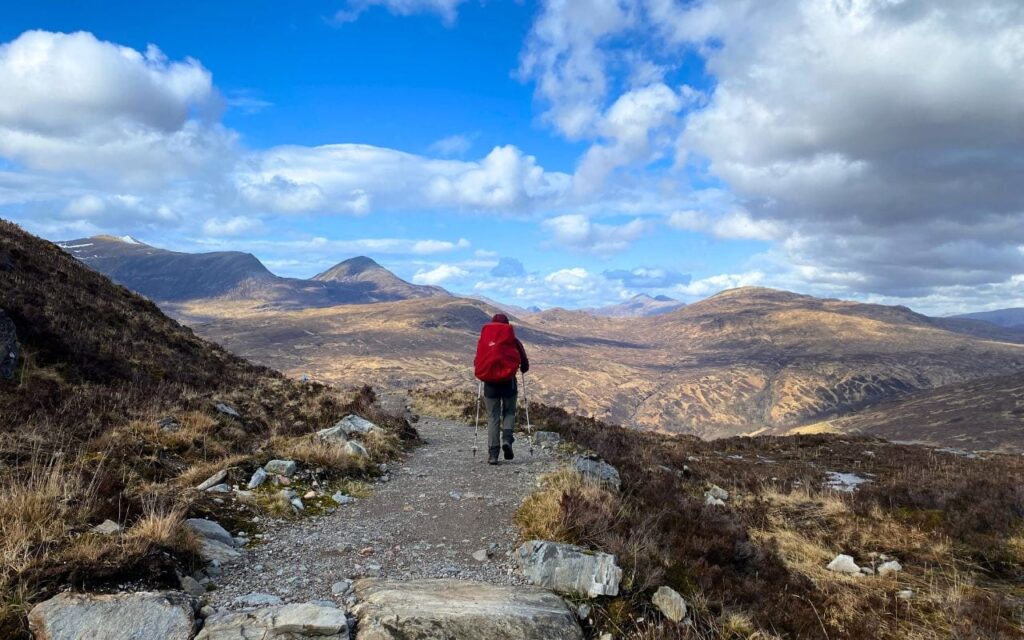
    Hiker walking the West Highland Way trail through misty mountains and green valleys in Scotland.

    The West Highland Way stretches about 154 kilometers from just outside Glasgow to Fort William, near Ben Nevis, the highest peak in the UK. The trail shows off Scotland’s famous scenery—from the calm waters of Loch Lomond to the wild mountains of Glen Coe. You’ll find forests, waterfalls, and some steep climbs, like the tough part called Devil’s Staircase. May to September is the best time to walk here, but be ready for Scotland’s changeable weather. For Indian travellers, this trail might remind you of the misty hills and romantic landscapes often shown in films shot in Scotland.

    Bonus: Scenic Trails in India

    While international trails are beautiful, India has plenty of its own treasures. The Triund Trek near McLeod Ganj offers wide views of the Dhauladhar range and is easy to access. Hampta Pass Trek takes you from green valleys to snow-covered peaks, showing a variety of landscapes in one trip. In Kerala, the Chembra Peak Trek leads through tea gardens and grasslands to views of the Western Ghats. These trails give a chance not only to enjoy nature but also to experience the rich culture of India. So, if you want adventure without travelling far, these options are great.

    Conclusion

    Walking these trails is not just about covering distance; it’s about feeling connected to nature and finding peace inside yourself. Every trail has its own story, challenges, and beauty. Whether you want the vast wilderness of the Appalachian Trail or the cultural depth of Camino de Santiago, there’s a path waiting for you. And if you prefer to stay nearby, India’s trails offer wonderful chances to explore and enjoy. So why wait? Start planning your next trip and find your own path to wonder and discovery.

    📚 You Might Also Like:

    How to Choose the Perfect Walking Trail for Your Trip
    Tips to find trails that match your fitness and travel style, so your adventure stays fun.

    Packing Essentials for Long Treks and Walking Trails
    Simple things to carry that make your journey comfortable and worry-free.

    Solo Travel Tips Every First-Time Explorer Should Know
    Helpful advice to make your solo adventure safe, fun, and memorable.
  • 10 Best Waterfalls in India Perfect for Summer Holidays

    10 Best Waterfalls in India Perfect for Summer Holidays

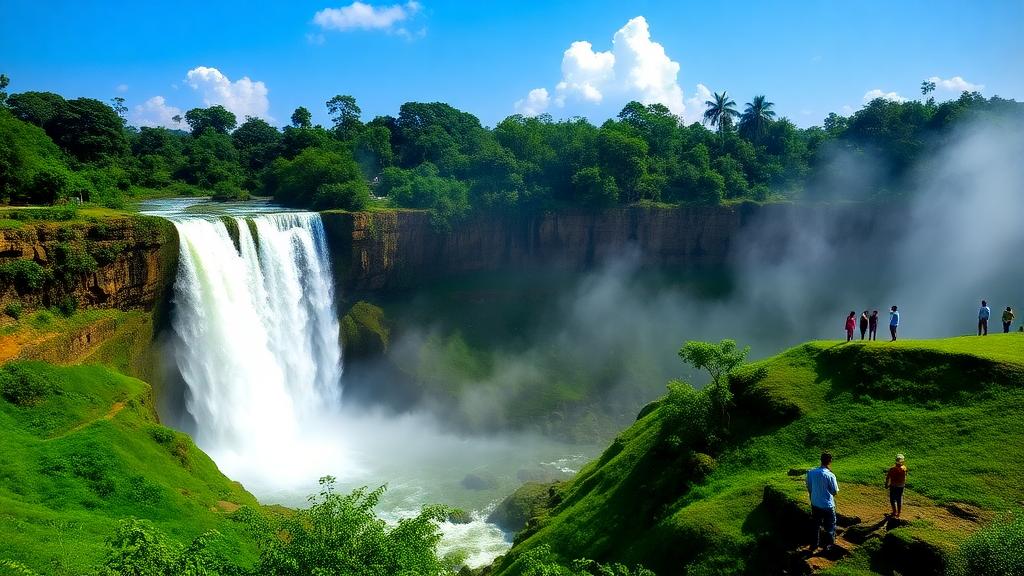
    Scenic summer waterfall in India surrounded by lush greenery

    Introduction

    When summer starts heating up in India, we all start looking for places where we can cool off and just breathe. Beaches are good, yes, but there’s something about waterfalls – that constant roar, fresh mist on the face, and greenery all around – which feels refreshing in a different way. India, from the hills of Himachal to the forests of Kerala, has many waterfalls that are not just beautiful but also perfect for a summer break. Whether you’re planning a short trip with family, going solo, or thinking of a peaceful break with your partner, these 10 waterfalls are worth adding to your list.

    1. Jog Falls, Karnataka

    Jog Falls in Karnataka is one of those places that leave you speechless, no matter how many times you visit. It’s the tallest plunge waterfall in India, falling from about 253 meters. Even in summer, when the flow is not at its peak, the view is still breathtaking. You can feel the mist on your face and hear the echo of the water from far away. The Sharavathi River splits into four streams here – Raja, Rani, Rocket, and Roarer. If you like photography or just enjoy standing still and soaking in nature, this is the spot.

    2. Dudhsagar Falls, Goa

    People usually go to Goa for beaches, but Dudhsagar Falls is a whole different experience. It’s called the “Sea of Milk” because of the way water foams down like thick, white milk. It’s on the Goa-Karnataka border, and if you’re lucky, you can catch a train that passes right in front of it – quite a view! You can also trek through Mollem National Park to reach it. During summer, the flow reduces a bit, but the surroundings are still full of life and greenery.

    3. Nohkalikai Falls, Meghalaya

    Nohkalikai Waterfall in Cherrapunji, Meghalaya, India

    This one is in the northeast, near Cherrapunji – a place known for rains and clouds. Nohkalikai is India’s tallest plunge waterfall, around 1,115 feet. There’s a sad story attached to it, about a woman named Likai, but the place itself is beautiful and calm. Even during summer, early mornings are cool and misty here. The high cliffs and soft wind make it a quiet escape from the noise of cities.

    4. Athirappilly Falls, Kerala

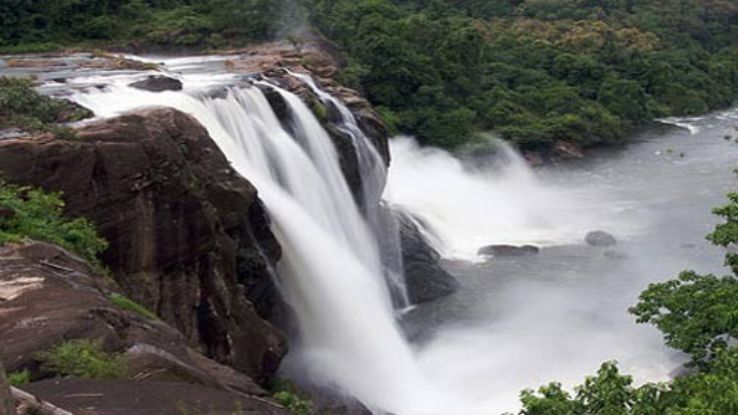
    In Kerala, Athirappilly Falls is famous not just for its beauty, but also for the wildlife around it. It’s called the “Niagara of India.” At around 80 feet high, it may not be the tallest, but it’s wide and strong. The rainforest nearby is home to rare birds and butterflies. You can sit on the riverbank, enjoy a boat ride, or simply walk around. Even during summer, it stays cool thanks to the shade and water.

    5. Hogenakkal Falls, Tamil Nadu

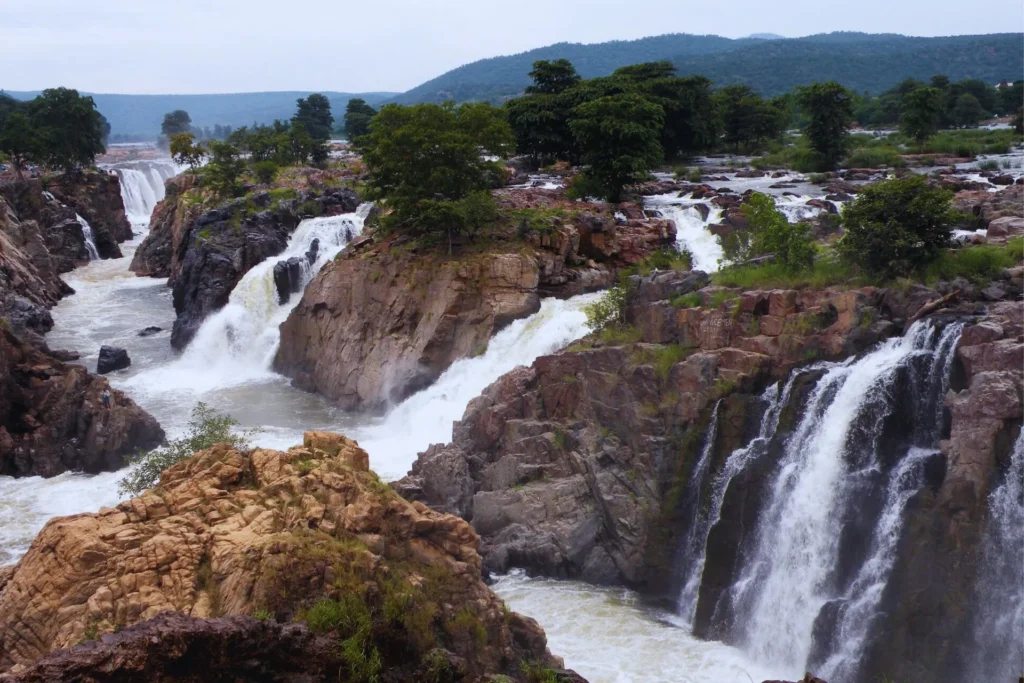
    Another one with the nickname “Niagara of India,” Hogenakkal is not just about watching water – it’s about the whole experience. You can ride in round coracles, taste local snacks, and take a mineral bath (locals say the water has health benefits). The sound of the Kaveri River hitting the rocks is something you won’t forget. In summer, water levels stay decent, and there are fewer crowds.

    6. Bhagsu Waterfall, Himachal Pradesh

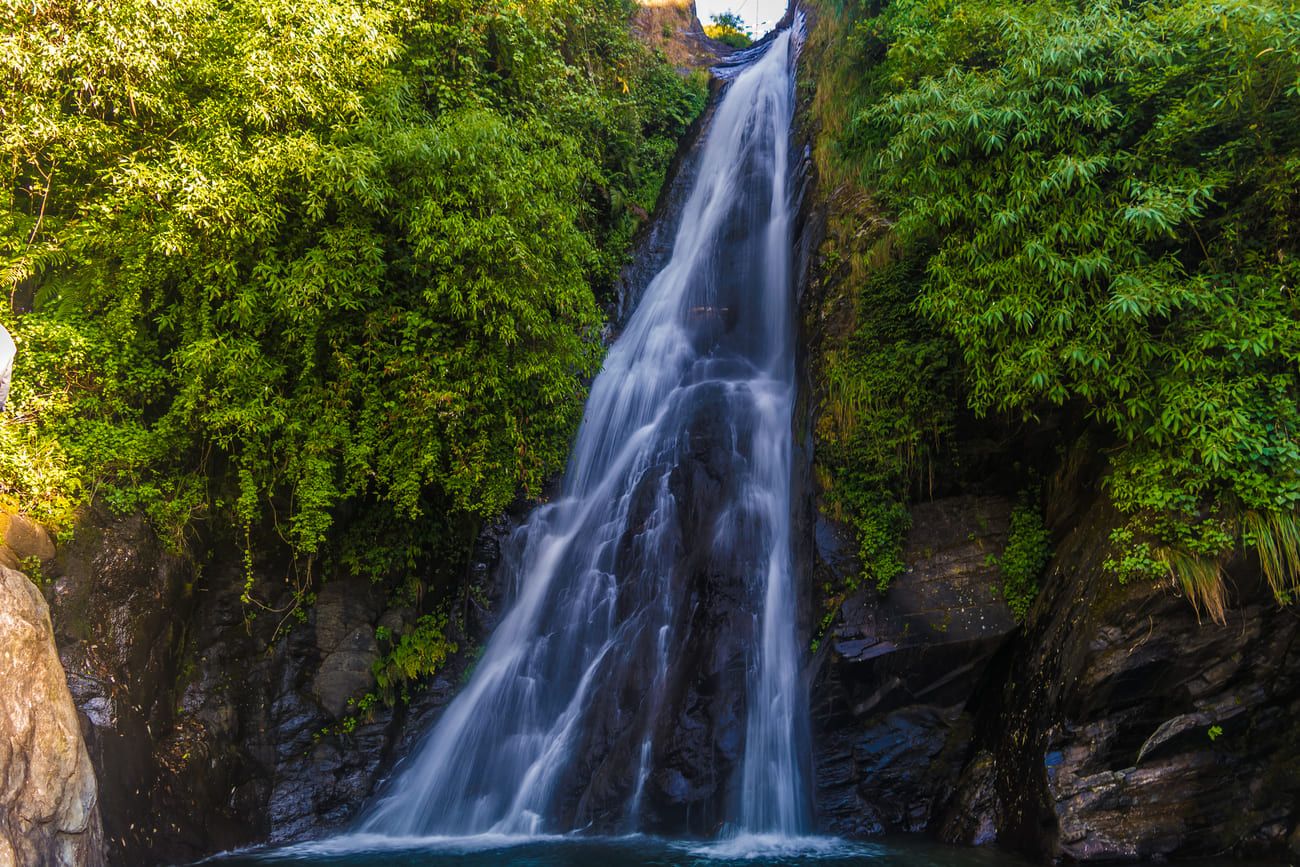
    Located near McLeod Ganj, Bhagsu Waterfall is a small but charming place. You can reach it after a short trek through cafes and local stalls. The water is chilly, perfect for cooling off in summer. It’s peaceful, and you’ll often see tourists just sitting with a drink, watching the stream flow. The Tibetan vibe of the area adds a calm energy.

    7. Soochipara Falls, Kerala

    Back in Kerala again, Soochipara Falls in Wayanad is hidden inside a forest. It’s a three-tiered waterfall, and you have to trek a bit to reach it. But that’s part of the fun – the path is full of trees, birds, and scenic views. When you reach the base, there’s a natural pool where you can take a dip. Summer is a good time to go because the trail stays dry and safe.

    8. Chitrakote Falls, Chhattisgarh

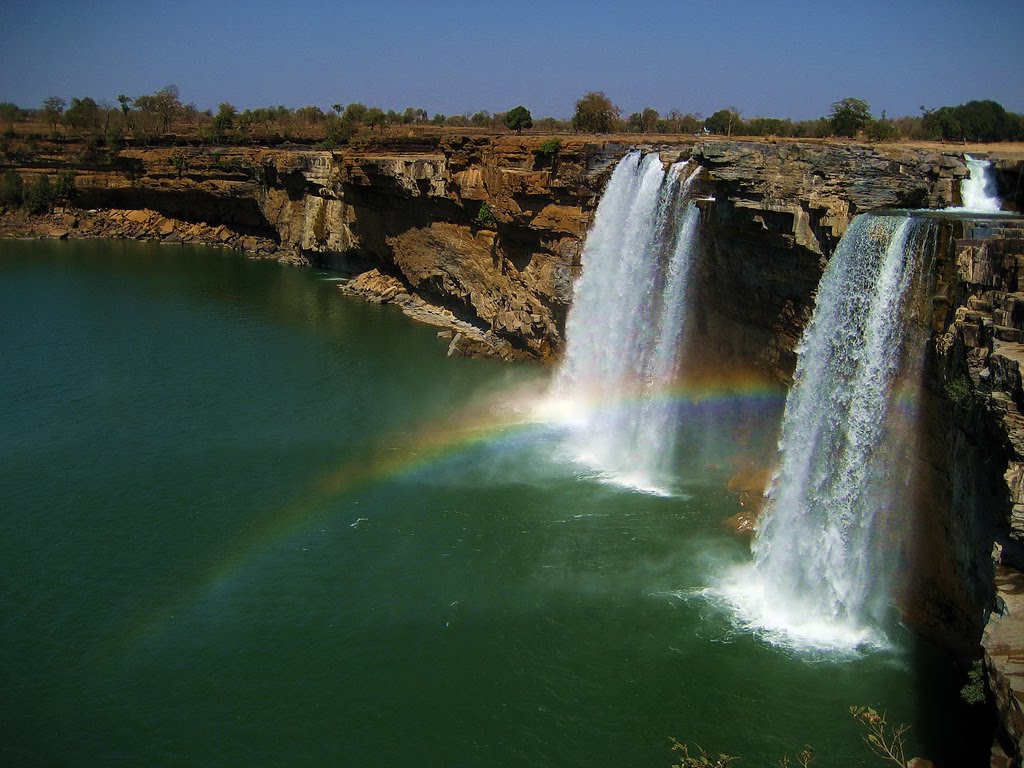
    This one is not very famous yet, but it should be. Chitrakote Falls in Bastar is India’s widest waterfall. The Indravati River spreads out like a curtain and falls down in a semi-circle. The area around is tribal, so you can learn about local culture too. Even if the water flow is lower in summer, the sheer width and sound make it worth the trip.

    9. Elephant Falls, Meghalaya

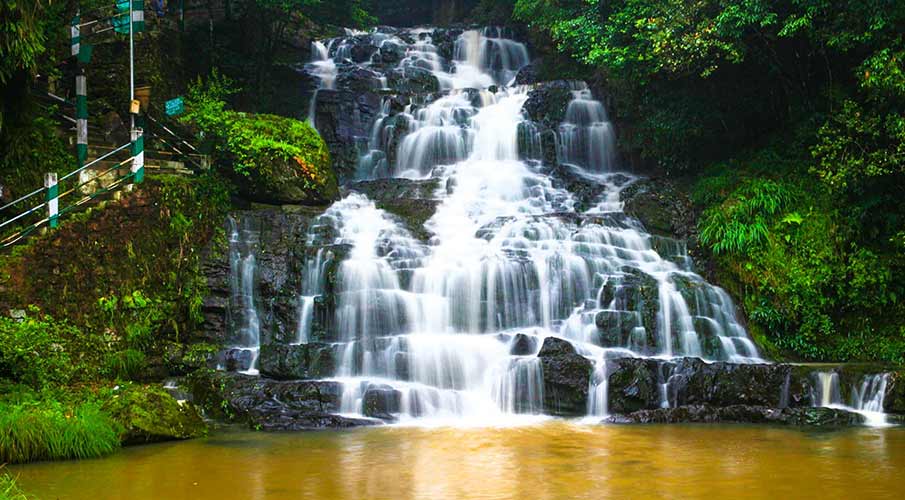
    Close to Shillong, Elephant Falls got its name from a rock that looked like an elephant – though that rock broke off years ago. Still, the name stayed. It’s a three-step waterfall with walking paths that go right to the base. Ferns and pine trees grow all around. Summer is a nice time to visit as you can walk without slipping, and the water level is safe for dipping your feet.

    10. Meenmutty Falls, Kerala

    Meenmutty Falls, again in Wayanad, is for those who love a bit of adventure. It’s not easily reachable – you need to trek through dense forest. But once you reach, it’s worth the effort. There are three levels of waterfalls, and the sound of water is constant. You might even spot a few wild animals along the way. In summer, the trail is dry and manageable.

    Tips for Visiting Waterfalls in Summer

    • Best Time to Visit: While monsoon enhances the beauty of waterfalls, summer visits offer easier access and fewer crowds.
    • How to Reach: Research the best routes and modes of transportation for each waterfall, as some may require treks or specific travel arrangements.
    • What to Carry: Pack essentials like water, snacks, sunscreen, and appropriate footwear for trekking or walking on slippery surfaces.
    • Safety First: Always follow local guidelines, avoid risky areas, and be cautious of slippery rocks and strong currents.

    Final Thoughts

    All these waterfalls are more than just tourist spots. They’re places where you can breathe fresh air, sit quietly, and enjoy what nature has to offer. Personally, I feel that standing near a waterfall makes you realise how small we are – and how peaceful nature can be when left untouched. If you’re planning a summer trip, skip the malls and city hotels for once – go find a waterfall instead.

    🔗 You Might Also Like These Travel Reads:

    🌿 Feeling the Heat? Check out Top Hill Getaways in South India to Chill This Summer – perfect if you’re craving peace, greenery, and cool air.

    💧 Love Water Vibes? Don’t miss India’s Most Beautiful Lakes You Should Visit Once – these calm spots are nature’s own retreat.

    💸 Travelling on a Budget? Don’t miss Top 10 Budget-Friendly Travel Destinations for 2025 – from hills to beaches, these spots won’t hurt your wallet but will still give you a dream trip!

  • Essential Safety Tips for Every Traveller

    Essential Safety Tips for Every Traveller

    Safety Tips

    Travel is exciting and full of new experiences, but also some unwelcome dangers. This book gives you practical traveller safety advice that you can apply anywhere, based on actual experiences and current travel research. From boarding a train in Europe to walking through markets in Southeast Asia, these methods keep you safe without ruining the experience.

    1. Research Before You Go

    First things first: get a solid source of information on where you’re traveling. Consult government travel advisories, local papers and credible blog sites. Consider regional crime indexes, weather tendencies and health precautions. For instance, you’ll learn that it’s pickpocket season by popular train stops in some towns, so you’ll bring along a concealed cash belt beforehand.

    • Understand Local Customs
      Respecting local standards can protect you. Photography of sensitive areas is prohibited in some societies. In others, dressing modestly demonstrates respect for customs. A simple principle: if unsure, watch how locals dress and act, then mimic them.
    • Plan Your Arrival
      Book airport transportations or book taxis in advance via official apps. Refrain from unlicensed drivers who can overcharge or use unsafe paths. Attempt to arrive in daylight hours if feasible, and inform family or friends of your arrival information.

    2. Stay Aware On the Move

    Once you’re on the road, situational awareness is crucial. Keep your head up, scan crowds and trust your gut if something feels off. Tourists often fall prey to common scams—fake petitions, distraction thefts or bogus tour guides. If someone approaches with a too-good-to-be-true offer, politely decline and move on.

    • Secure Your Belongings
      Use lockable zippers on backpacks and cross-body bags. Split cash and cards between pockets, so you’re not stranded if one stash is stolen. When dining or resting, loop your bag around a chair leg or keep it between your feet.
    • Blend In When Possible
      Dressing in obtrusive logos or lugging fancy cameras identifies you as a tourist. Wear neutral colors and keep pricey gadgets in discreet luggage. Be purposeful on busy streets.

    3. Select Safe Accommodation

    Check recent reviews to make sure hostels or hotels have good security—24-hour reception, CCTV and well-lit common spaces. If renting privately, check the address against official records and that neighbours appear welcoming rather than deserted.

    • Lock Windows and Doors
      Night checks are easy: just make sure all entries lock tight before you go to bed. Take a portable door stop alarm or “door jammer” to have some extra security reassurance in unfamiliar rooms.
    • Know Your Neighbours
      A friendly neighbour may warn you about strange noises or tip you off about local crime. A chat in the lift can be sufficient.

    4. Use Technology Wisely

    Smartphones have a dual life. Map applications guide you in the right direction, but lit-up screens on the street expose you to a vulnerable position. Download maps and share your current location with a trusted person. Use VPNs on public hotspots to hide sensitive information.

    – Emergency Apps and Contacts

    Download local emergency apps—most countries have special services with English support. Save police, ambulance and your embassy numbers in a note that doesn’t need internet.

    5. Stay Healthy Abroad

    Health is safety as well. Bring a minimal first-aid kit: plasters, antiseptic wipes and any prescribed medication. Check for necessary vaccinations and bring insect repellent if mosquitoes are prevalent. Drink bottled water or use purification tablets where tap water is not safe.

    – Be Mindful of Food Hygiene

    Street food is irresistible, but pick vendors where food is prepared before your eyes and turnover is high. And if you see locals waiting in line, that’s generally a good sign—even locals have faith that place.

    6. Handle Money Securely

    Inform your bank of travel dates to avoid card blocking. Keep small amounts of local currency and take larger amounts out from ATMs within banks or well-lit locations. Refrain from sharing PINs and signing receipts until amounts are equal.

    – Use Travel Cards

    Prepaid travel cards with limited balances minimize risk when lost. Some provide emergency replacement and fraud protection as well.

    7. Be Prepared for Emergencies

    Unforeseen circumstances—storms, protests or strikes—can upset plans. Always prepare a contingency: additional nights reserved on refundable rates, travel insurance information at hand and a basic Spanish or French phrasebook if you don’t have internet translation facilities.

    – Stay Up to Date

    Join local news alerts through email or SMS. Follow official social-media accounts for up-to-the-minute information on transit closures or weather alerts.

    8. Pay Attention to Your Mental Health

    Travel can be demanding. Plan some downtime to wind down—an early morning stroll through an empty park or reading at a café. Don’t indulge in risky behaviour under exhaustion or unfamiliar temptations.

    Conclusion and Personal Takeaway

    Traveling safely is a matter of balance: be adventurous, but hold on to common sense. There was a trip to Goa when having a small flashlight prevented me from slipping on a dark trail and transformed what would have otherwise been a bad fall into a humorous anecdote with hotel staff. Those simple measures allow you to concentrate on the pleasures of discovery instead of worrying. Preparation and being aware, in the end, enrich every trip and make it memorable.

    Read more related artical here:
    What to Pack for a 2-Week Trip from India
    5 Travel safty tip – Youtube

  • Top 10 Budget-Friendly Travel Destinations for 2025

    Top 10 Budget-Friendly Travel Destinations for 2025

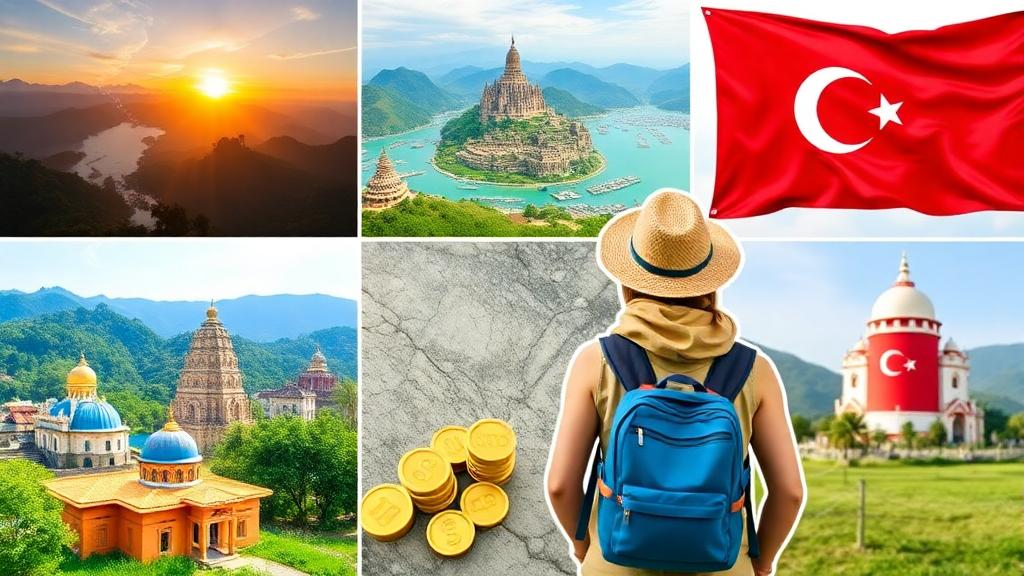
    Collage featuring budget-friendly travel destinations including Vietnam, Sri Lanka, and Turkey, with scenic landscapes, local currency symbols, and a backpacker-style traveler.

    Let’s face it we all dream of going abroad, clicking photos in some foreign galli, sipping chai in a mountain café, and feeling like we’re in a Bollywood travel song. But when we check our wallet or bank app… bas, mood kharaab.

    Still, if you’re clever with timing and don’t mind skipping luxury for some jugaad, 2025 can be your travel year. With the rupee holding up okay, and some good flight hacks and visa shortcuts, you can explore solid places without spending more than ₹1 lakh. And yeh koi “cheap-for-name” type nahi hai these are full paisa vasool spots.

    Here’s a list I made not copied from some travel site of 10 budget-friendly destinations that you can do, even if you’re on a middle-class salary and EMI life.

    1. Vietnam – Where ₹100 Feels Like ₹500

    Vietnam is that place where your INR feels like it’s wearing a Superman cape. Hanoi, Da Nang, Hoi An — each city has its own charm. The food? Wah bhai, street pho with mint chutney-type flavours. Hotels? You’ll get a proper room for less than what a Mumbai sandwich costs in Bandra.

    Rough Daily Budget: ₹2,500 – ₹3,000
    Visa: E-visa (online)
    Don’t Miss: Ha Long Bay cruise, old-school Hoi An lantern streets, and local coffee that’ll kick harder than our nukkad wali chai.

     2. Sri Lanka – Feels Like Goa Got a Makeover

    Just a hop away, Sri Lanka feels like that distant cousin who’s chill, well-dressed, and still desi at heart. Think of it as Goa with a bit more class and less crowd. Flights are super cheap if you keep checking for sales (especially from Chennai or Kochi).

    Rough Daily Budget: ₹2,000 – ₹3,000
    Visa: ETA (apply online)
    Don’t Miss: That dreamy Ella train ride, Sigiriya rock fort, and Mirissa’s peaceful waves.

    3. Georgia – Not America Wala, This One’s a Secret Gem

    People hear “Georgia” and think USA, but this one’s closer and way friendlier on the pocket. Mountains, cobblestone lanes, cozy cafés it’s like walking in a fairytale that didn’t charge entry fees.

    Rough Daily Budget: Around ₹3,500
    Visa: E-visa (if you have UAE/US/UK/Schengen visa)
    Don’t Miss: The Kazbegi hills and that cheesy khachapuri bread fills both heart and tummy.

    4. Nepal – No Passport, No Tension

    You know what’s great about Nepal? It feels both foreign and familiar. You cross the border, and suddenly you’re in front of the Himalayas, sipping thukpa, and thinking “Yeh sab toh itne paas tha!” And no visa drama either.

    Rough Daily Budget: ₹1,500 – ₹2,000
    Visa: Not needed for Indians
    Don’t Miss: Pokhara’s peaceful lakes, that bucket-list Mount Everest flight, and old Buddhist temples.

    5. Turkey – Desi Feel in Foreign Setting

    This one’s a full paisa vasool mix Europe and Asia in one thali. From chai by the Bosphorus to walking through ancient Roman ruins, Turkey has everything. And hot air balloon in Cappadocia? Arre, that’s straight out of a dream.

    Rough Daily Budget: ₹3,500 – ₹4,000
    Visa: E-visa (if you have US/UK/Schengen visa)
    Don’t Miss: Istanbul’s chaos, hammam baths, and the fairy chimneys of Cappadocia.

    6. Indonesia – Bali is Not Just for Honeymooners

    Bali used to be that honeymoon cliché, but now solo travellers and friend groups are owning it. Stay in hostels, rent a scooty, eat nasi goreng for 100 bucks it’s all budget-friendly if you skip the fancy resorts.

    Rough Daily Budget: ₹2,000 – ₹2,500
    Visa: Visa on arrival
    Don’t Miss: Ubud’s green paddy fields, monkey mischief, and beach sunsets that’ll melt your stress away.

    7. Egypt – Time Travel Without Time Machine

    Want to feel tiny next to history? Egypt is calling. Pyramids that’ve been around since before any country was born, plus tasty falafels and a Nile river cruise all without paying Euro prices.

    Rough Daily Budget: ₹3,000
    Visa: E-visa (simple online process)
    Don’t Miss: The Pyramids, Egyptian Museum, and floating peacefully down the Nile.

    8. Thailand – Always Reliable, Always Affordable

    Thailand is like that one friend who never lets you down. Whether you want beaches, parties, or temple trails it fits all moods. Also, no visa till mid-2025? That’s like a travel sale without discount codes.

    Rough Daily Budget: ₹2,000 – ₹2,500
    Visa: Free for Indians (till mid-2025)
    Don’t Miss: Street shopping in Bangkok, Chiang Mai’s mountains, and island-hopping fun.

    9. Philippines – Still Under the Radar

    If beach hopping is your vibe, Philippines should be on your radar. 7,000 islands, crystal water, and food that’s easy on the stomach and wallet. Just avoid peak seasons.

    Rough Daily Budget: ₹2,500 – ₹3,000
    Visa: E-visa needed
    Don’t Miss: Palawan, El Nido’s blue lagoons, and the unforgettable whale shark swim.

    10. Cambodia – Calm, Historic, and Pocket-Friendly

    Cambodia is not for the party crowd — it’s for people who want peace with a side of wow. Angkor Wat is surreal, and the pace of life here… slower than a rural Indian evening.

    Rough Daily Budget: ₹1,800 – ₹2,200
    Visa: Visa on arrival
    Don’t Miss: Sunrise at Angkor Wat, local fish curry, and the floating villages.

    Final Thoughts – You Don’t Need Big Money for Big Memories

    Let’s be real — you don’t need ₹5 lakh and first-class tickets to make memories. You just need the itch to explore, a little planning, and the guts to travel with less. Booking flights early, eating where locals eat, skipping luxury for stories — that’s the real desi traveller’s way.

    “Don’t wait till you’re rich to travel. Travel smart, and you’ll come back rich in memories.”

    What to Pack for a 2-Week Europe Trip from India check here

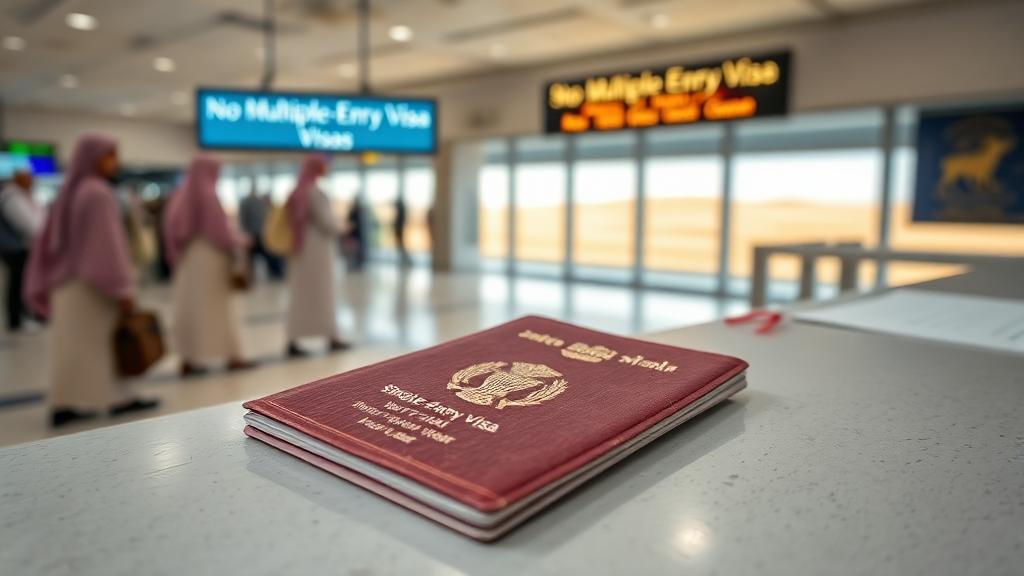
  • Saudi Arabia’ Visa Shift Multiple-Entry Ban for 14 Countries

    Saudi Arabia’ Visa Shift Multiple-Entry Ban for 14 Countries

    Saudi Arabia’s Visa

    Imagine that you’re all set for a year of trips to Saudi Arabia. Maybe some business deals, catching up with family, or just chilling in the desert. And then, boom, everything changes. On February 1, 2025, Saudi Arabia dropped big news: no more multiple-entry visas for people from 14 countries, including India. This isn’t some small thingit’s flipped travel plans for so many. So, what’s happening? Who’s in trouble? And how do you deal with it? Let’s break it down with some real talk, a bit of curiosity, and advice that actually works.

    What’s Changed in Saudi Arabia’s Visa Game?

    Saudi Arabia’s put a full stop; nobody knows for how long on those one-year multiple-entry visas. Here’s what’s gone now. Tourism visas? You used to come and go for 12 months, but now it’s one visit, 30 days tops. Business visas are the same story, just one entry, 30 days, no hopping around for meetings anymore. And family visits, like seeing your cousins in Riyadh? You’ll need a single-entry visa every time, good for a month.

    But don’t freak out if you’re going for Hajj or Umrah. Those visas are still okay, same with diplomatic stuff and residency permits. For regular travelers though, or people who fly there often, this is a proper curveball.

    Why Did Saudi Arabia Pull the Plug?

    Picture this scene of lakhs of people at Mecca for Hajj, heat blazing down, and total chaos. In 2024, over 1,200 lost their lives because of overcrowding and crazy temperatures. Saudi folks started noticing something fishy: some people were slipping in with these long-term multiple-entry visas, staying way past their time, and joining Hajj without the right papers. It’s not just about breaking rules; it was turning dangerous.

    So, Saudi Arabia said, “Enough’s enough.” By cutting these visas, they’re trying to keep things under control, make Hajj safer, and watch their borders better. Smart or too strict? Up to you to think about.

    When Did This Kick In?

    Put it in your diaryFebruary 1, 2025. That’s when the multiple-entry dream ended. They haven’t said when it’ll come back, if ever. So, for now, if you’ve got a trip lined up, don’t think you can waltz back in a month later without a fresh visa.

    Who’s Caught in the Crosshairs?

    This hits 14 countries, and it’s a mixed bunch. Here’s the list Algeria, Bangladesh, Egypt, Ethiopia, India, Indonesia, Iraq, Jordan, Morocco, Nigeria, Pakistan, Sudan, Tunisia, Yemen. If you’re from one of these, your travel plans just got shaken up. India’s got so many people going to Saudi Arabia business types, tourists, familiesit’s going to hit us hard.

    What Does This Mean for You?

    Let’s be honest this isn’t just paperwork it’s personal stuff. Maybe you’re an Indian guy sealing deals in Jeddah, or someone from Morocco visiting relatives in Dammam. Here’s the deal now. Plan ahead single-entry visas mean more forms every time, so apply early, don’t wait till the end. Stick to the rules of overstaying or sneaking into Hajj? Bad move. You’re looking at heavy fines, jail, or even a permanent ban from Saudi Arabia.

    And yeah, budget smarter more visa applications mean extra cash spent. My friend in Delhi, Anil, used to zip to Riyadh every few months for work. Now he’s moaning about the hassle, but he says it’s making him think harder about his trips. Less random running around, more focus maybe that’s not so bad.

    How to Stay in the Loop

    Saudi Arabia isn’t shouting this from the rooftops. You’ve got to check their official sites or call the embassy yourself. I learned it the tough way: don’t trust every travel blog you read (funny, right?). My cousin almost got stuck last year, but a quick chat with the consulate saved him.

    The Bigger Picture

    This isn’t just about visas it’s Saudi Arabia showing they’re serious. Hajj isn’t some small event; it’s a giant thing, and safety matters big time. Plus, with their Vision 2030 pushing tourism and all, they’re juggling being open with keeping order. It’s a tricky balance, and this ban’s a bold step.

    Tips for Travelers

    Double-check your visa type before booking anything, don’t mess that up. Watch Hajj dates too even if you’re not going, the crowd controls might mess with you. And talk to peoplecheck forums like X, see what other travelers are saying. This shift might feel rough, but it’s not over. Saudi Arabia’s still there just pack some extra patience with your bags.

  • Solo Travel Tips Every First-Time Explorer Should Know

    Solo Travel Tips Every First-Time Explorer Should Know

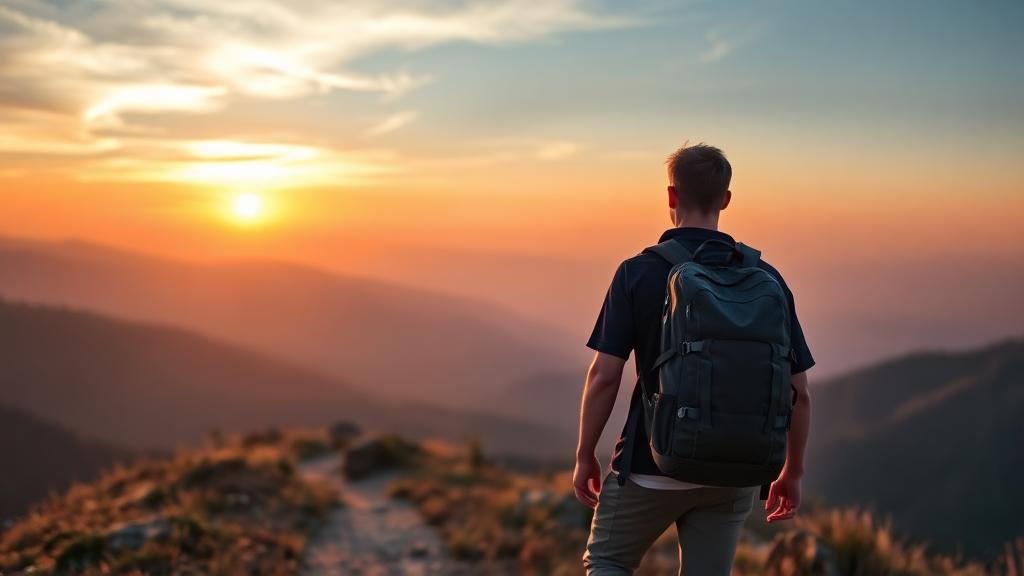
    A young solo traveller with a backpack, walking alone on a mountain trail during sunset with a scenic background – peaceful, adventurous vibe

    There’s something special about going on your first solo travel trip. It’s exciting, sure, but also a bit scary. You’re on your own walking around a new place, eating alone, figuring things out by yourself. Some moments feel peaceful, some feel confusing. But that’s the fun of it.

    Let’s be honest, solo travel isn’t always picture-perfect. It’s not just beaches and sunsets. Sometimes it’s getting lost, or sitting quietly in a café not knowing what to do next. But if you’ve been thinking about going on a solo trip for the first time, this might help. No fancy advice here, just simple talk.

    Why Even Travel Alone?

    Think about it. When you go with others, the trip becomes a group story. When you go alone, it becomes your own story. You notice small things more. You feel proud when you figure something out without help like reading a signboard in another language, or finding your hostel without asking ten people.

    And the best part? You start feeling okay with being alone. You enjoy your own company. It’s like getting to know yourself better, but while walking through a street market or watching the sunset from a quiet hill.

    Tips That Actually Help (From People Who’ve Done It)

    Start with a Comfortable Place

    You don’t have to fly across the world. Pick a place that’s safe and easy to travel maybe a popular destination where lots of solo travellers go. Somewhere with good transport, English signs, and friendly locals.

    Pack Only What You’ll Use

    One big mistake? Overpacking. Remember, you’re the one carrying everything. Pick clothes that match with each other. Carry basic medicines, a power bank, and photocopies of your ID. Keep it light your back will thank you later.

    Plan Less, Feel More

    It’s good to know where you’re going, but don’t fix every hour. Some of the best memories come from unplanned moments. Maybe you find a quiet beach that’s not on the internet. Or a stranger tells you about a food stall nearby. Leave some space for surprises.

    Stay in Hostels (Not Just Hotels)

    If you stay in hostels or homestays, you’ll meet other solo travellers. Many of them are also exploring for the first time. You might hear some interesting travel stories or even end up exploring together for a day.

    Trust That Feeling in Your Stomach

    If something doesn’t feel right leave. Whether it’s a place, a person, or a situation. You don’t owe anyone an explanation. Better to feel safe than be polite for no reason.

    That Quiet Feeling Called Loneliness

    It happens. You’ll see people laughing in groups while you’re eating alone. You’ll miss home during quiet nights. But slowly, you’ll learn to enjoy these slow moments. Carry a book. Write a few thoughts in a notebook. Or just sit on a bench and watch people go by.

    And yes, call your people. A five-minute chat with your friend or your parents can really lift your mood.

    Small Things That Actually Matter

    • Download offline maps — WiFi isn’t reliable everywhere.
    • Learn a few local words — even just “hello” or “thank you” shows respect.
    • Keep your passport and money in different places — in case one gets lost or stolen.
    • Post your photos after leaving the place — just a basic safety tip.

    Final Word: It’s Your Journey

    Solo travel isn’t about running away from life. It’s about walking into it — slowly, calmly, with your own steps. It teaches you things that no book or video can. You’ll come back with more confidence, a better mood, and a new kind of peace.

    So if you’ve been waiting for a sign, this is it. Book that ticket. Go see a new place. Talk to strangers. Eat new food. Make mistakes. Learn from them. And come back with stories only you could’ve lived.

    If you are plannning to travel to europe, this page will surely help you to bags : What to Pack for a 2-Week Europe Trip from India