Tag: Technology

  • Elon Musk’s Book List That Could Change You Too

    Elon Musk’s Book List That Could Change You Too

    Introduction

    Elon Musk didn’t become Elon Musk’s overnight. Behind all the rockets, electric cars, and big ideas, there’s a mind that has been shaped deeply by books. He has often said that reading played a huge role in how he thinks and builds things. And when you look at the kinds of books he read while growing up—and even now you’ll notice one thing: they’re not just for entertainment. These books pushed him to think big, solve hard problems, and imagine things most of us wouldn’t even dare.

    In this blog, we’ll go through 10 books that Elon Musk himself has spoken about — the kind of books that helped him become who he is today. Whether you’re into tech, business, science, or just want to grow as a person, there’s something here that might just nudge you in a new direction.

    Books That Fired Up Elon Musk’s Imagination

    Musk’s bookshelf is full of variety science fiction, biographies, even books on engineering. Let’s take a look at what made an impact on him and how these books can still inspire anyone looking to do something meaningful.

    1. The Foundation Series – Isaac Asimov

    This one’s more than just sci-fi. It’s about how one person uses math to predict the rise and fall of empires. Musk has said it helped him think about saving civilization, not just building rockets. In a way, it’s like using knowledge to plan the future, which honestly feels close to what our ancient thinkers were doing too.

    2. The Lord of the Rings – J.R.R. Tolkien

    The story isn’t just about elves and battles—it’s about standing up when things go wrong. Musk once mentioned how the characters’ courage inspired him to stay strong during tough times. Even in our own lives, when nothing seems to work, it helps to remember that heroes are made during hard times.

    3. The Moon Is a Harsh Mistress – Robert Heinlein

    This one’s a story about a lunar colony fighting for freedom. It’s got politics, science, and big ideas. Musk connected with its message of independence and building from scratch. Just like how India’s scientists quietly built our space dreams from small labs—this book reflects that same spirit.

    Biographies That Shaped Elon Musk’s Real-World Lessons

    Musk didn’t only read fiction. He also picked up biographies of people who did many things at once thinkers, inventors, leaders. These real-life stories showed him that curiosity and effort can lead to big change.

    4. Benjamin Franklin: An American Life – Walter Isaacson

    Franklin was into everything electricity, diplomacy, business. Musk liked how he chased new ideas and built useful things. And honestly, it reminds us of our own thinkers who didn’t stick to just one field. Learning from people who did multiple things well can be very motivating.

    5. Einstein: His Life and Universe – Walter Isaacson

    Einstein’s name is everywhere in science. But this book shows the human side too — his doubts, his dreams. Musk admired his thinking style. For anyone who wants to understand how bold ideas come alive, this one’s worth reading.

    Books That Influenced Elon Musk’s Approach to Building the Future

    As someone who’s started many companies, Musk values books that talk about building things that don’t exist yet.

    6. Zero to One – Peter Thiel
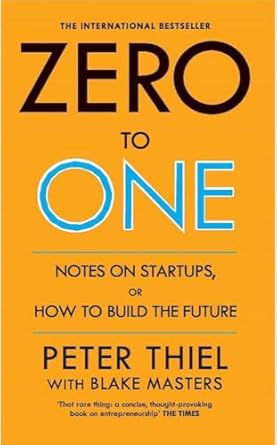
    This book says it straight don’t copy others, build something fresh. Musk appreciated that message. And in India too, we’ve seen startups doing new things rather than just repeating foreign models. If you’ve ever thought of starting something on your own, this book gives a solid push.

    That Reflect Elon Musk’s Vision for the Future of Tech

    With AI and machines becoming a big part of life now, Musk also reads books that deal with technology’s risks and power.

    7. Superintelligence – Nick Bostrom

    This book warns that AI could one day be smarter than humans and not in a good way. Musk takes this seriously. And with India’s tech sector growing fast, it’s something we also need to think about. Not everything new is automatically good.

    8. Life 3.0 – Max Tegmark

    Here, the author imagines what might happen when AI truly takes over. Elon Musk’s said it helped him think about the choices we need to make. For anyone who’s curious about the next 20–30 years, this is eye-opening.

    Books That Gave Him Technical Know-How

    Musk didn’t rely only on experts. He read technical stuff to understand the work himself.

    9. Structures: Or Why Things Don’t Fall Down – J.E. Gordon

    It sounds like a dry book, but it’s not. It explains how bridges and buildings stay up or fall down. Musk used it to understand rocket parts better. And honestly, anyone into design or construction can benefit from the clear way it explains things.

    10. Ignition! – John D. Clark

    This one’s a funny and detailed history of rocket fuel. Musk enjoyed how it mixed humour with hard science. It shows how even serious fields can be fun to learn if written well.

    What I Learnt After Going Through This List

    Reading about Elon Musk’s book choices makes one thing clear success doesn’t just come from action. It starts with ideas. And those ideas often come from reading the right things. Whether it’s a story about a future planet or a life story from the past, these books gave Musk the fuel he needed. And honestly, they can do the same for anyone who’s curious and willing to think beyond the usual.

    You don’t need to be a billionaire to start reading like one. Maybe try just one of these books and see where it takes you.

    Liked this post? Then you’ll probably love this as well: Zero to One by Peter Thiel – A go-to book for startup folks. Here’s Peter Thiel’s official site if you’re curious about his work beyond the book.

    Interested in this? You’ll also want to read: Effective Time Management Techniques for a More Productive Life — If Elon Musk can manage multiple companies and still find time to read, so can you. Here’s how to structure your day like a pro.


  • AI in Agriculture: How Indian Farms Are Slowly Turning Smarter

    AI in Agriculture: How Indian Farms Are Slowly Turning Smarter

    Indian farmer using smartphone in a field with drone and AI-based farming tools.

    Agriculture in India has never been easy. From unpredictable rains to rising costs and shrinking profits, farmers have been facing challenges for decades. But now, a new kind of support is showing up not in the form of subsidies or schemes, but through technology. Artificial intelligence, or AI, is slowly finding its way into Indian fields. And no, it’s not some sci-fi idea. It’s already being used by farmers in different parts of the country to grow better crops, use less water, and avoid losses.

    In this blog, we’ll talk about how AI agriculture is helping Indian farmers. Not in big, complex terms, but in a simple way. We’ll look at what it actually does, how it’s used here, the benefits it brings, and where it’s still struggling. We’ll also touch on what needs to be done so that even small farmers in remote villages can benefit.

    What Does AI in Farming Even Mean?

    Let’s keep it simple. AI is just a tool that helps machines think, learn, and make decisions. In farming, it means using apps, sensors, drones, or even satellite images to collect data and tell farmers what to do next. For example, how much to water, when to spray pesticides, or whether the crop is getting any disease.

    Instead of guessing when to irrigate or depending fully on gut feeling, AI can give real-time suggestions. Think of it like this: a farmer in Punjab growing wheat can now get a phone alert saying, “The soil’s dry. You should irrigate now.” Or a cotton grower in Maharashtra can get a warning that pest activity is going up and it’s time to take preventive action.

    How AI is Being Used on Indian Farms

    Now, let’s not think only big cities use this. Even in states like Odisha and Bihar, farmers are trying out AI tools.

    Take the government’s “Per Drop More Crop” scheme, for example. It uses AI to help farmers save water while growing the same or even better-quality crops. It checks the soil, the weather, and the plant needs then suggests how much water should be used. That’s a big deal in places where water is already drying up.

    Then there’s the National Pest Surveillance System. Sounds fancy, right? But what it does is pretty useful it tells farmers early if pests like bollworms or locusts are coming. That kind of warning can save entire fields.

    Even startups are playing a role. CropIn gives farmers updates about their crop health, and Intello Labs allows them to click photos of their plants, and the app tells if there’s any disease faster than the human eye sometimes.

    It’s not just about tools. It’s about making sure the smallest farmer also gets the kind of advice that used to be available only to big ones.

    What’s Actually Changing on Ground

    Let’s be honest farming has always had its share of uncertainties. But AI is slowly helping reduce those unknowns.

    For starters, AI is saving money. Fertilizer use can go down by up to 30% if it’s used only when and where needed. That means fewer chemicals in the soil, cleaner groundwater, and some money saved. In Punjab and Haryana, where overuse of fertilizer has caused long-term soil issues, this change is much needed.

    It’s also helping with market prices. AI can study demand and predict what crop is likely to sell better in the coming season. So, instead of growing what everyone else is growing, a farmer can plan better. Let’s say someone in West Bengal usually grows rice. But this year, if the app shows better returns for lentils, they might switch. That’s smart farming.

    Knowledge-sharing has also become easier. Before, many farmers didn’t even know about drought-resistant seeds or organic practices. Now, simple mobile apps are sharing this info in local languages. A farmer in Tamil Nadu might learn about new fertilizers, while another in UP might get tips on tomato farming all through AI tools.

    Still, Not Everything is Perfect

    Of course, nothing comes without problems.

    First off, AI tech is still expensive. Small farmers don’t always have smartphones, let alone money to buy sensors or drones. Plus, rural areas often don’t have good internet. Even if they do, understanding these tools takes time and training.

    Also, a lot of these tools are made by private companies. If the government doesn’t step in to support and subsidize them, small farmers may be left out. So while big farms in Haryana may be using automated machines, someone in a Jharkhand village may not even know such a thing exists.

    What Needs to Happen Next

    For AI agriculture to truly work in Indian farming, it has to become common. Like fertilizers or tractors. Not just a special tool for a few.

    Subsidies can help. Training programs too. And let’s not forget language these apps and tools should talk in local languages, not just English. Even voice-based tools can help those who can’t read much.

    In a few years, we could see self-driving tractors in Indian fields, or AI-powered robots harvesting sugarcane. Sounds big, but it’s possible. What’s needed is support for the small farmer, for better internet in villages, and for making the tech affordable.

    My Personal Take

    I’ve seen farming up close relatives, neighbours, friends all doing it. It’s not just work, it’s life. There’s a kind of hope in every seed that’s sown. And now, AI feels like a helping hand that’s finally arrived.

    But let’s be real it’ll only help if we make sure it reaches everyone. No farmer should be left behind just because they didn’t have the money or the knowledge. If used well, AI can reduce pain and increase profit. But we need to treat it as a tool, not a miracle.

    🔗 Useful Links

  • The Future of Solar Energy: Solar Futures and Predictions 2025

    The Future of Solar Energy: Solar Futures and Predictions 2025

    Futuristic solar-powered city with smart grids, transparent solar glass windows, and flexible solar panels on modern buildings during a clear day.

    There was a time when solar panels looked like some fancy tech only rich folks or big bungalows had. But look around now, even small homes and offices are putting them up. In 2025, solar energy is not just a “green” option it’s slowly becoming the clever option.

    People are tired of rising electricity bills, power cuts, and all that. So, solar is turning into more of a need than just a cool upgrade. Let’s talk simple what’s really happening in solar energy this year and what we can expect next.

    Why 2025 is a Turning Point for Solar Energy

    See, the climate situation is getting worse, and governments can’t ignore it anymore. Everyone is talking about going green, but solar is the one that’s actually doing something. Reports say solar will make up more than half of all new renewable energy in the next few years. That’s huge.

    Even big oil companies—who never cared about clean energy before—are now jumping into solar. So you can imagine, this is not just some trend, it’s a full-on shift.

    What’s Changing in Solar in 2025?

    Let’s not get into boring technical stuff. Instead, here’s what’s really happening on the ground:

    1. Shared Solar is Picking Up

    If you live in an apartment or don’t have a rooftop, no worries. You can still use solar power. It’s called community solar—basically, a bunch of people sharing one big solar setup.

    In the US, it’s already working well. In India too, housing societies and even small towns will start adopting this soon. It’s like having your own panel without owning it.

    2. Batteries Are Getting Cheaper, So Solar Works at Night Too

    This one’s important. Before, solar was only good when the sun was out. But now, with batteries—like lithium and saltwater ones you can store the power and use it later.

    Places like villages or hill areas where electricity is not stable? These setups will make a big difference. It’s like becoming your own power station.

    3. Solar Getting Smarter with AI and Smart Grids

    These days, it’s not just your phone or your fridge that’s smart. Even solar systems are learning your power use habits. AI helps adjust energy automatically and sends extra power back to the grid. You don’t even have to touch a button.

    This means more savings and fewer blackouts—especially in crowded cities.

    4. New Tech: Solar Glass, Bendy Panels, and More

    Gone are the days when solar meant bulky panels. Now you’ve got transparent solar glass (yes, your windows can make electricity) and even thin, flexible panels that you can roll or bend.

    Some companies are working on solar in clothes and tents too. Wild stuff. It might take time to become common, but it’s already being tested.

    Not All Smooth: Some Problems Still There

    Let’s be real, nothing is perfect. Even solar energy has some issues.

    • Land Problems: Big solar farms need a lot of space. But where to put them without cutting into farmland?
    • Old Panels = E-waste: Recycling old panels is still a work-in-progress.
    • Policy Confusion: In India especially, sometimes the rules and subsidies keep changing. That slows things down.

    But these are fixable problems. The benefits still outweigh the problems by a big margin.

    What It Means for People Like You and Me

    If you’re from a middle-class family, solar is now something you can actually afford. With EMIs, subsidies, and lease options, you don’t need ₹2-3 lakhs in one shot.

    And the savings? Many folks are seeing a 50–60% drop in their light bill. That’s like saving enough for a yearly trip!

    Not just that solar jobs are rising too. Whether you’re into wiring, fitting panels, software, or just want a side income it has space for everyone.

    What Experts Are Saying About the Future

    • By 2030, over 30% of the world’s energy might come from solar.
    • India, because of its sunlight advantage, can become a solar exporter like how we export rice or software.
    • Off-grid solar systems (which don’t depend on electricity boards) will rise in smaller towns and rural areas.

    To Sum It All Up: The Sun Is Already Shining

    We’re not waiting for solar to become useful it already is. If you were waiting for some “right time” to install panels or look into solar jobs, this is it. 2025 is your chance.

    This is not just about saving cash. It’s about taking control of your bills, your energy, and your future. And maybe even making a small impact on the planet while you’re at it.

    Keep the learning going with this one: The Future of Solar Energy: Trends and Predictions for 2025

  • The 10 Best AI Tools in 2025 (That Are Truly Worth Your Time

    The 10 Best AI Tools in 2025 (That Are Truly Worth Your Time

    Best AI Tools for 2025

    Intro: Let’s Talk Straight

    See, nowadays AI Tools is like that one overenthusiastic relative who suddenly shows up everywhere helping in cooking, writing blogs, fixing your code, even telling you how to impress your boss. In 2025, AI tools are not just some “techie” thing anymore. They’re part of our daily jugaad, whether you’re running a business, freelancing, or just trying to finish your college project last minute.

    But let’s be honest every week some new AI tool is launched, and half of them vanish in 3 months. So how do you know which ones are actually useful?

    No tension. I tried many of them (and got a few headaches too), and here are 10 AI tools that actually work in 2025 whether you’re a student, freelancer, small business owner, or just someone who loves tech.

    1. ChatGPT Still the Boss of All

    Yeah, I know… ChatGPT has been around since forever. But in 2025, this fellow has leveled up big time. With GPT-4 Turbo and memory features, it now feels like you’re chatting with a personal assistant who knows your mood, your tone, even your writing habits.

    Why it’s still a hit:

    • Writes your emails, blogs, even legal documents (yes, really)
    • Remembers your style no need to repeat things
    • Gives jokes, code, recipes anything
    • It’s like having a smart intern who never asks for chutti

    2. Claude 3 The Quiet Genius

    Claude is like that studious cousin who doesn’t talk much but always tops in exams. It’s smart, detailed, and gives answers that feel like a human wrote them.

    What makes it special:

    • Understands deep topics like finance, law, or long articles
    • Gives summaries without twisting facts
    • Doesn’t go into wild imagination like some other AIs

    Great choice for researchers, writers, or anyone who wants sahi jawaab without drama.

    3. Midjourney v6 Artist Without Paintbrush

    Want to create visuals that make people go “wow”? Midjourney is the tool. No need for drawing skills just write what you imagine, and it turns it into artwork.

    Why people love it:

    • Realistic designs, even better than some real artists
    • 2025 version gives better control less “guesswork”
    • Great for logos, posters, product mockups

    Tip: Pair it with Canva or Photoshop for next-level magic.

    4. Synthesia Without camera make video

    Hate facing the camera? No problem. Synthesia lets you make videos using just text.

    Highlights:

    • Type a script, and AI avatar will speak it like a pro
    • Over 120 languages so even Bhojpuri style can work 😄
    • Best for training, marketing, or explainer videos

    Good for small businesses who want professional videos without spending ₹₹₹.

    5. GitHub Copilot X Coder Ka Dost

    This one’s for the coding crowd. Whether you’re a seasoned developer or just learning, Copilot X feels like your smart coding buddy.

    Why it works:

    • Suggests code as you type (and it actually makes sense!)
    • Works inside your editor no switching tabs
    • Saves time, especially for boring repetitive tasks

    Even college students building projects can use it easy and helpful.

    6. Perplexity AI Tools No Nonsense Search Engine

    Imagine Google, but with less bakwaas and more to the point answers. That’s Perplexity AI.

    Why it’s different:

    • Gives you answers with proper sources
    • No SEO spam, no ads just pure information
    • Useful for school projects, research, or just winning an argument 😄

    It’s like asking a smart teacher who doesn’t waste your time.

    7. Pictory Content Ka Cutting Master

    Have long blogs or podcast episodes lying around? Pictory can chop them into snack-sized videos ready for Instagram, YouTube Shorts, or LinkedIn.

    What it does well:

    • Converts big content into short clips
    • Adds subtitles automatically
    • Gives editing tips too

    Perfect for creators who want to repurpose old content and still stay viral.

    8. Descript Audio/Video Editing Without Headache

    Editing videos is usually a nightmare. But Descript makes it as easy as editing a Word doc.

    Cool features:

    • Cut video by editing its text yes, text!
    • Clone your voice (don’t worry, no black magic involved)
    • Built-in screen recorder and multiple track support

    Great for YouTubers, podcasters, or even online teachers.

    9. Notion AI Smart Planning Wala Tool

    This one’s for productivity lovers. Notion AI is no longer just for notes it’s your full-time project partner now.

    Here’s what it can do:

    • Makes meeting notes, to-do lists, content outlines
    • Fills tables, roadmaps, tasks automatically
    • Syncs with your full Notion workspace

    If you like keeping things organised, this tool is a must.

    10. ElevenLabs Voice That Feels Real

    If you want audio that doesn’t sound robotic, ElevenLabs is your go-to. It creates human-like voices for narration, reels, or even game characters.

    What’s new in 2025:

    • Voices with real emotions not flat and boring
    • Dialogue between characters sounds natural
    • Best for audiobooks, storytelling, or reels

    Just feed it your script it’ll do the rest.

    Final Words How to Choose the Right AI Tool?

    Let’s not get greedy. You don’t need all tools. Start with 1–2 that actually fit your needs.

    You can use ChatGPT to write emails without breaking a sweat.
    Need help with blogs or fixing code? It’s got your back there too.
    Even for creative writing, it handles things surprisingly well.
    And the 2025 version? It actually remembers how you write.

    Try it, fail with it, learn it that’s the real way to find what works.

  • iPhone vs Android: Which One Feels Right for You?

    iPhone vs Android: Which One Feels Right for You?

    iPhone vs Android

    So, you’ve finally made up your mind to get a new iPhone vs Android: Which One Feels Right for You?. Exciting, right? But then the real confusion starts iPhone le ya Android? It’s like standing in front of two stalls at a mela one selling hot jalebis, the other offering spicy samosas. Both tempting, but you can pick only one.

    Doesn’t matter if you’re a college student, a working guy juggling Zoom calls, or someone who shoots reels for fun your phone today is more than just a gadget. It’s your camera, wallet, music system, and sometimes even your therapist.

    So, let’s talk like normal folks—not techies. We’ll go one step at a time, and see what suits your needs best. Not what influencers or marketing banners scream.

    1. User Experience – Smooth Ride or Creative Playground?

    Using an iPhone feels like staying in a 5-star hotel. Everything’s tidy, no unnecessary apps, no ads popping out of nowhere. It’s made for folks who like peace of mind—open, swipe, done.

    But Android? That’s like decorating your own desi room. Want a calendar widget on the home screen? Done. Want to change how your icons look? Jugaad available. From launchers to themes, it’s all customise as you like.

    So if you’re the type who likes things simple and elegant, iPhone will suit you. But if you enjoy playing around and making your phone feel truly yours, Android wins.

    2. Price Tag – Pocket-Friendly or Premium Feel?

    Let’s not beat around the bush iPhones are pricey. Even the older ones in 2025 still cost more than a second-hand bike. But they do hold value over time. Their build, support, and performance remain solid for years.

    Now look at Android. Whether your budget is ₹10,000 or ₹1.5 lakh, you’ll find something. Realme, Xiaomi, Samsung—they all offer dhamaka deals. You get fancy features at half the cost.

    “iPhone is like owning a Royal Enfield. Android is like buying a good second-hand Splendor—reliable, affordable, and gets the job done.”

    3. Camera Quality – Storytelling or Sharpened Selfies?

    This one’s always debated at chai stalls.

    iPhone gives very real-looking pictures. Especially for videos, they’re amazing. You shoot a reel in low light, and boom—it looks classy. Perfect for Instagram addicts and vloggers.

    But Android? Some models, like Google Pixel or Samsung S series, can make your face glow like you just came back from a parlor. AI does some heavy lifting here.

    In short:
    iPhone: Better for consistent video and clean photos.
    Android: More filters, sharper shots, great for camera experiments.

    4. Ecosystem & App Experience – Locked Gate or Open Field?

    Got a MacBook, iPad, and Apple Watch? Then buying iPhone is like joining the family WhatsApp group—everything syncs automatically.

    But if you use Windows or switch between brands, Android gives you the freedom. You can transfer files, connect with different devices, and try different apps without drama.

    iPhone’s ecosystem is tight-knit. Android’s is more flexible. Depends on what you prefer.

    5. Software Updates & Security – Long-Term Promise or Brand-Luck?

    iPhones get software updates for easily 5 years or more. Doesn’t matter if you buy today or last year—everyone gets the same update, same day. Plus, it’s generally more secure.

    Android’s a mixed bag. Premium ones like Pixel or Samsung get decent updates, but budget phones? Sometimes the update never comes. Or comes when you’ve already changed your phone!

    So, if you’re planning to use your phone for years, iPhone gives you peace of mind.

    6. Battery & Charging – Fast Life or Slower Charge?

    Let’s be honest—Android wins this round.

    Most Android phones now come with crazy-fast charging. 0 to 100 in less than an hour. Some even let you charge other phones wirelessly. Battery size is also usually bigger.

    iPhone? It’s improving, but still stuck with that Lightning cable and slower charging. Not cool in 2025.

    7. Performance & Gaming – Butter Smooth or Power Packed?

    iPhones have less RAM but still run smoother than ghee on hot paratha. Their A-series chips are really that good.

    But Android’s new Snapdragon 8 Gen chips are no less. Brands like ASUS ROG, iQOO, and OnePlus make phones specifically for gamers.

    So, if you’re a casual user, both are fine. For hardcore PUBG or Genshin players, Android gives more variety.

    8. Resale Value – Paise Vasool or Fast Depreciation?

    iPhones keep their value. Even if you sell your iPhone 12 today, you’ll get a decent amount.

    But try selling a 3-year-old Android? Most buyers will offer peanuts or just ask for free.

    That’s because:

    • iPhones get updates longer
    • Build quality is solid
    • Apple has brand charm

    If you’re someone who upgrades every 3-4 years, iPhone gives better returns.

    9. Accessories & Repair Support – Fancy but Pricey vs Local Jugaad

    Apple accessories are gorgeous but burn a hole in the pocket. A charging cable can cost more than a decent power bank.

    Android options are wide—wired, wireless, cheap, premium, you name it. Also, repairs for iPhone can be expensive. Drop the screen? Be ready for a ₹15-20k bill.

    With Android, local repair guys can usually fix it in one afternoon with chai and gyaan included.

    So, Which One Should YOU Buy?

    Let’s not make it complex. Here’s the ground reality:

    SituationBetter Pick
    You like freedom & budget controlAndroid
    You want a smooth, clean, no-drama experienceiPhone
    You already own Apple devicesiPhone
    You want best under ₹25KAndroid
    You plan to use phone for 4+ yearsiPhone
    You love gaming or camera tweakingAndroid

    Final Words – Your Phone, Your Lifestyle

    Look, phones are personal. No one solution fits all.

    If you’re someone who loves flexibility, and doesn’t want to spend a bomb—Android is your best friend.

    But if you want long-term value, smooth experience, and you’re already in Apple’s ecosystem—iPhone will feel like home.

    Don’t follow the crowd. Your phone should match your needs, not your neighbour’s opinion.

    Found this blog helpful? You’ll definitely enjoy Top 10 Must-Have Tech Gadgets in 2025 – give it a read!

    Check the comparison between Android vs Iphone by experts on youtube