Tag: Tariff

  • India’s Steel Tariff: Smart Protection or Risky Trade Gamble?

    India’s Steel Tariff: Smart Protection or Risky Trade Gamble?

    You know how you catch up over chai at the local stall? That’s how I felt when news broke: “Government imposes 12% safeguard duty on steel imports.” My cousin, who runs a tiny fabrication shop in Coimbatore, nearly dropped his cutting torch. “Is this good or bad?” he asked. Well, let’s break it down like we’re both sipping ginger chai on a rainy evening.

    Why Steel Is Our Backbone

    Steel isn’t just metal—it’s ambition forged in fire. From the high‑rise in Mumbai to the metro rails in Delhi, every beam and bolt carries our country’s dreams. And millions of jobs hang on it. We’re No. 2 in the world for crude steel, right behind China. Names like Tata Steel, JSW Steel, and SAIL aren’t just companies—they’re household heroes.

    My neighbour’s brother works at SAIL in Rourkela; he says “we churn out enough to build hundreds of bridges.” But when cheap steel from elsewhere floods in, that pride feels threatened.

    The Flood of Cheap Imports

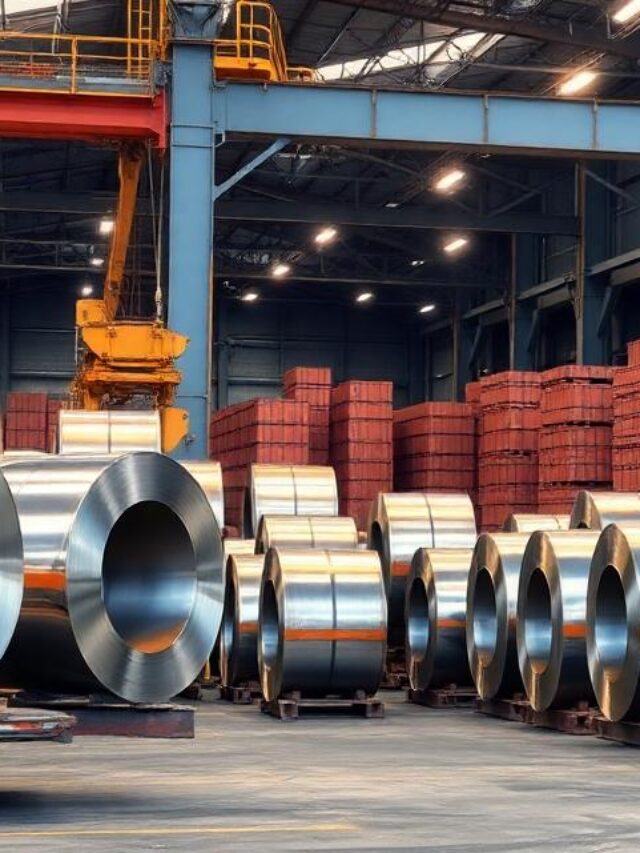
    Here’s the rub. China—and friends like South Korea and Japan—have been pouring in rock‑bottom steel. In the financial year 2024–25, we imported 9.5 million tonnes of finished steel—our highest in nine years. 78% of that came from those three countries. Imagine selling handmade laddoos at a village mela when someone next door gives them away free. That’s what our mills face.

    My friend in Pune, who builds farm equipment, tells me his margins vanished overnight. He’s not alone—some small steel plants even paused production or eyed layoffs.

    So, What’s This 12% Tariff All About?

    This isn’t a permanent tax stamp. It’s called a safeguard duty, and it’s meant to be temporary—just 200 days starting April 21, 2025. Think of it as a protective shield: it makes imported Non‑Alloy and Alloy Steel Flat Products (sheets, coils, plates) about 12% pricier at the border. That nudge can convince builders and carmakers to pick “Made in India” instead.

    Who Feels the Heat & How Long?

    AspectDetails
    Duty Rate12% safeguard duty
    Products CoveredNon‑Alloy & Alloy Steel Flat Products
    Duration200 days (from April 21, 2025)
    Main SourcesChina, South Korea, Japan
    Import Volume9.5 million tonnes (2024–25)

    The DGTR (Directorate General of Trade Remedies) dug into the numbers from December 2024, then the Finance Ministry signed off.

    Industry Cheers vs. Buyer Worries

    Steel Mills: They’re clinking glasses (figuratively). JSW, SAIL, even ArcelorMittal Nippon Steel India say this duty is a lifeline. On BSE, SAIL shares jumped nearly 4%, Tata Steel up 2%—that tells you something.

    Downstream Users: Builders in Mumbai, auto‑part makers in Pune, and countless MSMEs are biting their nails. Higher steel prices mean bigger project bills and pricier cars. My cousin in Coimbatore is already recalculating his quotes—he fears clients will balk at the extra rupees.

    Some small‑scale groups are asking for import quotas instead, so price hikes stay limited.

    Beyond Economics: India‑China Relations

    This isn’t just a tax move; it’s a diplomatic chess move too. Ever since the 2020 border clashes, India’s been cautious around Chinese goods and investments. This tariff fits our self‑reliance push—“Make in India”—but it could rile Beijing. They might slap counter‑tariffs on Indian pharma or textile exports.

    Still, External Affairs Minister S. Jaishankar points out we’re not shutting our doors—just choosing which guests to invite.

    Worldwide Ripples

    We’re not alone in this. Remember how the US slapped a 25% tariff on steel under Trump in March 2025? Excess steel meant for America then flooded markets like ours. Meanwhile, the EU, Turkey, South Africa—they’ve all put up barriers to guard their mills. India’s 12% duty is partly a response to this global overflow—nobody wants to be the world’s dumping ground.

    My Two Paise: Balancing Act Ahead

    Honestly, this 12% duty feels like a necessary sting. Our steel sector needs a breather after years of undercutting. But let’s not forget the ripple effects—higher building costs, pricier cars, tighter budgets for small firms.

    Here’s a thought: the government could roll out temporary relief—like tax breaks or modest subsidies—for critical sectors such as housing and automobile. At the same time, this is a wake‑up call for steel makers: invest in greener tech, streamline costs, and aim for exports too.

    In the long run, we should diversify where we buy steel from and ramp up local capacity. Only then can India transform from a tariff‑reliant market into a true powerhouse.

    If you’re into this topic, you’ll definitely want to check this out too: India imposes temporary tariff on some steel to stem cheap imports from China

    If this resonated with you, here’s something similar you might like: Waqf Act Controversy: What’s Happening in Murshidabad?
  • Trump’s Tariff Pause: South Korea Talks, India Watches Closely

    Trump’s Tariff Pause: South Korea Talks, India Watches Closely

    A dynamic chessboard mid-game with a paused golden pawn labeled ‘Tariffs,’ flanked by Indian rupees and South Korean won pieces, against a vibrant trade port backdrop with ships and skylines

    A Global Chessboard Gets a Reset

    Imagine a high-stakes chess game where every move ripples across continents. That’s the global trade scene right now, and Donald Trump just slid a pawn back, giving everyone a breather. On April 9, 2025, Trump hit pause on his tariff blitz—those hefty import levies he’d rolled out a week earlier—offering a 90-day window for talks. South Korea’s trade envoy cheered it like a lifeline, while here in India, we’re rubbing our hands, wondering how to turn this timeout into our checkmate moment. Let’s break it down.

    The Tariff Rollercoaster: What Just Happened?

    Trump kicked off April with a bang, slapping a 10% baseline tariff on all imports, then piling on extras like toppings at a chaat stall—25% for South Korea, 27% for India, and a jaw-dropping 125% for China (up from 104% on April 9). Markets tanked—$6 trillion wiped out globally in a week—and the world screamed. By April 9, Trump blinked, pausing the higher rates (except China’s) and keeping the 10% base. South Korea, whose auto giants like Hyundai were sweating bullets, saw hope. Their trade minister, Cheong Inkyo, practically danced, saying it’s “room to negotiate.” Meanwhile, India’s pharma lords, who dodged the worst, are whispering, “What’s in this for us?”

    South Korea’s Big Chance

    Here’s where it gets juicy. South Korea’s racing to the bargaining table with an emergency task force led by Acting President Han Duck-soo. Their auto exports—$34.74 billion to the U.S. last year—took a hit with the 25% tariff, and this pause is their shot to claw back. Asian stocks soared on April 10—Nikkei up 9%—as the news eased recession fears. On the flip side, China doubled down, slapping 84% tariffs on U.S. goods, turning the trade war into a slugfest. South Korea’s move could set the tone—success or stumble—for others watching, including us.

    India’s Quiet Confidence

    India’s in a sweet spot. Our pharma exports—$9 billion to the U.S. last year—stayed mostly unscathed thanks to drug exemptions. While China’s reeling from its tariff hike, India’s stock rose (pharma shares jumped 5% on April 3). Modi’s been playing nice with the U.S., cutting tariffs on Harleys and bourbon back in February for that trade deal we’ve been simmering since then. The Reserve Bank’s governor threw a wet blanket on April 9, warning tariffs could nick our growth by 20 basis points. But if we play this right, that’s just a speed bump. The U.S. market’s a goldmine—$180 billion in trade last year—and this pause might widen the door.

    Plotting India’s Next Move

    So, what’s our play? First, we keep calm—no knee-jerk tariffs like China’s. Second, we push that trade deal hard. February’s agreement aimed for an autumn finish, and this pause is our tailwind. Pharma’s our ace, but tech and diamonds could sweeten the pot. Third, we watch South Korea like hawks. Their talks could be our blueprint—or a warning. Picture Modi and Trump shaking hands by July over a deal slashing our 27% tariff to, say, 15%. The U.S. gets cheaper drugs and tech; we get jobs and growth. Win-win, right?

    The Clock’s Ticking

    The spice in this curry? Timing. Trump’s pause ends July 8, 2025—89 days to hustle. South Korea’s got a head start, but India’s got grit. Remember how we turned COVID into a pharma export boom? This could be that, but bigger. Of course, there’s a flip side. If talks stall, or Trump doubles down post-pause, we’re back to square one—higher tariffs, tighter wallets. Oil prices are wobbling from recession fears; a trade flop could tank them further, hitting our import bill. But I’d bet on India’s street-smart hustle over gloom any day.

    A Game Worth Watching

    As I write this on April 10, the internet’s alive with chatter. South Korea’s optimism is contagious, but India’s quiet confidence feels like a tiger crouched to leap. This tariff timeout isn’t just a breather—it’s a chessboard reset. South Korea’s making its move; India’s plotting ours. By July, we’ll know who’s king—or at least who’s still in the game. For now, grab some chai and watch this unfold—it’s going to be one heck of a ride.

    Trump Tariffs 2025: Economic Impact on India, China & Beyond check here
    What’s next?