Tag: Sustainable

  • Vertical Farming : India’s Sustainable Food Future?

    Vertical Farming : India’s Sustainable Food Future?

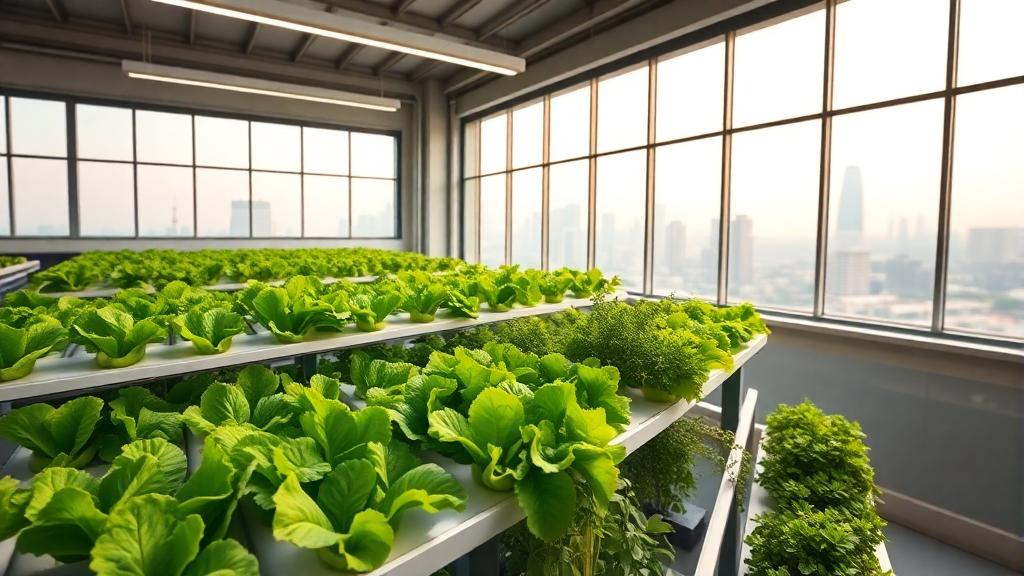
    A modern indoor vertical farm in an Indian city warehouse: vibrant green lettuce and herbs growing on multi-level racks under bright LED lights, with an Indian city skyline visible through the windows.

    In Indian cities, vertical farming can sound like sci-fi – imagine skyscrapers stacked with spinach instead of offices. But with India’s population near 1.4 billion​ and almost no extra farmland to spare, new ideas are needed. Could vertical farms – indoor, LED-lit gardens – help us produce more food (saving water and beating pests), or are they just a fancy fad? We’ll unpack how these farms work, why startups and investors are excited, and whether the hype really holds water.

    Why India Is Rethinking Farming

    India’s agriculture faces multiple pressures, so it makes sense to look beyond traditional fields. Consider these facts:

    Population boom: Nearly 1.4 billion people and limited arable land​. Per capita farm size is shrinking.

    Extreme weather: Recent years saw ~34 million hectares of crops lost to floods and another ~35 million to drought (2015–21)​. Whole states’ worth of crops vanished to unpredictable rains or heat.

    Water scarcity: About 84% of India’s water goes into irrigation​. In a bad monsoon, farms suffer badly.

    Urban hunger: City folk want fresh veggies year-round. In fact, reports say local urban gardens in Mumbai and Delhi already provide ~60% of those cities’ fresh vegetables​. India’s National Horticulture Board even estimates urban farms could meet roughly 40% of city households’ vegetable needs in coming years​.

    These trends – more mouths to feed, less water and land, and lots of city diners craving greens – set the stage for high-tech solutions like vertical farming.

    How Vertical Farming Works

    Vertical farming moves plants off the open field and into controlled indoor setups, often in cities. Here’s the gist:

    Hydroponics & Aeroponics: Plants grow in water or nutrient mist instead of soil. These closed systems recycle water. For example, aeroponic towers can use 90% less water than a traditional field crop​. Overall, vertical farms can cut water use by ~90–95%​​. That’s crucial in drought-prone India.

    Stacked gardens: Crops are arranged on multi-tier shelves inside a greenhouse or warehouse. One analysis found a 30-floor vertical farm could match the output of ~2,400 acres of open farmland​ – a huge multiplier of space.

    Controlled climate: Sensors, fans and LED lights keep temperature, humidity and light just right all year. This means year-round growing with much faster, more predictable harvests, since plants never see a monsoon flood or a winter chill.

    Put simply, vertical farms are like high-tech indoor ecosystems. By removing soil pests and extremes of weather, they let us grow things much more intensively.

    Who’s Doing It in India

    Many homegrown enterprises are already experimenting. For example:

    UrbanKisaan (Bengaluru/Mumbai): One of the largest Indian vertical farms, with multi-level growing towers. They claim their indoor lettuce yields 30× more per unit area than a field farm – and use 95% less water​.

    UGF Farms (Mumbai): Converts rooftops and vacant urban spaces into hydroponic micro-farms for leafy greens. They focus on zero-carbon growing and even run community workshops.

    Triton FoodWorks (Delhi): A big urban farm (150,000 sq ft under glass) cultivating over 20 crops – from strawberries and tomatoes to coriander and broccoli​.

    365D Farms (Pune): A novel one-in-a-container vertical farm growing lettuce 365 days a year with advanced tech.

    On the market side, growth is hot. Analysts estimate India’s indoor/vertical farming sector could hit around USD 200 million by 2025​ (from a low base today). The global market is even bigger (over $40 billion by 2025​) and Asia-Pacific is forecast to skyrocket (from $1.3B in 2023 to ~$6B by 2029​). Investors and agri-majors are paying attention: many agri-tech funds are backing farms and government programs (like Startup India) now support agri-innovations with funding and incubation​.

    Benefits of Vertical Farming

    Why all the buzz? Advocates highlight several advantages:

    Local, year-round produce: Grow vegetables right in the city, 365 days a year. No long transport or seasonal gap means fresher greens in the market (great for chefs and health-conscious consumers).

    Space efficiency: You can harvest a lot from a small footprint. Stacking racks multiplies yield. (Recall UrbanKisaan’s claim of 30× the lettuce yield on the same land​.)

    Water savings: By recirculating nutrient solutions, vertical farms use roughly 90–95% less water​​. In a country where most water goes to irrigation, this is a game-changer.

    Clean, safe food: Indoor farming means far fewer pests. That translates to almost no pesticide use, so produce is cleaner and often qualifies as organic.

    Consistent quality: Controlled lights and climate ensure even, high-quality crops. No surprises from weather means reliable supply (good for markets and restaurant supply chains).

    In short, vertical farms directly tackle issues like land shortage and water use. For city residents (urban youth and families craving organic veggies), these points matter.

    Challenges to Overcome

    However, it’s not all smooth sailing:

    High initial cost: Setting up vertical farms (LED lighting, climate controls, racks, building space) is very expensive. Only well-funded startups or companies can afford it initially. Many need heavy loans or VC cash.

    Energy bills: All those lights and pumps run 24/7. If electricity comes from the grid or diesel generators, costs (and carbon footprint) can be high. India’s frequent power outages mean farms often invest in expensive backup systems or solar panels​, adding to costs.

    Crop limits: So far, vertical farms mainly grow leafy greens, herbs, and some fruits. You won’t see rice, wheat or corn growing under LEDs – the economics don’t work yet. This means vertical farming supplements our food supply (nice greens and specialty crops), rather than replacing staples.

    Awareness & skills: Many traditional farmers and officials still view this as exotic. There’s a gap in technical know-how. Experts note that limited awareness and lack of training can slow adoption​. Building a workforce that knows hydroponics is a hurdle.

    Regulatory & logistics: Rules for urban farms are still developing. Cities need to allow unused buildings or land for farming. Startup teams must navigate building codes and permits, which can be a hassle.

    These challenges explain why some say “the industry is struggling” despite its promise. It will take time (and likely cheaper tech) to overcome them.

    Perspectives: Farmers, City-Folk & Investors

    Who benefits? Urban consumers love the concept: younger city dwellers pay a premium for pesticide-free, local produce. For them, high-tech farming is very appealing. Startups are already offering subscription boxes of ultra-fresh greens via apps, tapping into this market.

    Traditional farmers feel mixed. Most Indian farmers still cultivate outdoor fields of grains and vegetables. Vertical farming requires skills and investment they may not have. A few forward-looking farmers are trying hydroponics in small greenhouses, but broadly the technology is driven by startups and companies, not villages.

    Investors see big potential but also risk. A projected $200M market by 2025​ draws venture capital and even big AgriTech funds (some global agri-giants are keeping an eye on Indian vertical farms). But investors also watch returns carefully: the long payback and power costs mean only the best-run farms will really profit. We’ve seen a few high-profile funding rounds for farm-tech, but many projects have to prove they can scale and cut costs.

    In short, vertical farming is mainly an urban tech phenomenon right now – aligning with city lifestyles and startups more than with the traditional farming sector.

    Conclusion: Future or Fad?

    My take: Vertical farming is more than a fad, but it’s not a standalone solution. It’s a promising piece of India’s agricultural future, especially for cities. I recently visited a vertical farm in Bengaluru – walking between metal racks of lettuce under blue LED lights felt like science fiction, but the salad it produced was real and delicious. That experience convinced me: this tech can work here.

    Yet, when I chat with rice growers in rural Punjab or onion farmers in Maharashtra, vertical farming is a different world. It won’t replace the old rice fields, millet fields or orchards anytime soon. Think of vertical farming as adding a specialty crop to our menu – it lets us grow lots of salad greens and herbs with minimal water and zero pesticides right in Mumbai or Delhi. Meanwhile, our farmers will keep feeding us rice, wheat and pulses in the traditional way.

    So, will vertical farms feed India by 2030? Not entirely. They will likely remain a fast-growing niche – leading to some local resilience and fresher veggies in cities, and creating high-tech jobs for young entrepreneurs. If costs come down (cheaper LEDs, more solar power) and people catch on, we could see many more towers of green in the next decade. But in my view, they complement rather than replace conventional farms.

    Ultimately, vertical farming feels like the future more than a fad – it addresses real problems of land and water in a high-tech way. I’m excited that India is experimenting with it. As a food-lover and tech enthusiast, I hope these farms flourish. Just remember: a salad tower won’t solve everything. It’s one tool among many.
  • Kids Fashion Trends 2025: Colorful Prints & Playful Styles

    Kids Fashion Trends 2025: Colorful Prints & Playful Styles

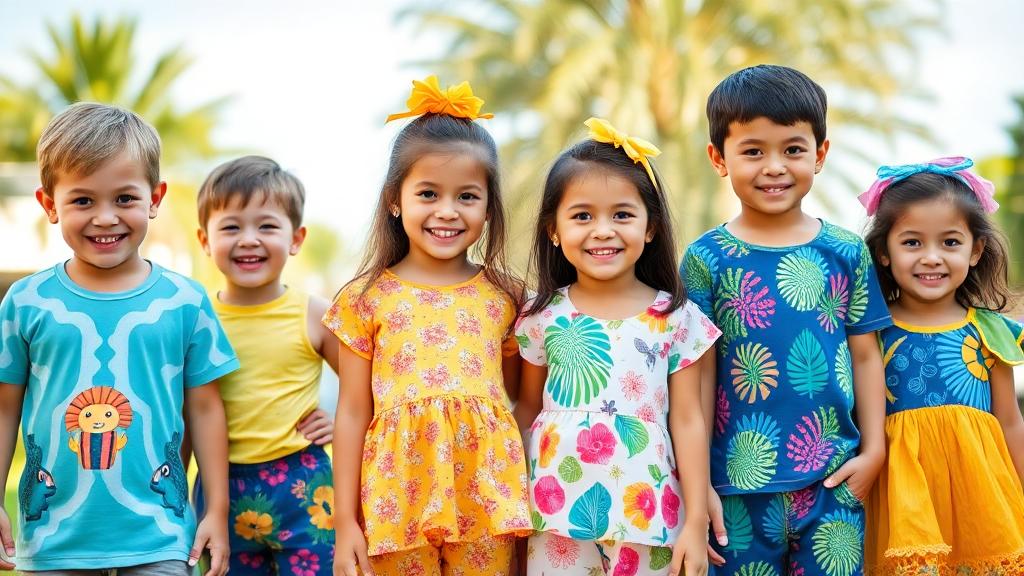
    A group of children outdoors wearing vibrant, colorful printed summer outfits, looking happy and playful

    Kids’ wardrobes are entering 2025 in full bloom – think vibrant hues, bold patterns, and mix‑and‑match silhouettes that spark creativity. Industry forecasters note that children’s fashion is now “bursting with creativity,” blending playful colors with thoughtful design​. In spring/summer collections, one boutique buyer describes the overall vibe as “an explosion of color, prints, and textures” paired with vintage-inspired nods​. Parents and retailers alike are responding: bright oranges, sunny yellows and lively blues dominate, while comfort and sustainability guide material choices. This post breaks down the key Summer 2025 trends in kidswear – from cheerful patterns to performance-friendly fabrics – with insights and data for fashion professionals.

    Bold Colors & Playful Prints

    Summer 2025 will see children’s clothing saturated in joyful color and dynamic prints. Pantone-led forecasts and trend blogs agree that “bright and bold colors are… making waves,” enabling “playful and eye-catching outfits” for kids​. Expect color palettes full of citrus orange, sunflower yellow, cerulean blue and bubblegum pink. These energetic hues appear in everything from tops to sneakers, often paired together in creative ways. Graphic designers are mixing patterns freely – floral, animal, and geometric motifs all feature in a single outfit – to let each child’s personality shine.

    Classic florals and chintz: Nostalgic ditsy florals and vintage-inspired botanical prints remain perennial favorites (often “beyond the bouquet” with oversized blooms). Gentle pastels and watercolor effects refresh the look, while embroidered and appliqué details add tactile charm.​

    Stripes and geometrics: Wide horizontal or vertical stripes, checkerboard and polka-dot patterns inject a classic yet fun feel. Bold blocks of color and simple shapes resonate for both boys and girls. Many labels mix stripes with other prints (stripes + florals, dots + animals) to create quirky, camera-ready outfits.

    Comfort & Movement-Ready Styles

    From preschool to playground, ease of movement is paramount. For 2025, most kidswear silhouettes prioritize comfort first. Think relaxed-fit joggers, pull-on shorts and soft jersey tops. Many pieces resemble what adults call “athleisure”: breathable cotton‐blend sweatshirts, cozy hoodies, and elastic-waist pants that allow full play. Natural, stretchy fabrics like organic cotton and bamboo jersey dominate – fabrics that feel soft against the skin and adapt as kids grow. Japan’s children’s brands, for example, emphasize that clothes must keep kids comfortable during all activities. In practice, this means garments with extra room in the shoulders and knees, flat seams to prevent chafing, and even adjustable features (drawstring waists, turn-up cuffs) that extend wear.

    Even dressier kids’ outfits get a comfort boost: bloomer-style shorts under dresses, knit blends instead of stiff fabrics, and stretchy leggings paired with tunics. Layering pieces like light cardigans and jersey vests let parents adapt outfits for indoor/outdoor play. According to industry observers, families today expect children’s clothing to be both cute and practical. A recent trend report notes athleisure’s continued dominance  with “breathable, stretchable, and moisture-wicking fabrics becoming essentials” for kids​. This mirrors what one blog calls a shift towards wellness and ease: parents value clothes that handle jumping, climbing and running without worrying about rips or stains.

    Essential pieces: Soft sweatshirts and tees, hoodie jackets, and jogger pants.

    Play-friendly details: Flat seams, gusseted crotches, and snaps/zippers placed where kids can’t poke themselves.

    Layering: Lightweight hoodies over T-shirts, leggings under skirts – combinations that move with the child.

    Footwear: Sneakers with Velcro or elastic laces for easy on/off; slip-ons; and no-hard-welt sandals.

    Sustainable, Eco-Conscious Fashion

    Sustainability is no longer a niche – it’s mainstream in kidswear. Across all regions, parents and brands are seeking eco-friendly materials. The standout fibers of 2025 include organic cotton, bamboo fabric, Tencel (eucalyptus fiber) and recycled polyester. These materials meet a double demand: they are gentle on kids’ sensitive skin and better for the planet. As one source bluntly states, “the rise of sustainable and eco-friendly fashion” is a defining theme for children’s clothing this year​ Organic cotton shirts and jeans (grown without toxic dyes) now sit next to bamboo-blend joggers (naturally antibacterial and UV-protective). Tencel, made from wood pulp, appears in flowing dresses and rompers for its silky feel and durability.

    For retailers, this means stocking basics like organic T-shirts and sustainable denim. Many small brands specialize in biodegradable fabrics or recycled sweater knits. And even in fashion-forward kids’ lines, the old classic (natural cotton!) remains king – it’s breathable, easy to wash, and aligns with the global demand to “be kind to the planet”​.

    Notable Brands and Collections

    The kidswear market remains large and diverse. Research shows the global children’s apparel market will top USD 225 billion in 2025, fueled by growing markets in Asia-Pacific​. Leading players include Carter’s (US), Inditex (Zara Kids), H&M, Nike and other multinationals, along with luxury labels like Burberry and Versace that offer premium children’s lines​. These big brands set broad trends – for example, mini-me streetwear packs from Nike or mass-market floral dresses from H&M.

    But smaller and regional brands are also shaping looks. In the US, independent labels like Appaman and Mini Rodini are known for quirky prints and organic fabrics. In Europe, parents covet brands like Mini A Ture (Denmark) and Bobo Choses (Spain) for their creative graphics. The new generation of Japanese kids’ brands often merges minimalism with function (Uniqlo has a popular kids’ line). Online marketplaces have popularized global designs: a French label’s boho blouse or a South Korean brand’s neon tracksuit can be bought worldwide. In short, retailers should stock both essentials (denim, tees, sneakers) and statement pieces.

    Here are some illustrative names (neither exhaustive nor exclusive):

    Global retail chains: Carter’s, The Children’s Place, Gap/Old Navy, Zara Kids, H&M, Uniqlo (kids), Primark Kids.

    Sportswear: Nike, Adidas Kids, Puma (activewear, sneakers).

    Boutique/Designer: Burberry Kids, Tommy Hilfiger Kids, Stella McCartney Kids, Tiny Cottons (Spain), My Little Cozmo (Spain) – known for premium casuals.

    Sustainable/Niche: Patagonia Kids, Pact (organic basics), Stella McCartney Kids (eco-friendly luxe), Bobo Choses (artsy prints), Organic Era (India, eco-fashion).

    Retailers can leverage these names for trends and collaborations: for example, limited-edition graphic tees or eco-collection pop-ups tap into both brand and trend-conscious shoppers. Whichever brands carry your shelves, look for their summer ’25 capsule collections to see these themes in action.

    Regional Highlights

    United States: US kids’ fashion is leaning into street-inspired comfort. American lines often feature oversized hoodies, joggers, and sneaker culture, reflecting urban streetwear trends. Bright logo tees and personalized denim (embroidered names or patches) are popular. According to one industry guide, “kids’ clothing trends in the USA are all about bold streetwear, playful aesthetics, and sustainable fashion,” with a focus on vibrant colors and statement-making designs​. Athleisure dominates, so expect many kids tracksuits, performance tees, and sports-inspired sets.

    Europe: In Europe, there’s still a taste for a bit more “classic with a twist.” Coastal regions emphasize breathable linens, nautical stripes and pastel palettes (think Mediterranean summer). Northern Europe and Scandinavia often deliver playful prints in high-quality organic fabrics. French brands add a chic flair – CouCou’s spring preview even highlights quirky British and French labels bringing bohemian and vintage charm (flowy dresses, textured knitwear) to kids’ closets. European brands excel at mixing tradition with modern play – e.g., a kids’ gabardine jacket with a fun animal lining, or a gingham dress with practical sneakers.

    Pop Culture & Social Media Influence

    No kids’ trend report would be complete without mentioning the digital world. The influence of social media and pop culture on kids’ fashion is huge and growing. Online, images of stylish toddlers or tweens in cute outfits can go viral overnight. As one market survey notes, “the rising influence of social media and blogs regarding kids’ fashion” is actually fueling the market’s expansion. Platforms like Instagram and TikTok are full of mommy-and-me fashion posts, unboxing videos, and hashtag challenges that showcase children’s outfits. Retailers should note that “outfit-of-the-day” content drives demand for photogenic pieces (think twirly dresses, matching sets, or character-themed back-to-school looks).

    Conclusion

    Summer 2025’s kids’ fashion is about happiness and confidence – clothes that look fun and feel good. Colorful prints, easy silhouettes and eco-friendly materials are the cornerstones. For retailers and designers, the key is to stock a mix of joyful staple pieces (like organic cotton tees in bright prints) and versatile basics (athletic sets, joggers) while keeping an eye on sustainability credentials. By embracing creativity – from bold pattern clashing to inclusive sizing – the industry can meet parents’ desires and inspire children’s self-expression. In short, kids’ fashion in 2025 celebrates individuality, comfort, and the brighter side of style.

    Related Articles,
    Enjoyed this read? Continue the journey with:
    10 Creative Indoor Activities for Kids on Summer Days
    Top 10 Essential Kids’ Fashion Trends for Spring and Summer 2025