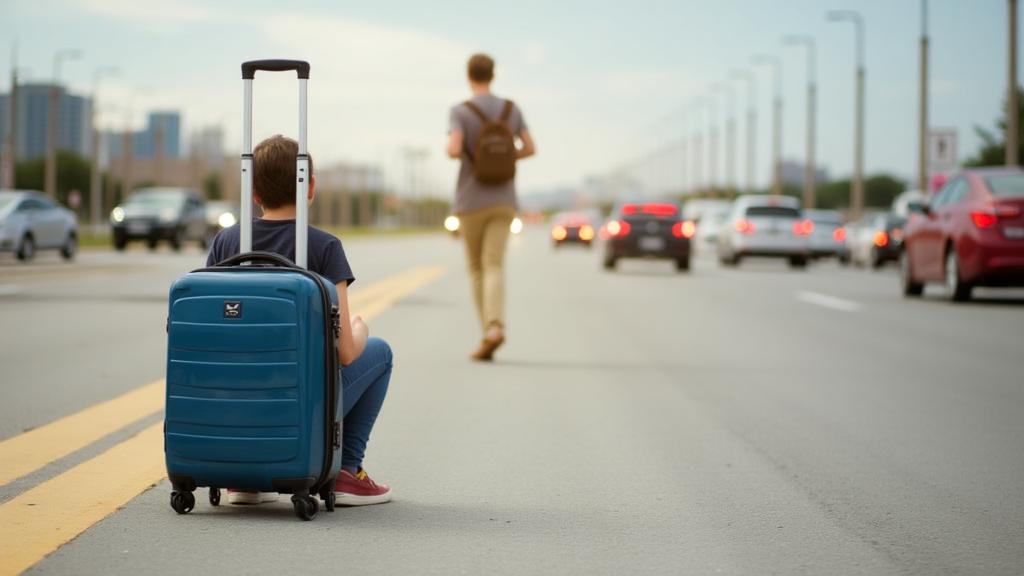
Travel is exciting and full of new experiences, but also some unwelcome dangers. This book gives you practical traveller safety advice that you can apply anywhere, based on actual experiences and current travel research. From boarding a train in Europe to walking through markets in Southeast Asia, these methods keep you safe without ruining the experience.
1. Research Before You Go
First things first: get a solid source of information on where you’re traveling. Consult government travel advisories, local papers and credible blog sites. Consider regional crime indexes, weather tendencies and health precautions. For instance, you’ll learn that it’s pickpocket season by popular train stops in some towns, so you’ll bring along a concealed cash belt beforehand.
- Understand Local Customs
Respecting local standards can protect you. Photography of sensitive areas is prohibited in some societies. In others, dressing modestly demonstrates respect for customs. A simple principle: if unsure, watch how locals dress and act, then mimic them. - Plan Your Arrival
Book airport transportations or book taxis in advance via official apps. Refrain from unlicensed drivers who can overcharge or use unsafe paths. Attempt to arrive in daylight hours if feasible, and inform family or friends of your arrival information.
2. Stay Aware On the Move
Once you’re on the road, situational awareness is crucial. Keep your head up, scan crowds and trust your gut if something feels off. Tourists often fall prey to common scams—fake petitions, distraction thefts or bogus tour guides. If someone approaches with a too-good-to-be-true offer, politely decline and move on.
- Secure Your Belongings
Use lockable zippers on backpacks and cross-body bags. Split cash and cards between pockets, so you’re not stranded if one stash is stolen. When dining or resting, loop your bag around a chair leg or keep it between your feet. - Blend In When Possible
Dressing in obtrusive logos or lugging fancy cameras identifies you as a tourist. Wear neutral colors and keep pricey gadgets in discreet luggage. Be purposeful on busy streets.
3. Select Safe Accommodation
Check recent reviews to make sure hostels or hotels have good security—24-hour reception, CCTV and well-lit common spaces. If renting privately, check the address against official records and that neighbours appear welcoming rather than deserted.
- Lock Windows and Doors
Night checks are easy: just make sure all entries lock tight before you go to bed. Take a portable door stop alarm or “door jammer” to have some extra security reassurance in unfamiliar rooms. - Know Your Neighbours
A friendly neighbour may warn you about strange noises or tip you off about local crime. A chat in the lift can be sufficient.
4. Use Technology Wisely
Smartphones have a dual life. Map applications guide you in the right direction, but lit-up screens on the street expose you to a vulnerable position. Download maps and share your current location with a trusted person. Use VPNs on public hotspots to hide sensitive information.
– Emergency Apps and Contacts
Download local emergency apps—most countries have special services with English support. Save police, ambulance and your embassy numbers in a note that doesn’t need internet.
5. Stay Healthy Abroad
Health is safety as well. Bring a minimal first-aid kit: plasters, antiseptic wipes and any prescribed medication. Check for necessary vaccinations and bring insect repellent if mosquitoes are prevalent. Drink bottled water or use purification tablets where tap water is not safe.
– Be Mindful of Food Hygiene
Street food is irresistible, but pick vendors where food is prepared before your eyes and turnover is high. And if you see locals waiting in line, that’s generally a good sign—even locals have faith that place.
6. Handle Money Securely
Inform your bank of travel dates to avoid card blocking. Keep small amounts of local currency and take larger amounts out from ATMs within banks or well-lit locations. Refrain from sharing PINs and signing receipts until amounts are equal.
– Use Travel Cards
Prepaid travel cards with limited balances minimize risk when lost. Some provide emergency replacement and fraud protection as well.
7. Be Prepared for Emergencies
Unforeseen circumstances—storms, protests or strikes—can upset plans. Always prepare a contingency: additional nights reserved on refundable rates, travel insurance information at hand and a basic Spanish or French phrasebook if you don’t have internet translation facilities.
– Stay Up to Date
Join local news alerts through email or SMS. Follow official social-media accounts for up-to-the-minute information on transit closures or weather alerts.
8. Pay Attention to Your Mental Health
Travel can be demanding. Plan some downtime to wind down—an early morning stroll through an empty park or reading at a café. Don’t indulge in risky behaviour under exhaustion or unfamiliar temptations.
Conclusion and Personal Takeaway
Traveling safely is a matter of balance: be adventurous, but hold on to common sense. There was a trip to Goa when having a small flashlight prevented me from slipping on a dark trail and transformed what would have otherwise been a bad fall into a humorous anecdote with hotel staff. Those simple measures allow you to concentrate on the pleasures of discovery instead of worrying. Preparation and being aware, in the end, enrich every trip and make it memorable.
Read more related artical here:
– What to Pack for a 2-Week Trip from India
– 5 Travel safty tip – Youtube