Tag: politics

  • Bihar Elections 2025: RLJP Exit from NDA & Its Big Impact

    Bihar Elections 2025: RLJP Exit from NDA & Its Big Impact

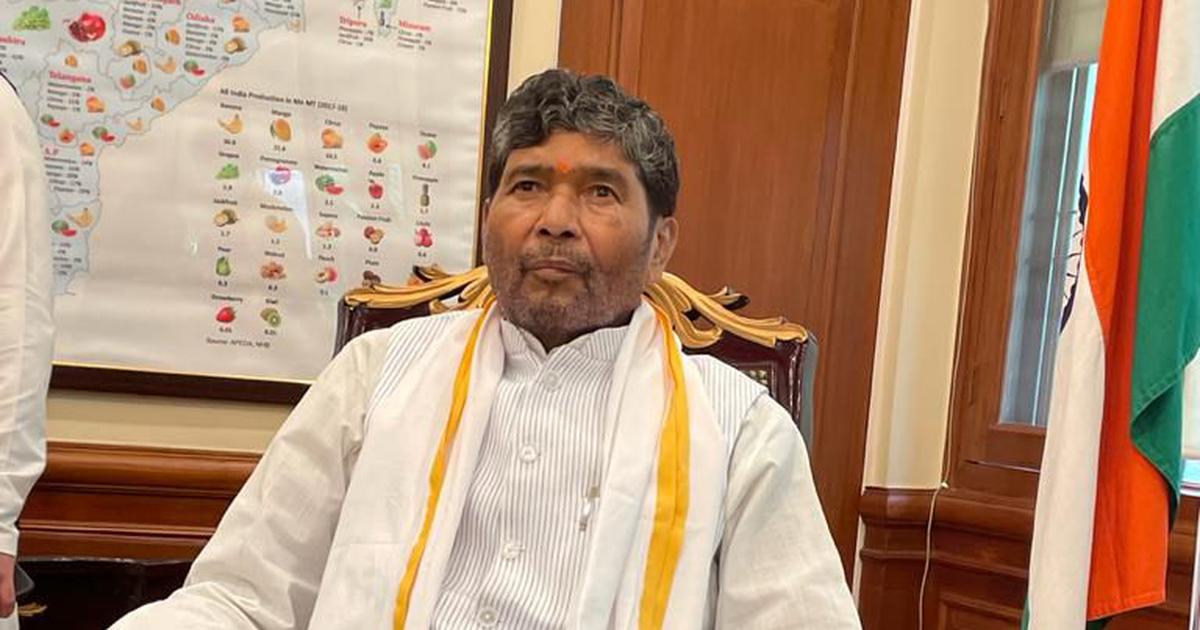
    Prashupati kumar sitting on the chair

    April 14, 2025, will probably go down as a turning point in Bihar’s politics. On this day, Pashupati Kumar Paras, leader of the Rashtriya Lok Janshakti Party (RLJP), officially pulled his party out of the National Democratic Alliance (NDA). This wasn’t just another political press briefing it hit like a tremor. With the 2025 Bihar Assembly elections right around the corner, Paras’s announcement has suddenly shaken the ground beneath the NDA’s feet.

    Paras didn’t hold back. He accused the BJP and JD(U) of sidelining his party and disrespecting their contribution. You could feel the anger in his voice. But now the big question is how will this bold move affect Bihar’s 243 assembly constituencies, and what does it mean for the NDA, which is already juggling complex caste dynamics?

    Why RLJP’s Exit Is a Big Deal

    At first glance, the RLJP may seem like a minor player. But in a state like Bihar, where caste equations dominate every election, even a small outfit can swing results. The RLJP was born in 2021 after a family rift in the Lok Janshakti Party, and it has managed to gain influence among Dalit voters, especially the Paswan community.

    Paras claims that despite this, the NDA treated his party like an outsider. He was especially upset about the “five Pandavas” comment during the Lok Sabha seat-sharing talks, which clearly excluded RLJP. In the 2024 general elections, his party didn’t even get a single seat to contest. That wound clearly hasn’t healed.

    Now, with the RLJP planning to contest all 243 assembly seats, the fear is that this move might lead to vote division particularly among Dalits and seriously hurt the NDA’s chances.

    Caste Politics at the Centre of It All

    If you’ve followed Bihar politics even a little, you’ll know how central caste is to the game. The RLJP’s voter base is largely Dalit, especially the Paswans, who have traditionally supported Ram Vilas Paswan’s legacy. Pashupati Paras has cleverly invoked that legacy, even demanding a Bharat Ratna for his late brother. That’s not just sentiment—it’s strategy.

    And let’s not ignore the date Paras chose to make the announcement—Ambedkar Jayanti. It was clearly aimed at stirring emotions linked to BR Ambedkar’s ideology and tapping into simmering anger over issues like reservation and rising crimes against Dalits. He even referred to the tragic death of a young Dalit girl during Holi in Aurangabad, blaming the state’s inaction.

    All this has given the Mahagathbandhan (RJD, Congress, and Left) a fresh opening. With Paras feeling insulted and unwanted in the NDA, the opposition will surely try to woo him with respect—and perhaps, a few seats.

    RLJP’s Future: Lone Warrior or Kingmaker?

    Paras has made it clear—his party is ready to go solo in the elections. But can the RLJP really contest all 243 seats on its own? Political analysts are doubtful. The party lacks the organisation and the on-ground workers to pull it off independently.

    A smarter move might be to tie up with the Mahagathbandhan. Paras has already left the door open, saying he’s willing to talk if given “proper respect.” Leaders like Tejashwi Yadav would be more than happy to include a Dalit face in their alliance. It would help soften the RJD’s image of being Yadav-dominated.

    However, there’s a twist in the tale—Paras’s nephew, Chirag Paswan, leads the NDA-friendly Lok Janshakti Party (Ram Vilas). The two haven’t been on good terms. So, if RLJP joins the Mahagathbandhan, it sets the stage for a political family drama that might just grab more headlines than the actual campaigns.

    NDA’s Balancing Act

    For the NDA, this is more than just an exit—it’s a warning. While Nitish Kumar’s JD(U) and BJP still hold a strong base among upper castes, OBCs, and Kurmis, the RLJP’s departure weakens their Dalit appeal. Even Jitan Ram Manjhi, another Dalit leader from NDA ally HAM, may not be enough to fill that gap.

    The real danger is in perception. If the NDA starts getting tagged as anti-Dalit, it could hurt them in dozens of key seats. Already, social media is abuzz with hashtags like #DalitBetrayal and #RLJP. The BJP and JD(U) need a damage control strategy—maybe new welfare schemes or symbolic outreach—before this narrative sticks.

    History Repeats?

    This isn’t the first time Bihar’s coalition politics has faced such a jolt. Back in 2020, Chirag Paswan’s LJP had contested independently, targeting JD(U) and splitting the NDA vote. It cost Nitish Kumar dearly, reducing his party’s seat count.

    Paras’s move now seems like déjà vu—but with bigger consequences. If RLJP manages to eat into NDA’s Dalit votes and tilts even 4–5% in some constituencies, it could spell real trouble.

    Ground Sentiment: What the People Say

    Bihar’s voters aren’t fools. They know what’s going on. Some are praising Paras for standing up against “arrogant allies,” while others feel his solo mission is a political gamble. On X (formerly Twitter), the reactions are all over the place. Young voters in cities are more focused on employment and education. Rural Dalits, though, are watching Paras closely. If he aligns with the Mahagathbandhan, it might just shift their loyalty.

    Why This Has National Impact

    This isn’t just about Bihar. The RLJP’s exit exposes the fragile nature of political alliances across India. In a post-2024 Lok Sabha environment, where the BJP needs strong allies in every region, what’s happening in Bihar could have ripple effects in Maharashtra, Uttar Pradesh, and beyond.

    Also, the renewed focus on Dalit identity, reservation, and social justice will echo in other states, especially those heading into elections soon.

    Final Thoughts

    In the end, Paras’s decision could go either way. It might prove to be a bold masterstroke that reshapes Bihar’s politics, or it could end up as a miscalculation. But one thing is for sure—this election just got a whole lot more interesting.

    The NDA needs to act fast. The Mahagathbandhan sees an opening. And the RLJP? They’ve rolled the dice. The rest, as always in Indian politics, will be decided by the people.

    Keep the learning going with this one: RLJP Announces Exit from NDA Alliance in Bihar
  • Waqf Act Controversy: What’s Happening in Murshidabad?

    Waqf Act Controversy: What’s Happening in Murshidabad?

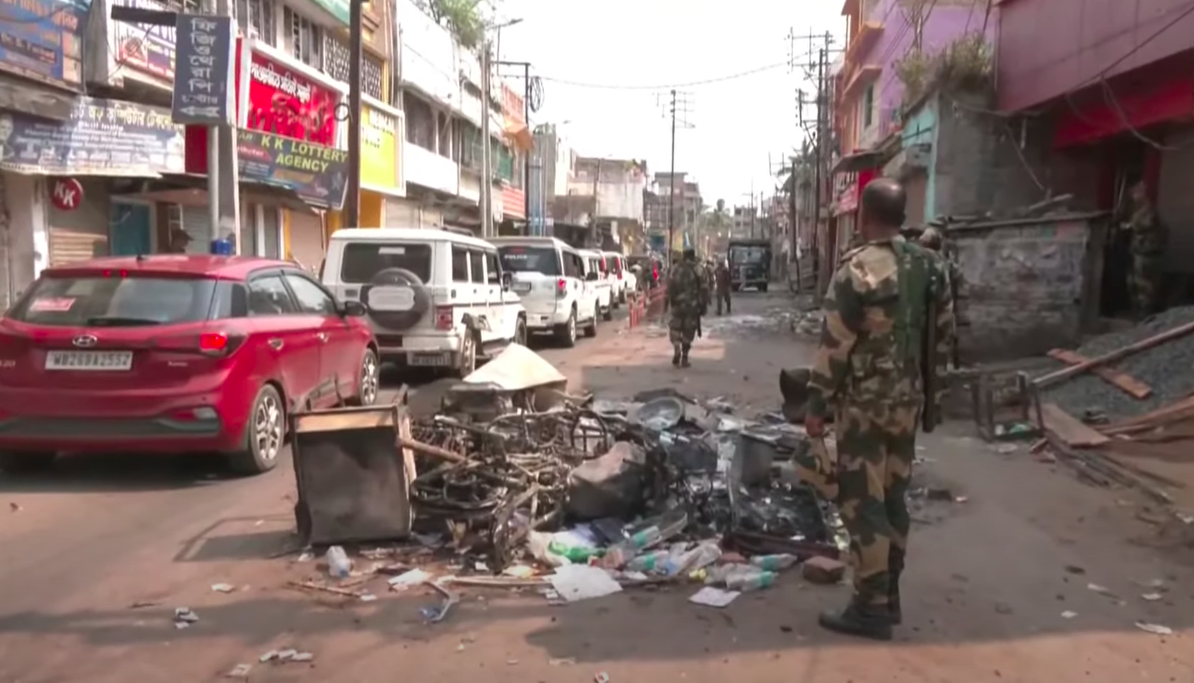
    A tense street scene in Murshidabad, West Bengal, with a crowd of protesters holding banners against the Waqf Act, police in riot gear, and a smoky backdrop of burning vehicles, capturing the unrest’s intensity on April 12, 2025.

    Something’s been brewing quietly in Bengal for some time, and now it’s all out in the open. Last week, small towns like Dhuliyan, Samserganj, and Suti in Murshidabad saw their streets erupt in violence. And the reason? A new law the Waqf (Amendment) Act, 2025. It was meant to fix how Waqf properties are handled land and assets that are supposed to serve Muslim charitable needs. But instead of bringing clarity, it stirred up confusion, anger, and full-blown chaos.

    Now people are asking the obvious: how did a law meant for reform turn into such a mess? Why Bengal? And what does it reveal about the deep cracks political and communal running through the state?

    When a Reform Becomes a Spark

    The Waqf (Amendment) Act officially came into effect on April 8, 2025. According to the Centre, its goal was clear—more transparency, digitized records, fewer irregularities, and stronger state boards to manage Waqf properties. But in reality, things didn’t go as smoothly, especially in regions where a large number of people depend on these properties for livelihood or religious purposes.

    Take Murshidabad, for instance—over 66% of the population here is Muslim. So when the amendments were announced, people didn’t just see a law—they saw a potential threat. Rumours spread like wildfire—some claimed the government would take over mosque land, others said entire livelihoods were at stake. And with social media acting like petrol on fire, fear turned into fury. By April 4, small protests began after Friday prayers. Within a few days, those protests grew, fueled by hashtags like #RejectWaqfBill and amplified by local leaders and influencers.

    Was the government unprepared for such a backlash? Possibly. But given the political climate, especially in a state run by Mamata Banerjee who’s known to lock horns with the Centre, it’s surprising they didn’t anticipate this kind of eruption.

    Murshidabad Boils Over

    If you’ve ever walked through the tight lanes of Dhuliyan, you’d remember the lively sounds of local markets. But from April 8 to 12, all that was replaced by violence and destruction. Protesters didn’t just take to the streets—they blocked highways, squatted on railway tracks, and clashed with the police. Petrol bombs were hurled. Vehicles were set on fire. Even a police station in Suti was attacked.

    And then came the human cost. On April 12, in Jafrabad, two men—Haragobindo Das and his son Chandan—were brutally killed by an angry mob. In Suti, a teenager, 17-year-old Ezaz Ahmed Sheikh, was caught in the crossfire and shot dead. Till now, it’s unclear who fired the bullet—police or paramilitary. But that hardly matters to his grieving family. Over 150 people have been arrested so far, and raids are still going on in districts like Malda and Hooghly. Among the injured are at least 18 police officers.

    It’s heartbreaking to imagine what families like Ezaz’s are going through. A young boy, possibly out protesting for what he believed in, is now gone. And the larger question remains—how did a legal amendment meant for better governance turn into a blood-stained battle?

    Mamata’s Balancing Act

    In moments like this, political leadership is tested. And Chief Minister Mamata Banerjee didn’t waste any time making her stand clear. On April 12, she declared, “The Waqf Act will not be implemented in Bengal.” That one line set off a storm.

    To her supporters, she stood up for the people, especially minorities. To her critics, she was playing vote-bank politics with elections around the corner. BJP leaders slammed her—Suvendu Adhikari went as far as calling West Bengal “West Bangladesh,” while others demanded President’s Rule.

    But here’s the irony. The Act wasn’t hers to begin with—it came from the Centre. Yet, she was stuck between a rock and a hard place. If she enforced the law, she’d alienate large sections of the Muslim community. If she resisted, she’d be blamed for letting law and order fall apart.

    As things worsened, the Calcutta High Court had to step in on April 12. It ordered deployment of paramilitary forces—about 300 BSF troops and additional companies—to bring things under control. The internet was suspended in Jangipur, but online tensions continued. As of April 13, things had calmed somewhat, with police saying they’d restored order. Still, prohibitory orders remain in place and public trust has taken a big hit.

    Could Mamata have acted earlier to prevent all this? Maybe. But hindsight is always clearer than foresight.

    Layers Beneath the Surface

    To truly understand what’s happening, we need to look deeper. West Bengal isn’t new to communal tension. Murshidabad, with its rich Muslim heritage, is also a district struggling with poverty and underdevelopment. Land disputes here are sensitive, especially involving religious institutions. So any sudden change in the status quo—like the 2025 Waqf amendments—naturally feels like an attack on identity.

    And let’s not forget what else is brewing in Bengal. The massive education scam, where nearly 25,000 school jobs were scrapped by a Supreme Court ruling, has already left the youth frustrated and unemployed. That kind of anger needs only a small trigger to boil over.

    The national debate on Waqf isn’t new either. Back in 2006, the Sachar Committee had already pointed out major irregularities. But meaningful reforms were always delayed. The 2025 Act finally tried to fix that, backed by 211 MPs. But with 148 MPs opposing it, including voices from Bengal’s religious circles, it’s clear not everyone is convinced.

    Online, the battle is just as sharp. While some praise Mamata for protecting minority rights, others have been quick to throw around terms like “gazwa-e-hind,” which only deepen divides. The Supreme Court is set to hear the matter on April 16, and that decision might decide where this story heads next.

    What Lies Ahead for Bengal?

    Right now, Murshidabad is quiet but broken. Police and paramilitary forces are everywhere. Families are mourning their loved ones—Haragobindo, Chandan, and young Ezaz. Legal proceedings have begun for those arrested, but justice will take time. More importantly, healing will take even longer.

    I keep thinking about the youth involved in all this. What pushed them? Was it fear, disillusionment, or blind rage? Maybe all three. And as for Mamata Banerjee, she’s got a tightrope to walk—defending her people without fuelling more fires. She’s shaped Bengal for a decade, but this might be one of her biggest challenges yet.

    At the end of the day, this is not just a Bengal issue. It’s a reflection of how reforms are introduced in our country. Governance isn’t just about rules—it’s about empathy and timing. When laws are passed without listening to ground realities, we risk more such tragedies.

    We can’t afford another Ezaz. We can’t let more homes burn. If there’s a lesson here, it’s that we need to ask the right questions—start with the “why,” not just “who.”