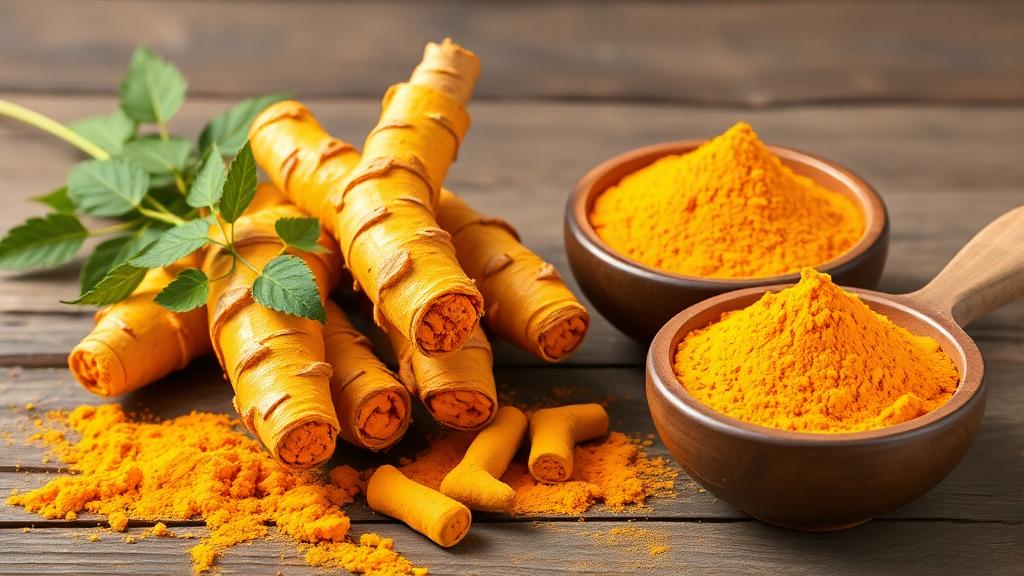
Tag: plants

  • Top 10 Easy Plants to Bring Greenery Home Without Any Hassle

    Top 10 Easy Plants to Bring Greenery Home Without Any Hassle

    A variety of potted indoor plants including money plant, snake plant, aloe vera, and basil placed on a sunny windowsill with natural sunlight.

    Introduction

    Green spaces are shrinking fast, especially in our towns and cities. But that doesn’t mean we can’t grow a bit of nature around us. You don’t need a big backyard or fancy tools to get started. A few small pots on a balcony or windowsill are enough. In this blog, we’ll talk about 10 plants that even beginners can grow easily. These are low-maintenance, tough little plants that don’t demand too much attention. Whether you’re living in a flat in Chennai or a small house in Nagpur, these plants will fit right in and lift your mood.

    Also, we’ll see why so many Indians are getting into gardening lately, and how you can join this green movement without much effort.

    Why Grow Plants at Home?

    Spending even five minutes with plants can cool down your head. Life is fast, noisy, and stressful, especially in cities. But having a few green buddies around can make a real difference. They clean the air, lift your mood, and bring a bit of peace. Some people also say their focus gets better when there are plants around.

    In many Indian homes, indoor plants are doing double duty—they’re part of the decor and also work as natural air purifiers. A few studies have shown that plants like snake plant and peace lily can remove toxins from the air. Even basil, which we use in cooking, can help with stress. Plus, plants like lucky bamboo and money plant are believed to bring good luck.

    So yes, gardening is not just a hobby. It’s good for your health, your home, and your pocket too.

    10 Easy-to-Grow Plants

    1. Money Plant

    Why it’s simple: Grows almost anywhere—in soil, in water, in low light.
    Care tips: Water only when top soil is dry. If growing in water, change it every 10-12 days.
    Bonus: People believe it brings wealth and good vibes.

    2. Snake Plant

    Why it’s simple: Hard to kill. Survives long gaps between watering.
    Care tips: Let the soil go completely dry before watering again.
    Bonus: Known to clean indoor air very useful in polluted cities.

    3. Aloe Vera

    Why it’s simple: Stores water in its leaves. Sun-loving.
    Care tips: Keep it near a sunny window. Avoid overwatering.
    Bonus: You can use its gel for small burns or dry skin.

    4. Peace Lily

    Why it’s simple: Shows you when it’s thirsty. Also adjusts well to indoor light.
    Care tips: Water when leaves droop slightly. Mist the leaves sometimes.
    Bonus: Looks lovely with white flowers, cleans air too.

    5. Lucky Bamboo

    Why it’s simple: Grows in just water, no soil needed.
    Care tips: Change water once a week. Avoid direct sunlight.
    Bonus: Often gifted during festivals, believed to bring good luck.

    6. Spider Plant

    Why it’s simple: Grows fast and produces baby plants (called pups).
    Care tips: Water when top soil dries. Not very picky about soil.
    Bonus: Helps remove toxins from air, looks great in hanging pots.

    7. Pothos (Devil’s Ivy)

    Why it’s simple: Forgives you if you forget to water it once in a while.
    Care tips: Keep in medium light, water when soil feels dry.
    Bonus: Trails beautifully and can grow quite long.

    8. Areca Palm

    Why it’s simple: Gives a tropical feel, doesn’t need daily care.
    Care tips: Keep soil slightly moist, mist sometimes in dry weather.
    Bonus: Makes the room feel fresh and lively.

    9. Ivy

    Why it’s simple: Fast grower, climbs and spreads easily.
    Care tips: Let soil dry a bit between watering. Trim as needed.
    Bonus: Can reduce allergens in indoor air.

    10. Basil (Tulsi)

    Why it’s simple: Loves the sun and grows quickly.
    Care tips: Water regularly and pluck flowers to grow more leaves.
    Bonus: Good for cooking and traditional remedies.

    What’s New in Indian Gardening?

    More people in India are now turning to home gardening. One reason is city life too much pollution, small spaces, and rising stress. After COVID, interest in gardening shot up. People wanted to grow their own herbs and vegetables. Even flats with tiny balconies became green spots.

    The garden market is also booming. Reports say kitchen gardens added thousands of crores to the economy in recent years. From apps to tutorials, everything is now available online to help new gardeners. Whether it’s a retired uncle in Bhopal or a college student in Pune, gardening is becoming the new normal.

    Conclusion

    Getting into gardening doesn’t need to be a big project. With these 10 easy plants, even someone with zero experience can start small and enjoy the greenery. It’s not just about making your home look nice, but also feeling good inside. My personal advice? Start with one or two plants. Watch them grow, and you’ll feel a quiet kind of happiness. Nature has its own way of calming things down.

    🌿 Also Worth Checking Out

    If you’re starting with plants, you might also like reading about some easy home wellness habits too.

    – Mornings feel rushed? Try these 7 Simple Morning Habits That Actually Help Your Mental Health— no yoga mat needed.

    And if you’re keeping indoor plants for good vibes:
    – Thinking about air quality? NASA-approved air-purifying plants are surprisingly easy to grow.
  • Ayurvedic Wisdom: 6 Herbs That Naturally Boost Focus & Energy

    Ayurvedic Wisdom: 6 Herbs That Naturally Boost Focus & Energy

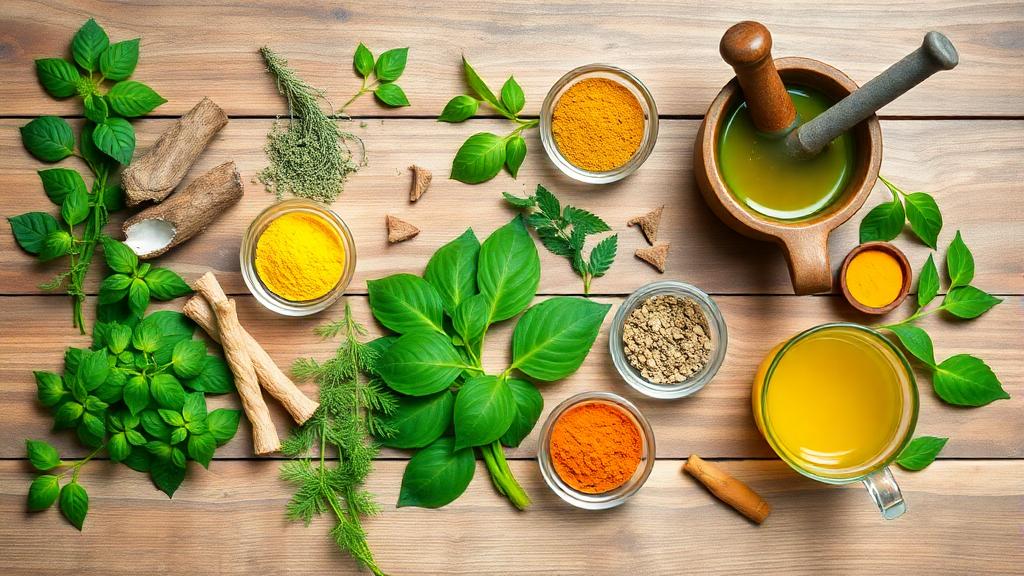
    Flat-lay of Ayurvedic herbs including tulsi, ashwagandha, neem, turmeric, and giloy with herbal powders and tea on a wooden background.

    Life keeps getting busier. Whether you’re running behind meetings, trying to study late into the night, or simply trying not to doze off in the afternoon, staying mentally sharp and energetic has become quite a task. While many people turn to energy drinks or endless cups of coffee, there’s a simpler, more natural way that has been around in our country for generations — Ayurveda.

    This blog is all about six well-known Ayurvedic herbs — Ashwagandha, Brahmi (Bacopa Monnieri), Gotu Kola, Shankhapushpi, Turmeric, and Tulsi. These aren’t fancy modern discoveries. They’ve been part of Indian households for ages. The beauty is they don’t just give short bursts of energy, but help your mind and body stay balanced in the long run.

    Let’s go through each one in a way that makes sense what they do, how to use them, and why they’re still trusted.

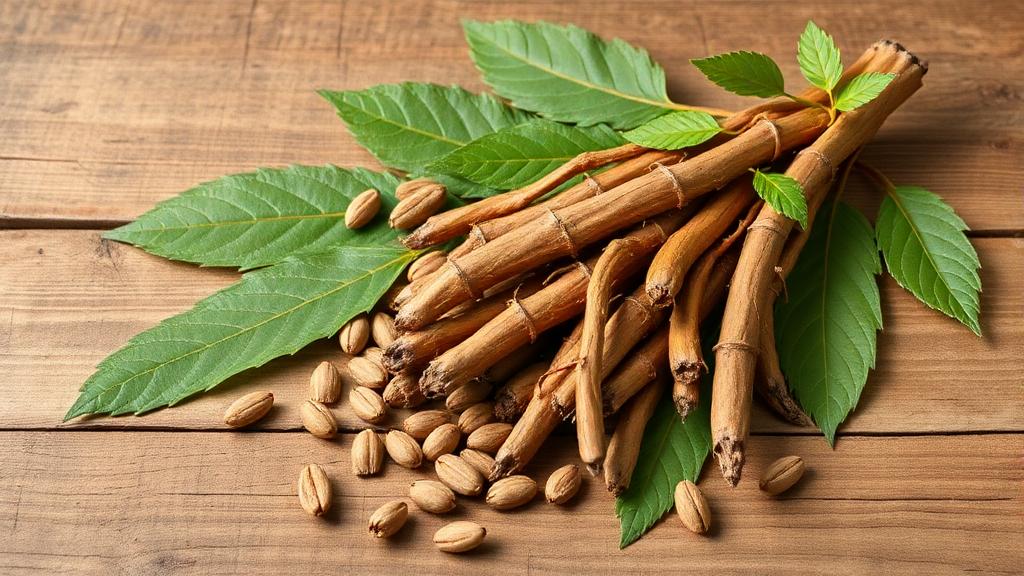
    1. Ashwagandha – For Calmer Mind and Steady Energy

    You must’ve heard about Ashwagandha herbs. It’s quite common now, but long before capsules and powders took over, many Indian families used it as part of daily health.

    Ashwagandha is mainly known to help manage stress, which honestly eats up most of our focus. It also boosts your stamina without making you restless, unlike tea or coffee. Some people even say they feel more clear-headed after using it regularly.

    How you can take it:

    You can mix a bit of Ashwagandha powder in warm milk, especially at night. Some prefer capsules easier if you’re on the go. Start small, like 300 mg, and see how your body responds.

    Real-life example:
    My own nani used to have it in milk every night, and she was more active than anyone half her age. I started it during work-from-home days, and it really helped me stay calm during long meetings.

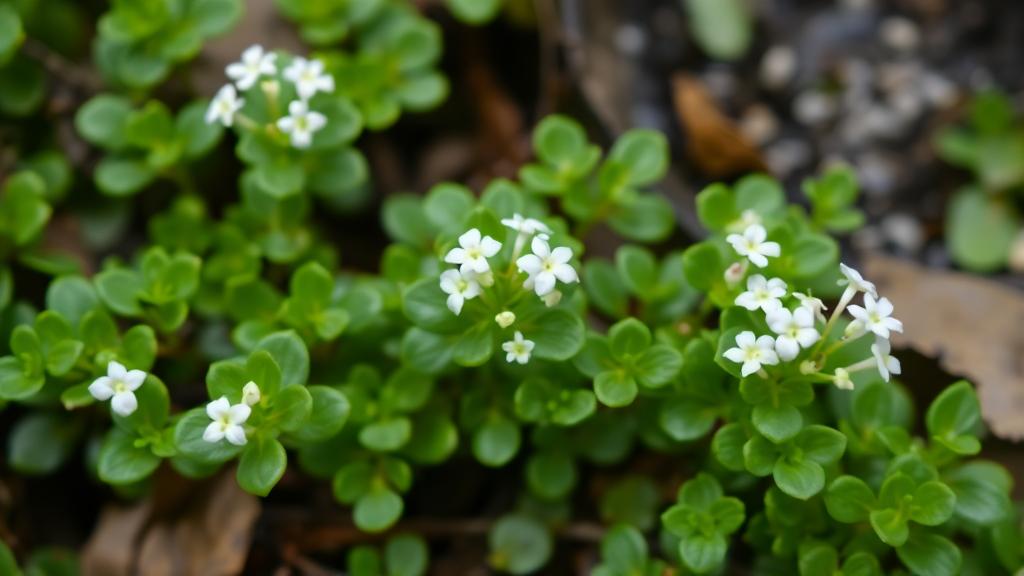
    2. Brahmi (Bacopa Monnieri) – For Sharper Memory

    If you’ve studied in a typical Indian home, chances are your parents gave you Brahmi before exams. They weren’t wrong. This small herb has a big role when it comes to memory and learning.

    Brahmi helps your brain retain things better, and it also keeps you from overthinking too much, which many of us do when under pressure. It’s gentle, but effective if taken regularly.

    How to use:

    Take it with honey or ghee in its powdered form. Or just use capsules. 300 mg a day is a common dose, but of course, ask your doctor.

    Personal story:
    During my college years, my mom used to give me Brahmi syrup. I didn’t like the taste, but later on, I realised I could sit and focus longer without my mind jumping around.

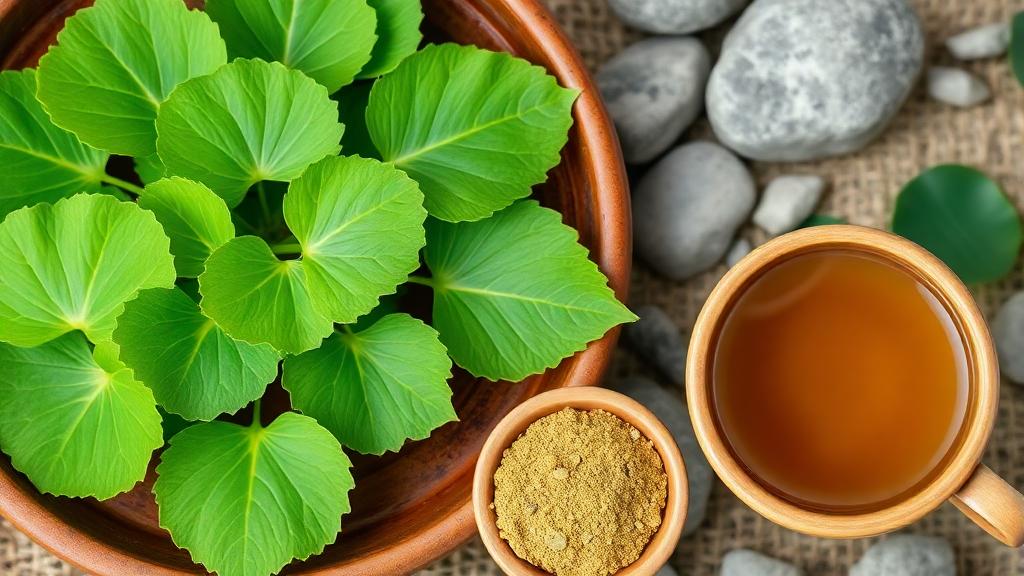
    3. Gotu Kola – For Mental Clarity

    Not many people talk about Gotu Kola, but in some Indian regions, this plant is very well known. It’s said to support mental clarity and even helps when you feel mentally tired after a long day.

    It also supports brain health over time, not just for short boosts. Good for older people too.

    How to take it:

    You can make tea out of fresh or dried leaves. Some people take it as a capsule whichever suits. Around 500 mg is a usual dose.

    Real example:
    My aunt, who is a school teacher, swears by Gotu Kola tea. She has it in the evening while correcting answer sheets. She says it helps her stay sharp even late at night.

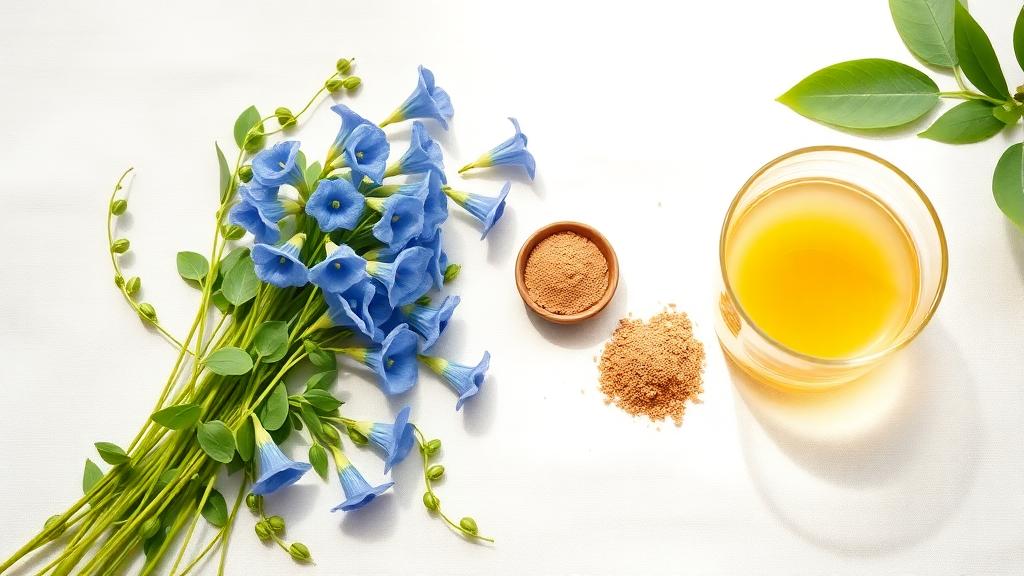
    4. Shankhapushpi – For Better Focus

    This herb might not be as famous as others, but it’s one of the best when your brain feels all over the place. It’s known to support concentration and reduce stress too.

    Great for students, but also for anyone who deals with screen overload and constant multitasking.

    How to use it:

    You’ll mostly find it in syrup form. Take 1-2 teaspoons with water or milk. Capsules are also there, if syrup feels too sweet.

    From a friend’s experience:
    One of my friends preparing for civil services introduced me to it. I started using it during my busiest work season, and honestly, it helped me stay focused without feeling burned out.

    5. Turmeric – For Brain Support and Energy

    Turmeric isn’t just for cooking. It’s actually one of the most powerful herbs we have. Thanks to curcumin, it reduces inflammation and even helps the brain function better.

    It’s been shown to improve memory and protect your brain as you age.

    How to use:

    Use it in your curries, mix it in milk (golden milk), or add to smoothies. You don’t always need supplements if you cook at home.

    My habit:
    Every night, I drink haldi milk like my mother used to give. It feels comforting and, at the same time, clears my head after a long day.

    6. Tulsi – The Calm Booster

    Fresh tulsi leaves in a pot

    Almost every Indian household has a Tulsi plant, and for good reason. Tulsi helps reduce mental stress, and when your mind is calmer, focus automatically improves.

    It’s simple, effective, and safe for daily use.

    How to use:

    Chew a few fresh leaves in the morning or make Tulsi tea. Even once a day is enough to feel the effect.

    My take:
    Watering the Tulsi plant every morning is something I still do. That small ritual followed by a cup of Tulsi tea helps me start the day with a calm mind.

    Final Thoughts

    We run behind productivity tools, to-do apps, and stimulants but sometimes, old methods work best. These six herbs — Ashwagandha, Brahmi, Gotu Kola, Shankhapushpi, Turmeric, and Tulsi — are not magic pills. But when used regularly and with care, they bring back focus and energy in a natural, side-effect-free way.

    My view? They’re not just remedies. They’re part of our tradition, and in today’s fast-paced world, going back to such roots might be the smartest thing to do.

    💬 Feeling This Blog? Here’s What You Can Read Next:

    🔹 The Indian Kitchen Remedies That Actually Work in 2025 – From haldi doodh to ajwain water, discover what age-old desi tips are backed by science today.

    🔹 Beetroot Juice in 2025: Still the Easiest Way to Boost Health – One glass a day, and your body says thank you. This blog covers how this bright red root is still winning the health race in 2025.

    🔹 5 Superpower Herbs You Need In Your Kitchen – From your chai masala to your everyday tadka — these herbs aren’t just flavour bombs. They’re health heroes hiding in plain sight.