Tag: Petrol

  • Are EVs Really Worth It in India? Real-Life Look at Cost vs Savings

    Are EVs Really Worth It in India? Real-Life Look at Cost vs Savings

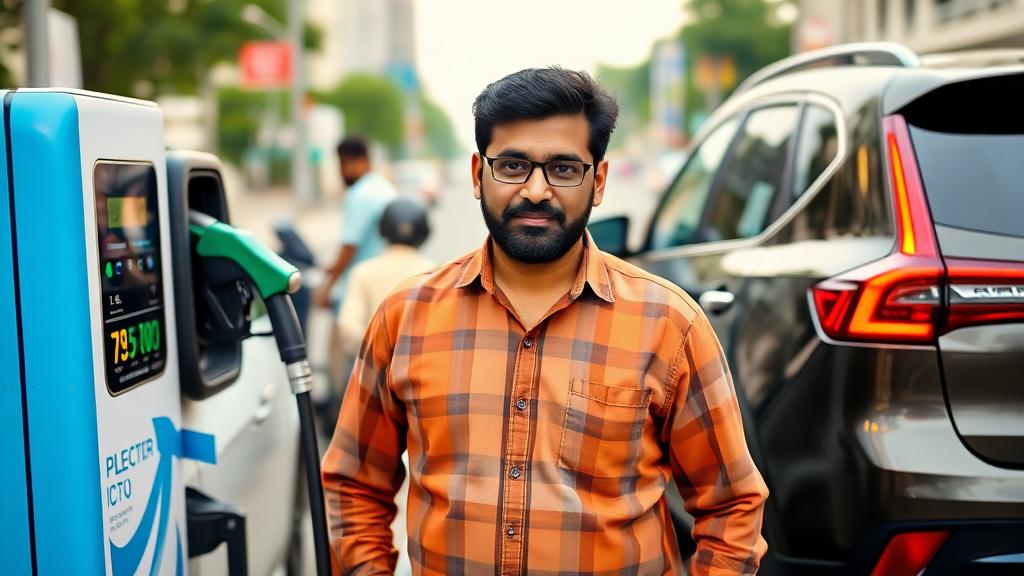
    An Indian man comparing fuel prices with electric charging, with a petrol car and an EV behind him, city background

    These days, you can’t scroll through the news or even go to a showroom without hearing about EVs. Everyone’s talking “EVs is the future”, “no more petrol headache”, and so on. But let’s be honest — when it comes to buying one, it’s not just about the hype. The real question most of us have is: Are EVs actually worth it in India? Or is it just another fancy trend that’ll pass?

    So let’s break it down in simple words, with real numbers and see if putting your hard-earned money on an electric vehicle makes sense in 2025.

    First Up — The Price Tag: Oof or Okay?

    Let’s face it, most EVs still come with a bit of a shock when you first look at the price. Take the Tata Nexon EV starts around ₹14.7 lakh. Meanwhile, the petrol version of Hyundai Venue? You can get that under ₹9 lakh.

    So yeah, you’re staring at a ₹3 to ₹5 lakh gap. Not small at all. But hang on don’t give up yet. There’s more to this story.

    What About Subsidies & Benefits?

    See, the government is really pushing EVs right now. Under schemes like FAME II and some state policies, you can get:

    • Direct discount on EVs (sometimes more than ₹1.5 lakh)
    • Reduced registration and road tax
    • Tax benefits on loans (Section 80EEB gives up to ₹1.5 lakh deduction on interest)

    So, when you add all that up, the price difference starts shrinking. It’s not cheap, but it becomes doable — especially if you’re planning long-term.

    Petrol vs Electricity: The Daily Savings Game

    Now this one’s a big factor. Fuel. You already know how painful petrol prices are. Let’s do a quick math:

    If you drive 15,000 km in a year:

    Vehicle TypeAvg. Cost/kmAnnual Fuel CostCost in 5 Years
    Petrol Car₹7/km₹1,05,000₹5,25,000
    EV₹1.2/km₹18,000₹90,000

    So that’s ₹4.3 lakh just saved on fuel in 5 years. That’s no joke.

    Maintenance: The Quiet Money Saver Nobody Talks About

    Petrol or diesel cars need regular servicing engine oil, filters, clutch, gearbox, exhaust, and whatnot. EVs? Most of that stuff doesn’t even exist.

    On average, EV owners save around ₹25,000 to ₹40,000 a year on maintenance. So in 5 years, that’s another ₹1.25 to ₹2 lakh that stays in your wallet. Basically, fewer headaches and fewer trips to the mechanic.

    But What About Charging?

    Let’s talk about the thing everyone worries about where will I charge this thing?

    Good news 2025 India isn’t the same as even 3 years ago. Charging stations are now in malls, offices, apartments even some kirana store parking lots! Apps like Statiq and Ather Grid make it easy to find chargers near you.

    If you’re staying in a city or big town, daily charging won’t be a problem. Even home charging setups are getting common. Sure, if you’re traveling to very remote areas, it can be tricky but for most daily commutes, you’re covered.

    Battery Life & Resale: Still a Gamble?

    Not really. Most new EVs come with 8-year battery warranties. And battery tech has improved degradation is just 1.5% – 2% per year now. That means even after 10 years, the car’s range is still quite usable.

    And resale? It’s not like before brands like Tata, MG, and Hyundai are holding decent value now. As EVs go mainstream, more buyers are trusting second-hand models too.

    So, Who Should Go for an EV in India?

    Honestly, if you:

    • Drive around 30–60 km daily (especially in city traffic)
    • Have a spot to charge at home or work
    • Plan to keep the car at least 5 years
    • Care about running cost more than top speed

    Then yes, it’s a good bet.

    But if:

    • You live in a remote area with poor charging access
    • You barely drive in a year (under 3,000 km)
    • Or you keep switching cars every 2–3 years

    Then maybe wait a bit or go hybrid.

    Final Thoughts: Are EVs Worth It in 2025 India?

    If you look beyond just the showroom price yes, 100%. The money you save on fuel and maintenance adds up fast. Plus, the driving experience is smooth, quiet, and kinda fun, honestly. And if helping the environment is your thing that’s a bonus.
    Are EVs Really Worth It in India? check here

    For many Indian families today, buying an EV isn’t just a “green” choice it’s a smart one.
  • Diesel vs Petrol vs Electric Cars in India (2025)

    Diesel vs Petrol vs Electric Cars in India (2025)

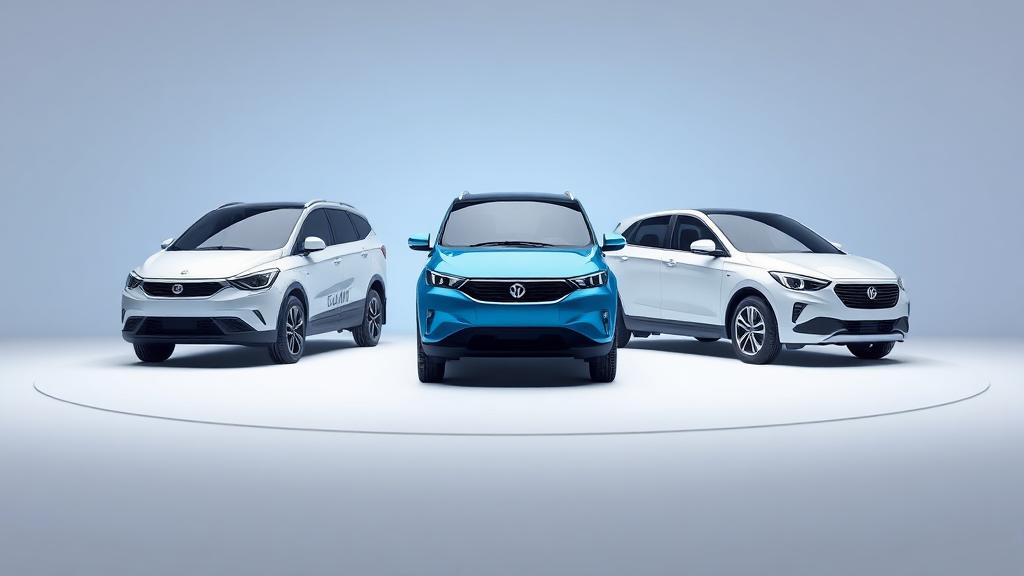
    Indian man comparing three cars – one diesel, one petrol, and one EV – with fuel pumps and a charging station in the background, with a confused expression.


    You know, for the longest time, buying Electric Cars in India has felt like solving a never-ending puzzle. Diesel? Petrol? Or should we just take the electric route and go all-in on the future?

    Now that it’s 2025, the confusion has only grown bigger. Fuel prices shoot up without warning, electric charging stations are popping up everywhere, and diesel cars are slowly being pushed out of big cities. So obviously, the big question is — which type of car actually helps you save money in the long run?

    Let’s not just talk numbers on paper — let’s talk real-life stuff like cost, comfort, maintenance, resale, and even the environment.

    💰 Initial Cost: EVs Still Burn a Slight Hole in Pocket

    Let’s be honest — for most of us, the first thing we check is the on-road price. Especially when every rupee counts, that first cost pinches the most.

    Car TypeExample ModelStarting Price (Ex-Showroom)
    PetrolMaruti Baleno₹6.7 lakh
    DieselKia Sonet Diesel₹9.8 lakh
    ElectricTata Tiago EV₹8.7 lakh

    See, electric cars still cost a bit more upfront. That’s mostly because of the battery — it’s like the “heart” of an EV and quite an expensive one. Earlier, diesel cars used to be costlier than petrol ones, but thanks to strict rules and fewer diesel options now, that gap has narrowed.

    ⛽ Fuel Cost: EVs Leave the Others Far Behind

    This is where electric cars start to make real sense.

    Vehicle TypeFuel Cost/km (Approx.)Annual Running Cost (15,000 km/year)
    Petrol₹7/km₹1,05,000
    Diesel₹6/km₹90,000
    Electric₹1.2/km₹18,000

    Now think about this — if you drive regularly, an EV can save you over ₹4 lakh in five years compared to petrol. Even diesel will cost you ₹3.5 lakh more. That’s not small money. You could easily take a family vacation or even part-pay a new scooter with that saving.

    🔧 Maintenance: EVs are Like “No Tension” Vehicles

    When it comes to regular upkeep, electric cars are just… simpler.

    Petrol and diesel cars need frequent oil changes, filters, and clutch replacements. It’s part of the deal. But EVs? Hardly any moving parts. No engine oil. No clutch. Less chance of something breaking down.

    Vehicle Type5-Year Avg Maintenance Cost
    Petrol₹60,000 – ₹90,000
    Diesel₹70,000 – ₹1,00,000
    Electric₹15,000 – ₹30,000

    So yeah, EVs are up to 70% cheaper to maintain in the long run. Imagine skipping those regular garage visits — sounds peaceful, right?

    🛞 Driving Feel: What’s It Like on the Road?

    Let’s talk about how it feels behind the wheel. Because driving isn’t just numbers — it’s an experience.

    Petrol Cars:
    Smooth, light, and peppy. Great for daily drives in the city. You don’t get that push-pull feel, but it’s refined.

    Diesel Cars:
    Strong on torque — which means better for highways or carrying heavier loads. But a bit noisy, and not so great for short city drives (they don’t like traffic jams).

    Electric Cars:
    One word — instant. Instant torque, instant pickup. Completely silent, no gears. Feels very modern. Especially fun in stop-go traffic.

    So if you enjoy driving and want something new-age, EVs bring a smile to your face.

    ⛽ Charging vs Refuelling: Who Wins?

    Petrol/Diesel:
    No fuss. Pull in, fill up in 5 minutes, and off you go. You’ll find pumps even in small towns.

    EVs:
    At home, charging takes 6–8 hours.
    Fast-chargers? Around 45 mins to 1 hour.
    Not ideal for highway trips yet, especially in remote areas.

    If you’re someone who mostly drives in the city and has a charging point at home, EVs are super convenient. But for folks doing regular long trips, petrol or diesel still has the edge — for now.

    🌱 Environmental Side: EVs Are Way Cleaner

    We all can feel it — the air in cities is getting worse. Pollution levels are scary. That’s where EVs really step up.

    • Diesel: Heavy emissions, especially the harmful NOx gases
    • Petrol: A bit better, but still pollutes
    • Electric: No emissions while driving (though depends on electricity source)

    If you care about the future — yours and your kids’ — EVs clearly help breathe easier.

    🔄 Resale Value: What Happens After 5 Years?

    Petrol Cars:
    Still doing well. Easy to sell, especially in smaller towns or tier-2 cities.

    Diesel Cars:
    Struggling. With bans already in Delhi NCR and more coming, resale is dropping.

    Electric Cars:
    A surprise winner. Battery warranties and more awareness mean second-hand EVs are in demand.

    EV resale may not be at its peak yet, but it’s rising — faster than many expected.

    📊 So, What’s the Final Math?

    Let’s break it down simply. Here’s a 5-year ownership cost for each type:

    TypeInitial CostFuel CostMaintenanceTotal Cost (Approx.)
    Petrol₹7 lakh₹5.25 lakh₹70,000₹12.95 lakh
    Diesel₹9 lakh₹4.5 lakh₹90,000₹14.4 lakh
    Electric₹9 lakh₹90,000₹30,000₹10.2 lakh

    Winner: Electric — lowest cost in the long run
    Diesel — losing favour, especially in cities
    🟡 Petrol — safe choice, but not future-ready

    If you are intrested in electic cars this blogs will surely help you
    Top 5 Budget Electric Cars in India (2025)
    Check EV policies by state (Government Source)

    If you are intrested not electic cars this blogs is for you:
    Latest fuel prices across Indian states
    Compare car loan interest rates in India