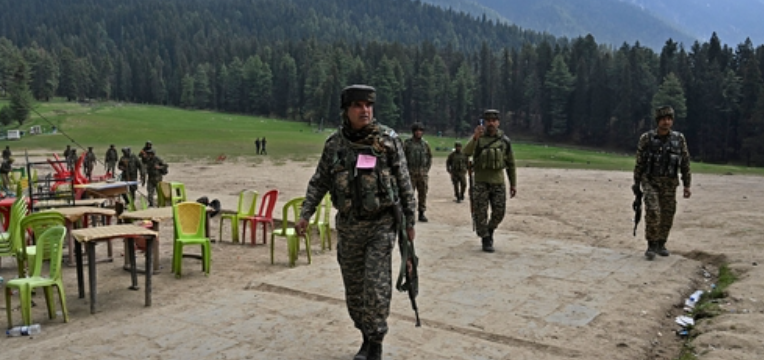
The news of the Pahalgam attack on April 22, 2025, shook our entire nation to the core. In a place known for its scenic beauty, gunmen opened fire on innocent tourists, killing at least 26 people. Most of the victims were Hindu visitors, and according to eyewitnesses, the attackers even asked people their religion before shooting. Among the dead was a Kashmiri Muslim man, who lost his life trying to protect others.
As we grieved for the victims, another crisis quietly started brewing: a dangerous surge of hatred and mistrust against innocent Muslims across the country. In this blog, I want to talk about how this massacre led to rising Islamophobia, how biased media fueled fears, and what we as Indians can do to keep our unity intact.
I know this is a sensitive topic, but I’m writing it with hope — the hope that goodness still exists and unity can still win.
The Horror at Pahalgam and What Followed
On that heartbreaking Tuesday in April, Pahalgam — a place usually filled with laughter and tourists — turned into a scene of bloodshed. Police said militants opened fire at random, killing dozens. It was one of the worst civilian attacks Kashmir had seen in years.
The details that emerged later were even more chilling: the gunmen reportedly asked victims about their religion before pulling the trigger. Out of the 26 who died, 25 were Hindu men, and the 26th was a young Kashmiri Muslim ponywallah who tried to stop the attackers.
I still remember sitting stunned, thinking, “What kind of monsters would do this?” My heart broke for the families. But even before we could process this tragedy, a new danger started spreading — this time, not from guns, but from words, hatred, and suspicion.
Across cities and towns, social media exploded with anger. Some posts blamed all Kashmiri Muslims for the attack. I saw calls for revenge, boycotts, even violence. In some areas, Kashmiri students were evicted by landlords. Shops refused to serve customers who “looked Kashmiri.” In Dehradun, one Hindutva group even warned Kashmiri Muslims to “leave by 10 a.m. or face consequences.”
It was frightening to watch fear and hate grow so fast. A terror attack by a few extremists suddenly made millions of innocent Indians feel unsafe in their own country.
Rising Islamophobia: Real Stories From Across India
The Pahalgam attack didn’t happen in isolation. Over the past year, India’s Muslims have been facing increasing discrimination and hate. Most Muslims are ordinary people — vendors, teachers, doctors, drivers — just trying to live peacefully. Yet, time and again, a small group’s violence is unfairly used to paint all of them with the same brush.
Here are some grim realities we’ve seen:
- Mob Violence and Lynchings: In June last year, a Muslim cook in Aligarh was beaten to death by a mob simply because someone suspected him of carrying beef. Around the same time in Chhattisgarh, two Muslim men were lynched over similar suspicions. These incidents show how dangerous rumors can be.
- Economic Boycotts: After the Pahalgam attack, calls to boycott Muslim businesses spread like wildfire on social media. In Punjab and Uttarakhand, Kashmiri tenants were asked to vacate their homes. Some shopkeepers openly refused to sell to people “looking Muslim,” further isolating entire communities.
- Harassment of Students: Young Kashmiri students reported facing harassment in places like Delhi and Pune. Some were bullied, others threatened. Many are now scared to even step out or order food online. One boy told a reporter he felt “cursed” just because of his ethnicity.
- Online Hate and Fake News: Perhaps the most dangerous trend is the flood of fake news and hate messages online. Wild claims like “all Kashmiris are terrorists” went viral. Old videos of violence from other countries were passed off as recent footage from Pahalgam. Lies were weaponized to spread panic.
Hearing these stories is heartbreaking. Where I live, Hindus and Muslims have lived side by side for decades. And yet, even here, I heard comments like, “Why do they always do this?” It hurts because innocent Muslims had no role in this terror attack. But when fear takes over, logic often flies out of the window.
The Media’s Role in Fanning the Flames
Media can guide public opinion — for better or worse. After Pahalgam, I noticed how selective reporting and sensational headlines made things worse.
Many headlines screamed about “terrorists” but rarely mentioned the victims’ backgrounds properly. How many TV channels highlighted that a Muslim man died trying to save Hindu tourists? Hardly any. Instead, the larger narrative became: “Kashmiri Muslims are dangerous.”
On prime-time debates, some anchors irresponsibly asked if Kashmiri migrants were secretly helping terrorists, without a shred of proof. Meanwhile, fake news articles floated around, with shocking but false claims designed to stir hatred.
Even mainstream papers sometimes focused more on sensationalism than facts. A Times of India piece speculated about victims’ clothes being torn, which only added more horror without adding clarity.
In the race for views and ratings, many media houses forgot their responsibility: to report truthfully without fueling hate. Worse, many media consumers don’t cross-check what they hear.
The government should take action on journalists to avoid such a hate speech and guide public opinion on good direction
Are we doing ?
This is something that personally worries me. Are ordinary Hindus speaking up enough when they see injustice?
There have been small but meaningful efforts. In Karnataka, local Muslim communities held peaceful protests condemning the attack. They said loud and clear: “Our religion forbids violence. We mourn for the victims too.”
Some Hindus I know privately express sympathy toward Muslim friends. A few civil groups, students, and even celebrities have condemned lynchings and hate speech. But public voices are still too few. Most often, hateful slogans on social media drown out the sane ones.
I feel more Hindus need to stand up visibly — write articles, share positive messages, and show solidarity. Silence can sometimes be mistaken for agreement. In my own way, I try: whenever an uncle or neighbor makes a sweeping statement against Muslims, I gently correct them.
Hatred survives when good people stay silent. If more of us speak up, even small acts can slowly push hate back into the shadows.
What Can We Do? Some Steps Towards Unity
We are a country of incredible diversity. We cannot let a few extremists break what centuries have built. Here’s what I believe we can all do:
- Local Community Initiatives: Organize neighborhood meetings, joint prayers, sports matches between communities — anything that brings people together and builds trust.
- Better Education: Schools must teach real stories of Hindu-Muslim unity, especially from our freedom struggle. Media literacy programs should be encouraged to teach young people how to spot fake news.
- Media Accountability: Journalists and TV channels must be called out when they spread fear instead of facts. Press councils and citizen watchdogs should pressure media to report responsibly.
- Individual Acts of Kindness: Talk to your neighbors. Invite someone from another faith for chai. Post positive stories on your social media instead of hate forwards. Change starts with small, everyday actions.
Final Thoughts
Terrorists tried to divide us at Pahalgam. We must not let them succeed.
Hatred cannot be the answer to violence. Unity, compassion, and courage must be. And every Indian — Hindu, Muslim, Sikh, Christian — must believe that an attack on one of us is an attack on all of us.
The fight isn’t just against terrorists with guns. It’s also against the seeds of hatred being quietly planted among us. Let’s refuse to water them. Let’s choose hope over fear, and unity over division.
Read the full artical of how Indian Government respond after pahalgam atttack: The Pahalgam Terror Attack and India’s Strong Response
Also read Kashmiris under attack across India after Pahalgam killings