Tag: Organic

  • Ayurvedic Wisdom: 6 Herbs That Naturally Boost Focus & Energy

    Ayurvedic Wisdom: 6 Herbs That Naturally Boost Focus & Energy

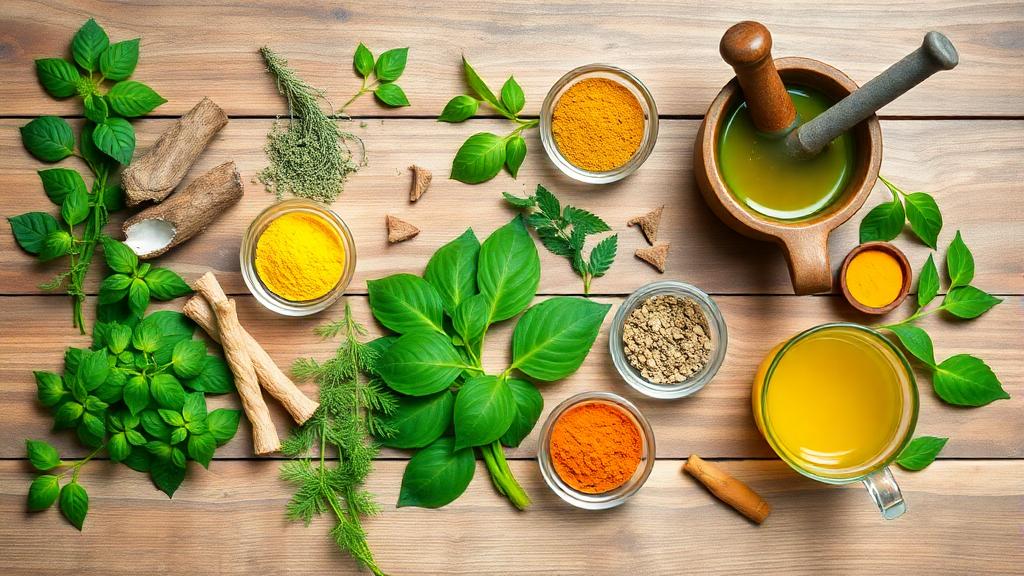
    Flat-lay of Ayurvedic herbs including tulsi, ashwagandha, neem, turmeric, and giloy with herbal powders and tea on a wooden background.

    Life keeps getting busier. Whether you’re running behind meetings, trying to study late into the night, or simply trying not to doze off in the afternoon, staying mentally sharp and energetic has become quite a task. While many people turn to energy drinks or endless cups of coffee, there’s a simpler, more natural way that has been around in our country for generations — Ayurveda.

    This blog is all about six well-known Ayurvedic herbs — Ashwagandha, Brahmi (Bacopa Monnieri), Gotu Kola, Shankhapushpi, Turmeric, and Tulsi. These aren’t fancy modern discoveries. They’ve been part of Indian households for ages. The beauty is they don’t just give short bursts of energy, but help your mind and body stay balanced in the long run.

    Let’s go through each one in a way that makes sense what they do, how to use them, and why they’re still trusted.

    1. Ashwagandha – For Calmer Mind and Steady Energy
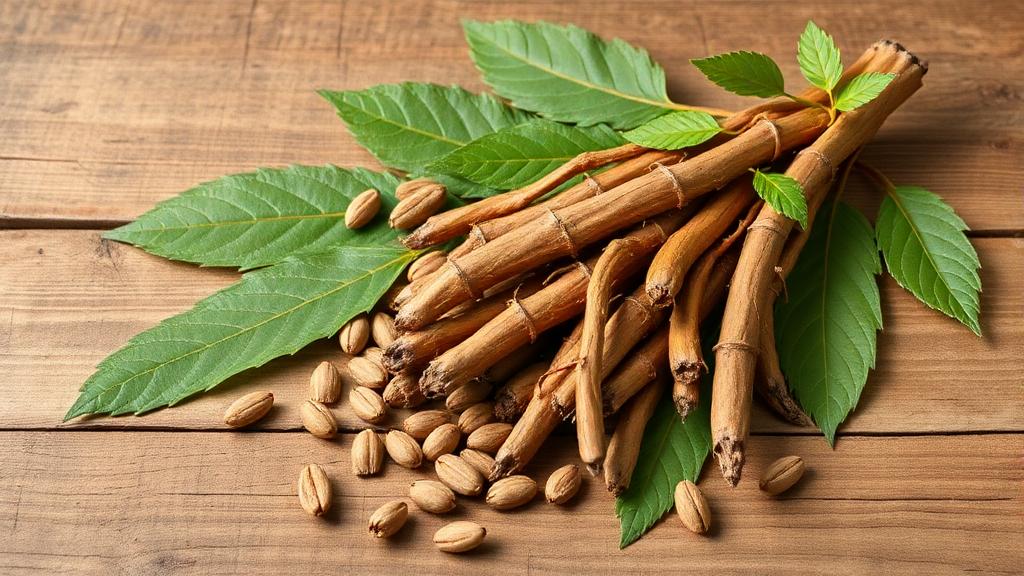
    You must’ve heard about Ashwagandha herbs. It’s quite common now, but long before capsules and powders took over, many Indian families used it as part of daily health.

    Ashwagandha is mainly known to help manage stress, which honestly eats up most of our focus. It also boosts your stamina without making you restless, unlike tea or coffee. Some people even say they feel more clear-headed after using it regularly.

    How you can take it:

    You can mix a bit of Ashwagandha powder in warm milk, especially at night. Some prefer capsules easier if you’re on the go. Start small, like 300 mg, and see how your body responds.

    Real-life example:
    My own nani used to have it in milk every night, and she was more active than anyone half her age. I started it during work-from-home days, and it really helped me stay calm during long meetings.

    2. Brahmi (Bacopa Monnieri) – For Sharper Memory
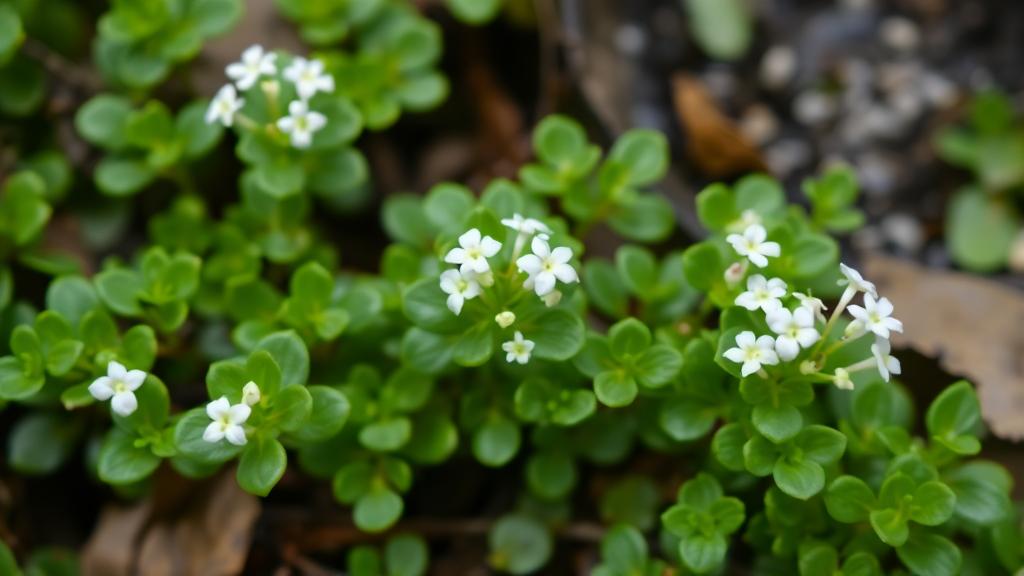
    If you’ve studied in a typical Indian home, chances are your parents gave you Brahmi before exams. They weren’t wrong. This small herb has a big role when it comes to memory and learning.

    Brahmi helps your brain retain things better, and it also keeps you from overthinking too much, which many of us do when under pressure. It’s gentle, but effective if taken regularly.

    How to use:

    Take it with honey or ghee in its powdered form. Or just use capsules. 300 mg a day is a common dose, but of course, ask your doctor.

    Personal story:
    During my college years, my mom used to give me Brahmi syrup. I didn’t like the taste, but later on, I realised I could sit and focus longer without my mind jumping around.

    3. Gotu Kola – For Mental Clarity
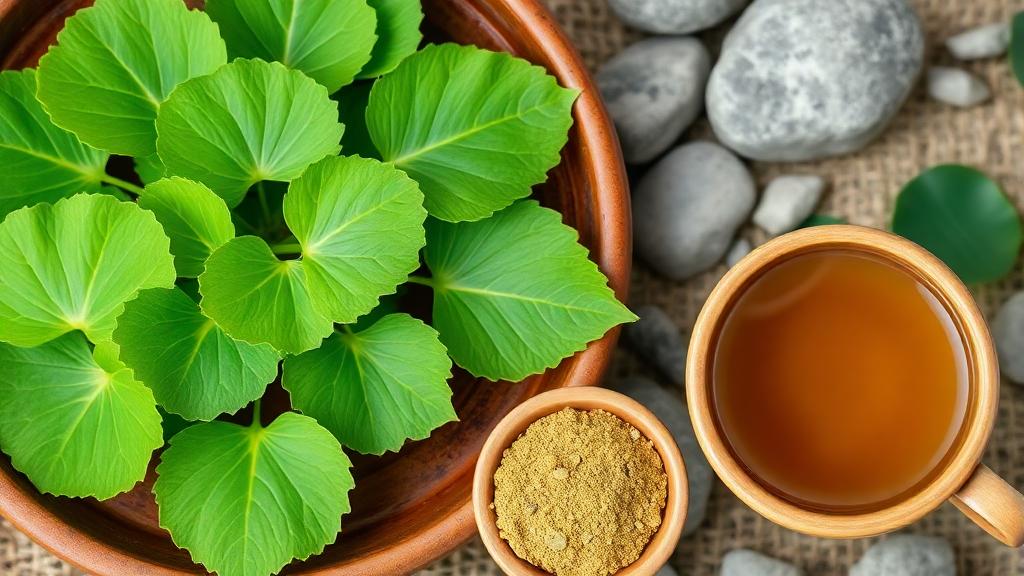
    Not many people talk about Gotu Kola, but in some Indian regions, this plant is very well known. It’s said to support mental clarity and even helps when you feel mentally tired after a long day.

    It also supports brain health over time, not just for short boosts. Good for older people too.

    How to take it:

    You can make tea out of fresh or dried leaves. Some people take it as a capsule whichever suits. Around 500 mg is a usual dose.

    Real example:
    My aunt, who is a school teacher, swears by Gotu Kola tea. She has it in the evening while correcting answer sheets. She says it helps her stay sharp even late at night.

    4. Shankhapushpi – For Better Focus
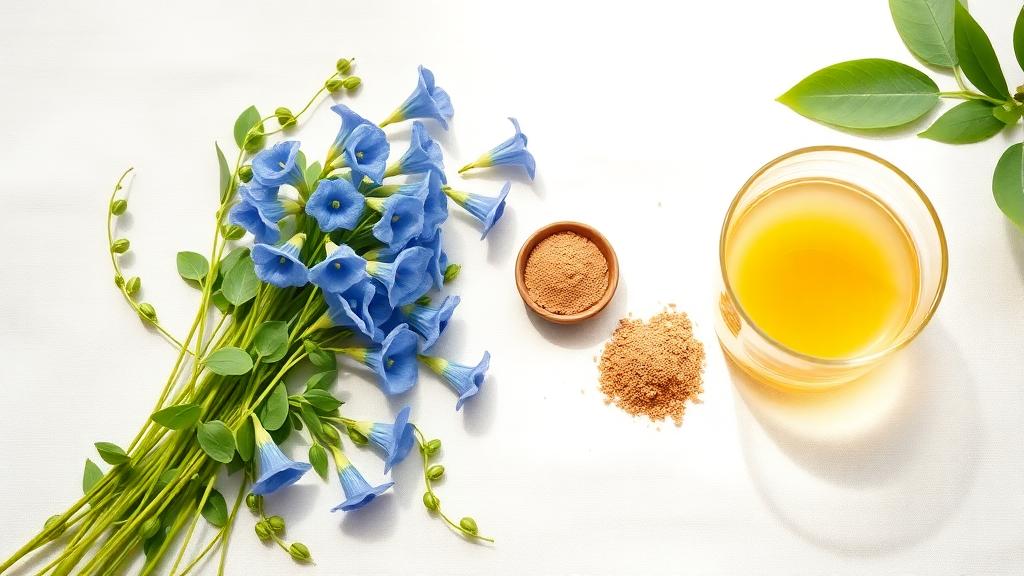
    This herb might not be as famous as others, but it’s one of the best when your brain feels all over the place. It’s known to support concentration and reduce stress too.

    Great for students, but also for anyone who deals with screen overload and constant multitasking.

    How to use it:

    You’ll mostly find it in syrup form. Take 1-2 teaspoons with water or milk. Capsules are also there, if syrup feels too sweet.

    From a friend’s experience:
    One of my friends preparing for civil services introduced me to it. I started using it during my busiest work season, and honestly, it helped me stay focused without feeling burned out.

    5. Turmeric – For Brain Support and Energy
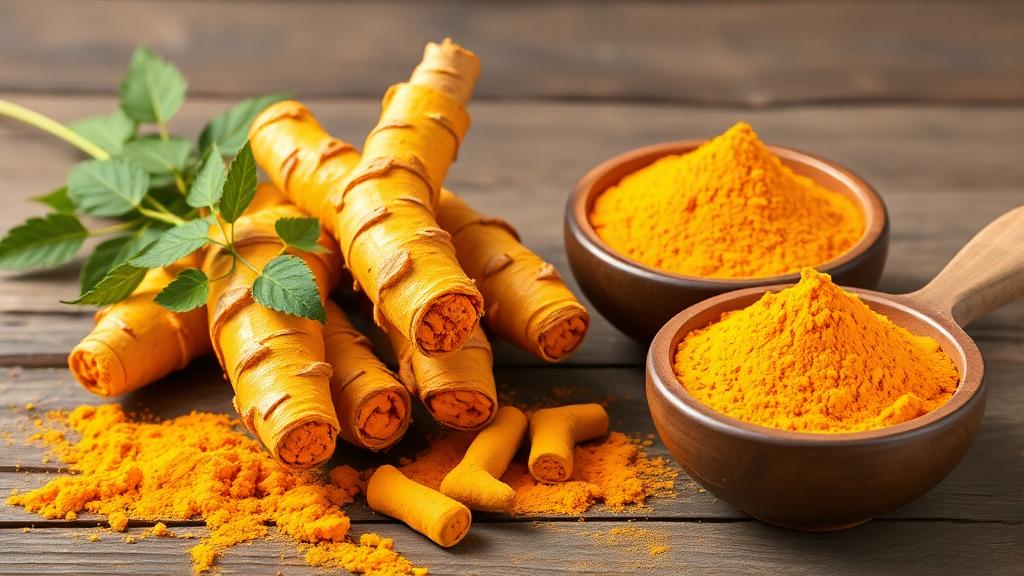
    Turmeric isn’t just for cooking. It’s actually one of the most powerful herbs we have. Thanks to curcumin, it reduces inflammation and even helps the brain function better.

    It’s been shown to improve memory and protect your brain as you age.

    How to use:

    Use it in your curries, mix it in milk (golden milk), or add to smoothies. You don’t always need supplements if you cook at home.

    My habit:
    Every night, I drink haldi milk like my mother used to give. It feels comforting and, at the same time, clears my head after a long day.

    6. Tulsi – The Calm Booster

    Fresh tulsi leaves in a pot

    Almost every Indian household has a Tulsi plant, and for good reason. Tulsi helps reduce mental stress, and when your mind is calmer, focus automatically improves.

    It’s simple, effective, and safe for daily use.

    How to use:

    Chew a few fresh leaves in the morning or make Tulsi tea. Even once a day is enough to feel the effect.

    My take:
    Watering the Tulsi plant every morning is something I still do. That small ritual followed by a cup of Tulsi tea helps me start the day with a calm mind.

    Final Thoughts

    We run behind productivity tools, to-do apps, and stimulants but sometimes, old methods work best. These six herbs — Ashwagandha, Brahmi, Gotu Kola, Shankhapushpi, Turmeric, and Tulsi — are not magic pills. But when used regularly and with care, they bring back focus and energy in a natural, side-effect-free way.

    My view? They’re not just remedies. They’re part of our tradition, and in today’s fast-paced world, going back to such roots might be the smartest thing to do.

    💬 Feeling This Blog? Here’s What You Can Read Next:

    🔹 The Indian Kitchen Remedies That Actually Work in 2025 – From haldi doodh to ajwain water, discover what age-old desi tips are backed by science today.

    🔹 Beetroot Juice in 2025: Still the Easiest Way to Boost Health – One glass a day, and your body says thank you. This blog covers how this bright red root is still winning the health race in 2025.

    🔹 5 Superpower Herbs You Need In Your Kitchen – From your chai masala to your everyday tadka — these herbs aren’t just flavour bombs. They’re health heroes hiding in plain sight.

  • Growing Green: Why Organic Farming is the Future of Agriculture

    Growing Green: Why Organic Farming is the Future of Agriculture

    An Indian farmer standing proudly in a lush green organic farm at sunrise, with healthy crops, clear blue sky, and eco-friendly vibe.

    You know, nowadays farming is not just about sowing seeds and waiting for harvest. It’s much bigger than that it’s about growing food without spoiling the land, without making water dirty, and without harming ourselves.
    When you really sit and think about it, seeing how our rivers are getting polluted and how the soil is losing its life, there’s only one answer staring at us: organic farming is the future. No two ways about it.

    Let’s talk about this properly, no hurry.

    So, What Exactly is Organic Farming?

    First thing, let’s clear this confusion When most people hear “organic,” they imagine some fancy fruits and vegetables with high prices in supermarkets. But truly speaking, organic farming just means growing crops naturally, like how our grandparents did it.

    No chemical fertilizers, no poisonous sprays. Only using cow dung manure, natural compost, neem leaf sprays, crop rotation and all those things that keep the soil healthy without killing it.

    It’s like farming with love and patience, not with greed for quick results.

    And believe me, when we treat the soil properly, it gives back even more. Mother Earth always returns the favour.

    Why Farmers Are Slowly Moving Back to Organic Farming

    To be honest, chemical farming did wonders at one time. Gave bumper crops, filled godowns. But slowly, side effects started showing.

    Now the soil is tired, full of chemicals.
    Water is polluted.
    Vegetables don’t even taste real anymore.
    And worst of all, farmers are trapped in debts, buying expensive seeds, fertilizers, and pesticides every season.

    That’s why people are thinking “Was it really worth it?”

    Now, the wind is changing. Farmers and smart consumers both are realising organic farming is the only way to survive and thrive.

    Here’s why:

    1. Our Health Comes First, Always

    You see, chemical farming may give good looking crops, but what about the poison hiding inside?
    Organic food is clean. No hidden chemicals, no slow poisoning.
    Especially when it comes to feeding children and old parents, it’s not even a question. Health has to come first.

    Organic fruits and vegetables are packed with real nutrients, not just empty calories.

    2. Soil is Our True Wealth

    People think gold is precious.
    But you ask a real farmer soil is the real treasure.
    Chemical farming kills the soil.
    Organic farming, on the other hand, makes it richer every year. More microbes, more earthworms, more natural fertility.

    It’s like slowly saving money in a fixed deposit. Soil becomes stronger and pays you back lifelong.

    3. Helping the Climate, Silently

    Big talks happen about climate change on TV. But small steps like organic farming are what truly make the difference.

    Organic farms absorb carbon dioxide from the air and trap it in the soil.
    Less pollution, less harm to the planet.

    Without shouting slogans, organic farmers are becoming silent climate warriors.

    4. Keeping Water Clean

    You know, every time chemicals are sprayed on crops, rains come and wash them into rivers and lakes.
    That’s why you hear news about water getting poisonous.

    Organic farming means no chemical runoff.
    Our rivers, ponds, even underground water stay pure and drinkable.

    Simple farming choices can save entire ecosystems.

    5. Long-Term Profit is Better than Short-Term Greed

    Honestly, first few years of organic farming can be tough. Yields are low, expenses feel high.
    But after 3-4 years, when the land heals, yields improve naturally and the costs come down.
    Plus, organic products sell at better prices, especially in cities.

    So in the long run, organic farmers make more money and have healthier farms.

    Challenges in Organic Farming (But Worth Fighting For)

    Let’s not hide it Organic farming is not a bed of roses, at least in the beginning.

    • Weeds grow faster, need manual removal.
    • Pests sometimes attack more.
    • Certification is a headache.
    • Finding direct buyers is not easy everywhere.

    But the thing is, when you cross the hard first few years, the rewards are lifelong.
    You get better soil, better crops, better prices, and most importantly peace of mind.

    Nothing can replace that.

    How Indian Farmers Are Leading the New Green Revolution

    In India, we don’t have to learn organic farming from abroad.
    It’s in our roots.

    In olden days, farmers didn’t have chemicals.
    They used cow dung, neem, and natural cycles to farm. They respected the land.

    Now, farmers in Sikkim showed the way becoming 100% organic.
    In Maharashtra, Kerala, Punjab, thousands of young farmers are moving back to natural farming.
    Even startups and online apps are helping them sell directly to customers.

    Schemes like Paramparagat Krishi Vikas Yojana and National Programme for Organic Production are giving training and support too.

    Slowly but surely, India is waking up again, going back to its true farming spirit.

    Why More People Are Loving Organic Food

    Customers are not fools anymore.
    They read, they research, they know.

    People now prefer chemical-free, fresh, safe food.
    They are okay paying a little extra if it means saving their family’s health.

    Big cities are full of organic shops now organic milk, organic wheat, organic fruits you name it.
    And online orders are booming too.

    In short, organic food is becoming a lifestyle now, not just a luxury.

    What Future Looks Like

    Looking at today’s situation, one thing is clear farming will not stay “optional” for long.
    It will become the only way to farm if we want to survive.

    Farmers who start now will have a stronghold in future markets.
    Consumers will keep demanding safer food.
    Governments will push harder for clean farming.

    And India, with its natural farming traditions, can lead the world again if we just stick to our roots.

    Conclusion: Growing Green is the Only Way Ahead

    In the end, it’s simple.
    If we want healthy families, healthy water, and a healthy earth, we have no other choice but to grow green.

    Organic farming is not a fashion it’s survival.

    It’s about love for the soil, love for the seed, love for the next generation.

    Whether we are farmers, consumers, or even just dreamers
    it’s time we join hands, and make India greener, healthier, and truly self-reliant.

    The future belongs to those who respect the Earth.

    Related articles :
    The Future Of Organic Farming In India: A Sustainable Revolution
    Organic Farming: Growing the Desi Way, Naturally


  • Organic Kesar in India Real Gold from the Soil, Not the Mines

    Organic Kesar in India Real Gold from the Soil, Not the Mines

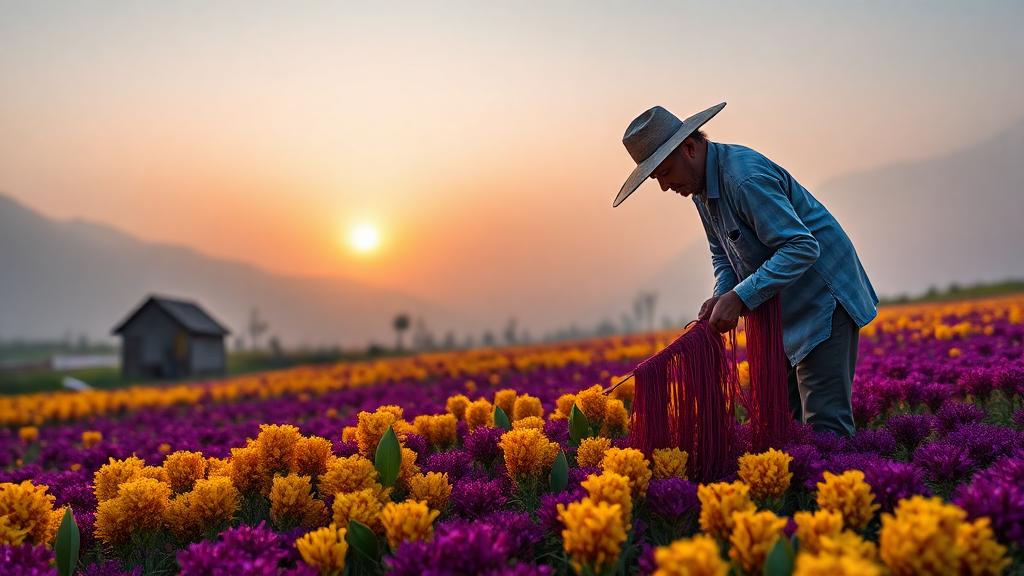
    A farmer gently harvesting saffron flowers in the fields of Kashmir during sunrise, with misty mountains in the background and saffron threads being dried in the sun.

    Organic Kesar in India – The Real Gold from the Mitti

    In India, we always say something precious is like gold. But tell me one thing… is gold always found inside mines? Not really. Sometimes, it grows quietly in our own mitti (soil), and we don’t even realise how priceless it is. One of those treasures is organic kesar. Pure, handmade, grown with patience… this is the kind of gold our land gives us.

    Why People Say Kesar is Not Just a Spice

    Ask any old family, especially in North India or Kashmir… they’ll tell you. Kesar is not just for cooking. It’s an emotion. It’s used during festivals, weddings, even in medicines and home remedies. In many homes, it’s still kept in a small glass box like some precious item.

    The best of the best kesar comes from Pampore, Kashmir. The smell, the strength, the colour—it’s just next level. And it’s not cheap. Real Kashmiri saffron, organic one, costs more than gold sometimes. Not joking.

    To get even 500 grams of kesar, they need to handpick around 75,000 flowers. Just think, how much work that is. Every single flower, picked by hand.

    But the Reality Is Not So Pretty

    Behind this beautiful kesar, there’s a lot of pain too. The farmers growing it? Most of them are struggling now. Climate is not stable anymore. Rains are not coming on time. Plus, there’s no proper water supply. Because of this, many farmers are slowly leaving saffron farming. They are moving to other crops or just giving up.

    Also, outside kesar—especially from Iran—is entering our market. It’s cheaper, lower quality, and sold in the name of “Kashmiri organic kesar”. This is not just bad for business, but also killing the trust.

    What’s worse? The old generation who knew how to grow good kesar—they’re getting old now. The new generation isn’t much interested. Slowly, that age-old wisdom is going away.

    What’s So Special in Organic Kesar Anyway?

    Let’s be clear. Organic kesar is not like those packet ones we get in shops with shiny labels.

    • No chemicals are used
    • Colour is deeper, smell is richer
    • It’s picked with care, not machines
    • And when it’s from Kashmir, it smells like the mountain air itself

    You open the box, and it just feels different. No lab-made thing can match that.

    Beware – Fakes Are Everywhere

    Most people can’t even tell real kesar from fake now. And that’s a big problem. Some kesar is coloured with artificial dye. Some sellers mix Iranian threads and say “Kashmiri kesar”.

    One simple test—real kesar doesn’t turn water red immediately. It takes its own sweet time. First golden, then light orange. That’s the sign of real saffron.

    How You Can Tell If It’s Real Organic Kesar

    • The strands will be dark red, slightly thick, and a bit curly at the tip
    • If it makes water dark red in seconds—it’s fake or coloured
    • Look for GI tag – that proves it’s really from Kashmir
    • Buy from local sellers or known organic brands. Not just fancy-looking websites

    This Is Our Chance – World Is Looking for Real Stuff

    Today, people everywhere—especially outside India—are choosing organic and handmade things. They want real, clean food. They want natural wellness. And in all this, our Indian saffron can shine like a star.

    But this will only happen if we help our farmers. Teach them better ways. Let them grow organic. And tell people the truth about kesar.

    What You Can Do (As a Normal Buyer Like Us)

    • Support GI-certified kesar sellers
    • Don’t fall for offers or too-good-to-be-true prices
    • Talk about organic farming, even on social media
    • Give kesar as a gift—it’s thoughtful, not show-off
    • Try using it in home remedies too, not just desserts

    Some Health Benefits of Real Kesar

    • Helps reduce stress and lifts mood naturally
    • Makes your skin better over time
    • Good for digestion and appetite
    • Keeps heart health and sugar levels balanced

    At the End, It’s More Than Just a Spice

    If you ask me, kesar is not luxury. It’s a blessing. Something pure from our land. Next time you open that little kesar box, just stop for a second. Think about the farmer in Kashmir, waking up before sunrise, plucking those flowers with freezing hands. No complaints. Just quietly doing his work.

    This gold doesn’t shine like jewellery. But it glows—from inside.

    And maybe… this is the kind of gold we need more of today. Honest, rooted, full of heart.

    This blog is just the start. Explore more with Organic Kesar: The Purest Form of Nature’s Gold

    Want more on this topic? Check this out: Organic Farming: Growing the Desi Way, Naturally