Tag: Nature

  • 6 Most Scenic Walking Trails Around the World

    6 Most Scenic Walking Trails Around the World

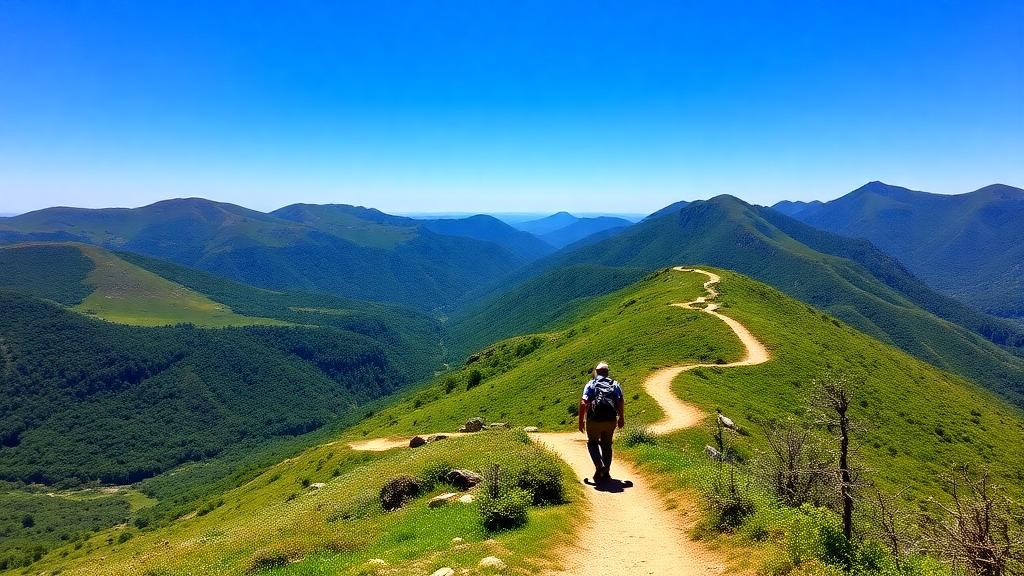
    A lone hiker walking along a peaceful trail surrounded by lush green mountains under a clear blue sky.

    Introduction

    Walking trails offer a way to step away from everyday worries and dive straight into nature’s beauty. These paths show us views that are hard to forget, fresh air that clears the mind, and a feeling of small wins with every step. Across the world, from misty mountains to sunny coastlines, there are trails that give a perfect mix of peace and adventure. In this blog, I’ll take you through six of the most beautiful walking trails you can find. These trails bring calm, excitement, and breathtaking sights all at once. Whether you enjoy long hikes or a simple walk, these spots will inspire your next travel plan. Plus, I will also share a few lesser-known trails in India, for those who want to explore closer to home. So, let’s get going and discover these amazing paths.

    1. Appalachian Trail, USA
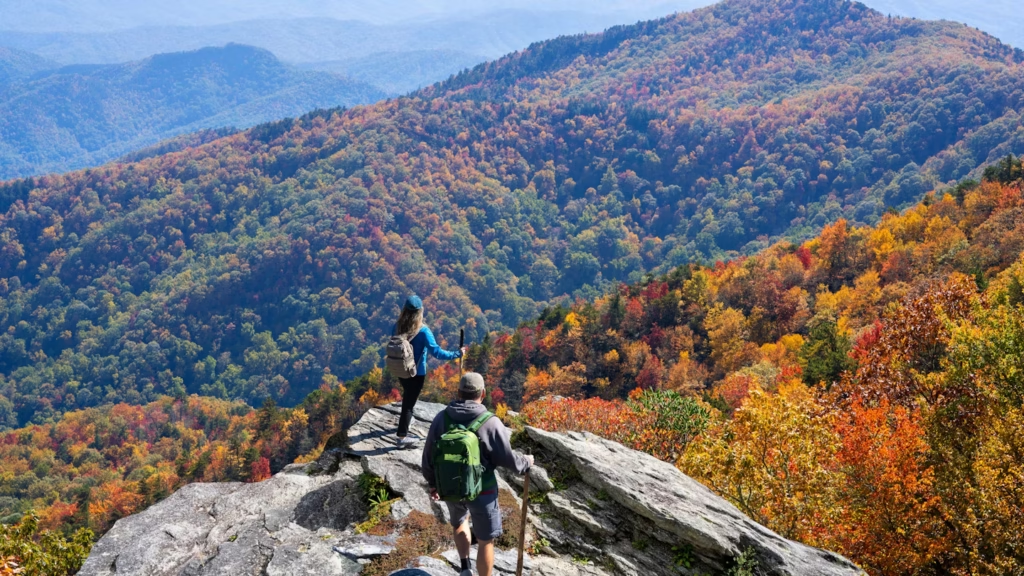
    Hiker walking on a sunlit forest trail surrounded by tall green trees on the Appalachian Trail, USA.

    Think about walking through places that look straight out of a picture postcard. That’s what the Appalachian Trail is like. Stretching more than 3,500 kilometres, it runs from Georgia all the way up to Maine, crossing 14 states. You will find everything here thick forests, tall mountain peaks, flower-filled meadows, and small mountain towns with their own charm. Most people don’t try to walk the whole trail in one go that would take months! Instead, they pick short parts to enjoy over several trips. The months from April to October are best because the weather is neither too cold nor too hot, and the scenery is at its best. For Indian travellers, it’s like combining the different landscapes of the Himalayas with the peaceful mountain villages you find in Himachal Pradesh.

    2. Yoshida Trail, Japan
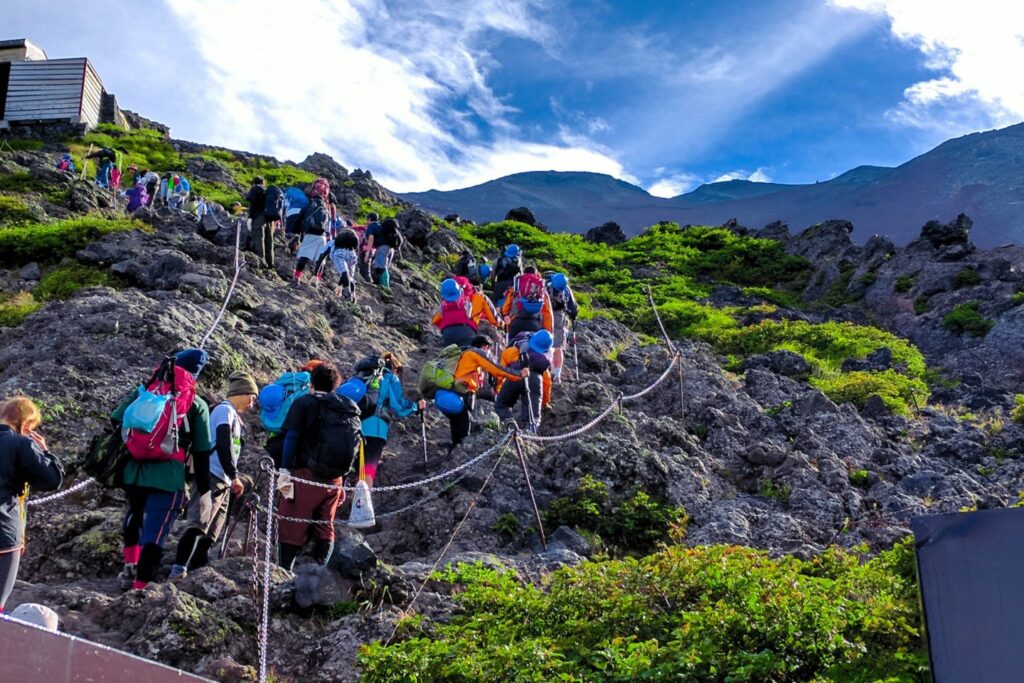
    Hikers climbing the Yoshida Trail on Mount Fuji with volcanic rocks and shrines visible along the path.

    If climbing Mount Fuji has ever been on your mind, the Yoshida Trail is the most popular way to reach the top of Japan’s highest peak at 3,776 meters. This trail shows a mix of rough volcanic rocks and steep climbs, with old shrines along the way that add a peaceful feel. The real magic is waiting for you at the summit the sunrise called goraiko. It’s a quiet moment, almost like time stands still. The best months to visit are July and August when the snow melts and the weather stays steady. Along the way, small rest stops offer traditional Japanese snacks, giving you the energy to keep moving. For readers in India, it’s a bit like climbing to Kedarnath or another sacred peak, but with a different, unique Japanese atmosphere.

    3. Cinque Terre Trail, Italy
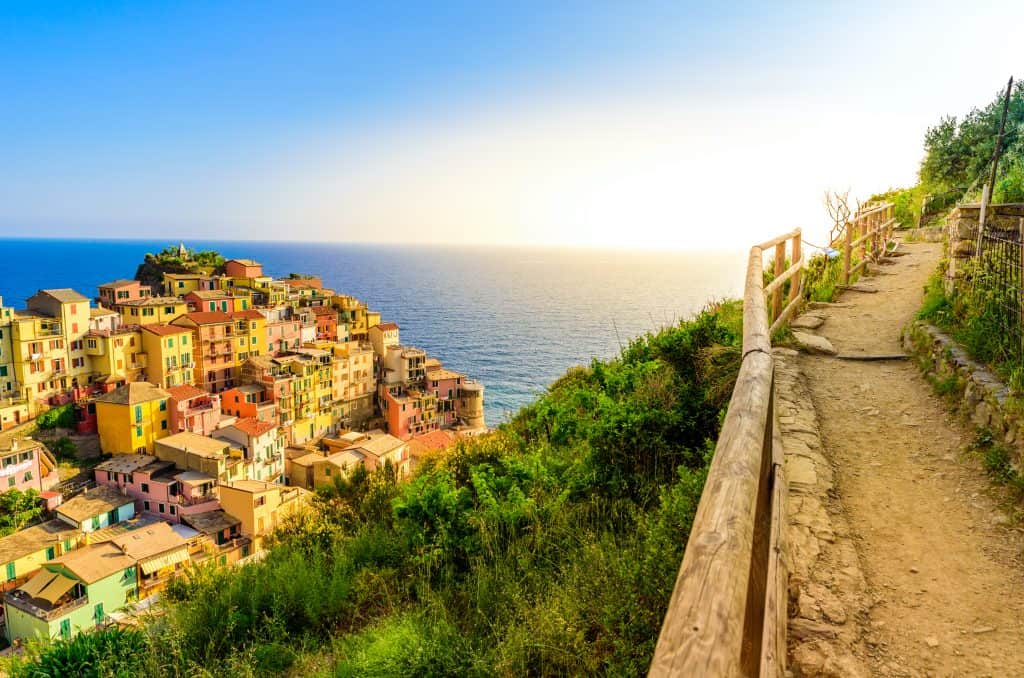
    Cinque Terre coastal hiking trail with colorful cliffside villages and clear blue sea.

    For those who enjoy coastal walks, the Cinque Terre Trail in Italy is hard to beat. This 12-kilometer path connects five small villages that sit on cliffs overlooking the beautiful Ligurian Sea. Each village is special, with colorful houses, vineyards grown on terraces, and narrow lanes that feel frozen in time. Walking here means enjoying crashing waves, the fresh smell of herbs like basil, and of course, stopping for gelato now and then. It’s not a difficult hike, and you can finish it in a day if you want, but spending a night in one of the villages makes it even better. For Indian travelers, it brings to mind the peaceful coastal feeling you get in places like Goa.

    4. Overland Track, Australia
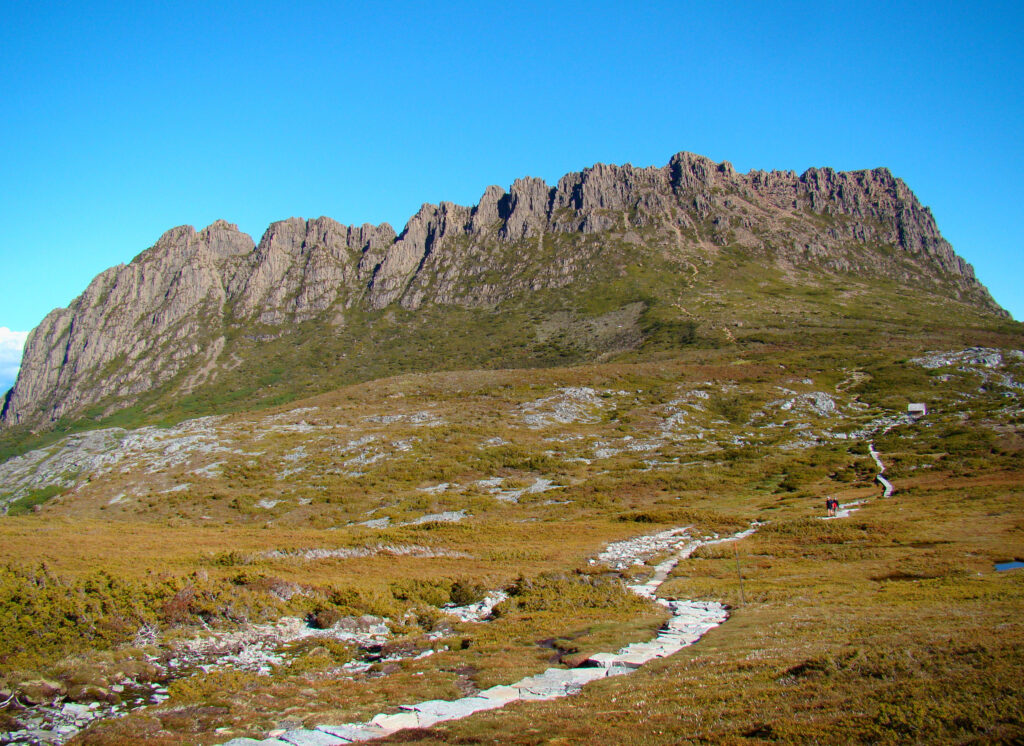
    Hiker walking along the Overland Track in Tasmania surrounded by lush rainforest and open alpine plains.

    Down in Tasmania, Australia, the Overland Track covers 65 kilometers of wild, untouched beauty. The trail begins at Cradle Mountain and ends at Lake St Clair. Along the way, you walk through old rainforests, wide alpine plains, and valleys shaped by glaciers. You might spot interesting animals like wombats and Tasmanian devils if you’re lucky. This trail has huts for resting overnight, making it good for longer treks. The best time to visit is from October to April when the weather is friendlier and days are longer. For Indian adventurers, it’s like trekking through the untouched forests in the Western Ghats but with a distinct Australian flavour.

    5. Camino de Santiago, Spain
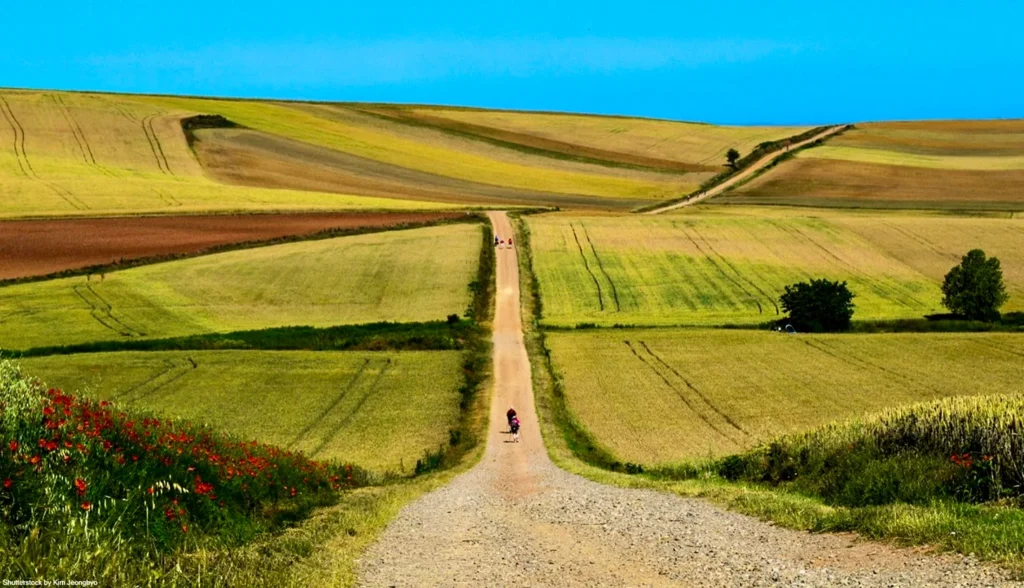
    Pilgrims walking the scenic Camino de Santiago trail through Spanish countryside marked with yellow arrows.

    The Camino de Santiago is more than just a walking trail; it’s a centuries-old pilgrimage. The French Way, the most popular route, starts in a small town in France and stretches around 790 kilometers to Santiago de Compostela in Spain. The journey takes you through different kinds of landscapes—from the Pyrenees mountains to flat plains—and historic cities along the way. The route is clearly marked, and many people walk it seeking both a physical challenge and some spiritual time. Hostels along the way provide places to rest. The best seasons are spring and autumn, when the weather feels pleasant and the path is less crowded. For Indian readers, it is somewhat like going on a pilgrimage to places such as Amarnath or Sabarimala, but in a European setting.

    6. West Highland Way, Scotland
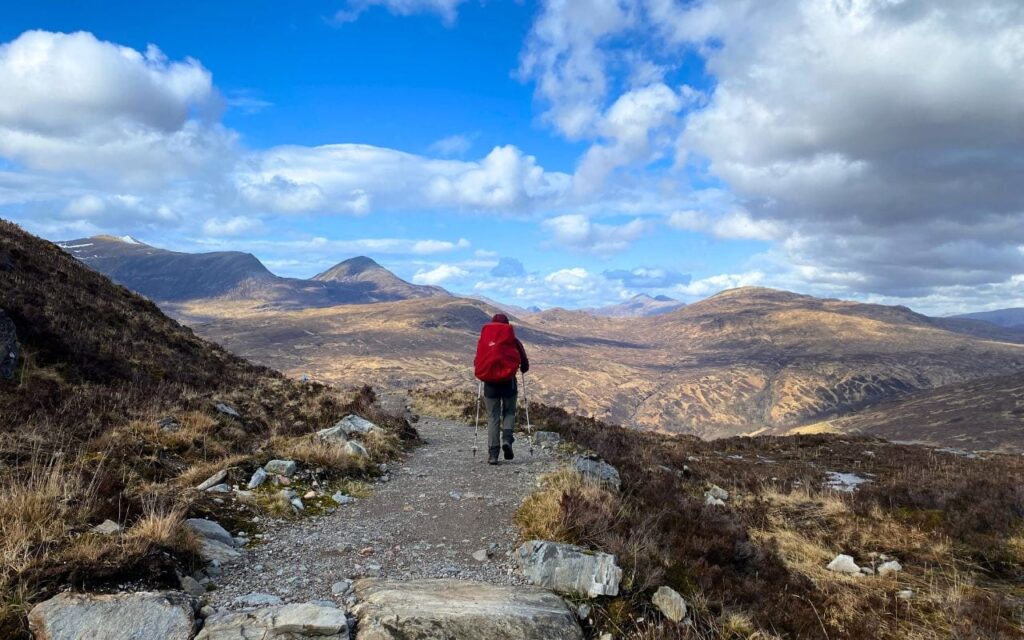
    Hiker walking the West Highland Way trail through misty mountains and green valleys in Scotland.

    The West Highland Way stretches about 154 kilometers from just outside Glasgow to Fort William, near Ben Nevis, the highest peak in the UK. The trail shows off Scotland’s famous scenery—from the calm waters of Loch Lomond to the wild mountains of Glen Coe. You’ll find forests, waterfalls, and some steep climbs, like the tough part called Devil’s Staircase. May to September is the best time to walk here, but be ready for Scotland’s changeable weather. For Indian travellers, this trail might remind you of the misty hills and romantic landscapes often shown in films shot in Scotland.

    Bonus: Scenic Trails in India

    While international trails are beautiful, India has plenty of its own treasures. The Triund Trek near McLeod Ganj offers wide views of the Dhauladhar range and is easy to access. Hampta Pass Trek takes you from green valleys to snow-covered peaks, showing a variety of landscapes in one trip. In Kerala, the Chembra Peak Trek leads through tea gardens and grasslands to views of the Western Ghats. These trails give a chance not only to enjoy nature but also to experience the rich culture of India. So, if you want adventure without travelling far, these options are great.

    Conclusion

    Walking these trails is not just about covering distance; it’s about feeling connected to nature and finding peace inside yourself. Every trail has its own story, challenges, and beauty. Whether you want the vast wilderness of the Appalachian Trail or the cultural depth of Camino de Santiago, there’s a path waiting for you. And if you prefer to stay nearby, India’s trails offer wonderful chances to explore and enjoy. So why wait? Start planning your next trip and find your own path to wonder and discovery.

    📚 You Might Also Like:

    How to Choose the Perfect Walking Trail for Your Trip
    Tips to find trails that match your fitness and travel style, so your adventure stays fun.

    Packing Essentials for Long Treks and Walking Trails
    Simple things to carry that make your journey comfortable and worry-free.

    Solo Travel Tips Every First-Time Explorer Should Know
    Helpful advice to make your solo adventure safe, fun, and memorable.

  • 7 Animals That Live Without a Brain – And Still Do Just Fine

    7 Animals That Live Without a Brain – And Still Do Just Fine

    Underwater scene with jellyfish, sea sponge, starfish, and coral reef showcasing colorful, brainless marine life.

    Introduction

    When we talk about animals, we usually think of brains, eyes, ears the usual package. But nature doesn’t always follow our rules. There are some creatures out there, especially in our oceans, that survive and do their job perfectly well, all without a brain. Sounds odd, right? Yet it’s true. From jellyfish floating near the shores of Tamil Nadu to corals shaping entire underwater ecosystems around Andaman, these animals prove that life doesn’t always need a control center up top. In this blog, let’s explore 7 such brainless animals and see how they manage day-to-day life, how they fit into the marine world, and why they matter to us, especially in a country like India that has such a rich coastline.

    1. Jellyfish – Floating Yet Fearsome

    Transparent jellyfish floating gracefully in the ocean with trailing tentacles.

    Jellyfish are some of the oldest creatures in the ocean, floating around for more than 500 million years. No brain, no bones, not even a heart. Still, they manage to sting, swim, and survive. They use a nerve net to detect light, sense movement, and react to danger. It’s simple, but it works.

    Along India’s coast, especially in Kerala and Tamil Nadu, jellyfish often wash up during certain seasons. Many locals know to stay away because even though they look soft and harmless, their sting can be pretty painful. Despite that, they’re part of the food chain sea turtles love to munch on them.

    2. Sea Sponge – Living Filters of the Ocean

    Colorful sea sponge filtering water from its porous body on a coral rock.

    They may look like bath scrubbers, but sea sponges are living creatures. They don’t have a brain, stomach, or even regular organs. What they do have is a body full of tiny holes that pull in water, trap food, and let the rest flow out.

    Sea sponges along India’s coasts have even been used in traditional remedies. Some say they help heal wounds or treat skin infections. It’s quite something an animal that doesn’t move, doesn’t think, but quietly supports marine life and even us humans in small ways.

    3. Sea Anemone – Beautiful But Deadly

    Colorful sea anemone with tentacles spread wide and clownfish nearby.

    Sea anemones sit in one place like sea flowers, but they’re hunters at heart. With tentacles swaying in the water, they trap small fish or shrimp and paralyze them using stinging cells.

    Even without a brain, sea anemones react fast. They can pull in their tentacles if danger is near. Many Indian aquariums keep them because of their bright colours and their friendship with clownfish a bond that works without much thinking, just instinct.

    4. Starfish – More Than Just Pretty Arms

    Starfish crawling on the ocean floor using its arms and tube feet.

    Starfish, or sea stars, don’t have a brain either. But their arms have nerve rings that help them figure out what’s going on around them. They can smell food, sense light, and even regrow an arm if they lose one.

    I once saw one washed up on a beach in Maharashtra after a storm. It didn’t move, but its tiny feet underneath told a different story. Starfish are known to eat in a very strange way — they push their stomachs out of their bodies to digest food. Odd, but clever.

    5. Sea Cucumber – The Ocean’s Sweepers

    Sea cucumber resting on the seabed, shaped like a soft, squishy tube.

    Sea cucumbers crawl slowly across the sea floor, eating whatever they find waste, dead stuff, tiny organisms. They play a big role in keeping the ocean clean. They don’t have a brain either, just a simple nervous system.

    Some coastal communities in India treat them as a delicacy, while others use them for traditional medicine. Either way, these creatures work round the clock to clean up the sea floor, even if they don’t know they’re doing it.

    6. Sea Urchin – Spiky but Smart (Sort Of)

    Spiny sea urchin on coral rock with its sharp needles pointing outwards.

    Sea urchins look like small, spiky balls. No brain, but they do have sensors that help them move, eat, and react to light. They use their little tube feet to crawl over rocks and scrape algae.

    Their spines protect them from fish and birds. In some places, sea urchin roe (called uni) is a luxury dish, and it’s slowly catching on in urban India too. Nature really knows how to design something useful and a bit tasty.

    7. Coral – Builders Without Brains

    Colourful coral reef with polyps and marine life thriving together.

    Corals are animals, though many people confuse them with rocks or plants. Each coral is made of tiny creatures called polyps, and none of them have a brain. Yet, they build massive reef systems over time structures so big you can see them from space.

    India’s coral reefs, especially near Lakshadweep and the Andaman Islands, are home to thousands of fish and other sea creatures. When corals die, it’s a big problem not just for fish, but for people too, since reefs protect coastlines from erosion and storms.

    Conclusion

    So, what does all this tell us? That having a brain isn’t everything. These seven animals jellyfish, sponge, sea anemone, starfish, sea cucumber, sea urchin, and coral do just fine without one. They clean the ocean, feed other animals, and even protect our coastlines. Nature has its own ways of making things work.

    Maybe, instead of always looking at intelligence as the only sign of life, we should learn to appreciate quiet roles too the ones that go unnoticed but matter just as much.

    🌊 Curious for More? Check Out These Reads

    1. Top 10 Weirdest Sea Creatures That Actually Exist
    Meet the ocean’s most bizarre residents — from transparent fish to creatures with no brain or bones.

    2. Jellyfish Facts You Didn’t Learn in School
    Did you know jellyfish can live forever (sort of)? Dive into fun and freaky facts about these ancient brainless beings.

  • 10 Best Waterfalls in India Perfect for Summer Holidays

    10 Best Waterfalls in India Perfect for Summer Holidays

    Scenic summer waterfall in India surrounded by lush greenery

    Introduction

    When summer starts heating up in India, we all start looking for places where we can cool off and just breathe. Beaches are good, yes, but there’s something about waterfalls – that constant roar, fresh mist on the face, and greenery all around – which feels refreshing in a different way. India, from the hills of Himachal to the forests of Kerala, has many waterfalls that are not just beautiful but also perfect for a summer break. Whether you’re planning a short trip with family, going solo, or thinking of a peaceful break with your partner, these 10 waterfalls are worth adding to your list.

    1. Jog Falls, Karnataka

    Jog Falls in Karnataka is one of those places that leave you speechless, no matter how many times you visit. It’s the tallest plunge waterfall in India, falling from about 253 meters. Even in summer, when the flow is not at its peak, the view is still breathtaking. You can feel the mist on your face and hear the echo of the water from far away. The Sharavathi River splits into four streams here – Raja, Rani, Rocket, and Roarer. If you like photography or just enjoy standing still and soaking in nature, this is the spot.

    2. Dudhsagar Falls, Goa

    People usually go to Goa for beaches, but Dudhsagar Falls is a whole different experience. It’s called the “Sea of Milk” because of the way water foams down like thick, white milk. It’s on the Goa-Karnataka border, and if you’re lucky, you can catch a train that passes right in front of it – quite a view! You can also trek through Mollem National Park to reach it. During summer, the flow reduces a bit, but the surroundings are still full of life and greenery.

    3. Nohkalikai Falls, Meghalaya

    Nohkalikai Waterfall in Cherrapunji, Meghalaya, India

    This one is in the northeast, near Cherrapunji – a place known for rains and clouds. Nohkalikai is India’s tallest plunge waterfall, around 1,115 feet. There’s a sad story attached to it, about a woman named Likai, but the place itself is beautiful and calm. Even during summer, early mornings are cool and misty here. The high cliffs and soft wind make it a quiet escape from the noise of cities.

    4. Athirappilly Falls, Kerala

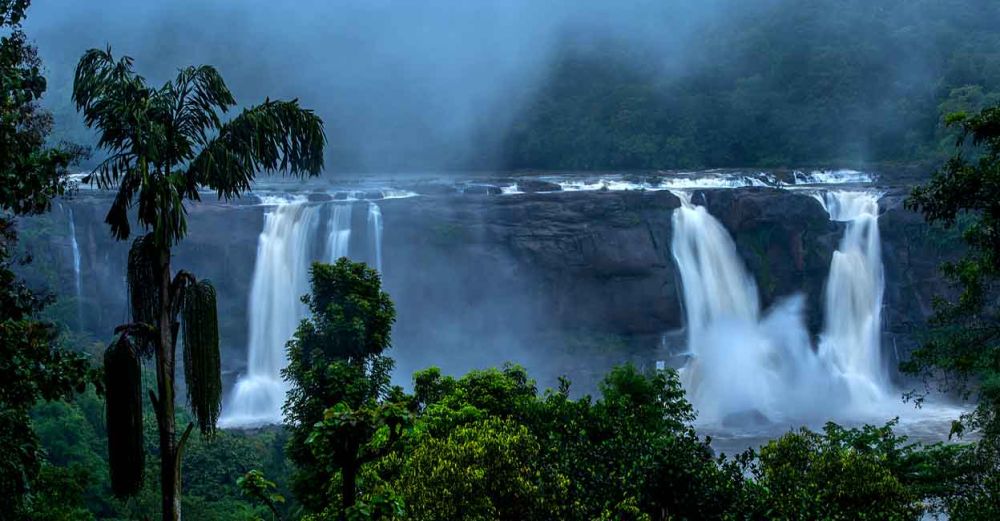
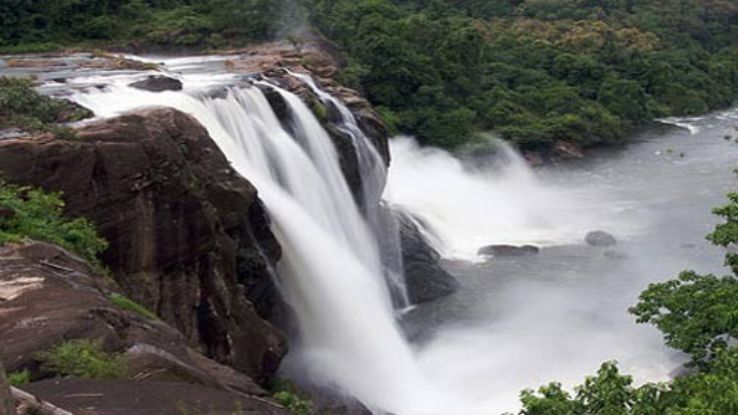
    In Kerala, Athirappilly Falls is famous not just for its beauty, but also for the wildlife around it. It’s called the “Niagara of India.” At around 80 feet high, it may not be the tallest, but it’s wide and strong. The rainforest nearby is home to rare birds and butterflies. You can sit on the riverbank, enjoy a boat ride, or simply walk around. Even during summer, it stays cool thanks to the shade and water.

    5. Hogenakkal Falls, Tamil Nadu

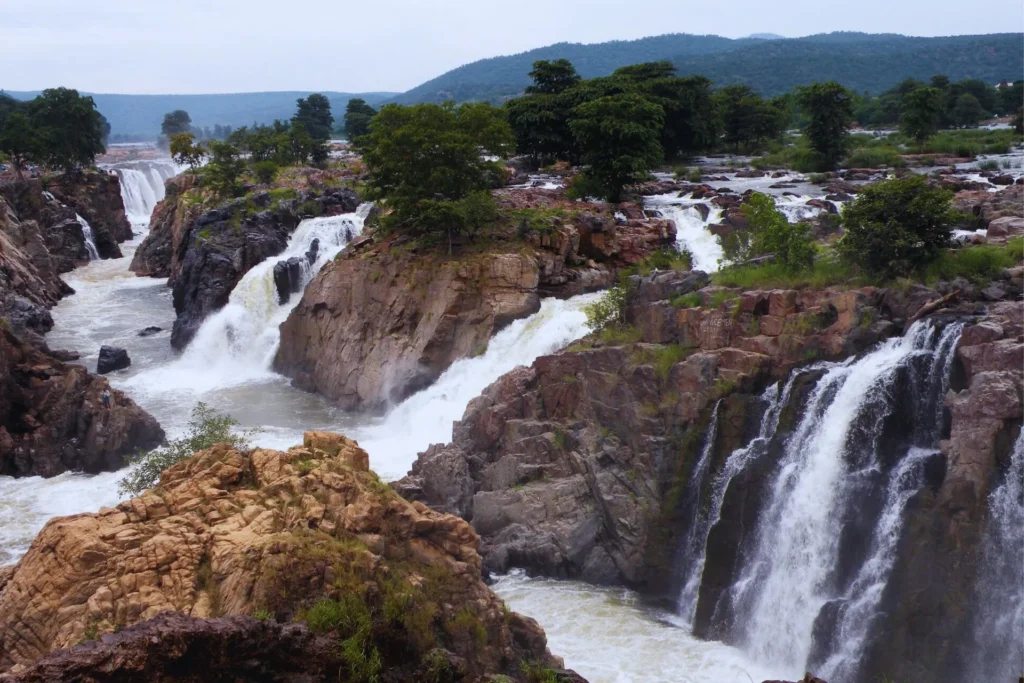
    Another one with the nickname “Niagara of India,” Hogenakkal is not just about watching water – it’s about the whole experience. You can ride in round coracles, taste local snacks, and take a mineral bath (locals say the water has health benefits). The sound of the Kaveri River hitting the rocks is something you won’t forget. In summer, water levels stay decent, and there are fewer crowds.

    6. Bhagsu Waterfall, Himachal Pradesh

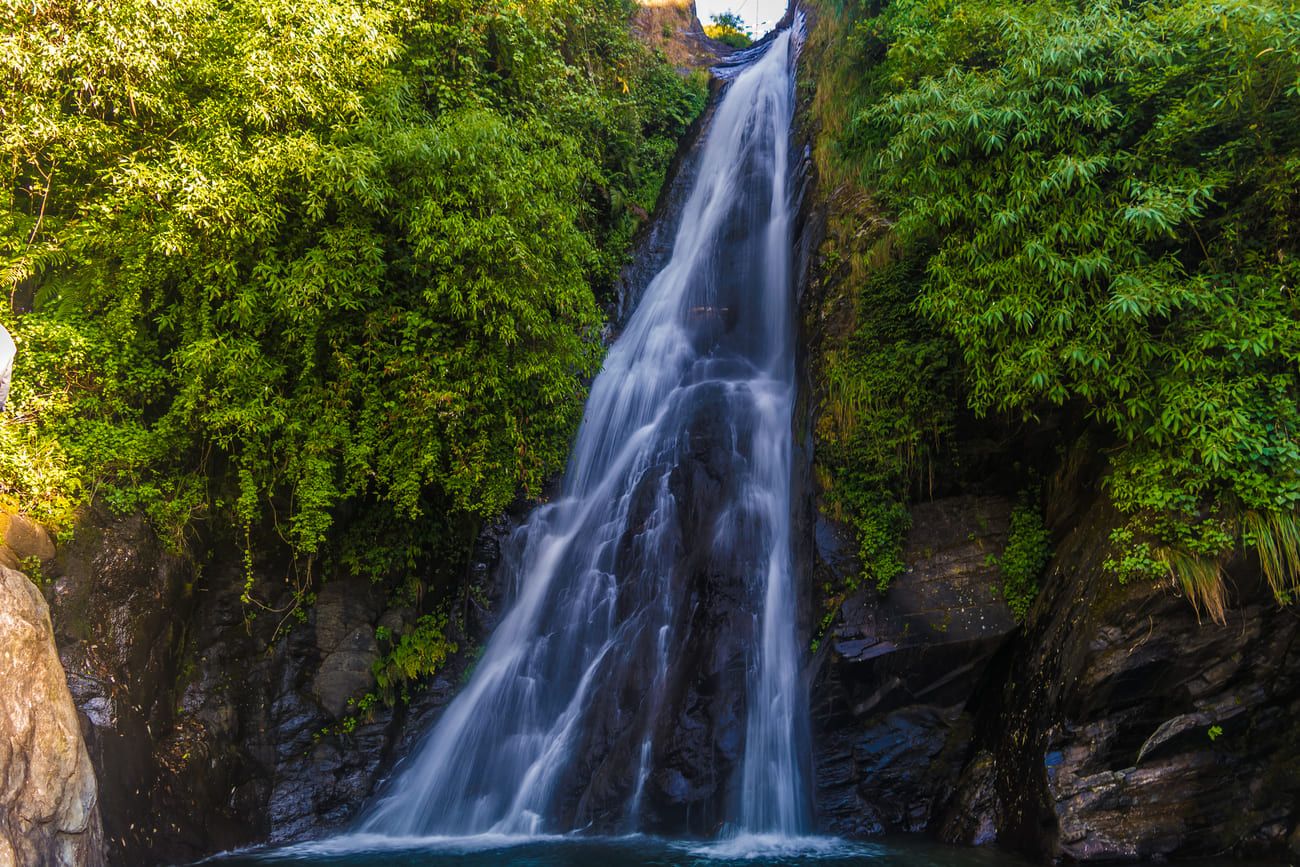
    Located near McLeod Ganj, Bhagsu Waterfall is a small but charming place. You can reach it after a short trek through cafes and local stalls. The water is chilly, perfect for cooling off in summer. It’s peaceful, and you’ll often see tourists just sitting with a drink, watching the stream flow. The Tibetan vibe of the area adds a calm energy.

    7. Soochipara Falls, Kerala

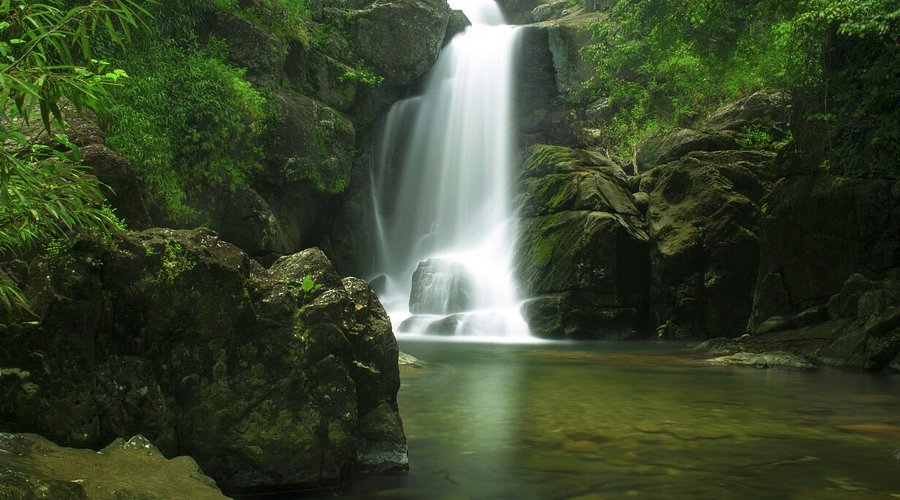
    Back in Kerala again, Soochipara Falls in Wayanad is hidden inside a forest. It’s a three-tiered waterfall, and you have to trek a bit to reach it. But that’s part of the fun – the path is full of trees, birds, and scenic views. When you reach the base, there’s a natural pool where you can take a dip. Summer is a good time to go because the trail stays dry and safe.

    8. Chitrakote Falls, Chhattisgarh

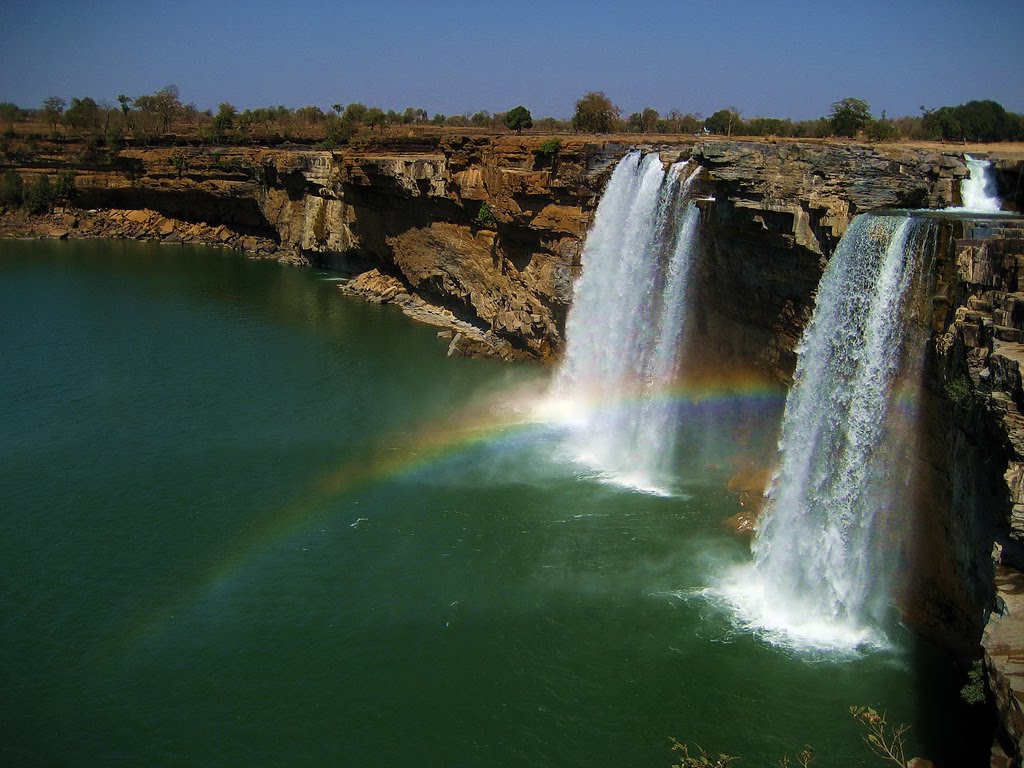
    This one is not very famous yet, but it should be. Chitrakote Falls in Bastar is India’s widest waterfall. The Indravati River spreads out like a curtain and falls down in a semi-circle. The area around is tribal, so you can learn about local culture too. Even if the water flow is lower in summer, the sheer width and sound make it worth the trip.

    9. Elephant Falls, Meghalaya

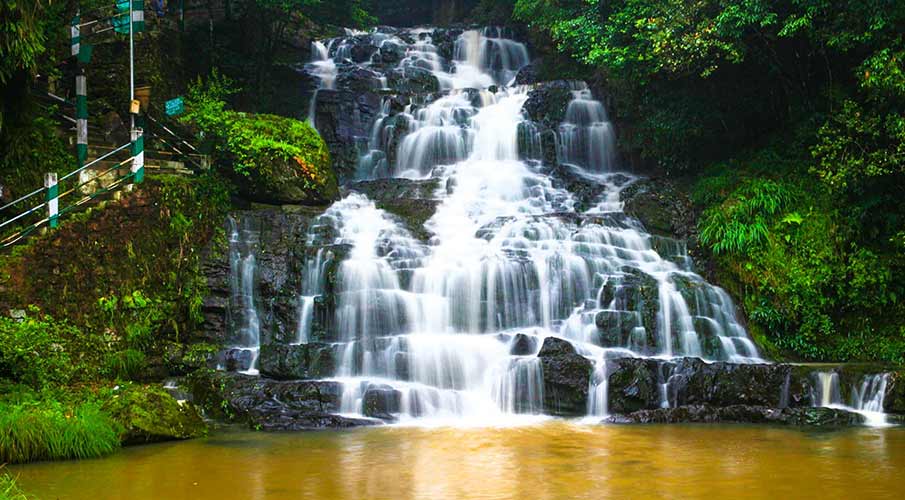
    Close to Shillong, Elephant Falls got its name from a rock that looked like an elephant – though that rock broke off years ago. Still, the name stayed. It’s a three-step waterfall with walking paths that go right to the base. Ferns and pine trees grow all around. Summer is a nice time to visit as you can walk without slipping, and the water level is safe for dipping your feet.

    10. Meenmutty Falls, Kerala

    Meenmutty Falls, again in Wayanad, is for those who love a bit of adventure. It’s not easily reachable – you need to trek through dense forest. But once you reach, it’s worth the effort. There are three levels of waterfalls, and the sound of water is constant. You might even spot a few wild animals along the way. In summer, the trail is dry and manageable.

    Tips for Visiting Waterfalls in Summer

    • Best Time to Visit: While monsoon enhances the beauty of waterfalls, summer visits offer easier access and fewer crowds.
    • How to Reach: Research the best routes and modes of transportation for each waterfall, as some may require treks or specific travel arrangements.
    • What to Carry: Pack essentials like water, snacks, sunscreen, and appropriate footwear for trekking or walking on slippery surfaces.
    • Safety First: Always follow local guidelines, avoid risky areas, and be cautious of slippery rocks and strong currents.

    Final Thoughts

    All these waterfalls are more than just tourist spots. They’re places where you can breathe fresh air, sit quietly, and enjoy what nature has to offer. Personally, I feel that standing near a waterfall makes you realise how small we are – and how peaceful nature can be when left untouched. If you’re planning a summer trip, skip the malls and city hotels for once – go find a waterfall instead.

    🔗 You Might Also Like These Travel Reads:

    🌿 Feeling the Heat? Check out Top Hill Getaways in South India to Chill This Summer – perfect if you’re craving peace, greenery, and cool air.

    💧 Love Water Vibes? Don’t miss India’s Most Beautiful Lakes You Should Visit Once – these calm spots are nature’s own retreat.

    💸 Travelling on a Budget? Don’t miss Top 10 Budget-Friendly Travel Destinations for 2025 – from hills to beaches, these spots won’t hurt your wallet but will still give you a dream trip!