Tag: Natural

  • 10 Best Foods for Brain Development in Children

    10 Best Foods for Brain Development in Children

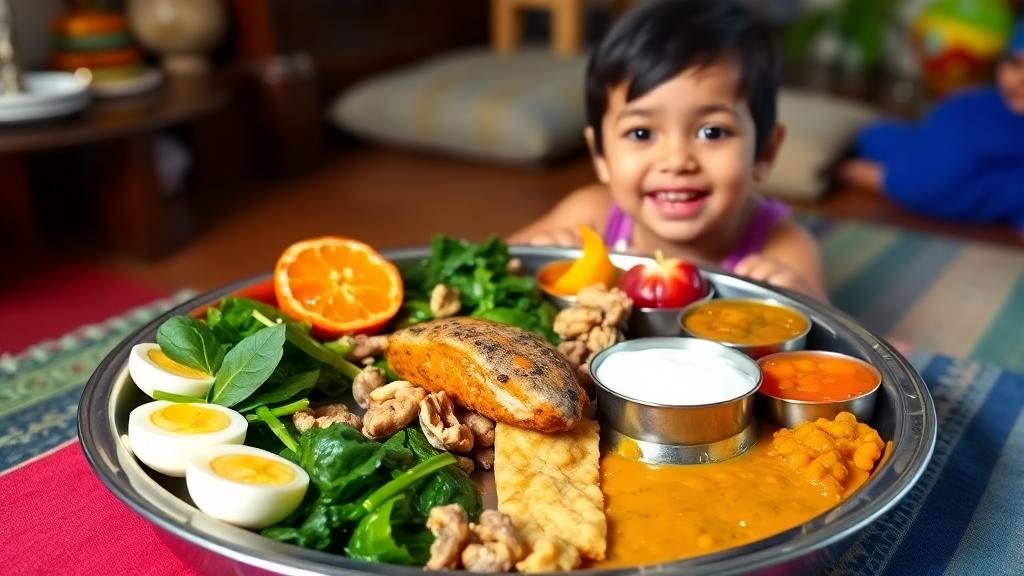
    Colorful Indian thali with brain-boosting foods like eggs, spinach, fish curry, walnuts, curd, fruits, and dal, served in a steel plate with a smiling child in the background.

    Why What Kids Eat Really Matters

    Every parent wants their child to stay sharp, focused, and full of curiosity. While school, sleep, and play have their place, food quietly plays a big role behind the scenes. In simple words, the brain is always working and like any machine, it needs good fuel. Especially during childhood, when the brain is growing fast, the right kind of food can help a lot. Not all food does the same job. Some items give more brain power than others, and luckily, most of them are already common in Indian kitchens.

    In this blog, let’s talk about 10 such everyday foods that naturally support brain development in children. These are not some fancy imported things just regular items like fish, eggs, and leafy vegetables. I’ll also share ideas on how to include them in daily meals without much fuss.

    Why Nutrition Impacts Brain Growth

    A child’s brain is like a growing tree. In the early years, it needs good nutrients to form strong branches (connections). Things like omega-3 fatty acids, iron, choline, and certain vitamins act like fertilizers for brain function helping with focus, memory, and learning.

    In India, many traditional meals already carry these nutrients, but sometimes kids become picky eaters. So, it becomes important to make smart food choices that help them grow mentally and physically. Even studies have shown how lack of iron or certain vitamins can make kids feel tired or less attentive in class.

    1. Fatty Fish That’s Full of Brain Fuel

    Fish like sardines, tuna, or salmon are packed with omega-3 fats very important for brain cell growth and smooth thinking.

    How to use: Make fish curry, shallow fry it, or try fish cutlets. Even canned tuna works in a sandwich.

    2. Eggs – Simple but Powerful

    Eggs are loaded with choline, which supports memory, and protein, which helps in overall growth.

    How to use: Boil them for tiffin, or prepare anda curry or egg bhurji with a soft touch of masala.

    3. Leafy Greens for Learning Power

    Spinach, methi, and even broccoli are rich in iron and folate both known to boost memory and focus.

    How to use: Mix palak into dal, cook palak paneer, or make green parathas.

    4. Nuts and Seeds That Sharpen Memory

    Almonds, walnuts, and flax seeds carry vitamin E and healthy fats that protect the brain.

    How to use: Crush them into rotis, mix in porridge, or sprinkle over dahi.

    5. Berries – Small but Mighty

    Strawberries, blueberries, and amla are full of antioxidants they keep the brain fresh and strong.

    How to use: Blend them into smoothies, or give them as fruit snacks. Gooseberry candy works too.

    6. Whole Grains That Give Energy.

    Grains like ragi, oats, and brown rice give slow energy and help brain function smoothly.

    How to use: Ragi dosa, oats upma, or brown rice pulao — kids enjoy all with light tadka.

    7. Dairy Products for Brain Tissue Growth

    Milk, curd, and paneer support brain cells and help make certain chemicals in the brain.

    How to use: A glass of milk in the morning, dahi rice for lunch, or lassi in summer.

    8. Lean Meat to Boost Memory

    Chicken and turkey provide iron and zinc, which help children stay sharp and alert.

    How to use: Try chicken curry, grilled chicken, or use leftover chicken in wraps.

    9. Lentils – Everyday Heroes

    Dal, rajma, and chana are rich in protein and good fats — a great option for vegetarians.

    How to use: Prepare dal tadka, chole, or add sprouts to salads.

    10. Fruits That Wake Up the Brain

    They provide vitamin C and help in absorbing iron from other foods. Also protect brain cells from damage.

    How to use: Apple slices with a bit of peanut butter, fresh orange juice, or chopped fruits in curd.

    Making It Easy for Kids

    Let’s be honest, getting kids to eat healthy things isn’t always smooth. But there are small things that help:

    • Cook it their way – Make their favourite dish and sneak in the good stuff
    • Let them help – If kids touch and prepare the food, they enjoy eating it more
    • Use what’s local – No need for imported berries if amla is there
    • Eat together – Kids follow what they see

    Final Thoughts

    Feeding children the right food is not about following strict diet charts it’s more about smart everyday choices. If we include brain-friendly foods like fish, eggs, greens, and grains in regular meals, kids stay energetic and focused without much effort. I’ve personally noticed how adding just one boiled egg in the morning makes my nephew more active during the day.

    So let’s try to fill their plates with these everyday superfoods and support their brain naturally.

    📚 Related Articles You May Like

    Top 9 Indian Breakfasts That Sharpen Kids’ Memory
    Simple, brain-friendly recipes to kickstart school mornings with energy and focus.

    7 Dry Fruits Every Indian Mom Swears By for Brain Power
    From almonds to walnuts—learn how these nuts can support your child’s mental development.

    How Strawberries Can Help With Fatty Liver and Diabetes
    This juicy fruit is more powerful than you think—benefits for liver, blood sugar, and more.
  • How to Make Mint Fennel Water at Home Benefits & Recipe Inside

    How to Make Mint Fennel Water at Home Benefits & Recipe Inside

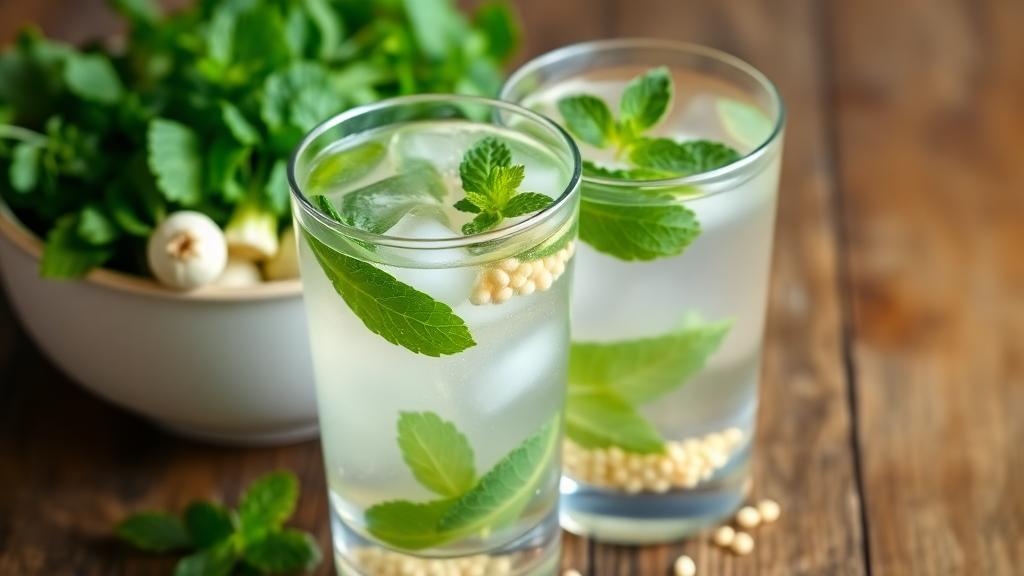
    A glass of mint fennel water with floating mint leaves and soaked fennel seeds, placed on a wooden table beside a bowl of fennel seeds and a bunch of fresh mint leaves.

    Why Mint and Fennel Make a Perfect Pair

    In most Indian homes, mint leaves (pudina) and fennel seeds (saunf) are always there in the kitchen. They’re used in chutneys, curries, and even as mouth fresheners after meals. But do you know that when these two are combined in water, they make a super refreshing and healthy drink?

    Many people drink jeera water or ajwain water for digestion, but mint fennel water is underrated. It’s gentle, aromatic, and perfect for the summer. Let’s explore the benefits first.

    🌿 Mint vs Fennel – Health Benefits Compared

    BenefitMint (Pudina) – How it HelpsFennel Seeds (Saunf) – Why it’s Useful
    DigestionHelps stomach empty faster and eases IBS symptomsReduces bloating and gas; packed with dietary fiber
    Heart HealthCalms the nerves with its aroma, reducing stress levelsContains potassium, which helps manage blood pressure
    Skin HealthAnti-inflammatory; may soothe acne or rednessHas beta-carotene that supports skin healing
    Immunity BoostRich in antioxidants like menthol and rosmarinic acidAlso high in antioxidants and fights bacteria
    Weight LossLow in calories; refreshing taste curbs cravingsFiber helps you feel full, reducing overeating

    ✨ Main Benefits of Drinking Mint Fennel Water

    Let’s keep it simple. If you drink this water daily:

    • Your digestion improves – no more heavy feeling after meals.
    • It can help reduce bloating and acidity.
    • The water smells good, so it also reduces stress in a way.
    • It’s good for your skin if you’re facing acne or dullness.
    • You feel less hungry unnecessarily, so it helps in managing weight.

    🏡 How to Make Mint Fennel Water at Home

    Honestly, it’s very easy. You don’t need to boil anything or do some long process.

    Ingredients (for 1 litre water)

    • 1 tablespoon fennel seeds (saunf)
    • A handful of fresh mint leaves (around 15–20 leaves)
    • 1 litre drinking water
    • Optional: few drops of lemon juice or a small piece of jaggery

    Steps to Prepare:

    1. Wash the mint leaves properly.
    2. Slightly crush the fennel seeds using a rolling pin – just to release their aroma.
    3. Take 1 litre of water in a jug or bottle.
    4. Add the crushed fennel seeds and mint leaves into it.
    5. Leave it overnight or for 6–8 hours.
    6. Next morning, strain and drink throughout the day.

    You can also chill it in the fridge if you like cool drinks.

    When to Drink Mint Fennel Water?

    • Early morning on an empty stomach (best for digestion and detox)
    • 30 minutes before meals (curbs overeating)
    • During hot summer days to stay cool and hydrated

    💡 Extra Tips:

    • Don’t boil the ingredients – soaking is better for preserving nutrients.
    • Always use fresh mint, not dried ones.
    • You can also refill the bottle once with more water and reuse the same leaves/seeds in a day.

    Who Should Avoid It?

    Mostly, it’s safe. But:

    • If you’re pregnant, check with your doctor before having fennel in large quantities.
    • People with low blood pressure should also take it in moderation.

    🧘 Final Thoughts

    Mint Fennel Water is one of those desi home hacks that’s simple but powerful. In a world full of fancy detox drinks, this one costs almost nothing and comes straight from the Indian kitchen shelf.

    So if you’ve been struggling with digestion, tiredness, or dull skin – start sipping on this gentle miracle every day. Nature has given us the best ingredients; we just have to use them the right way.

    💬 Liked Mint Fennel Water? You Might Enjoy These Too:

    🔹 What Happens When You Start Drinking Ajwain Water Every Morning?
    People say it works like magic for bloating and fat loss — but is there any science behind it? We tested it for 2 weeks.

    🔹 Can One Tulsi Leaf a Day Really Keep Infections Away?
    Ayurveda swears by it. Urban wellness brands are bottling it. But how does tulsi really hold up in 2025’s health game?

    🔹 Beetroot Juice in 2025: Still the Easiest Way to Boost Health
    Bright, earthy, and full of power — this glass of red magic is still winning hearts and health battles in 2025. We break down why it’s not just a gym drink anymore.