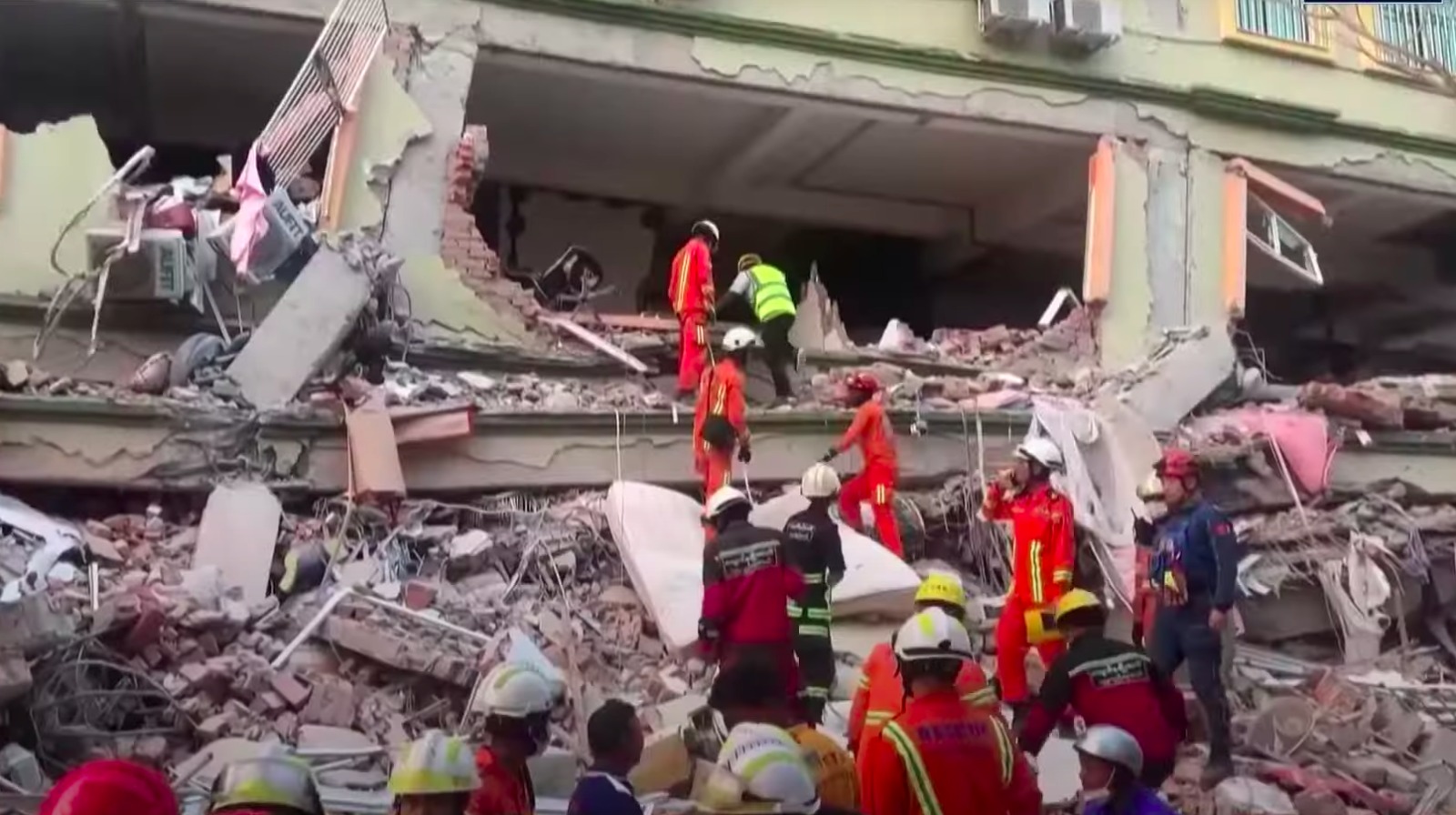
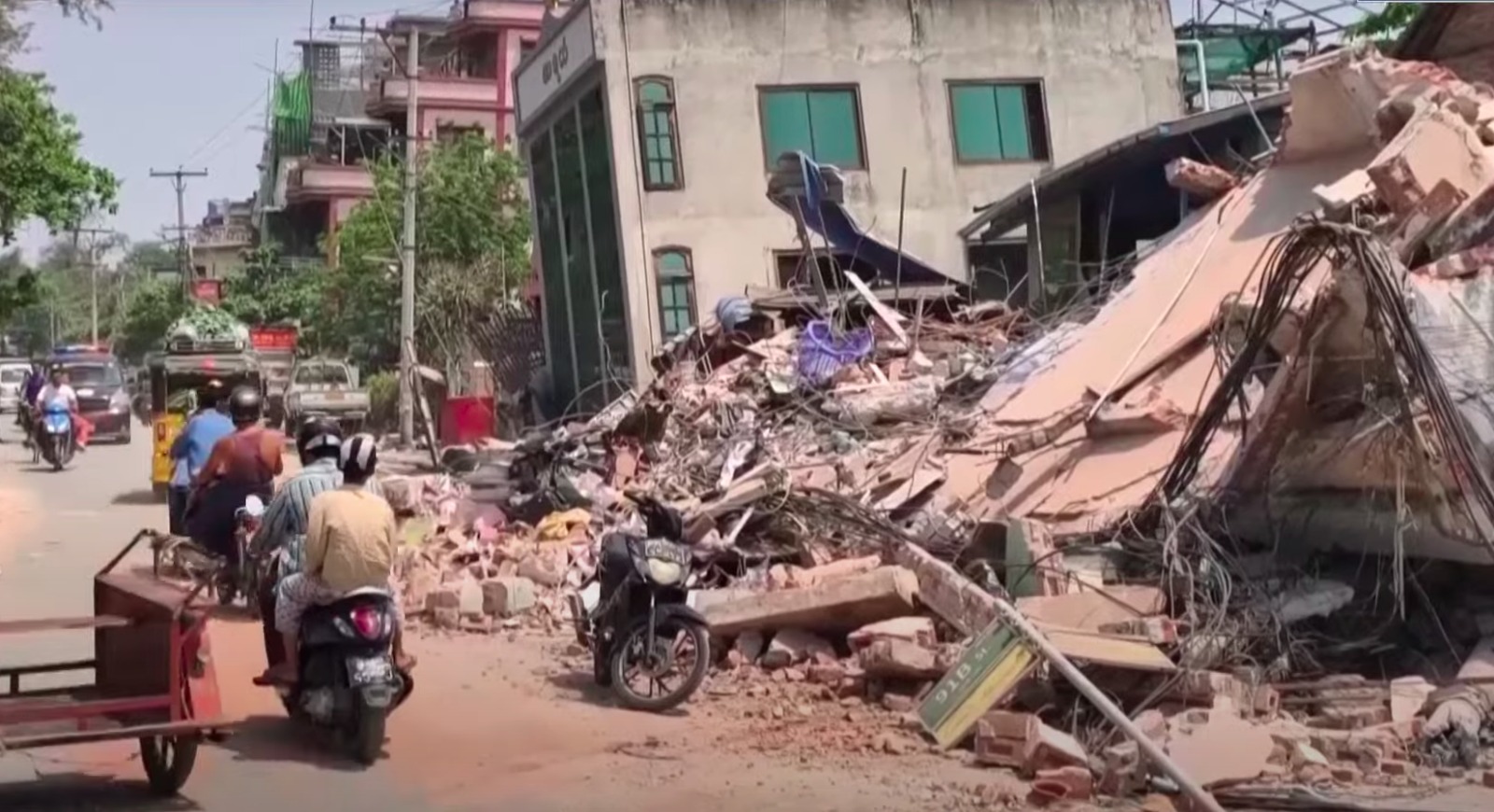
On the night of March 28, 2025, News began streaming in: “7.7 quake near Mandalay…buildings collapsed…people trapped.” In my hometown, we know how power cuts and storms can turn routine life upside‑down. Yet, nothing quite prepares you for a disaster of this scale in a neighbouring country. Still, within hours, India switched from watching the news to rolling out Operation Brahma—the country’s boldest push in years to help quake‑hit Myanmar.
More Than Just Aid—A Promise of Renewal
You see, naming it after Brahma—the creator—wasn’t just poetic. It was India’s way of saying, “We’ll help rebuild, brick by brick.” Actually, this mission became a symbol of how neighbours stick together: pooling resources, sharing expertise, even swapping stories late into the night about loved ones they lost in past disasters. It wasn’t a one‑off drop of blankets; it was a pledge to stand until communities breathe freely again.
Ground Zero: Faces Behind the Figures
Sure, statistics matter—1600 dead, 3400 injured, roads splitting like cracked plates, hospitals turned into piles of rubble. Yet, numbers alone feel flat. Let me share a scene from Sagaing: ten‑year‑old Thura lay buried for nearly 72 hours, only to be woken by an NDRF rescuer’s voice. He thought his family had forgotten him. Meanwhile, in Myinmu village, families formed human chains to pass water bottles into collapsed homes—because when official help couldn’t reach them, community spirit kicked in. These small acts kept hope alive until bigger teams arrived.
First Response: Gearing Up in 48 Hours
By dawn two days later, 80 NDRF “jawans” were cutting through concrete and steel with their tools. Then, without skipping a beat, a 118‑member medical battalion from the Army’s Shatrujeet Brigade pitched in, turning open fields into makeshift hospitals. You have to understand: setting up a 200‑bed facility in rugged terrain usually takes weeks. Yet, here they were, operating theatres ready, X‑ray machines clicking, and patients queued for treatment. Within five days, over 1,370 people had been bandaged, patched, and—thanks to 33 emergency surgeries—given a second chance at life.
Moving Mountains of Relief
But rescue isn’t just doctors and drills. It’s also fuel, food, tents, medicines—tons of them. India shipped 656 metric tons of supplies by Air Force C‑17s and naval vessels. One pilot joked his plane looked like a flying grocery store; rice sacks balanced next to oxygen cylinders. Then, there were the lorries that braved broken bridges and flooded roads, each carrying enough dal, rice, and water purifiers to feed entire villages. At times, these trucks crawled at 10 km/h, but still they moved because someone somewhere knew lives depended on every kilo.
Tech to the Rescue: Robots and Drones
In fact, this time India brought in gadgets too. Robotic mules—small, four‑legged machines—wove through debris, delivering bandages where no human could go. They looked almost playful, yet beneath their metal hides lay sensors to detect heartbeats. On the other hand, nano drones hovered above ruins, their thermal cameras spotlighting survivors trapped under concrete vaults. Local volunteers would guide them, shouting coordinates into walkie‑talkies, so rescue teams knew exactly where to dig. It was thrilling and nerve‑wracking, but it showed that innovation can jostle alongside compassion.
When Diplomacy Meets Compassion
Behind the scenes, diplomats burned the midnight oil. Indian envoys and Myanmar officials cleared customs for medical kits in record time. Meanwhile, community groups on both sides of the border used social media to coordinate drop‑off points—villagers in Manipur sharing maps, families in Sagaing confirming safety zones. In the scramble, trust grew. In fact, some ministers say that this joint effort could push bilateral trade past USD 30 billion by 2027. Yet, more than trade figures, it was the human bonds that mattered most.
When Plans Go Sideways
Of course, not everything went according to protocol. Communication blackouts meant rescuers lost contact with their teams. Then, torrential rains threatened to wash away camps, forcing volunteers to reinforce tents with sandbags borrowed from local paddy fields. I spoke to an engineer from Chennai who’d tested mobile cell towers on the Bay of Bengal—back then it was just a trial, but here, they became lifelines. Also, relying on village panchayats to secure land for camps taught government agencies the value of local wisdom.
Why It Matters: More Than a Headline
Let me be honest: media often focuses on numbers and headlines. Yet, Operation Brahma was proof that real aid happens in muddy trenches and midnight tents lit by kerosene lamps. It mattered because it reminded us that our safety often depends on neighbours we barely know. For many of us in India, coal and solar debates fill news pages, but when your neighbour’s roof caves in, talk of watts and tariffs fades away.
My Two Cents: Imperfect but Heartfelt
Staring at satellite images of shattered towns, I felt a mix of pride and humility. Pride because India didn’t hesitate; humility because no plan is perfect. Nonetheless, between robotic mules and rice sacks, what shone brightest was empathy. People not only volunteered medical skills but also shared cups of chai, stories of past storms, and a firm belief that, come what may, we stand together. And so, while Operation Brahma had its hiccups, it also taught us that sometimes a messy, urgent response—driven by real people—beats a flawless strategy stuck on paper.
Read the full artical to analyse Myanmar Earthquake here.