How I Finally Got My Budget to Work – Real Tips That Actually Stick
If you’ve ever found yourself staring at an empty Budget by the third week of the month, wondering where all the money vanished welcome to the club. I’ve been there too. Sitting with chai in one hand, telling myself, “This month I’ll spend wisely,” and then boom unplanned expenses, online shopping temptations, or a friend’s birthday dinner mess it all up again.
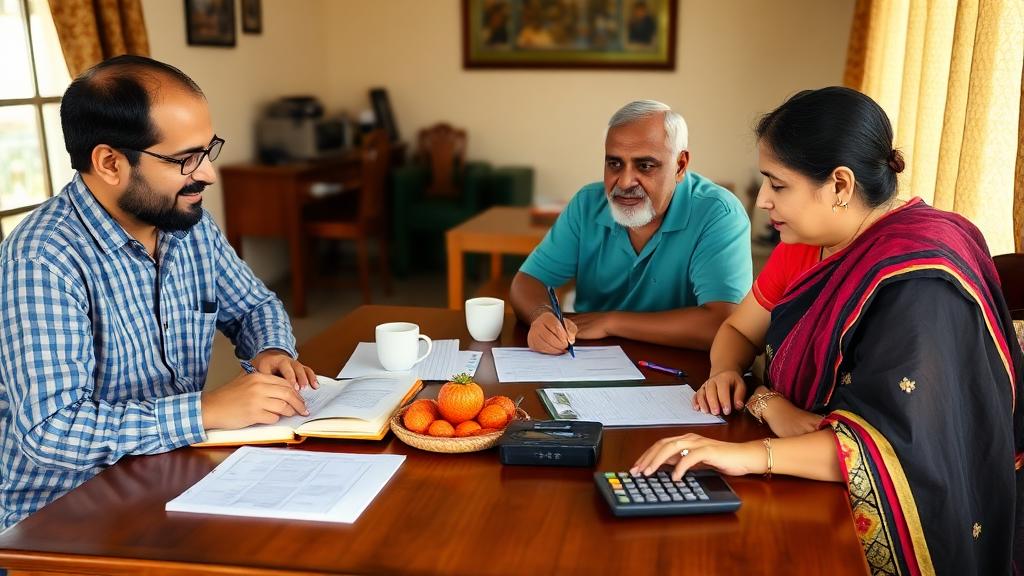
So, this blog isn’t some expert-level budgeting guide. It’s just real stuff tried, tested, failed, and tried again. These tips didn’t come from finance books, they came from the kitchen table of an average Indian middle-class house.
Let me walk you through what actually helped me fix my money mess, in a way that doesn’t feel too strict or boring.
1. First, ask yourself why you’re even budgeting.
Honestly, till I had a reason, I never took budgeting seriously. For me, the turning point was when I couldn’t pay my LIC premium on time. That small thing pinched me hard. That’s when I thought, “Okay, I need to sort this.”
So before anything, just sit and ask yourself — what’s your goal? Maybe it’s saving for your child’s school admission or clearing that one pending loan. Having a reason keeps you going when things get tough.
2. Don’t keep everything in your head write it down.
For a long time, I was just mentally calculating — like, “Okay, ₹2,000 for rent, ₹500 for groceries, I should be fine.” But it never worked. I kept forgetting half the things.
What helped? That ₹30 diary from the local stationery shop. I started writing down even small spends — even the ₹10 chai. It made a difference. You can even stick it near the fridge or on the kitchen wall — somewhere you see every day.
3. Track every spend like how we follow cricket scores.
For one whole month, I noted every rupee. Sounds boring, but believe me, it opens your eyes. One week in, I realized I was spending more on snacks than vegetables. That hit me.
Whether you use an app like Walnut or just a notebook, make it a habit. And do it daily — not once a month, because you’ll forget the small spends otherwise.
4. Break your spending into categories.
Don’t just say, “This is all my spending.” Divide it like:
- Groceries
- Bills
- Rent
- EMIs
- Eating out
- Random stuff
That way, you’ll clearly see where the money leaks are happening. I found I was overspending on food deliveries — didn’t feel like much at the time, but it adds up.
5. Try the 50-30-20 rule but make it Desi style.
The basic idea is this:
- 50% for needs (like rent, bills, food)
- 30% for wants (entertainment, clothes, outings)
- 20% for savings
But in India, things aren’t always that neat. If you’re helping family or have school fees coming up, adjust the ratio. I sometimes do 60-20-20. Point is — divide your income with some logic.
6. Cash still works better than apps sometimes.
I know we all use UPI now, but try this withdraw a fixed cash amount for your weekly spends. When you actually see the cash reducing, you’ll think twice before that random impulse spend.
For me, this method helped me control my Swiggy orders. When the cash in the wallet finishes, it finishes no “Buy Now, Pay Later” nonsense.
7. Don’t let sudden events spoil your month.
If you know there’s a wedding or school fee coming up, plan for it. Mark those dates. Keep a small amount aside, so it doesn’t feel like a surprise.
Earlier, I’d forget about my cousin’s birthday gift and then panic-spend last minute. Now I just write important dates on my fridge whiteboard. Works well.
8. Keep a small fund just for fun.
Let’s be honest if your budget is too strict, you won’t follow it. So keep a little money aside just for fun. Movies, snacks, or a new shirt whatever makes you feel good.
I call it my “guilt-free spending money.” You spend it without feeling bad because you already planned for it.
9. Automate your savings make it invisible.
The best decision I made was setting an auto-transfer from my salary account to a savings account. ₹2000, gone the day salary comes in. Out of sight, out of mind.
I even started a small SIP. You won’t even notice the money going but after a few months, you’ll see it growing.
10. Your budget will fail the first time. That’s normal.
The first few months, I kept messing it up. Unexpected things came up. Sometimes I just forgot. But each time, I learnt something.
Don’t give up. Just adjust a little every month. Maybe one month you overspend on medical stuff, next month cut down on online shopping. Bit by bit, you’ll get better.
Final Thoughts:
Honestly, budgeting felt like a boring chore at first. But slowly, it started giving me peace of mind. Earlier, I used to ask, “Where did all the money go?” Now I tell my money where to go.
It’s not about being perfect. It’s about building a habit, step by step. And if this post helped even one person feel more in control of their money that’s more than enough for me.
Related Articles:
If you found this blog interesting, you might enjoy this one too:Desi Jugaad Ways to Save Money Every Month Without Feeling Miserable
If you’re into this topic, you’ll definitely want to check this out too:10 practical tips for saving money on a tight budget