Tag: Mobile

  • Moto Edge 60 Pro – A New Contender in India’s Smartphone Race

    Moto Edge 60 Pro – A New Contender in India’s Smartphone Race

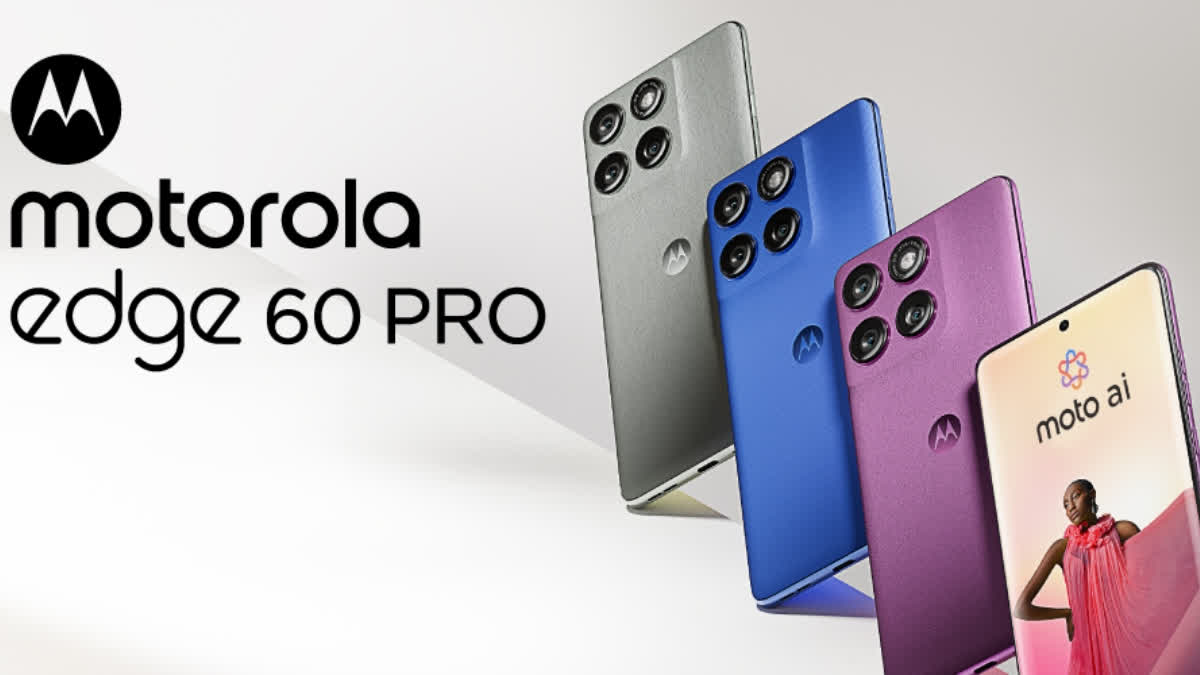
    Front and back view of Moto Edge 60 Pro smartphone showing its sleek design and advanced camera features.

    In India’s fast-moving smartphone market, every few weeks, a new phone grabs attention. But not all of them actually deliver what they promise. The Moto Edge 60 Pro, launched in April 2025, is now making noise for all the right reasons: strong specs, good looks, and a price that doesn’t burn your pocket. But is it really the next big thing or just another temporary buzz? Let’s break it down and see what this phone brings for everyday Indian users whether you’re a student, a gamer, or just someone who wants a decent upgrade without spending ₹50,000.

    A Look at What’s Inside (Specs, Simplified)

    Instead of throwing numbers at you, let me explain what this phone offers in normal terms:

    • Display: It has a 6.7-inch P-OLED screen, which basically means everything looks bright and crisp. Whether you’re watching IPL highlights or just scrolling Instagram, it’ll feel smooth with its 120Hz refresh rate.
    • Processor: MediaTek Dimensity 8350 Extreme. Sounds fancy, but in real use, it just means fast. From switching apps to playing heavy games, it handles it all.
    • RAM & Storage: Comes in two variants 8 GB+256 GB and 12 GB+512 GB. For most people, even the base version is more than enough.
    • Camera Setup: A solid triple camera on the back, including two 50MP lenses and a 10MP telephoto. The front camera is also 50MP, which means video calls and selfies will be clear even in low light.
    • Battery: Massive 6,000 mAh battery with 90W fast charging. You won’t be running to find a socket every few hours.
    • Software & Features: Runs on Android 15 and has Dolby Atmos speakers, water resistance, wireless charging, and an in-display fingerprint sensor.

    Display: Easy on the Eyes, Even in the Sun

    When it comes to the display, Moto has done a smart job. The screen is slightly curved on all sides, giving it a premium look, almost like those ₹60,000 phones. But what actually matters is brightness. With 4,500 nits peak brightness, you can clearly see everything even when you’re standing outside on a sunny day—say, waiting for a bus in Ahmedabad or walking through Chandni Chowk.

    Also, there’s Gorilla Glass 7i for protection, so even if you drop it once or twice (which happens to all of us), it’ll likely survive without a crack.

    Performance: For Multitaskers and Gamers Alike

    Many phones slow down when you’re switching between apps. But not this one. Thanks to the MediaTek 8350 Extreme chip and LPDDR5X RAM, the Moto Edge 60 Pro handles everything smoothly. I tried editing a video, chatting on WhatsApp, and playing BGMI back-to-back, and it didn’t lag even once.

    Even for mobile gamers, the phone offers something extra. The 300Hz touch sampling rate means the phone catches your finger movements instantly. That tiny delay you usually feel in other phones? Gone.

    Camera: Not Just for Selfies

    Cameras are important, especially when we’re capturing everything from wedding functions to random chai moments with friends. The triple camera setup here includes:

    • 50MP main sensor with OIS (helps avoid blurry photos),
    • 10MP telephoto lens for zoomed-in shots, and
    • another 50MP wide+macro lens.

    And don’t forget the 50MP front camera—ideal for reels, video calls, or group selfies during college fests. Even if you’re not a techie, this camera setup gives clear, detailed results.

    Battery Life: Made for Indian Usage

    Here’s the thing—most Indian users don’t charge their phones 3–4 times a day. So having a big battery matters. The 6,000mAh battery on the Moto Edge 60 Pro easily lasts the whole day even with heavy use. That includes watching videos on YouTube, maps navigation, and long calls.

    What impressed me more was the 90W fast charging. It charges so quickly, you’ll probably finish brushing your teeth, and it’s already 70% done. Also, wireless charging and reverse charging are included helpful when your friend’s phone is dead and you lend them a few percent.

    Design & Build: Good-Looking but Tough

    Some phones look nice but are delicate. This one balances both. It’s IP68/IP69 rated, which means it’s water and dust resistant. Whether it’s the monsoon in Kerala or dust storms in Rajasthan, the phone can handle it.

    It also meets MIL-STD-810H standards, usually seen in rugged devices. So if you accidentally drop it or spill water, don’t panic right away. Available in bold shades like Pantone Shadow, Sparkling Grape, and Dazzling Blue, it actually feels like a premium device in hand.

    Audio & Extras: Small Things That Matter

    Although there’s no headphone jack (a bit of a letdown for wired earphone users), the stereo speakers with Dolby Atmos are impressive. Whether you’re watching a movie or playing songs during a train ride, the sound feels rich and loud enough without distortion.

    Also, Moto AI 2.0 brings smart tweaks like scene recognition for photos and better performance management. Small touches, but they make the user experience smoother.

    Price: Not Cheap, But Still Value for Money

    At ₹29,999 for the 8GB version and ₹33,999 for the higher model, it’s definitely not an entry-level phone. But compared to others with similar features—like some Samsung or OnePlus models—it feels worth the price. Many local retailers are offering EMIs and cashback offers too, so keep an eye on that.

    Final Thoughts: Should You Go for It?

    If you’re someone who needs a good all-rounder phone with a strong battery, camera, and display, Moto Edge 60 Pro is a solid pick. It looks modern, performs fast, and doesn’t overheat or hang during daily use. While time will tell how it performs long-term, the starting signs are promising.

    Whether you’re a college student, a working professional, or someone who just loves good gadgets, this phone ticks most boxes without burning your savings.

    🔗 Useful Links

  • Are Smartphone Upgrades Still Worth It Every Year?

    Are Smartphone Upgrades Still Worth It Every Year?

    A young Indian man in casual clothes holding two smartphones, looking confused whether to upgrade or not, with a tech store in the background, modern style, soft lighting, vibrant colors.

    You know, earlier, buying a new smartphone used to be like a mini festival at home. Saving up money, planning it out, waiting for the perfect offer… all that excitement. I still remember how crazy we used to be when a new iPhone or OnePlus was about to launch. That rush of getting your hands on something “new”unmatched feeling.

    But now? I don’t know, that whole charm feels like it’s disappearing. Nowadays, before jumping for a new phone, I actually stop and think: Is it really needed? Is it really worth spending that much again and again?

    In this blog, let me just sit down with you, casually chat about why this whole yearly upgrade craze is slowing down, what’s happening nowadays in the market, and also whether you actually need a new phone every year or not. I’ll also add some of my personal memories, few facts here and there, and in the end, just share what I personally feel about all this.

    The Good Old Days: Upgrading Meant Something

    honestly speaking, buying a new phone 8-10 years back was a BIG thing.
    My first smartphone? It was a Micromax Canvas, somewhere around 2013. I can still clearly remember showing it off proudly to everyone. That time, even basic features like a front camera or a bigger battery felt like magic.

    Every year, phones were genuinely getting better screens, faster processors, cameras that actually clicked decent photos. It made sense to upgrade because you could actually see and feel the difference.

    Personal Example:
    One of my cousins he moved from a Redmi 2 to a Redmi Note 4 within just one year. And trust me, the upgrade felt massive almost double battery life, smoother gaming, better photos, and even the design felt more premium.
    At that time, changing phones every year actually felt worth it. You were not just paying for a number change; you were getting real improvements.

    Fast Forward to 2025: Same Phone, Different Name?

    But today? Things have changed a lot.
    Recently, I went to a store and held an iPhone 14 and an iPhone 15 side by side. To be very honest, if you don’t read the specs carefully, both look exactly the same. Same size, same type of display, even the battery life is almost same-same.

    Not just me saying a recent report from Counterpoint Research also mentioned that now Indians are keeping their smartphones for 3-4 years on average, compared to earlier 1-2 years.
    Which clearly shows, the obsession with yearly upgrades is cooling down now.

    Why Is This Shift Happening?

    Phones Are Already Too Good:
    Today’s phones are so powerful that most of us don’t even use them to their full potential. WhatsApp, Instagram, some UPI payments, a few Netflix shows that’s it for most people.

    Phones Are Also Expensive Now:
    Earlier a flagship phone meant ₹30-40k. Now? It’s touching ₹1 lakh easily! Spending that much every year is just not practical for most of us.

    Software Updates Have Got Better:
    Companies are offering 3-5 years of updates now. So even a 2-3 year old phone doesn’t feel outdated anymore.

    When Upgrading Every Year Still Makes Sense

    Of course, there are still some cases where changing phones every year makes sense:

    1. Tech Lovers and Reviewers:
      If you are mad about technology, or if your work depends on reviewing latest gadgets (like YouTubers), you need the latest every year. No choice.
    2. If Your Old Phone is Practically Dead:
      If your phone’s battery is swelling like a balloon, screen is shattered, apps are crashing left and right then obviously you need a new one, yaar.
    3. For Gamers and Creators:
      If you play heavy games or make videos, latest specs can really help better RAM, better cameras, better display refresh rates all that matters.

    How To Know If You Should Upgrade in 2025?

    Here’s a small checklist you can just mentally tick off:

    • Battery life bad? Struggling to last half a day? Big red flag.
    • No more software updates? Risky for security.
    • Phone lagging or freezing often? Time to say goodbye.
    • Need better camera for work or passion? Worth investing.
    • Can you afford it easily without tension? If yes, go for it.

    Otherwise honestly, there’s no real need to upgrade just for show-off.

    Emotional Temptations: The “New Phone” Trap

    In India, sometimes it’s not even about needing a new phone.
    It’s about peer pressure, Diwali offers flashing everywhere, or that “feeling” of owning the latest model. I get it. We all fall for it sometimes.

    But let’s be practical whether you have an iPhone 13 or an iPhone 15, or a Galaxy S21 or S24, your day-to-day experience WhatsApp, Insta, YouTube, Swiggy, Amazon is going to be exactly the same.

    Conclusion: My Straight-from-the-Heart Advice

    My simple suggestion? Don’t upgrade your phone every year just because everyone else is doing it.
    Upgrade only when you genuinely need it — when it will really make a difference in your life or work.
    And only if you can buy it without thinking about EMIs or loans.

    Instead, try to use your phone for 3-4 years minimum. Believe me, the happiness you’ll feel after a real upgrade, when your old phone truly feels old — is a totally different level of satisfaction.

    In the end, just remember:
    Your smartphone is not your status symbol. It’s just a tool. Use it smartly, and it’ll serve you much longer than you think.
    Related Articles,
    How to Choose the Best Smartphone for Your Needs
    10 reasons why you don’t need to upgrade your phone annually

  • How to Choose the Best Smartphone for Your Needs

    How to Choose the Best Smartphone for Your Needs

    Mobile in human hand

    How to Choose the Best Smartphone for Your Needs Simple Guide for All

    You know, these days buying a smartphone is no less than choosing a life partner. Sounds funny, but it’s true. Let me tell you why.

    Last week, my uncle came all the way from Sitamarhi to Patna. A retired school teacher, calm and simple man. He had just one request: “Get me a phone that runs WhatsApp and takes clear photos.” Now this sounds easy, right? But when we went to check online, hundreds of phones popped up—brands I’ve never even heard of, some showing five cameras, some shouting 5G, AI, AMOLED and whatnot.

    I realised, even we who use phones daily feel lost. So how would someone from a small town or someone who doesn’t follow tech all day pick the right one?

    So today, let’s break it down in simple, everyday English. No tech jargon. No confusion. Just straight talk. How to choose the best smartphone that fits you—not the market trend.

    Start With the Basics: What Do You Really Need It For?

    First question, always ask this: “Why do I need a phone right now?”

    Let’s say you’re buying vegetables if you need potatoes, why pay for mushrooms?

    Same way, don’t buy a gaming phone just to use WhatsApp.

    Here’s a quick way to think:

    • Students? You’ll need good battery, decent camera (for notes or classes), and smooth usage.
    • Office people? You need something fast, can handle Zoom, multiple apps, long battery.
    • Parents or seniors? Large text, simple interface, loud speaker.
    • Gamers? Look for strong processor, smooth display, cooling.
    • Photo or video lovers? Camera is your king. Also need space for storing all that.

    So figure out your category, and then shortlist phones meant for that—not just the flashy ones you see in ads.

    Budget First, Not After Decide Before You Start Browsing

    We all know this. Budget decides everything. And in India, most people stick between ₹10,000 to ₹25,000. Honestly, you can get very decent phones in this range now.

    Phones mostly come in 3 types:

    • Budget: ₹7,000 to ₹15,000
    • Mid-range: ₹15,000 to ₹30,000
    • Flagship: ₹30,000 and above

    Now you don’t need to spend ₹40,000 just to watch YouTube and click birthday photos.

    Latest Picks in Budget & Mid-range (April 2025)

    • Redmi Note 13 Pro+: Amazing camera, good all-rounder.
    • iQOO Z9 5G: Super fast, ideal for multitasking and gaming.
    • Samsung M14: Trustworthy brand, battery champ, simple interface.
    • Realme Narzo 70x: Bright display, perfect for college students.

    These are not promotions just what’s doing well right now. And prices change, so check reviews and offers.

    Don’t Get Fooled by Fancy Specs Understand What Matters

    Must-Have Specs (Not Too Much, Not Too Less)

    • Processor: Think of it as the brain. Snapdragon 6 or Dimensity 7/8 series is good enough.
    • RAM: 6GB is the base today. 8GB is smoother.
    • Battery: Minimum 5000mAh. Less than that will frustrate you daily.
    • Display: AMOLED is better than normal LCD. Brighter, colourful.
    • Camera: Don’t run behind megapixels. 200MP means nothing if photo comes blurred in low light.

    Ignore These Gimmicks:

    • “AI camera” Just a label.
    • “Gaming mode” Marketing stuff, unless you’re a hardcore gamer.
    • “5G” Unless your area has it, no need to chase it blindly.

    What Else Should You Check Before Buying?

    UI and Bloatware – Some Brands Feel Heavy

    Some phones come with ads inside the phone! Brands like Samsung, Motorola give cleaner UI. Xiaomi and Realme often have extra apps you may never use.

    Also ask: Will it get future updates? No point buying something that’ll become outdated next year.

    After-Sales Service – Very Important for Small Town Users

    I’ve seen this often. People buy iPhones from city, then travel 80km for service. Not practical.

    Check if the brand has a service center near you. Otherwise even a ₹5,000 repair becomes a nightmare.

    Build Quality Not Just Looks

    Slim phones look nice but break easily. If your phone is always in pocket or gets dropped often, better go for plastic or rubber edge ones. Rough use needs a rough-tough phone.

    Online vs Offline Which One is Better for You?

    Buying Online?

    • You get cheaper rates.
    • Can compare lots of models.
    • Offers during festive time are great.

    Buying Offline?

    • You get to touch and check.
    • Return or exchange is easier.
    • Elderly people feel more confident when they see before buying.

    So if you live in a city, online works fine. For rural or small town folks, offline is still king.

    Last Advice Don’t Fall for Hype, Go for Peace

    Honestly, I’m still using a Redmi Note 10 Pro. It doesn’t have 5G or AI camera, but it runs smooth, battery lasts all day, and takes clear pictures. Why upgrade just for show?

    In the end, phone is not your status—it’s your helper. So pick what helps you, not what impresses others.

    Takeaway Buy a Phone Like You’d Choose a Tractor: Practical, Not Fancy

    Don’t let YouTube or flashy ads confuse you. A ₹14,000 phone today can do 90% of what a ₹40,000 phone does. Be smart, set your budget, know your use, and pick the phone that serves you well, not drains your wallet.

    Related Articles :
    Enjoyed this read? Continue the journey with:
    iPhone vs Android: Which One Feels Right for You?
    Things to consider when buying a new smartphone

  • iPhone vs Android: Which One Feels Right for You?

    iPhone vs Android: Which One Feels Right for You?

    iPhone vs Android

    So, you’ve finally made up your mind to get a new iPhone vs Android: Which One Feels Right for You?. Exciting, right? But then the real confusion starts iPhone le ya Android? It’s like standing in front of two stalls at a mela one selling hot jalebis, the other offering spicy samosas. Both tempting, but you can pick only one.

    Doesn’t matter if you’re a college student, a working guy juggling Zoom calls, or someone who shoots reels for fun your phone today is more than just a gadget. It’s your camera, wallet, music system, and sometimes even your therapist.

    So, let’s talk like normal folks—not techies. We’ll go one step at a time, and see what suits your needs best. Not what influencers or marketing banners scream.

    1. User Experience – Smooth Ride or Creative Playground?

    Using an iPhone feels like staying in a 5-star hotel. Everything’s tidy, no unnecessary apps, no ads popping out of nowhere. It’s made for folks who like peace of mind—open, swipe, done.

    But Android? That’s like decorating your own desi room. Want a calendar widget on the home screen? Done. Want to change how your icons look? Jugaad available. From launchers to themes, it’s all customise as you like.

    So if you’re the type who likes things simple and elegant, iPhone will suit you. But if you enjoy playing around and making your phone feel truly yours, Android wins.

    2. Price Tag – Pocket-Friendly or Premium Feel?

    Let’s not beat around the bush iPhones are pricey. Even the older ones in 2025 still cost more than a second-hand bike. But they do hold value over time. Their build, support, and performance remain solid for years.

    Now look at Android. Whether your budget is ₹10,000 or ₹1.5 lakh, you’ll find something. Realme, Xiaomi, Samsung—they all offer dhamaka deals. You get fancy features at half the cost.

    “iPhone is like owning a Royal Enfield. Android is like buying a good second-hand Splendor—reliable, affordable, and gets the job done.”

    3. Camera Quality – Storytelling or Sharpened Selfies?

    This one’s always debated at chai stalls.

    iPhone gives very real-looking pictures. Especially for videos, they’re amazing. You shoot a reel in low light, and boom—it looks classy. Perfect for Instagram addicts and vloggers.

    But Android? Some models, like Google Pixel or Samsung S series, can make your face glow like you just came back from a parlor. AI does some heavy lifting here.

    In short:
    iPhone: Better for consistent video and clean photos.
    Android: More filters, sharper shots, great for camera experiments.

    4. Ecosystem & App Experience – Locked Gate or Open Field?

    Got a MacBook, iPad, and Apple Watch? Then buying iPhone is like joining the family WhatsApp group—everything syncs automatically.

    But if you use Windows or switch between brands, Android gives you the freedom. You can transfer files, connect with different devices, and try different apps without drama.

    iPhone’s ecosystem is tight-knit. Android’s is more flexible. Depends on what you prefer.

    5. Software Updates & Security – Long-Term Promise or Brand-Luck?

    iPhones get software updates for easily 5 years or more. Doesn’t matter if you buy today or last year—everyone gets the same update, same day. Plus, it’s generally more secure.

    Android’s a mixed bag. Premium ones like Pixel or Samsung get decent updates, but budget phones? Sometimes the update never comes. Or comes when you’ve already changed your phone!

    So, if you’re planning to use your phone for years, iPhone gives you peace of mind.

    6. Battery & Charging – Fast Life or Slower Charge?

    Let’s be honest—Android wins this round.

    Most Android phones now come with crazy-fast charging. 0 to 100 in less than an hour. Some even let you charge other phones wirelessly. Battery size is also usually bigger.

    iPhone? It’s improving, but still stuck with that Lightning cable and slower charging. Not cool in 2025.

    7. Performance & Gaming – Butter Smooth or Power Packed?

    iPhones have less RAM but still run smoother than ghee on hot paratha. Their A-series chips are really that good.

    But Android’s new Snapdragon 8 Gen chips are no less. Brands like ASUS ROG, iQOO, and OnePlus make phones specifically for gamers.

    So, if you’re a casual user, both are fine. For hardcore PUBG or Genshin players, Android gives more variety.

    8. Resale Value – Paise Vasool or Fast Depreciation?

    iPhones keep their value. Even if you sell your iPhone 12 today, you’ll get a decent amount.

    But try selling a 3-year-old Android? Most buyers will offer peanuts or just ask for free.

    That’s because:

    • iPhones get updates longer
    • Build quality is solid
    • Apple has brand charm

    If you’re someone who upgrades every 3-4 years, iPhone gives better returns.

    9. Accessories & Repair Support – Fancy but Pricey vs Local Jugaad

    Apple accessories are gorgeous but burn a hole in the pocket. A charging cable can cost more than a decent power bank.

    Android options are wide—wired, wireless, cheap, premium, you name it. Also, repairs for iPhone can be expensive. Drop the screen? Be ready for a ₹15-20k bill.

    With Android, local repair guys can usually fix it in one afternoon with chai and gyaan included.

    So, Which One Should YOU Buy?

    Let’s not make it complex. Here’s the ground reality:

    SituationBetter Pick
    You like freedom & budget controlAndroid
    You want a smooth, clean, no-drama experienceiPhone
    You already own Apple devicesiPhone
    You want best under ₹25KAndroid
    You plan to use phone for 4+ yearsiPhone
    You love gaming or camera tweakingAndroid

    Final Words – Your Phone, Your Lifestyle

    Look, phones are personal. No one solution fits all.

    If you’re someone who loves flexibility, and doesn’t want to spend a bomb—Android is your best friend.

    But if you want long-term value, smooth experience, and you’re already in Apple’s ecosystem—iPhone will feel like home.

    Don’t follow the crowd. Your phone should match your needs, not your neighbour’s opinion.

    Found this blog helpful? You’ll definitely enjoy Top 10 Must-Have Tech Gadgets in 2025 – give it a read!

    Check the comparison between Android vs Iphone by experts on youtube