Tag: lifestyle

  • Ayurvedic Wisdom: 6 Herbs That Naturally Boost Focus & Energy

    Ayurvedic Wisdom: 6 Herbs That Naturally Boost Focus & Energy

    Flat-lay of Ayurvedic herbs including tulsi, ashwagandha, neem, turmeric, and giloy with herbal powders and tea on a wooden background.

    Life keeps getting busier. Whether you’re running behind meetings, trying to study late into the night, or simply trying not to doze off in the afternoon, staying mentally sharp and energetic has become quite a task. While many people turn to energy drinks or endless cups of coffee, there’s a simpler, more natural way that has been around in our country for generations — Ayurveda.

    This blog is all about six well-known Ayurvedic herbs — Ashwagandha, Brahmi (Bacopa Monnieri), Gotu Kola, Shankhapushpi, Turmeric, and Tulsi. These aren’t fancy modern discoveries. They’ve been part of Indian households for ages. The beauty is they don’t just give short bursts of energy, but help your mind and body stay balanced in the long run.

    Let’s go through each one in a way that makes sense what they do, how to use them, and why they’re still trusted.

    1. Ashwagandha – For Calmer Mind and Steady Energy

    You must’ve heard about Ashwagandha herbs. It’s quite common now, but long before capsules and powders took over, many Indian families used it as part of daily health.

    Ashwagandha is mainly known to help manage stress, which honestly eats up most of our focus. It also boosts your stamina without making you restless, unlike tea or coffee. Some people even say they feel more clear-headed after using it regularly.

    How you can take it:

    You can mix a bit of Ashwagandha powder in warm milk, especially at night. Some prefer capsules easier if you’re on the go. Start small, like 300 mg, and see how your body responds.

    Real-life example:
    My own nani used to have it in milk every night, and she was more active than anyone half her age. I started it during work-from-home days, and it really helped me stay calm during long meetings.

    2. Brahmi (Bacopa Monnieri) – For Sharper Memory
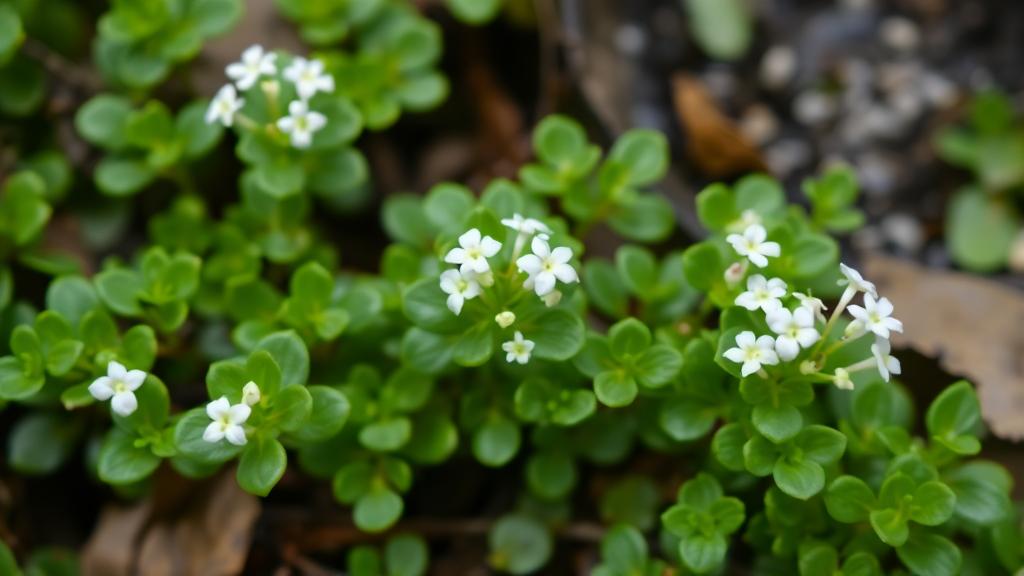
    If you’ve studied in a typical Indian home, chances are your parents gave you Brahmi before exams. They weren’t wrong. This small herb has a big role when it comes to memory and learning.

    Brahmi helps your brain retain things better, and it also keeps you from overthinking too much, which many of us do when under pressure. It’s gentle, but effective if taken regularly.

    How to use:

    Take it with honey or ghee in its powdered form. Or just use capsules. 300 mg a day is a common dose, but of course, ask your doctor.

    Personal story:
    During my college years, my mom used to give me Brahmi syrup. I didn’t like the taste, but later on, I realised I could sit and focus longer without my mind jumping around.

    3. Gotu Kola – For Mental Clarity
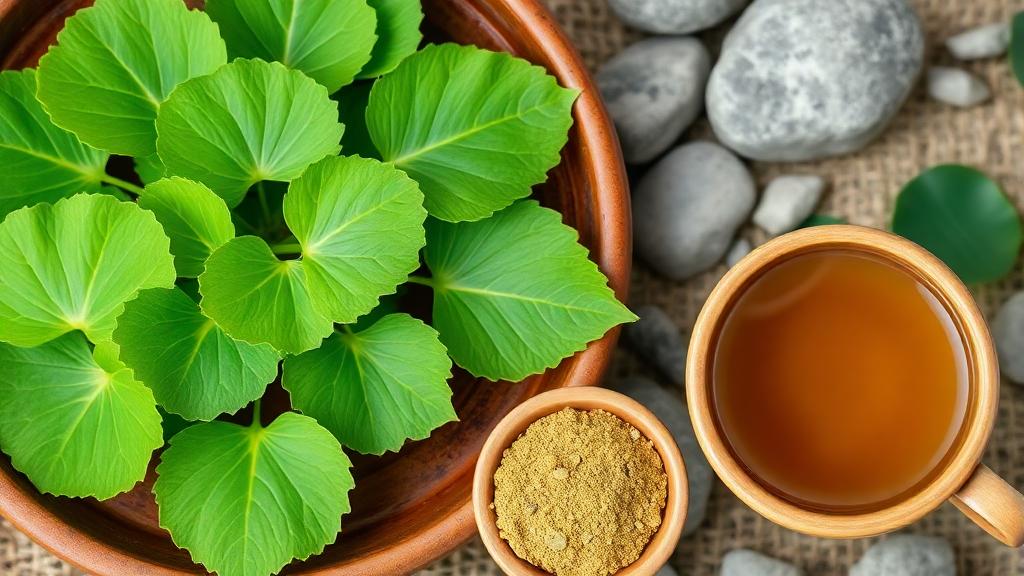
    Not many people talk about Gotu Kola, but in some Indian regions, this plant is very well known. It’s said to support mental clarity and even helps when you feel mentally tired after a long day.

    It also supports brain health over time, not just for short boosts. Good for older people too.

    How to take it:

    You can make tea out of fresh or dried leaves. Some people take it as a capsule whichever suits. Around 500 mg is a usual dose.

    Real example:
    My aunt, who is a school teacher, swears by Gotu Kola tea. She has it in the evening while correcting answer sheets. She says it helps her stay sharp even late at night.

    4. Shankhapushpi – For Better Focus
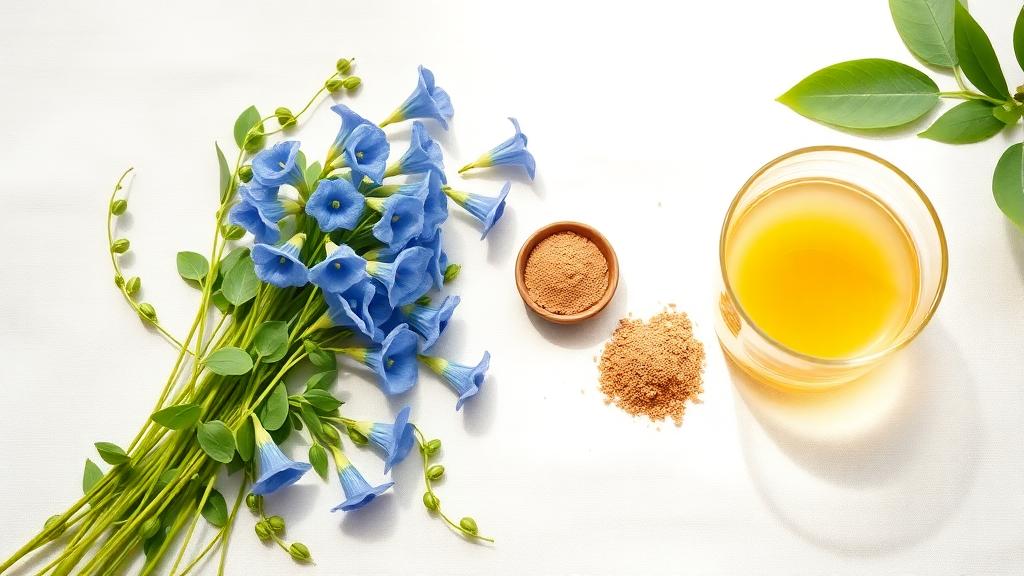
    This herb might not be as famous as others, but it’s one of the best when your brain feels all over the place. It’s known to support concentration and reduce stress too.

    Great for students, but also for anyone who deals with screen overload and constant multitasking.

    How to use it:

    You’ll mostly find it in syrup form. Take 1-2 teaspoons with water or milk. Capsules are also there, if syrup feels too sweet.

    From a friend’s experience:
    One of my friends preparing for civil services introduced me to it. I started using it during my busiest work season, and honestly, it helped me stay focused without feeling burned out.

    5. Turmeric – For Brain Support and Energy

    Turmeric isn’t just for cooking. It’s actually one of the most powerful herbs we have. Thanks to curcumin, it reduces inflammation and even helps the brain function better.

    It’s been shown to improve memory and protect your brain as you age.

    How to use:

    Use it in your curries, mix it in milk (golden milk), or add to smoothies. You don’t always need supplements if you cook at home.

    My habit:
    Every night, I drink haldi milk like my mother used to give. It feels comforting and, at the same time, clears my head after a long day.

    6. Tulsi – The Calm Booster

    Fresh tulsi leaves in a pot

    Almost every Indian household has a Tulsi plant, and for good reason. Tulsi helps reduce mental stress, and when your mind is calmer, focus automatically improves.

    It’s simple, effective, and safe for daily use.

    How to use:

    Chew a few fresh leaves in the morning or make Tulsi tea. Even once a day is enough to feel the effect.

    My take:
    Watering the Tulsi plant every morning is something I still do. That small ritual followed by a cup of Tulsi tea helps me start the day with a calm mind.

    Final Thoughts

    We run behind productivity tools, to-do apps, and stimulants but sometimes, old methods work best. These six herbs — Ashwagandha, Brahmi, Gotu Kola, Shankhapushpi, Turmeric, and Tulsi — are not magic pills. But when used regularly and with care, they bring back focus and energy in a natural, side-effect-free way.

    My view? They’re not just remedies. They’re part of our tradition, and in today’s fast-paced world, going back to such roots might be the smartest thing to do.

    💬 Feeling This Blog? Here’s What You Can Read Next:

    🔹 The Indian Kitchen Remedies That Actually Work in 2025 – From haldi doodh to ajwain water, discover what age-old desi tips are backed by science today.

    🔹 Beetroot Juice in 2025: Still the Easiest Way to Boost Health – One glass a day, and your body says thank you. This blog covers how this bright red root is still winning the health race in 2025.

    🔹 5 Superpower Herbs You Need In Your Kitchen – From your chai masala to your everyday tadka — these herbs aren’t just flavour bombs. They’re health heroes hiding in plain sight.
  • 12 Everyday Habits Secretly Damaging Your Health

    12 Everyday Habits Secretly Damaging Your Health

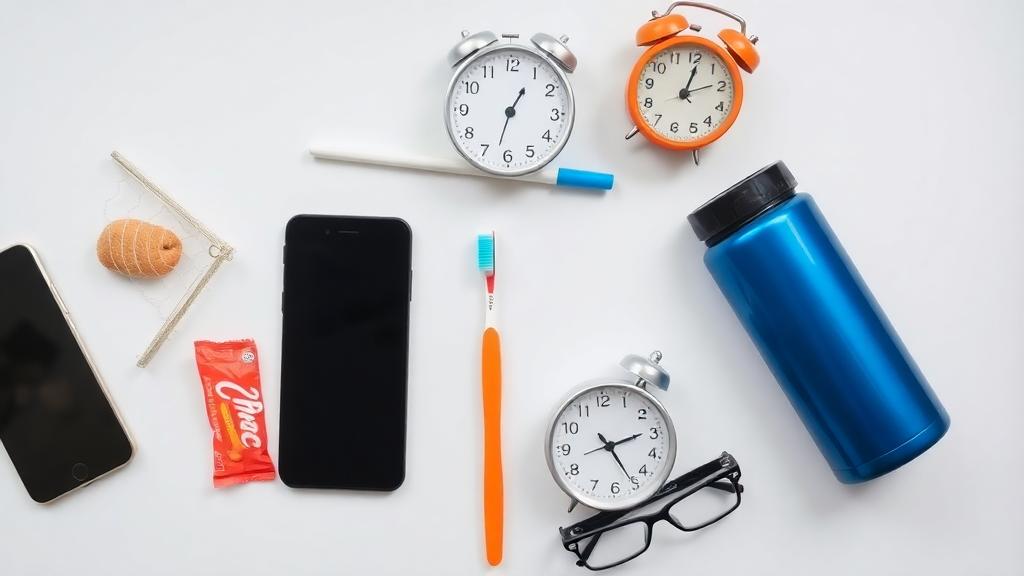
    Health & wellness A relatable flat-lay photo showing common daily items like mobile phone, snacks, water bottle, toothbrush, alarm clock, and eyeglasses.

    We Don’t Realise How Much Our Daily Habits Mess With Our Health

    You know how we go through most days doing the same old stuff wake up late, grab whatever we find to eat, stare at screens all day, and maybe complain about back pain or tiredness by evening? It all feels pretty normal, na?

    But here’s the thing. Some of these regular, everyday habits that we don’t think twice about… they quietly mess with our health behind the scenes. And not in some dramatic way—but slowly, like water dripping on stone.

    I’m not here to lecture or sound like a doctor. I’m just sharing stuff I’ve seen, felt, and figured out over time. So here are a bunch of small habits that might be quietly messing you up—and what you can do to slowly fix them.

    1. Skipping Breakfast – “Aree, I’ll Eat Later” Never Works Long-Term

    Raise your hand if your breakfast is just chai or coffee (or nothing at all) while rushing through morning madness. Same here, honestly.

    But turns out, skipping breakfast can actually mess up your whole day. Your body feels like it’s running on empty, and by noon, you’re either snapping at people or stuffing your face with random junk. Been there, done that.

    What helps: Even a basic breakfast works. A boiled egg, some upma, banana with peanut butter, or plain toast with ghee—it doesn’t have to be fancy. Just give your body something to start the engine.

    2. Sitting Too Long – “I Didn’t Even Realise I Was Sitting for 5 Hours Straight”

    Whether it’s office work, online classes, or just scrolling endlessly—sitting has become the new smoking (as dramatic as that sounds). Your back hurts, neck feels stiff, and somehow you’re still tired after doing ‘nothing’.

    I once sat through a full Sunday watching IPL and didn’t even realise I hadn’t moved much. Monday morning? Full-body regret.

    Small fix: Just stand up every hour, stretch your arms, walk to fill your water bottle, or take a call while pacing. You don’t need to hit the gym—just keep moving a bit here and there.

    3. Too Much Screen Time – Eyes Tired, Brain Fried

    Ever felt like your eyes are burning but you can’t stop scrolling? Or you switch off Netflix and still feel weirdly restless? Yep, that’s your brain telling you it’s had enough of screens.

    I once binge-watched an entire series in two days and then couldn’t sleep properly for the next three nights. Eyes dry, mind racing.

    What helps: Use blue light filters, set “no screen” hours post 9 PM, and try doing something chill—like listening to music or reading a paperback—before bed. Not everything needs a screen.

    4. Bad Posture – Slouching Into Problems You Didn’t Ask For

    Let’s be real, most of us sit like prawns. Laptop down, neck bent, shoulders tight. Over time, this turns into constant backaches or even breathing issues.

    My physio once told me, “Your body remembers every slouch.” It hit hard.

    Quick fix: Keep your screen at eye level, use a cushion behind your back, and just be mindful of how you sit. Stretching for even 5 minutes daily makes a difference.

    5. Not Drinking Enough Water – Your Body’s Silent Complaint

    By the time you feel thirsty, you’re already slightly dehydrated. And that headache? That afternoon slump? Might be ‘cause your body’s just asking for water.

    There was a phase where I kept popping Disprins, only to realise I hadn’t drunk enough water for two days straight.

    Simple hack: Fill a reusable bottle, keep it in front of you, and sip whenever you remember. Aim for at least 6–8 glasses a day. More if it’s hot or you’re moving around a lot.

    6. Late-Night Snacking – Tummy Full, Sleep Gone

    That midnight maggi or biscuit nibbling during Netflix? Fun in the moment, but your sleep cycle gets a real beating. Your tummy’s busy digesting when it should be winding down.

    I’ve had nights where I ate a full meal at 11 PM and then lay in bed till 2 AM regretting everything.

    Better option: If you must eat, go for something light—like a handful of almonds or curd. And finish dinner at least two hours before lying down.

    7. Poor Sleep Habits – “Sleep Is For The Weak” Is A Lie

    Some people wear sleeplessness like a badge of honour. “Bro I slept only 4 hours!”—as if that’s a flex. But constant lack of sleep slowly drains your body, memory, mood, and immunity.

    I was in zombie mode for months before I realised I was burning out from poor sleep.

    Fix the pattern: Sleep and wake up at the same time daily. Make your room a sleep zone—dim lights, no noise, no phones in bed. Try warm water or soothing music to wind down.

    8. Ignoring Oral Care – Not Just About Teeth

    You brush in a rush, floss never, and dental checkups? Forget it. But poor oral hygiene can affect way more than your gums. It’s linked to heart health too!

    I once had a painful root canal and the dentist bluntly said, “This could’ve been avoided with 2 extra minutes daily.” Harsh, but true.Quick routine: Brush twice, floss once, and visit the dentist twice a year. Your mouth (and heart) will thank you later.

    9. Overusing Pills – “Bas Ek Tablet Le Lo”… But It Adds Up

    I used to be the kind of person who’d grab a Combiflam at the first sign of period cramps or a headache. It became so normal that I didn’t even pause to think—just pop and move on.

    But then one day, during a particularly bad cycle, I took so many painkillers that I ended up feeling worse—nausea, dizziness, no appetite. My body literally gave up on me.

    That day was a wake-up call. Now, I try to hold off unless the pain is really unbearable. For mild aches, I go with a hot water bag or do some light stretches. I even tried basic yoga moves—surprisingly, they work! Trust me, your body knows when it’s being pushed too much.

    10. Junk Food – Easy to Grab, Hard to Quit

    I won’t lie—there was a time when Maggi, chips, and cold drinks were my go-to dinner. Quick, tasty, and zero effort. But after a few months, I felt constantly tired, bloated, and just… off.

    One evening, after finishing a bag of chips and cola, I caught my reflection and thought—is this how I want to feel every day?

    Now I’m not saying I gave up junk food overnight. I still have it now and then. But I started adding homemade food here and there—like dal chawal or upma with veggies. I even started carrying fruit in my bag. Small things, but they make a big difference.

    11. Mental Health – Not Talking About It Doesn’t Make It Go Away

    You ever feel like everything’s fine… until one tiny thing makes you cry for no reason? That was me. I kept pretending I was okay. Smiling, working, chatting—while inside, I was one small moment away from breaking.

    My breakdown came over something stupid—a charger I couldn’t find. I sat on the floor and cried like a child. That’s when I realised: this wasn’t tiredness. It was burnout.

    After that, I started journaling a bit. Nothing fancy—just scribbled what I felt. Some days I talk to a friend, other days I just cry in the shower. It’s not about having solutions. It’s just about letting it out before it eats you from the inside.

    12. Drinking – “Just Chilling” Can Turn into Trouble

    Weekend parties were routine—shots, loud music, late nights. It started with “just for fun,” but somewhere along the way, it turned into a pattern. And not a healthy one.

    I remember a friend saying, “I only drink socially.” But when ‘socially’ became 4 times a week, his energy dipped, his mood was off, and his sleep was a mess.

    Now when we go out, we set a limit—max 1–2 drinks. We drink water in between, and some weekends we skip it altogether. Not because we’re saints—but because we got tired of feeling like crap the next day.

    Final Thoughts – No Pressure, Just Progress

    You don’t need to turn into some perfect health freak overnight. Honestly, nobody does. Just take it slow.

    Pick one small thing—maybe drink an extra glass of water or cut down sugar in your chai. Try sleeping 15 minutes earlier. Skip that one extra biscuit.

    You won’t feel different on Day 1. But by Week 3, you’ll notice the fog lifting. That’s how change begins—small, real, and quietly powerful.

    🔗 Related Articles
    12 Everyday Habits That Are Secretly Ruining Your Body, Health, and Looks
    How to Stay Motivated to Exercise: Real Tips Backed by Science and Experience

  • How to Stay Motivated to Exercise: Real Tips Backed by Science and Experience

    How to Stay Motivated to Exercise: Real Tips Backed by Science and Experience

    Woman meditating in a yoga pose on a mat with a motivational quote about staying motivated to exercise.

    Introduction

    Getting motivated to exercise or work out isn’t easy for most people. In fact, for many of us, especially in India where lifestyle habits are changing fast, it feels like one more thing to tick off from a long to-do list. But staying active isn’t just about looking fit it’s about feeling good, mentally and physically.

    You might not always have a fancy gym around, or even enough time in hand. Still, small steps go a long way. So, in this blog, let’s look at how you can boost your motivation to work out, using a few science-backed tricks and some desi practicality. We’ll cover everything from setting real goals to finding joy in simple workouts because fitness is for everyone, not just for celebrities or gym freaks.

    Why Motivation Even Matters

    Most of us already know that exercise is good it helps the heart, lifts your mood, and gives you more energy. But the tricky part is actually doing it, right? In India, health issues like diabetes and high BP are rising every year. Still, nearly 4 out of 10 adults don’t even get the minimum recommended physical activity every week.

    Now, you may ask if we know it’s good for us, why don’t we just do it? That’s where motivation plays a big role. It’s the reason why someone goes for a walk even after a tiring day or joins a dance class when lying down seems easier.

    Make Your Goals Simple and Clear

    You need to know why you want to work out and what you’re trying to achieve. Goals help with that. But don’t make it too broad like, “I want to be fit someday.” Instead, try something more practical like, “I’ll walk 20 minutes every evening for the next 3 weeks.”

    Let’s say you’ve got a function coming up in 2 months, and you want to feel confident in your favourite kurta. Instead of saying “I want to lose weight,” make a plan: “I’ll cut down on sugary tea and do yoga three times a week.” Feels doable, right?

    You don’t need big gym schedules or scary routines. What matters is starting small and staying steady.

    Don’t Go It Alone – Find a Buddy

    Working out alone gets boring fast. But when there’s someone with you even if it’s your neighbour, spouse, or a friend it feels lighter. Just having a friend to walk with every evening or join an online fitness challenge can keep you going.

    In many Indian cities, you’ll see people forming walking groups in local parks or taking group yoga sessions in community halls. Even small towns now have fitness groups on WhatsApp or Facebook. If you’re shy to go outside, try online classes together with a friend over video call.

    Point is you’re more likely to show up if someone’s counting on you.

    Do Something You Actually Like

    This one’s simple: if you hate what you’re doing, you won’t stick to it. Exercise doesn’t always mean gym or running. It can be dancing, cycling, skipping, or even just walking your dog.

    I tried running once, but honestly, I couldn’t keep up. Then I found a YouTube Zumba session that felt more like dancing than working out and I haven’t looked back since.

    The key is, if it feels fun, you’ll do it again.

    Keep Mixing It Up

    Doing the same workout every day becomes boring after a point. And your body stops improving too. So switch things up once in a while.

    Maybe one day, do yoga. The next, go for a brisk walk. On weekends, play a bit of badminton with your kid or go cycling if you have a group. You can even use small weights or resistance bands at home.

    Now that many Indians are buying home fitness gear—like yoga mats and dumbbells—it’s even easier to try new things. And online fitness apps are booming, so you can explore different routines without spending much.

    Track Your Progress, Even the Small Wins

    Let’s be honest seeing even small results gives a big boost. Whether it’s one extra push-up or your jeans fitting a bit better, these things matter.

    You can write things down in a notebook or use apps like Fittr or HealthifyMe. Many people I know just mark a ✅ on the calendar every day they complete their workout it’s simple, and it works.

    When you see your own progress, you naturally feel like doing more.

    Celebrate Yourself (But Smartly)

    Every time you complete a week of workouts or hit a personal goal, reward yourself a little. Not with a box of sweets but maybe with a nice pair of workout shorts or a healthy smoothie treat.

    For me, after a month of walking every day, I bought new earphones to enjoy music while walking. That small reward made me look forward to it even more.

    Know Your “Why” Deeply

    At the end of the day, no matter what tips you follow, the strongest push comes from inside. Ask yourself: Why do I want to do this?

    Maybe you want more energy to play with your grandkids. Or you want to stay strong for your ageing parents. Or maybe you just want to sleep better. Keep reminding yourself of this reason it’ll help you even on lazy days.

    If mornings are tough, just plan a 10-minute stretch before breakfast. That small step builds momentum.

    Final Thoughts – My Take

    So, if you’re struggling to stay motivated, you’re not alone. It’s tough but it’s not impossible. Just start with what you can, where you are, with what you have. Focus on small actions, not perfection.

    For me, fitness became easier once I stopped chasing big goals and started enjoying small routines. Whether it’s dancing in my room, walking with my cousin, or stretching before bed it all counts.

    Your journey is yours. Just make sure it makes you feel good.

    Related articles
    7 Effective ways to stay motivated to work out, backed by science
    How to Set and Achieve Realistic Fitness Goals

  • DIY Home Decor Ideas to Refresh Your Space Any Season

    DIY Home Decor Ideas to Refresh Your Space Any Season

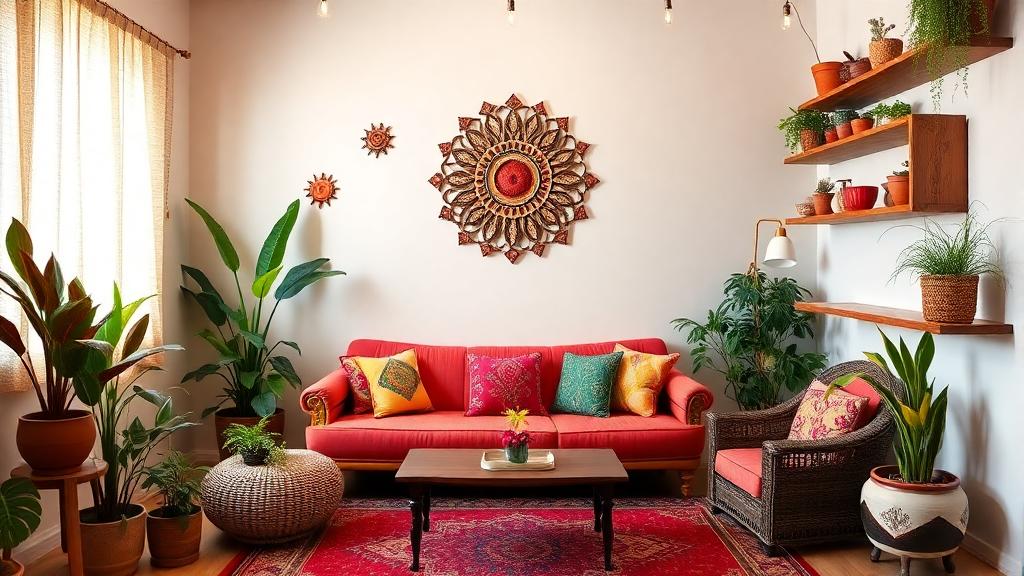
    A cozy Indian living room with handmade wall art, indoor plants, colorful cushions, and recycled wooden shelves, lit with warm lights—perfect blend of tradition and modern decor.

    You know that odd feeling when you walk into your own house and it just feels… dull? Nothing’s actually broken or messy, but still, something’s missing home decor. I’ve felt that too. Especially here in India, where seasons keep changing and life gets busy, it’s not really possible to revamp our homes every few months.

    But trust me, you don’t always need a contractor or big money to make your place feel cozy and alive again.

    I’ve grown up in a small town where people believe in stretching every rupee. So over the years, I’ve picked up a bunch of simple, DIY home decor tricks that work no matter the season — hot May, breezy October, or cold January.

    Let me walk you through these ideas in a way that feels doable, not just fancy.

    Why Even Bother Changing Home Decor?

    See, we live our whole life in our homes — we laugh, eat, sleep, fight, and sometimes just sit quietly with chai and thoughts. So if the space around us looks fresh, our mind feels better too. It’s not about showing off to guests. It’s about feeling good when you walk in after a long day.

    And no, I’m not talking about those showroom-type setups. I’m talking about those small changes that make a big difference — the kind of stuff anyone can try.

    My Go-To DIY Home Decor Tricks That Work All Year

    Let’s just talk real. I’m not giving you a checklist. These are the kind of things you can mix, match, reuse, or even skip — totally up to your mood and budget.

    1. Cushion Covers & Bedsheets — Instant Mood Changer

    Sounds silly, but try it once — swap out those cushion covers and watch the whole vibe of your living room shift.

    • In winters, go for warm tones like rust, mustard, or even deep green.
    • When it’s hot, switch to whites, soft pinks, or cool blues.

    Old bedsheets lying around? Cut them up and turn them into curtains or DIY wall hangings. My neighbor once made beautiful window blinds from her grandmother’s old cotton saree.

    2. Paint Just One Wall, Not All

    You don’t need to repaint the whole room. Pick one wall — maybe the one behind your bed or sofa.

    Try a bold shade or even simple sponge patterns. I remember my cousin once dabbed leftover paint with a towel on his bedroom wall — looked like an ombre wall from Pinterest, but he spent less than ₹500.

    3. Plants Are Always a Good Idea

    You don’t need a balcony full of them. Just 3-4 indoor plants can brighten up a space.

    • Money plant or areca palm are low-maintenance.
    • Keep them in old terracotta pots — you can even paint them with leftover wall paint.
    • During Diwali or birthdays, add a string of fairy lights around them — looks magical.

    4. Wall Art from Stuff You Usually Throw

    Newspapers, cardboard boxes, old magazines — they’re not trash, they’re art waiting to happen.

    One weekend, I cut random magazine shapes, glued them on a cardboard piece, framed it, and hung it in my hallway. Visitors always ask where I “bought” it.

    5. Mirrors Can Make Small Rooms Look Big

    Especially in smaller flats or rented homes, mirrors are a smart way to open up the space.

    Hang one opposite a window and it reflects natural light. You can wrap the edges with rope, lace, or even paper strips for a rustic look.

    6. Old Glass Jars — Don’t Toss Them Yet

    Next time you finish a pickle jar, keep it.

    • Drop a tealight candle inside with a little salt at the base.
    • Or add fairy lights.
    • Or fill it with water and float a few petals.

    These little touches make a big difference, especially in the evenings.

    7. Rugs & Floor Mats: Small Change, Big Feel

    You don’t need a big Persian carpet. A small cotton rug near your bed or under your table does the job.

    In winter, go for earthy, thick ones. Summer? Use thin, light-colored dhurries.

    I got one from a roadside stall for ₹300 — it’s still going strong after two years.

    8. Rearrange Before You Buy Anything

    Sometimes, you don’t need anything new — just a new angle.

    Try moving your table closer to the window. Shift the sofa. Swap your wall photos. Feels like a brand-new space.

    One Sunday afternoon, I just flipped my bed to the other side — my room felt like a new flat.

    Little Details That Add Life

    Put out a bowl with water and a few floating flowers. Keep some fresh fruits on the table in a tray. Add a hand-painted nameplate outside your main door.

    These aren’t costly. But they give your home a personal charm.

    What’s Trending Lately in Home Decor?

    People are slowly moving back to natural, simple things. As per 2024–25 home trends, handmade and eco-friendly items are getting popular again.

    • Jute baskets, bamboo lamps, clay pots — all are back in style.
    • DIY shelves from wooden crates or old stools are now trending on Instagram.
    • And yes — old sarees used as wall drapes or curtain panels are making a comeback.

    My Take: Don’t Overthink It

    At the end of the day, your home should reflect you. Not what influencers show, not what shops sell — but what feels right to your heart.

    Use what you already have. Don’t wait for “one day” to make it pretty. Do a little now, do more later. It’s not about big changes — it’s about making your home feel like home again.

    Related articles :

    Enjoyed this read? Continue the journey with: How to Build a Healthy Routine for Your Family
    This blog is just the start. Explore more with: 56 DIY Home Decor Ideas for Instant Personality

  • 5 Daily Habits That Actually Brought Me Mental Peace !

    5 Daily Habits That Actually Brought Me Mental Peace !

    A young Indian man or woman sitting peacefully on a terrace at sunrise, sipping chai, with a diary and a plant beside them

    Let’s be real for a second—life’s noisy these days. Whether you’re staying in a small district town or somewhere busy like Bangalore, that daily mental load… it doesn’t really leave you, does it? Work calls, family expectations, Instagram reels till midnight, and still waking up with a tired head next day.

    I’ve been there too. My mind used to feel cluttered all the time. Not serious mental illness maybe, but that constant feeling of being overwhelmed? The kind where nothing’s really wrong, but something never feels right either.

    So I didn’t do anything fancy—no retreats, no expensive therapies. Just started with a few simple daily habits. Very normal things, but when done regularly, they made a big difference to how peaceful I feel inside.

    Let me share what worked for me. Maybe it’ll help you too.

    1. Don’t Touch Your Phone First Thing In The Morning

    What I was doing before:
    Wake up, unlock phone, straight into 10 missed messages, political news, some viral reel, and boom my head would already feel heavy before brushing.

    Now what I do:
    First 30 minutes, no phone. I sit quietly with my morning chai, maybe look at the plants outside or just sit in silence. It feels oddly calm.

    Small tip that helped:
    Keep your phone in another room while sleeping. Use a regular alarm clock, like old times. You’ll sleep deeper and start your day lighter.

    2. Walk Daily (Even If It’s Just Your Corridor)

    What I noticed:
    My neighbour aunty, who’s almost 60, walks every evening for 15–20 minutes on her rooftop. She says her knees feel better and her mind feels fresher.

    I followed the same. No fancy shoes, no gym. Just regular walk, even if it’s around the living room. It clears your head. Especially when done without screens or distractions.

    Why it helps:
    Walking isn’t just for fitness. It gives your thoughts space to breathe.

    3. Finish One Small Task Before Noon

    What it means:
    Doesn’t have to be big—can be folding yesterday’s clothes, replying to one pending mail, or watering the plants.

    How it helps:
    Completing something early in the day gives your mind a push—like, “ok, I’ve done something today already.” It sets the mood for the rest of the day.

    My personal example:
    I clean the front porch every morning. It takes 10 minutes, but gives me that small proud feeling, like I’ve started the day right.

    4. Speak To One Real Person (Not Just Messaging)

    Let’s be honest—most of us spend the day replying to texts or reacting to reels, but actual conversation? Very rare.

    What I do now:
    I call my childhood friend in the evening. We talk nonsense for 10 minutes—memes, what’s cooking, weather. It gives me more peace than any motivational video.

    Try this:
    Call someone who won’t judge. No need for deep talks—just normal catch-up is enough.

    5. No Screens At Least 30 Minutes Before Bed

    Why I changed this:
    Earlier I used to scroll till my eyes shut. But it messed up my sleep and dreams. Now I switch off all screens 30 minutes before bed.

    What I do instead:
    Sometimes I stretch lightly, sometimes I just stare at the moon from my window. I even write a small note of 2-3 things I’m thankful for that day. It brings calmness.

    🌿 My Honest Take: Peace Is Already Around Us

    We keep chasing peace like it’s locked inside some self-care app or therapy session. But actually, it’s sitting quietly next to us—in a quiet morning tea, in one real chat, in a 10-min walk on the rooftop.

    These habits aren’t magic tricks. They won’t change your life in one week. But if you stick to even a few of them, something inside you starts to soften. And that small shift? That’s where peace begins.

    So don’t overthink it. Pick any one and start today.

    Related Links,
    Enjoyed this read? Continue the journey with: Master Time Management with These Proven Techniques
    If this resonated with you, here’s something similar you might like: 12 essential mindfulness practices for cultivating inner peace

  • Milind Soman’s Diet: Simple Food, Real Health

    Milind Soman’s Diet: Simple Food, Real Health

    Milind Soman enjoying a simple homemade Indian meal

    Honestly, when you hear the word ‘diet’, the first thing that comes to mind is salads, protein shakes, or some expensive fancy meal plans. But then you look at someone like Milind Soman, and you realise… maybe it’s not that complicated after all.

    This man, even after crossing 50, looks fitter than most 25-year-olds. And what’s interesting? His food habits are almost too simple to believe. No drama, no superfoods from abroad, just the kind of food we have been eating since childhood.

    He had shared once on his Instagram about what he eats daily, and believe me, it’s as basic as it can get. Let’s just sit and talk about it today.

    First, a little about Milind Soman

    If you were growing up in the 90s, chances are you saw him in that Made in India music video and thought, “This guy is something else.” Over the years, he became not just a model or actor but also a serious fitness inspiration. Runs marathons barefoot, swims across rivers, does Ironman competitions — he’s done it all.

    But the surprising part? His daily routine is more about simple discipline than any crazy fitness obsession. His food is proof of that.

    What does Milind actually eat in a day?

    Morning Kickstart

    First thing he does is drink half a litre of water. No lemon squeezed into it, no chia seeds floating inside just plain, old-school water. It’s something most of us can do without even spending a single rupee extra.

    Breakfast (around 10 AM)

    Instead of heavy parathas or sandwiches, he picks fruits. Seasonal ones mostly papaya, melon, mango if it’s summer time. Along with that, a small handful of almonds or walnuts. That’s it. No fancy smoothie bowls or oats jars you see everywhere on Instagram these days.

    Lunch Time (around 2 PM)

    Lunch is good old Indian homemade food. Mostly khichdi, the humble mixture of rice, dal, and veggies, sometimes chapati, sabzi, and dal with a spoon of ghee on top. Simple, filling, and honestly, comforting too.

    Non-vegetarian food? Rarely. Maybe once in a month a little bit of chicken, mutton, or eggs if he feels like it. But otherwise, pure vegetarian home-style meals.

    Tea Time

    Around 5 PM, if he feels like it, he has black tea with a bit of jaggery. No white sugar. Just a hint of sweetness in the healthiest way possible.

    Dinner

    Dinner is pretty much a lighter version of lunch again, khichdi or roti with vegetables. No heavy curries or deep-fried items.

    Before Sleeping

    At night, he sips a cup of hot water mixed with turmeric and jaggery. A simple old home remedy that helps in digestion and keeping the system clean.

    Why it actually works

    See, the thing is it’s not about eating less or skipping meals. It’s about eating real food. Things that are grown around us, food that our body actually understands.

    No fancy diets with names we can’t even pronounce. No protein powders imported from halfway across the world. Just the kind of food our parents and grandparents always trusted.

    Plus, he listens to his body. Eats when he is hungry. Stops when he feels full. No calorie counting madness.

    Feels like coming back home, doesn’t it?

    Honestly, when you look at Milind’s meals, it feels familiar. Like home. Khichdi after a tiring day, hot water before bed, fruits in the morning — these are the small habits we grew up with but somehow left behind in the rush of modern life.

    Maybe we thought we needed complicated solutions. But maybe, we just needed to trust the basics a little more.

    What we can learn from Milind

    Eat local and seasonal.

    Keep your meals simple.

    Hydrate well.

    Move your body every day.

    And most importantly, don’t overthink food.

    Final Thoughts

    You know, it’s easy to get trapped in the world of crash diets and ‘5-minute abs’ promises. But the truth is, health is very simple.

    If Milind Soman, one of the fittest people around, is thriving on khichdi, fruits, and water, then maybe we don’t need anything fancier either.

    Maybe next time when you’re planning a meal, instead of scrolling through complicated diet plans online, you can just pick up that simple plate of dal-chawal your mother cooked.Because sometimes, old ways are the best ways.

    Liked this post? Then you’ll probably love this as well: Healthline – 7 Indian Foods That Boost Immunity

    Interested in this? You’ll also want to read: 7 Simple Morning Habits That Actually Help Your Mental Health