Tag: israel

  • The Gaza Blockade: A Human Tragedy That’s Still Getting Worse

    The Gaza Blockade: A Human Tragedy That’s Still Getting Worse

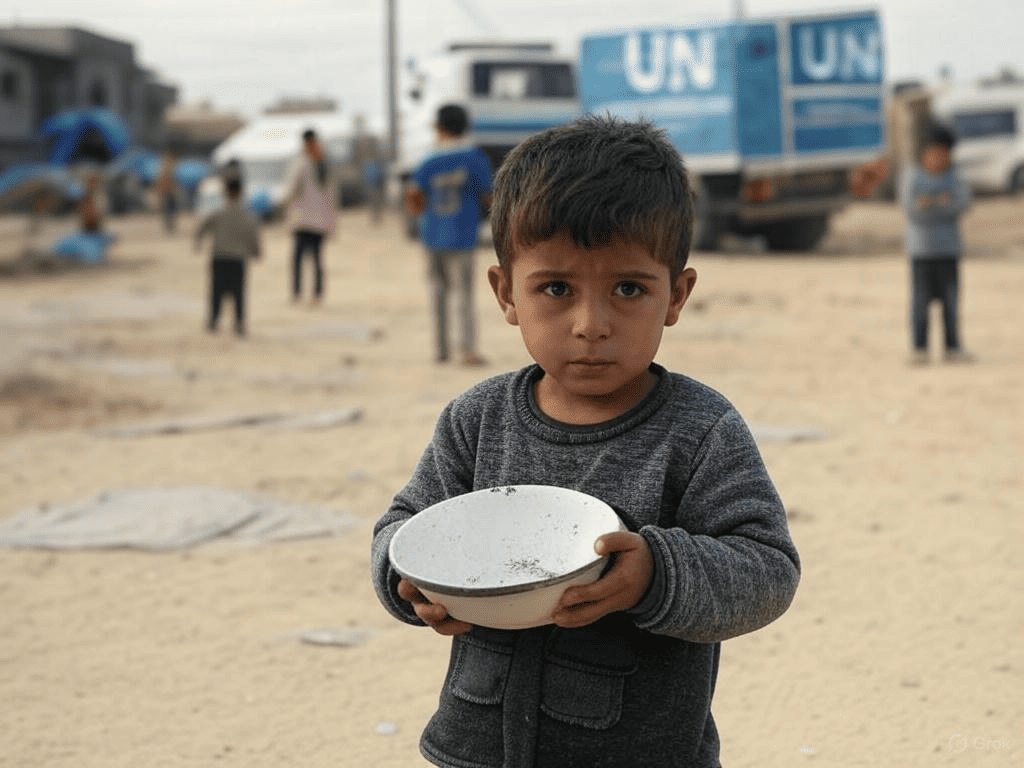
    Gaza children starving for food

    Since March 2, 2025, Gaza has been completely sealed off. No food trucks, no medicine, no fuel — nothing is getting in. Over 2.3 million people are stuck with nowhere to go and no help coming their way. And even now, weeks later, the world still hasn’t done enough.

    This isn’t just another news headline. It’s a full-blown humanitarian disaster — one that’s only getting worse by the day.

    What’s Happening Inside Gaza?

    Gaza is facing a crisis like no other. The blockade has brought daily life to a full stop. Imagine every bakery in your city closing because there’s no flour or gas. That’s what’s happened in Gaza — all 25 bakeries that were supplying bread are now shut. There’s no fuel to power ovens and no wheat to make anything with.

    More than one million people haven’t received a food parcel in weeks. That’s not just hunger — that’s starvation. According to aid groups, supplies from the World Food Programme might run out in a matter of days if the blockade continues.

    Hospitals are barely functioning. They’ve got only 20% of the medical supplies they need. Clean water is almost gone — people are standing in long lines just to fill a bucket or plastic can. Some have no choice but to drink water that’s not even safe.

    In Rafah, the southernmost part of Gaza, buildings are gone. Rubble everywhere. Families are living in tents and makeshift shelters. Some kids are sleeping on cardboard sheets. It’s not just a food crisis — it’s a total collapse of basic human needs.

    And the violence hasn’t stopped either. Since October 2023, over 50,000 people have lost their lives. Just last week, Israeli airstrikes killed 23 more people in northern Gaza — 9 of them were children.

    Why Is This Blockade Happening?

    The conflict between Israel and Palestine isn’t new. But this blockade began after a ceasefire deal fell apart in early 2025. Israel claims the aid might reach Hamas, the armed group that controls Gaza. So, they’ve tightened the borders completely, saying it’s a matter of national security.

    But this kind of blanket blockade? It’s hurting ordinary people the most. Children, elderly people, pregnant women — they’re the ones paying the price. Imagine shutting down all the shops, pharmacies, petrol pumps, and hospitals in a city just to stop a few bad actors. That’s what’s happening here.

    The United Nations has raised alarm. Secretary-General Antonio Guterres called Gaza a “killing field.” He said people are stuck in what he called an “endless death loop.” The main route for supplies, the Rafah crossing, remains closed. And Israel still controls the other entry points.

    Some countries tried sending aid through airdrops, but many of those packages ended up in the sea or in areas people couldn’t even reach. There’s no proper system in place. Aid isn’t reaching the people who need it the most.

    What’s the Global Response?

    The world is watching, but not enough is being done. On social media, people are sharing images of starving kids and bombed-out buildings. Hashtags like #GazaCrisis and #EndTheBlockade have gone viral.

    International voices have started speaking up. France’s President Emmanuel Macron and the European Union are urging Israel to open the borders and allow aid. The UN, along with groups like UNICEF and the Red Cross, are pushing for a full ceasefire. But Israel continues to insist that Hamas is hijacking supplies — something many aid workers say doesn’t match what they’re seeing on the ground.

    Meanwhile, families in Gaza are still waiting. Waiting for food, medicine and the world to take action.

    Can Anything Be Done to Help?

    Yes, but time is running out.

    1. Pressure to open the crossings: More countries need to put pressure on Israel to reopen supply routes like the Rafah crossing. Every day matters.
    2. Push for a long-term ceasefire: Without a ceasefire, aid can’t be delivered safely. Rebuilding can’t even begin. Peace talks need to be serious this time.
    3. Improve how aid is delivered: Airdrops are failing. Aid groups need better planning and support to reach people inside Gaza. Whether it’s through safer routes or better technology, solutions must be found.
    4. Speak up and support: Even if you’re sitting thousands of kilometres away, your voice matters. Share the truth. Support trusted NGOs. Keep the issue alive.

    Final Thoughts

    This isn’t just about politics. It’s about people. Ordinary families who just want to eat, drink clean water, and live without fear. When we see children going to bed hungry in 2025 — something’s deeply wrong.

    In India, even in small villages, people come together when someone is suffering. That’s how we’ve always been — helping neighbours, feeding the hungry, standing up for the helpless.

    What’s happening in Gaza should shake us. It should move us to care. Whether it’s through donations, raising awareness, or just refusing to look away — we can all do something.

    Because when humanity fails in one place, it affects us all.
  • Iran-Israel Conflict Heats Up: Missile Warnings Raise Global Alarm

    Iran-Israel Conflict Heats Up: Missile Warnings Raise Global Alarm

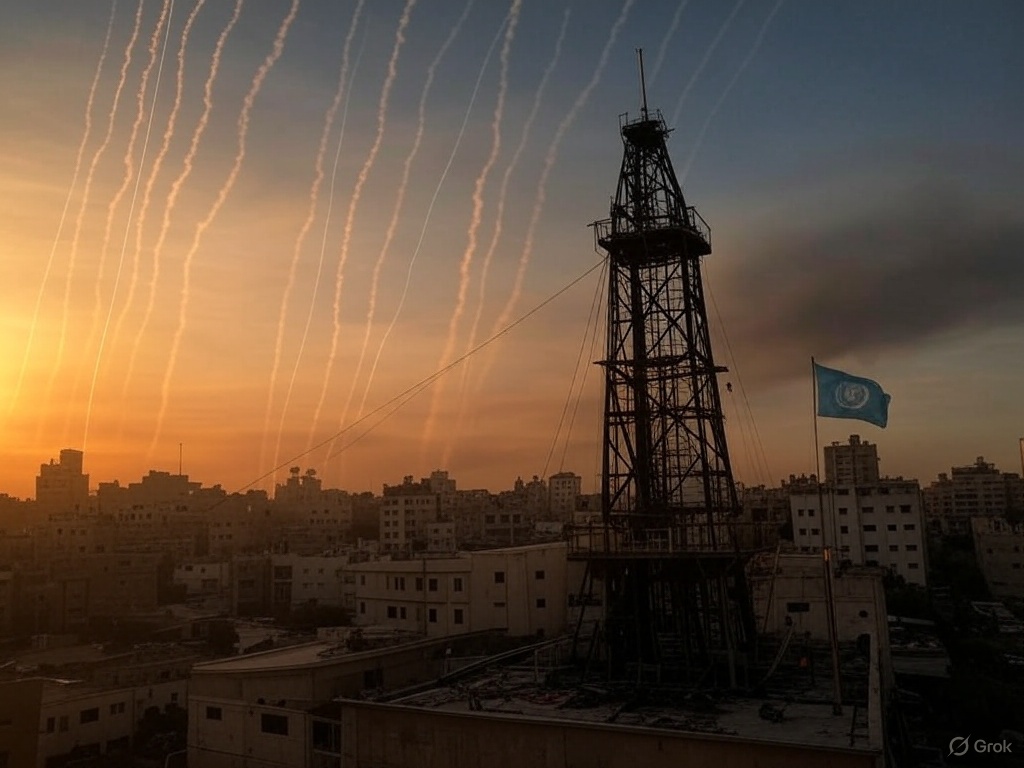
    A tense Middle Eastern skyline at dusk with missile trails in the air, an oil rig in the foreground, and a UN flag waving, symbolizing conflict and diplomacy.

    Tensions between Iran and Israel are growing again. On April 9, 2025, Iran’s Revolutionary Guard gave a warning that they might launch missiles toward Israel. This warning came after repeated disputes over airspace and ongoing military actions from both sides. Many around the world are now concerned — is this just pressure tactics, or is it leading to something serious?

    Situation After the Warning

    This recent statement from Iran isn’t an isolated one. In the last few months, both sides have taken strong steps. In October 2024, Israel carried out airstrikes which damaged parts of Iran’s missile program. Iran is now showing signs of replying with force.

    Some reports, including international ones, suggest that Iran might soon carry out a large missile strike. The U.S. is also reacting — a second aircraft carrier group has moved into the region. There are growing talks about possible strikes on Iranian nuclear facilities if things get worse. Sources close to Iran’s top leadership say there is internal tension. Some fear that if talks fail, the government may face bigger issues inside the country.

    Disputes Over Airspace Continue

    Iran has accused Israel of violating its airspace through drones. On the other side, Israel says Iran’s proxies like the Houthis are also disturbing regional skies. This has made the situation worse.

    Now, Iran is also believed to be sending powerful missiles like Arqab and Jamal 69 to militia groups in Iraq. This means attacks could happen from different places, not just directly from Iran. While governments say these are defensive moves, people are worried it may be an excuse to launch a bigger war. Some also feel politics may be involved, especially with U.S. elections coming.

    Global Concerns Over Oil and Stability

    The reaction from around the world has been mixed. Some countries are calling for peace and warning about the risks of further conflict. Others are preparing for oil shortages and economic effects.

    In India, people are mostly talking about fuel prices. Brent crude oil is already around $90 per barrel. If this conflict increases, prices may go even higher. That means higher fuel costs, more inflation, and pressure on the Indian economy. Many fear that new public projects like the railway expansion and border development fund may slow down or lose funding due to rising oil import bills.

    Some people support the U.S. for backing Israel. Others feel that this might worsen the situation. Iran says it is only acting in self-defense. But experts believe it may also be a warning to stop any attacks on its nuclear program.

    Wider Effects Beyond the Region

    This conflict is not just about two countries. The effects can spread globally. If oil prices go up, many economies may face trouble. Trade routes and supply chains might get disturbed. The world economy is already unstable, and this could make it worse.

    Israel is ready with defense systems like the Iron Dome. But Iran still has strong support from groups like Hezbollah and other militia forces. If those groups join the conflict, it could turn into a larger war. The U.S. recently carried out airstrikes in Yemen to weaken Iran’s network, but nothing is certain.

    For India, this is also a serious issue. Rising oil prices can affect transport, industries, and household budgets. Any further escalation may disturb the progress of infrastructure projects. Even Pakistan may react, depending on how things develop.

    What Happens Next?

    The next few days are crucial. If Iran carries out a missile attack, Israel has already said it will respond strongly. It may even target Iran’s nuclear sites, despite warnings from the international community. There are talks that negotiations may happen soon in Doha, but it’s unclear whether they’ll succeed.

    If the situation calms down, oil prices may stabilise. But if not, crude oil could cross $100 per barrel. That would affect almost every country, including India. Iran’s government is also under pressure. A direct attack on its facilities could cause internal problems, or lead to a bigger war.

    For now, everything depends on what the leaders decide in the coming days. The world is watching. Peace talks are the only option that can stop this from going out of control.

    This blog is just the start. Explore more with: Iran raises alert level amid fear of war with Israel
    Want more on this topic? Check this out: A Tahawwur Rana Is Finally Here But-Is Justice Really Closer?