Tag: Indian

  • 10 Abdul Kalam Quotes That’ll Actually Change How You Think

    10 Abdul Kalam Quotes That’ll Actually Change How You Think

    Dr. APJ Abdul Kalam smiling beside a motivational quote banner titled “10 Abdul Kalam Quotes That’ll Actually Change How You Think”

    Introduction – Why Abdul Kalam’s Words Still Matter Today

    When someone says “Abdul Kalam,” what comes to mind?

    For most Indians, it’s not just about the missiles or him becoming President. It’s about the way he made us feel. That calm smile, the white hair, the way he spoke directly to our hearts – especially students.

    He didn’t speak like a politician. He spoke like a teacher, a mentor. And his quotes? They weren’t just good for textbooks or speeches. They were simple lines, but deep enough to shake your soul.

    I remember hearing his quotes in school, but back then I didn’t really get them. Now, after facing life a bit, they hit differently. So, I thought – why not take 10 of his most famous quotes and explain them with real-life Indian context?

    Not too serious. Just like a friend talking to you over chai.

    Let’s begin.

    1. “If you want to shine like the sun, first you have to burn like it.”

    This one hits like a wake-up call. Everyone wants success – money, name, happiness. But no one wants the struggle part.

    Think of someone like Neeraj Chopra. His gold medal looked shiny on TV. But years of pain, practice, rejections – that was his “burning” phase.

    Even our parents go through it. We see their smiles, but not the sleepless nights they spent worrying about our school fees.

    So next time you’re sweating and struggling, remember – even the sun had to burn to shine.

    2. “Dream is not what you see in sleep. It’s the one that doesn’t let you sleep.”

    It’s easy to dream at night. Everyone does that. But the real dream? That’s the one that keeps poking you even when you try to forget it.

    Maybe you want to start your own café, or become a designer, or even move to a different city. If that thought keeps coming back, it’s not random. It’s your dream trying to wake you up.

    So listen to it. Before it fades.

    3. “It’s very easy to defeat someone. But very hard to win someone’s heart.”

    You can prove someone wrong in an argument. Big deal. But to win someone’s respect? That takes more.

    I’ve seen people who are toppers in class but no one likes talking to them. And then there’s that average student who helps everyone – and he gets the most birthday invites.

    Even Kalam sir never showed off. He could’ve, but he didn’t. That’s why people cried when he passed – not because he was a scientist, but because he was a good man.

    4. “Dream. Think. Act. And success will follow.”

    Some people keep dreaming forever. Some keep overthinking. And some just jump in without a plan.

    Kalam gave the whole roadmap – dream big, think clearly, and take small steps. Even a small act like waking up early or reading 5 pages a day starts something.

    Ola and Swiggy didn’t start with billion-dollar funding. Just one idea, one step, then another. That’s how movement begins.

    5. “Difficulties in life don’t come to destroy you. But to help you realize your hidden potential.”

    We curse problems when they come, right? But sometimes, they show us what we’re truly made of.

    During lockdown, many lost jobs. But I saw a guy in my lane start a dosa cart. Now, he’s doing better than before.

    Kalam faced poverty, rejection, and failure too. But without those tests, would he have become who he was? Probably not.

    6. “Learning gives creativity, creativity leads to thinking, and thinking leads to knowledge.”

    This is more than just school gyaan.

    Think of it like this – when you read, your brain starts opening. When that happens, ideas come. Then slowly, you start understanding things better – not just in studies, but in life.

    It’s not about marks. It’s about mindset.

    That’s why Kalam always encouraged reading – not for exams, but for growth.

    7. “FAIL = First Attempt In Learning. END = Effort Never Dies. NO = Next Opportunity.”

    Only Kalam sir could turn such painful words into hope.

    Failed in something? Don’t beat yourself up. It’s just one attempt. And “No” doesn’t mean never – it just means “not now.”

    I once didn’t get selected in a college I wanted. Felt terrible. But now I realise, it led me to a better path.

    Trust your journey. It knows something you don’t.

    8. “All birds find shelter during rain. But the eagle avoids the rain by flying above the clouds.”

    You can either hide from problems or rise above them.

    In 2020, while many were stuck, some women started cooking businesses from home. Some students began freelancing.

    That’s eagle energy. Don’t wait for storms to pass. Fly above them.

    9. “You have to dream before your dreams come true.”

    Sounds obvious. But so many of us are scared to even dream.

    We think – “I’m from a small town”, or “I don’t know English”, or “I’m too late.”

    But Abdul Kalam sir was a newspaper boy. He had no privilege. Just one thing – belief.

    So allow yourself to dream. That’s step one.

    10. “When you work with a pure heart, the universe supports you.”

    Call it luck, faith, or the universe – when you give your honest best, things fall into place.

    Abdul Kalam used to say, the universe helps those who don’t give up. Not in one day, but slowly, it starts clearing your path.

    Just keep walking.

    Final Thoughts – What You Take From Kalam Is Up To You

    Abdul Kalam sir didn’t ask us to become scientists or presidents. He just wanted us to believe in ourselves. To stay humble. To dream big. And to not give up when things get tough.

    Even now, years after he’s gone, his words still guide us. That’s rare.

    So maybe, pick one of these quotes and stick it near your study table or mirror. Let it remind you that no matter where you’re from, how much money you have, or how big your problems are — you can still fly above the clouds.

    You just have to believe.

    🔗 Related Articles

  • TCS Hike Delayed in 2025 — Just One More Hit for IT Folks?

    TCS Hike Delayed in 2025 — Just One More Hit for IT Folks?

    TCS corporate office with concerned employees, global map showing US-India tensions and falling economy charts in the background.

    So yeah, here we are in April 2025… and no hike from TCS this time. For lakhs of folks who work there, this news isn’t just disappointing it’s confusing, frustrating, and honestly, kind of expected too?

    Every year around this time, there’s that usual buzz “hike letters coming,” “expecting 10% this time,” etc. But this year? Silence. And then the official word came salary hikes paused, thanks to “global uncertainty” and, well, the whole US tariff mess.

    It’s not cancelled, they said. Just delayed. Still, that’s not much comfort, is it?

    Feels Like Déjà Vu

    Last year also had its share of slowdowns and hiring freezes. And here we are again. Different year, same story. This time, TCS is blaming it on things happening halfway across the world. Something about the US changing trade policies, budgets being cut, and clients holding back on spending.

    Sounds valid on paper. But if you’re someone working late nights, closing deliverables, and doing daily standups, this just feels unfair. You do the work, but the reward? Maybe later. Or maybe never.

    Corporate employee staring at delayed salary hike message on office computer with frustration
    “When the screen says it all — hike delayed, mood deflated.”

    “We’re Hiring, But We’re Not Giving Hikes” – Make It Make Sense?

    What’s also weird is that hiring’s still on. Freshers are getting onboarded, some experienced roles are being filled too. So clearly, money is there.

    It’s not like TCS is broke. Far from it. Projects are running. Offices are open. There’s chai in the pantry.

    But when it comes to appraisals? Suddenly it’s all about “efficiency” and “cost optimization”.

    Honestly, sounds like corporate jugglery. Cut costs without calling it layoffs. Look “stable” to investors. Keep people in the loop, but not too happy. That’s what it feels like.

    What Employees Are Saying (Quietly)

    No one’s shouting, but the mood is low. On Slack, WhatsApp, Teams people are venting in DMs. Some were counting on the raise to plan EMIs, others were just hoping to catch up with inflation.

    Now it’s more like, “Let’s wait and see.”

    But the truth? This could easily become a trend. Delay this year, maybe trim it next year, and who knows what happens after that.

    But Is It Really Just About the US?

    Okay, sure, the global economy is shaky. Tariffs, elections, wars, AI killing budgets there’s a lot going on.

    But there’s also the inside story no one talks about openly. Companies want to show better profits. Margins were low last year. Cutting hikes makes the books look good. That’s not a conspiracy. That’s just how business works.

    You stop one hike, you save crores. Simple math.

    And if Infosys and Wipro are doing the same, well… there’s safety in numbers, right?

    What Can You Even Do?

    Honestly? Not much.

    But maybe don’t wait around hoping. Learn something new. Cloud, AI, DevOps whatever keeps you in demand.

    Start saving smart. Like seriously, don’t depend on appraisals to balance your budget. They’re not guaranteed anymore.

    And yeah, don’t blindly jump jobs either. Other companies might not be much better right now.

    Final Thought – Not The End, But Definitely a Signal

    This isn’t some tragic collapse. It’s not TCS shutting shop. But it is a warning.

    The market’s changed. The way companies work has changed. And hikes? They might not come as easily or as regularly as they used to.

    So yeah, hang in there. Upskill. Stay sharp. Keep your eyes open.

    Because if the world’s gonna throw curveballs, we better learn how to hit sixes too.

    This blog is just the start. Explore more with: TCS to delay salary hikes: We will decide within the …, says HR head

  • ₹6,839 Cr indian Border Plan: Security or Development?

    ₹6,839 Cr indian Border Plan: Security or Development?

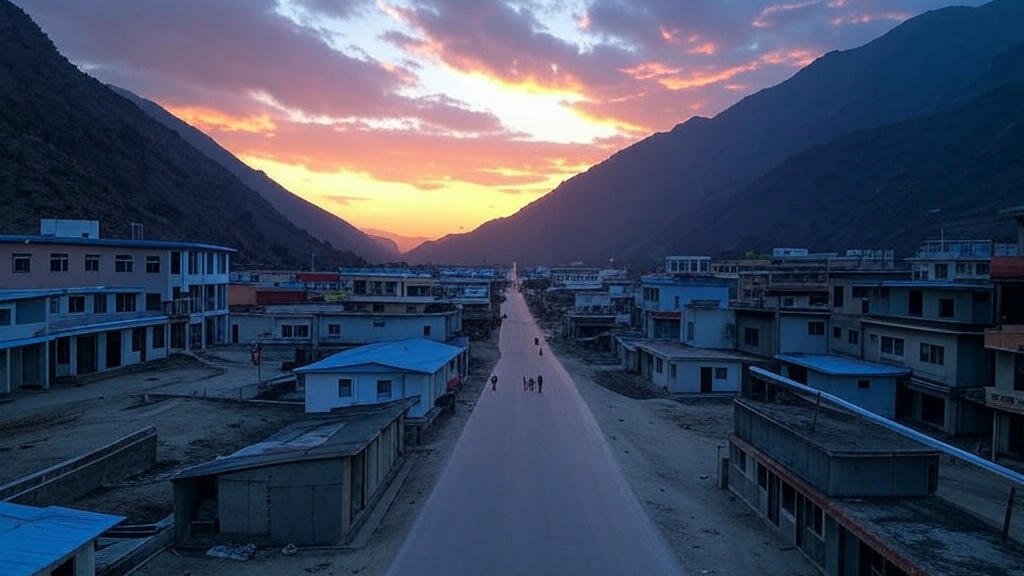
    A vibrant sunset scene over an Indian border village with new roads and SMART classrooms, flanked by rugged mountains and a faint Chinese border post, symbolizing hope and tension.

    Imagine a quiet village tucked between jagged mountain ranges, where the silence carries both tension and hope. Now picture that same place buzzing with new roads, smart classrooms, and tourists. On April 6, 2025, the Indian cabinet announced something massive—₹6,839 crore for the second phase of the Vibrant Villages Programme (VVP-II). Since then, the chatter hasn’t stopped. Some call it a bold move to tighten our borders against China, while others say it’s just another dream that may get buried under red tape.

    Let’s unpack what’s going on.

    The Big Push But What’s the Real Goal?

    Last Sunday, the cabinet, headed by Prime Minister Narendra Modi, gave the nod to pour ₹6,839 crore into villages along India’s international borders. This covers 17 states and union territories—from the valleys of Jammu & Kashmir to the edges of Arunachal and Rajasthan.

    The plan runs till 2028-29, and on paper, it sounds impressive: build all-weather roads, set up SMART classrooms, create tourism circuits, and launch livelihood schemes like cooperatives. It’s an upgrade to the original Vibrant Villages Programme that kicked off in 2023—but this time, with more money, more urgency, and maybe, more politics.

    The government says the goal is to integrate these distant communities into the national fabric—so they don’t just survive on the fringe but become the “eyes and ears” for the forces guarding our borders.

    But here’s the twist—opinions are split. Some are calling it a geopolitical masterstroke. Others are asking the obvious: will this money really reach the ground, or is it just another scheme that’ll get lost in the system?

    Security or Human Touch? That’s the Core Fight

    The heart of this debate is simple: is this about guarding the border, or is it about building lives?

    Security thinkers are all in. After the Galwan clash in 2020, India has been on high alert. Stronger roads help move troops faster. Better internet and mobile networks mean people living there can stay connected—unlike before when they were left in isolation, which China has used to its advantage. Making border villagers active participants in security sounds like a smart, people-powered shield. And given how much China has invested in its “Xiaokang” border villages, this is clearly India’s reply.

    But flip the view, and development-focused voices are asking tougher questions. This isn’t just about bunkers and boots on the ground. It’s about children walking miles for school, villages that still wait for drinking water, and entire communities that migrate for survival. If done right, this ₹6,839 crore could finally change that—giving them stable jobs, tourism income, and the dignity of staying where they belong.

    Yet, memories of past schemes linger. Vibrant Villages Phase I had ₹4,800 crore behind it, but many of those villages are still waiting for the promises to materialise. That’s where the doubt creeps in.

    It’s Not Just About Borders It’s About Belonging

    This debate isn’t just technical it hits right at India’s identity.

    Our borders aren’t just fences or lines on maps. They are living, breathing spaces. Villages in Ladakh, Arunachal, and Sikkim have held their ground despite years of neglect. Many of these places see more yaks than tourists. They’ve lost people to migration and have watched China quietly build railways, schools, and showpiece villages just across the fence.

    This ₹6,839 crore isn’t just an investment—it’s a statement. A way to say: we see you, we need you, and we’re with you.

    Globally too, this changes India’s pitch. While the U.S. gets tangled in tariff wars and China expands its influence brick by brick, India is saying: “We’ll hold our ground, but we’ll also grow our roots.” But it’s a tightrope. Focus too much on infrastructure, and the human side gets lost. Focus only on people, and security might fall behind. Striking the right balance is tricky—but necessary.

    What Can This Really Achieve?

    So here’s the big question: will this plan work?

    If executed well, it could be huge. Imagine 2,000+ villages with proper roads, digital classrooms, cooperative-based businesses, and cultural festivals pulling in tourists. That’s not just pride—it’s real progress.

    The government says it’ll use PM Gati Shakti to coordinate planning and cut red tape. But we’ve seen delays before—remember the Sela Tunnel? Projects on paper often take years longer on the ground.

    And ₹6,839 crore, while big, gets spread out thin once you account for terrain, logistics, and corruption. Execution is everything. The difference between a headline and real change lies in that one word.

    On the Ground, The Talk Is Real

    Online, the arguments are flying.

    Some folks are proud, posting about India finally “catching up” with China. Others are cynical, asking, “Where did the last ₹4,800 crore go?” It’s classic Indian discourse—half hopeful, half weary. And maybe both sides are right.

    My take? This could genuinely shift things—if the money flows past the files and into the villages. Picture a Ladakhi artisan selling woven goods to visiting trekkers, or a girl from Tawang learning science in a smart classroom without needing to migrate to a town 60 km away. That’s the kind of story worth building.

    As of April 10, the Clock Has Started Ticking

    This ₹6,839 crore isn’t just a number—it’s a bet on how we see our own people at the edge. Is it a protective shield against outside threats? Yes. Is it a chance to bring dignity and opportunity to some of India’s most forgotten citizens? Also yes.

    The real test? Between now and 2028-29. That’s when we’ll know whether this was just another press release or a proper turning point.

    Till then, the debate’s onand you should be part of it. What do you think: smart strategy or another empty promise? Pull up a chair, pour some chai, and let’s talk.

    Explore more insights with this related artical. clickhere

    If this topic caught your attention, here’s another one worth checking out: check here

  • 5 Quick Dinners You Can Make in Under 30 Minutes

    5 Quick Dinners You Can Make in Under 30 Minutes

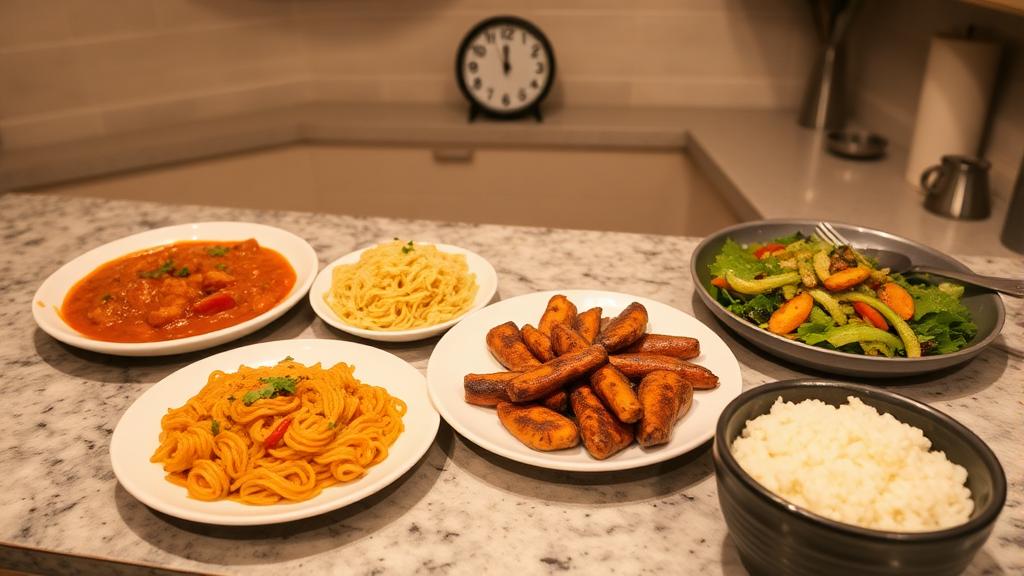
    A cozy kitchen counter with 5 different dinner plates – Indian curry, pasta, stir-fry, grilled chicken with salad, and a rice bowl – all hot and freshly served, with a clock showing 30 minutes.

    Most days, we get so caught up in work, family, and running around that quick dinners under 30 minutes become just another thing to somehow finish. And honestly, who wants to stand in the kitchen for an hour after all that? I sure don’t.

    That’s why I started making these quick dinners under 30 minutes. Nothing fancy, just regular stuff quick meals that taste nice and don’t leave the sink overflowing with vessels. If you’ve got 30 minutes and a half-decent pantry, you’re sorted.

    1. Cottage Cheese Scramble with Flatbread

    Some evenings, you just want something simple and satisfying. This one works every single time warm, spicy, and filling.

    What you’ll need:

    • Around 200g cottage cheese, crumbled
    • chopped fine 1 onion
    • tomato
    • 2 green chillies
    • Bit of ginger-garlic paste
    • Turmeric, chilli powder, garam masala, salt
    • Some coriander leaves
    • flatbreads 2 ready-made or fresh, both work

    What to do:

    Start with oil in a pan. First onions, then chillies and ginger-garlic. Give it a minute or two till the onions turn soft.

    Next, add the tomato. Let it soften. Then go in with your spices. After that, crumble in the cheese and stir it around. Cook for a few minutes.

    Garnish with coriander if you like it. Eat it hot with flatbread. Quick, homely, and just hits the spot.

    2. Masala Oats Porridge

    Now don’t roll your eyes just because it says oats. This isn’t bland breakfast stuff it’s a proper dinner that actually fills you up.

    What you’ll need:

    • cup 1 oats
    • Some mixed vegetables whatever’s lying around (beans, carrots, peas)
    • ½ an onion, 1 tomato
    • A spoon of clarified butter (or oil, your call)
    • Cumin, turmeric, chilli powder, salt
    • A pinch of asafoetida
    • Water, of course

    What to do:

    Heat butter in a pan. Toss in cumin first, then onion and tomato. Sauté till soft.

    Add vegetables and the dry spices. Stir for a bit. Then add oats and double the water. Let it simmer till thick.

    Tastes great with a little curd on the side. Light but filling. And barely takes 20 minutes.

    3. Garlic Butter Pasta with Veggies

    Had a long day? Want something that looks like effort but isn’t? This pasta’s for that kind of mood.

    What you’ll need:

    • Any pasta spaghetti, penne, whatever’s there
    • Few cloves of garlic
    • Bit of butter and olive oil
    • Mixed veggies capsicum, mushroom, zucchini or just anything fresh
    • Salt, pepper, oregano, chilli flakes
    • Cheese, only if you’re in the mood

    What to do:

    Boil the pasta. That’s step one. While that’s happening, heat some butter in a pan with olive oil. Add the garlic and let it sizzle.

    Toss in the vegetables. Cook for 3–4 minutes. Now add the pasta, sprinkle the spices, and mix it all up.

    You can grate some cheese over the top if you want to feel a bit fancy. Done.

    4. Quick Egg Curry with Rice

    You’ve probably had this before. But this version is faster no grinding, no slow cooking. Just comfort in a bowl.

    What you’ll need:

    • 4 boiled eggs
    • 1 onion, 1 tomato
    • Bit of ginger-garlic paste
    • Turmeric, chilli powder, coriander powder, garam masala, salt
    • Water
    • Cooked rice (if you’ve got leftovers, even better)

    What to do:

    First, make small cuts on the eggs and fry them lightly with salt and turmeric. Keep them aside.

    In the same pan, fry the onion, tomato, and ginger-garlic paste. Add spices. Pour some water to make gravy.

    Drop in the eggs, simmer for 5–6 minutes. That’s it.

    Have it with rice hot, simple, and satisfying. Feels like home.

    5. Stir-Fry Noodles with Vegetables

    This one’s for the evenings when you don’t want the usual stuff but also don’t want to spend too much time. It feels a bit like takeout, but you made it yourself.

    What you’ll need:

    • Instant noodles or regular ones
    • Mixed vegetables (carrot, cabbage, capsicum)
    • Garlic and green chilli
    • Soy sauce, vinegar, red chilli sauce
    • Bit of spring onion if you have

    What to do:

    Boil noodles and drain. In a pan, fry garlic and green chili. Add the vegetables and cook till they soften a little.

    Splash in the sauces no need to measure too exactly, go by taste. Add the noodles. Mix everything properly.

    Done in 15 minutes. If you’ve got an egg, fry it and put it on top. Or just eat as is. Either way, it tastes great.

    One Last Thing Before You Go

    Cooking at home doesn’t always need to be perfect. These recipes are not about technique they’re about making real food with what you’ve got in the time you actually have.

    So next time you’re standing in the kitchen thinking, “What now?” Just remember, one of these is probably the answer.

    Try it, tweak it, do it your way.

    🔗 Related Reads You’ll Love: