Tag: India

  • South Asia Struggles Through Unseasonal Floods and Landslides

    South Asia Struggles Through Unseasonal Floods and Landslides

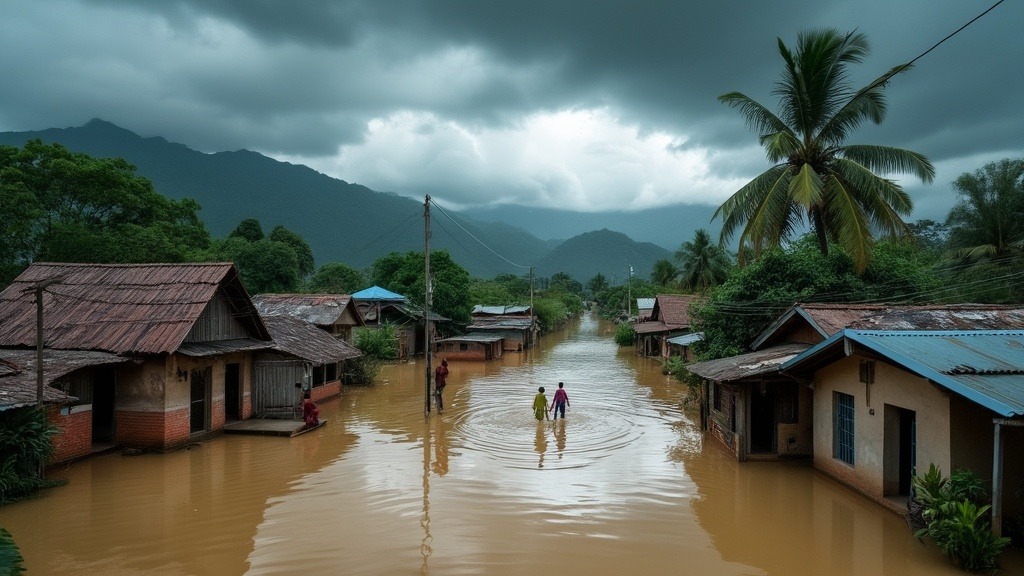
    A dramatic scene of a flooded village in Bihar, India, with muddy waters submerging homes, people wading through knee-deep water, and dark storm clouds overhead, contrasted by a distant landslide in Nepal’s mountains.

    April 2025 has been nothing short of devastating for South Asia. What was supposed to be a calm, pre-monsoon month turned into a nightmare as unexpected heavy rainfall led to massive floods and landslides across India and Nepal. According to a Reuters report on April 11, over 100 people have lost their lives. The worst-hit regions include Bihar and Uttar Pradesh in India, along with parts of Nepal. Honestly, as I went through the news, the gravity of it all hit me—this isn’t just another natural calamity. It’s yet another sign of how dangerously off-balance our climate has become, and how unprepared we still are to face it.

    A Disaster of Terrifying Proportions

    By April 12, the death toll had already crossed 100. Bihar alone reported between 64 and 82 deaths, while Uttar Pradesh recorded 18–20, and Nepal reported 8 deathsmostly due to flash floods, landslides, and lightning strikes. In Bihar, where people are no strangers to seasonal floods, this time entire villages went underwater. Families were displaced, farmlands were destroyed, and daily life was thrown into disarray.

    Uttar Pradesh, meanwhile, witnessed multiple deaths due to lightning a grim reminder of how unpredictable and deadly these weather events are becoming. In Nepal too, lightning took 8 lives, which doesn’t usually grab headlines but is just as dangerous, especially in rural and hilly areas.

    And if that wasn’t enough, Uttarakhand’s Chamoli district had its own share of misfortune. On April 9, a debris flow in Tharali village damaged homes and roads, cutting off access to several areas. It was caused by a sudden downpour after a spell of extreme heat something that simply doesn’t fit into our usual weather patterns. This change in timing and intensity of rainfall is becoming more common, and honestly, it’s deeply unsettling. It feels like we’re entering a new era where the old seasonal calendar no longer applies.

    What’s Really Causing This?

    It’s a mix of climate change and human error both feeding into each other. Scientists have been warning us for years. A study from World Weather Attribution looking at Nepal’s 2024 floods revealed that rainfall was 10% more intense due to human-driven climate change, and such extreme rainfall is now 70% more likely than in a world just 1.3°C cooler. This April’s flooding fits that pattern perfectly unseasonal, extreme, and deadly.

    But blaming it all on the weather would be oversimplifying things. Human actions have made these situations far worse. In Nepal, cities like Kathmandu have seen rampant construction along the Bagmati river floodplain, raising flood risks significantly. In India, places like Uttarakhand are losing their forest cover at alarming rates. For instance, some areas in Wayanad have seen a 62% drop in green cover. So when sudden rain hits, unstable slopes just give way.

    Poor urban drainage in cities like those in Uttar Pradesh turns a few hours of rain into a flood. Meanwhile, in rural India where over 80% of the population lives communities simply don’t have the infrastructure or resources to deal with such disasters.

    The Human and Economic Cost

    What’s truly painful is the human toll this disaster has taken. In Bihar, dozens have died and thousands more are likely displaced, though the full extent is still unclear. Farmers in Uttar Pradesh, working in the open fields, were caught unaware by lightning. In Nepal, mountainous terrain always poses extra danger during such events landslides can hit suddenly and with deadly force.

    On the economic front, the losses are going to be massive. While official numbers for this April’s events aren’t available yet, previous data gives us a rough idea. The 2024 floods in Nepal caused damage worth NPR 17 billion about USD 126 million including large-scale agricultural losses. Similarly, the 2024 floods in Assam wiped out crops across four lakh hectares. Given that Bihar is a crucial agricultural hub, the impact this time will likely be just as severe. Crops have been lost, infrastructure is damaged, and many rural communities are now cut off and waiting for help.

    In Uttarakhand, the debris flow left roads damaged and rescue work delayed. And in Nepal, where many areas still struggle with poor roads and basic rescue equipment, the same old problems have shown up againtoo little, too late.

    Government Response: Gaps Still Exist

    Both India and Nepal have response teams and budgets in place, but this disaster has again revealed some glaring shortcomings. India’s NDRF (National Disaster Response Force) is probably already deployed in Bihar and UP, just like during the 2024 Assam floods when they carried out over a thousand rescue ops. The government has allocated ₹26,841.60 crore for disaster relief in 2024–25, but the speed at which help reaches remote or rural areas is still a major issue.

    Nepal’s army rescued thousands during the 2024 floods, but outdated gear and blocked roads made the job harder than it should have been. The same bottlenecks are visible in 2025 as well. Early warning systems only give a three-day forecast, and many people displaced in previous disasters are still living in high-risk zones. India, too, has its own blind spots. Only 7% of its dams have Emergency Action Plans, which is a disaster waiting to happen if sudden water releases flood nearby villages.

    So while there’s effort, there’s a serious lack of long-term vision. Fixing potholes after the car crashes isn’t enough anymore—we need to be ahead of the curve, especially with disasters like these becoming more frequent.

    Why Isn’t the World Paying Attention?

    One thing that’s hard to ignore is how little global attention this disaster has received. Just a few days ago, on April 9, a nightclub collapse in the Dominican Republic killed 124 people—and it made international headlines. But here, with more than 100 lives lost across India and Nepal, the world has mostly stayed silent.

    This sort of bias isn’t new. South Asian disasters are often overshadowed by those in the West. It affects not just media coverage but also international aid and global awareness. On X (formerly Twitter), people like @SUNOFM894 are calling it a climate crisis, but deeper conversations about accountability, infrastructure, or preparedness are largely missing.

    If the global conversation continues to ignore South Asia’s challenges, how are we ever going to get the support we need? These stories must be told, and they must be heard.

    Looking Ahead: Can South Asia Adapt?

    This April’s floods are more than just a natural calamity—they are a warning siren. Yes, climate change is real and playing a major role. But so are our own decisions—deforestation, poor town planning, and lack of readiness. Together, they turn what could have been manageable rainfall into a full-blown crisis.

    The good news? There are some promising signs. Nepal’s National Adaptation Plan for 2021–2050 lays out a $47 billion roadmap for improving forecasting systems and promoting reforestation. India is working on agro-ecological zoning and building more resilient infrastructure, supported by agencies like the World Bank.

    But here’s the thing—none of it will matter if these efforts don’t reach the most vulnerable. That means the rural farmer in Bihar, the mountain villagers in Nepal, and the informal settlers living in flood-prone zones across South Asia.

    I do believe we can weather this storm—but only if we shift our mindset from reaction to prevention, from paperwork to action, and from top-down policies to ground-level change.

    Final Thoughts

    The April 2025 floods and landslides are a painful chapter in South Asia’s ongoing struggle with climate and disaster. More than 100 lives lost, countless homes wrecked, and dreams washed away—this is not just a one-time tragedy. It’s a call to do better. But if there’s one thing this region has shown time and again, it’s resilience. Amidst all the destruction, people will rebuild. But it’s up to all of us—governments, citizens, and even the global community—to stand with them, not just with sympathy, but with real support and change.

    Curious to dive deeper? Don’t miss this related post: More than 100 people killed after heavy rain hits India, Nepal

    Interested in this? You’ll also want to read: ₹6,839 Cr indian Border Plan: Security or Development?
  • A Tahawwur Rana Is Finally Here But-Is Justice Really Closer?

    A Tahawwur Rana Is Finally Here But-Is Justice Really Closer?

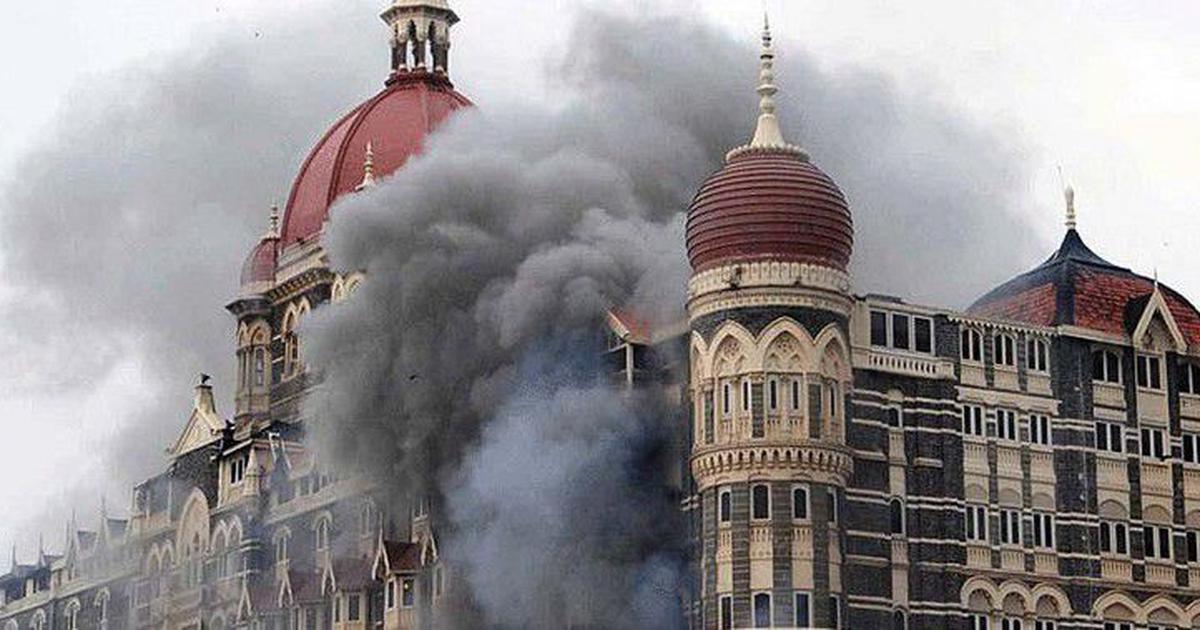
    Taj Hotels attack on 26/11

    As I sat on my balcony this morning, with chai in hand and birds just starting their noisy chatter, the news was impossible to miss Tahawwur Rana has finally landed in India. After nearly 17 years, he’s here. Not as a visitor, but as a man facing questions about one of the darkest days in our country’s recent memory 26/11.

    His extradition from the U.S. on April 10 didn’t just end a long legal tug-of-war. It stirred something deepermemories, anger, hope, maybe even doubt. Everyone’s asking the same thing: does this mean justice is finally knocking, or are we about to be pulled into another never-ending courtroom drama?

    Touchdown in Delhi, and the NIA’s Ticking Clock

    Rana arrived yesterday evening, brought in under heavy guard by the National Investigation Agency. He’s being kept in a tightly monitored 14×14-foot cell at the NIA headquarters, under the watch of a dozen officers. At the centre of it all is DIG Jaya Roy and her team, who’ve been handed 18 days to get answers out of him.

    Right now, the interrogation is digging deep—looking for links to Pakistan’s ISI, checking through emails and old communications, and probing whether Rana knew more than what’s already on record. The agencies are also hinting at potential plots in other Indian cities.

    He’s claimed he’s got Parkinson’s and kidney troubles, and so regular medical checks have been ordered. His lawyer’s allowed to visit every alternate day. Some metro stations near the HQ were even shut down yesterday Delhi hasn’t felt this tense in a while.

    Public Mood: Somewhere Between Pride and Suspicion

    On one side, you’ve got politicians celebrating like it’s Diwali. Home Minister Amit Shah has called it a victory for India’s resolve. Social media is full of posts calling it a long-overdue win for justice, especially from people who still remember those terrifying 60 hours in Mumbai back in 2008.

    But others aren’t quite convinced. The Congress is quick to point out that it was under the UPA government that this extradition process actually began, way back in 2008. Now that it’s finally happened, many are accusing the current government of simply taking credit.

    More importantly, there are legal technicalities. In the U.S., Tahawwur Rana wasn’t convicted for 26/11 itself—he was held for broader terror support. That might complicate things in an Indian courtroom. People are already whispering: will this hold up, or will the case fall flat under pressure?

    More Than India: Why the World’s Watching

    This case isn’t just a domestic matter it’s a showcase of diplomatic strength. For India to pull this off, especially in today’s global climate, shows strong coordination with the U.S. It’s also a message to Pakistan, especially if Rana’s links to the ISI are proven beyond doubt.

    For us Indians, though, this runs deeper. The pain of 26/11 hasn’t faded. The images of the Taj Hotel on fire, the chaos at CST, those innocent lives lost—those aren’t just newsreel footage. They’re scars. Rana being in India now means those wounds may finally start healing. But only if justice truly follows.

    Will It Lead Anywhere? Or Just Another Dead End?

    The NIA’s got a short window 18 days to dig out something solid. A confession, new names, or even proof of wider involvement. If they succeed, it could mean closure for families who’ve been waiting far too long.

    But the hurdles are many. Rana’s health may delay things. His lawyer might file appeals. And with legal loopholes waiting at every step, the whole thing could drag well into next year. We’ve seen that happen before. Trials that go nowhere. Hopes raised, only to be crushed again.

    Still, there’s this strange energy in the air. People are watching. They care. Maybe this time, it won’t all slip away.

    What This Moment Means for Us

    This isn’t just about Tahawwur Rana. It’s about whether our systems still work. Can we deliver justice, even if it’s 17 years late? Or are we going to let the noise die down and move on, like we’ve done before?

    This case could be a real turning point. But only if we don’t let go. Public pressure, media attention, legal scrutiny—every bit matters. We can’t afford to switch off now.

    So, as I finish my tea and get on with the day, I can’t help but wonder—will this finally be it? Or just another name added to a list of unresolved pain?

    Let me know what you think. Is this the start of real justice? Or just another political pitstop?

    If this resonated with you, here’s something similar you might like:26/11 conspirator Tahawwur Rana flown to Delhi, will face trial
    If this topic caught your attention, here’s another one worth checking out: Waqf Bill 2025: What’s Really Going On? Why So Much Noise?

  • India’s ₹18,658 Cr Railway Plan: Boost for Growth?

    India’s ₹18,658 Cr Railway Plan: Boost for Growth?

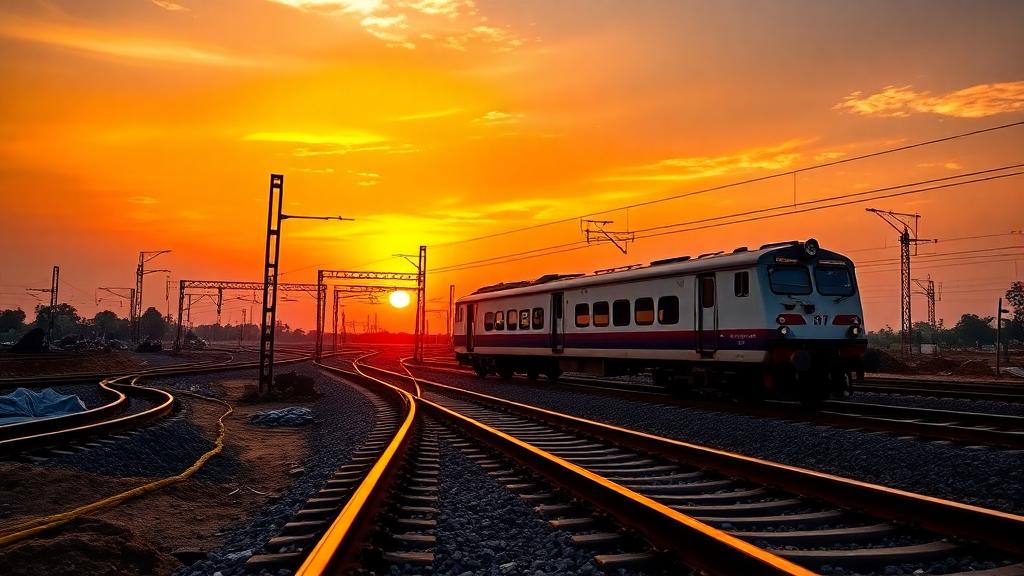
    A vibrant sunrise over a new railway construction site in Chhattisgarh, with workers laying tracks, a modern train in the background, and a hopeful village skyline, symbolizing progress and challenge.

    This blog is about the recent ₹18,658 crore approval by the Indian government for expanding railway projects across three major states – Maharashtra, Odisha, and Chhattisgarh. The goal? More jobs, better freight movement, faster travel, and a push towards a greener, stronger economy. But while the announcement is big, many people are asking – will it actually work? Or is it just another flashy promise that might get delayed or quietly fade out?

    Change on the Tracks: What’s Happening on Ground?

    So here’s the scene. On April 6, 2025, the Indian Cabinet gave the green signal for four massive railway projects. These will cover over 1,247 kilometers and touch 15 districts. We’re talking lines like Sambalpur–Jarapada’s third and fourth tracks, and the Gondia–Balharshah doubling. And just this morning, the Railways Ministry said that work has already kicked off for the 5th and 6th lines between Kharsia and Naya Raipur. That’s in Chhattisgarh’s Baloda Bazar area.

    Now that’s fast. Bulldozers have rolled in, and workers are on site. The vibe on ground? People are hopeful. There’s excitement in small towns nearby. Some say this might finally bring real development. The government says this project will carry almost 89 million tonnes of goods each year — mostly coal, cement, and iron ore. Plus, about 4.7 million people from over 3,000 villages will get better connectivity. And 38 million human-days of jobs? That’s big talk.

    Also, they say this shift to rail will save 95 crore litres of diesel. That’s like planting 19 crore trees. A bold number, but sounds nice on paper, right?

    Not All Smooth: Execution Is the Real Test

    Here’s the thing — planning is one part, doing it is another. People on social media, especially on X (earlier Twitter), are already talking about possible delays. In Odisha’s Sambalpur region, some land disputes are slowing things down. And anyone who’s followed Indian rail projects knows — land problems, paperwork, and contractor delays can stretch timelines easily.

    Yes, this entire thing is part of PM Gati Shakti — that mega plan to boost transport infra. It includes building 19 new stations, including some in underdeveloped districts like Gadchiroli. Good move, no doubt. But still, real work needs time, and lots of coordination. One small snag, and the project can stall for months.

    People Are Split: Progress or Another Empty Promise?

    If you go online, there’s a tug-of-war. Some folks are excited. They say ₹18,658 crore will boost India’s ₹4.2 trillion economy, bring down transport costs, and even help tourism in small towns. One viral clip showed a farmer from Chhattisgarh smiling ear to ear, saying this rail line might bring a new mandi closer to him.

    On the other hand, some folks aren’t so sure. Someone commented, “What happened to VVP-II’s ₹6,839 crore fund? Still stuck somewhere.” Others are pointing at past delays — like how the Sela Tunnel dragged on for years.

    Now, the Railways say they’re using the EPC model to finish faster. Basically, one contractor handles design to delivery. Sounds efficient. But still, people are worried. Red tape, budget crunches, even bad weather can slow things down. We’ve seen it before.

    A Bigger Picture: Not Just Local, the World Is Watching

    This isn’t just about connecting a few towns or shifting cement faster. There’s a global angle too. With the world slowly trying to reduce its dependence on China, India has a chance to step up. And good rail infrastructure is one way to do that. Cheaper freight movement means cheaper exports. That helps us stay competitive.

    Also, there’s an environment angle. The government says this move could save 477 crore kg of CO2 emissions. That fits into India’s net-zero goals. So yes, international folks are watching. If India pulls this off, it could really shine. If not, it’ll just be one more missed opportunity.

    What Could Happen If This Works

    Let’s be positive for a moment. If this rail push works like it’s supposed to, it could mean real change. A young engineer from a remote district like Gadchiroli might finally get a decent job close to home. Farmers could send goods to market faster. Small factories might get better access to raw materials. And travel? Maybe faster, smoother, and safer.

    And globally, it could mean fewer oil imports and better export links. For once, India’s name might be taken as an infrastructure success story, not a country stuck in delays.

    But Let’s Not Jump the Gun Yet

    Honestly, the ₹18,658 crore is a solid number. And the plans do sound promising. But the execution part is still a big question mark. Right now, with a national railway budget of ₹2.62 lakh crore for FY26, even a small slip-up could stretch things thin.

    The past hasn’t been very kind either. Think of Delhi-Mumbai railway upgrades — still not finished. Or the Sela Tunnel, which we already talked about. These things remind us that big dreams need solid ground reality.

    So What’s the Real Take?

    This whole thing the railway expansion has the potential to be a real game-changer. But only if it’s done right. That means quick land work, fewer delays, no shady deals, and regular updates to the public.

    Because let’s be real ₹18,658 crore isn’t just a number on a press release. It’s about people. It’s about connecting dreams and opening doors. It’s about a father in Odisha hoping his kids can travel to college more easily. Or a trader in Maharashtra wanting to cut transport costs.

    That’s what matters.
    Before you go, here’s another good one: ₹6,839 Cr indian Border Plan: Security or Development?

    Want more on this topic? Check this out: Cabinet approves additional railway lines for Chhattisgarh, Maharashtra, Odisha

  • Trump’s Tariff Pause: South Korea Talks, India Watches Closely

    Trump’s Tariff Pause: South Korea Talks, India Watches Closely

    A dynamic chessboard mid-game with a paused golden pawn labeled ‘Tariffs,’ flanked by Indian rupees and South Korean won pieces, against a vibrant trade port backdrop with ships and skylines

    A Global Chessboard Gets a Reset

    Imagine a high-stakes chess game where every move ripples across continents. That’s the global trade scene right now, and Donald Trump just slid a pawn back, giving everyone a breather. On April 9, 2025, Trump hit pause on his tariff blitz—those hefty import levies he’d rolled out a week earlier—offering a 90-day window for talks. South Korea’s trade envoy cheered it like a lifeline, while here in India, we’re rubbing our hands, wondering how to turn this timeout into our checkmate moment. Let’s break it down.

    The Tariff Rollercoaster: What Just Happened?

    Trump kicked off April with a bang, slapping a 10% baseline tariff on all imports, then piling on extras like toppings at a chaat stall—25% for South Korea, 27% for India, and a jaw-dropping 125% for China (up from 104% on April 9). Markets tanked—$6 trillion wiped out globally in a week—and the world screamed. By April 9, Trump blinked, pausing the higher rates (except China’s) and keeping the 10% base. South Korea, whose auto giants like Hyundai were sweating bullets, saw hope. Their trade minister, Cheong Inkyo, practically danced, saying it’s “room to negotiate.” Meanwhile, India’s pharma lords, who dodged the worst, are whispering, “What’s in this for us?”

    South Korea’s Big Chance

    Here’s where it gets juicy. South Korea’s racing to the bargaining table with an emergency task force led by Acting President Han Duck-soo. Their auto exports—$34.74 billion to the U.S. last year—took a hit with the 25% tariff, and this pause is their shot to claw back. Asian stocks soared on April 10—Nikkei up 9%—as the news eased recession fears. On the flip side, China doubled down, slapping 84% tariffs on U.S. goods, turning the trade war into a slugfest. South Korea’s move could set the tone—success or stumble—for others watching, including us.

    India’s Quiet Confidence

    India’s in a sweet spot. Our pharma exports—$9 billion to the U.S. last year—stayed mostly unscathed thanks to drug exemptions. While China’s reeling from its tariff hike, India’s stock rose (pharma shares jumped 5% on April 3). Modi’s been playing nice with the U.S., cutting tariffs on Harleys and bourbon back in February for that trade deal we’ve been simmering since then. The Reserve Bank’s governor threw a wet blanket on April 9, warning tariffs could nick our growth by 20 basis points. But if we play this right, that’s just a speed bump. The U.S. market’s a goldmine—$180 billion in trade last year—and this pause might widen the door.

    Plotting India’s Next Move

    So, what’s our play? First, we keep calm—no knee-jerk tariffs like China’s. Second, we push that trade deal hard. February’s agreement aimed for an autumn finish, and this pause is our tailwind. Pharma’s our ace, but tech and diamonds could sweeten the pot. Third, we watch South Korea like hawks. Their talks could be our blueprint—or a warning. Picture Modi and Trump shaking hands by July over a deal slashing our 27% tariff to, say, 15%. The U.S. gets cheaper drugs and tech; we get jobs and growth. Win-win, right?

    The Clock’s Ticking

    The spice in this curry? Timing. Trump’s pause ends July 8, 2025—89 days to hustle. South Korea’s got a head start, but India’s got grit. Remember how we turned COVID into a pharma export boom? This could be that, but bigger. Of course, there’s a flip side. If talks stall, or Trump doubles down post-pause, we’re back to square one—higher tariffs, tighter wallets. Oil prices are wobbling from recession fears; a trade flop could tank them further, hitting our import bill. But I’d bet on India’s street-smart hustle over gloom any day.

    A Game Worth Watching

    As I write this on April 10, the internet’s alive with chatter. South Korea’s optimism is contagious, but India’s quiet confidence feels like a tiger crouched to leap. This tariff timeout isn’t just a breather—it’s a chessboard reset. South Korea’s making its move; India’s plotting ours. By July, we’ll know who’s king—or at least who’s still in the game. For now, grab some chai and watch this unfold—it’s going to be one heck of a ride.

    Trump Tariffs 2025: Economic Impact on India, China & Beyond check here
    What’s next?

  • Trump Tariffs 2025: Economic Impact on India, China & Beyond

    Trump Tariffs 2025: Economic Impact on India, China & Beyond

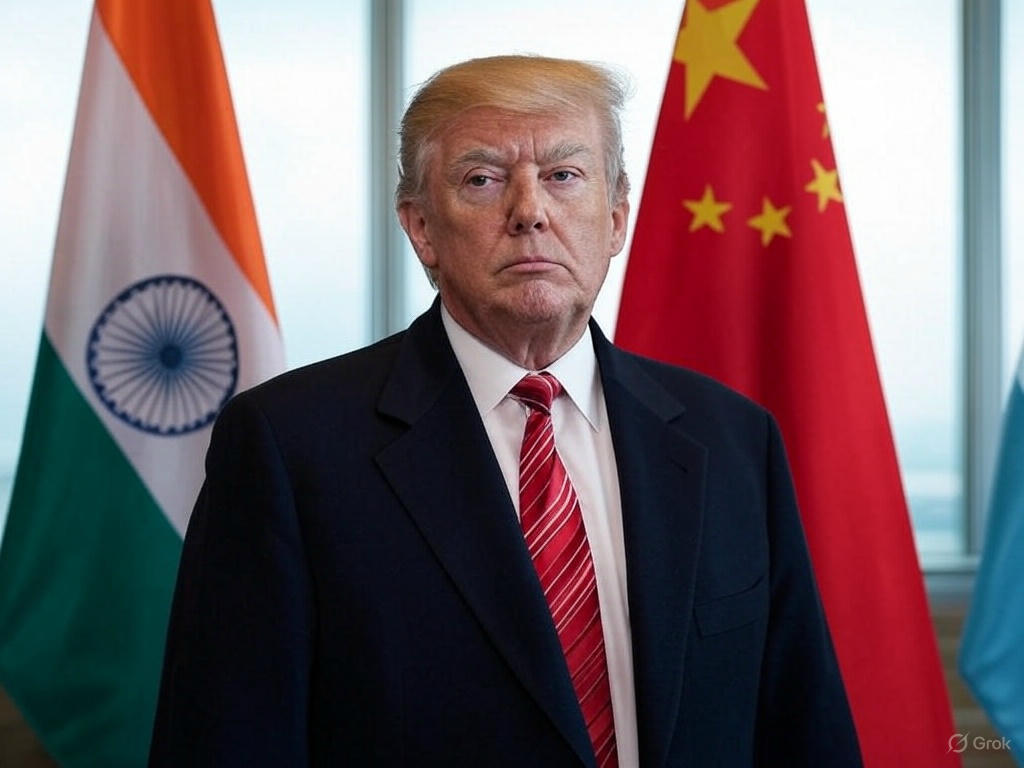
    Donald Trump standing between the flags of India and China, wearing a dark suit and red tie, with a serious expression, symbolizing trade policy discussions.

    A New Era of Trade Policy: What’s This Tariffs Drama in 2025?

    So, here we are again the world’s economy is at some kind of big crossroad, all because of Trump and his new tariffs in 2025. You’ve probably heard about that crazy 104% tax on Chinese stuff. And then he’s got these reciprocal tariffs hitting other countries left, right, and centre. Everyone’s got something to say big economists, politicians, even my neighbour who runs a small shop. Trump’s shouting it’ll bring jobs back to America. But some folks are like, “Wait a minute, this could land us all in a recession!” Honestly, I don’t know who to believe yet. So, let’s sit down and figure this out—what’s going to happen with prices, jobs, markets, all that jazz. It’s going to be a rough ride, so hold on tight.

    What’s the Deal with Tariffs Anyway?

    Look, tariffs are just taxes we slap on things coming from outside—like clothes, phones, whatever. The whole point? Make that foreign stuff cost more, so we start buying what’s made here. Trump’s saying this’ll get American businesses buzzing again, bring jobs home. Fair enough, sounds nice. But hang on—things aren’t that straightforward. Economics isn’t like a cricket match where one side wins and that’s it. It’s more like a big tangle of threads.

    People have been fighting over tariffs since forever. Some swear it’s the best way to save our factories and cut those trade gaps we keep hearing about. But then others pipe up, “No way, this just means everything gets expensive!” And yeah, they’re not wrong. When stuff from China or Europe costs a bomb, it’s not just fancy people feeling it—it’s me and you at the shop too. Plus, if those countries get annoyed and hit backlike China did with 84% on American goods—it’s trouble. Jobs might pop up in some places, sure, but in others like shops or farms—they could vanish. It’s a risky game, and we’re all watching to see who’s right.

    Prices Going UpThanks, Tariffs!

    Let’s talk real stuff now—inflation. You know how it is—when things cost more to bring in, the shop guy doesn’t just smile and take it. He puts the price up for us. People who study this stuff say Trump’s tariffs might make everything pricier soon. Think about it—factories need steel or those little phone chips from abroad. If that gets costly, the cars or gadgets they make? Boom, prices jump—maybe 10-20% more, depending how bad it gets.

    And it’s not stopping there. When daily things—like soap or shoes—cost more, we all start asking for bigger paychecks. That just keeps pushing inflation up! Some clever folks reckon it could go from 2.8% now to 4.4% by the end of the year. For families like mine, already stretching every rupee, that’s no joke—less money for fun, more worry. Trump’s like, “Relax, we’ll make more here soon.” But come on, building new factories isn’t quick—it’s years, not days. So, for now, it’s us regular people stuck with the bill.

    Supply and Demand—It’s a Messy Fight

    Tariffs don’t just mess with prices—they turn supply and demand into a proper wrestling match. On the supply side, it’s a headache. Say there’s a 50% tariff on Chinese electronics. Companies can’t keep buying from there—they’ll hunt for other places. But those new options? Either too expensive or not good enough. So, what happens? Things like chips get rare, and suddenly, your car or fridge isn’t ready when you want it. Prices don’t come down because there’s just not enough stuff.

    Then there’s demand. When prices climb, we all think twice—do I need that new shirt? Maybe not today. Businesses feel it too—they’re scared to spend big when nothing’s clear. But here’s the funny part—if local stuff gets cheaper than imports, maybe we’ll buy that instead. Could work, if they can make enough. Meanwhile, other countries hitting back with tariffs—like on our soybeans or planes—that’s bad news for farmers and factories here. It’s a big push-and-pull, and tariffs are making it wild. No wonder the markets are jumpy and we’re holding our cash tight.

    The Ugly Side of Tariffs

    Okay, tariffs sound like they’ll fix everything, but there’s a catch—plenty of bad stuff too. For one, the whole economy might slow down. Higher costs, less trade? That’s trouble brewing. Some folks who know this game say there’s a 45-60% chance America could hit a recession next year. Jobs in shops or delivery could disappear if people stop buying. And if countries like Canada or the EU keep throwing tariffs back—like China’s 84% on our goods—it’s a full-on trade fight. Everyone loses then.

    There’s even this weird thing called stagflation—prices keep going up, but the economy’s stuck. That’s a real pain for everyone, even the big shots at the banks. The worst part? If we all feel broke and scared, we stop spending. Businesses see that, and they’re like, “Why hire now?” It just keeps getting worse. Spooky, isn’t it?

    Markets Acting Crazy

    You should’ve seen the markets when Trump dropped this tariff bomb! The S&P 500 tanked over 10% in two days—same chaos in Asia, Europe, everywhere. Why? Nobody likes not knowing what’s next. Investors are like, “Will Trump push more or chill out?” Companies like Apple or Walmart, who grab stuff from all over, are sweating buckets. Costs are up, profits might drop. And when stocks crash, it hits people’s savings—especially the rich ones who spend big.

    But it’s not all gloom. Some local businesses—like steel guys—might get a boost if tariffs help them. Still, right now, it’s a rollercoaster. People are hoping the Fed cuts rates to ease the pain, but that’s just sticking a plaster on it, not fixing the mess.

    What’s Coming Next?

    So, where are we headed? The next few months are make-or-break. Prices for imported things will probably shoot up by summer—shops won’t wait to charge us more. Meanwhile, places like Japan and South Korea are talking to the U.S., trying to soften these tariffs. If that works out, trade might not crash too hard. But if we stop spending or businesses get nervous, recession’s knocking. Keep an eye on job news and growth stuff—it’ll show us the real picture.

    Trump’s dropping little hints he might change things, but his “be cool” talk? Sounds like he’s not backing down. If he does ease up, markets might relax a bit. For us regular folks, better start planning now—stick to what you need, maybe buy local if it’s cheaper. Businesses? Find new suppliers quick, before everyone’s scrambling. And if you’ve got stocks, don’t panic—spread it out, hang on. Markets always find a way, somehow.

    Any Hope Left?

    Look, it’s not all bad news. If tariffs go right, they might fire up American factories again. Trump’s also pushing tax cuts and fewer rules—could lift things up a bit. Maybe trade deals get better, and the U.S. comes out stronger. But that’s a big maybe—it’s a long road, and there’s heaps of trouble ahead. Still, a little hope keeps us going, right?

    Wrapping Up: Facing This Tariff Mess

    Look, Trump’s tariffs are a big, loud try at something—bold, sure, but who knows if it’ll work? Prices are probably going up, supply’s getting all tangled, and markets? They’re shaking like anything. For us regular folks and even the shop owners, it’s tough times ahead—everything’s getting costlier, and nobody’s sure what’s next. Still, there’s a way to push through, you know—maybe find new places to buy from, put some cash into our own stuff, or just hope the big guys sort out smarter trade rules.

    This whole tariff thing? It’s not going to settle in a day or two—it’ll drag on for months. Keep your ears open, make a plan, and don’t let all those scary news bits freeze you up. The economy’s like a river—it keeps moving, changing. The real question is, can we keep up with it or not?

  • Waqf Bill 2025: What’s Really Going On? Why So Much Noise?

    Waqf Bill 2025: What’s Really Going On? Why So Much Noise?

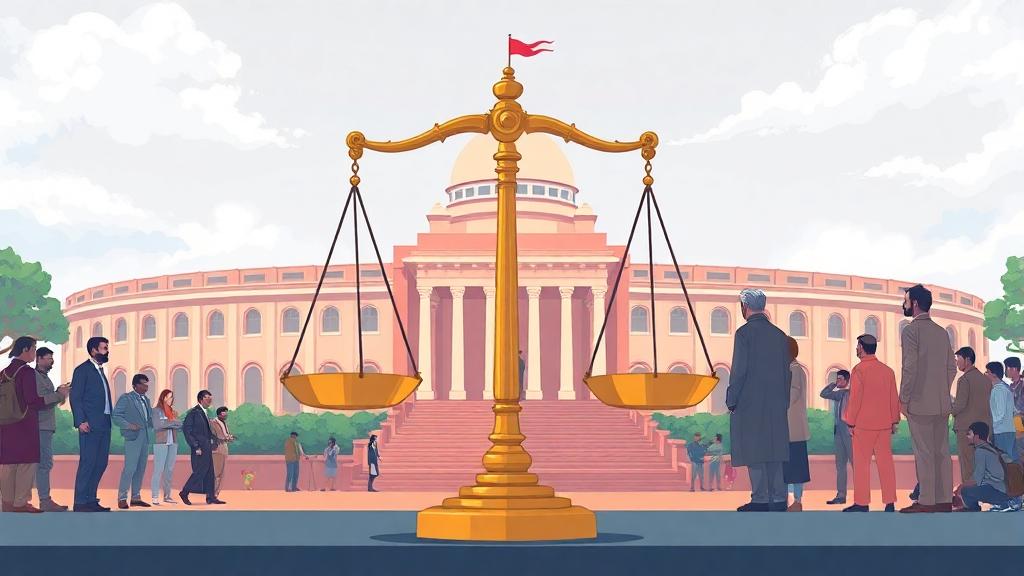
    An illustration showing a scale of justice balanced with people watching on both sides, in front of the Indian Parliament.

    First, what is this Waqf thing?

    Okay, before getting into the latest drama, let’s just understand what Waqf even means. It’s a kind of donation system in Islam — usually land, buildings, or anything valuable — that’s given away forever for religious or charity work. Think of land used for masjid, orphan homes, madrasas, clinics, even burial grounds. And these are not one-two pieces of land. We’re talking over 6 lakh Waqf properties across India. Valued in lakhs of crores.

    Now, Waqf Boards are supposed to manage all this. But over the years, things have gone all over the place. Too many fights over land, illegal takeovers, and in many places, complete mismanagement.

    Waqf Law: Earlier vs Now — What’s Waqf Bill 2025 Really Changing?

    Here’s how the new Waqf Bill is shifting things around, compared to the older Act from 1995:

    1. Dispute Settlement

    • Back then, if any fight happened over Waqf land, it went to Waqf Tribunals — a sort of special court. People had faith that legal steps would be followed.
    • Now, such disputes will go to the District Collector. That means, instead of a judicial process, an administrative officer will decide. This worries many, because the legal filter is now missing.

    2. Recognition of Waqf by Long Use

    • Earlier, even if there were no official papers, land used for Waqf purposes for many years could still be recognised as Waqf. It was based on usage and tradition.
    • Now, that won’t work. If the place isn’t registered properly with full documents, it will not be accepted as Waqf. That puts many old mosques and madrasas at risk of losing legal protection.

    3. Who Conducts Surveys

    • Earlier, surveys were done by officers appointed by the Waqf Board. These people usually had some understanding of local customs and religious use.
    • From now, surveys will be carried out by district officials like Magistrates or Revenue staff. The concern is, they may not always understand the full background of the property.

    4. Digital Records

    • The old system didn’t really push for online databases. Many files were still physical — and often, incomplete or scattered.
    • Now, it is compulsory to digitise all Waqf properties. This includes uploading documents and using geo-tagging. It sounds modern, but if older papers are missing, it could create confusion or loss.

    5. Authority Over Land Decisions

    • Before, Waqf Boards had more control in managing properties. They could look after decisions directly and guide through community members.
    • Now, decision-making power is being shifted more towards local bureaucrats. It means less say for the Waqf Board itself.

    6. Community Representation

    • Earlier, there were voices from the Muslim community directly inside Waqf Boards. They could represent the people and raise real concerns.
    • The new system seems to reduce that kind of involvement. There’s more centralised power, and less direct role for common citizens in Waqf matters.

    Why So Much Protest?

    Let’s be honest — it’s not just about rules. It’s about trust, and right now, there isn’t much.

    1. People feel targeted: Many in the Muslim community feel this law is like questioning their history and heritage. They say, “Our elders donated this land long ago. Now we need papers?”
    2. Old cases might come back: Imagine a masjid land from 1930. No one has full documents today. But now, that land can be reviewed again. People worry — what if it’s taken away?
    3. No more court-style justice: Replacing Tribunals with government officers doesn’t feel right to many. They say: What if an officer is biased? What if there’s pressure from above?
    4. Timing feels off: Some people are also pointing at the election season and asking — “Why now?” They feel it’s more about politics than reform.

    So What’s the Real-World Impact Waqf Bill 2025?

    This isn’t just about papers and files. Waqf properties fund schools, hospitals, orphanages. Small clinics in poor towns. Graveyards for those who can’t afford a plot. Remove that support and entire communities can suffer.

    Take a small madarsa running in a village for 50 years. No formal deed, just usage. Now, it’s at risk. What happens to the kids studying there?

    Is the Bill Completely Bad?

    No, no. It’s not like that. Let’s be fair. Some parts actually make sense:

    • Waqf Boards were messy. No proper data, no audits.
    • Many fake claims were made on land by just saying “This is Waqf.”
    • Tribunals were slow. Cases ran for 10-15 years.
    • Now with digital records, maybe fewer scams.

    So yes, cleaning the system is needed. But the way it’s being done? That’s what’s bothering people.

    What the Government Committee Found

    The Joint Parliamentary Committee had some interesting things to say:

    • Many state Waqf Boards don’t even have working digital systems.
    • Surveys were done so poorly that public land and Waqf land were overlapping.
    • Some states had cases dragging for decades due to slow Tribunals.

    The committee basically said — yes, clean the mess, but please talk to the people too.

    Final Thoughts: What Common People Think Waqf Bill 2025

    If you ask the average Indian citizen, many will say: “Fine, make things digital. Stop the misuse. But don’t take away rights without listening.”

    Among Indian Muslims, there’s real fear. Losing protection for old properties just because a paper is missing? It feels like a loss of identity, not just land. Reform is okay, but forcefully pushing changes without involving people — that never ends well.