Tag: India

  • India’s Steel Tariff: Smart Protection or Risky Trade Gamble?

    India’s Steel Tariff: Smart Protection or Risky Trade Gamble?

    You know how you catch up over chai at the local stall? That’s how I felt when news broke: “Government imposes 12% safeguard duty on steel imports.” My cousin, who runs a tiny fabrication shop in Coimbatore, nearly dropped his cutting torch. “Is this good or bad?” he asked. Well, let’s break it down like we’re both sipping ginger chai on a rainy evening.

    Why Steel Is Our Backbone

    Steel isn’t just metal—it’s ambition forged in fire. From the high‑rise in Mumbai to the metro rails in Delhi, every beam and bolt carries our country’s dreams. And millions of jobs hang on it. We’re No. 2 in the world for crude steel, right behind China. Names like Tata Steel, JSW Steel, and SAIL aren’t just companies—they’re household heroes.

    My neighbour’s brother works at SAIL in Rourkela; he says “we churn out enough to build hundreds of bridges.” But when cheap steel from elsewhere floods in, that pride feels threatened.

    The Flood of Cheap Imports

    Here’s the rub. China—and friends like South Korea and Japan—have been pouring in rock‑bottom steel. In the financial year 2024–25, we imported 9.5 million tonnes of finished steel—our highest in nine years. 78% of that came from those three countries. Imagine selling handmade laddoos at a village mela when someone next door gives them away free. That’s what our mills face.

    My friend in Pune, who builds farm equipment, tells me his margins vanished overnight. He’s not alone—some small steel plants even paused production or eyed layoffs.

    So, What’s This 12% Tariff All About?

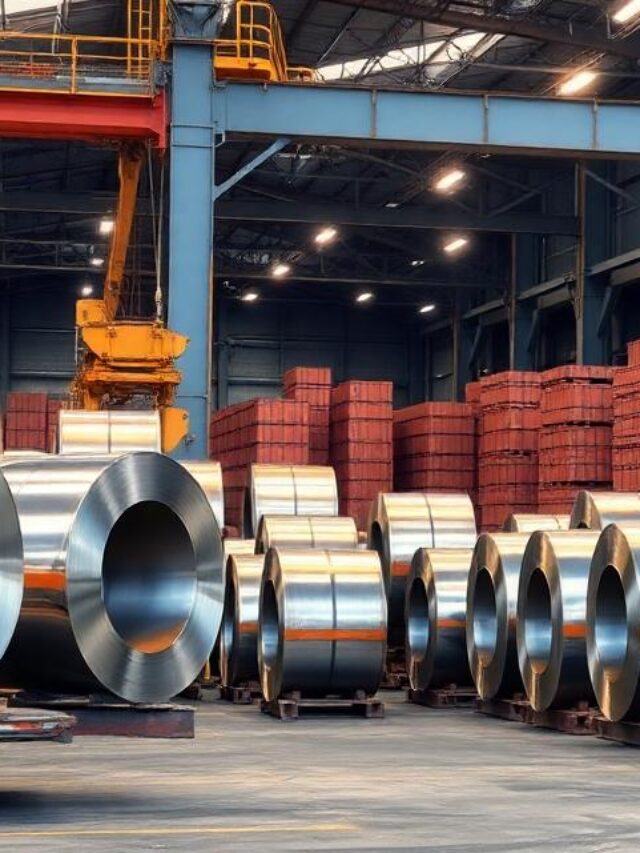
    This isn’t a permanent tax stamp. It’s called a safeguard duty, and it’s meant to be temporary—just 200 days starting April 21, 2025. Think of it as a protective shield: it makes imported Non‑Alloy and Alloy Steel Flat Products (sheets, coils, plates) about 12% pricier at the border. That nudge can convince builders and carmakers to pick “Made in India” instead.

    Who Feels the Heat & How Long?

    AspectDetails
    Duty Rate12% safeguard duty
    Products CoveredNon‑Alloy & Alloy Steel Flat Products
    Duration200 days (from April 21, 2025)
    Main SourcesChina, South Korea, Japan
    Import Volume9.5 million tonnes (2024–25)

    The DGTR (Directorate General of Trade Remedies) dug into the numbers from December 2024, then the Finance Ministry signed off.

    Industry Cheers vs. Buyer Worries

    Steel Mills: They’re clinking glasses (figuratively). JSW, SAIL, even ArcelorMittal Nippon Steel India say this duty is a lifeline. On BSE, SAIL shares jumped nearly 4%, Tata Steel up 2%—that tells you something.

    Downstream Users: Builders in Mumbai, auto‑part makers in Pune, and countless MSMEs are biting their nails. Higher steel prices mean bigger project bills and pricier cars. My cousin in Coimbatore is already recalculating his quotes—he fears clients will balk at the extra rupees.

    Some small‑scale groups are asking for import quotas instead, so price hikes stay limited.

    Beyond Economics: India‑China Relations

    This isn’t just a tax move; it’s a diplomatic chess move too. Ever since the 2020 border clashes, India’s been cautious around Chinese goods and investments. This tariff fits our self‑reliance push—“Make in India”—but it could rile Beijing. They might slap counter‑tariffs on Indian pharma or textile exports.

    Still, External Affairs Minister S. Jaishankar points out we’re not shutting our doors—just choosing which guests to invite.

    Worldwide Ripples

    We’re not alone in this. Remember how the US slapped a 25% tariff on steel under Trump in March 2025? Excess steel meant for America then flooded markets like ours. Meanwhile, the EU, Turkey, South Africa—they’ve all put up barriers to guard their mills. India’s 12% duty is partly a response to this global overflow—nobody wants to be the world’s dumping ground.

    My Two Paise: Balancing Act Ahead

    Honestly, this 12% duty feels like a necessary sting. Our steel sector needs a breather after years of undercutting. But let’s not forget the ripple effects—higher building costs, pricier cars, tighter budgets for small firms.

    Here’s a thought: the government could roll out temporary relief—like tax breaks or modest subsidies—for critical sectors such as housing and automobile. At the same time, this is a wake‑up call for steel makers: invest in greener tech, streamline costs, and aim for exports too.

    In the long run, we should diversify where we buy steel from and ramp up local capacity. Only then can India transform from a tariff‑reliant market into a true powerhouse.

    If you’re into this topic, you’ll definitely want to check this out too: India imposes temporary tariff on some steel to stem cheap imports from China

    If this resonated with you, here’s something similar you might like: Waqf Act Controversy: What’s Happening in Murshidabad?
  • India’s Record Trade Deficit with China: Causes and Solutions

    India’s Record Trade Deficit with China: Causes and Solutions

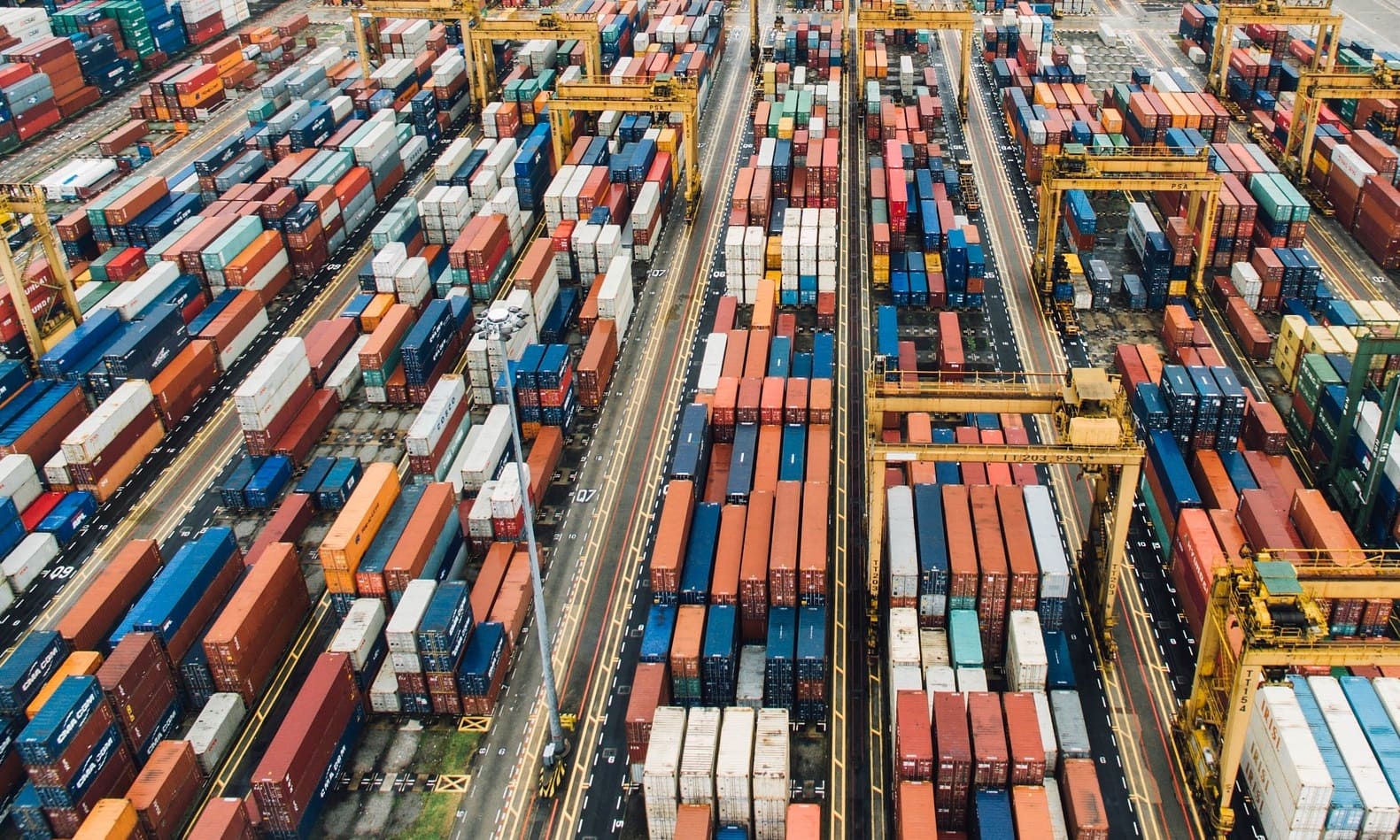
    India importing chinese goods

    You’ve probably heard that India’s trade gap with China just hit a record $99.2 billion in the fiscal year 2024–25, right? In simple terms, we’re snapping up smartphones, solar panels, and big industrial machines like there’s no tomorrow, while sending them mostly iron ore and cotton in return. Honestly, it’s like spending all your pocket money on sweets and then trying to pay rent with loose change from your piggy bank. Clearly, economists and policymakers are sweating bullets. So, let’s unpack why this is happening, why it really matters for you and me, and—most importantly—what steps we can take next.

    Current Situation: Numbers That Won’t Stay Quiet

    Well, here’s the deal: between April 2024 and February 2025, India imported $103.78 billion worth of goods from China, while our exports to them languished at just $12.74 billion. That means an eleven‑month deficit of over $91 billion—and by the end of March 2025, it’s set to cross $100 billion. What’s driving this? Mainly electronics, electric batteries, consumer durables—you name it. Meanwhile, exports to China actually fell by around 14.5% in March 2025 compared to March 2024. Trust me, that drop stings.

    Survey Note: Detailed Analysis of India’s Trade Deficit with China

    On April 16, 2025, Reuters flagged that our deficit reached $99.2 billion. This surge, fueled by electronics and energy‑related imports, shines a spotlight on how dependent we’ve become—and why that has everyone from Delhi to Chennai talking. With global tensions—especially U.S.–China trade friction—this isn’t just about numbers; it’s about strategy too.

    Current Trade Dynamics: The Widening Gap

    India actually runs a surplus with 151 countries—covering over 55% of our exports (Global Trade Research Initiative via The Hindu, Sept 2024). However, with China, we’re in a different league altogether:

    PeriodImports from China ($ bn)Trade Deficit ($ bn)
    Apr 2024–Feb 2025103.78>91
    2023–24101.7385.08
    2022–2383.20
    2021–2273.31
    2020–2144.00
    2019–2048.65

    Root Causes: Peeling Back the Layers

    1. Trade Composition Imbalance
      Essentially, we import high‑value finished goods—think telecom gear, solar cells, chemicals, heavy machinery—while our exports are low‑value raw materials like iron ore, cotton, and gems. As the Embassy of India in Beijing notes, we’re missing out on adding more value before selling abroad.
    2. Market Access Barriers
      Oddly enough, even though India excels in pharmaceuticals, IT services, and agriculture, Chinese markets are tough to crack. Their rules favour local firms, whereas our markets stay wide open for Chinese goods. This asymmetry only deepens the gap.
    3. Smart Chinese Branding
      Brands such as Xiaomi and Oppo, along with solar‑panel and battery makers, have fine‑tuned products to match Indian tastes and wallets. As a result, local manufacturers struggle to compete on price and scale.

    Economic & Strategic Implications: Real‑World Risks

    • Foreign Exchange Drain
      When we run such a large deficit, we’re constantly pumping foreign currency out. That can deplete our reserves, weaken the rupee, and push up borrowing costs.
    • Hit to Domestic Industry
      From Noida’s electronics hubs to textile units in Tirupur, small and medium enterprises are closing shops because they just can’t match cheap imports.
    • National Security Concerns
      Given the current geopolitical standoff with China, relying on them for critical goods is risky. Any sudden cutoff—political or logistical—could leave us in a real bind.

    Global Context: Knock‑On Effects of U.S.‑China Tensions

    In April 2025, the U.S. paused tariff hikes for 75 countries (including India) for 90 days, while hiking levies on Chinese imports. Consequently, China may redirect goods toward markets like ours, further inflating our deficit. However, this also presents a chance: manufacturers seeking to move out of China might consider India—if we can offer the right incentives.

    Potential Solutions: Turning the Tide

    1. Boost Local Manufacturing
      Schemes like Make in India and the PLI programme are steps in the right direction, especially for electronics, solar kits, and pharma. We need to scale these up, fast.
    2. Diversify Import Sources
      Rather than lean solely on China, we could import more from Vietnam, Taiwan, or South Korea. That would spread risk and balance supply chains.
    3. Negotiate Fairer Access
      Our diplomats should press Beijing hard for better terms, especially in pharma, IT, and agri‑products—sectors where we excel.
    4. Smart Tariffs
      Targeted duties on non‑essential Chinese goods can give local players breathing room, but we must watch out for consumer price hikes and retaliation.
    5. Invest in R&D & Value Addition
      Instead of exporting raw cotton or ore, let’s focus on finished textiles and steel products. Adding value is key to narrowing this gap.
    6. Keep Dialogue Open
      Even when things get tense, communication with China can pave the way for more balanced, long‑term trade relations.

    Conclusion & Personal Takeaway

    Honestly, this record deficit is a wake‑up call. Yes, it shows our appetite for modern tech and infrastructure. But unless we build those capabilities at home, we’ll stay vulnerable. Personally, I see this as our moment to double down on self‑reliance—invest in our industries, push innovation, and negotiate hard for fair trade. If we act now, we can turn this challenge into the next big chapter in India’s growth story.

    If you’re into this topic, you’ll definitely want to check this out too: Trump’s Tariff Pause: South Korea Talks, India Watches Closely

    Follow us in X to follow similar topic: Sochbuzz

  • What’s Going On Between the Supreme Court and the Waqf Act?

    What’s Going On Between the Supreme Court and the Waqf Act?

    Waqf Board

    If you’ve been catching bits of news lately or just overheard people chatting near a pan shop, chances are you’ve heard folks talking about this new Waqf Amendment Act of 2025. It’s not some random law—this one’s got communities across the country worried, debating, and honestly, pretty fired up.

    Now, I’m not a legal expert or anything, but growing up in a city like Kanpur, I’ve seen how Waqf lands are part of everyday life. That old mosque near the market, the graveyard we pass on the way to school, even the madarsa with the dusty courtyard—these aren’t just buildings. They’re part of people’s lives. So when Parliament passed a new law in April changing how these properties are managed, it shook things up.

    The Supreme Court stepped in and held back-to-back hearings on April 16 and 17. And suddenly, this whole thing feels much bigger than just rules and amendments.

    So, Why Did the Supreme Court Step In?

    Well, the new Waqf Act brought some bold changes. It says that even non-Muslims can now be part of the Waqf Boards. Also, the old “Waqf by user” idea—where a place is treated as Waqf just because it’s been used that way for decades—is now out. On top of that, District Collectors have been given the power to decide disputes about whether a piece of land is Waqf or not.

    If it sounds technical, trust me, the real impact is much deeper. We’re talking about over 8.7 lakh Waqf properties, together worth more than ₹1.2 lakh crore. That’s not small change. The Act sparked protests, trending hashtags like #RejectWaqfBill, and over 100 people went straight to the Supreme Court asking for help. Big names like Asaduddin Owaisi and Mohammad Jawed called it unfair to the Muslim community, while the government insists it’s all about stopping corruption and mismanagement.

    So, the Supreme Court—led by Chief Justice Sanjiv Khanna—stepped in like a neutral umpire in a very heated match.

    What Actually Happened in the Hearings?

    The Court didn’t cancel the Act, at least not yet. But they did look at it closely and asked some very pointed questions.

    Here’s what went down:

    • The judges considered freezing a few parts of the Act for now, like the bit about non-Muslims joining the Waqf Boards. But the government said, “Wait, let’s talk it through first.” So, the Court gave them a week to reply. Petitioners get five days after that to respond.
    • The next hearing is scheduled for May 5, and till then, the government has promised not to take any bold steps—like changing the Waqf Board structure or shifting property rights.
    • The Chief Justice also expressed concern about the violence that broke out in places like Murshidabad. He called it “disturbing,” and told everyone to calm down while the Court works through things.

    So for now, it’s like pressing the pause button. Not stop, just wait and watch.

    The Big Questions Nobody’s Ignoring Anymore

    Let me break down the main questions the judges asked—not in legal terms, but like we’re talking over an evening walk:

    1. What Happens to Old Waqf Places Without Documents?

    There are places—like small mosques in old parts of town—that have been Waqf for ages. But they don’t have paperwork. Back in the 1700s or 1800s, who even had sale deeds? The Court asked, “If we remove the ‘Waqf by user’ idea, will these places suddenly stop being Waqf?” That could mean a lot of community spaces might lose their status overnight.

    2. Non-Muslims on Waqf Boards – Fair or Not?

    The Court also raised eyebrows at the idea of non-Muslims being added to Waqf Boards. The Chief Justice asked a simple but sharp question—would anyone be okay with Muslims being added to boards managing Hindu temples? That hit a nerve. In many places, that idea alone could cause unrest. The government said non-Muslims would handle admin roles only, not religious matters—but the judges weren’t totally convinced.

    3. Can District Collectors Be Trusted Here?

    The Act says that District Collectors will decide if a land is Waqf or not. But the judges wondered—what if the Collector is under pressure from the government? What if there’s bias? Once a Collector gives a verdict, the land stops being Waqf. Is that fair? Can people even challenge it in court? All these questions came up.

    4. What About Ancient Waqfs Without Deeds?

    Again, the Court circled back to the paperwork issue. Many old dargahs and mosques were built long before British laws came in. There was no official deed system. The judges asked—are we now saying those places don’t count just because they don’t have a file with a stamp?

    5. And the Violence?

    Lastly, the Court didn’t stay quiet about the protests turning violent. In Murshidabad, things got out of hand. The Chief Justice firmly said such violence is unacceptable, especially while the matter is being heard. Everyone needs to cool down.

    Why All This Matters

    This isn’t just courtroom drama. It affects real people. I remember playing cricket outside a mosque near my school—today, that mosque could be at risk of losing its Waqf status because of paperwork. These places aren’t just walls and domes. They carry memories, traditions, and trust.

    The Court’s questions show they’re trying to balance both sides. They’re asking—are we being fair to the past, while also making rules for the future?

    My Take on It

    Personally, I think it’s a good thing that the Supreme Court stepped in. In places like Kanpur, I’ve seen Waqf properties slowly get taken over by shops or builders. Some rules need fixing, sure. Transparency is important. But we can’t just brush off centuries of history.

    Maybe the answer lies somewhere in between. Keep the positive steps, like better records and maybe even allowing women to join boards. But don’t scrap traditions that held things together for years. Also, if we say one religious body must include outsiders, then every religious trust should follow the same rule. No picking and choosing.

    Let’s see what happens on May 5. But at least now, the matter is being questioned—and that’s always better than silent acceptance.

    Releated to this articale:
    Enjoyed this read? Continue the journey with: Waqf Bill 2025: What’s Really Going On? Why So Much Noise?
    If this resonated with you, here’s something similar you might like: Disturbed With Violence During Protests Against Waqf Amendment Act : Supreme Court

  • Organic Kesar in India Real Gold from the Soil, Not the Mines

    Organic Kesar in India Real Gold from the Soil, Not the Mines

    A farmer gently harvesting saffron flowers in the fields of Kashmir during sunrise, with misty mountains in the background and saffron threads being dried in the sun.

    Organic Kesar in India – The Real Gold from the Mitti

    In India, we always say something precious is like gold. But tell me one thing… is gold always found inside mines? Not really. Sometimes, it grows quietly in our own mitti (soil), and we don’t even realise how priceless it is. One of those treasures is organic kesar. Pure, handmade, grown with patience… this is the kind of gold our land gives us.

    Why People Say Kesar is Not Just a Spice

    Ask any old family, especially in North India or Kashmir… they’ll tell you. Kesar is not just for cooking. It’s an emotion. It’s used during festivals, weddings, even in medicines and home remedies. In many homes, it’s still kept in a small glass box like some precious item.

    The best of the best kesar comes from Pampore, Kashmir. The smell, the strength, the colour—it’s just next level. And it’s not cheap. Real Kashmiri saffron, organic one, costs more than gold sometimes. Not joking.

    To get even 500 grams of kesar, they need to handpick around 75,000 flowers. Just think, how much work that is. Every single flower, picked by hand.

    But the Reality Is Not So Pretty

    Behind this beautiful kesar, there’s a lot of pain too. The farmers growing it? Most of them are struggling now. Climate is not stable anymore. Rains are not coming on time. Plus, there’s no proper water supply. Because of this, many farmers are slowly leaving saffron farming. They are moving to other crops or just giving up.

    Also, outside kesar—especially from Iran—is entering our market. It’s cheaper, lower quality, and sold in the name of “Kashmiri organic kesar”. This is not just bad for business, but also killing the trust.

    What’s worse? The old generation who knew how to grow good kesar—they’re getting old now. The new generation isn’t much interested. Slowly, that age-old wisdom is going away.

    What’s So Special in Organic Kesar Anyway?

    Let’s be clear. Organic kesar is not like those packet ones we get in shops with shiny labels.

    • No chemicals are used
    • Colour is deeper, smell is richer
    • It’s picked with care, not machines
    • And when it’s from Kashmir, it smells like the mountain air itself

    You open the box, and it just feels different. No lab-made thing can match that.

    Beware – Fakes Are Everywhere

    Most people can’t even tell real kesar from fake now. And that’s a big problem. Some kesar is coloured with artificial dye. Some sellers mix Iranian threads and say “Kashmiri kesar”.

    One simple test—real kesar doesn’t turn water red immediately. It takes its own sweet time. First golden, then light orange. That’s the sign of real saffron.

    How You Can Tell If It’s Real Organic Kesar

    • The strands will be dark red, slightly thick, and a bit curly at the tip
    • If it makes water dark red in seconds—it’s fake or coloured
    • Look for GI tag – that proves it’s really from Kashmir
    • Buy from local sellers or known organic brands. Not just fancy-looking websites

    This Is Our Chance – World Is Looking for Real Stuff

    Today, people everywhere—especially outside India—are choosing organic and handmade things. They want real, clean food. They want natural wellness. And in all this, our Indian saffron can shine like a star.

    But this will only happen if we help our farmers. Teach them better ways. Let them grow organic. And tell people the truth about kesar.

    What You Can Do (As a Normal Buyer Like Us)

    • Support GI-certified kesar sellers
    • Don’t fall for offers or too-good-to-be-true prices
    • Talk about organic farming, even on social media
    • Give kesar as a gift—it’s thoughtful, not show-off
    • Try using it in home remedies too, not just desserts

    Some Health Benefits of Real Kesar

    • Helps reduce stress and lifts mood naturally
    • Makes your skin better over time
    • Good for digestion and appetite
    • Keeps heart health and sugar levels balanced

    At the End, It’s More Than Just a Spice

    If you ask me, kesar is not luxury. It’s a blessing. Something pure from our land. Next time you open that little kesar box, just stop for a second. Think about the farmer in Kashmir, waking up before sunrise, plucking those flowers with freezing hands. No complaints. Just quietly doing his work.

    This gold doesn’t shine like jewellery. But it glows—from inside.

    And maybe… this is the kind of gold we need more of today. Honest, rooted, full of heart.

    This blog is just the start. Explore more with Organic Kesar: The Purest Form of Nature’s Gold

    Want more on this topic? Check this out: Organic Farming: Growing the Desi Way, Naturally

  • Waqf Act Controversy: What’s Happening in Murshidabad?

    Waqf Act Controversy: What’s Happening in Murshidabad?

    A tense street scene in Murshidabad, West Bengal, with a crowd of protesters holding banners against the Waqf Act, police in riot gear, and a smoky backdrop of burning vehicles, capturing the unrest’s intensity on April 12, 2025.

    Something’s been brewing quietly in Bengal for some time, and now it’s all out in the open. Last week, small towns like Dhuliyan, Samserganj, and Suti in Murshidabad saw their streets erupt in violence. And the reason? A new law the Waqf (Amendment) Act, 2025. It was meant to fix how Waqf properties are handled land and assets that are supposed to serve Muslim charitable needs. But instead of bringing clarity, it stirred up confusion, anger, and full-blown chaos.

    Now people are asking the obvious: how did a law meant for reform turn into such a mess? Why Bengal? And what does it reveal about the deep cracks political and communal running through the state?

    When a Reform Becomes a Spark

    The Waqf (Amendment) Act officially came into effect on April 8, 2025. According to the Centre, its goal was clear—more transparency, digitized records, fewer irregularities, and stronger state boards to manage Waqf properties. But in reality, things didn’t go as smoothly, especially in regions where a large number of people depend on these properties for livelihood or religious purposes.

    Take Murshidabad, for instance—over 66% of the population here is Muslim. So when the amendments were announced, people didn’t just see a law—they saw a potential threat. Rumours spread like wildfire—some claimed the government would take over mosque land, others said entire livelihoods were at stake. And with social media acting like petrol on fire, fear turned into fury. By April 4, small protests began after Friday prayers. Within a few days, those protests grew, fueled by hashtags like #RejectWaqfBill and amplified by local leaders and influencers.

    Was the government unprepared for such a backlash? Possibly. But given the political climate, especially in a state run by Mamata Banerjee who’s known to lock horns with the Centre, it’s surprising they didn’t anticipate this kind of eruption.

    Murshidabad Boils Over

    If you’ve ever walked through the tight lanes of Dhuliyan, you’d remember the lively sounds of local markets. But from April 8 to 12, all that was replaced by violence and destruction. Protesters didn’t just take to the streets—they blocked highways, squatted on railway tracks, and clashed with the police. Petrol bombs were hurled. Vehicles were set on fire. Even a police station in Suti was attacked.

    And then came the human cost. On April 12, in Jafrabad, two men—Haragobindo Das and his son Chandan—were brutally killed by an angry mob. In Suti, a teenager, 17-year-old Ezaz Ahmed Sheikh, was caught in the crossfire and shot dead. Till now, it’s unclear who fired the bullet—police or paramilitary. But that hardly matters to his grieving family. Over 150 people have been arrested so far, and raids are still going on in districts like Malda and Hooghly. Among the injured are at least 18 police officers.

    It’s heartbreaking to imagine what families like Ezaz’s are going through. A young boy, possibly out protesting for what he believed in, is now gone. And the larger question remains—how did a legal amendment meant for better governance turn into a blood-stained battle?

    Mamata’s Balancing Act

    In moments like this, political leadership is tested. And Chief Minister Mamata Banerjee didn’t waste any time making her stand clear. On April 12, she declared, “The Waqf Act will not be implemented in Bengal.” That one line set off a storm.

    To her supporters, she stood up for the people, especially minorities. To her critics, she was playing vote-bank politics with elections around the corner. BJP leaders slammed her—Suvendu Adhikari went as far as calling West Bengal “West Bangladesh,” while others demanded President’s Rule.

    But here’s the irony. The Act wasn’t hers to begin with—it came from the Centre. Yet, she was stuck between a rock and a hard place. If she enforced the law, she’d alienate large sections of the Muslim community. If she resisted, she’d be blamed for letting law and order fall apart.

    As things worsened, the Calcutta High Court had to step in on April 12. It ordered deployment of paramilitary forces—about 300 BSF troops and additional companies—to bring things under control. The internet was suspended in Jangipur, but online tensions continued. As of April 13, things had calmed somewhat, with police saying they’d restored order. Still, prohibitory orders remain in place and public trust has taken a big hit.

    Could Mamata have acted earlier to prevent all this? Maybe. But hindsight is always clearer than foresight.

    Layers Beneath the Surface

    To truly understand what’s happening, we need to look deeper. West Bengal isn’t new to communal tension. Murshidabad, with its rich Muslim heritage, is also a district struggling with poverty and underdevelopment. Land disputes here are sensitive, especially involving religious institutions. So any sudden change in the status quo—like the 2025 Waqf amendments—naturally feels like an attack on identity.

    And let’s not forget what else is brewing in Bengal. The massive education scam, where nearly 25,000 school jobs were scrapped by a Supreme Court ruling, has already left the youth frustrated and unemployed. That kind of anger needs only a small trigger to boil over.

    The national debate on Waqf isn’t new either. Back in 2006, the Sachar Committee had already pointed out major irregularities. But meaningful reforms were always delayed. The 2025 Act finally tried to fix that, backed by 211 MPs. But with 148 MPs opposing it, including voices from Bengal’s religious circles, it’s clear not everyone is convinced.

    Online, the battle is just as sharp. While some praise Mamata for protecting minority rights, others have been quick to throw around terms like “gazwa-e-hind,” which only deepen divides. The Supreme Court is set to hear the matter on April 16, and that decision might decide where this story heads next.

    What Lies Ahead for Bengal?

    Right now, Murshidabad is quiet but broken. Police and paramilitary forces are everywhere. Families are mourning their loved ones—Haragobindo, Chandan, and young Ezaz. Legal proceedings have begun for those arrested, but justice will take time. More importantly, healing will take even longer.

    I keep thinking about the youth involved in all this. What pushed them? Was it fear, disillusionment, or blind rage? Maybe all three. And as for Mamata Banerjee, she’s got a tightrope to walk—defending her people without fuelling more fires. She’s shaped Bengal for a decade, but this might be one of her biggest challenges yet.

    At the end of the day, this is not just a Bengal issue. It’s a reflection of how reforms are introduced in our country. Governance isn’t just about rules—it’s about empathy and timing. When laws are passed without listening to ground realities, we risk more such tragedies.

    We can’t afford another Ezaz. We can’t let more homes burn. If there’s a lesson here, it’s that we need to ask the right questions—start with the “why,” not just “who.”

  • CNG Kit vs EV Conversion Kit: Which Makes More Sense 2025?

    CNG Kit vs EV Conversion Kit: Which Makes More Sense 2025?

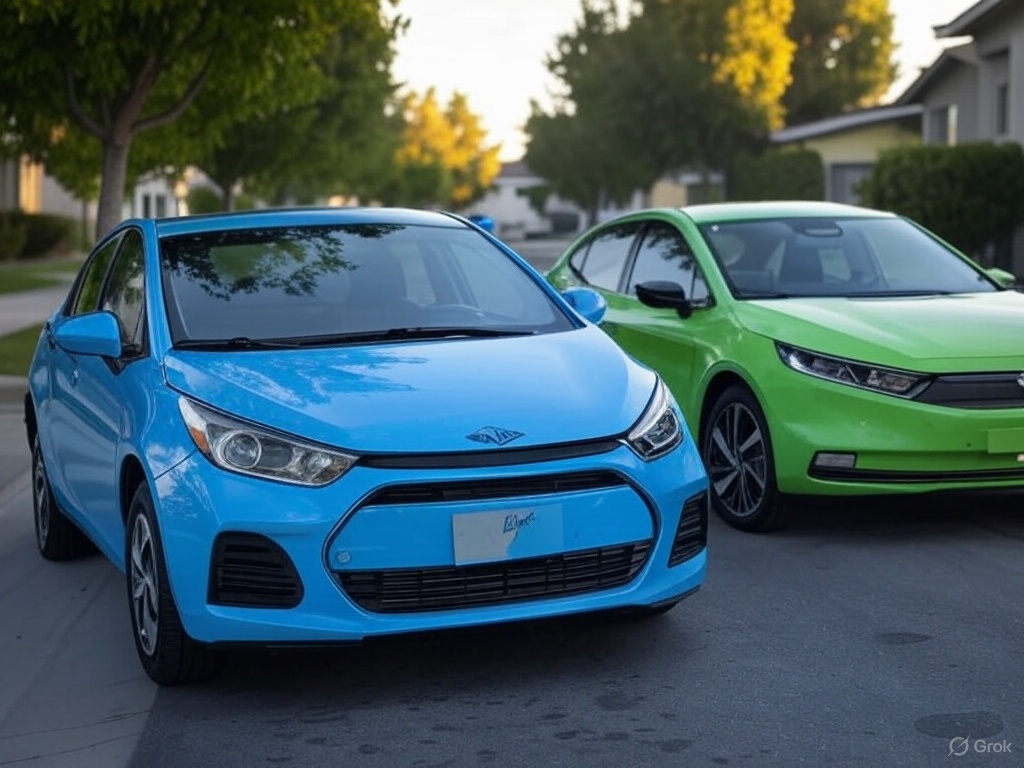
    Hilights 2 car one is CNG car onther is EV car

    Nowadays, everyone is trying to save fuel money. Petrol and diesel have become like gold ₹100 plus per litre, it’s just not affordable for daily travel anymore. On top of that, our cities are full of smoke and dust. So people are asking, “Should I go for a CNG kit or convert my car to EV Conversion?”

    That’s a fair question, honestly. Both options help you save money in the long run, and they’re also better for the environment. But they work in very different ways. So let’s try to make this simple without any big words or complicated lists.

    Why are so many people changing their cars these days?

    Let’s be real fuel price is the biggest reason. If you drive a petrol car every day, your pocket starts crying by the end of the month. And then there’s pollution. If you live in Delhi, Pune, or Bangalore, you know how bad the air has become. People want cleaner options that are also pocket-friendly.

    And that’s where CNG kits and EV Conversion kits come in.

    CNG Kit – Old but still working fine

    CNG kits have been around for years now. Especially in cities like Delhi or Mumbai, you’ll see autos, taxis, and even private cars running on CNG. The idea is simple you get a big cylinder fitted in your car’s boot, and instead of petrol, it runs on compressed natural gas.

    So, what’s good about it?

    • First of all, it’s cheap. Where petrol will cost you ₹8–10 per km, CNG runs at ₹2–3 per km.
    • You don’t need to change the whole engine or anything. Just fit the kit and you’re good.
    • And it’s still cleaner than petrol or diesel, though not as clean as EVs.

    But yeah, not everything is perfect.

    Some small problems with CNG kits

    • The gas cylinder takes up your boot space. So forget about keeping big bags or suitcases there.
    • You’ll feel that the car is slightly slower, especially when you switch on the AC.
    • And during busy times, you might have to stand in line at the CNG station for 20–30 minutes. That can get annoying.

    EV Conversion Kits – New and exciting, but still developing

    Now electric vehicles are the future everybody knows that. But buying a new EV can cost a bomb. Like, even the cheapest ones are above ₹10 lakhs. So instead, people have started converting their old cars into EVs using electric kits.

    With these EV conversion kits, you remove the fuel engine and fit a battery, motor, controller basically, all the stuff that makes it electric.

    Here’s why people are liking EV kits:

    • You get zero pollution. No smoke, no smell, nothing.
    • Cost per km is super low — around ₹1 or even less.
    • The ride becomes smooth and silent — no vibration, no noise.
    • And in some places, the government also gives support or subsidies.

    But again, like anything new, there are some roadblocks.

    A few issues with EV kits

    • They’re expensive right now. Most kits cost between ₹3 to ₹5 lakhs.
    • Not many companies are offering it, especially in smaller cities.
    • You need RTO permission, and that’s not always easy in all states.
    • Also, the battery lasts 5–7 years. Replacing it later is not cheap.

    Let’s Compare – EV Kit vs CNG Kit (Real Talk Table)

    FeatureCNG KitEV Conversion Kit
    Cost₹50,000 – ₹80,000₹3 – ₹5 lakhs
    Running Cost/km₹2 – ₹3₹0.8 – ₹1
    Installation Time1 day3–5 days
    SpaceBoot gets filledDepends on kit design
    RTO ProcessEasy and knownStill complicated
    Green FactorMediumVery high
    AvailabilityCommon in metrosLimited for now

    So yeah, if you’re short on budget and want to start saving immediately, CNG is still a good choice. But if you want to go fully electric and don’t mind the initial cost, then EV kits make more sense for the long run.

    What about Hybrid Kits?

    You might have heard this too some companies are now working on kits that can run on both electric and petrol or CNG. This sounds like a great idea, but it’s still in early stages. Very few models are available and testing is going on. If this becomes common, it could be a total game-changer.

    Who Should Go for What?

    There’s no one-size-fits-all answer. It depends on your needs.

    If you travel inside the city, don’t want to spend too much, and your car is in decent shape CNG can save you a lot every month.

    But if you want to go fully electric, reduce maintenance, and drive in peace without worrying about fuel prices, and you’re okay spending ₹3–4 lakhs upfront EV kits are a better bet.

    Where to Get EV Kits in India?

    You won’t find EV kits in every garage. You’ll need to go to certified people. Some good names right now are:

    • E-Trio
    • Boson Motors
    • Loop Moto
    • GoGoA1 – They’ve got RTO-approved kits for many cars.

    🔗 Check them here: GoGoA1 official site

    🧭 You can also check our blog on “Top EV Conversion Companies in India” for more info (internal link).

    Final Thoughts – What Should You Choose?

    CNG or EV — both are better than staying on petrol. But your choice should depend on how much you can invest, where you live, and how often you drive.

    👉 If you’re looking to start saving immediately and don’t want much hassle — go for CNG.

    👉 If you’re ready to go green, spend a bit more now, and think long-term — EV kits are your friend.

    In a few years, electric kits will become more common and cheaper too. So even if you go for CNG now, keep watching the EV space. The future is definitely electric.