Tag: India

  • AI in Agriculture: How Indian Farms Are Slowly Turning Smarter

    AI in Agriculture: How Indian Farms Are Slowly Turning Smarter

    Indian farmer using smartphone in a field with drone and AI-based farming tools.

    Agriculture in India has never been easy. From unpredictable rains to rising costs and shrinking profits, farmers have been facing challenges for decades. But now, a new kind of support is showing up not in the form of subsidies or schemes, but through technology. Artificial intelligence, or AI, is slowly finding its way into Indian fields. And no, it’s not some sci-fi idea. It’s already being used by farmers in different parts of the country to grow better crops, use less water, and avoid losses.

    In this blog, we’ll talk about how AI agriculture is helping Indian farmers. Not in big, complex terms, but in a simple way. We’ll look at what it actually does, how it’s used here, the benefits it brings, and where it’s still struggling. We’ll also touch on what needs to be done so that even small farmers in remote villages can benefit.

    What Does AI in Farming Even Mean?

    Let’s keep it simple. AI is just a tool that helps machines think, learn, and make decisions. In farming, it means using apps, sensors, drones, or even satellite images to collect data and tell farmers what to do next. For example, how much to water, when to spray pesticides, or whether the crop is getting any disease.

    Instead of guessing when to irrigate or depending fully on gut feeling, AI can give real-time suggestions. Think of it like this: a farmer in Punjab growing wheat can now get a phone alert saying, “The soil’s dry. You should irrigate now.” Or a cotton grower in Maharashtra can get a warning that pest activity is going up and it’s time to take preventive action.

    How AI is Being Used on Indian Farms

    Now, let’s not think only big cities use this. Even in states like Odisha and Bihar, farmers are trying out AI tools.

    Take the government’s “Per Drop More Crop” scheme, for example. It uses AI to help farmers save water while growing the same or even better-quality crops. It checks the soil, the weather, and the plant needs then suggests how much water should be used. That’s a big deal in places where water is already drying up.

    Then there’s the National Pest Surveillance System. Sounds fancy, right? But what it does is pretty useful it tells farmers early if pests like bollworms or locusts are coming. That kind of warning can save entire fields.

    Even startups are playing a role. CropIn gives farmers updates about their crop health, and Intello Labs allows them to click photos of their plants, and the app tells if there’s any disease faster than the human eye sometimes.

    It’s not just about tools. It’s about making sure the smallest farmer also gets the kind of advice that used to be available only to big ones.

    What’s Actually Changing on Ground

    Let’s be honest farming has always had its share of uncertainties. But AI is slowly helping reduce those unknowns.

    For starters, AI is saving money. Fertilizer use can go down by up to 30% if it’s used only when and where needed. That means fewer chemicals in the soil, cleaner groundwater, and some money saved. In Punjab and Haryana, where overuse of fertilizer has caused long-term soil issues, this change is much needed.

    It’s also helping with market prices. AI can study demand and predict what crop is likely to sell better in the coming season. So, instead of growing what everyone else is growing, a farmer can plan better. Let’s say someone in West Bengal usually grows rice. But this year, if the app shows better returns for lentils, they might switch. That’s smart farming.

    Knowledge-sharing has also become easier. Before, many farmers didn’t even know about drought-resistant seeds or organic practices. Now, simple mobile apps are sharing this info in local languages. A farmer in Tamil Nadu might learn about new fertilizers, while another in UP might get tips on tomato farming all through AI tools.

    Still, Not Everything is Perfect

    Of course, nothing comes without problems.

    First off, AI tech is still expensive. Small farmers don’t always have smartphones, let alone money to buy sensors or drones. Plus, rural areas often don’t have good internet. Even if they do, understanding these tools takes time and training.

    Also, a lot of these tools are made by private companies. If the government doesn’t step in to support and subsidize them, small farmers may be left out. So while big farms in Haryana may be using automated machines, someone in a Jharkhand village may not even know such a thing exists.

    What Needs to Happen Next

    For AI agriculture to truly work in Indian farming, it has to become common. Like fertilizers or tractors. Not just a special tool for a few.

    Subsidies can help. Training programs too. And let’s not forget language these apps and tools should talk in local languages, not just English. Even voice-based tools can help those who can’t read much.

    In a few years, we could see self-driving tractors in Indian fields, or AI-powered robots harvesting sugarcane. Sounds big, but it’s possible. What’s needed is support for the small farmer, for better internet in villages, and for making the tech affordable.

    My Personal Take

    I’ve seen farming up close relatives, neighbours, friends all doing it. It’s not just work, it’s life. There’s a kind of hope in every seed that’s sown. And now, AI feels like a helping hand that’s finally arrived.

    But let’s be real it’ll only help if we make sure it reaches everyone. No farmer should be left behind just because they didn’t have the money or the knowledge. If used well, AI can reduce pain and increase profit. But we need to treat it as a tool, not a miracle.

    🔗 Useful Links

  • Tata Altroz Facelift 2025: New Features, Price & Design Upgrade

    Tata Altroz Facelift 2025: New Features, Price & Design Upgrade

    Tata Altroz Facelift 2025 front view with LED DRLs and new grille design

    A Quick Glimpse at What’s Coming

    Tata Motors is getting ready to launch the updated Altroz on May 9, 2025, and the price announcement will follow on May 22. If you’re someone who’s been eyeing a premium hatchback that blends looks, safety, and new-age features, this one’s worth checking. The new Altroz facelift is expected to start around ₹7 lakh, and honestly, it feels like Tata’s trying to raise the game without making the price shoot up too much.

    Now let’s dive in and see what’s changed, what’s new, and if it’s really worth the buzz.

    What’s New on the Outside?

    One look at the 2025 Altroz facelift, and you can tell it’s been to the stylist’s room.

    The front now looks sharper, thanks to all-LED headlamps with those smart-looking eyebrow-style DRLs. That old piano-black grille? Gone. In its place, you now get a 3D-style grille that actually gives the car a cleaner, more premium face.

    Another neat touch is the flush door handles something we saw earlier on the Tata Curvv. These aren’t just for style. They help with aerodynamics too. The sides now wear new alloy wheels that fit well with the overall design, and the rear lighting has been cleaned up with connected LED tail lamps. Slimmer and sleeker they look way better than before.

    To put it simply, the Altroz looks more modern now. Not flashy, but smart.

    Step Inside – Big Changes Here

    When you open the door and sit inside, you’ll feel it’s not just a small upgrade it’s a pretty decent refresh.

    There’s a 10.25-inch touchscreen infotainment system sitting in the middle, and it supports both Android Auto and Apple CarPlay wirelessly. For those who do long drives or spend time in traffic, this one helps a lot especially with music and navigation.

    Then comes the fully digital instrument cluster, which also measures 10.25 inches. Clear display, crisp info feels like something from a segment above. The steering wheel gets a glow-up too, with a lit-up Tata logo in the center.

    Another big win for Indian summers ventilated front seats. Honestly, in cities like Delhi or Nagpur, this is a blessing. On top of that, you get a powered driver’s seat, ambient lighting, and even an auto-dimming rear-view mirror. All these small touches give the Altroz a more lounge-like cabin feel.

    Safety & Features – Tata Is Not Holding Back

    Tata is clearly pushing safety, and that’s a big deal for buyers here.

    The new Altroz comes with six airbags as standard, which is rare in this price range. Apart from that, there’s talk of ADAS (Advanced Driver Assistance System) making its way in — features like lane assist, auto emergency braking, etc. If that’s true, it’s going to shake up the hatchback segment.

    There’s also an upgraded telematics system, so you can expect some level of smartphone integration maybe control lights or AC using your phone. Not fully confirmed, but possible.

    And yes, there’s a buzz about a dual-pane sunroof. While that’s still not official, even the idea is exciting, especially for long drives.

    Under the Hood – No Surprises, But That’s Okay

    The engine options stay the same and that’s not a bad thing.

    You’ve still got:

    • 1.2L petrol for daily users
    • 1.5L diesel for mileage-focused buyers
    • 1.2L turbo petrol for those who want that sporty punch (Racer variant)

    Transmission-wise, there’s 5-speed manual, 6-speed manual for turbo, and AMT for regular petrol. A 6-speed DCT (dual-clutch) might show up later, which would make city drives smoother.

    So whether you’re navigating tight lanes in Jaipur or cruising through NH44, you’ll find something that fits.

    Price, Variants & Competition

    The facelifted Altroz is expected to cost between ₹7.00 and ₹11.50 lakh (ex-showroom). It’ll go up against Hyundai i20, Maruti Baleno, and Toyota Glanza all strong names.

    Altroz still offers that tough build and now comes loaded with features that many others skip. It’ll have multiple variants from XE to XZ Plus S Lux and will be available in shades like White, Red, and Grey, some specific to variants.

    AspectDetails
    Expected Price Range₹7.00 – ₹11.50 Lakh (ex-showroom)
    Launch DatePublic Debut – May 9, 2025
    Price Reveal – May 22, 2025
    Available ColorsWhite, Red, Grey (variant-specific options)
    VariantsMultiple, from XE to XZ Plus S Lux
    CompetitorsHyundai i20, Maruti Suzuki Baleno, Toyota Glanza

    My Take on the 2025 Altroz Facelift

    To me, this upgrade is not just about fancy lights or bigger screens. It feels like Tata has listened to what users wanted more comfort, better tech, and solid safety.

    Sure, it’s still using the same engine, but the real charm lies in the overall experience. For people who want a hatchback that doesn’t feel “entry-level”, this facelifted Altroz is a solid pick. Especially if safety, style, and smart features are on your checklist.

    If you ask me, take a test drive when it hits showrooms. That’s the only way to know if it suits your kind of driving.

    🔗 You Might Also Like Reading These:

    👉 Maruti’s Big Electric Move!Explore the new e-VITARA electric SUV and see what it brings to the table.
    👉 Thinking of Switching to EVs?We break down if EVs really make sense in India with actual cost vs savings.

    🚗 Confused Between Hatchbacks?
    Check out our side-by-side take on Hyundai i20 vs Tata Altrozfeatures, comfort, and value compared clearly.

  • Tiny Pacemaker, Big Impact: Saving Newborns with Heart Defects

    Tiny Pacemaker, Big Impact: Saving Newborns with Heart Defects

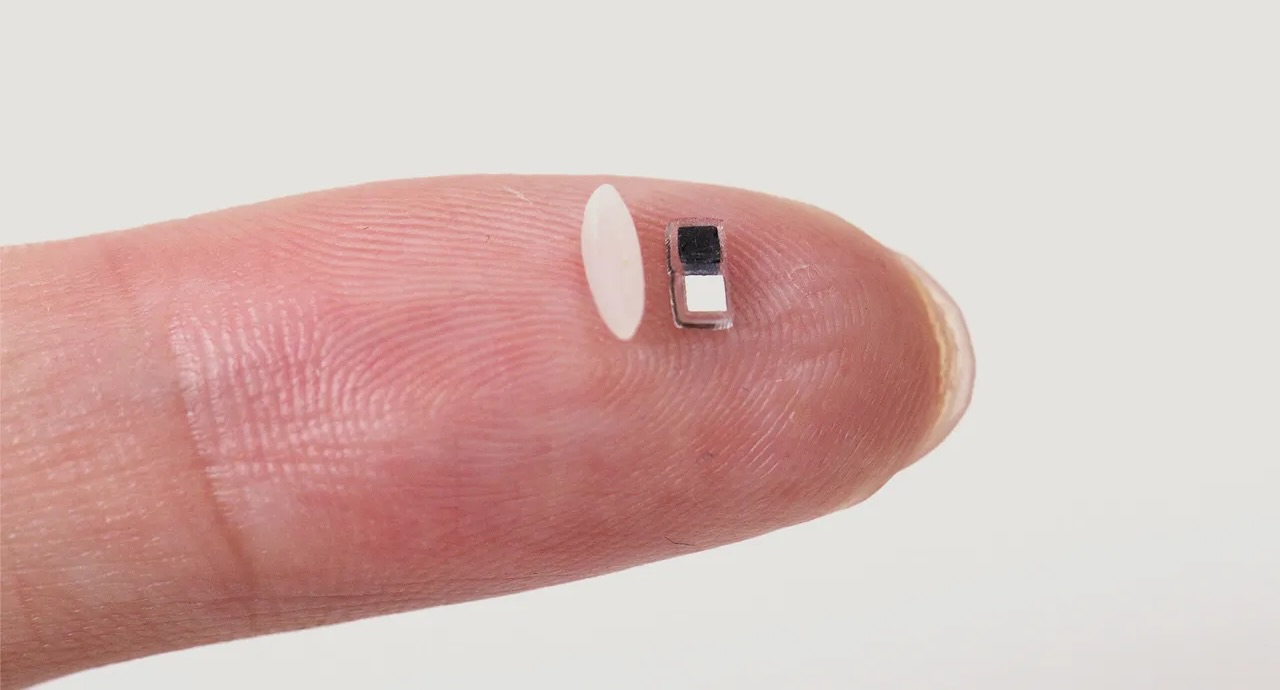
    Pacemaker smaller than a grain of rice, made for newborn babies with heart defects

    in our country, especially in small towns and villages, babies born with heart problems often don’t make it. It’s painful to say, but it’s true. Many of them come into the world too early or too weak, and their tiny hearts can’t keep up. Some need surgeries, others just need help with their heartbeat. But what do we do when even the tools we have are too big for such small lives, Well, recently, something very new and very tiny came into the picture a heart pacemaker that’s smaller than a grain of rice. And believe it or not, this tiny thing might save a lot of lives, especially in places like ours.

    So What’s This Pacemaker All About?

    We all know about pacemakers, right? Those little machines that help the heart beat properly. Normally, they’re used for old people or heart patients. But here, we’re talking about newborn babies tiny, delicate, barely a few days old. For them, even the smallest regular pacemaker is too big and risky.

    Now, scientists have made this new kind of pacemaker one that’s super small and can be injected into the body. No wires, no surgery, no stitches. You just push it in with a syringe, and it starts working. Sounds unbelievable, but it’s real.

    And the best part? After a few days, it melts inside the body. No need to remove it. That means one less operation for the baby. One less tension for the parents.

    Why It’s a Big Deal for Our Side of the World

    Let’s talk honestly. In big cities, there are fancy hospitals, machines, and specialists. But in small towns, we don’t have all that. Many government hospitals can’t even manage regular heart surgeries, let alone high-tech tools.

    That’s why this tiny device could be such a blessing. If doctors can use it even in basic hospitals, then even babies in rural areas will get a chance to survive.

    Think about it — if something like this can be done with just a syringe, how many lives can be saved?

    How Does the Pacemaker Actually Work?

    Okay, without getting too technical, this thing doesn’t have batteries or wires. It works using the body’s natural fluids. There are small metal bits inside it that create tiny electrical pulses when they touch those fluids. That’s enough to keep the heart beating properly for a few days.

    To control it, doctors stick a soft patch outside the baby’s chest. Like a small sticker. That patch sends signals (using light!) to tell the pacemaker what to do. No pain. No wires poking inside.

    After about a week, when the baby’s heart gets stronger, the device dissolves inside. The body just absorbs it. Simple as that.

    Made for Newborns – Not Adults, Not Older Kids

    This isn’t a ‘mini version’ of a regular pacemaker. It was made only for babies, especially those who just had heart surgery. In such cases, doctors only need to support the heart for a few days not forever.

    Till now, they used regular pacemakers, which had to be removed later. That meant another surgery, more pain, more time in the hospital. This new one avoids all that.

    Where It Was Made – And Why It Gives Us Hope

    A team of engineers in the US, at Northwestern University, made this device. They knew that babies in many parts of the world, like India, don’t survive because we simply don’t have the right tools. So they built this with exactly that in mind.

    It’s not flashy. Not expensive. Just smart. Something that can quietly do its job and disappear without a trace. Kind of like a guardian angel inside the baby’s body.

    This Could Be a Lifesaver in India

    Let’s look at the numbers. India has over 2.5 crore births every year. Out of those, lakhs of babies are born with heart defects. In villages, many of these babies don’t get the treatment they need. Some families can’t travel. Others don’t even know their child has a heart problem until it’s too late.

    This device could change that. If government hospitals get it, if NGOs help spread it, we could see survival rates go up — not just in cities, but also in small districts and towns.

    Real-Life Hope – Not Just Science Talk

    There was a case in the US — a baby named Mikey. He was too small for a regular pacemaker. Doctors didn’t know what to do. Cases like his are what inspired this invention. In India, we’ll have many more such cases.

    Once this device starts being used here, we’ll see real stories of survival. Babies who got a second chance. Parents who didn’t have to bury their child just because treatment wasn’t possible.

    Simple, Smart, and So Needed

    Honestly, I feel proud that humans can invent such things. But I also feel sad that it took so long. We’ve lost too many babies already. This device won’t fix everything but it’s a big step in the right direction.

    Sometimes, the best solutions are not the biggest machines, but the tiniest ones that quietly do their work.

    Final Thoughts

    If you’re a doctor, nurse, health worker, or just someone who cares, keep an eye on this. Share it. Talk about it. Push for it to come to India soon.

    And if you’re a parent-to-be, just know science is trying its best. One small invention at a time.

    🔗 Useful Links

  • Nothing’s CMF Phone 2 Pro Hits Indian Market: Premium Looks, Budget Price

    Nothing’s CMF Phone 2 Pro Hits Indian Market: Premium Looks, Budget Price

    CMF Phone 2 Pro featuring dual-tone Orange & White design with modular accessories.

    The CMF Phone 2 Pro slipped into our world on April 28, 2025, and suddenly everyone’s talking. At ₹18,999 (8 GB+128 GB) and ₹20,999 (8 GB+256 GB), it doesn’t feel like just another budget phone—it actually nails style, speed, and camera chops without emptying your wallet. Plus, it still comes with a charger in the box, which is almost a relic these days. In this write-up, I’ll walk you through what stood out, what could’ve been better, and why I reckon it’s worth a look.

    Design That Makes You Do a Double-Take

    Look, budget phones usually play it safe—plain black or gray, nothing to write home about. But the Phone 2 Pro dares to be different. That Orange-and-White duotone back with a subtle grippy texture? It feels solid, like it’s built for keeps. And those two little screws on the rear aren’t pointless decoration—they channel that rugged, industrial vibe. I dropped mine once (by accident, honesty), and apart from a tiny scratch, it soldiered on. IP54 splash resistance even saved me when water spurted from the garden hose—no panic, just wiped it off.

    Speed That Keeps Pace with Your Day

    Under the hood, there’s a Dimensity 7300 Pro chip—think small powerhouse. Multitasking, streaming, light gaming: no stutter. In fact, compared to its predecessor, it’s roughly 10 percent snappier on the CPU side and 5 percent smoother in graphics (as per Nothing’s tests). The 6.77-inch AMOLED screen at 120 Hz feels like velvet when you scroll—no judder, no lag. And sunlight? The peak 3,000 nits brightness never left me squinting on a sunny veranda. Toss in 5 G, Wi-Fi 6, and you’re set whether you’re in town or out in the fields.

    Camera Setup That Surprised Me

    Honestly, I didn’t expect much here—budget phones often skimp. But the Phone 2 Pro’s triple-lense array blew me away: 50 MP main, 50 MP telephoto (with real 2× optical zoom), plus an 8 MP ultra-wide. My cousin’s wedding was the real test—low-light shots under fairy lights came out crisp, colors didn’t wash, and those 2× snaps kept the bride’s expressions sharp from across the hall. Ultra-wide mode captured the entire dance floor in one go—no need to shuffle people. Front-cam selfies for family video calls looked just fine too.

    Battery Life and Software: No Surprises, in a Good Way

    5,000 mAh battery plus 33 W fast charging means I didn’t bother lugging a power bank. A quick half-hour charge got me through another evening of videos and messages. Software feels clean—Android 15 with Nothing OS 3.2 has no random apps clogging your home screen. Fingerprint under the display, face unlock—it all just works, none of that ghost-touch nonsense you sometimes find on cheap phones.

    Value Check: Where’s the Catch?

    Truth be told, you won’t find big cons. No headphone jack—fine if you’ve switched to Bluetooth. Hybrid SIM slot—so you pick between extra storage or a second SIM. If you live and breathe MIUI’s bells and whistles, you might miss them here. But for most of us—students, first-jobbers, or anyone who simply wants a solid daily driver—this is a deal. A charger in the box alone feels like a win.

    Summery:

    SpecificationDetails
    Price₹18,999 (8 GB+128 GB), ₹20,999 (8 GB+256 GB)
    Display6.77″ Flexible AMOLED, 1080 × 2392 px, 120 Hz, HDR10+, 3000 nits
    ProcessorMediaTek Dimensity 7300 Pro (4 nm), 2.5 GHz Octa-Core
    RAM8 GB + 8 GB Virtual RAM
    Storage128 GB / 256 GB, expandable via microSD up to 2 TB
    Rear Cameras50 MP Main (ƒ/1.88), 50 MP Telephoto (2× opt. zoom), 8 MP Ultra-Wide (119.5°)
    Front Camera16 MP (ƒ/2.45)
    Battery5000 mAh, 33 W Fast Charging, 5 W Reverse Charging
    OS & UIAndroid 15, Nothing OS 3.2
    Connectivity5 G, Wi-Fi 6, Bluetooth 5.3, USB-C 2.0
    Extra FeaturesIn-display fingerprint, Face Unlock, IP54 Splash-resistant, Charger included
    ColoursOrange & White dual-tone

    Interested in this? You’ll also want to read: CMF Phone 2 Pro Unboxing – Totally Different Phone !

    If this resonated with you, here’s something similar you might like: How to Choose the Best Smartphone for Your Needs

  • Moto Edge 60 Pro – A New Contender in India’s Smartphone Race

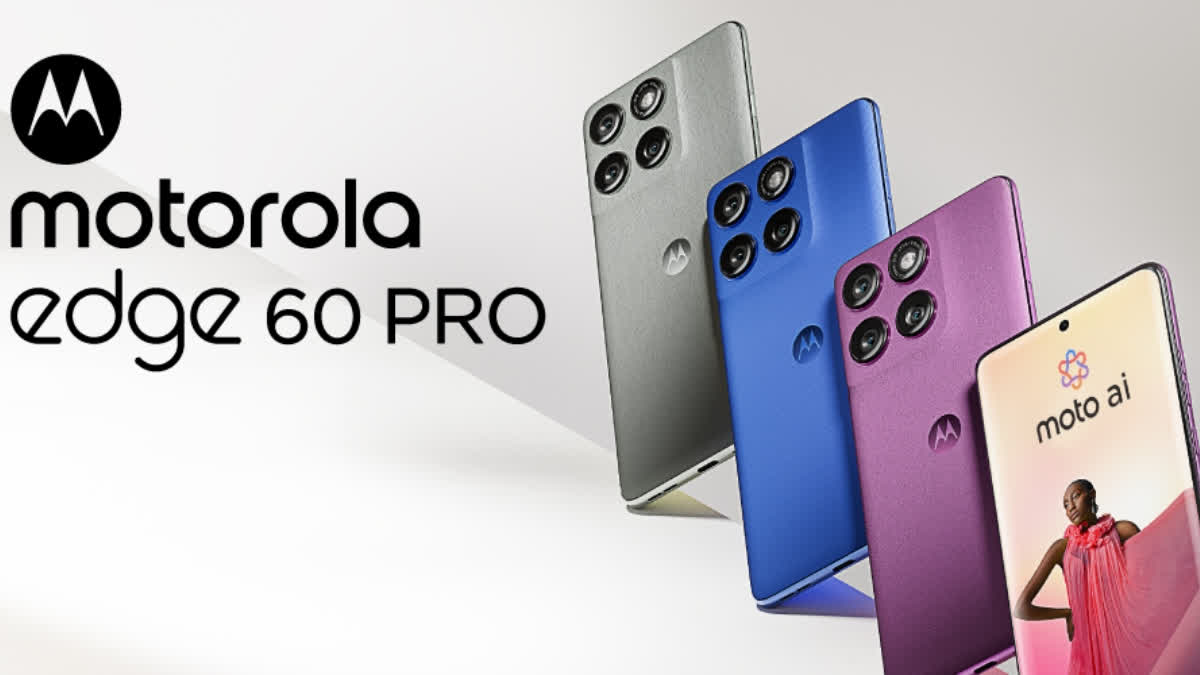
    Moto Edge 60 Pro – A New Contender in India’s Smartphone Race

    Front and back view of Moto Edge 60 Pro smartphone showing its sleek design and advanced camera features.

    In India’s fast-moving smartphone market, every few weeks, a new phone grabs attention. But not all of them actually deliver what they promise. The Moto Edge 60 Pro, launched in April 2025, is now making noise for all the right reasons: strong specs, good looks, and a price that doesn’t burn your pocket. But is it really the next big thing or just another temporary buzz? Let’s break it down and see what this phone brings for everyday Indian users whether you’re a student, a gamer, or just someone who wants a decent upgrade without spending ₹50,000.

    A Look at What’s Inside (Specs, Simplified)

    Instead of throwing numbers at you, let me explain what this phone offers in normal terms:

    • Display: It has a 6.7-inch P-OLED screen, which basically means everything looks bright and crisp. Whether you’re watching IPL highlights or just scrolling Instagram, it’ll feel smooth with its 120Hz refresh rate.
    • Processor: MediaTek Dimensity 8350 Extreme. Sounds fancy, but in real use, it just means fast. From switching apps to playing heavy games, it handles it all.
    • RAM & Storage: Comes in two variants 8 GB+256 GB and 12 GB+512 GB. For most people, even the base version is more than enough.
    • Camera Setup: A solid triple camera on the back, including two 50MP lenses and a 10MP telephoto. The front camera is also 50MP, which means video calls and selfies will be clear even in low light.
    • Battery: Massive 6,000 mAh battery with 90W fast charging. You won’t be running to find a socket every few hours.
    • Software & Features: Runs on Android 15 and has Dolby Atmos speakers, water resistance, wireless charging, and an in-display fingerprint sensor.

    Display: Easy on the Eyes, Even in the Sun

    When it comes to the display, Moto has done a smart job. The screen is slightly curved on all sides, giving it a premium look, almost like those ₹60,000 phones. But what actually matters is brightness. With 4,500 nits peak brightness, you can clearly see everything even when you’re standing outside on a sunny day—say, waiting for a bus in Ahmedabad or walking through Chandni Chowk.

    Also, there’s Gorilla Glass 7i for protection, so even if you drop it once or twice (which happens to all of us), it’ll likely survive without a crack.

    Performance: For Multitaskers and Gamers Alike

    Many phones slow down when you’re switching between apps. But not this one. Thanks to the MediaTek 8350 Extreme chip and LPDDR5X RAM, the Moto Edge 60 Pro handles everything smoothly. I tried editing a video, chatting on WhatsApp, and playing BGMI back-to-back, and it didn’t lag even once.

    Even for mobile gamers, the phone offers something extra. The 300Hz touch sampling rate means the phone catches your finger movements instantly. That tiny delay you usually feel in other phones? Gone.

    Camera: Not Just for Selfies

    Cameras are important, especially when we’re capturing everything from wedding functions to random chai moments with friends. The triple camera setup here includes:

    • 50MP main sensor with OIS (helps avoid blurry photos),
    • 10MP telephoto lens for zoomed-in shots, and
    • another 50MP wide+macro lens.

    And don’t forget the 50MP front camera—ideal for reels, video calls, or group selfies during college fests. Even if you’re not a techie, this camera setup gives clear, detailed results.

    Battery Life: Made for Indian Usage

    Here’s the thing—most Indian users don’t charge their phones 3–4 times a day. So having a big battery matters. The 6,000mAh battery on the Moto Edge 60 Pro easily lasts the whole day even with heavy use. That includes watching videos on YouTube, maps navigation, and long calls.

    What impressed me more was the 90W fast charging. It charges so quickly, you’ll probably finish brushing your teeth, and it’s already 70% done. Also, wireless charging and reverse charging are included helpful when your friend’s phone is dead and you lend them a few percent.

    Design & Build: Good-Looking but Tough

    Some phones look nice but are delicate. This one balances both. It’s IP68/IP69 rated, which means it’s water and dust resistant. Whether it’s the monsoon in Kerala or dust storms in Rajasthan, the phone can handle it.

    It also meets MIL-STD-810H standards, usually seen in rugged devices. So if you accidentally drop it or spill water, don’t panic right away. Available in bold shades like Pantone Shadow, Sparkling Grape, and Dazzling Blue, it actually feels like a premium device in hand.

    Audio & Extras: Small Things That Matter

    Although there’s no headphone jack (a bit of a letdown for wired earphone users), the stereo speakers with Dolby Atmos are impressive. Whether you’re watching a movie or playing songs during a train ride, the sound feels rich and loud enough without distortion.

    Also, Moto AI 2.0 brings smart tweaks like scene recognition for photos and better performance management. Small touches, but they make the user experience smoother.

    Price: Not Cheap, But Still Value for Money

    At ₹29,999 for the 8GB version and ₹33,999 for the higher model, it’s definitely not an entry-level phone. But compared to others with similar features—like some Samsung or OnePlus models—it feels worth the price. Many local retailers are offering EMIs and cashback offers too, so keep an eye on that.

    Final Thoughts: Should You Go for It?

    If you’re someone who needs a good all-rounder phone with a strong battery, camera, and display, Moto Edge 60 Pro is a solid pick. It looks modern, performs fast, and doesn’t overheat or hang during daily use. While time will tell how it performs long-term, the starting signs are promising.

    Whether you’re a college student, a working professional, or someone who just loves good gadgets, this phone ticks most boxes without burning your savings.

    🔗 Useful Links

  • BSF Jawan Detention by Pakistan Rangers

    BSF Jawan Detention by Pakistan Rangers

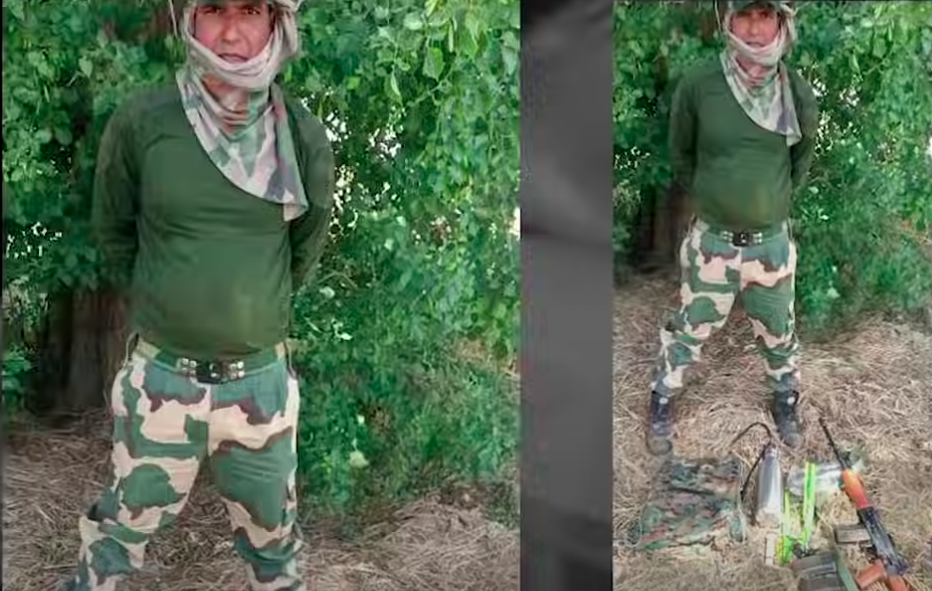
    BSF JAWAN P.K. Singh

    Introduction

    On April 23, 2025, a BSF jawan named P.K. Singh got himself into a real mess in Ferozepur, Punjab, just by taking a wrong step across the India-Pakistan border. Pakistan Rangers nabbed him, and now it’s a whole situation. This comes right after the Pahalgam terror attack that shook everyone up, so the timing couldn’t be worse. I’m going to lay out what happened, why it’s got people talking, and what it says about our borders and the tricky business of dealing with Pakistan. From the efforts to get Singh back to the everyday struggles of jawans, this is my take, straight from the gut, on what’s going on.

    The Ferozepur Mix-Up

    Let’s get into it. P.K. Singh was with the BSF’s 182nd battalion, stationed in Ferozepur, where the border with Pakistan is always tense. His job was to keep things secure while farmers worked their fields close to the barbed wire. If you’ve ever seen those border villages, the fields go right up to the fence, and it’s not always obvious where India stops and Pakistan starts. That day, it was blazing hot—Punjab summer heat, you know how it is. Singh was with some farmers, probably keeping an eye out for trouble. He wandered off a bit to find shade under a tree. Sounds harmless, right? Except that tree was on Pakistan’s side. Before he could blink, the Rangers had him. He was in his uniform, rifle slung over his shoulder, so it’s not like he was up to anything sneaky. Just a plain, old mistake.

    This kind of thing isn’t new. Back in 2022, another jawan in Abohar got picked up because fog hid the border. They talked it out, sent him back the same day. The border’s messy like that—fields, little ditches, and sometimes just a flimsy fence you can miss if you’re not watching every step.

    Why This Is Such a Big Issue

    So, why’s everyone making a fuss over one guy’s mistake? It’s all about when it happened. Just a day earlier, on April 22, 2025, a terrible attack in Pahalgam, Jammu and Kashmir, killed 26 people, mostly tourists. It hit India like a punch to the stomach. The government didn’t hold back—cut off talks with Pakistan, sent their officials home, paused the Indus Water Treaty, and shut the Attari border post. Pakistan fired back, blocking Indian flights and telling their citizens on SAARC visas to leave India within three days. So, when Singh wandered over, it was like tossing a stone into a stormy pond.

    As of April 24, 2025, late at night around 11:22 PM, the BSF’s still trying to sort it out. They’ve got a flag meeting going, where both sides sit at the border and hash things out. It’s how they usually fix these slip-ups, but there’s no word yet on whether Singh’s back. With everything so heated, it’s not a quick patch-up job. Both sides are on guard, and nobody wants to look soft.

    What It’s Like Guarding the Border

    Being a BSF jawan is tough, no two ways about it. The India-Pakistan border is huge, over 3,300 kilometers, stretching from Rajasthan’s deserts to Kashmir’s snowy peaks. In Punjab, it’s mostly flat fields, but that doesn’t make it a breeze. The BSF’s got about 270,000 people working round the clock, handling smugglers, infiltrators, and sometimes just villagers who stray too close to the fence. I went to a relative’s village near Tarn Taran a few years ago, and the border was so close you could spot Pakistani posts from the fields. The jawans were always there, chatting with farmers but never relaxing. One of them said it’s like walking on eggshells—one wrong move, and things can go bad fast.

    Singh’s mistake shows these jawans are just regular folks. They’re not machines. They get sweaty, tired, and sometimes they mess up. It’s a rough job, and this whole thing makes you see how much they’re dealing with out there.

    Where We’re At and What’s Coming

    Right now, it’s all about getting Singh back home. The flag meeting’s a good sign—it’s how these things usually get settled. But with the Pahalgam attack still fresh, both sides are digging in their heels. That Abohar jawan in 2022 was back in hours, so I’m hoping Singh’s case goes the same way. But it might take a bit, given the mood. Nobody wants this to drag, but the tension’s not helping.

    This could nudge the BSF to rethink a few things. Maybe they’ll start using better tools, like GPS gadgets or clearer signs, so jawans know exactly where the line is. Or they might drill it into everyone to be extra careful near the fence. It’s not about blaming Singh—it’s about stopping this from happening again. For India and Pakistan, it’s a chance to show they can handle a small hiccup without turning it into a full-blown fight.

    The Larger Picture: Borders and Sorting Things Out

    This isn’t just about one jawan. It’s about how India and Pakistan handle things when they’re already mad at each other. Borders are messy—people live, farm, and work right there. Slip-ups happen. The fact that the BSF and Rangers are talking at a flag meeting shows there’s still some level-headedness around. Sorting things out, even when you’re upset, is what keeps these small mistakes from turning into big problems.

    It also makes you think about the border itself. Could we mark it better? Maybe more signs, some lights after dark, or even something high-tech to warn jawans if they’re too close to the line. I’m no big shot, but it seems like there’s got to be a way to make things safer for our jawans. It’s not about pointing blame—it’s about helping the folks who keep our country safe.

    My Take on It

    This whole thing really gets under my skin. I feel for Singh—he was just doing his duty, maybe thinking about his family or what’s for dinner. One wrong step, and now he’s stuck in this storm. It’s a reminder that our jawans are out there, slogging away in tough spots, so we can live without worry. I hope he’s back soon, maybe even cracking a joke about it with his buddies later. To me, this says we need to back our forces with better gear and training to avoid these mix-ups. And for India and Pakistan, it’s a chance to show they can fix a small problem without making it a huge deal. Here’s hoping Singh’s safe and this all ends well.

    Related Articles :
    BSF Jawan detained by Pakistan Rangers across LoC amid Pahalgam attack tensions
    The Pahalgam Terror Attack and India’s Strong Response