Tag: healthy

  • Ayurvedic Wisdom: 6 Herbs That Naturally Boost Focus & Energy

    Ayurvedic Wisdom: 6 Herbs That Naturally Boost Focus & Energy

    Flat-lay of Ayurvedic herbs including tulsi, ashwagandha, neem, turmeric, and giloy with herbal powders and tea on a wooden background.

    Life keeps getting busier. Whether you’re running behind meetings, trying to study late into the night, or simply trying not to doze off in the afternoon, staying mentally sharp and energetic has become quite a task. While many people turn to energy drinks or endless cups of coffee, there’s a simpler, more natural way that has been around in our country for generations — Ayurveda.

    This blog is all about six well-known Ayurvedic herbs — Ashwagandha, Brahmi (Bacopa Monnieri), Gotu Kola, Shankhapushpi, Turmeric, and Tulsi. These aren’t fancy modern discoveries. They’ve been part of Indian households for ages. The beauty is they don’t just give short bursts of energy, but help your mind and body stay balanced in the long run.

    Let’s go through each one in a way that makes sense what they do, how to use them, and why they’re still trusted.

    1. Ashwagandha – For Calmer Mind and Steady Energy

    You must’ve heard about Ashwagandha herbs. It’s quite common now, but long before capsules and powders took over, many Indian families used it as part of daily health.

    Ashwagandha is mainly known to help manage stress, which honestly eats up most of our focus. It also boosts your stamina without making you restless, unlike tea or coffee. Some people even say they feel more clear-headed after using it regularly.

    How you can take it:

    You can mix a bit of Ashwagandha powder in warm milk, especially at night. Some prefer capsules easier if you’re on the go. Start small, like 300 mg, and see how your body responds.

    Real-life example:
    My own nani used to have it in milk every night, and she was more active than anyone half her age. I started it during work-from-home days, and it really helped me stay calm during long meetings.

    2. Brahmi (Bacopa Monnieri) – For Sharper Memory

    If you’ve studied in a typical Indian home, chances are your parents gave you Brahmi before exams. They weren’t wrong. This small herb has a big role when it comes to memory and learning.

    Brahmi helps your brain retain things better, and it also keeps you from overthinking too much, which many of us do when under pressure. It’s gentle, but effective if taken regularly.

    How to use:

    Take it with honey or ghee in its powdered form. Or just use capsules. 300 mg a day is a common dose, but of course, ask your doctor.

    Personal story:
    During my college years, my mom used to give me Brahmi syrup. I didn’t like the taste, but later on, I realised I could sit and focus longer without my mind jumping around.

    3. Gotu Kola – For Mental Clarity

    Not many people talk about Gotu Kola, but in some Indian regions, this plant is very well known. It’s said to support mental clarity and even helps when you feel mentally tired after a long day.

    It also supports brain health over time, not just for short boosts. Good for older people too.

    How to take it:

    You can make tea out of fresh or dried leaves. Some people take it as a capsule whichever suits. Around 500 mg is a usual dose.

    Real example:
    My aunt, who is a school teacher, swears by Gotu Kola tea. She has it in the evening while correcting answer sheets. She says it helps her stay sharp even late at night.

    4. Shankhapushpi – For Better Focus
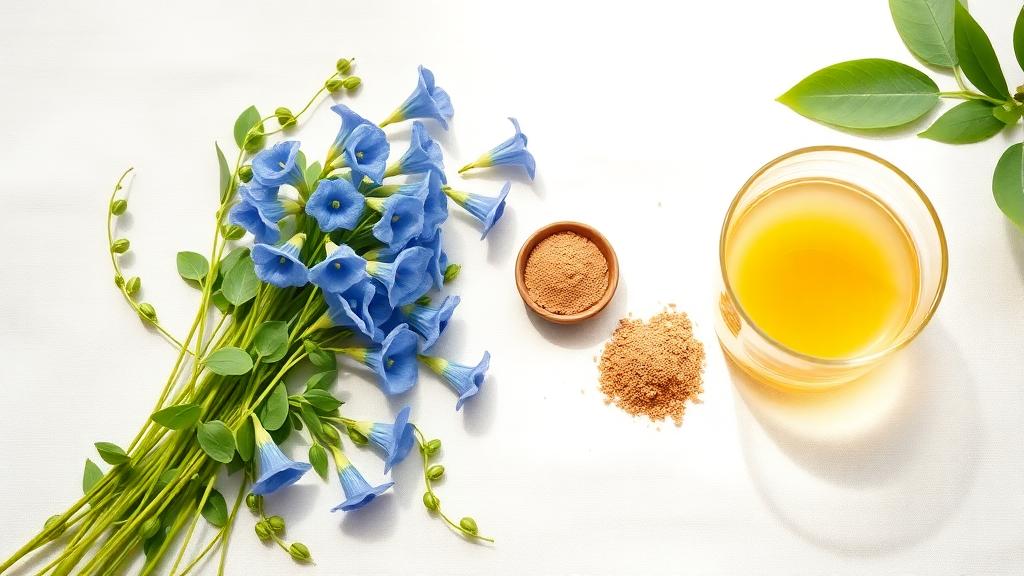
    This herb might not be as famous as others, but it’s one of the best when your brain feels all over the place. It’s known to support concentration and reduce stress too.

    Great for students, but also for anyone who deals with screen overload and constant multitasking.

    How to use it:

    You’ll mostly find it in syrup form. Take 1-2 teaspoons with water or milk. Capsules are also there, if syrup feels too sweet.

    From a friend’s experience:
    One of my friends preparing for civil services introduced me to it. I started using it during my busiest work season, and honestly, it helped me stay focused without feeling burned out.

    5. Turmeric – For Brain Support and Energy

    Turmeric isn’t just for cooking. It’s actually one of the most powerful herbs we have. Thanks to curcumin, it reduces inflammation and even helps the brain function better.

    It’s been shown to improve memory and protect your brain as you age.

    How to use:

    Use it in your curries, mix it in milk (golden milk), or add to smoothies. You don’t always need supplements if you cook at home.

    My habit:
    Every night, I drink haldi milk like my mother used to give. It feels comforting and, at the same time, clears my head after a long day.

    6. Tulsi – The Calm Booster

    Fresh tulsi leaves in a pot

    Almost every Indian household has a Tulsi plant, and for good reason. Tulsi helps reduce mental stress, and when your mind is calmer, focus automatically improves.

    It’s simple, effective, and safe for daily use.

    How to use:

    Chew a few fresh leaves in the morning or make Tulsi tea. Even once a day is enough to feel the effect.

    My take:
    Watering the Tulsi plant every morning is something I still do. That small ritual followed by a cup of Tulsi tea helps me start the day with a calm mind.

    Final Thoughts

    We run behind productivity tools, to-do apps, and stimulants but sometimes, old methods work best. These six herbs — Ashwagandha, Brahmi, Gotu Kola, Shankhapushpi, Turmeric, and Tulsi — are not magic pills. But when used regularly and with care, they bring back focus and energy in a natural, side-effect-free way.

    My view? They’re not just remedies. They’re part of our tradition, and in today’s fast-paced world, going back to such roots might be the smartest thing to do.

    💬 Feeling This Blog? Here’s What You Can Read Next:

    🔹 The Indian Kitchen Remedies That Actually Work in 2025 – From haldi doodh to ajwain water, discover what age-old desi tips are backed by science today.

    🔹 Beetroot Juice in 2025: Still the Easiest Way to Boost Health – One glass a day, and your body says thank you. This blog covers how this bright red root is still winning the health race in 2025.

    🔹 5 Superpower Herbs You Need In Your Kitchen – From your chai masala to your everyday tadka — these herbs aren’t just flavour bombs. They’re health heroes hiding in plain sight.


  • Protein on a Budget: Eat Healthy Without Spending Much

    Protein on a Budget: Eat Healthy Without Spending Much

    Rustic Indian kitchen table with budget-friendly protein foods like dal, eggs, peanuts, curd, sprouts, and tofu arranged neatly.

    Introduction

    Protein is one of those nutrients we all keep hearing about gym trainers talk about it, dieticians mention it, and even fitness reels on Instagram throw the word around like confetti. But in real life, when you’re managing a tight budget, the first thing that comes to mind is how do I eat more protein without spending too much?

    In India, a lot of people still believe that eating high-protein food means buying expensive powders, fancy chicken breasts, or imported nuts. That’s not the full picture. Truth is, there are so many desi, budget-friendly options around us that are rich in protein we just don’t give them enough credit.

    In this blog, we’ll talk about:

    • Why your body really needs protein
    • What’s going wrong with protein intake in India
    • Smart, affordable protein options you already have at home
    • Simple ideas to include them in your meals without pinching your wallet

    Why Protein Is So Important (Even If You’re Not Going to the Gym)

    Most people think protein is only for bodybuilders or athletes. But actually, whether you’re walking to work, farming in the sun, or just running around behind your kids all day your body still needs protein to stay strong. It helps you recover, builds muscle, keeps your energy stable, and even supports your skin and hair.

    Think about a daily routine in a typical Indian household lifting groceries, cleaning, walking to school or college these tasks use up energy and your muscles. Without enough protein, your body tires out faster. And no, you don’t need to eat meat every day or drink some international shake to get it. Our own local food is full of this nutrient we just need to notice it.

    What’s Going On with India’s Protein Intake?

    You might find this surprising, but over the last few decades, India’s average protein intake has quietly gone down. Long back, in the 90s, rural folks were eating around 60 grams of protein a day. Now, it has dropped closer to 56 grams. Even in cities, it’s gone down slightly.

    One reason could be that we’ve started depending more on rice, biscuits, and ready-made snacks instead of cooking dal, eggs, or paneer. Also, there’s a myth that healthy food means expensive food — which isn’t true.

    At the same time, more people are now becoming aware of health and nutrition. The market for protein-rich food in India is growing fast, which shows people want to eat better. But we still need to make sure this information reaches every home, not just fitness clubs.

    Affordable Protein Sources You Already Know

    Dal (Lentils)

    Honestly, dal is a life-saver. Every home has some version of it — moong, masoor, chana, or toor. Just one bowl can give you a good chunk of your daily protein, around 25 grams per 100 grams cooked. And it doesn’t cost much either.

    From simple dal-chawal to khichdi or even crispy vadas, dal fits into every meal. It’s filling, cheap, and easy to make. And if you add some veggies or paneer in the same meal, it gets even better.

    Paneer

    Paneer is not just a restaurant item. You can easily make it at home using milk and a little lemon juice. It gives around 18 grams of protein per 100 grams, and it’s rich in calcium too. Whether you put it in curry, mix it with peas, or just fry it with masala, it works well. Even in paratha stuffing, paneer adds both taste and protein.

    Soya Chunks

    These are often ignored, but they’re among the highest plant-based protein options in India around 50 grams per 100 grams dry weight. They’re cheap and store well. Just soak, squeeze, and cook. You can toss them into curries, pulao, or even rolls. If you’re trying to avoid meat, this is a great substitute.

    Eggs

    Eggs are everywhere in grocery stores, roadside stalls, and every fridge. One egg gives about 6-7 grams of complete protein, meaning all essential amino acids are present. Boiled, scrambled, or made into bhurji they’re quick and nutritious. Perfect for students and busy folks.

    Peanuts

    Peanuts are not just a snack they’re a proper protein source. About 25-26 grams per 100 grams. Roast them, make chutney, or just have them with jaggery as a snack. Even a small handful can keep you full and energetic.

    Fish

    Especially in coastal areas, fish like mackerel and sardines are protein-rich and budget-friendly. About 20 grams of protein per 100 grams. They also have healthy fats for the heart. A simple fish curry with rice can be a complete, balanced meal.

    Milk and Curd

    These are everyday items in many homes. Milk has around 3.4 grams of protein per 100ml, and curd may have even more depending on how it’s made. Add them to your routine a glass of milk before bed or some curd with lunch can quietly boost your protein.

    Tips to Eat More Protein Without Extra Cost

    • Mix foods wisely: Dal with rice or roti makes a complete protein. Even rajma with rice works great.
    • Spice things up: You don’t need to eat bland boiled food. Our Indian spices can turn even a simple dish into something special.
    • Go local and seasonal: Peas in winter, leafy greens, and locally caught fish are not only cheaper but fresher too.
    • Cook in batches: Make extra and store. Rajma, chole, and paneer sabzis last for 2-3 days and save both time and money.

    Quick Look: Protein vs. Cost

    Food ItemProtein per 100gApprox. Price (INR)
    Dal (Lentils)25g₹10-20
    Paneer18g₹30-40
    Soya Chunks52g (dry)₹10-15
    Eggs (1 egg)6-7g₹5-7 per egg
    Peanuts26g₹15-20
    Fish (Mackerel)20g₹50-70
    Milk (100ml)3.4g₹5-7

    A Small Memory

    When I was younger, there was no talk of “high-protein diets” or “macros.” My grandmother just made whatever was fresh and available dal, some rice, a spoon of ghee. Sometimes moong dal khichdi. Simple food, but filling. Only now I realise that was a complete meal in itself. No powders, no imported stuff just smart cooking with what we had. That’s the beauty of our food culture. It nourishes without showing off.

    Conclusion

    So, if you’re trying to eat better without spending a fortune, don’t fall for marketing gimmicks. Look around your kitchen. Dal, eggs, peanuts, soya they’re all waiting to be appreciated a bit more.

    Start with small changes. Add an extra spoon of dal, a boiled egg with your breakfast, or throw some peanuts into your salad. Health doesn’t have to be costly. It just needs a little planning, a pinch of creativity, and some love for our good old Indian food.

    💬 Liked this post? You’ll also want to read:

  • Milind Soman’s Diet: Simple Food, Real Health

    Milind Soman’s Diet: Simple Food, Real Health

    Milind Soman enjoying a simple homemade Indian meal

    Honestly, when you hear the word ‘diet’, the first thing that comes to mind is salads, protein shakes, or some expensive fancy meal plans. But then you look at someone like Milind Soman, and you realise… maybe it’s not that complicated after all.

    This man, even after crossing 50, looks fitter than most 25-year-olds. And what’s interesting? His food habits are almost too simple to believe. No drama, no superfoods from abroad, just the kind of food we have been eating since childhood.

    He had shared once on his Instagram about what he eats daily, and believe me, it’s as basic as it can get. Let’s just sit and talk about it today.

    First, a little about Milind Soman

    If you were growing up in the 90s, chances are you saw him in that Made in India music video and thought, “This guy is something else.” Over the years, he became not just a model or actor but also a serious fitness inspiration. Runs marathons barefoot, swims across rivers, does Ironman competitions — he’s done it all.

    But the surprising part? His daily routine is more about simple discipline than any crazy fitness obsession. His food is proof of that.

    What does Milind actually eat in a day?

    Morning Kickstart

    First thing he does is drink half a litre of water. No lemon squeezed into it, no chia seeds floating inside just plain, old-school water. It’s something most of us can do without even spending a single rupee extra.

    Breakfast (around 10 AM)

    Instead of heavy parathas or sandwiches, he picks fruits. Seasonal ones mostly papaya, melon, mango if it’s summer time. Along with that, a small handful of almonds or walnuts. That’s it. No fancy smoothie bowls or oats jars you see everywhere on Instagram these days.

    Lunch Time (around 2 PM)

    Lunch is good old Indian homemade food. Mostly khichdi, the humble mixture of rice, dal, and veggies, sometimes chapati, sabzi, and dal with a spoon of ghee on top. Simple, filling, and honestly, comforting too.

    Non-vegetarian food? Rarely. Maybe once in a month a little bit of chicken, mutton, or eggs if he feels like it. But otherwise, pure vegetarian home-style meals.

    Tea Time

    Around 5 PM, if he feels like it, he has black tea with a bit of jaggery. No white sugar. Just a hint of sweetness in the healthiest way possible.

    Dinner

    Dinner is pretty much a lighter version of lunch again, khichdi or roti with vegetables. No heavy curries or deep-fried items.

    Before Sleeping

    At night, he sips a cup of hot water mixed with turmeric and jaggery. A simple old home remedy that helps in digestion and keeping the system clean.

    Why it actually works

    See, the thing is it’s not about eating less or skipping meals. It’s about eating real food. Things that are grown around us, food that our body actually understands.

    No fancy diets with names we can’t even pronounce. No protein powders imported from halfway across the world. Just the kind of food our parents and grandparents always trusted.

    Plus, he listens to his body. Eats when he is hungry. Stops when he feels full. No calorie counting madness.

    Feels like coming back home, doesn’t it?

    Honestly, when you look at Milind’s meals, it feels familiar. Like home. Khichdi after a tiring day, hot water before bed, fruits in the morning — these are the small habits we grew up with but somehow left behind in the rush of modern life.

    Maybe we thought we needed complicated solutions. But maybe, we just needed to trust the basics a little more.

    What we can learn from Milind

    Eat local and seasonal.

    Keep your meals simple.

    Hydrate well.

    Move your body every day.

    And most importantly, don’t overthink food.

    Final Thoughts

    You know, it’s easy to get trapped in the world of crash diets and ‘5-minute abs’ promises. But the truth is, health is very simple.

    If Milind Soman, one of the fittest people around, is thriving on khichdi, fruits, and water, then maybe we don’t need anything fancier either.

    Maybe next time when you’re planning a meal, instead of scrolling through complicated diet plans online, you can just pick up that simple plate of dal-chawal your mother cooked.Because sometimes, old ways are the best ways.

    Liked this post? Then you’ll probably love this as well: Healthline – 7 Indian Foods That Boost Immunity

    Interested in this? You’ll also want to read: 7 Simple Morning Habits That Actually Help Your Mental Health

  • How to Set and Achieve Realistic Fitness Goals

    How to Set and Achieve Realistic Fitness Goals

    Indian man in his 30s tying shoelaces before morning jog in a peaceful park with water bottle nearby

    Why Most Fitness Goals Don’t Stick Around

    Let’s be real, we’ve all done this. New Year rolls in, and suddenly we’re full of motivation. “This year, I’m hitting the gym daily!” we declare. But by the second or third week, that gym bag hasn’t moved, and those running shoes? They’ve now become fancy chappals for home.

    Truth is, the problem usually isn’t your willpower. It’s how we go about setting our goals. We dream too big, too soon. And then get tired halfway.

    The real trick? Setting fitness goals that feel real, ones that fit into your actual life, without making it a punishment.

    What Does a “Realistic” Fitness Goal Look Like?

    Realistic means something you can do even on a bad day. It’s not about being lazy; it’s about being smart.

    A goal that pushes you, sure, but doesn’t break you.

    Just to give you an idea:

    ✅ “I’ll take a 30-minute walk four times a week.” That’s realistic.

    ❌ “I’ll lose 10 kilos in one month.” That’s like trying to grow mangoes in winter. Doesn’t work.

    A Simple Way to Set Fitness Goals That Actually Work

    Forget those fancy fitness plans that make your head spin. Here’s a chill, 5-step way to start your journey one that won’t leave you tired or guilty.

    1. First, Know Why You Want to Get Fit

    Don’t just say, “I want to get fit.” Ask yourself why.

    Is it to feel less tired? To keep sugar levels in check? Or maybe just climb stairs without huffing?

    Whatever the reason, write it down somewhere. Your fridge, mirror, even your phone wallpaper. It’ll remind you why you started, especially on the tough days.

    2. Start Small, Think Long-Term

    You don’t have to lift weights or run 10k from Day 1. Start with tiny steps.

    A few ideas?

    • Cycle to market once a week
    • Skip the lift, take the stairs
    • Do 10 minutes of stretching in the morning

    It doesn’t sound grand, but it works. Like they say slow and steady actually wins here.

    3. Make Goals That Are SMART (And Not Just Fancy Talk)

    Yes, you might’ve heard about SMART goals. Sounds corporate, but it’s helpful.

    Break it down like this:

    • Specific: “Walk 5,000 steps” is better than “Exercise more.”
    • Measurable: So you can see your progress
    • Achievable: Something you won’t drop after 3 days
    • Relevant: It should actually help your health, not someone else’s
    • Time-bound: Add a small timeline like “next 2 weeks.”

    You don’t need a business degree to do this. Just a pen and paper will do.

    4. Track, But Don’t Obsess

    Some people go crazy with tracking step counters, calorie apps, fitness journals…

    All good. But don’t let it take over your life.

    Check in once a week. Are you walking more? Sleeping better? Feeling stronger? That’s enough.

    Use a simple app or even a diary. Whatever suits you.

    5. Celebrate the Small Wins, Boss

    You managed to walk daily for a whole week? That deserves a clap.

    Lost a kilo? Nice buy yourself a new water bottle or headphones.

    Reward the effort, not just the outcome. Because this journey is about showing up, even when you don’t feel like it.

    Some Mistakes People Often Make (And Then Quit)

    You might be doing your best, but a few small things can spoil the whole game.

    ❌ Comparing Yourself With Others

    Your body, your rules. That fitness influencer on Instagram? They’ve got a different life. Focus on your path.

    ❌ Only Thinking About Weight Loss

    Being fit isn’t only about weight. It’s about strength, energy, and peace of mind too.

    So set goals like “improve flexibility” or “sleep better,” not” just “lose 5 kg.”

    ❌ Trying to Do Everything At Once

    Today you bought dumbbells. Tomorrow you’re on a keto diet. Day after injuries.

    That’s not fitness. That’s panic. Start slow. Build a base.

    How to Stay On Track When Motivation Drops (And It Will)

    Let’s not pretend some days you won’t feel like doing anything. That’s normal.

    Here’s what helps:

    • Work out with a friend. A bit of gossip + exercise = win-win.
    • Try something fun Zumba, dance, trekking
    • Watch free workout videos online
    • Keep a mood journal, not just a fitness one
    • Focus on how you feel, not just how you look

    Final Thoughts: Do It Your Way

    Look, this is your body, your time, and your energy. So, the fitness journey should also be yours.

    No need to follow trendy diets or 6-pack workout plans. Just do what fits your lifestyle.

    Even a 10-minute evening walk is better than sitting all day.

    So don’t wait for Monday, or New Year, or that “perfect” moment.

    Start now. Start today. For yourself.

    If you found this blog interesting, you might enjoy this one too: Workout Routines for Men: The Ultimate Guide

    This blog pairs perfectly with: How to Build a Healthy Routine for Your Family

  • Parenting Tips That Actually Reduce Screen Time

    Parenting Tips That Actually Reduce Screen Time

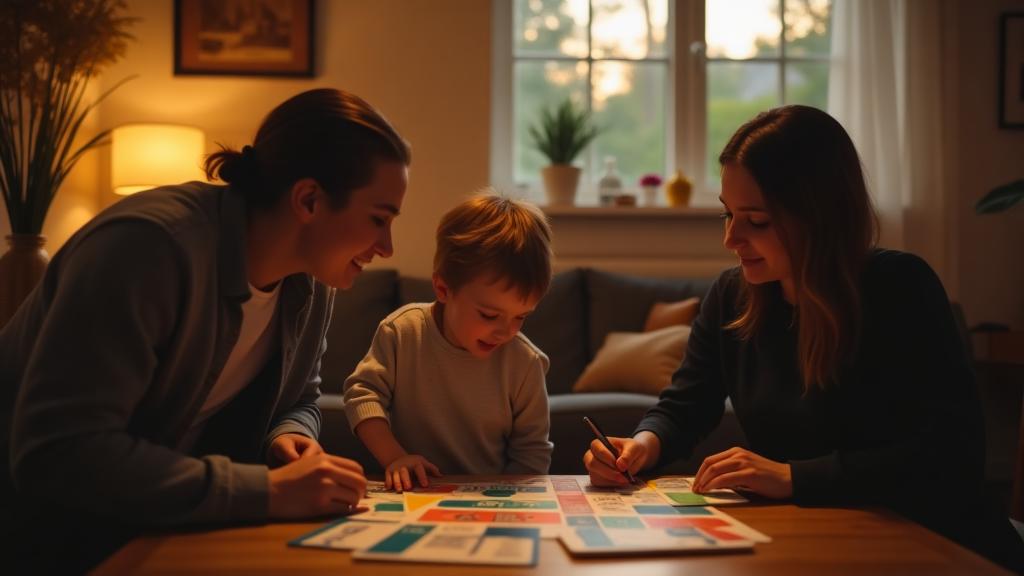
    A cozy family living room with a child playing board games with parents

    Why Reducing Screen Time Is More Than Just a Rule

    These days, everywhere you look — screens. Phone in the pocket, tablet in the bag, smart TV in the hall, even watches are flashing notifications. For kids, it’s become part of everyday life. But slowly, this habit starts affecting other things — sleep gets disturbed, outdoor playtime reduces, and even studies take a hit.

    Now, no one is saying to throw away the phone or live like it’s the 80s. But somewhere, we have to find a balance. A way to use technology without letting it take over our lives. These tips are not from any textbook. They’re coming from real parents, real experiences — and what has actually worked in daily life.

    1. Kids Copy Us, Not Just Listen to Us

    You can keep telling your child, “Too much screen is bad,” but if they see you scrolling through social media at dinner or watching serials late night, they’ll pick that up faster. Kids don’t learn from advice — they copy what they see at home.

    Start from yourself:

    • Try leaving the phone in another room when you eat.
    • Keep one hour in the evening where no screens are touched.

    Make it something the whole family does together. If it feels like a rule only for kids, they’ll never follow it happily. But if they see everyone trying, it becomes teamwork.

    2. Don’t Just Say “No”—Offer Something Better

    Taking away the tablet and saying “Go outside” doesn’t work. That usually ends in tears or fights. Kids don’t stop using screens unless you give them something fun in return.

    Try simple swaps:

    • After dinner, instead of cartoons, take out a board game or puzzle.
    • Keep crayons, LEGO, or storybooks nearby — not locked inside shelves.
    • Fix a time every day where all of you sit and read quietly, like a mini library at home.

    When these activities are in front of their eyes, kids naturally try them. No need to force.

    3. Rules Are Needed, But Keep Them Practical

    Children like routine. But if you make screen rules too strict, they may start lying or hiding it. So better to keep rules clear, but with some breathing space.

    For example:

    • Under 5: Maybe 1 hour max, and that too with an adult sitting beside.
    • 6–12 years: No screens while eating, and avoid it inside bedrooms.
    • Teenagers: Sit and make mutual agreements. If they like gaming, allow it — but with timing.

    One small idea — make a screen-time contract. Not a fancy one, just a few rules written together and agreed upon. When kids help in setting the rules, they feel responsible.

    4. Make Screens Slightly Difficult to Reach

    Sometimes, you don’t need to fight with your child. Just make screens less accessible.

    • Keep the tablet on charge in your room at night, not theirs.
    • Hide the TV remote inside a kitchen drawer or cupboard.
    • Use app locks or timers so that apps shut down after a while.

    When things are not in front of the eyes, kids forget about them. Simple tricks work better than arguments.

    5. Use Screens Together — Don’t Let Them Be Lonely

    Not all screen time is bad. If you use it to spend time together, it can actually bring you closer.

    Watch something informative or funny as a family, then talk about it. Play games where everyone joins — even grandparents sometimes enjoy simple ones.

    Say things like:

    “Let’s watch one episode together, then we’ll make popcorn,” or
    “After this game, we’ll go for a walk.”

    Screens, when used together, feel like bonding time — not isolation.

    6. Boredom Is Not Bad — It’s Good

    Nowadays, the moment a child says “I’m bored,” parents give the phone. But being bored is not a problem — it’s where creativity starts.

    When children have nothing to do, they might:

    • Build a pillow fort.
    • Take out old toys and start mixing games.
    • Or just lie down and think — that’s also needed.

    So next time they say “What do I do now?”, just smile and say, “You’ll figure it out.”

    7. Fix Screen-Free Corners and Times

    Sometimes, instead of rules, the space itself can set the tone.

    Try this:

    • No screens on the dining table. Meals should have stories, not reels.
    • Bedrooms stay screen-free. That way, sleep stays peaceful.
    • Short car rides? No phone. Look out of the window — it’s a habit.

    You can also fix timings like:

    • No screens one hour before bed.
    • Sunday afternoon = family unplug time.
    • Morning before school — no scrolling, just brushing and breakfast.

    Stick to these slowly. Once it becomes habit, there’s less drama.

    8. Don’t Just Point Out Mistakes — Celebrate Effort

    Many parents only notice when the child does something wrong. But what about when they quietly pick up a book instead of asking for the phone?

    Say it out loud: “Hey, I saw you chose to draw today — that was awesome.”

    Ask them how they felt. Did they sleep better? Was their mood nicer? Help them connect the dots between screen-free time and feeling good.

    These small moments matter more than punishments.

    Final Thoughts: It’s Not About Winning, It’s About Learning Together

    Reducing screen time is not a fight. It’s a journey — with small wins, small mistakes, and lots of learning.

    Some days will go well. Some won’t. But keep trying. Stay calm. Stay involved. When children see that you’re walking beside them, not above them, they listen more.

    This isn’t about perfect parenting. It’s about real parenting — with love, patience, and presence.

    This blog got you thinking? How to Build a Healthy Routine for Your Family is another one you’ll really enjoy.

  • How to Build a Healthy Routine for Your Family

    How to Build a Healthy Routine for Your Family

    Family living room with a child

    Let’s be real for a minute some days, family life feels like a circus. One child is crying because their socks don’t match, another can’t find their homework, and your chai has gone cold… again. In between all this, expecting a perfect routine? Arrey bhai, that’s like asking for rain in April!

    But listen, routine doesn’t mean military discipline. It’s not about waking up at 6:01 sharp and eating lauki every Wednesday. A proper family routine is more like a gentle rhythm — something that brings balance, not pressure.

    Even if your life feels a bit all over the place, you can still build a routine that feels good. Not like a timetable stuck on the fridge, but like a flow — something that makes everyone’s day smoother, a little less stressful, and a lot more connected.

    Why Routines Actually Help (More Than We Think)

    Now you must’ve noticed this — kids behave better when they know what’s coming next. When they’re sure that after lunch it’s nap time or after play it’s homework, their mind relaxes. Even we adults feel settled when the day has some kind of order.

    A routine acts like a backbone. You don’t always see it, but it holds everything together. It helps in:

    • Reducing those small everyday fights (like “When will you stop watching TV?”)
    • Teaching kids small habits without scolding again and again
    • Making sure everyone eats, sleeps, and moves properly
    • Giving you a bit of breathing space too, not just running behind everyone

    Honestly, even a small thing like sitting together for 10 minutes in the evening can bring peace. It’s not about fancy planners — it’s about creating pockets of calm.

    So, How Do You Build That Kind of Routine?

    1. Don’t Try to Fix Everything in One Day

    Let’s not jump like we’re fixing the whole country in one go. Start with one messy area — maybe mornings are full of shouting, or bedtime takes forever.

    Try these kinds of small jugaads:

    • Make a picture-based checklist for younger kids — they see, they do
    • Prep the school tiffins or uniforms at night itself — saves morning drama
    • Begin bedtime 30 minutes earlier, slowly-slowly

    Think of it like planting a neem tree — slow to grow, but strong roots.

    2. Involve the Whole Family (Even the Little Ones)

    Routine doesn’t work if it’s just top-down orders. Sit with your kids, even if they’re 3 or 13, and ask — “What should we do differently?” You’ll be surprised, they have ideas!

    Let it be a small family meeting:

    • What time feels too rushed?
    • What helps you feel calm before school?
    • Where can we add some fun or breathing space?

    Write it down on a page, stick it on the fridge. Not a chart, just a reminder of your “family rhythm”.

    3. Use Anchor Points Instead of a Full Schedule

    Forget scheduling every minute. Just fix a few points in the day that are always the same — like telephone poles that hold the wires.

    For example:

    • Morning ritual: A quick good-morning hug, chai or milk, a small chat
    • After-school pause: No phone, just sit and eat a snack together quietly
    • Dinner time: Eat together, even if it’s roti-subzi or just dal-chawal
    • Bedtime: Change into night clothes, light story or talk, cuddle

    These become emotional signals, not just time-pass. Kids begin to feel, this is my safe zone.

    4. Add Health Habits Slowly – Not Forcefully

    Now don’t dump a yoga routine, water bottles, and karela juice on Day 1. Ease these things into life like you’d add salt to sabzi — little at a time.

    • Do a 5-minute family stretch before school, nothing fancy
    • Keep steel bottles filled with water on the table — easy to reach
    • Have 30 minutes screen-free time before bed (light music, talking, drawing)
    • After dinner, do a 10-minute team-clean of the house — everyone helps a little
    • On Sundays, plan the week’s meals roughly together — saves guessing later

    Make it fun, like Dadi’s way of slipping haldi into every meal without announcing it.

    5. Don’t Stress on Bad Days — They Happen

    Some days will go completely out of control. One child falls sick, the other throws a tantrum, and you forget your own phone charger. It’s normal.

    Having a routine doesn’t mean every day will go perfectly. It just means you bounce back faster.

    So if dinner happens in front of the TV sometimes, or bedtime is skipped — don’t scold yourself. Try again tomorrow. That’s all.

    Different Ages, Different Needs — Adjust Accordingly

    For Toddlers & Preschool Kids:

    1. Meals and naps at roughly same time daily
    2. Wind-down cues like bath → story → light lullaby
    3. Teach cleanup as a game — “Let’s park all toys!”

    For School-Age Kids:

    • Use pictures or short lists for getting ready
    • Set a time for both homework and play
    • Keep small responsibilities — like setting plates, folding napkins

    For Tweens & Teenagers:

    • Let them manage wake-up and getting ready (with gentle nudges)
    • One hour daily for studies without screen
    • Let them choose one evening chore — water plants, sweep, anything
    • Talk once a day — not to lecture, just to listen

    When It All Starts Flowing Like a River

    A good routine isn’t a straight line — it’s more like a flowing river. It bends around stones, flows fast some days, slow on others.

    It’s not about being perfect. It’s about showing up. It’s about making small changes that slowly shape your family’s day. Over time, these routines turn into memories — like evening chai on the balcony, bedtime stories that become family favourites, or cleaning together on Sundays while old songs play.

    And when the day feels too messy to manage, take a breath. Tomorrow is another chance. No big deal.