Tag: Health

  • 10 Simple Exercises to Add to Your Morning Walk

    10 Simple Exercises to Add to Your Morning Walk

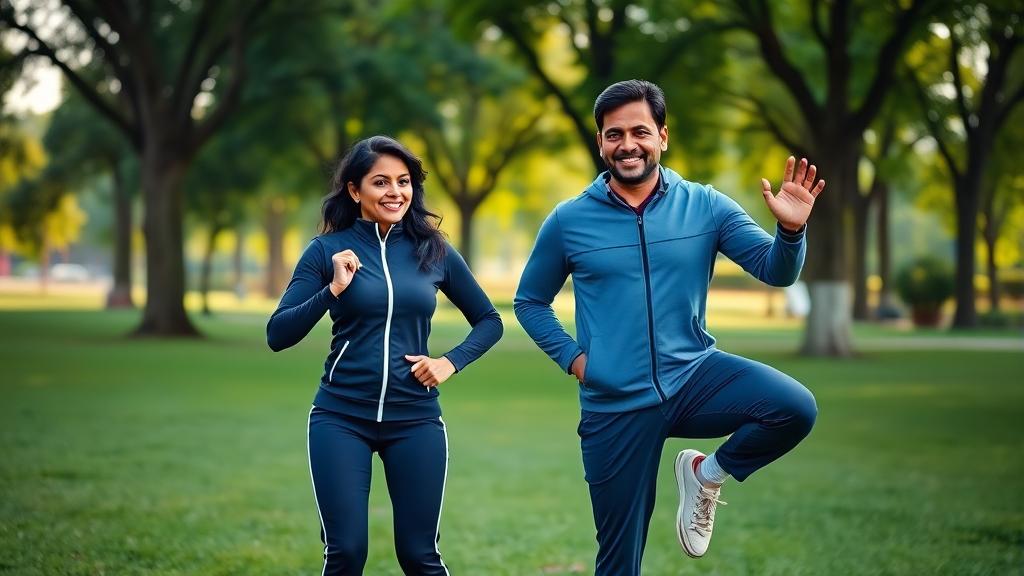
    Cheerful middle-aged Indian couple doing morning walk exercises in a city park.

    Introduction

    In India, a lot of people already have a habit of going for morning walks — whether it’s inside the colony park, on the local walking track, or just along the roadside when it’s still peaceful. But most of us only walk, right? What many don’t realise is that if we add just a few small exercises to this daily routine, it can turn into a full-body workout. You don’t need a gym or any special gear. Just a little effort, and your usual walk becomes much more useful for your health.

    In this guide, let’s look at 10 easy exercises that you can do during your morning walk. No need to do them all at once. Just try a few as per your comfort, and slowly build your stamina.

    Why Morning Walk is Already Good for You

    Let’s start by understanding why morning walks are already such a good idea:

    • You get fresh air and a calm mind before the day starts.
    • Your body feels active and light the whole day.
    • Sunlight in the early hours is good for vitamin D.
    • It’s a peaceful time to think or even chat with someone while walking.
    • People who walk regularly also see better heart health and fewer mood swings.

    And just 20–30 minutes of walking every day can also help in keeping weight under control. That’s something we all want, right?

    10 Best Exercises to Add During Your Walk

    Let’s now look at the exercises you can easily mix into your walk. These don’t need equipment or much space — you can do them even inside your local park or empty road.

    1. Brisk Walking

    Walk a little faster than your usual speed. You should still be able to talk, but not too comfortably. This kind of walking burns more calories and wakes your body up properly. Think of it as picking up the pace just a bit — not running, but not too slow either.

    2. Walk in Intervals

    This means mixing slow and fast walking. For example, walk normal for 3–4 minutes, then do fast walking for 1 minute. Keep repeating. This helps improve stamina and keeps the walk from getting boring.

    3. Use Small Slopes or Stairs

    If your walking place has a slope, hill, or even some stairs — use them. Walking uphill works your legs more and gives a mini strength workout. Many parks in cities like Delhi or Pune have these natural spots.

    4. Swing Your Arms

    Instead of just letting your hands hang, swing them properly while walking. It keeps your shoulders loose and adds some movement to your upper body. Some people even carry light water bottles — but don’t make it too heavy.

    5. March with High Knees

    Every few minutes, try walking by lifting your knees higher. It’s like slow jogging but without jumping. Do it for 30 seconds at a time. This works your stomach area and makes you breathe faster, which is good for your heart too.

    6. Butt Kicks

    Try walking while kicking your heels backward toward your waist. You can do this slowly or a little faster. It gives a nice stretch to your legs and adds a fun twist to your walk.

    7. Side Steps

    Take 5–6 steps to the right, then to the left. You can do this on a straight path. It works on side muscles of your legs and helps with balance.

    8. Lunges

    Stop at a bench or open area, and do a few lunges. Step one foot forward and bend both knees, then come back. Do the same with the other leg. If you’re not used to it, start with 5 per leg. It’s very good for thigh strength.

    9. Tip-Toe Lifts (Calf Raises)

    Pause during your walk, lift your heels and stand on your toes, then come back down slowly. Do it 10–15 times. It’s a great way to work your lower legs and improve balance.

    10. Simple Stretching

    End your walk by stretching your legs and back. Touch your toes gently, pull your ankle toward your waist, or stretch your arms. This helps cool down the body and prevents stiffness later.

    Make It a Part of Your Routine

    Wherever you walk — colony lane, terrace, or local park — these small exercises will fit in. In places like Kolkata or Lucknow, parks are full of regular walkers. You’ll always find a corner or patch to try out lunges or calf raises. In hilly areas like Dehradun, the slopes already give you a natural workout. If you live in a polluted city, just try going a little earlier or find an indoor track or society corridor.

    My Honest Experience

    I used to walk casually for 20–25 minutes every morning. It felt good, yes, but not enough. Once I started adding 2–3 of these exercises — like high knees or brisk walking — I felt a major change. More energy, better sleep, and even fewer body aches. Now it’s become a habit. Even when I’m travelling, I try to sneak in these small moves during walks.

    You don’t need to do all 10 things every single day. Just do what feels right. Add one new exercise every week maybe, and slowly make your body used to it.

    Final Thoughts

    Morning walk is already one of the best things you can do for your health. But now you know, it can be even better. With just a little extra effort, it becomes a total body workout — and the best part is, it costs nothing. So next time you go out for your walk, remember these small tweaks. Your body will thank you later.

    📚 You Might Also Like:

    Morning Routine Habits That Actually Boost Your Fitness
    Small changes that can make your morning walks more effective and energising.

    Best Stretching Exercises to Do Before and After a Walk
    Gentle Indian-friendly stretches to warm up and cool down your body properly.

    How to Set and Achieve Realistic Fitness Goals
    A practical guide to creating health goals that truly match your lifestyle and sticking to them.
  • 6 Side Effects of Vitamin D Supplements and How to Minimize Them

    6 Side Effects of Vitamin D Supplements and How to Minimize Them

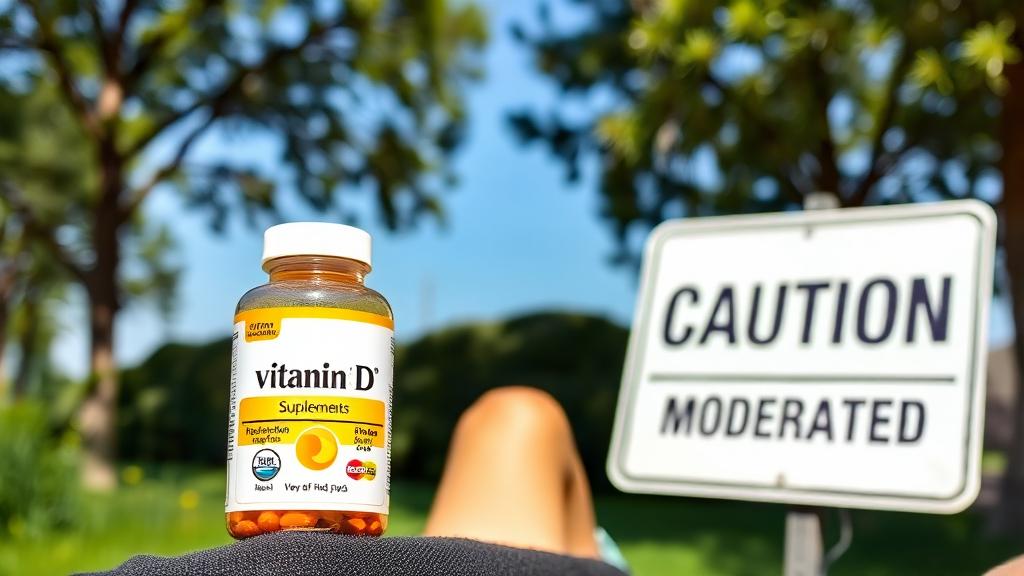
    Person sitting in sunlight with a bottle of Vitamin D supplements and a caution sign, showing the importance of safe usage.

    Introduction

    Vitamin D is one of those nutrients that everyone talks about these days and for good reason. It’s linked to stronger bones, better immunity, and even mental well-being. But while most people know about its benefits, very few pay attention to the side effects that come when we start taking it in Vitamin D supplements form sometimes without even checking if we actually need it.

    Even though India gets good sunlight, many people still have low Vitamin D levels due to lifestyle changes like working indoors, staying covered up, or living in areas with pollution. That’s why supplements have become so common. But taking them blindly, without proper understanding, can cause some problems the kind that don’t always show up right away.

    This blog talks about 6 silent side effects that might happen if you’re overdoing Vitamin D supplements. Along with that, you’ll also find some easy tips to avoid these issues and use the supplement the right way.

    Why Are So Many Indians Taking Vitamin D Supplements?

    In recent years, many Indians have started popping Vitamin D pills, sometimes even without checking with a doctor. A big reason is deficiency studies show that 70% to 90% of Indians don’t get enough Vitamin D. It’s surprising, especially in a sunny country like ours. But between staying indoors, covering our skin, and city pollution blocking sunlight, it’s more common than we think.

    So yes, supplements help. But just like anything else, too much of it is not good either. And often, the side effects creep in quietly we don’t even notice until things get serious.

    1. High Calcium Levels Without Warning

    Vitamin D helps our body absorb calcium, but when there’s too much of it, things go off track. It’s like adding extra salt to food — a pinch helps, but too much spoils everything.

    If calcium becomes too high in the blood (a condition called hypercalcemia), you might feel very tired, get nausea, or need to pee frequently. But in many cases, there are no big signs which is what makes it tricky.

    How to avoid this:
    Don’t cross the usual daily dose of 600 to 800 IU unless your doctor clearly says so. Also, get your blood tested now and then if you’re taking high-dose supplements.

    2. Kidney Trouble or Stones

    Extra Vitamin D means more calcium getting absorbed. But that calcium doesn’t always go to your bones some of it builds up in the kidneys, slowly creating stones or damaging the kidneys over time.

    The symptoms can be quiet until the problem becomes painful.

    What you can do:
    Drink plenty of water to keep your kidneys happy. And unless a doctor advises, don’t mix calcium and Vitamin D supplements together.

    3. Upset Stomach That Just Won’t Go

    Sometimes people notice bloating, cramps, or constipation after starting Vitamin D supplements. It’s easy to ignore, thinking it’s something you ate. But if it keeps happening, your body might be reacting to the supplement.

    Tip:
    Take the pill along with a proper meal not on an empty stomach. And if the issue continues, maybe try switching to a lower dose or another brand.

    4. Mood Swings or Irritability

    This one’s a bit unexpected. But too much Vitamin D can mess with hormones, which in turn can affect your mood. Some people feel more anxious, short-tempered, or just “not themselves” when they overdo it.

    In a country where mental health isn’t openly discussed, it often goes unnoticed.

    Best approach:
    If your mood starts feeling off after taking supplements, make a note and speak to your doctor. It might be related.

    5. Bone Pain or Weakness (Yes, Really!)

    This might sound strange after all, we take Vitamin D to make our bones stronger. But very high levels can actually pull calcium out of the bones, weakening them over time.

    You won’t notice this right away, but slow pain or stiffness can start building up.

    How to stay safe:
    Balance is the key. Along with Vitamin D, make sure your diet has enough magnesium and Vitamin K2 they help guide the calcium to your bones, where it belongs.

    6. Trouble with Other Medicines

    If you’re already taking medicines for your heart, BP, or bones, Vitamin D might quietly interfere. Either it makes the medicine less effective, or increases side effects without showing clear symptoms.

    Solution:
    Don’t hide your supplements from your doctor. Share everything you take even if it feels small. It helps avoid future issues.

    How to Use Vitamin D Supplements Safely

    You don’t need to be scared of taking supplements. But you do need to be careful and aware.

    Here’s a basic guide to stay on the safe side:

    • Always ask a doctor before starting any supplement — especially if you’re already on medication.
    • Stick to the daily limit — usually 600–800 IU for adults, unless told otherwise.
    • Get your levels checked once or twice a year if you’re taking it regularly.
    • Notice any strange symptoms — digestion, mood, bone pain, anything odd.
    • Eat more natural sources — like egg yolk, oily fish, and fortified foods. Supplements are good, but real food is always better.

    My Final Thoughts

    In India, we often follow the “more is better” thinking. Whether it’s spices or supplements, we go all in. But health doesn’t work like that.

    Vitamin D is important no doubt. But the side effects we just discussed are real and often missed. So instead of just gulping down pills, take a step back. Understand what your body needs. Talk to your doctor. And stay balanced.

    That’s the best way to enjoy the benefits without any of the hidden risks.

    🔗 Useful Links for Vitamin D and Health

    ☀️ Understanding Vitamin D Deficiency
    Learn why Vitamin D is essential, how deficiency affects health, and simple ways to get enough safely.
    👉 Visit Healthline’s Vitamin D Guide

    ⚠️ Side Effects of Vitamin D Supplements
    Know the possible risks of too much Vitamin D and how to avoid them.
    👉 Read on Mayo Clinic

    💊 Safe Supplementation Practices
    Tips on how to take Vitamin D supplements correctly and when to consult your doctor.
    👉 Read WebMD Vitamin D Safety

    ❤️ Weak Heart Warnings: Know the Silent Signs Before a Heart Attack
    Understand the early symptoms of a weak heart and when to get medical help.
    👉 Learn More Here

  • Weak Heart Warnings: Know the Silent Signs Before a Heart Attack

    Weak Heart Warnings: Know the Silent Signs Before a Heart Attack

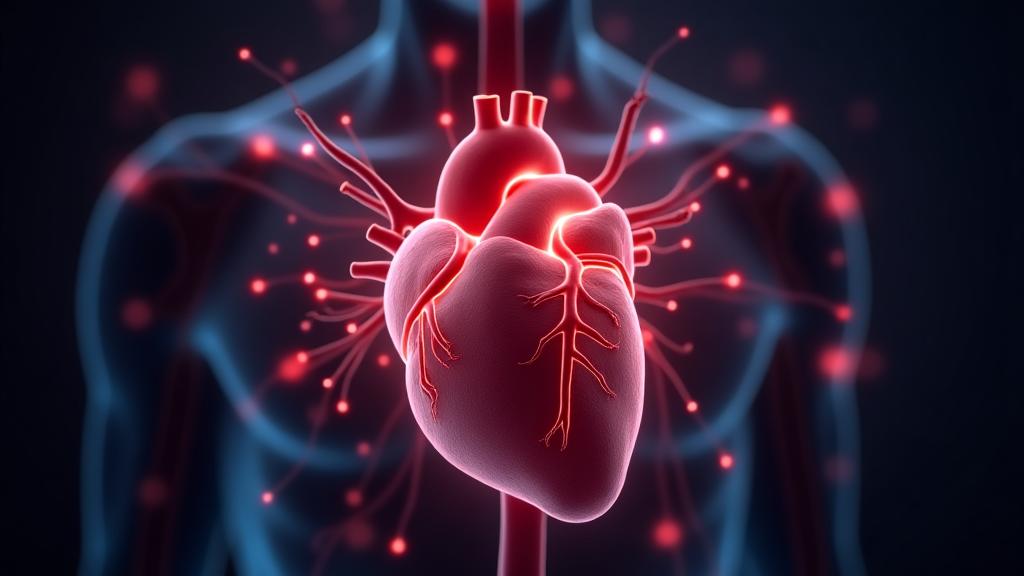
    Healty heart

    These days, heart problems are not just for older people. Even someone in their 30s or 40s can suddenly get a heart attack and that too without any major warning. But actually, the body does warn us. We just don’t take it seriously. Sometimes, we think it’s just gas, tiredness, or maybe we just didn’t sleep well.

    But the truth is, your heart might be struggling. And you won’t know until it’s too late.

    Let’s look at 9 common signs that could mean your heart is getting weak. Read carefully some of these are things we all ignore thinking “it’s nothing.”

    1. A Strange Feeling in Your Chest – Not Always Pain

    When we say heart problem, we all think of sharp chest pain. But that’s not always how it starts. Sometimes it’s just a tight feeling, or pressure, or even a burning like acidity. One of my friends had this heaviness in his chest and jaw for 2 days. He thought it was gas. Turned out, it was the beginning of a heart attack. Scary, no?

    So don’t guess get it checked.

    2. You Get Out of Breath Easily

    Let’s say earlier you could climb 2 floors without trouble. But now you feel breathless just after one flight of stairs that’s a sign. Even walking for a few minutes makes you stop to catch your breath. If your lungs and stamina are fine, then the heart could be the reason.

    3. You’re Tired for No Reason – All the Time

    Some people sleep 8 hours but still feel tired during the day. Not tired like “I didn’t sleep properly” — more like your whole body feels low energy. This can happen when your heart isn’t pumping blood well. Your body isn’t getting enough oxygen, so everything feels like an effort.

    Even small things like folding clothes or going to the shop make you feel drained.

    4. Feeling Dizzy or Light-Headed Suddenly

    You get up from bed or a chair, and suddenly everything spins for a few seconds. Once or twice is fine. But if it keeps happening, or you feel like you might faint please don’t ignore it. It could mean low blood flow to the brain due to a weak heart.

    5. Stomach Discomfort, Nausea, or Vomiting (Even Without Food Issues)

    Not all heart signs are in the chest. Many people, especially women, get stomach pain, feel like puking, or have a strange discomfort in the upper belly. Most of us think it’s something we ate. But sometimes it’s the heart sending signals.

    6. Pain in Neck, Jaw, Shoulder, or Arm (Especially Left Side)

    Yes, chest pain is one thing. But heart trouble can show up as pain in the left arm, or back, or even the jaw. It’s not constant pain it comes and goes. That’s why people think “it’s nothing.” But trust me, this kind of pain needs a check-up.

    7. Cold Sweat for No Reason

    You’re just sitting or watching TV and suddenly you start sweating badly, but your body feels cold. That’s not normal. If it comes with chest tightness or dizziness, go to the hospital immediately. Many people ignore this and regret it later.

    8. Fast or Irregular Heartbeats

    Sometimes you feel like your heart is running faster than normal. Or it skips a beat. This can happen during stress, but if it happens too often or while you’re resting, that’s a problem. The heart should beat steady not randomly.

    9. Sleep Problems – Waking Up Gasping or Feeling Choked

    If you wake up suddenly in the night gasping for air or feeling heavy in the chest, that’s not a bad dream. That could be your heart under stress. Especially if you snore loudly, feel tired in the morning, or feel breathless in sleep these are signs of sleep apnea or heart stress.

    💬 A Small Reality Check

    In India, most people don’t visit the doctor until something major happens. We believe in “Get some rest, you’ll feel better.” But your heart might not wait and ignoring early signs could lead to a heart attack.

    Also, with all the sitting jobs, junk food, lack of exercise, and stress heart disease is no longer an “old people” problem. Young people are at risk too.

    ✅ What You Can Do

    If you noticed 2-3 of these signs happening regularly, please don’t delay. Get an ECG, 2D Echo, or basic heart check-up. Even in small towns, these tests are easily available now.

    Also, start with small changes:
    – Walk for 30 minutes daily
    – Eat more home food
    – Avoid smoking or too much alcohol
    – Reduce stress (even just by sleeping properly)
    – Take yearly health check-ups seriously

    💭 Final Words

    Your heart works 24×7 without complaining. But if it’s starting to get weak, your body will send signals small ones at first. The earlier you catch them, the better your chance of living a long, healthy life.

    Don’t ignore what your body is trying to say. It’s not overthinking. It’s awareness.

    🔗 Useful Links

    • Recognizing Early Signs of a Heart Attack
      Learn the warning symptoms of a heart attack and when to seek immediate medical attention.
      Visit Mayo Clinic
    • How Stress Affects Heart Health
      Understand how chronic stress can contribute to cardiovascular problems and what you can do about it.
      Read on Cleveland Clinic
    • Physical Activity Guidelines by WHO
      Find out how much physical activity you need to keep your heart strong.
      Explore WHO’s Official Guidelines
    • Tiny Pacemaker, Big Impact: Saving Newborns with Heart Defects
      Discover how the world’s smallest pacemaker is changing lives for infants with critical heart issues.
      Read the Full Article
  • How Strawberries Can Help With Fatty Liver and Diabetes

    How Strawberries Can Help With Fatty Liver and Diabetes

    Fresh strawberries and smoothie with glucose meter for managing diabetes and fatty liver

    These days, many people are silently struggling with health problems like fatty liver and diabetes. It’s not just in cities anymore even in small towns, these lifestyle diseases are slowly becoming common. We often hear about expensive medicines or strict diets, but what if a simple fruit could give some relief? Yes, that juicy red fruit sitting in your fridge strawberries might be more helpful than you think.

    Recent findings say that strawberries can support our health in more ways than just being a tasty snack. From helping with blood sugar levels to keeping our liver in better shape, this fruit does a lot quietly. In this blog, we’ll understand how strawberries actually help, why it matters especially for Indians, and easy ways to include them in our regular meals.

    What’s Going Wrong: A Look at Fatty Liver and Diabetes

    Fatty liver is when too much fat gathers inside your liver. It’s mainly of two types one due to drinking too much alcohol, and the other, more common now, is non-alcoholic fatty liver. That’s the one many Indians are dealing with it comes from less activity, overeating fried or rich foods, and being overweight.

    Then there’s diabetes, especially type 2. This is when the body cannot manage sugar in the blood properly because it doesn’t use insulin well. With more than 77 million Indians affected, this is becoming a real issue in both villages and cities. Even schoolchildren in some cases are showing early signs.

    Now here’s the link both fatty liver and diabetes usually come from the same issue: insulin resistance. When your cells stop responding properly to insulin, sugar stays in the blood, and fat builds up in the liver. That’s why experts say treating insulin resistance is key. And guess what helps with that? Strawberries.

    How Strawberries Help

    Don’t let the sweetness fool you strawberries are low in calories and rich in nutrients. They’ve got fiber, vitamin C, and natural compounds called antioxidants. These all work together to fight health problems quietly.

    One big help they offer is improving insulin sensitivity. That means your body can handle sugar better. So if you eat strawberries regularly, it may help control your blood sugar naturally. Some studies also found that strawberries bring down total and LDL (bad) cholesterol, which is usually high in people with fatty liver or diabetes.

    Also, strawberries fight inflammation. Now this is important when your body is inflamed from the inside, it becomes harder to heal or stay healthy. So these small fruits do their part in reducing that pressure on the body.

    What the Research Says

    This is not just a folk belief even scientists back it up. A study published last year showed that people who ate around one cup of strawberries every day saw their cholesterol drop and insulin sensitivity go up. That’s a win-win.

    Even researchers from the University of Nevada, Las Vegas (UNLV), who’ve been studying this fruit for years, say that strawberries can cut down the risk of type 2 diabetes. They noticed better sugar levels and heart health markers in people who added strawberries to their diet regularly.

    Animal tests also showed good results diabetic rats given strawberry juice had lower sugar levels and better insulin response. While humans are not rats, it’s still a sign that strawberries have something good going on.

    Easy Ways to Include Strawberries in Your Diet

    You don’t need fancy recipes. Just pick fresh strawberries from the market when they’re in season usually winter to early spring in India. Here are a few simple ideas:

    Strawberries mixed with dahi – a healthy Indian snack
    • Eat them fresh – Wash and munch as a mid-day snack.
    • Add to curd – Mix with plain curd or make a quick strawberry raita.
    • Blend a lassi – Yogurt, strawberries, a little sugar, blend — done.
    • Top your oats – Slice strawberries over warm oats in the morning.
    • Make a fruit salad – Add to banana, papaya, or apple slices.

    In hill areas like Mahabaleshwar, fresh local strawberries are available in bulk and taste even better. If you get a good deal, buy a box and store them in the fridge.

    More Benefits — Not Just for Liver and Sugar

    Strawberries are not limited to just liver and sugar. There’s more:

    • Heart Health – Keeps cholesterol under control and blood pressure steady.
    • Skin Benefits – Vitamin C helps your skin stay fresh and firm.
    • Helps in Weight Control – Low calorie but filling, so you eat less junk.
    • Good for Digestion – High fiber means better bowel movements.

    In short, they cover many small needs of the body which add up over time.

    Final Thoughts

    Strawberries may not be a miracle cure, but they surely give solid support. For anyone dealing with early signs of fatty liver or high sugar levels, this fruit can be a small, sweet step in the right direction. Even doctors agree that food can act like medicine when chosen wisely.

    Personally, I feel it’s better to try natural, seasonal foods before jumping to pills or complicated diets. In India, where health awareness is slowly improving, bringing such fruits into daily meals can make a real difference.

    Just remember, one fruit alone won’t fix everything. Keep your lifestyle balanced walk a little, eat fresh, sleep well and let strawberries do their small magic quietly in the background.

    🩺 You Might Also Like:

  • Beetroot Juice in 2025: Still the Easiest Way to Boost Health

    Beetroot Juice in 2025: Still the Easiest Way to Boost Health

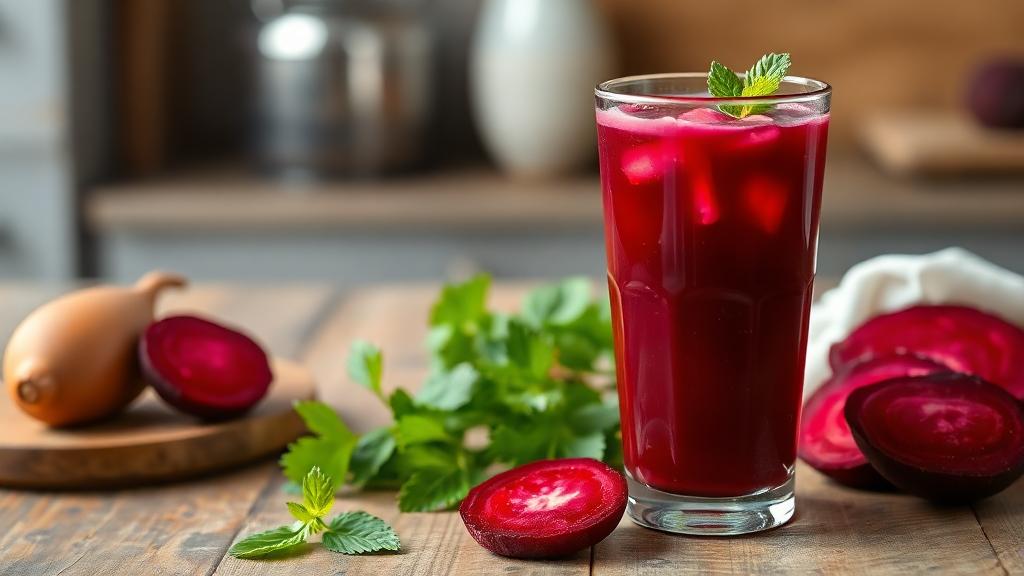
    Fresh beetroot juice with sliced beetroot and mint leaves on a rustic Indian kitchen table

    What’s So Special About Beetroot Juice Anyway?

    You know, in many Indian homes, beetroot isn’t something fancy. It’s that red root veggie our mothers sneak into salads or mix in with sabzi. But recently, especially in 2025, people have again started looking at it as a proper health drink. Why? Because beetroot juice is packed with all the good stuff our body actually needs.

    1. Good for Blood and Energy

    Beetroot is rich in iron, and that’s really important—especially for us Indians, where many women often deal with low haemoglobin. Drinking beetroot juice regularly helps increase red blood cells, which means better energy and less tiredness. You’ll feel the difference slowly, not overnight, but it works.

    And it’s not just about iron. This juice also has natural nitrates, which help improve blood flow. That means your body uses oxygen more efficiently. So, if you feel tired after just climbing a few stairs, try having beetroot juice daily for 2–3 weeks and see how you feel.

    2. Supports Digestion the Simple Way

    One big reason why our grandparents rarely had digestion issues is because they relied on simple foods. Beetroot juice helps the stomach work better and keeps bowel movements regular. It’s not some magic pill, but it works quietly in the background.

    Add a pinch of jeera powder or black salt in your juice—it adds taste and also helps even more with digestion. In small towns, we often do this without thinking twice.

    3. Glowing Skin, Without Expensive Creams

    These days everyone wants glowing skin. But creams and facials cost a bomb, right? Beetroot juice can naturally clean your blood, and when your blood is clean, your skin starts showing it. It won’t happen overnight, but if you have one glass 3–4 times a week, it starts to reflect slowly.

    Some people even mix beet juice with carrot juice for better results. Even I’ve seen aunties in our locality doing this before weddings or festivals.

    4. Good for the Heart and BP

    High BP is common these days, even among young people. Beetroot juice helps lower blood pressure because it relaxes blood vessels. It’s not a replacement for medicine if your BP is too high, but for people with borderline BP, it can help keep things in control.

    One of my uncles, around 55 years old, started drinking beetroot juice thrice a week, and now his BP stays in a better range without needing tablets every day.

    5. Boosts Stamina and Brain Function

    You might’ve noticed that after a certain age, we get tired faster, and even memory starts slipping a bit. Well, beetroot juice improves oxygen flow not just to muscles, but also to the brain. That’s why many health experts in India now suggest beetroot juice for school kids and office workers both.

    Even athletes are taking it before workouts. But for us common folks, even if you just have it before a walk or yoga session, you’ll feel that push of extra energy.

    How to Make Beetroot Juice at Home

    Here’s how my mother makes it at home simple and straight.

    You’ll need:

    • 1 medium-sized beetroot (peeled and chopped)
    • Half a carrot (optional)
    • Few drops of lemon juice
    • Pinch of black salt
    • A bit of ginger (for taste, optional)
    • Half glass water

    Steps:

    1. Blend beetroot (and carrot if using) in a mixer.
    2. Strain it if you don’t like pulp.
    3. Add black salt, lemon juice, and ginger juice if needed.
    4. Mix well and drink fresh don’t store it too long.

    Pro tip? Always drink it fresh. The colour might look strong, but the taste grows on you slowly. And if you’re new to it, start with small quantity half glass is enough in the beginning.

    Final Thoughts – Small Habit, Big Change

    Honestly, in today’s time when everything feels fast, packaged, and expensive, beetroot juice is still that one simple habit that gives health without burning your pocket. Whether you’re a college student or a retired uncle, this juice fits in everyone’s routine.

    And the best part? It’s fully natural. No side effects. No long ingredients list. Just one root, a little effort, and regular use.

    If you’ve not tried it yet, maybe it’s time. Start this week, and in a month, let your health (and mirror) tell the rest.

    Liked This Tip?

    If you found this helpful, share it with your family or friends—especially those who are tired all the time or worried about skin or BP. Sometimes the best health advice is already in our kitchen.

    🔗 You Might Also Like Reading These:

    👉 Desi Detox Ideas That Actually Work – Simple kitchen remedies like lemon water, jeera water, and more for daily body cleansing.
    👉 Is Nimbu Pani Better Than Energy Drinks? – A real comparison of our traditional drinks vs fancy store-bought options.
    👉 7 Simple Morning Habits That Actually Help Your Mental Health – Start your day on the right note with these easy and effective Indian-style practices.

  • How to Stay Motivated to Exercise: Real Tips Backed by Science and Experience

    How to Stay Motivated to Exercise: Real Tips Backed by Science and Experience

    Woman meditating in a yoga pose on a mat with a motivational quote about staying motivated to exercise.

    Introduction

    Getting motivated to exercise or work out isn’t easy for most people. In fact, for many of us, especially in India where lifestyle habits are changing fast, it feels like one more thing to tick off from a long to-do list. But staying active isn’t just about looking fit it’s about feeling good, mentally and physically.

    You might not always have a fancy gym around, or even enough time in hand. Still, small steps go a long way. So, in this blog, let’s look at how you can boost your motivation to work out, using a few science-backed tricks and some desi practicality. We’ll cover everything from setting real goals to finding joy in simple workouts because fitness is for everyone, not just for celebrities or gym freaks.

    Why Motivation Even Matters

    Most of us already know that exercise is good it helps the heart, lifts your mood, and gives you more energy. But the tricky part is actually doing it, right? In India, health issues like diabetes and high BP are rising every year. Still, nearly 4 out of 10 adults don’t even get the minimum recommended physical activity every week.

    Now, you may ask if we know it’s good for us, why don’t we just do it? That’s where motivation plays a big role. It’s the reason why someone goes for a walk even after a tiring day or joins a dance class when lying down seems easier.

    Make Your Goals Simple and Clear

    You need to know why you want to work out and what you’re trying to achieve. Goals help with that. But don’t make it too broad like, “I want to be fit someday.” Instead, try something more practical like, “I’ll walk 20 minutes every evening for the next 3 weeks.”

    Let’s say you’ve got a function coming up in 2 months, and you want to feel confident in your favourite kurta. Instead of saying “I want to lose weight,” make a plan: “I’ll cut down on sugary tea and do yoga three times a week.” Feels doable, right?

    You don’t need big gym schedules or scary routines. What matters is starting small and staying steady.

    Don’t Go It Alone – Find a Buddy

    Working out alone gets boring fast. But when there’s someone with you even if it’s your neighbour, spouse, or a friend it feels lighter. Just having a friend to walk with every evening or join an online fitness challenge can keep you going.

    In many Indian cities, you’ll see people forming walking groups in local parks or taking group yoga sessions in community halls. Even small towns now have fitness groups on WhatsApp or Facebook. If you’re shy to go outside, try online classes together with a friend over video call.

    Point is you’re more likely to show up if someone’s counting on you.

    Do Something You Actually Like

    This one’s simple: if you hate what you’re doing, you won’t stick to it. Exercise doesn’t always mean gym or running. It can be dancing, cycling, skipping, or even just walking your dog.

    I tried running once, but honestly, I couldn’t keep up. Then I found a YouTube Zumba session that felt more like dancing than working out and I haven’t looked back since.

    The key is, if it feels fun, you’ll do it again.

    Keep Mixing It Up

    Doing the same workout every day becomes boring after a point. And your body stops improving too. So switch things up once in a while.

    Maybe one day, do yoga. The next, go for a brisk walk. On weekends, play a bit of badminton with your kid or go cycling if you have a group. You can even use small weights or resistance bands at home.

    Now that many Indians are buying home fitness gear—like yoga mats and dumbbells—it’s even easier to try new things. And online fitness apps are booming, so you can explore different routines without spending much.

    Track Your Progress, Even the Small Wins

    Let’s be honest seeing even small results gives a big boost. Whether it’s one extra push-up or your jeans fitting a bit better, these things matter.

    You can write things down in a notebook or use apps like Fittr or HealthifyMe. Many people I know just mark a ✅ on the calendar every day they complete their workout it’s simple, and it works.

    When you see your own progress, you naturally feel like doing more.

    Celebrate Yourself (But Smartly)

    Every time you complete a week of workouts or hit a personal goal, reward yourself a little. Not with a box of sweets but maybe with a nice pair of workout shorts or a healthy smoothie treat.

    For me, after a month of walking every day, I bought new earphones to enjoy music while walking. That small reward made me look forward to it even more.

    Know Your “Why” Deeply

    At the end of the day, no matter what tips you follow, the strongest push comes from inside. Ask yourself: Why do I want to do this?

    Maybe you want more energy to play with your grandkids. Or you want to stay strong for your ageing parents. Or maybe you just want to sleep better. Keep reminding yourself of this reason it’ll help you even on lazy days.

    If mornings are tough, just plan a 10-minute stretch before breakfast. That small step builds momentum.

    Final Thoughts – My Take

    So, if you’re struggling to stay motivated, you’re not alone. It’s tough but it’s not impossible. Just start with what you can, where you are, with what you have. Focus on small actions, not perfection.

    For me, fitness became easier once I stopped chasing big goals and started enjoying small routines. Whether it’s dancing in my room, walking with my cousin, or stretching before bed it all counts.

    Your journey is yours. Just make sure it makes you feel good.

    Related articles
    7 Effective ways to stay motivated to work out, backed by science
    How to Set and Achieve Realistic Fitness Goals