Tag: Development

  • 10 Best Foods for Brain Development in Children

    10 Best Foods for Brain Development in Children

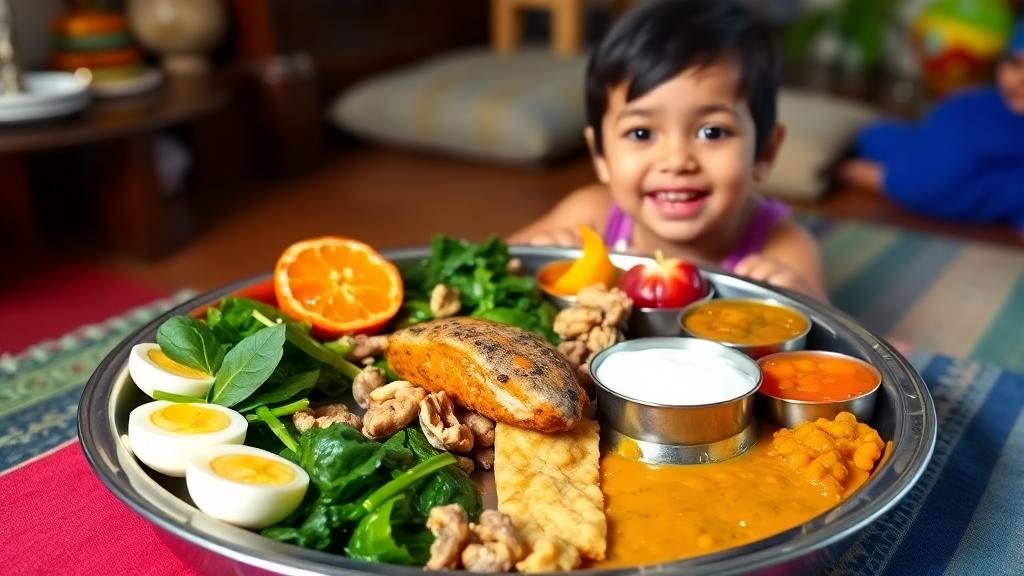
    Colorful Indian thali with brain-boosting foods like eggs, spinach, fish curry, walnuts, curd, fruits, and dal, served in a steel plate with a smiling child in the background.

    Why What Kids Eat Really Matters

    Every parent wants their child to stay sharp, focused, and full of curiosity. While school, sleep, and play have their place, food quietly plays a big role behind the scenes. In simple words, the brain is always working and like any machine, it needs good fuel. Especially during childhood, when the brain is growing fast, the right kind of food can help a lot. Not all food does the same job. Some items give more brain power than others, and luckily, most of them are already common in Indian kitchens.

    In this blog, let’s talk about 10 such everyday foods that naturally support brain development in children. These are not some fancy imported things just regular items like fish, eggs, and leafy vegetables. I’ll also share ideas on how to include them in daily meals without much fuss.

    Why Nutrition Impacts Brain Growth

    A child’s brain is like a growing tree. In the early years, it needs good nutrients to form strong branches (connections). Things like omega-3 fatty acids, iron, choline, and certain vitamins act like fertilizers for brain function helping with focus, memory, and learning.

    In India, many traditional meals already carry these nutrients, but sometimes kids become picky eaters. So, it becomes important to make smart food choices that help them grow mentally and physically. Even studies have shown how lack of iron or certain vitamins can make kids feel tired or less attentive in class.

    1. Fatty Fish That’s Full of Brain Fuel

    Fish like sardines, tuna, or salmon are packed with omega-3 fats very important for brain cell growth and smooth thinking.

    How to use: Make fish curry, shallow fry it, or try fish cutlets. Even canned tuna works in a sandwich.

    2. Eggs – Simple but Powerful

    Eggs are loaded with choline, which supports memory, and protein, which helps in overall growth.

    How to use: Boil them for tiffin, or prepare anda curry or egg bhurji with a soft touch of masala.

    3. Leafy Greens for Learning Power

    Spinach, methi, and even broccoli are rich in iron and folate both known to boost memory and focus.

    How to use: Mix palak into dal, cook palak paneer, or make green parathas.

    4. Nuts and Seeds That Sharpen Memory

    Almonds, walnuts, and flax seeds carry vitamin E and healthy fats that protect the brain.

    How to use: Crush them into rotis, mix in porridge, or sprinkle over dahi.

    5. Berries – Small but Mighty

    Strawberries, blueberries, and amla are full of antioxidants they keep the brain fresh and strong.

    How to use: Blend them into smoothies, or give them as fruit snacks. Gooseberry candy works too.

    6. Whole Grains That Give Energy.

    Grains like ragi, oats, and brown rice give slow energy and help brain function smoothly.

    How to use: Ragi dosa, oats upma, or brown rice pulao — kids enjoy all with light tadka.

    7. Dairy Products for Brain Tissue Growth

    Milk, curd, and paneer support brain cells and help make certain chemicals in the brain.

    How to use: A glass of milk in the morning, dahi rice for lunch, or lassi in summer.

    8. Lean Meat to Boost Memory

    Chicken and turkey provide iron and zinc, which help children stay sharp and alert.

    How to use: Try chicken curry, grilled chicken, or use leftover chicken in wraps.

    9. Lentils – Everyday Heroes

    Dal, rajma, and chana are rich in protein and good fats — a great option for vegetarians.

    How to use: Prepare dal tadka, chole, or add sprouts to salads.

    10. Fruits That Wake Up the Brain

    They provide vitamin C and help in absorbing iron from other foods. Also protect brain cells from damage.

    How to use: Apple slices with a bit of peanut butter, fresh orange juice, or chopped fruits in curd.

    Making It Easy for Kids

    Let’s be honest, getting kids to eat healthy things isn’t always smooth. But there are small things that help:

    • Cook it their way – Make their favourite dish and sneak in the good stuff
    • Let them help – If kids touch and prepare the food, they enjoy eating it more
    • Use what’s local – No need for imported berries if amla is there
    • Eat together – Kids follow what they see

    Final Thoughts

    Feeding children the right food is not about following strict diet charts it’s more about smart everyday choices. If we include brain-friendly foods like fish, eggs, greens, and grains in regular meals, kids stay energetic and focused without much effort. I’ve personally noticed how adding just one boiled egg in the morning makes my nephew more active during the day.

    So let’s try to fill their plates with these everyday superfoods and support their brain naturally.

    📚 Related Articles You May Like

    Top 9 Indian Breakfasts That Sharpen Kids’ Memory
    Simple, brain-friendly recipes to kickstart school mornings with energy and focus.

    7 Dry Fruits Every Indian Mom Swears By for Brain Power
    From almonds to walnuts—learn how these nuts can support your child’s mental development.

    How Strawberries Can Help With Fatty Liver and Diabetes
    This juicy fruit is more powerful than you think—benefits for liver, blood sugar, and more.
  • ₹6,839 Cr indian Border Plan: Security or Development?

    ₹6,839 Cr indian Border Plan: Security or Development?

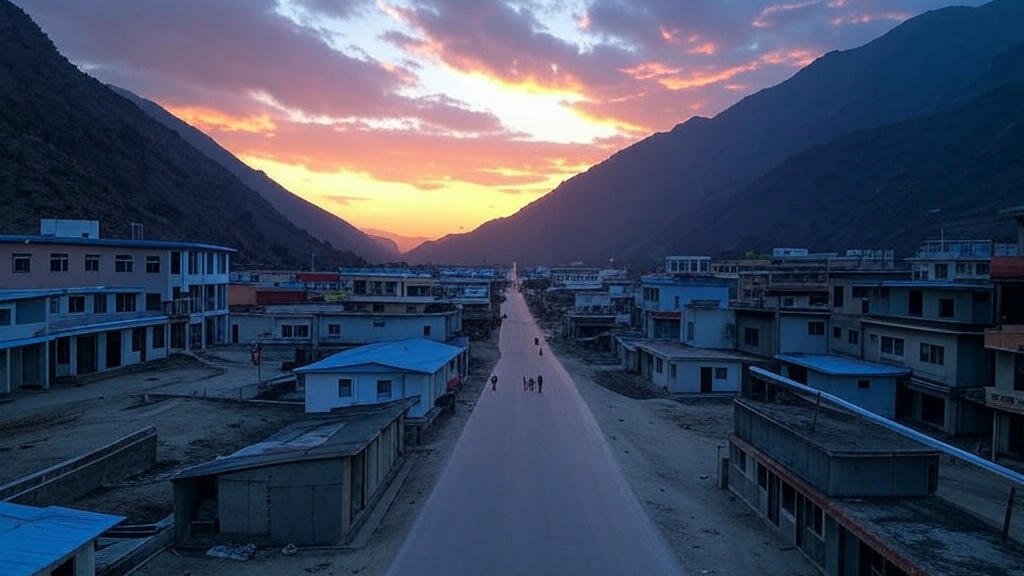
    A vibrant sunset scene over an Indian border village with new roads and SMART classrooms, flanked by rugged mountains and a faint Chinese border post, symbolizing hope and tension.

    Imagine a quiet village tucked between jagged mountain ranges, where the silence carries both tension and hope. Now picture that same place buzzing with new roads, smart classrooms, and tourists. On April 6, 2025, the Indian cabinet announced something massive—₹6,839 crore for the second phase of the Vibrant Villages Programme (VVP-II). Since then, the chatter hasn’t stopped. Some call it a bold move to tighten our borders against China, while others say it’s just another dream that may get buried under red tape.

    Let’s unpack what’s going on.

    The Big Push But What’s the Real Goal?

    Last Sunday, the cabinet, headed by Prime Minister Narendra Modi, gave the nod to pour ₹6,839 crore into villages along India’s international borders. This covers 17 states and union territories—from the valleys of Jammu & Kashmir to the edges of Arunachal and Rajasthan.

    The plan runs till 2028-29, and on paper, it sounds impressive: build all-weather roads, set up SMART classrooms, create tourism circuits, and launch livelihood schemes like cooperatives. It’s an upgrade to the original Vibrant Villages Programme that kicked off in 2023—but this time, with more money, more urgency, and maybe, more politics.

    The government says the goal is to integrate these distant communities into the national fabric—so they don’t just survive on the fringe but become the “eyes and ears” for the forces guarding our borders.

    But here’s the twist—opinions are split. Some are calling it a geopolitical masterstroke. Others are asking the obvious: will this money really reach the ground, or is it just another scheme that’ll get lost in the system?

    Security or Human Touch? That’s the Core Fight

    The heart of this debate is simple: is this about guarding the border, or is it about building lives?

    Security thinkers are all in. After the Galwan clash in 2020, India has been on high alert. Stronger roads help move troops faster. Better internet and mobile networks mean people living there can stay connected—unlike before when they were left in isolation, which China has used to its advantage. Making border villagers active participants in security sounds like a smart, people-powered shield. And given how much China has invested in its “Xiaokang” border villages, this is clearly India’s reply.

    But flip the view, and development-focused voices are asking tougher questions. This isn’t just about bunkers and boots on the ground. It’s about children walking miles for school, villages that still wait for drinking water, and entire communities that migrate for survival. If done right, this ₹6,839 crore could finally change that—giving them stable jobs, tourism income, and the dignity of staying where they belong.

    Yet, memories of past schemes linger. Vibrant Villages Phase I had ₹4,800 crore behind it, but many of those villages are still waiting for the promises to materialise. That’s where the doubt creeps in.

    It’s Not Just About Borders It’s About Belonging

    This debate isn’t just technical it hits right at India’s identity.

    Our borders aren’t just fences or lines on maps. They are living, breathing spaces. Villages in Ladakh, Arunachal, and Sikkim have held their ground despite years of neglect. Many of these places see more yaks than tourists. They’ve lost people to migration and have watched China quietly build railways, schools, and showpiece villages just across the fence.

    This ₹6,839 crore isn’t just an investment—it’s a statement. A way to say: we see you, we need you, and we’re with you.

    Globally too, this changes India’s pitch. While the U.S. gets tangled in tariff wars and China expands its influence brick by brick, India is saying: “We’ll hold our ground, but we’ll also grow our roots.” But it’s a tightrope. Focus too much on infrastructure, and the human side gets lost. Focus only on people, and security might fall behind. Striking the right balance is tricky—but necessary.

    What Can This Really Achieve?

    So here’s the big question: will this plan work?

    If executed well, it could be huge. Imagine 2,000+ villages with proper roads, digital classrooms, cooperative-based businesses, and cultural festivals pulling in tourists. That’s not just pride—it’s real progress.

    The government says it’ll use PM Gati Shakti to coordinate planning and cut red tape. But we’ve seen delays before—remember the Sela Tunnel? Projects on paper often take years longer on the ground.

    And ₹6,839 crore, while big, gets spread out thin once you account for terrain, logistics, and corruption. Execution is everything. The difference between a headline and real change lies in that one word.

    On the Ground, The Talk Is Real

    Online, the arguments are flying.

    Some folks are proud, posting about India finally “catching up” with China. Others are cynical, asking, “Where did the last ₹4,800 crore go?” It’s classic Indian discourse—half hopeful, half weary. And maybe both sides are right.

    My take? This could genuinely shift things—if the money flows past the files and into the villages. Picture a Ladakhi artisan selling woven goods to visiting trekkers, or a girl from Tawang learning science in a smart classroom without needing to migrate to a town 60 km away. That’s the kind of story worth building.

    As of April 10, the Clock Has Started Ticking

    This ₹6,839 crore isn’t just a number—it’s a bet on how we see our own people at the edge. Is it a protective shield against outside threats? Yes. Is it a chance to bring dignity and opportunity to some of India’s most forgotten citizens? Also yes.

    The real test? Between now and 2028-29. That’s when we’ll know whether this was just another press release or a proper turning point.

    Till then, the debate’s onand you should be part of it. What do you think: smart strategy or another empty promise? Pull up a chair, pour some chai, and let’s talk.

    Explore more insights with this related artical. clickhere

    If this topic caught your attention, here’s another one worth checking out: check here