Tag: China

  • India’s Steel Tariff: Smart Protection or Risky Trade Gamble?

    India’s Steel Tariff: Smart Protection or Risky Trade Gamble?

    You know how you catch up over chai at the local stall? That’s how I felt when news broke: “Government imposes 12% safeguard duty on steel imports.” My cousin, who runs a tiny fabrication shop in Coimbatore, nearly dropped his cutting torch. “Is this good or bad?” he asked. Well, let’s break it down like we’re both sipping ginger chai on a rainy evening.

    Why Steel Is Our Backbone

    Steel isn’t just metal—it’s ambition forged in fire. From the high‑rise in Mumbai to the metro rails in Delhi, every beam and bolt carries our country’s dreams. And millions of jobs hang on it. We’re No. 2 in the world for crude steel, right behind China. Names like Tata Steel, JSW Steel, and SAIL aren’t just companies—they’re household heroes.

    My neighbour’s brother works at SAIL in Rourkela; he says “we churn out enough to build hundreds of bridges.” But when cheap steel from elsewhere floods in, that pride feels threatened.

    The Flood of Cheap Imports

    Here’s the rub. China—and friends like South Korea and Japan—have been pouring in rock‑bottom steel. In the financial year 2024–25, we imported 9.5 million tonnes of finished steel—our highest in nine years. 78% of that came from those three countries. Imagine selling handmade laddoos at a village mela when someone next door gives them away free. That’s what our mills face.

    My friend in Pune, who builds farm equipment, tells me his margins vanished overnight. He’s not alone—some small steel plants even paused production or eyed layoffs.

    So, What’s This 12% Tariff All About?

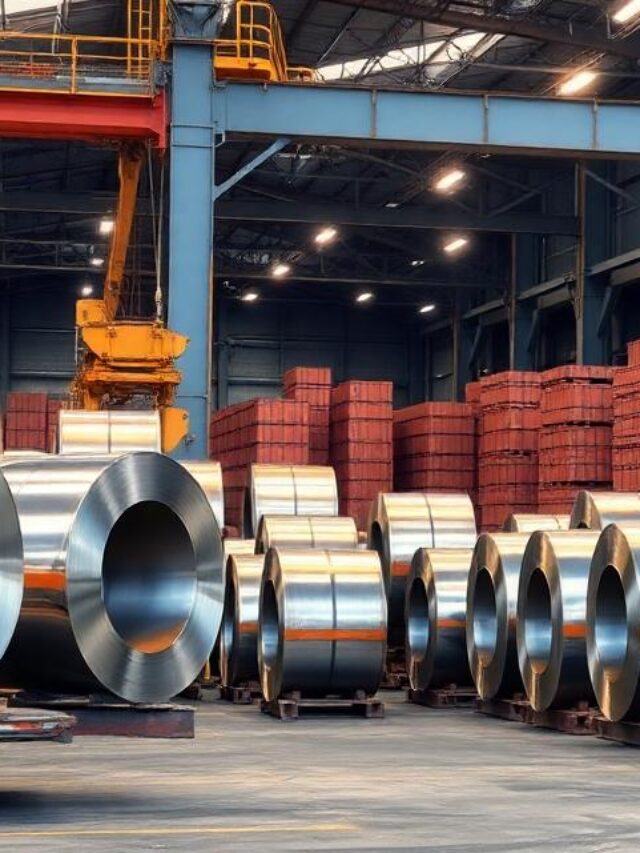
    This isn’t a permanent tax stamp. It’s called a safeguard duty, and it’s meant to be temporary—just 200 days starting April 21, 2025. Think of it as a protective shield: it makes imported Non‑Alloy and Alloy Steel Flat Products (sheets, coils, plates) about 12% pricier at the border. That nudge can convince builders and carmakers to pick “Made in India” instead.

    Who Feels the Heat & How Long?

    AspectDetails
    Duty Rate12% safeguard duty
    Products CoveredNon‑Alloy & Alloy Steel Flat Products
    Duration200 days (from April 21, 2025)
    Main SourcesChina, South Korea, Japan
    Import Volume9.5 million tonnes (2024–25)

    The DGTR (Directorate General of Trade Remedies) dug into the numbers from December 2024, then the Finance Ministry signed off.

    Industry Cheers vs. Buyer Worries

    Steel Mills: They’re clinking glasses (figuratively). JSW, SAIL, even ArcelorMittal Nippon Steel India say this duty is a lifeline. On BSE, SAIL shares jumped nearly 4%, Tata Steel up 2%—that tells you something.

    Downstream Users: Builders in Mumbai, auto‑part makers in Pune, and countless MSMEs are biting their nails. Higher steel prices mean bigger project bills and pricier cars. My cousin in Coimbatore is already recalculating his quotes—he fears clients will balk at the extra rupees.

    Some small‑scale groups are asking for import quotas instead, so price hikes stay limited.

    Beyond Economics: India‑China Relations

    This isn’t just a tax move; it’s a diplomatic chess move too. Ever since the 2020 border clashes, India’s been cautious around Chinese goods and investments. This tariff fits our self‑reliance push—“Make in India”—but it could rile Beijing. They might slap counter‑tariffs on Indian pharma or textile exports.

    Still, External Affairs Minister S. Jaishankar points out we’re not shutting our doors—just choosing which guests to invite.

    Worldwide Ripples

    We’re not alone in this. Remember how the US slapped a 25% tariff on steel under Trump in March 2025? Excess steel meant for America then flooded markets like ours. Meanwhile, the EU, Turkey, South Africa—they’ve all put up barriers to guard their mills. India’s 12% duty is partly a response to this global overflow—nobody wants to be the world’s dumping ground.

    My Two Paise: Balancing Act Ahead

    Honestly, this 12% duty feels like a necessary sting. Our steel sector needs a breather after years of undercutting. But let’s not forget the ripple effects—higher building costs, pricier cars, tighter budgets for small firms.

    Here’s a thought: the government could roll out temporary relief—like tax breaks or modest subsidies—for critical sectors such as housing and automobile. At the same time, this is a wake‑up call for steel makers: invest in greener tech, streamline costs, and aim for exports too.

    In the long run, we should diversify where we buy steel from and ramp up local capacity. Only then can India transform from a tariff‑reliant market into a true powerhouse.

    If you’re into this topic, you’ll definitely want to check this out too: India imposes temporary tariff on some steel to stem cheap imports from China

    If this resonated with you, here’s something similar you might like: Waqf Act Controversy: What’s Happening in Murshidabad?
  • India’s Record Trade Deficit with China: Causes and Solutions

    India’s Record Trade Deficit with China: Causes and Solutions

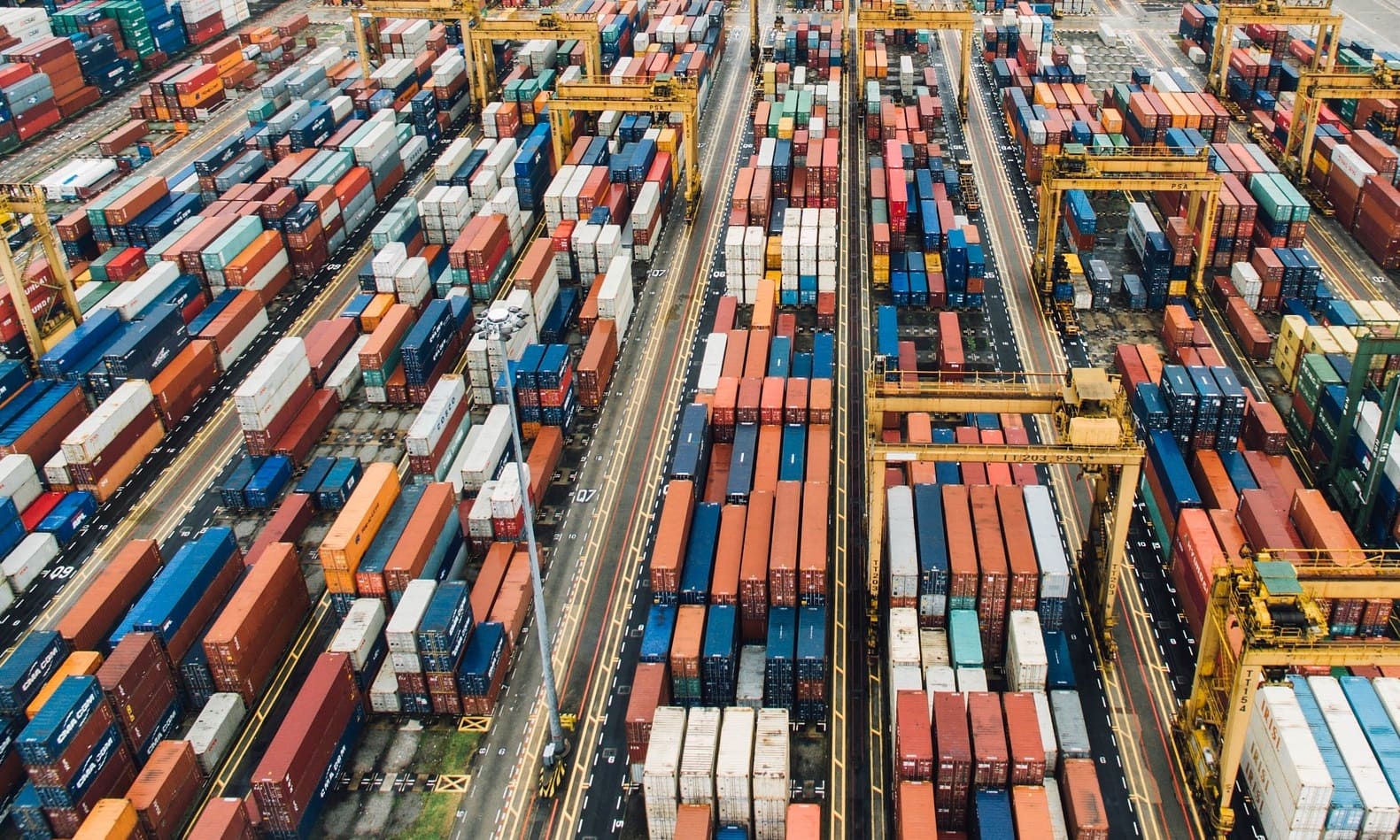
    India importing chinese goods

    You’ve probably heard that India’s trade gap with China just hit a record $99.2 billion in the fiscal year 2024–25, right? In simple terms, we’re snapping up smartphones, solar panels, and big industrial machines like there’s no tomorrow, while sending them mostly iron ore and cotton in return. Honestly, it’s like spending all your pocket money on sweets and then trying to pay rent with loose change from your piggy bank. Clearly, economists and policymakers are sweating bullets. So, let’s unpack why this is happening, why it really matters for you and me, and—most importantly—what steps we can take next.

    Current Situation: Numbers That Won’t Stay Quiet

    Well, here’s the deal: between April 2024 and February 2025, India imported $103.78 billion worth of goods from China, while our exports to them languished at just $12.74 billion. That means an eleven‑month deficit of over $91 billion—and by the end of March 2025, it’s set to cross $100 billion. What’s driving this? Mainly electronics, electric batteries, consumer durables—you name it. Meanwhile, exports to China actually fell by around 14.5% in March 2025 compared to March 2024. Trust me, that drop stings.

    Survey Note: Detailed Analysis of India’s Trade Deficit with China

    On April 16, 2025, Reuters flagged that our deficit reached $99.2 billion. This surge, fueled by electronics and energy‑related imports, shines a spotlight on how dependent we’ve become—and why that has everyone from Delhi to Chennai talking. With global tensions—especially U.S.–China trade friction—this isn’t just about numbers; it’s about strategy too.

    Current Trade Dynamics: The Widening Gap

    India actually runs a surplus with 151 countries—covering over 55% of our exports (Global Trade Research Initiative via The Hindu, Sept 2024). However, with China, we’re in a different league altogether:

    PeriodImports from China ($ bn)Trade Deficit ($ bn)
    Apr 2024–Feb 2025103.78>91
    2023–24101.7385.08
    2022–2383.20
    2021–2273.31
    2020–2144.00
    2019–2048.65

    Root Causes: Peeling Back the Layers

    1. Trade Composition Imbalance
      Essentially, we import high‑value finished goods—think telecom gear, solar cells, chemicals, heavy machinery—while our exports are low‑value raw materials like iron ore, cotton, and gems. As the Embassy of India in Beijing notes, we’re missing out on adding more value before selling abroad.
    2. Market Access Barriers
      Oddly enough, even though India excels in pharmaceuticals, IT services, and agriculture, Chinese markets are tough to crack. Their rules favour local firms, whereas our markets stay wide open for Chinese goods. This asymmetry only deepens the gap.
    3. Smart Chinese Branding
      Brands such as Xiaomi and Oppo, along with solar‑panel and battery makers, have fine‑tuned products to match Indian tastes and wallets. As a result, local manufacturers struggle to compete on price and scale.

    Economic & Strategic Implications: Real‑World Risks

    • Foreign Exchange Drain
      When we run such a large deficit, we’re constantly pumping foreign currency out. That can deplete our reserves, weaken the rupee, and push up borrowing costs.
    • Hit to Domestic Industry
      From Noida’s electronics hubs to textile units in Tirupur, small and medium enterprises are closing shops because they just can’t match cheap imports.
    • National Security Concerns
      Given the current geopolitical standoff with China, relying on them for critical goods is risky. Any sudden cutoff—political or logistical—could leave us in a real bind.

    Global Context: Knock‑On Effects of U.S.‑China Tensions

    In April 2025, the U.S. paused tariff hikes for 75 countries (including India) for 90 days, while hiking levies on Chinese imports. Consequently, China may redirect goods toward markets like ours, further inflating our deficit. However, this also presents a chance: manufacturers seeking to move out of China might consider India—if we can offer the right incentives.

    Potential Solutions: Turning the Tide

    1. Boost Local Manufacturing
      Schemes like Make in India and the PLI programme are steps in the right direction, especially for electronics, solar kits, and pharma. We need to scale these up, fast.
    2. Diversify Import Sources
      Rather than lean solely on China, we could import more from Vietnam, Taiwan, or South Korea. That would spread risk and balance supply chains.
    3. Negotiate Fairer Access
      Our diplomats should press Beijing hard for better terms, especially in pharma, IT, and agri‑products—sectors where we excel.
    4. Smart Tariffs
      Targeted duties on non‑essential Chinese goods can give local players breathing room, but we must watch out for consumer price hikes and retaliation.
    5. Invest in R&D & Value Addition
      Instead of exporting raw cotton or ore, let’s focus on finished textiles and steel products. Adding value is key to narrowing this gap.
    6. Keep Dialogue Open
      Even when things get tense, communication with China can pave the way for more balanced, long‑term trade relations.

    Conclusion & Personal Takeaway

    Honestly, this record deficit is a wake‑up call. Yes, it shows our appetite for modern tech and infrastructure. But unless we build those capabilities at home, we’ll stay vulnerable. Personally, I see this as our moment to double down on self‑reliance—invest in our industries, push innovation, and negotiate hard for fair trade. If we act now, we can turn this challenge into the next big chapter in India’s growth story.

    If you’re into this topic, you’ll definitely want to check this out too: Trump’s Tariff Pause: South Korea Talks, India Watches Closely

    Follow us in X to follow similar topic: Sochbuzz

  • Trump Tariffs 2025: Economic Impact on India, China & Beyond

    Trump Tariffs 2025: Economic Impact on India, China & Beyond

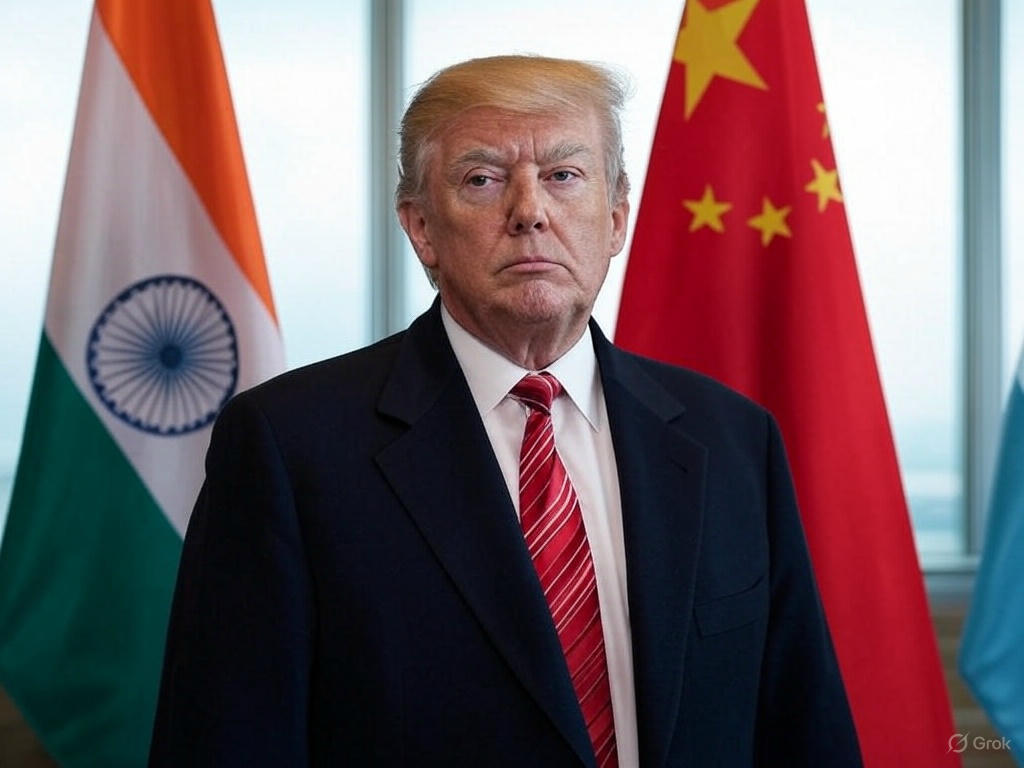
    Donald Trump standing between the flags of India and China, wearing a dark suit and red tie, with a serious expression, symbolizing trade policy discussions.

    A New Era of Trade Policy: What’s This Tariffs Drama in 2025?

    So, here we are again the world’s economy is at some kind of big crossroad, all because of Trump and his new tariffs in 2025. You’ve probably heard about that crazy 104% tax on Chinese stuff. And then he’s got these reciprocal tariffs hitting other countries left, right, and centre. Everyone’s got something to say big economists, politicians, even my neighbour who runs a small shop. Trump’s shouting it’ll bring jobs back to America. But some folks are like, “Wait a minute, this could land us all in a recession!” Honestly, I don’t know who to believe yet. So, let’s sit down and figure this out—what’s going to happen with prices, jobs, markets, all that jazz. It’s going to be a rough ride, so hold on tight.

    What’s the Deal with Tariffs Anyway?

    Look, tariffs are just taxes we slap on things coming from outside—like clothes, phones, whatever. The whole point? Make that foreign stuff cost more, so we start buying what’s made here. Trump’s saying this’ll get American businesses buzzing again, bring jobs home. Fair enough, sounds nice. But hang on—things aren’t that straightforward. Economics isn’t like a cricket match where one side wins and that’s it. It’s more like a big tangle of threads.

    People have been fighting over tariffs since forever. Some swear it’s the best way to save our factories and cut those trade gaps we keep hearing about. But then others pipe up, “No way, this just means everything gets expensive!” And yeah, they’re not wrong. When stuff from China or Europe costs a bomb, it’s not just fancy people feeling it—it’s me and you at the shop too. Plus, if those countries get annoyed and hit backlike China did with 84% on American goods—it’s trouble. Jobs might pop up in some places, sure, but in others like shops or farms—they could vanish. It’s a risky game, and we’re all watching to see who’s right.

    Prices Going UpThanks, Tariffs!

    Let’s talk real stuff now—inflation. You know how it is—when things cost more to bring in, the shop guy doesn’t just smile and take it. He puts the price up for us. People who study this stuff say Trump’s tariffs might make everything pricier soon. Think about it—factories need steel or those little phone chips from abroad. If that gets costly, the cars or gadgets they make? Boom, prices jump—maybe 10-20% more, depending how bad it gets.

    And it’s not stopping there. When daily things—like soap or shoes—cost more, we all start asking for bigger paychecks. That just keeps pushing inflation up! Some clever folks reckon it could go from 2.8% now to 4.4% by the end of the year. For families like mine, already stretching every rupee, that’s no joke—less money for fun, more worry. Trump’s like, “Relax, we’ll make more here soon.” But come on, building new factories isn’t quick—it’s years, not days. So, for now, it’s us regular people stuck with the bill.

    Supply and Demand—It’s a Messy Fight

    Tariffs don’t just mess with prices—they turn supply and demand into a proper wrestling match. On the supply side, it’s a headache. Say there’s a 50% tariff on Chinese electronics. Companies can’t keep buying from there—they’ll hunt for other places. But those new options? Either too expensive or not good enough. So, what happens? Things like chips get rare, and suddenly, your car or fridge isn’t ready when you want it. Prices don’t come down because there’s just not enough stuff.

    Then there’s demand. When prices climb, we all think twice—do I need that new shirt? Maybe not today. Businesses feel it too—they’re scared to spend big when nothing’s clear. But here’s the funny part—if local stuff gets cheaper than imports, maybe we’ll buy that instead. Could work, if they can make enough. Meanwhile, other countries hitting back with tariffs—like on our soybeans or planes—that’s bad news for farmers and factories here. It’s a big push-and-pull, and tariffs are making it wild. No wonder the markets are jumpy and we’re holding our cash tight.

    The Ugly Side of Tariffs

    Okay, tariffs sound like they’ll fix everything, but there’s a catch—plenty of bad stuff too. For one, the whole economy might slow down. Higher costs, less trade? That’s trouble brewing. Some folks who know this game say there’s a 45-60% chance America could hit a recession next year. Jobs in shops or delivery could disappear if people stop buying. And if countries like Canada or the EU keep throwing tariffs back—like China’s 84% on our goods—it’s a full-on trade fight. Everyone loses then.

    There’s even this weird thing called stagflation—prices keep going up, but the economy’s stuck. That’s a real pain for everyone, even the big shots at the banks. The worst part? If we all feel broke and scared, we stop spending. Businesses see that, and they’re like, “Why hire now?” It just keeps getting worse. Spooky, isn’t it?

    Markets Acting Crazy

    You should’ve seen the markets when Trump dropped this tariff bomb! The S&P 500 tanked over 10% in two days—same chaos in Asia, Europe, everywhere. Why? Nobody likes not knowing what’s next. Investors are like, “Will Trump push more or chill out?” Companies like Apple or Walmart, who grab stuff from all over, are sweating buckets. Costs are up, profits might drop. And when stocks crash, it hits people’s savings—especially the rich ones who spend big.

    But it’s not all gloom. Some local businesses—like steel guys—might get a boost if tariffs help them. Still, right now, it’s a rollercoaster. People are hoping the Fed cuts rates to ease the pain, but that’s just sticking a plaster on it, not fixing the mess.

    What’s Coming Next?

    So, where are we headed? The next few months are make-or-break. Prices for imported things will probably shoot up by summer—shops won’t wait to charge us more. Meanwhile, places like Japan and South Korea are talking to the U.S., trying to soften these tariffs. If that works out, trade might not crash too hard. But if we stop spending or businesses get nervous, recession’s knocking. Keep an eye on job news and growth stuff—it’ll show us the real picture.

    Trump’s dropping little hints he might change things, but his “be cool” talk? Sounds like he’s not backing down. If he does ease up, markets might relax a bit. For us regular folks, better start planning now—stick to what you need, maybe buy local if it’s cheaper. Businesses? Find new suppliers quick, before everyone’s scrambling. And if you’ve got stocks, don’t panic—spread it out, hang on. Markets always find a way, somehow.

    Any Hope Left?

    Look, it’s not all bad news. If tariffs go right, they might fire up American factories again. Trump’s also pushing tax cuts and fewer rules—could lift things up a bit. Maybe trade deals get better, and the U.S. comes out stronger. But that’s a big maybe—it’s a long road, and there’s heaps of trouble ahead. Still, a little hope keeps us going, right?

    Wrapping Up: Facing This Tariff Mess

    Look, Trump’s tariffs are a big, loud try at something—bold, sure, but who knows if it’ll work? Prices are probably going up, supply’s getting all tangled, and markets? They’re shaking like anything. For us regular folks and even the shop owners, it’s tough times ahead—everything’s getting costlier, and nobody’s sure what’s next. Still, there’s a way to push through, you know—maybe find new places to buy from, put some cash into our own stuff, or just hope the big guys sort out smarter trade rules.

    This whole tariff thing? It’s not going to settle in a day or two—it’ll drag on for months. Keep your ears open, make a plan, and don’t let all those scary news bits freeze you up. The economy’s like a river—it keeps moving, changing. The real question is, can we keep up with it or not?