Tag: Budget

  • 10 Practical Tips to Create a Monthly Budget That Sticks

    10 Practical Tips to Create a Monthly Budget That Sticks

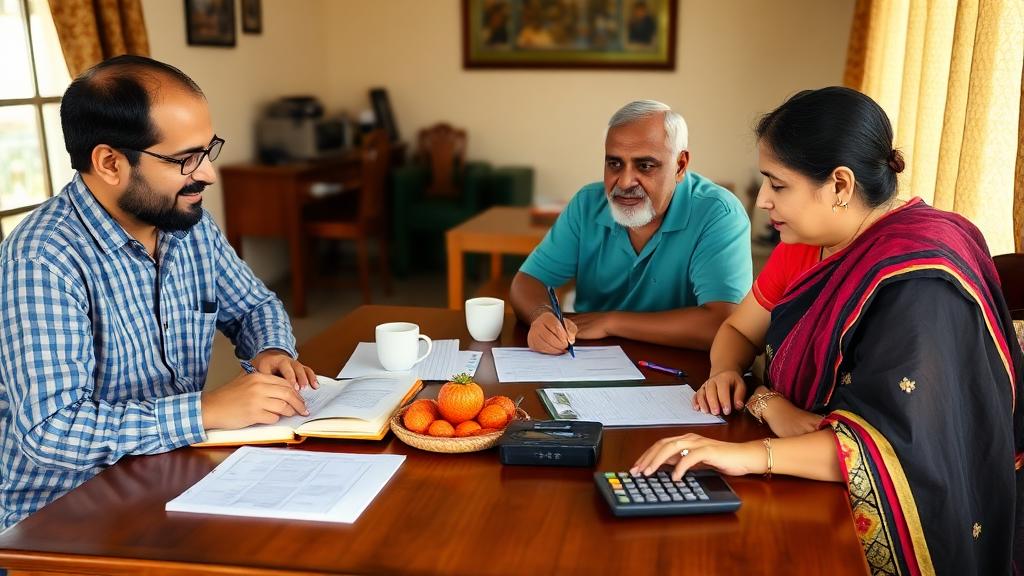
    A small-town Indian family discussing monthly expenses at the dining table with a notebook and calculator, natural lighting, homely vibe

    How I Finally Got My Budget to Work – Real Tips That Actually Stick

    If you’ve ever found yourself staring at an empty Budget by the third week of the month, wondering where all the money vanished welcome to the club. I’ve been there too. Sitting with chai in one hand, telling myself, “This month I’ll spend wisely,” and then boom unplanned expenses, online shopping temptations, or a friend’s birthday dinner mess it all up again.

    So, this blog isn’t some expert-level budgeting guide. It’s just real stuff tried, tested, failed, and tried again. These tips didn’t come from finance books, they came from the kitchen table of an average Indian middle-class house.

    Let me walk you through what actually helped me fix my money mess, in a way that doesn’t feel too strict or boring.

    1. First, ask yourself why you’re even budgeting.

    Honestly, till I had a reason, I never took budgeting seriously. For me, the turning point was when I couldn’t pay my LIC premium on time. That small thing pinched me hard. That’s when I thought, “Okay, I need to sort this.”

    So before anything, just sit and ask yourself — what’s your goal? Maybe it’s saving for your child’s school admission or clearing that one pending loan. Having a reason keeps you going when things get tough.

    2. Don’t keep everything in your head write it down.

    For a long time, I was just mentally calculating — like, “Okay, ₹2,000 for rent, ₹500 for groceries, I should be fine.” But it never worked. I kept forgetting half the things.

    What helped? That ₹30 diary from the local stationery shop. I started writing down even small spends — even the ₹10 chai. It made a difference. You can even stick it near the fridge or on the kitchen wall — somewhere you see every day.

    3. Track every spend like how we follow cricket scores.

    For one whole month, I noted every rupee. Sounds boring, but believe me, it opens your eyes. One week in, I realized I was spending more on snacks than vegetables. That hit me.

    Whether you use an app like Walnut or just a notebook, make it a habit. And do it daily — not once a month, because you’ll forget the small spends otherwise.

    4. Break your spending into categories.

    Don’t just say, “This is all my spending.” Divide it like:

    • Groceries
    • Bills
    • Rent
    • EMIs
    • Eating out
    • Random stuff

    That way, you’ll clearly see where the money leaks are happening. I found I was overspending on food deliveries — didn’t feel like much at the time, but it adds up.

    5. Try the 50-30-20 rule but make it Desi style.

    The basic idea is this:

    • 50% for needs (like rent, bills, food)
    • 30% for wants (entertainment, clothes, outings)
    • 20% for savings

    But in India, things aren’t always that neat. If you’re helping family or have school fees coming up, adjust the ratio. I sometimes do 60-20-20. Point is — divide your income with some logic.

    6. Cash still works better than apps sometimes.

    I know we all use UPI now, but try this withdraw a fixed cash amount for your weekly spends. When you actually see the cash reducing, you’ll think twice before that random impulse spend.

    For me, this method helped me control my Swiggy orders. When the cash in the wallet finishes, it finishes no “Buy Now, Pay Later” nonsense.

    7. Don’t let sudden events spoil your month.

    If you know there’s a wedding or school fee coming up, plan for it. Mark those dates. Keep a small amount aside, so it doesn’t feel like a surprise.

    Earlier, I’d forget about my cousin’s birthday gift and then panic-spend last minute. Now I just write important dates on my fridge whiteboard. Works well.

    8. Keep a small fund just for fun.

    Let’s be honest if your budget is too strict, you won’t follow it. So keep a little money aside just for fun. Movies, snacks, or a new shirt whatever makes you feel good.

    I call it my “guilt-free spending money.” You spend it without feeling bad because you already planned for it.

    9. Automate your savings make it invisible.

    The best decision I made was setting an auto-transfer from my salary account to a savings account. ₹2000, gone the day salary comes in. Out of sight, out of mind.

    I even started a small SIP. You won’t even notice the money going but after a few months, you’ll see it growing.

    10. Your budget will fail the first time. That’s normal.

    The first few months, I kept messing it up. Unexpected things came up. Sometimes I just forgot. But each time, I learnt something.

    Don’t give up. Just adjust a little every month. Maybe one month you overspend on medical stuff, next month cut down on online shopping. Bit by bit, you’ll get better.

    Final Thoughts:

    Honestly, budgeting felt like a boring chore at first. But slowly, it started giving me peace of mind. Earlier, I used to ask, “Where did all the money go?” Now I tell my money where to go.

    It’s not about being perfect. It’s about building a habit, step by step. And if this post helped even one person feel more in control of their money that’s more than enough for me.

    Related Articles:

    If you found this blog interesting, you might enjoy this one too:Desi Jugaad Ways to Save Money Every Month Without Feeling Miserable
    If you’re into this topic, you’ll definitely want to check this out too:10 practical tips for saving money on a tight budget

  • Top 10 Budget-Friendly Travel Destinations for 2025

    Top 10 Budget-Friendly Travel Destinations for 2025

    Collage featuring budget-friendly travel destinations including Vietnam, Sri Lanka, and Turkey, with scenic landscapes, local currency symbols, and a backpacker-style traveler.

    Let’s face it we all dream of going abroad, clicking photos in some foreign galli, sipping chai in a mountain café, and feeling like we’re in a Bollywood travel song. But when we check our wallet or bank app… bas, mood kharaab.

    Still, if you’re clever with timing and don’t mind skipping luxury for some jugaad, 2025 can be your travel year. With the rupee holding up okay, and some good flight hacks and visa shortcuts, you can explore solid places without spending more than ₹1 lakh. And yeh koi “cheap-for-name” type nahi hai these are full paisa vasool spots.

    Here’s a list I made not copied from some travel site of 10 budget-friendly destinations that you can do, even if you’re on a middle-class salary and EMI life.

    1. Vietnam – Where ₹100 Feels Like ₹500

    Vietnam is that place where your INR feels like it’s wearing a Superman cape. Hanoi, Da Nang, Hoi An — each city has its own charm. The food? Wah bhai, street pho with mint chutney-type flavours. Hotels? You’ll get a proper room for less than what a Mumbai sandwich costs in Bandra.

    Rough Daily Budget: ₹2,500 – ₹3,000
    Visa: E-visa (online)
    Don’t Miss: Ha Long Bay cruise, old-school Hoi An lantern streets, and local coffee that’ll kick harder than our nukkad wali chai.

     2. Sri Lanka – Feels Like Goa Got a Makeover

    Just a hop away, Sri Lanka feels like that distant cousin who’s chill, well-dressed, and still desi at heart. Think of it as Goa with a bit more class and less crowd. Flights are super cheap if you keep checking for sales (especially from Chennai or Kochi).

    Rough Daily Budget: ₹2,000 – ₹3,000
    Visa: ETA (apply online)
    Don’t Miss: That dreamy Ella train ride, Sigiriya rock fort, and Mirissa’s peaceful waves.

    3. Georgia – Not America Wala, This One’s a Secret Gem

    People hear “Georgia” and think USA, but this one’s closer and way friendlier on the pocket. Mountains, cobblestone lanes, cozy cafés it’s like walking in a fairytale that didn’t charge entry fees.

    Rough Daily Budget: Around ₹3,500
    Visa: E-visa (if you have UAE/US/UK/Schengen visa)
    Don’t Miss: The Kazbegi hills and that cheesy khachapuri bread fills both heart and tummy.

    4. Nepal – No Passport, No Tension

    You know what’s great about Nepal? It feels both foreign and familiar. You cross the border, and suddenly you’re in front of the Himalayas, sipping thukpa, and thinking “Yeh sab toh itne paas tha!” And no visa drama either.

    Rough Daily Budget: ₹1,500 – ₹2,000
    Visa: Not needed for Indians
    Don’t Miss: Pokhara’s peaceful lakes, that bucket-list Mount Everest flight, and old Buddhist temples.

    5. Turkey – Desi Feel in Foreign Setting

    This one’s a full paisa vasool mix Europe and Asia in one thali. From chai by the Bosphorus to walking through ancient Roman ruins, Turkey has everything. And hot air balloon in Cappadocia? Arre, that’s straight out of a dream.

    Rough Daily Budget: ₹3,500 – ₹4,000
    Visa: E-visa (if you have US/UK/Schengen visa)
    Don’t Miss: Istanbul’s chaos, hammam baths, and the fairy chimneys of Cappadocia.

    6. Indonesia – Bali is Not Just for Honeymooners

    Bali used to be that honeymoon cliché, but now solo travellers and friend groups are owning it. Stay in hostels, rent a scooty, eat nasi goreng for 100 bucks it’s all budget-friendly if you skip the fancy resorts.

    Rough Daily Budget: ₹2,000 – ₹2,500
    Visa: Visa on arrival
    Don’t Miss: Ubud’s green paddy fields, monkey mischief, and beach sunsets that’ll melt your stress away.

    7. Egypt – Time Travel Without Time Machine

    Want to feel tiny next to history? Egypt is calling. Pyramids that’ve been around since before any country was born, plus tasty falafels and a Nile river cruise all without paying Euro prices.

    Rough Daily Budget: ₹3,000
    Visa: E-visa (simple online process)
    Don’t Miss: The Pyramids, Egyptian Museum, and floating peacefully down the Nile.

    8. Thailand – Always Reliable, Always Affordable

    Thailand is like that one friend who never lets you down. Whether you want beaches, parties, or temple trails it fits all moods. Also, no visa till mid-2025? That’s like a travel sale without discount codes.

    Rough Daily Budget: ₹2,000 – ₹2,500
    Visa: Free for Indians (till mid-2025)
    Don’t Miss: Street shopping in Bangkok, Chiang Mai’s mountains, and island-hopping fun.

    9. Philippines – Still Under the Radar

    If beach hopping is your vibe, Philippines should be on your radar. 7,000 islands, crystal water, and food that’s easy on the stomach and wallet. Just avoid peak seasons.

    Rough Daily Budget: ₹2,500 – ₹3,000
    Visa: E-visa needed
    Don’t Miss: Palawan, El Nido’s blue lagoons, and the unforgettable whale shark swim.

    10. Cambodia – Calm, Historic, and Pocket-Friendly

    Cambodia is not for the party crowd — it’s for people who want peace with a side of wow. Angkor Wat is surreal, and the pace of life here… slower than a rural Indian evening.

    Rough Daily Budget: ₹1,800 – ₹2,200
    Visa: Visa on arrival
    Don’t Miss: Sunrise at Angkor Wat, local fish curry, and the floating villages.

    Final Thoughts – You Don’t Need Big Money for Big Memories

    Let’s be real — you don’t need ₹5 lakh and first-class tickets to make memories. You just need the itch to explore, a little planning, and the guts to travel with less. Booking flights early, eating where locals eat, skipping luxury for stories — that’s the real desi traveller’s way.

    “Don’t wait till you’re rich to travel. Travel smart, and you’ll come back rich in memories.”

    What to Pack for a 2-Week Europe Trip from India check here

  • The Ultimate Guide to Clean Eating on a Budget

    The Ultimate Guide to Clean Eating on a Budget

    A vibrant kitchen scene featuring a colorful spread of fresh fruits, vegetables, whole grains, and a modest grocery basket

    In today’s busy life, eating healthy can feel like a luxury. But trust me — you don’t need to be rich to eat clean. With a bit of planning and some good habits, it’s totally possible to eat fresh, tasty, and wholesome food without emptying your pockets.

    Clean eating isn’t about fancy diets or imported stuff. It’s simply about choosing real food — local fruits, vegetables, whole grains, dals, and cutting down on processed junk. Let’s break it all down in a way that makes sense for our Indian kitchens.

    Why Eating Clean (on a Budget) Makes Total Sense

    When we say clean eating, it just means eating food that’s close to its natural form. Fresh veggies, home-cooked meals, less oil, less sugar. Simple, right?

    Now some people think healthy food = expensive. Not true. You just need to be smart about where you buy, what you cook, and how you plan. In fact, most traditional Indian meals (dal, sabzi, roti, chawal) are already pretty clean — we just need to go back to basics.

    How to Eat Well Without Overspending

    1. Planning Is Half the Battle

    • 🗓 Plan Your Meals: Just 15 minutes a week can help you figure out what to cook. This saves both money and stress.
    • 🛒 Grocery List is Your Best Friend: Make one before you shop and don’t go rogue. It stops those random biscuit or chips buys.
    • 🍲 Cook in Bulk: If you’re making chole, make enough for two meals. Saves gas, time, and effort.

    2. Shop Desi, Shop Smart

    • 🥬 Buy What’s in Season: Methi in winter, mango in summer — local and seasonal is always cheaper and better.
    • 🧺 Go to the Sabzi Mandi: Prices are often lower and you get fresher produce than the supermarket.
    • 🎫 Look for Offers: Some apps, kirana stores, and online sites have weekly deals. Grab those for staples.

    3. Stock Up on Simple, Versatile Ingredients

    Here’s a solid base:

    • Rice, wheat, millets (jowar, bajra)
    • Dals (moong, masoor, chana)
    • Basic masalas
    • Seasonal veggies

    These go a long way, and you can mix and match them to create lots of different meals.

    Make the Most of Every Rupee

    Smart Swaps

    • 🍌 Fruits over Packaged Snacks: Better for your health and more filling.
    • 🏷️ Buy in Bulk: Atta, dal, rice – buying larger packs usually saves money long-term.
    • 🧊 Use Frozen Veggies When Needed: If fresh veg is expensive or you’re short on time, frozen peas or spinach work just fine.

    Reduce Waste = Save More

    Use up leftovers smartly:

    • Extra bhindi? Make a quick dry sabzi for breakfast.
    • Leftover rice? Turn it into fried rice or lemon rice.
    • Half a tomato and a carrot? Add it to dal or a soup.

    Waste not, want not.

    Easy & Affordable Meal Ideas

    Breakfast

    • Overnight Oats: Mix oats, curd/milk, fruit — done.
    • Desi Omelette: Eggs + whatever veggies you have — simple and filling.

    Lunch & Dinner

    • Mixed Grain Bowls: Rice or millet + sabzi + chutney = solid meal.
    • Soups & Stews: Great for using up all sorts of odds and ends.
    • Chana or Moong Salad: Cheap, healthy, and tasty.

    Snacks

    • Homemade Energy Laddoos: Dates, peanuts, a little ghee — blend and roll.
    • Roasted Makhana or Chana: Tasty, crunchy, and way healthier than chips.

    Changing Your Mindset

    This isn’t just about money or calories. It’s about respecting your body and your wallet.

    • 💰 Think Long-Term: Good food = better health = fewer doctor visits.
    • 😌 Start Small: Try one or two changes at a time — no need to change everything in one go.
    • 🙌 Celebrate Progress: Cooked a meal at home? Ate fruit instead of biscuits? That’s a win!

    Want More Ideas?

    Check out:

    • Desi YouTubers doing clean eating with local stuff
    • Facebook groups or WhatsApp communities for budget cooking
    • Instagram pages sharing 3-ingredient healthy recipes

    Plenty of good content is already out there — and most of it is made by people just like you.

    Final Thoughts

    Clean eating isn’t about spending more. It’s about making better choices with what you already have. Your dadi or nani probably did this every day without calling it “clean eating.”

    So no stress. Start where you are, use what you have, and take it one meal at a time.

    Your health, your rules — and yes, your budget too.

    Liked what you read? Dive deeper into similar thoughts with Home Workouts That Actually Help You Burn Fat.