Tag: Attack

  • The Pahalgam Terror Attack and India’s Strong Response

    The Pahalgam Terror Attack and India’s Strong Response

    Explore the details of the Pahalgam terror attack and understand the strong measures taken by the Indian government in response. Learn about the implications for India-Pakistan relations and national security.

    When Pahalgam Cried: A Scenic Place Turned Into a Horror Scene

    You know how people talk about Kashmir like it’s heaven on Earth? Pahalgam is one of those places. Clean air, green hills, ponies walking around, tourists in colorful Kashmiri clothes getting their pictures clicked — it’s like something straight out of a postcard.

    But on April 22, 2025, that picture-perfect scene turned bloody. What was supposed to be a peaceful holiday spot suddenly became a place of terror.

    What Actually Happened

    That afternoon, a few armed men from a group called The Resistance Front suddenly showed up near Baisaran meadow. This place is a bit off the main road, so vehicles don’t go there. That’s why it was easy for the attackers to hide and do what they planned.

    They opened fire, just like that. No warning, nothing. 26 people died on the spot tourists, locals, even an Indian Navy officer and one from the Intelligence Bureau. A few people said the terrorists were asking names before shooting like they already knew who they wanted to target. Horrifying.

    This wasn’t some random act. It was planned. That meadow is not easy to reach, and that’s exactly why they chose it so help would come late.

    It’s the biggest civilian loss in Kashmir since the Pulwama attack back in 2019. And that’s saying something.

    How People Reacted

    Across India, people were just… shocked. In Srinagar, protests started immediately. Leaders like Mehbooba Mufti spoke up. On social media, there was an outpouring of sadness and anger. Even international leaders, like France’s Emmanuel Macron, posted about it.

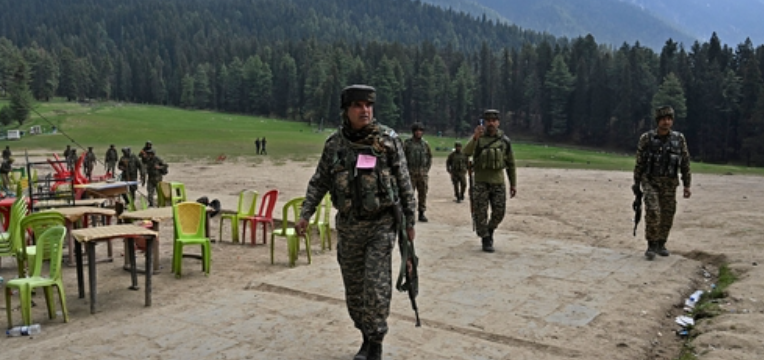
    Amit Shah went straight to the site. The Indian Air Force and Navy both gave tributes to their fallen officers. Meanwhile, security teams sealed the whole area. Sketches of the attackers were also shared.

    But the real storm was yet to come.

    India’s Quick and Strong Reply

    Modi ji didn’t waste time. He cancelled his official dinner in Saudi Arabia and came back home. The moment he landed, he met with National Security Advisor Ajit Doval and the External Affairs Minister. By the next morning, there was a big meeting with the Cabinet Security Committee.

    What came out of it? Let’s just say it wasn’t soft words.

    India took five strong steps that hit hard not just diplomatically, but also in terms of pressure.

    • Indus Water Treaty paused – This is the agreement between India and Pakistan on how they share river water. Stopping this is a big move, because Pakistan needs that water badly.
    • SAARC Visa Exemption Scheme cancelled – Basically, Pakistani nationals could come to India more easily before. Now, they were given 48 hours to leave.
    • All Pakistani visas cancelled – Full stop. No more entry, no more visits.
    • Indian Defence staff pulled back from Pakistan – Diplomatic relations got colder than ever.
    • Attari Border closed – It’s a major trading point, now completely shut.

    These decisions sent a clear message: no more tolerance.

    Why These Steps Matter

    People are tired. Tired of being scared, tired of seeing blood on the news. So when the government acted this fast and this strongly, a lot of folks felt a sense of relief. Not because it fixes everything, but at least something was done.

    Closing the Attari border, cutting off visas — these things directly hit Pakistan’s economy and image. The water treaty move was the boldest. Everyone knows how touchy water issues are between countries.

    But at the same time, this kind of action also brings risk. If Pakistan responds aggressively, tensions can grow. That’s the tightrope India’s walking.

    What Now?

    For locals in Kashmir, this is scary. They depend on tourism. Now, people will think twice before visiting. Some hotel owners are already saying bookings are being cancelled.

    At the same time, for the rest of India, it’s about safety. People want to feel protected. They want to know that if something terrible happens, the country will respond not just with words, but with power.

    My Honest Take

    I’m not a security expert or anything. Just a regular person who reads the news and cares about people. And honestly, this attack felt personal. These weren’t soldiers or politicians. They were just normal people out enjoying their day.

    India’s reply shows strength. That’s important. But real peace? That takes a lot more than just shutting borders or cancelling treaties. We’ve got to fix what’s broken at the root the reasons why such groups exist in the first place.

    Until then, Kashmir will keep paying the price. And that’s not fair not to locals, not to tourists, not to the soul of our country.

    Related Articles
    If this resonated with you, here’s something similar you might like: A Navy officer, schoolteacher wife on their honeymoon
    Curious to dive deeper? Don’t miss this related post: Kashmir’s Pahalgam Terror Attack: Tragedy in Paradise
  • Kashmir’s Pahalgam Terror Attack: Tragedy in Paradise

    Kashmir’s Pahalgam Terror Attack: Tragedy in Paradise

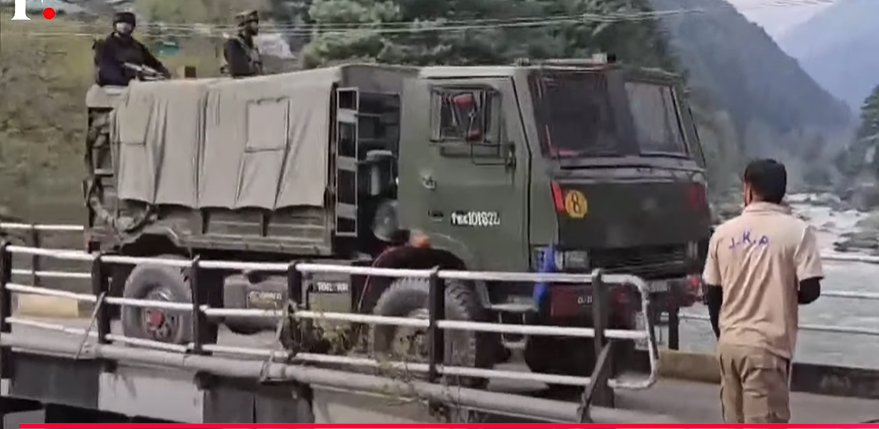
    Indian Army take action on pahelgam

    Sometimes, we think certain places are above pain. Like they’re just too beautiful to be touched by such ugly things. That’s how many of us see Kashmir especially Pahalgam. Last week, I was talking to a friend who had just come back from there. She told me about the green meadows, the cold Lidder river, the sound of horses trotting around Baisaran “It felt like another world,” she said. And honestly, I could almost picture it.

    But just a few days later, on 22nd April 2025, that same peaceful place saw something no one expected. A brutal terror attack. Gunmen opened fire at tourists in Baisaran meadow. At least 26 people died. Some reports say 28. Many others were hurt. Just like that, the joy turned into chaos.

    For people like me who’ve always looked at Kashmir as a place of peace and healing this news felt like a punch to the gut. Not just because of the lives lost. But because this kind of violence brings back fear. It’s like a dark cloud that refuses to go away.

    What Exactly Happened?

    It was a regular Tuesday. Around 1 PM. The meadow was full of tourists families, kids, even newlyweds. People were enjoying pony rides, taking selfies, eating local snacks. Suddenly, out of nowhere, some armed men appeared and started firing.

    There was panic. People ran in all directions. Some tried to hide behind rocks, others fell on the ground to avoid bullets. It was over in a few minutes. But the damage done was massive.

    Among those who died was a young Navy officer Lieutenant Vinay Narwal. He had just gotten married on 16th April. A tourist from Karnataka, Manjunath, was also killed right in front of his wife and son. It’s hard to even imagine that kind of pain.

    A group called The Resistance Front (TRF) linked to Lashkar-e-Taiba took responsibility later. Security agencies believe they wanted to target Hindu tourists just before the Amarnath Yatra season, which starts in July.

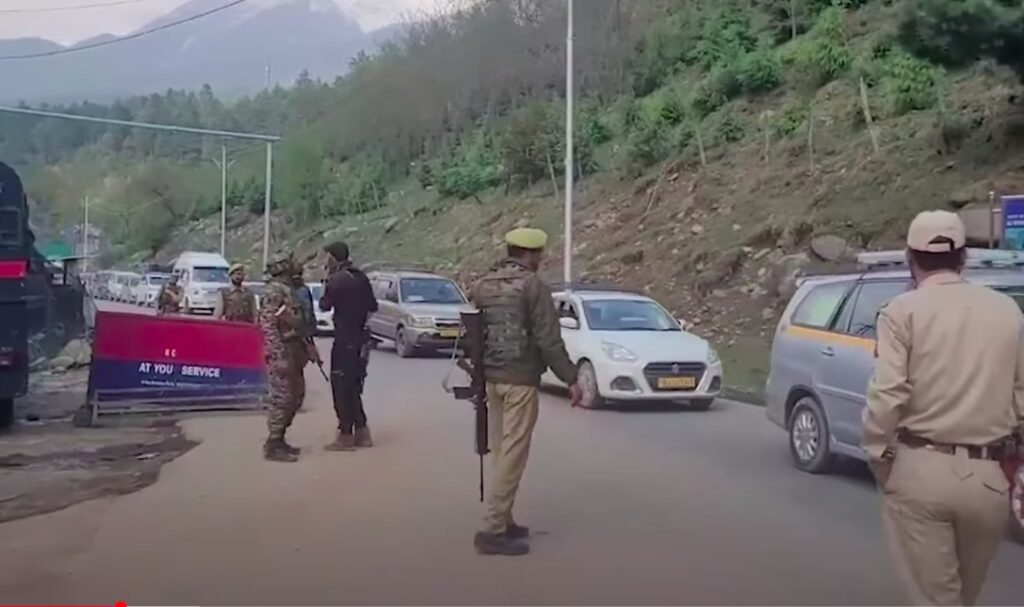
    Police protect Pahelgam
    A sudden terror attack in Pahalgam’s Baisaran meadow on April 22 shook Kashmir, claiming over 26 lives and leaving deep scars on locals and tourists alike.

    Immediate Reactions

    Right after the attack, local police and army teams rushed to the spot. Injured people were taken by helicopter and ponies to hospitals. Emergency numbers were shared for families trying to reach their loved ones.

    Leaders across parties spoke out. Prime Minister Modi called it a “heinous act” and asked for strong action. Home Minister Amit Shah flew to Srinagar for a high-level security check. Even global leaders like US President Trump and Israeli ministers stood with India. But, honestly, after every attack, we hear strong words. What really matters is what happens next.

    Lives That Were Shattered

    You know, it’s easy to say “26 people died.” But behind each number is a full story. A family. A future. A hope.

    Like I said, Lieutenant Narwal was newly married. Manjunath had come with his wife and child for a holiday. Another tourist, Prashant from Odisha, had been planning this trip for months. Survivors are still recovering in hospitals physically and mentally.

    The Karnataka government stepped in to bring back the bodies. But can anyone bring back the peace their families lost?

    Kashmir’s Tourism Takes a Hit

    Kashmir’s beauty attracts lakhs of tourists every year. It’s not just good for Instagram — it’s bread and butter for many locals. Pony owners, taxi drivers, hotel staff, shopkeepers — all depend on these visitors.

    After this attack, fear is back. People are cancelling trips. Amarnath Yatra, which brings thousands of pilgrims, might see tighter security now. But fewer tourists means fewer jobs. And that’s a big worry for people who are already struggling.

    I remember a Kashmiri friend of mine, Javed bhai, who runs a small guesthouse in Srinagar. After the Pulwama attack in 2019, he barely had any guests for months. Now again, he’s scared bookings will drop.

    Is Kashmir Really Safe?

    This is the big question. Every few months, something happens that shakes the peace. Since the 1989 insurgency, Kashmir has seen many such dark days. The 2019 Pulwama attack took 40 CRPF lives. Just last year, 9 Hindu pilgrims were killed in a bus attack in Reasi.

    After Article 370 was scrapped in 2019, the government said things would improve. And yes, some normalcy did return. But this attack shows that threats are still very much alive. Especially from groups operating across the border.

    Security experts are now asking how was such a busy tourist spot left so exposed? Shouldn’t there have been more checks? More patrols?

    So, What Happens Now?

    For now, the Army has launched a search operation. Drones, checkpoints, more boots on the ground. But security alone isn’t enough.

    We need to support the families of victims. Help local businesses bounce back. And more importantly, start honest conversations about why such hate still exists and how to heal this long wound.

    Former CM Mehbooba Mufti called for a protest bandh. Locals held a candle march in silence. These are not just political moves these are signs that people want peace, not revenge.

    If this resonated with you, here’s something similar you might like: Pahalgam terror attack: Narrow escape for three Kerala High Court judges

    Keep the learning going with this one: India’s Steel Tariff: Smart Protection or Risky Trade Gamble?