Tag: Android

  • Nothing’s CMF Phone 2 Pro Hits Indian Market: Premium Looks, Budget Price

    Nothing’s CMF Phone 2 Pro Hits Indian Market: Premium Looks, Budget Price

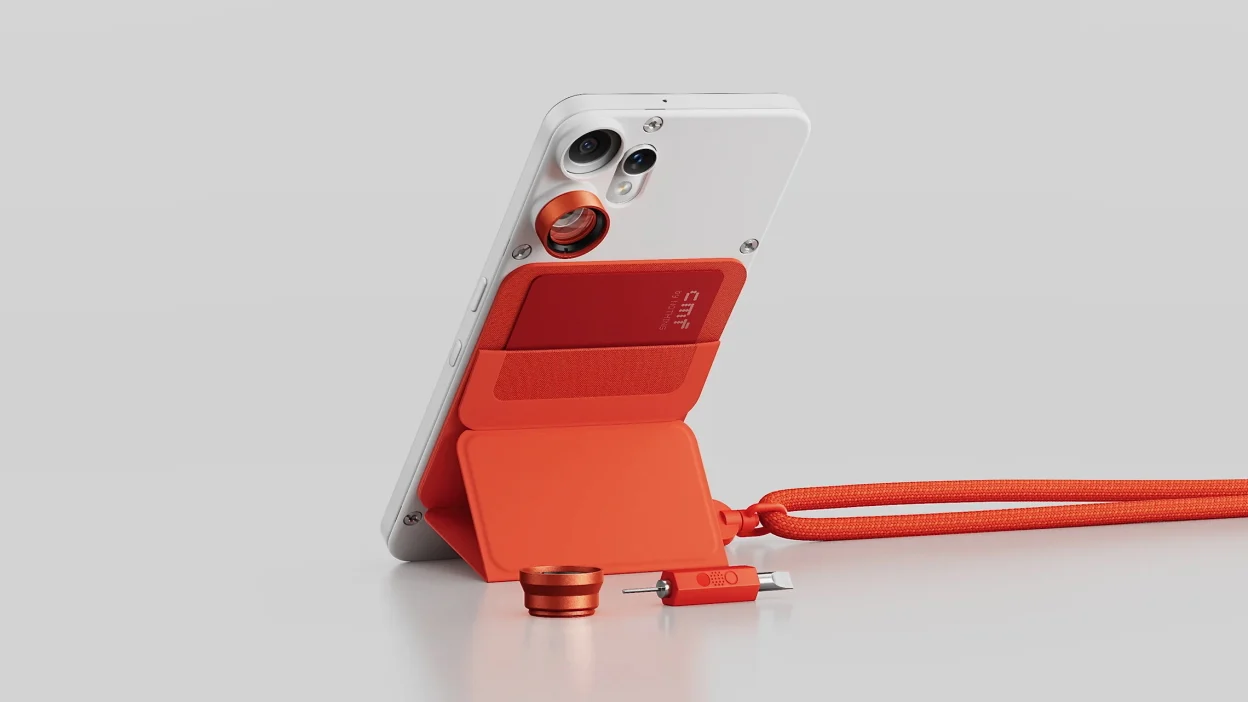
    CMF Phone 2 Pro featuring dual-tone Orange & White design with modular accessories.

    The CMF Phone 2 Pro slipped into our world on April 28, 2025, and suddenly everyone’s talking. At ₹18,999 (8 GB+128 GB) and ₹20,999 (8 GB+256 GB), it doesn’t feel like just another budget phone—it actually nails style, speed, and camera chops without emptying your wallet. Plus, it still comes with a charger in the box, which is almost a relic these days. In this write-up, I’ll walk you through what stood out, what could’ve been better, and why I reckon it’s worth a look.

    Design That Makes You Do a Double-Take

    Look, budget phones usually play it safe—plain black or gray, nothing to write home about. But the Phone 2 Pro dares to be different. That Orange-and-White duotone back with a subtle grippy texture? It feels solid, like it’s built for keeps. And those two little screws on the rear aren’t pointless decoration—they channel that rugged, industrial vibe. I dropped mine once (by accident, honesty), and apart from a tiny scratch, it soldiered on. IP54 splash resistance even saved me when water spurted from the garden hose—no panic, just wiped it off.

    Speed That Keeps Pace with Your Day

    Under the hood, there’s a Dimensity 7300 Pro chip—think small powerhouse. Multitasking, streaming, light gaming: no stutter. In fact, compared to its predecessor, it’s roughly 10 percent snappier on the CPU side and 5 percent smoother in graphics (as per Nothing’s tests). The 6.77-inch AMOLED screen at 120 Hz feels like velvet when you scroll—no judder, no lag. And sunlight? The peak 3,000 nits brightness never left me squinting on a sunny veranda. Toss in 5 G, Wi-Fi 6, and you’re set whether you’re in town or out in the fields.

    Camera Setup That Surprised Me

    Honestly, I didn’t expect much here—budget phones often skimp. But the Phone 2 Pro’s triple-lense array blew me away: 50 MP main, 50 MP telephoto (with real 2× optical zoom), plus an 8 MP ultra-wide. My cousin’s wedding was the real test—low-light shots under fairy lights came out crisp, colors didn’t wash, and those 2× snaps kept the bride’s expressions sharp from across the hall. Ultra-wide mode captured the entire dance floor in one go—no need to shuffle people. Front-cam selfies for family video calls looked just fine too.

    Battery Life and Software: No Surprises, in a Good Way

    5,000 mAh battery plus 33 W fast charging means I didn’t bother lugging a power bank. A quick half-hour charge got me through another evening of videos and messages. Software feels clean—Android 15 with Nothing OS 3.2 has no random apps clogging your home screen. Fingerprint under the display, face unlock—it all just works, none of that ghost-touch nonsense you sometimes find on cheap phones.

    Value Check: Where’s the Catch?

    Truth be told, you won’t find big cons. No headphone jack—fine if you’ve switched to Bluetooth. Hybrid SIM slot—so you pick between extra storage or a second SIM. If you live and breathe MIUI’s bells and whistles, you might miss them here. But for most of us—students, first-jobbers, or anyone who simply wants a solid daily driver—this is a deal. A charger in the box alone feels like a win.

    Summery:

    SpecificationDetails
    Price₹18,999 (8 GB+128 GB), ₹20,999 (8 GB+256 GB)
    Display6.77″ Flexible AMOLED, 1080 × 2392 px, 120 Hz, HDR10+, 3000 nits
    ProcessorMediaTek Dimensity 7300 Pro (4 nm), 2.5 GHz Octa-Core
    RAM8 GB + 8 GB Virtual RAM
    Storage128 GB / 256 GB, expandable via microSD up to 2 TB
    Rear Cameras50 MP Main (ƒ/1.88), 50 MP Telephoto (2× opt. zoom), 8 MP Ultra-Wide (119.5°)
    Front Camera16 MP (ƒ/2.45)
    Battery5000 mAh, 33 W Fast Charging, 5 W Reverse Charging
    OS & UIAndroid 15, Nothing OS 3.2
    Connectivity5 G, Wi-Fi 6, Bluetooth 5.3, USB-C 2.0
    Extra FeaturesIn-display fingerprint, Face Unlock, IP54 Splash-resistant, Charger included
    ColoursOrange & White dual-tone

    Interested in this? You’ll also want to read: CMF Phone 2 Pro Unboxing – Totally Different Phone !

    If this resonated with you, here’s something similar you might like: How to Choose the Best Smartphone for Your Needs

  • How to Choose the Best Smartphone for Your Needs

    How to Choose the Best Smartphone for Your Needs

    Mobile in human hand

    How to Choose the Best Smartphone for Your Needs Simple Guide for All

    You know, these days buying a smartphone is no less than choosing a life partner. Sounds funny, but it’s true. Let me tell you why.

    Last week, my uncle came all the way from Sitamarhi to Patna. A retired school teacher, calm and simple man. He had just one request: “Get me a phone that runs WhatsApp and takes clear photos.” Now this sounds easy, right? But when we went to check online, hundreds of phones popped up—brands I’ve never even heard of, some showing five cameras, some shouting 5G, AI, AMOLED and whatnot.

    I realised, even we who use phones daily feel lost. So how would someone from a small town or someone who doesn’t follow tech all day pick the right one?

    So today, let’s break it down in simple, everyday English. No tech jargon. No confusion. Just straight talk. How to choose the best smartphone that fits you—not the market trend.

    Start With the Basics: What Do You Really Need It For?

    First question, always ask this: “Why do I need a phone right now?”

    Let’s say you’re buying vegetables if you need potatoes, why pay for mushrooms?

    Same way, don’t buy a gaming phone just to use WhatsApp.

    Here’s a quick way to think:

    • Students? You’ll need good battery, decent camera (for notes or classes), and smooth usage.
    • Office people? You need something fast, can handle Zoom, multiple apps, long battery.
    • Parents or seniors? Large text, simple interface, loud speaker.
    • Gamers? Look for strong processor, smooth display, cooling.
    • Photo or video lovers? Camera is your king. Also need space for storing all that.

    So figure out your category, and then shortlist phones meant for that—not just the flashy ones you see in ads.

    Budget First, Not After Decide Before You Start Browsing

    We all know this. Budget decides everything. And in India, most people stick between ₹10,000 to ₹25,000. Honestly, you can get very decent phones in this range now.

    Phones mostly come in 3 types:

    • Budget: ₹7,000 to ₹15,000
    • Mid-range: ₹15,000 to ₹30,000
    • Flagship: ₹30,000 and above

    Now you don’t need to spend ₹40,000 just to watch YouTube and click birthday photos.

    Latest Picks in Budget & Mid-range (April 2025)

    • Redmi Note 13 Pro+: Amazing camera, good all-rounder.
    • iQOO Z9 5G: Super fast, ideal for multitasking and gaming.
    • Samsung M14: Trustworthy brand, battery champ, simple interface.
    • Realme Narzo 70x: Bright display, perfect for college students.

    These are not promotions just what’s doing well right now. And prices change, so check reviews and offers.

    Don’t Get Fooled by Fancy Specs Understand What Matters

    Must-Have Specs (Not Too Much, Not Too Less)

    • Processor: Think of it as the brain. Snapdragon 6 or Dimensity 7/8 series is good enough.
    • RAM: 6GB is the base today. 8GB is smoother.
    • Battery: Minimum 5000mAh. Less than that will frustrate you daily.
    • Display: AMOLED is better than normal LCD. Brighter, colourful.
    • Camera: Don’t run behind megapixels. 200MP means nothing if photo comes blurred in low light.

    Ignore These Gimmicks:

    • “AI camera” Just a label.
    • “Gaming mode” Marketing stuff, unless you’re a hardcore gamer.
    • “5G” Unless your area has it, no need to chase it blindly.

    What Else Should You Check Before Buying?

    UI and Bloatware – Some Brands Feel Heavy

    Some phones come with ads inside the phone! Brands like Samsung, Motorola give cleaner UI. Xiaomi and Realme often have extra apps you may never use.

    Also ask: Will it get future updates? No point buying something that’ll become outdated next year.

    After-Sales Service – Very Important for Small Town Users

    I’ve seen this often. People buy iPhones from city, then travel 80km for service. Not practical.

    Check if the brand has a service center near you. Otherwise even a ₹5,000 repair becomes a nightmare.

    Build Quality Not Just Looks

    Slim phones look nice but break easily. If your phone is always in pocket or gets dropped often, better go for plastic or rubber edge ones. Rough use needs a rough-tough phone.

    Online vs Offline Which One is Better for You?

    Buying Online?

    • You get cheaper rates.
    • Can compare lots of models.
    • Offers during festive time are great.

    Buying Offline?

    • You get to touch and check.
    • Return or exchange is easier.
    • Elderly people feel more confident when they see before buying.

    So if you live in a city, online works fine. For rural or small town folks, offline is still king.

    Last Advice Don’t Fall for Hype, Go for Peace

    Honestly, I’m still using a Redmi Note 10 Pro. It doesn’t have 5G or AI camera, but it runs smooth, battery lasts all day, and takes clear pictures. Why upgrade just for show?

    In the end, phone is not your status—it’s your helper. So pick what helps you, not what impresses others.

    Takeaway Buy a Phone Like You’d Choose a Tractor: Practical, Not Fancy

    Don’t let YouTube or flashy ads confuse you. A ₹14,000 phone today can do 90% of what a ₹40,000 phone does. Be smart, set your budget, know your use, and pick the phone that serves you well, not drains your wallet.

    Related Articles :
    Enjoyed this read? Continue the journey with:
    iPhone vs Android: Which One Feels Right for You?
    Things to consider when buying a new smartphone

  • iPhone vs Android: Which One Feels Right for You?

    iPhone vs Android: Which One Feels Right for You?

    iPhone vs Android

    So, you’ve finally made up your mind to get a new iPhone vs Android: Which One Feels Right for You?. Exciting, right? But then the real confusion starts iPhone le ya Android? It’s like standing in front of two stalls at a mela one selling hot jalebis, the other offering spicy samosas. Both tempting, but you can pick only one.

    Doesn’t matter if you’re a college student, a working guy juggling Zoom calls, or someone who shoots reels for fun your phone today is more than just a gadget. It’s your camera, wallet, music system, and sometimes even your therapist.

    So, let’s talk like normal folks—not techies. We’ll go one step at a time, and see what suits your needs best. Not what influencers or marketing banners scream.

    1. User Experience – Smooth Ride or Creative Playground?

    Using an iPhone feels like staying in a 5-star hotel. Everything’s tidy, no unnecessary apps, no ads popping out of nowhere. It’s made for folks who like peace of mind—open, swipe, done.

    But Android? That’s like decorating your own desi room. Want a calendar widget on the home screen? Done. Want to change how your icons look? Jugaad available. From launchers to themes, it’s all customise as you like.

    So if you’re the type who likes things simple and elegant, iPhone will suit you. But if you enjoy playing around and making your phone feel truly yours, Android wins.

    2. Price Tag – Pocket-Friendly or Premium Feel?

    Let’s not beat around the bush iPhones are pricey. Even the older ones in 2025 still cost more than a second-hand bike. But they do hold value over time. Their build, support, and performance remain solid for years.

    Now look at Android. Whether your budget is ₹10,000 or ₹1.5 lakh, you’ll find something. Realme, Xiaomi, Samsung—they all offer dhamaka deals. You get fancy features at half the cost.

    “iPhone is like owning a Royal Enfield. Android is like buying a good second-hand Splendor—reliable, affordable, and gets the job done.”

    3. Camera Quality – Storytelling or Sharpened Selfies?

    This one’s always debated at chai stalls.

    iPhone gives very real-looking pictures. Especially for videos, they’re amazing. You shoot a reel in low light, and boom—it looks classy. Perfect for Instagram addicts and vloggers.

    But Android? Some models, like Google Pixel or Samsung S series, can make your face glow like you just came back from a parlor. AI does some heavy lifting here.

    In short:
    iPhone: Better for consistent video and clean photos.
    Android: More filters, sharper shots, great for camera experiments.

    4. Ecosystem & App Experience – Locked Gate or Open Field?

    Got a MacBook, iPad, and Apple Watch? Then buying iPhone is like joining the family WhatsApp group—everything syncs automatically.

    But if you use Windows or switch between brands, Android gives you the freedom. You can transfer files, connect with different devices, and try different apps without drama.

    iPhone’s ecosystem is tight-knit. Android’s is more flexible. Depends on what you prefer.

    5. Software Updates & Security – Long-Term Promise or Brand-Luck?

    iPhones get software updates for easily 5 years or more. Doesn’t matter if you buy today or last year—everyone gets the same update, same day. Plus, it’s generally more secure.

    Android’s a mixed bag. Premium ones like Pixel or Samsung get decent updates, but budget phones? Sometimes the update never comes. Or comes when you’ve already changed your phone!

    So, if you’re planning to use your phone for years, iPhone gives you peace of mind.

    6. Battery & Charging – Fast Life or Slower Charge?

    Let’s be honest—Android wins this round.

    Most Android phones now come with crazy-fast charging. 0 to 100 in less than an hour. Some even let you charge other phones wirelessly. Battery size is also usually bigger.

    iPhone? It’s improving, but still stuck with that Lightning cable and slower charging. Not cool in 2025.

    7. Performance & Gaming – Butter Smooth or Power Packed?

    iPhones have less RAM but still run smoother than ghee on hot paratha. Their A-series chips are really that good.

    But Android’s new Snapdragon 8 Gen chips are no less. Brands like ASUS ROG, iQOO, and OnePlus make phones specifically for gamers.

    So, if you’re a casual user, both are fine. For hardcore PUBG or Genshin players, Android gives more variety.

    8. Resale Value – Paise Vasool or Fast Depreciation?

    iPhones keep their value. Even if you sell your iPhone 12 today, you’ll get a decent amount.

    But try selling a 3-year-old Android? Most buyers will offer peanuts or just ask for free.

    That’s because:

    • iPhones get updates longer
    • Build quality is solid
    • Apple has brand charm

    If you’re someone who upgrades every 3-4 years, iPhone gives better returns.

    9. Accessories & Repair Support – Fancy but Pricey vs Local Jugaad

    Apple accessories are gorgeous but burn a hole in the pocket. A charging cable can cost more than a decent power bank.

    Android options are wide—wired, wireless, cheap, premium, you name it. Also, repairs for iPhone can be expensive. Drop the screen? Be ready for a ₹15-20k bill.

    With Android, local repair guys can usually fix it in one afternoon with chai and gyaan included.

    So, Which One Should YOU Buy?

    Let’s not make it complex. Here’s the ground reality:

    SituationBetter Pick
    You like freedom & budget controlAndroid
    You want a smooth, clean, no-drama experienceiPhone
    You already own Apple devicesiPhone
    You want best under ₹25KAndroid
    You plan to use phone for 4+ yearsiPhone
    You love gaming or camera tweakingAndroid

    Final Words – Your Phone, Your Lifestyle

    Look, phones are personal. No one solution fits all.

    If you’re someone who loves flexibility, and doesn’t want to spend a bomb—Android is your best friend.

    But if you want long-term value, smooth experience, and you’re already in Apple’s ecosystem—iPhone will feel like home.

    Don’t follow the crowd. Your phone should match your needs, not your neighbour’s opinion.

    Found this blog helpful? You’ll definitely enjoy Top 10 Must-Have Tech Gadgets in 2025 – give it a read!

    Check the comparison between Android vs Iphone by experts on youtube