Blog

  • Living Light: Simple Zero Waste Hacks for Every Home

    Living Light: Simple Zero Waste Hacks for Every Home

    Zero-Waste Hacks for Every Home

    Zero waste hacks aren’t just a buzzword; they’re a way to lighten our footprint without turning our lives upside down. In a world where single-use plastics flood our markets, every small swap adds up. Whether you live in a bustling city apartment or a quiet small town, these ideas slot in naturally—no grand upheaval required.

    Plastic Swap List

    Start by replacing everyday disposables with reusables. Here’s a quick rundown:

    • Straws: Bamboo or stainless steel straws slip into your bag easily.
    • Bags: Cotton tote bags work for groceries, while mesh produce bags keep fruits and veggies breathable.
    • Coffee Cups: A ceramic or glass travel mug means no more paper cups that end up in landfill.

    In my hometown market, you can now spot roadside stalls selling cotton totes at just ₹50 each—proof that zero waste hacks can be wallet-friendly, too.

    Upcycling Projects

    Instead of tossing old jars or T-shirts, give them new life:

    • Jam Jars: Clean them thoroughly and use as spice containers or planters on your windowsill.
    • Old T-Shirts: Cut into strips to braid into coasters or rugs—no sewing machine needed.
    • Glass Bottles: Paint or wrap with twine for a rustic vase.

    My neighbour, Mrs. Patel, turned discarded glass bottles into lanterns by simply inserting fairy lights—now her verandah glows every evening.

    Meal Planning and Food Waste

    Bulk Cooking

    Cooking in batches saves time, money and packaging. Prepare staples like dal, rice or sabzi in larger quantities, then portion into glass containers. This way, you avoid single-use cling film or foil.

    Composting Kitchen Scraps

    Kitchen scraps such as vegetable peels, coffee grounds and eggshells make rich compost. Even in a small flat, you can keep a countertop composter—just empty it in a community compost pit or your garden.

    Reducing Food Waste

    Write a simple menu plan and shopping list before heading to the market. Stick to it, and you’ll end up tossing far less edible food. Last week, I saved nearly ₹200 by planning meals and buying only what I needed.

    Eco-Friendly Brands Round-Up

    If you prefer buying over DIY, a few direct-to-consumer brands are making waves:

    • Brown Living: Offers refillable cleaning products delivered in glass bottles.
    • Prolinnova: Sells compostable dishcloths made from cellulose sponges.
    • Karaniya: Provides handmade beeswax wraps—an excellent alternative to plastic wrap.

    These DTC brands often ship without plastic packaging, so you’ll notice the difference right at your doorstep.

    Green Cleaning Solutions

    DIY Recipes

    For most cleaning tasks, a mix of vinegar and baking soda works wonders. To tackle grime, sprinkle baking soda on surfaces, spray diluted vinegar and wipe clean. For a fresh scent, add a few drops of essential oil.

    Store-Bought Plant-Based Buys

    If you’d rather skip the mixing, look for plant-based cleaners labelled phthalate-free and biodegradable. Brands like Purifica and The Happy Co. now stock refill pouches at local organic stores.

    Community and Policy

    Local initiatives make zero-waste living smoother:

    • Bulk-Buy Stores: Shops like ‘Loose Goods’ allow you to refill grains, pulses and spices using your own containers.
    • Refill Stations: Stations for soaps and detergents pop up in malls and markets across many cities now.
    • Plastic Bans: Several municipal corporations have banned single-use plastic, making reusable options the default.

    In Pune, a recent drive distributed cloth bags to over 10,000 households—small policy moves like these ripple out into real change.

    Personal Takeaway

    Honestly, swapping out just a couple of disposables has made me feel more connected—to my neighbourhood market, to fellow eco-minded friends and, most of all, to a future where small changes add up. It’s not perfect, and sometimes I slip, but that’s part of the journey.

    Check more related artical
    Protein on a Budget: Eat Healthy Without Spending Much
    Learn more at Zero Waste Home

  • 10 Smart Ways to Learn Faster Simple Tips for Everyday Learners

    10 Smart Ways to Learn Faster Simple Tips for Everyday Learners

    Student at desk with books and floating light bulbs representing learning and new idea

    Introduction

    Learning something new isn’t always easy especially when there’s so much pressure around. Whether you’re preparing for big entrance exams like NEET, UPSC or just trying to finish your college syllabus, the common struggle is the same: How to study better and remember more in less time? The solution lies in finding smart ways to study that help you learn more efficiently and effectively.

    We all want to study smarter, not harder. And no, this doesn’t mean reading all night or solving 500 questions every day. It’s more about using the right method something that actually suits how the human brain works.

    In this blog, I’ll walk you through 10 simple smart ways to learn faster. These are not some high-level tricks from abroad. Many students here in India are already using them quietly from cities to small towns to score well and save time. Whether you’re a school kid, a college student, or even working full-time and trying to pick up new skills, this can help.

    Let’s get into it.

    1. Learn in Gaps, Not in One Go (Spaced Repetition)

    You might’ve noticed when you revise something again after a few days, it sticks better. That’s what spaced repetition does. Instead of cramming everything in one day, you study a bit, take a break for a day or two, and then revise.

    It’s like watering plants. You can’t pour a bucket of water once a week and expect them to grow. A little every day works better.

    Example: If you’re learning science terms, revise them today, again after 2 days, then next week. Slowly, your brain starts to hold on to that info.

    2. Don’t Just Read, Try to Recall (Active Recall)

    Reading the same paragraph again and again doesn’t always help. What works better? Close your book and try to recall what you just read.

    Let’s say you just finished a chapter. Instead of flipping back and reading it again, pause and ask yourself “What were the key points?” This way, your brain actively works to remember.

    This trick has helped many students prepare for exams in less time especially when they’re running short on revision days.

    3. Mix Subjects While Studying (Interleaved Practice)

    Most people study like this: full morning for physics, then afternoon for chemistry. But guess what? Mixing them up a little helps more.

    Studying two-three subjects in small chunks makes your brain shift gears and remember better. It also helps when you face surprise questions in exams.

    Try this: Do 30 mins of math, 30 mins of bio, and then maybe some history. Your brain will get used to switching topics, and it’ll feel more natural during actual exams.

    4. Ask Yourself “Why” While Studying (Elaborative Interrogation)

    When we ask “why”, our brain tries to connect the dots. Instead of mugging up things, try asking questions.

    Like, why do plants need sunlight? Or, why was the Dandi March started with salt? Simple ‘why’ questions create deeper understanding. This helps especially in subjects like history or biology where logic is involved.

    5. Say It Out Loud in Your Own Words (Self-Explanation)

    Sometimes while reading, we feel like we’ve understood but when we try to explain it, we fumble. That’s where self-explanation helps.

    Just act like you’re teaching someone. Even if no one’s there, talk to yourself. This clears your thinking.

    For example, try explaining a math formula or science process in plain words as if you’re talking to a younger sibling. You’ll know instantly where you’re stuck.

    6. Use Tricks to Remember (Mnemonic Devices)

    Some things are just hard to keep in mind like formulas, sequences, or long lists. That’s where memory tricks come in.

    You’ve probably used VIBGYOR for rainbow colours. Or “BODMAS” for math order. These are mnemonics. Make your own as per the topic.

    You can even create silly sentences or short rhymes. The funnier it is, the better your brain holds it.

    7. Teach Someone Else

    Teaching is not just for teachers. When you teach something to a friend, or even to yourself in the mirror, you understand it more clearly.

    This works well in group study sessions. After reading a topic, try explaining it to your friend. You’ll either get it better, or you’ll know where you’re confused.

    Even if you’re studying alone, just saying it out loud helps.

    8. Write, Don’t Just Type (Handwritten Notes)

    Typing may feel faster, but writing by hand is more powerful for memory. Your hand moves slower than your brain, so it forces you to think better.

    Also, handwritten notes are more personal. You draw, highlight, underline. That visual connection sticks longer.

    Example: While reading a chapter, note down formulas or key terms in your own notebook. Don’t just copy write it in your way.

    9. Sleep is as Important as Study

    Let’s be honest, how many times have we stayed up all night to finish a syllabus?

    But if your brain is tired, it won’t hold anything. Sleeping well helps your brain store whatever you studied.

    Try this: Instead of cutting sleep before exams, revise early and sleep 7 hours. You’ll perform better the next day. Promise.

    10. One Thing at a Time (Ditch Multitasking)

    Multitasking sounds smart, but it’s not. Your brain can focus only on one proper thing at a time.

    Studying while checking Instagram or watching videos will just waste more time. Instead, do focused study for 25-30 mins, then take a small break.

    This simple habit improves your attention and saves time in the long run.

    Conclusion

    So, those were 10 simple yet powerful smart ways to learn faster. These tricks don’t need fancy gadgets or foreign courses. They just need a bit of habit change and consistent effort.

    My takeaway? Learning smart is not just about finishing books quickly. It’s about understanding things in a way that they stay with you longer. So try these out, one by one. Start slow. No need to follow all in a single day.

    Some may work better for you than others but once you find your rhythm, things will get easier, and honestly, even fun.

    💬 Liked this post? You’ll also want to read:

  • कम बजट में प्रोटीन: ज़्यादा खर्च किए बिना स्वस्थ भोजन करें

    कम बजट में प्रोटीन: ज़्यादा खर्च किए बिना स्वस्थ भोजन करें

    Rustic Indian kitchen table with budget-friendly protein foods like dal, eggs, peanuts, curd, sprouts, and tofu arranged neatly.

    परिचय

    प्रोटीन उन पोषक तत्वों में से एक है जिसके बारे में हम सभी जिम ट्रेनर से बात करते हुए सुनते रहते हैं, आहार विशेषज्ञ इसका जिक्र करते हैं, और यहां तक ​​कि इंस्टाग्राम पर फिटनेस रील भी इस शब्द को कंफ़ेद्दी की तरह इधर-उधर फेंकते हैं। लेकिन असल ज़िंदगी में, जब आप एक तंग बजट का प्रबंधन कर रहे होते हैं, तो सबसे पहले दिमाग में यही आता है कि मैं ज़्यादा खर्च किए बिना ज़्यादा प्रोटीन कैसे खा सकता हूँ?

    भारत में, बहुत से लोग अभी भी मानते हैं कि उच्च प्रोटीन वाला भोजन खाने का मतलब है महंगे पाउडर, फैंसी चिकन ब्रेस्ट या आयातित नट्स खरीदना। यह पूरी तस्वीर नहीं है। सच तो यह है कि हमारे आस-पास इतने सारे देसी, बजट-फ्रेंडली विकल्प हैं जो प्रोटीन से भरपूर हैं, हम उन्हें पर्याप्त महत्व नहीं देते।

    इस ब्लॉग में हम बात करेंगे:

    • आपके शरीर को प्रोटीन की वास्तव में आवश्यकता क्यों है?
    • भारत में प्रोटीन सेवन में क्या हो रही है गड़बड़ी?
    • स्मार्ट, किफायती प्रोटीन विकल्प जो आपके घर में पहले से ही मौजूद हैं
    • अपनी जेब पर बोझ डाले बिना इन्हें अपने भोजन में शामिल करने के सरल उपाय

    प्रोटीन इतना महत्वपूर्ण क्यों है (भले ही आप जिम न जा रहे हों)

    ज़्यादातर लोग सोचते हैं कि प्रोटीन सिर्फ़ बॉडीबिल्डर या एथलीट के लिए है। लेकिन असल में, चाहे आप काम पर पैदल जा रहे हों, धूप में खेती कर रहे हों, या पूरे दिन अपने बच्चों के पीछे भाग रहे हों, आपके शरीर को मज़बूत बने रहने के लिए प्रोटीन की ज़रूरत होती है। यह आपको ठीक होने में मदद करता है, मांसपेशियों का निर्माण करता है, आपकी ऊर्जा को स्थिर रखता है और आपकी त्वचा और बालों को भी सहारा देता है।

    एक आम भारतीय परिवार में किराने का सामान उठाना, सफाई करना, स्कूल या कॉलेज जाना जैसे दैनिक कार्यों के बारे में सोचें, इन कार्यों में ऊर्जा और आपकी मांसपेशियां खर्च होती हैं। पर्याप्त प्रोटीन के बिना, आपका शरीर जल्दी थक जाता है। और नहीं, आपको इसे प्राप्त करने के लिए हर दिन मांस खाने या कोई अंतरराष्ट्रीय शेक पीने की ज़रूरत नहीं है। हमारा अपना स्थानीय भोजन इस पोषक तत्व से भरपूर है, हमें बस इस पर ध्यान देने की ज़रूरत है।

    भारत में प्रोटीन सेवन का क्या हाल है?

    आपको यह बात आश्चर्यजनक लग सकती है, लेकिन पिछले कुछ दशकों में भारत में प्रोटीन की औसत खपत में कमी आई है। बहुत पहले, 90 के दशक में, ग्रामीण लोग प्रतिदिन लगभग 60 ग्राम प्रोटीन खाते थे। अब यह घटकर 56 ग्राम के करीब रह गया है। शहरों में भी यह थोड़ी कम हुई है।

    इसका एक कारण यह हो सकता है कि हम दाल, अंडे या पनीर पकाने के बजाय चावल, बिस्किट और रेडीमेड स्नैक्स पर ज़्यादा निर्भर हो गए हैं। साथ ही, एक मिथक यह भी है कि स्वस्थ भोजन का मतलब महंगा भोजन है – जो सच नहीं है।

    साथ ही, अब ज़्यादा से ज़्यादा लोग स्वास्थ्य और पोषण के बारे में जागरूक हो रहे हैं। भारत में प्रोटीन युक्त भोजन का बाज़ार तेज़ी से बढ़ रहा है, जो दर्शाता है कि लोग बेहतर खाना चाहते हैं। लेकिन हमें अभी भी यह सुनिश्चित करने की ज़रूरत है कि यह जानकारी सिर्फ़ फ़िटनेस क्लब तक ही नहीं, बल्कि हर घर तक पहुँचे।

    प्रोटीन के किफायती स्रोत जिनके बारे में आप पहले से ही जानते हैं

    दाल

    ईमानदारी से कहूँ तो दाल जीवन रक्षक है। हर घर में इसका कोई न कोई रूप ज़रूर होता है – मूंग, मसूर, चना या तूर। सिर्फ़ एक कटोरी दाल से आपको अपने रोज़ाना के प्रोटीन का एक अच्छा हिस्सा मिल सकता है, लगभग 100 ग्राम पके हुए दाल में 25 ग्राम। और इसकी कीमत भी ज़्यादा नहीं है।

    दाल-चावल से लेकर खिचड़ी या कुरकुरे वड़े तक, दाल हर खाने में फिट बैठती है। यह पेट भरने वाली, सस्ती और बनाने में आसान है। और अगर आप उसी खाने में कुछ सब्ज़ियाँ या पनीर मिला दें, तो यह और भी बेहतर हो जाता है।

    पनीर

    पनीर सिर्फ़ रेस्टोरेंट में मिलने वाली चीज़ नहीं है। आप इसे दूध और थोड़े से नींबू के रस का इस्तेमाल करके घर पर भी आसानी से बना सकते हैं। यह 100 ग्राम में लगभग 18 ग्राम प्रोटीन देता है और कैल्शियम से भी भरपूर होता है। चाहे आप इसे करी में डालें, मटर के साथ मिलाएँ या सिर्फ़ मसाले के साथ भूनें, यह बढ़िया काम करता है। यहाँ तक कि पराठे की स्टफिंग में भी पनीर स्वाद और प्रोटीन दोनों ही बढ़ाता है।

    सोया चंक्स

    इन्हें अक्सर नज़रअंदाज़ कर दिया जाता है, लेकिन ये भारत में सबसे ज़्यादा पौधे-आधारित प्रोटीन विकल्पों में से हैं, जो लगभग 50 ग्राम प्रति 100 ग्राम सूखे वजन के बराबर है। ये सस्ते हैं और अच्छी तरह से स्टोर किए जा सकते हैं। बस इन्हें भिगोएँ, निचोड़ें और पकाएँ। आप इन्हें करी, पुलाव या रोल में भी डाल सकते हैं। अगर आप मांस खाने से बचना चाहते हैं, तो यह एक बढ़िया विकल्प है।

    अंडे

    अंडे हर जगह किराने की दुकानों, सड़क किनारे की दुकानों और हर फ्रिज में पाए जाते हैं। एक अंडे में लगभग 6-7 ग्राम पूर्ण प्रोटीन होता है, जिसका अर्थ है कि सभी आवश्यक अमीनो एसिड मौजूद होते हैं। उबालकर, तले हुए या भुर्जी बनाकर वे जल्दी और पौष्टिक रूप से तैयार हो जाते हैं। छात्रों और व्यस्त लोगों के लिए बिल्कुल सही।

    मूंगफली

    मूंगफली सिर्फ़ नाश्ता नहीं है, यह प्रोटीन का एक अच्छा स्रोत है। 100 ग्राम मूंगफली में लगभग 25-26 ग्राम प्रोटीन होता है। इन्हें भूनकर, चटनी बनाकर या फिर नाश्ते के तौर पर गुड़ के साथ खाएँ। एक छोटी सी मुट्ठी भी आपको भरा हुआ और ऊर्जावान बनाए रख सकती है।

    मछली

    खास तौर पर तटीय इलाकों में मैकेरल और सार्डिन जैसी मछलियाँ प्रोटीन से भरपूर और बजट के अनुकूल होती हैं। 100 ग्राम में लगभग 20 ग्राम प्रोटीन होता है। इनमें दिल के लिए स्वस्थ वसा भी होती है। चावल के साथ एक साधारण मछली करी एक संपूर्ण, संतुलित भोजन हो सकता है।

    दूध और दही

    ये कई घरों में रोज़मर्रा की चीज़ें हैं। दूध में प्रति 100 मिलीलीटर में लगभग 3.4 ग्राम प्रोटीन होता है, और दही में इससे भी ज़्यादा प्रोटीन हो सकता है, यह इस बात पर निर्भर करता है कि इसे कैसे बनाया गया है। इन्हें अपनी दिनचर्या में शामिल करें सोने से पहले एक गिलास दूध या दोपहर के भोजन के साथ थोड़ा दही आपके प्रोटीन को चुपचाप बढ़ा सकता है।

    बिना अतिरिक्त लागत के अधिक प्रोटीन खाने के टिप्स

    • भोजन को समझदारी से मिलाएँ: चावल के साथ दाल या रोटी से संपूर्ण प्रोटीन बनता है। यहाँ तक कि चावल के साथ राजमा भी बढ़िया रहता है।
    • चीजों को मसालेदार बनाएं: आपको उबला हुआ खाना खाने की ज़रूरत नहीं है। हमारे भारतीय मसाले एक साधारण व्यंजन को भी खास बना सकते हैं।
    • स्थानीय और मौसमी उत्पादों का चयन करें: सर्दियों में मटर, पत्तेदार सब्जियां और स्थानीय रूप से पकड़ी गई मछलियाँ न केवल सस्ती होती हैं, बल्कि ताजी भी होती हैं।
    • बैचों में पकाएं: अतिरिक्त बनाएं और स्टोर करें। राजमा, छोले और पनीर की सब्ज़ियाँ 2-3 दिनों तक चलती हैं और समय और पैसे दोनों बचाती हैं।

    त्वरित नज़र: प्रोटीन बनाम लागत

    खाद्य सामग्रीप्रति 100 ग्राम प्रोटीनअनुमानित कीमत (भारतीय रुपये)
    दाल25 ग्राम₹10-20
    पनीर18 ग्राम₹30-40
    सोया चंक्स52 ग्राम (सूखा)₹10-15
    अंडे (1 अंडा)6-7 ग्राम₹5-7 प्रति अंडा
    मूंगफली26 ग्राम₹15-20
    मछली (मैकेरल)20 ग्राम₹50-70
    दूध (100 मिली)3.4 ग्राम₹5-7

    एक छोटी सी याद

    जब मैं छोटा था, तो “हाई-प्रोटीन डाइट” या “मैक्रो” की कोई बात नहीं होती थी। मेरी दादी जो भी ताजा और उपलब्ध दाल, थोड़ा चावल, एक चम्मच घी बनाती थीं। कभी-कभी मूंग दाल की खिचड़ी भी बना लेती थीं। साधारण खाना, लेकिन पेट भर जाता था। अब मुझे एहसास हुआ कि वह अपने आप में एक संपूर्ण भोजन था। कोई पाउडर नहीं, कोई आयातित सामान नहीं, बस जो हमारे पास था, उसी से खाना बनाना। यही हमारी खाद्य संस्कृति की खूबसूरती है। यह दिखावे के बिना पोषण देता है।

    निष्कर्ष

    इसलिए, अगर आप बिना ज़्यादा पैसे खर्च किए बेहतर खाने की कोशिश कर रहे हैं, तो मार्केटिंग के हथकंडों में न फंसें। अपनी रसोई में नज़र डालें। दाल, अंडे, मूंगफली, सोया ये सभी चीज़ें थोड़ी ज़्यादा सराहना पाने का इंतज़ार कर रही हैं।

    छोटे-छोटे बदलावों से शुरुआत करें। अपने नाश्ते में एक अतिरिक्त चम्मच दाल, एक उबला अंडा या अपने सलाद में कुछ मूंगफली डालें। स्वास्थ्य के लिए महंगा होना ज़रूरी नहीं है। इसके लिए बस थोड़ी सी योजना, थोड़ी सी रचनात्मकता और हमारे अच्छे पुराने भारतीय भोजन के प्रति थोड़ा प्यार चाहिए।

    💬 आपको यह पोस्ट पसंद आई? आप यह भी पढ़ना चाहेंगे:

  • Protein on a Budget: Eat Healthy Without Spending Much

    Protein on a Budget: Eat Healthy Without Spending Much

    Rustic Indian kitchen table with budget-friendly protein foods like dal, eggs, peanuts, curd, sprouts, and tofu arranged neatly.

    Introduction

    Protein is one of those nutrients we all keep hearing about gym trainers talk about it, dieticians mention it, and even fitness reels on Instagram throw the word around like confetti. But in real life, when you’re managing a tight budget, the first thing that comes to mind is how do I eat more protein without spending too much?

    In India, a lot of people still believe that eating high-protein food means buying expensive powders, fancy chicken breasts, or imported nuts. That’s not the full picture. Truth is, there are so many desi, budget-friendly options around us that are rich in protein we just don’t give them enough credit.

    In this blog, we’ll talk about:

    • Why your body really needs protein
    • What’s going wrong with protein intake in India
    • Smart, affordable protein options you already have at home
    • Simple ideas to include them in your meals without pinching your wallet

    Why Protein Is So Important (Even If You’re Not Going to the Gym)

    Most people think protein is only for bodybuilders or athletes. But actually, whether you’re walking to work, farming in the sun, or just running around behind your kids all day your body still needs protein to stay strong. It helps you recover, builds muscle, keeps your energy stable, and even supports your skin and hair.

    Think about a daily routine in a typical Indian household lifting groceries, cleaning, walking to school or college these tasks use up energy and your muscles. Without enough protein, your body tires out faster. And no, you don’t need to eat meat every day or drink some international shake to get it. Our own local food is full of this nutrient we just need to notice it.

    What’s Going On with India’s Protein Intake?

    You might find this surprising, but over the last few decades, India’s average protein intake has quietly gone down. Long back, in the 90s, rural folks were eating around 60 grams of protein a day. Now, it has dropped closer to 56 grams. Even in cities, it’s gone down slightly.

    One reason could be that we’ve started depending more on rice, biscuits, and ready-made snacks instead of cooking dal, eggs, or paneer. Also, there’s a myth that healthy food means expensive food — which isn’t true.

    At the same time, more people are now becoming aware of health and nutrition. The market for protein-rich food in India is growing fast, which shows people want to eat better. But we still need to make sure this information reaches every home, not just fitness clubs.

    Affordable Protein Sources You Already Know

    Dal (Lentils)

    Honestly, dal is a life-saver. Every home has some version of it — moong, masoor, chana, or toor. Just one bowl can give you a good chunk of your daily protein, around 25 grams per 100 grams cooked. And it doesn’t cost much either.

    From simple dal-chawal to khichdi or even crispy vadas, dal fits into every meal. It’s filling, cheap, and easy to make. And if you add some veggies or paneer in the same meal, it gets even better.

    Paneer

    Paneer is not just a restaurant item. You can easily make it at home using milk and a little lemon juice. It gives around 18 grams of protein per 100 grams, and it’s rich in calcium too. Whether you put it in curry, mix it with peas, or just fry it with masala, it works well. Even in paratha stuffing, paneer adds both taste and protein.

    Soya Chunks

    These are often ignored, but they’re among the highest plant-based protein options in India around 50 grams per 100 grams dry weight. They’re cheap and store well. Just soak, squeeze, and cook. You can toss them into curries, pulao, or even rolls. If you’re trying to avoid meat, this is a great substitute.

    Eggs

    Eggs are everywhere in grocery stores, roadside stalls, and every fridge. One egg gives about 6-7 grams of complete protein, meaning all essential amino acids are present. Boiled, scrambled, or made into bhurji they’re quick and nutritious. Perfect for students and busy folks.

    Peanuts

    Peanuts are not just a snack they’re a proper protein source. About 25-26 grams per 100 grams. Roast them, make chutney, or just have them with jaggery as a snack. Even a small handful can keep you full and energetic.

    Fish

    Especially in coastal areas, fish like mackerel and sardines are protein-rich and budget-friendly. About 20 grams of protein per 100 grams. They also have healthy fats for the heart. A simple fish curry with rice can be a complete, balanced meal.

    Milk and Curd

    These are everyday items in many homes. Milk has around 3.4 grams of protein per 100ml, and curd may have even more depending on how it’s made. Add them to your routine a glass of milk before bed or some curd with lunch can quietly boost your protein.

    Tips to Eat More Protein Without Extra Cost

    • Mix foods wisely: Dal with rice or roti makes a complete protein. Even rajma with rice works great.
    • Spice things up: You don’t need to eat bland boiled food. Our Indian spices can turn even a simple dish into something special.
    • Go local and seasonal: Peas in winter, leafy greens, and locally caught fish are not only cheaper but fresher too.
    • Cook in batches: Make extra and store. Rajma, chole, and paneer sabzis last for 2-3 days and save both time and money.

    Quick Look: Protein vs. Cost

    Food ItemProtein per 100gApprox. Price (INR)
    Dal (Lentils)25g₹10-20
    Paneer18g₹30-40
    Soya Chunks52g (dry)₹10-15
    Eggs (1 egg)6-7g₹5-7 per egg
    Peanuts26g₹15-20
    Fish (Mackerel)20g₹50-70
    Milk (100ml)3.4g₹5-7

    A Small Memory

    When I was younger, there was no talk of “high-protein diets” or “macros.” My grandmother just made whatever was fresh and available dal, some rice, a spoon of ghee. Sometimes moong dal khichdi. Simple food, but filling. Only now I realise that was a complete meal in itself. No powders, no imported stuff just smart cooking with what we had. That’s the beauty of our food culture. It nourishes without showing off.

    Conclusion

    So, if you’re trying to eat better without spending a fortune, don’t fall for marketing gimmicks. Look around your kitchen. Dal, eggs, peanuts, soya they’re all waiting to be appreciated a bit more.

    Start with small changes. Add an extra spoon of dal, a boiled egg with your breakfast, or throw some peanuts into your salad. Health doesn’t have to be costly. It just needs a little planning, a pinch of creativity, and some love for our good old Indian food.

    💬 Liked this post? You’ll also want to read:

  • 2025 में Beetroot का जूस: स्वास्थ्य को बढ़ावा देने का सबसे आसान तरीका

    2025 में Beetroot का जूस: स्वास्थ्य को बढ़ावा देने का सबसे आसान तरीका

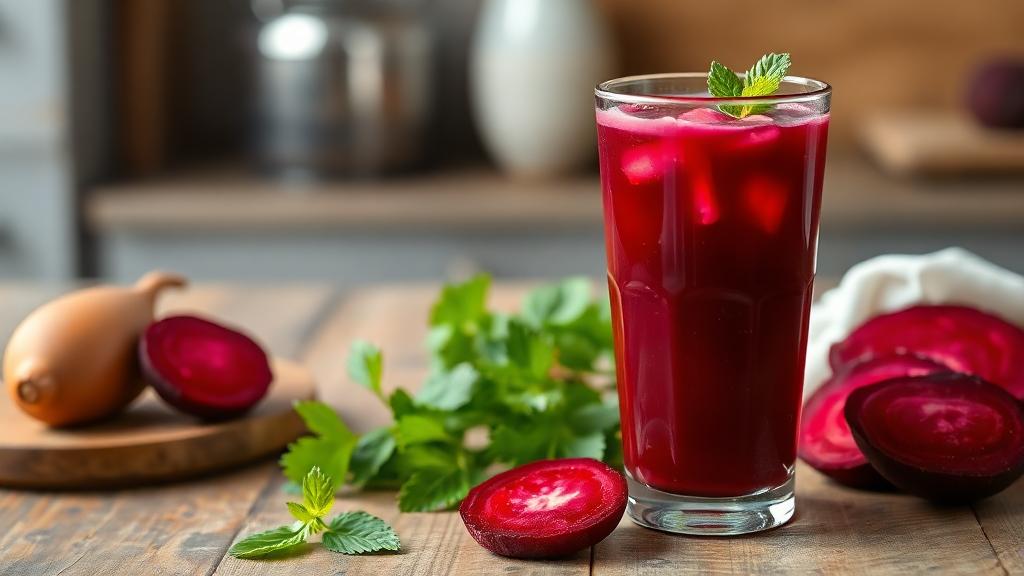
    Fresh beetroot juice with sliced beetroot and mint leaves on a rustic Indian kitchen table

    आखिर Beetroot के जूस में क्या है खास?

    आप जानते हैं, कई भारतीय घरों में Beetroot कोई खास चीज नहीं है। यह वह लाल जड़ वाली सब्जी है जिसे हमारी मां सलाद में या सब्जी में मिला कर खाती हैं। लेकिन हाल ही में, खास तौर पर 2025 में, लोगों ने इसे फिर से एक उचित स्वास्थ्य पेय के रूप में देखना शुरू कर दिया है। क्यों? क्योंकि चुकंदर के जूस में वो सभी अच्छे तत्व होते हैं जिनकी हमारे शरीर को वास्तव में जरूरत होती है।

    1. रक्त और ऊर्जा के लिए अच्छा

    चुकंदर में आयरन भरपूर मात्रा में होता है, और यह वाकई बहुत ज़रूरी है – खास तौर पर हम भारतीयों के लिए, जहाँ कई महिलाएँ अक्सर कम हीमोग्लोबिन की समस्या से जूझती हैं। नियमित रूप से चुकंदर का जूस पीने से लाल रक्त कोशिकाओं में वृद्धि होती है, जिसका मतलब है बेहतर ऊर्जा और कम थकान। आपको धीरे-धीरे फर्क महसूस होगा, रातों-रात नहीं, लेकिन यह कारगर है।

    और यह सिर्फ़ आयरन के बारे में नहीं है। इस जूस में प्राकृतिक नाइट्रेट भी होते हैं, जो रक्त प्रवाह को बेहतर बनाने में मदद करते हैं। इसका मतलब है कि आपका शरीर ऑक्सीजन का ज़्यादा कुशलता से इस्तेमाल करता है। इसलिए, अगर आपको कुछ सीढ़ियाँ चढ़ने के बाद ही थकान महसूस होती है, तो 2-3 हफ़्तों तक रोज़ाना चुकंदर का जूस पिएँ और देखें कि आपको कैसा महसूस होता है।

    2. सरल तरीके से पाचन में सहायता करता है

    हमारे दादा-दादी को पाचन संबंधी समस्याएँ कम ही होती थीं, इसका एक बड़ा कारण यह है कि वे साधारण भोजन पर निर्भर रहते थे। चुकंदर का जूस पेट को बेहतर तरीके से काम करने में मदद करता है और मल त्याग को नियमित रखता है। यह कोई जादुई गोली नहीं है, लेकिन यह चुपचाप पृष्ठभूमि में काम करती है।

    अपने जूस में एक चुटकी जीरा पाउडर या काला नमक मिलाएँ – इससे स्वाद तो बढ़ता ही है, साथ ही पाचन में भी मदद मिलती है। छोटे शहरों में हम अक्सर बिना सोचे-समझे ऐसा कर लेते हैं।

    3. चमकती त्वचा, बिना महंगी क्रीम के

    आजकल हर कोई चमकदार त्वचा चाहता है। लेकिन क्रीम और फेशियल बहुत महंगे हैं, है न? चुकंदर का जूस प्राकृतिक रूप से आपके खून को साफ कर सकता है और जब आपका खून साफ ​​होता है, तो आपकी त्वचा पर इसका असर दिखना शुरू हो जाता है। यह रातों-रात नहीं होगा, लेकिन अगर आप हफ़्ते में 3-4 बार एक गिलास चुकंदर का जूस पीते हैं, तो यह धीरे-धीरे दिखने लगता है।

    कुछ लोग तो बेहतर परिणाम के लिए चुकंदर के रस में गाजर का रस भी मिलाते हैं। मैंने भी अपने इलाके की आंटियों को शादी या त्यौहार से पहले ऐसा करते देखा है।

    4. हृदय और रक्तचाप के लिए अच्छा

    आजकल हाई बीपी आम बात है, यहाँ तक कि युवा लोगों में भी। चुकंदर का जूस ब्लड प्रेशर को कम करने में मदद करता है क्योंकि यह रक्त वाहिकाओं को आराम देता है। अगर आपका बीपी बहुत ज़्यादा है तो यह दवा की जगह नहीं ले सकता, लेकिन बॉर्डरलाइन बीपी वाले लोगों के लिए यह चीज़ों को नियंत्रण में रखने में मदद कर सकता है।

    मेरे एक चाचा, जो लगभग 55 वर्ष के हैं, ने सप्ताह में तीन बार चुकंदर का जूस पीना शुरू कर दिया, और अब उनका रक्तचाप बेहतर रेंज में रहता है, तथा उन्हें प्रतिदिन गोलियां लेने की आवश्यकता नहीं पड़ती।

    5. सहनशक्ति और मस्तिष्क की कार्यक्षमता बढ़ाता है

    आपने देखा होगा कि एक निश्चित उम्र के बाद हम जल्दी थक जाते हैं और याददाश्त भी कमज़ोर होने लगती है। खैर, चुकंदर का जूस न केवल मांसपेशियों में बल्कि मस्तिष्क में भी ऑक्सीजन के प्रवाह को बेहतर बनाता है। यही कारण है कि भारत में कई स्वास्थ्य विशेषज्ञ अब स्कूली बच्चों और दफ़्तरों में काम करने वालों दोनों के लिए चुकंदर के जूस का सुझाव देते हैं।

    एथलीट भी इसे वर्कआउट से पहले ले रहे हैं। लेकिन हम आम लोगों के लिए, अगर आप इसे टहलने या योग सत्र से पहले भी लेते हैं, तो आपको अतिरिक्त ऊर्जा का अहसास होगा।

    घर पर चुकंदर का जूस कैसे बनाएं

    मेरी माँ घर पर इसे सरल और सीधा तरीके से कैसे बनाती हैं, यह बताया गया है।

    तुम्हें लगेगा:

    • 1 मध्यम आकार का चुकंदर (छिला और कटा हुआ)
    • आधा गाजर (वैकल्पिक)
    • नींबू के रस की कुछ बूंदें
    • चुटकी भर काला नमक
    • थोड़ा सा अदरक (स्वाद के लिए, वैकल्पिक)
    • आधा गिलास पानी

    चरण:

    1. चुकंदर (और यदि गाजर का उपयोग कर रहे हों तो) को मिक्सर में पीस लें।
    2. यदि आपको गूदा पसंद न हो तो इसे छान लें।
    3. यदि आवश्यक हो तो काला नमक, नींबू का रस और अदरक का रस मिलाएं।
    4. अच्छी तरह मिलाएं और ताजा पी लें, इसे ज्यादा देर तक न रखें।

    प्रो टिप? इसे हमेशा ताज़ा पिएँ। इसका रंग भले ही तीखा लगे, लेकिन इसका स्वाद धीरे-धीरे आपको पसंद आने लगता है। और अगर आप इसे पीने के लिए नए हैं, तो कम मात्रा से शुरू करें, शुरुआत में आधा गिलास ही काफी है।

    अंतिम विचार – छोटी आदत, बड़ा बदलाव

    ईमानदारी से कहूँ तो आज के समय में जब सब कुछ फास्ट, पैकेज्ड और महंगा लगता है, चुकंदर का जूस अभी भी एक ऐसी सरल आदत है जो आपकी जेब खाली किए बिना आपको सेहतमंद बनाती है। चाहे आप कॉलेज के छात्र हों या रिटायर्ड अंकल, यह जूस हर किसी की दिनचर्या में फिट बैठता है।

    और सबसे अच्छी बात? यह पूरी तरह से प्राकृतिक है। कोई साइड इफ़ेक्ट नहीं। कोई लंबी सामग्री सूची नहीं। बस एक जड़, थोड़ा प्रयास और नियमित उपयोग।

    अगर आपने अभी तक इसे नहीं आजमाया है, तो शायद अब समय आ गया है। इस सप्ताह से शुरू करें, और एक महीने में, अपने स्वास्थ्य (और दर्पण) को बाकी सब बताने दें।

    क्या आपको यह टिप पसंद आया?

    अगर आपको यह मददगार लगा हो, तो इसे अपने परिवार या दोस्तों के साथ शेयर करें—खासकर उन लोगों के साथ जो हर समय थके रहते हैं या त्वचा या बीपी को लेकर चिंतित रहते हैं। कभी-कभी सबसे अच्छी स्वास्थ्य सलाह पहले से ही हमारी रसोई में होती है।

    🔗 आपको ये भी पढ़ना पसंद आएगा:

    👉 देसी डिटॉक्स आइडिया जो वास्तव में काम करते हैं – नींबू पानी, जीरा पानी, और दैनिक शरीर की सफाई के लिए और भी बहुत कुछ जैसे सरल रसोई उपाय।
    👉 क्या नींबू पानी एनर्जी ड्रिंक से बेहतर है? – हमारे पारंपरिक पेय बनाम फैंसी स्टोर से खरीदे गए विकल्पों की वास्तविक तुलना।
    👉 7 सरल सुबह की आदतें जो वास्तव में आपके मानसिक स्वास्थ्य में मदद करती हैं – इन आसान और प्रभावी भारतीय शैली के अभ्यासों के साथ अपने दिन की सही शुरुआत करें।इस लेख का हिस्सा

  • Beetroot Juice in 2025: Still the Easiest Way to Boost Health

    Beetroot Juice in 2025: Still the Easiest Way to Boost Health

    Fresh beetroot juice with sliced beetroot and mint leaves on a rustic Indian kitchen table

    What’s So Special About Beetroot Juice Anyway?

    You know, in many Indian homes, beetroot isn’t something fancy. It’s that red root veggie our mothers sneak into salads or mix in with sabzi. But recently, especially in 2025, people have again started looking at it as a proper health drink. Why? Because beetroot juice is packed with all the good stuff our body actually needs.

    1. Good for Blood and Energy

    Beetroot is rich in iron, and that’s really important—especially for us Indians, where many women often deal with low haemoglobin. Drinking beetroot juice regularly helps increase red blood cells, which means better energy and less tiredness. You’ll feel the difference slowly, not overnight, but it works.

    And it’s not just about iron. This juice also has natural nitrates, which help improve blood flow. That means your body uses oxygen more efficiently. So, if you feel tired after just climbing a few stairs, try having beetroot juice daily for 2–3 weeks and see how you feel.

    2. Supports Digestion the Simple Way

    One big reason why our grandparents rarely had digestion issues is because they relied on simple foods. Beetroot juice helps the stomach work better and keeps bowel movements regular. It’s not some magic pill, but it works quietly in the background.

    Add a pinch of jeera powder or black salt in your juice—it adds taste and also helps even more with digestion. In small towns, we often do this without thinking twice.

    3. Glowing Skin, Without Expensive Creams

    These days everyone wants glowing skin. But creams and facials cost a bomb, right? Beetroot juice can naturally clean your blood, and when your blood is clean, your skin starts showing it. It won’t happen overnight, but if you have one glass 3–4 times a week, it starts to reflect slowly.

    Some people even mix beet juice with carrot juice for better results. Even I’ve seen aunties in our locality doing this before weddings or festivals.

    4. Good for the Heart and BP

    High BP is common these days, even among young people. Beetroot juice helps lower blood pressure because it relaxes blood vessels. It’s not a replacement for medicine if your BP is too high, but for people with borderline BP, it can help keep things in control.

    One of my uncles, around 55 years old, started drinking beetroot juice thrice a week, and now his BP stays in a better range without needing tablets every day.

    5. Boosts Stamina and Brain Function

    You might’ve noticed that after a certain age, we get tired faster, and even memory starts slipping a bit. Well, beetroot juice improves oxygen flow not just to muscles, but also to the brain. That’s why many health experts in India now suggest beetroot juice for school kids and office workers both.

    Even athletes are taking it before workouts. But for us common folks, even if you just have it before a walk or yoga session, you’ll feel that push of extra energy.

    How to Make Beetroot Juice at Home

    Here’s how my mother makes it at home simple and straight.

    You’ll need:

    • 1 medium-sized beetroot (peeled and chopped)
    • Half a carrot (optional)
    • Few drops of lemon juice
    • Pinch of black salt
    • A bit of ginger (for taste, optional)
    • Half glass water

    Steps:

    1. Blend beetroot (and carrot if using) in a mixer.
    2. Strain it if you don’t like pulp.
    3. Add black salt, lemon juice, and ginger juice if needed.
    4. Mix well and drink fresh don’t store it too long.

    Pro tip? Always drink it fresh. The colour might look strong, but the taste grows on you slowly. And if you’re new to it, start with small quantity half glass is enough in the beginning.

    Final Thoughts – Small Habit, Big Change

    Honestly, in today’s time when everything feels fast, packaged, and expensive, beetroot juice is still that one simple habit that gives health without burning your pocket. Whether you’re a college student or a retired uncle, this juice fits in everyone’s routine.

    And the best part? It’s fully natural. No side effects. No long ingredients list. Just one root, a little effort, and regular use.

    If you’ve not tried it yet, maybe it’s time. Start this week, and in a month, let your health (and mirror) tell the rest.

    Liked This Tip?

    If you found this helpful, share it with your family or friends—especially those who are tired all the time or worried about skin or BP. Sometimes the best health advice is already in our kitchen.

    🔗 You Might Also Like Reading These:

    👉 Desi Detox Ideas That Actually Work – Simple kitchen remedies like lemon water, jeera water, and more for daily body cleansing.
    👉 Is Nimbu Pani Better Than Energy Drinks? – A real comparison of our traditional drinks vs fancy store-bought options.
    👉 7 Simple Morning Habits That Actually Help Your Mental Health – Start your day on the right note with these easy and effective Indian-style practices.