
Blog

  • The Return of the King: Bumrah’s Comeback Fails to Save MI

    The Return of the King: Bumrah’s Comeback Fails to Save MI

    April 7, 2025 — Mumbai’s own fortress, the Wankhede Stadium, saw something unexpected last night. The Mumbai Indians, one of the strongest teams in IPL history, lost by 12 runs to Royal Challengers Bengaluru. The return of Jasprit Bumrah created a lot of buzz, but it wasn’t enough to stop RCB’s charge. Let’s look at what exactly went wrong for MI and how RCB turned things around for themselves.

    Bumrah’s Back, But Where’s the Luck?

    Fans were cheering loud the moment Bumrah walked out. After months away due to a back injury, the “Yorker King” was finally back in MI blues. Everyone hoped he’d take early wickets and shake up RCB’s top order. But cricket doesn’t always follow script.

    Bumrah was sharp—tight line, good pace, just 29 runs in 4 overs. But wickets? Zero. Not even one. RCB’s batters didn’t let him settle. Kohli played a classy 67, Patidar smashed 64, and Jitesh Sharma added a fiery 40 off just 19 balls. They respected Bumrah but didn’t let him dominate.

    MI fans had pinned hopes on this bowling lineup—Bumrah, Boult, Chahar—it looks good on paper. But RCB’s 221/5 was too much, even for them. Wankhede is usually a batting paradise, but MI’s bowlers looked flat. Sometimes, no matter how big your stars are, you need the whole team to click together.

    What’s Really Happening With MI?

    Let’s be honest. Mumbai Indians have won 5 titles. They know how to win. But something’s missing this season.

    1. Top Order Trouble

    Rohit made 17. Surya got 28. Not bad, but not match-winning either. Tilak Varma (56 off 29) and Hardik Pandya (42 off 15) tried to pull things back, but chasing 222 needs a solid start. MI’s middle order collapsed under pressure. And in this kind of chase, you can’t afford that.

    2. Captaincy Confusion

    The change from Rohit to Hardik hasn’t been smooth. Rohit had that cool head; Hardik is more fire. It’s not bad, but strategy seems to be missing. Hardik’s bowling figures were 2/45—not bad, but not game-changing either. His batting came late. Too late.

    3. Bowling Leaks

    Even with a top-class bowling attack, MI is leaking runs. Boult gave away 57 in 4 overs. Chahar went for 29 in just 2. Bumrah had a clean spell but didn’t get breakthroughs. Every game, the scorecard shows the same story—over 200 runs conceded.

    You can blame the pitch or RCB’s form, but maybe MI needs to relook at their tactics. New field settings, different bowlers, or maybe more spin in the middle overs?

    Even Star Bowlers Couldn’t Stop the Flow

    What surprised everyone is how MI’s bowlers—who’ve won them so many matches—just couldn’t stop the flow of runs. Boult, Chahar, even Bumrah, all struggled. It’s not just this match. It’s been happening again and again.

    RCB played smart cricket. Kohli anchored the innings, Patidar attacked, and Sharma finished. Every loose ball was punished. MI’s bowlers had no answer. And this was at their home ground!

    Wankhede’s short boundaries don’t help bowlers, that’s true. But teams are posting 200+ regularly now. MI has to change something soon, or they’ll keep chasing impossible targets.

    RCB: From Jokes to Joy

    While MI scratches their head, RCB is flying high. A 12-run win against Mumbai at Wankhede? That’s not small.

    Kohli looked in full form again. Patidar was fearless. Sharma gave the perfect finish. And even their bowlers did their job. Yash Dayal picked 2 wickets. Krunal Pandya also chipped in with 2. RCB didn’t just put runs on the board—they defended them.

    This doesn’t look like the old RCB—the one that collapses under pressure. This time, they’re balanced. The batting depth is showing. The bowling is tight when it needs to be. This win might just be the turning point of their season.

    What’s Next?

    For Mumbai Indians, the answer is clear—regroup, rethink, rebuild. Hardik needs to settle into the captain’s role properly. Bowlers need to go back to the drawing board. A single win might bring their confidence back, but time is ticking.

    For RCB, this is the moment to push forward. Momentum is on their side. If they can fix their lower order and stay consistent, a playoff spot is very much possible.

    Final Thoughts

    This match had everything—Bumrah’s comeback, a nail-biting chase, and RCB finally getting their act together. MI came close, but close isn’t good enough in IPL.

    April 7th reminded us once again—in cricket, there are no guarantees. One big knock, one bad over, and everything changes. Now the question is—can MI bounce back? Or is it finally RCB’s time to shine?

    What do you think? Drop your thoughts in the comments. Let’s talk cricket the way it should be—raw, real, and full of heart.

    Check the full scorecard of this match here.

    Continue your reading journey with Match Report | DC Crush CSK by 43 Runs at Chepauk – a blog curated with similar insights.

  • What to Pack for a 2-Week Europe Trip from India

    What to Pack for a 2-Week Europe Trip from India

    Flat lay of a neatly arranged suitcase with travel essentials for Europe: casual clothes, passport, camera, travel adapter, sunglasses, sneakers, and a map, with warm lighting in a cozy room

    You know that feeling, right? Europe trip booked, the countdown begins, and suddenly—panic. What to pack, what to skip, will it be too cold, what if I forget something important?

    Don’t worry. If you’re heading from India to Europe trip for 14 days, I’ve got a tried-and-tested list that won’t leave you lugging around a suitcase heavier than your excitement.
    Whether you’re hopping cities or chilling by the countryside, here’s a sensible guide to keep your bags light and your mind lighter.

    Packing Basics – Travel Light, Travel Happy

    Let’s be real Europe isn’t the place for hauling 25 kilos of baggage. You’ll walk a lot, catch trains, and maybe even get lost in some cute old town (and you’ll love it). So the lighter, the better.

    Choose the right bag:

    • Backpack (40-50L): If you’re going budget or solo-style.
    • Carry-on suitcase (55 cm): Good for efficient travel, especially if you’re flying between countries.
    • Check-in suitcase (max 23 kg): Fine if you’re staying longer or prefer comfort over minimalism.

    Pro tip: Carry a small foldable daypack for daily outings — easy to tuck in your main bag and super handy on the road.

    Clothes – Smart, Simple & Stylish

    There’s this 5-4-3-2-1 rule floating around online, and guess what? It actually works.

    Here’s what you need:

    • 5 tops: Some casual, one or two for evenings out, and at least one that’s warm enough if it gets chilly.
    • 4 bottoms: Jeans, one comfy travel trouser, a skirt or shorts maybe.
    • 3 dresses or Indo-Western fusion outfits: Looks great in those Europe photos!
    • 2 jackets: One light and one slightly heavier – layering is key in Europe.
    • 1 dressy outfit: For that fancy dinner or unexpected plan.

    And don’t forget:

    • 6-8 innerwear pieces
    • 2 sets of nightwear
    • 4-5 pairs of socks
    • 1 scarf/stole – handy for style and visiting churches or temples
    • 1 swimsuit – yes, you’ll wish you had one if you find a pretty beach or thermal spa

    Style Note: Europeans don’t overdress. Neutral tones, comfy layers, and clean shoes that’s the vibe. Heavy Indian suits or bright desi dresses? Maybe skip unless you’ve got a wedding or special event.

    Shoes – Only Two, Seriously

    Your legs will do a lot of the work on this trip. Think walking tours, old towns, and stairs. So your shoes? They better be loyal.

    • 1 pair good walking shoes/sneakers – something your feet already love.
    • 1 pair nice flats or sandals – something you can wear for dinner or casual outings.

    Avoid heels. Those cobblestone lanes are pretty but brutal.

    Toiletries – Pack Mini, Pack Wise

    Yes, you’ll get everything in Europe. But why spend 3x more there when you can carry a small kit from home?

    • Toothbrush, mini toothpaste
    • Shampoo, conditioner (travel-size)
    • Moisturiser, and definitely sunscreen
    • Razor, deodorant, pads/tampons
    • Lip balm, wet wipes, nail cutter
    • Optional: Few sachets of detergent to handwash socks and undies

    Documents & Money – Don’t Mess This Up

    This section’s boring but essential. One slip here can ruin your trip, not joking.

    Must-haves:

    • Passport + visa printout
    • Travel insurance (yes, you need it for Schengen)
    • Flight tickets + hotel confirmations (physical and on phone)
    • Cash (Euros + small USD stash)
    • Forex/Debit card with international use ON
    • Photocopies of all important papers — packed separately, just in case

    Gadgets – Only What You’ll Use

    Europe uses Type C plugs. Get a universal adapter or you’ll end up begging strangers for a charger.

    • Phone + charger
    • Power bank
    • Camera (if you’re into photos)
    • Kindle or one good book
    • Earphones/headphones
    • Download offline maps, Google Translate, Eurail/Omio apps before flying

    From One Indian Traveller to Another – Don’t Forget These

    These aren’t on fancy packing lists but trust me, you’ll thank yourself later.

    • Few basic medicines fever, cold, stomach upset, all those travel bugs
    • Ready-to-eat food few Maggis, Upma packets, or Thepla (if you eat it)
    • Small steel spoon + refillable water bottle
    • Passport photos helpful if you’re getting a local SIM or hostel ID

    Indian Hack: Most European tap water is clean. Save money — just keep refilling your bottle.

    Final Word – Travel Light, Travel Right

    A Europe trip from India is special. So don’t let overpacking ruin it. Carry the things you know you’ll use, and leave the “what if” stuff behind.

    You don’t need five pairs of jeans or your entire skincare drawer. Keep space for souvenirs, pack layers, and above all just enjoy the ride.

    Castles, museums, sunsets, random alley cafés they’re all waiting. Go make memories. ✈️🌍

    If you are planning you to travel solo, then this blog will help you to make you exprience better: Solo Travel Tips Every First-Time Explorer Should Know

  • Waqf Bill 2025: What’s Really Going On? Why So Much Noise?

    Waqf Bill 2025: What’s Really Going On? Why So Much Noise?

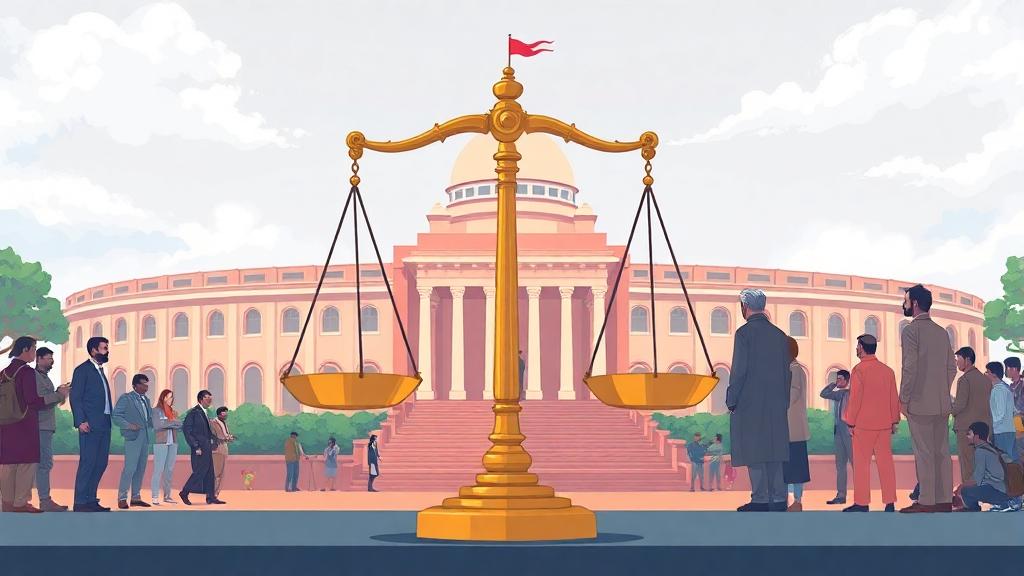
    An illustration showing a scale of justice balanced with people watching on both sides, in front of the Indian Parliament.

    First, what is this Waqf thing?

    Okay, before getting into the latest drama, let’s just understand what Waqf even means. It’s a kind of donation system in Islam — usually land, buildings, or anything valuable — that’s given away forever for religious or charity work. Think of land used for masjid, orphan homes, madrasas, clinics, even burial grounds. And these are not one-two pieces of land. We’re talking over 6 lakh Waqf properties across India. Valued in lakhs of crores.

    Now, Waqf Boards are supposed to manage all this. But over the years, things have gone all over the place. Too many fights over land, illegal takeovers, and in many places, complete mismanagement.

    Waqf Law: Earlier vs Now — What’s Waqf Bill 2025 Really Changing?

    Here’s how the new Waqf Bill is shifting things around, compared to the older Act from 1995:

    1. Dispute Settlement

    • Back then, if any fight happened over Waqf land, it went to Waqf Tribunals — a sort of special court. People had faith that legal steps would be followed.
    • Now, such disputes will go to the District Collector. That means, instead of a judicial process, an administrative officer will decide. This worries many, because the legal filter is now missing.

    2. Recognition of Waqf by Long Use

    • Earlier, even if there were no official papers, land used for Waqf purposes for many years could still be recognised as Waqf. It was based on usage and tradition.
    • Now, that won’t work. If the place isn’t registered properly with full documents, it will not be accepted as Waqf. That puts many old mosques and madrasas at risk of losing legal protection.

    3. Who Conducts Surveys

    • Earlier, surveys were done by officers appointed by the Waqf Board. These people usually had some understanding of local customs and religious use.
    • From now, surveys will be carried out by district officials like Magistrates or Revenue staff. The concern is, they may not always understand the full background of the property.

    4. Digital Records

    • The old system didn’t really push for online databases. Many files were still physical — and often, incomplete or scattered.
    • Now, it is compulsory to digitise all Waqf properties. This includes uploading documents and using geo-tagging. It sounds modern, but if older papers are missing, it could create confusion or loss.

    5. Authority Over Land Decisions

    • Before, Waqf Boards had more control in managing properties. They could look after decisions directly and guide through community members.
    • Now, decision-making power is being shifted more towards local bureaucrats. It means less say for the Waqf Board itself.

    6. Community Representation

    • Earlier, there were voices from the Muslim community directly inside Waqf Boards. They could represent the people and raise real concerns.
    • The new system seems to reduce that kind of involvement. There’s more centralised power, and less direct role for common citizens in Waqf matters.

    Why So Much Protest?

    Let’s be honest — it’s not just about rules. It’s about trust, and right now, there isn’t much.

    1. People feel targeted: Many in the Muslim community feel this law is like questioning their history and heritage. They say, “Our elders donated this land long ago. Now we need papers?”
    2. Old cases might come back: Imagine a masjid land from 1930. No one has full documents today. But now, that land can be reviewed again. People worry — what if it’s taken away?
    3. No more court-style justice: Replacing Tribunals with government officers doesn’t feel right to many. They say: What if an officer is biased? What if there’s pressure from above?
    4. Timing feels off: Some people are also pointing at the election season and asking — “Why now?” They feel it’s more about politics than reform.

    So What’s the Real-World Impact Waqf Bill 2025?

    This isn’t just about papers and files. Waqf properties fund schools, hospitals, orphanages. Small clinics in poor towns. Graveyards for those who can’t afford a plot. Remove that support and entire communities can suffer.

    Take a small madarsa running in a village for 50 years. No formal deed, just usage. Now, it’s at risk. What happens to the kids studying there?

    Is the Bill Completely Bad?

    No, no. It’s not like that. Let’s be fair. Some parts actually make sense:

    • Waqf Boards were messy. No proper data, no audits.
    • Many fake claims were made on land by just saying “This is Waqf.”
    • Tribunals were slow. Cases ran for 10-15 years.
    • Now with digital records, maybe fewer scams.

    So yes, cleaning the system is needed. But the way it’s being done? That’s what’s bothering people.

    What the Government Committee Found

    The Joint Parliamentary Committee had some interesting things to say:

    • Many state Waqf Boards don’t even have working digital systems.
    • Surveys were done so poorly that public land and Waqf land were overlapping.
    • Some states had cases dragging for decades due to slow Tribunals.

    The committee basically said — yes, clean the mess, but please talk to the people too.

    Final Thoughts: What Common People Think Waqf Bill 2025

    If you ask the average Indian citizen, many will say: “Fine, make things digital. Stop the misuse. But don’t take away rights without listening.”

    Among Indian Muslims, there’s real fear. Losing protection for old properties just because a paper is missing? It feels like a loss of identity, not just land. Reform is okay, but forcefully pushing changes without involving people — that never ends well.

  • Hyderabad’s Trees vs Bulldozers: Kancha Gachibowli

    Hyderabad’s Trees vs Bulldozers: Kancha Gachibowli

    bulldozer cutting trees

    These days, Hyderabad is often in the headlines for its IT boom and tall buildings. But behind the shine, there’s a quieter battle going on—one that’s about saving a patch of forest land, not building on it. In Kancha Gachibowli, near the University of Hyderabad, hundreds of acres of greenery have suddenly come under threat. And what followed? Protests, police action, and even a strong word from the Supreme Court.

    Let’s try to understand what’s happening—because this isn’t just about Hyderabad. It’s about how we treat nature while chasing development.

    Supreme Court to the Rescue (for Now)

    On April 3, 2025, something rare happened. The Supreme Court stepped in on its own, without anyone filing a case, and asked the Telangana government to stop all tree-cutting in the Kancha Gachibowli forest area. The court asked the kind of questions most of us have been wondering: “Why the hurry to clear land?” and “Did you even take permission before chopping trees?”

    Justice B.R. Gavai didn’t hold back. He reminded the officials that no matter how big someone’s position is, the law is still bigger. He even told the Chief Secretary to be ready for personal consequences if the order wasn’t followed. That kind of warning? It doesn’t come often.

    And it worked, at least for now. Chainsaws went quiet. The High Court registrar was sent to inspect the area. The trees—and the animals living there—got a temporary sigh of relief.

    The Students Who Refused to Stay Silent

    If anyone deserves real credit here, it’s the students of the University of Hyderabad. From April 1, they stood outside with placards. Some went on hunger strikes. They faced lathis, police barricades, and even injuries—but they didn’t stop.

    One student said something simple yet powerful: “We’re not just fighting for trees. We’re fighting for what Hyderabad will lose if we don’t act now.” And honestly, that’s the heart of the matter.

    Their movement picked up fast. Social media buzzed. Celebrities and environmental groups joined in. And when the court ruling came on April 4, students called it a “people’s win.” They even held a victory march. But they know this is not the end—it’s just one battle in a much longer fight.

    The Government’s Sudden U-Turn

    After the court’s intervention, Telangana’s government suddenly shifted tone. That same night, they formed a committee of ministers to “talk” to the university and civil society. They also told police not to use force against students anymore.

    Deputy CM Vikramarka and IT Minister Sridhar Babu gave a joint statement: “We believe in the Supreme Court. Justice will be done.”

    Sounds nice, but here’s the catch: the land in question is worth around ₹10,000 crore. It was given to the state in 2024 after a long court case. The plan? IT parks, real estate, better roads—the usual promises.

    So, is this new committee serious about listening to the public? Or is it just a delay tactic while the heat cools down? That’ll depend on what happens during the next court hearing on April 16.

    This Isn’t Just a Hyderabad Problem

    This entire episode reminds us of a larger issue. Why do we treat nature like it’s in the way of progress?

    Whether it’s Mumbai’s Aarey forest or Delhi’s ever-shrinking green spaces—every city is losing its lungs. Kancha Gachibowli is one of the last green buffers in Hyderabad. It’s not just about birds or deer—it’s about cleaner air, groundwater, and peace in a fast-growing city.

    The worst part? All this happened with no environmental impact study, no proper approvals. Just fast-paced destruction in the name of growth.

    Development is important. But cutting 100 acres of forest in just a few days, without a clear plan—that’s not smart development. That’s poor planning wrapped in shiny words.

    What Hyderabad Can Still Do

    If it were up to me, here’s what I’d suggest: stop everything and turn Kancha Gachibowli into a protected urban forest.

    Use it for environmental research. Let students run awareness programs. Build eco-tourism paths—not office towers. Show that a city can grow smart, without killing its roots.

    Will the government listen? Maybe. Maybe not. But one thing is clear: people are watching now. And the students have shown us that if you care enough, you can push back.

  • 10 Creative Indoor Activities for Kids on Summer Days

    10 Creative Indoor Activities for Kids on Summer Days

    Activities for Kids on Summer

    Summer time feels all fun and bright till the heat becomes too much or out of nowhere, clouds start grumbling and rain plays spoilsport. I’ve seen this happen often. As a parent, those days when kids are stuck indoors can go either way — sometimes it’s peaceful and creative, other times it feels like they’ll tear the house apart.

    But honestly, with a little bit of thought and some imagination, even these stuck-at-home days can turn into something fun and memorable. Trust me, no need to rely on screens every time. Just mix a few household items, let the kids take the lead, and see the magic unfold.

    So whether it’s too hot to step out, or the sky suddenly starts throwing tantrums, these simple indoor ideas can help keep your little ones busy — and hey, maybe you’ll even get a little breather yourself.

    1. Blanket Fort City: Build, Name, and Dream

    Why stop at just a small fort when your kids can build an entire fort city? Give them bedsheets, a few cushions, some cardboard boxes lying around, and maybe a torch or two. Soon enough, they’ll be building forts, towers, and tunnels — each one with a purpose.

    Let them get creative — one corner could be a reading spot, another could be a puppet theatre, or maybe even a fake café where you’re served imaginary tea.

    Simple tip: Chairs and clothespins make great support structures. Ask them to name their city — something funny like “Blanketabad” or “Cushionpur” — and draw small signboards too. They’ll feel like proper architects.

    2. Frozen Toy Rescue: Ice Digging Game

    Here’s something my kids love, especially on hot afternoons. Take small toys — tiny animals, marbles, LEGO bits — and freeze them inside ice cube trays. Next day, hand the kids a bowl of warm water, a bit of salt, maybe an old spoon or brush. Now let them become little archaeologists, digging out their frozen treasure.

    You can add food colour to the ice before freezing, just for that extra “wow” effect.

    And while they’re at it, sneak in some science talk — “See how salt melts the ice faster?” Works like a charm.

    3. Summer Collage of Their Own

    Bring out old magazines, newspapers, even printouts if you’ve got some. Give the kids glue, scissors (child-safe, of course), and let them create a “Summer So Far” collage.

    They can cut out anything that reminds them of the season — mangoes, watermelons, sun, swimming pools, rain, whatever they like. Let them draw and write a bit too.

    Stick the final collage on the fridge or wall. It becomes a sweet memory of how your child sees summer.

    4. Indoor Beach Party (No Sand, No Problem)

    Beach outing cancelled? No worries. Just spread out towels in the living room, put on some old beachy music, and get into the vibe. Ask everyone to dress in sunglasses and flip-flops. Pour some juice, add fruit slices, and serve mocktails like you’re at a resort.

    If you’ve got kinetic sand, great. But even regular rice or wheat in a tray can turn into a mini beach sensory bin. Hide small shells or coins in it and let the kids dig and explore.

    Want bonus points? Get them to make paper palm trees or play beach ball volleyball with a balloon.

    5. Edible Science Fun in the Kitchen

    This one’s fun and also teaches a bit. Set up small experiments they can eat later. Like fizzy lemonade using lemon and baking soda. Or making rock candy — sugar, water, and patience. You can even do colour eruptions using baking soda, vinegar, and food colour in muffin trays.

    While they mix, stir, and laugh at all the fizzing, you can talk to them about what’s actually happening. Reactions, changes, all that fun science stuff.

    And if nothing else, it keeps their hands (and mouths) busy for a good hour.

    6. Cardboard Box = Endless Possibilities

    Got a big delivery box at home? Don’t throw it. That’s a castle now. Or a spaceship. Or maybe a drive-through restaurant.

    Give the kids markers, crayons, scissors (if they’re old enough), and let them design their own fantasy hideout. Cut out windows, tape on decorations, maybe even add fairy lights inside if you’ve got them lying around.

    Once it’s done, they’ll be playing inside it for days. It becomes their own little world.

    7. Put On a Puppet Show!

    This one always brings laughter. Let them create puppets using socks, paper bags, or even old spoons. Stick googly eyes, draw faces, add yarn for hair. The more ridiculous, the better.

    Then turn a table or box into a stage — add a curtain (old dupatta works fine), and let them rehearse a short “Summer Adventure” play.

    They can invite you for the show. Or better, record it. Watching it later is hilarious and kind of heart-warming too.

    8. Obstacle Course in the Hall

    When they’ve got energy bursting out of their ears, turn your house into a mini obstacle course. Use pillows, broomsticks, hula hoops, tables — whatever’s available.

    Make them crawl under blankets, jump over cushions, balance on a line of tape. Then challenge them to design their own version.

    At the end, give them silly titles like “Best Couch Jumper” or “Fastest Under-the-Table Runner.”

    9. Roll the Dice, Tell a Story

    Make your own story dice using paper cubes or any blocks. Draw random things on each side — like elephant, spaceship, banana, ghost, etc.

    Each time they roll, they add a new part to their story using whatever shows up. The stories get wild, silly, and super creative.

    It’s fun for siblings to do together. Sometimes they fight over story turns, but that’s part of the fun too.

    10. Time Capsule from Summer 2025

    This one’s more on the emotional side. Take a small box and ask your kids to put in drawings, tiny toys, a letter to their future self, or even a note saying their favourite food or game this year.

    Seal it up and write “Open in Summer 2030” on it. Hide it somewhere in the house.

    Years later, when they open it, it becomes a beautiful memory box — almost like a hug from the past.

    Make Indoor Days Feel Just as Special

    Being stuck indoors during summer doesn’t mean boredom or non-stop screen time. Sometimes, with a little push and some desi-style creativity, these days can be just as special as any outing.

    Let the kids take the lead. You join in sometimes too — even if just to sit nearby and enjoy their chaos. These small moments? They turn into stories for years.

    After all, summer memories don’t need to be picture-perfect. They just need to be made.

  • Top 10 Study Techniques for Students to Score Better in Exams

    Top 10 Study Techniques for Students to Score Better in Exams

    Indian student using study techniques like flashcards and mind maps during a focused Pomodoro session at home.

    Let’s be honest — studying can feel like a big headache, especially when exams are around the corner. One look at the syllabus and the mind just goes blank, right? But see, if you use the right kind of study tricks, not only does it become manageable, but you’ll actually remember stuff when you need it — not just stare at the paper during the exam thinking, “I’ve seen this somewhere…”

    This blog is for students aged 14 to 24 — whether you’re in school, college or preparing for some big competitive exam. These techniques are easy to follow, no high-funda gyaan, just simple methods that actually work.

    Let’s get into it.

    📘 1. Study in Short Bursts – Not Like a Machine

    Studying for 3-4 hours straight? That’s not focus, that’s torture. Try studying in short 25-minute chunks, then give your brain a 5-minute breather. After 4 rounds, take a bigger break — like 20-30 minutes. This way, your mind stays fresh, and you don’t feel like a zombie staring at the books.

    It’s called the Pomodoro trick — fancy name, but it’s just common sense, really.

    📝 2. Quiz Yourself – Don’t Just Read Again and Again

    Reading the same notes ten times won’t do the magic. Instead, shut the book and ask yourself — “what do I remember?” Write it down or say it out loud. This small habit makes your brain work harder, and trust me, it sticks better.

    Even using flashcards works. Basically, give your brain some exercise instead of spoon-feeding.

    🧠 3. Be the Teacher – Even If No One’s Listening

    Explaining what you learned — either to a friend, a plant, or even to your wall — makes you realise how much you actually know. If you fumble, it means you need to revise that part again.

    This trick? It’s old-school, but golden. Dada-ji used to say, “Jab kisi ko samjhate ho, tumko bhi samajh aata hai.” He was right.

    📚 4. Break It Down – Like You’re Talking to a 6-Year-Old

    Some topics are just too much — they go over your head like a flying crow. That’s when you try breaking them into simple language. Act like you’re explaining it to a small kid.

    This method clears the confusion. If you can explain it simply, you’ve actually understood it.

    🗂️ 5. Make a Loose Study Plan – But Don’t Stress Over It

    Now listen, having a study plan is great — but don’t turn into a timetable-obsessed robot. Just jot down what you’ll study today or this week. Use a notebook or even your phone’s calendar.

    And if one day doesn’t go as per plan? No worries. Shift things around. The goal is consistency, not perfection.

    📱 6. Throw Distractions Out of the Room

    Instagram, YouTube, group chats — all nice, but not while studying. Turn off notifications, or better, keep the phone in another room. Find a quiet corner where no one’s calling you to get atta or pick up the courier.

    If you want to study properly, protect that study time like it’s gold.

    🛏️ 7. Sleep Like It’s Part of Your Syllabus

    Some students think sleep is a waste of time. But honestly, if you don’t rest, your brain won’t retain anything. Especially before the exam day, don’t stay up all night like a caffeine-fueled owl.

    Get at least 7-8 hours of sleep. You’ll feel sharper, faster, and less grumpy too.

    🥗 8. Eat What Your Brain Loves

    Your brain is not a machine — it needs fuel. Eat light but healthy: nuts, fruits, daal-chawal, leafy sabzi. Keep sipping water also. Otherwise, midway through studying, you’ll either feel drowsy or get a headache.

    No need for protein shakes or fancy diets. Just ghar ka khana does the job.

    🎧 9. Background Music? Try It Out

    Now, this doesn’t work for everyone. But some people actually focus better with soft instrumental music or white noise in the background. It helps to block outside sounds — like the TV from the hall or your neighbour shouting on phone.

    Try it once. If it helps, great. If not, just go back to silence.

    🖼️ 10. Make It Visual – Use Your Eyes

    If your notes look like a wall of text, your brain will run away. Instead, use colour pens, draw flowcharts, make mind maps. For long answers, create diagrams.

    Basically, make your notes look fun — like something you’d actually want to see again.

    Liked what you read? Dive deeper into similar thoughts with Time Management Tips for Students.
    For more — Check this paid course to learn more for the experts: Master Time Management:
    The Ultimate Guide