Blog

  • India’s ₹18,658 Cr Railway Plan: Boost for Growth?

    India’s ₹18,658 Cr Railway Plan: Boost for Growth?

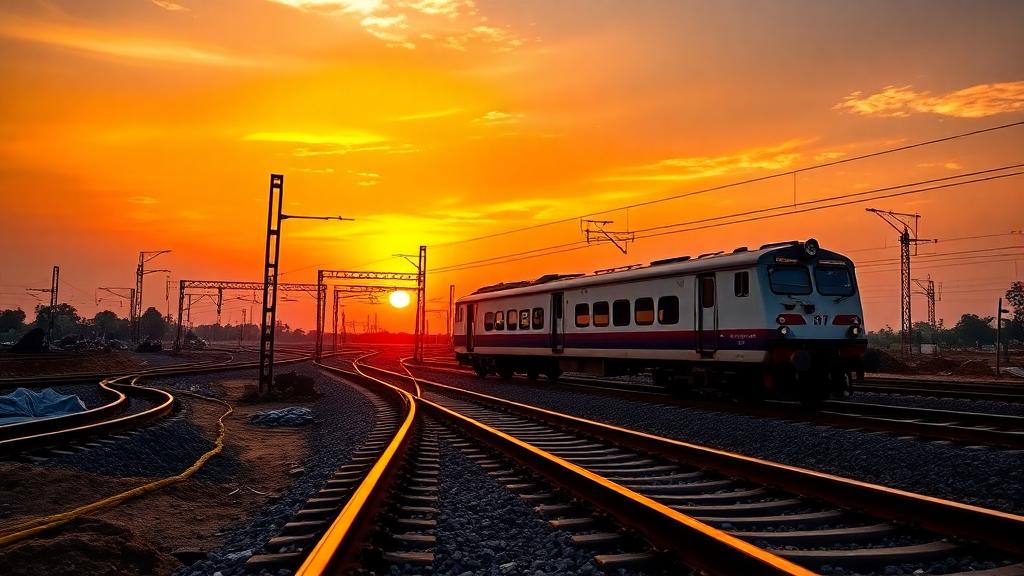
    A vibrant sunrise over a new railway construction site in Chhattisgarh, with workers laying tracks, a modern train in the background, and a hopeful village skyline, symbolizing progress and challenge.

    This blog is about the recent ₹18,658 crore approval by the Indian government for expanding railway projects across three major states – Maharashtra, Odisha, and Chhattisgarh. The goal? More jobs, better freight movement, faster travel, and a push towards a greener, stronger economy. But while the announcement is big, many people are asking – will it actually work? Or is it just another flashy promise that might get delayed or quietly fade out?

    Change on the Tracks: What’s Happening on Ground?

    So here’s the scene. On April 6, 2025, the Indian Cabinet gave the green signal for four massive railway projects. These will cover over 1,247 kilometers and touch 15 districts. We’re talking lines like Sambalpur–Jarapada’s third and fourth tracks, and the Gondia–Balharshah doubling. And just this morning, the Railways Ministry said that work has already kicked off for the 5th and 6th lines between Kharsia and Naya Raipur. That’s in Chhattisgarh’s Baloda Bazar area.

    Now that’s fast. Bulldozers have rolled in, and workers are on site. The vibe on ground? People are hopeful. There’s excitement in small towns nearby. Some say this might finally bring real development. The government says this project will carry almost 89 million tonnes of goods each year — mostly coal, cement, and iron ore. Plus, about 4.7 million people from over 3,000 villages will get better connectivity. And 38 million human-days of jobs? That’s big talk.

    Also, they say this shift to rail will save 95 crore litres of diesel. That’s like planting 19 crore trees. A bold number, but sounds nice on paper, right?

    Not All Smooth: Execution Is the Real Test

    Here’s the thing — planning is one part, doing it is another. People on social media, especially on X (earlier Twitter), are already talking about possible delays. In Odisha’s Sambalpur region, some land disputes are slowing things down. And anyone who’s followed Indian rail projects knows — land problems, paperwork, and contractor delays can stretch timelines easily.

    Yes, this entire thing is part of PM Gati Shakti — that mega plan to boost transport infra. It includes building 19 new stations, including some in underdeveloped districts like Gadchiroli. Good move, no doubt. But still, real work needs time, and lots of coordination. One small snag, and the project can stall for months.

    People Are Split: Progress or Another Empty Promise?

    If you go online, there’s a tug-of-war. Some folks are excited. They say ₹18,658 crore will boost India’s ₹4.2 trillion economy, bring down transport costs, and even help tourism in small towns. One viral clip showed a farmer from Chhattisgarh smiling ear to ear, saying this rail line might bring a new mandi closer to him.

    On the other hand, some folks aren’t so sure. Someone commented, “What happened to VVP-II’s ₹6,839 crore fund? Still stuck somewhere.” Others are pointing at past delays — like how the Sela Tunnel dragged on for years.

    Now, the Railways say they’re using the EPC model to finish faster. Basically, one contractor handles design to delivery. Sounds efficient. But still, people are worried. Red tape, budget crunches, even bad weather can slow things down. We’ve seen it before.

    A Bigger Picture: Not Just Local, the World Is Watching

    This isn’t just about connecting a few towns or shifting cement faster. There’s a global angle too. With the world slowly trying to reduce its dependence on China, India has a chance to step up. And good rail infrastructure is one way to do that. Cheaper freight movement means cheaper exports. That helps us stay competitive.

    Also, there’s an environment angle. The government says this move could save 477 crore kg of CO2 emissions. That fits into India’s net-zero goals. So yes, international folks are watching. If India pulls this off, it could really shine. If not, it’ll just be one more missed opportunity.

    What Could Happen If This Works

    Let’s be positive for a moment. If this rail push works like it’s supposed to, it could mean real change. A young engineer from a remote district like Gadchiroli might finally get a decent job close to home. Farmers could send goods to market faster. Small factories might get better access to raw materials. And travel? Maybe faster, smoother, and safer.

    And globally, it could mean fewer oil imports and better export links. For once, India’s name might be taken as an infrastructure success story, not a country stuck in delays.

    But Let’s Not Jump the Gun Yet

    Honestly, the ₹18,658 crore is a solid number. And the plans do sound promising. But the execution part is still a big question mark. Right now, with a national railway budget of ₹2.62 lakh crore for FY26, even a small slip-up could stretch things thin.

    The past hasn’t been very kind either. Think of Delhi-Mumbai railway upgrades — still not finished. Or the Sela Tunnel, which we already talked about. These things remind us that big dreams need solid ground reality.

    So What’s the Real Take?

    This whole thing the railway expansion has the potential to be a real game-changer. But only if it’s done right. That means quick land work, fewer delays, no shady deals, and regular updates to the public.

    Because let’s be real ₹18,658 crore isn’t just a number on a press release. It’s about people. It’s about connecting dreams and opening doors. It’s about a father in Odisha hoping his kids can travel to college more easily. Or a trader in Maharashtra wanting to cut transport costs.

    That’s what matters.
    Before you go, here’s another good one: ₹6,839 Cr indian Border Plan: Security or Development?
    Want more on this topic? Check this out: Cabinet approves additional railway lines for Chhattisgarh, Maharashtra, Odisha
  • Iran-Israel Conflict Heats Up: Missile Warnings Raise Global Alarm

    Iran-Israel Conflict Heats Up: Missile Warnings Raise Global Alarm

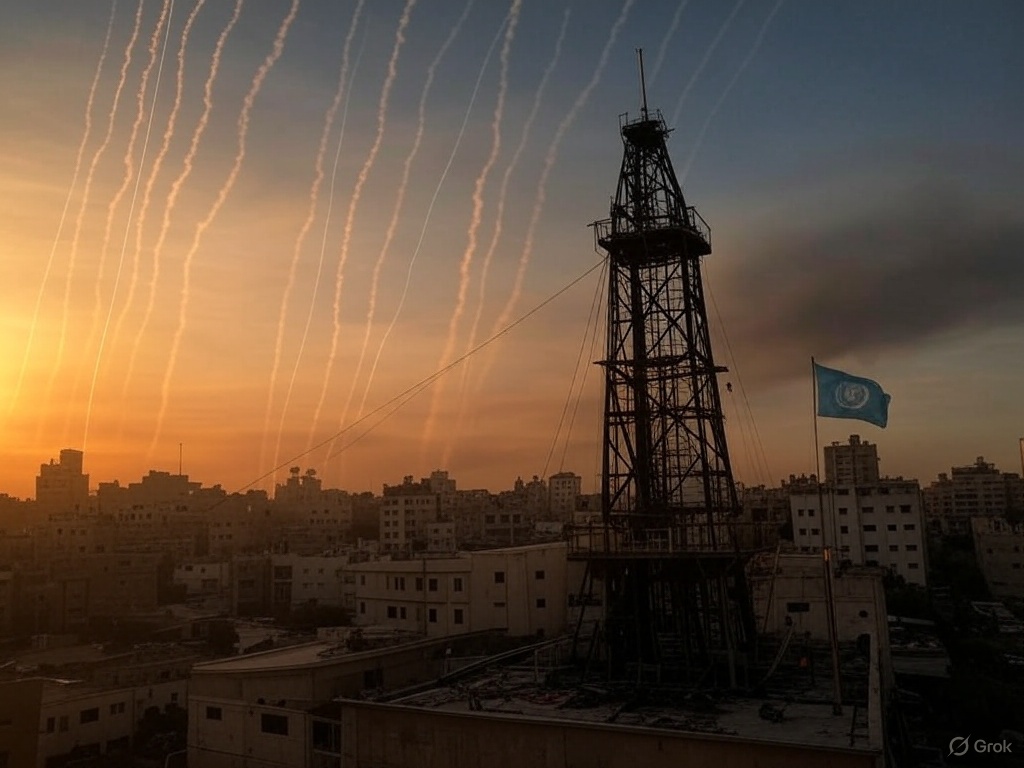
    A tense Middle Eastern skyline at dusk with missile trails in the air, an oil rig in the foreground, and a UN flag waving, symbolizing conflict and diplomacy.

    Tensions between Iran and Israel are growing again. On April 9, 2025, Iran’s Revolutionary Guard gave a warning that they might launch missiles toward Israel. This warning came after repeated disputes over airspace and ongoing military actions from both sides. Many around the world are now concerned — is this just pressure tactics, or is it leading to something serious?

    Situation After the Warning

    This recent statement from Iran isn’t an isolated one. In the last few months, both sides have taken strong steps. In October 2024, Israel carried out airstrikes which damaged parts of Iran’s missile program. Iran is now showing signs of replying with force.

    Some reports, including international ones, suggest that Iran might soon carry out a large missile strike. The U.S. is also reacting — a second aircraft carrier group has moved into the region. There are growing talks about possible strikes on Iranian nuclear facilities if things get worse. Sources close to Iran’s top leadership say there is internal tension. Some fear that if talks fail, the government may face bigger issues inside the country.

    Disputes Over Airspace Continue

    Iran has accused Israel of violating its airspace through drones. On the other side, Israel says Iran’s proxies like the Houthis are also disturbing regional skies. This has made the situation worse.

    Now, Iran is also believed to be sending powerful missiles like Arqab and Jamal 69 to militia groups in Iraq. This means attacks could happen from different places, not just directly from Iran. While governments say these are defensive moves, people are worried it may be an excuse to launch a bigger war. Some also feel politics may be involved, especially with U.S. elections coming.

    Global Concerns Over Oil and Stability

    The reaction from around the world has been mixed. Some countries are calling for peace and warning about the risks of further conflict. Others are preparing for oil shortages and economic effects.

    In India, people are mostly talking about fuel prices. Brent crude oil is already around $90 per barrel. If this conflict increases, prices may go even higher. That means higher fuel costs, more inflation, and pressure on the Indian economy. Many fear that new public projects like the railway expansion and border development fund may slow down or lose funding due to rising oil import bills.

    Some people support the U.S. for backing Israel. Others feel that this might worsen the situation. Iran says it is only acting in self-defense. But experts believe it may also be a warning to stop any attacks on its nuclear program.

    Wider Effects Beyond the Region

    This conflict is not just about two countries. The effects can spread globally. If oil prices go up, many economies may face trouble. Trade routes and supply chains might get disturbed. The world economy is already unstable, and this could make it worse.

    Israel is ready with defense systems like the Iron Dome. But Iran still has strong support from groups like Hezbollah and other militia forces. If those groups join the conflict, it could turn into a larger war. The U.S. recently carried out airstrikes in Yemen to weaken Iran’s network, but nothing is certain.

    For India, this is also a serious issue. Rising oil prices can affect transport, industries, and household budgets. Any further escalation may disturb the progress of infrastructure projects. Even Pakistan may react, depending on how things develop.

    What Happens Next?

    The next few days are crucial. If Iran carries out a missile attack, Israel has already said it will respond strongly. It may even target Iran’s nuclear sites, despite warnings from the international community. There are talks that negotiations may happen soon in Doha, but it’s unclear whether they’ll succeed.

    If the situation calms down, oil prices may stabilise. But if not, crude oil could cross $100 per barrel. That would affect almost every country, including India. Iran’s government is also under pressure. A direct attack on its facilities could cause internal problems, or lead to a bigger war.

    For now, everything depends on what the leaders decide in the coming days. The world is watching. Peace talks are the only option that can stop this from going out of control.

    This blog is just the start. Explore more with: Iran raises alert level amid fear of war with Israel
    Want more on this topic? Check this out: A Tahawwur Rana Is Finally Here But-Is Justice Really Closer?

  • Top 10 Budget-Friendly Travel Destinations for 2025

    Top 10 Budget-Friendly Travel Destinations for 2025

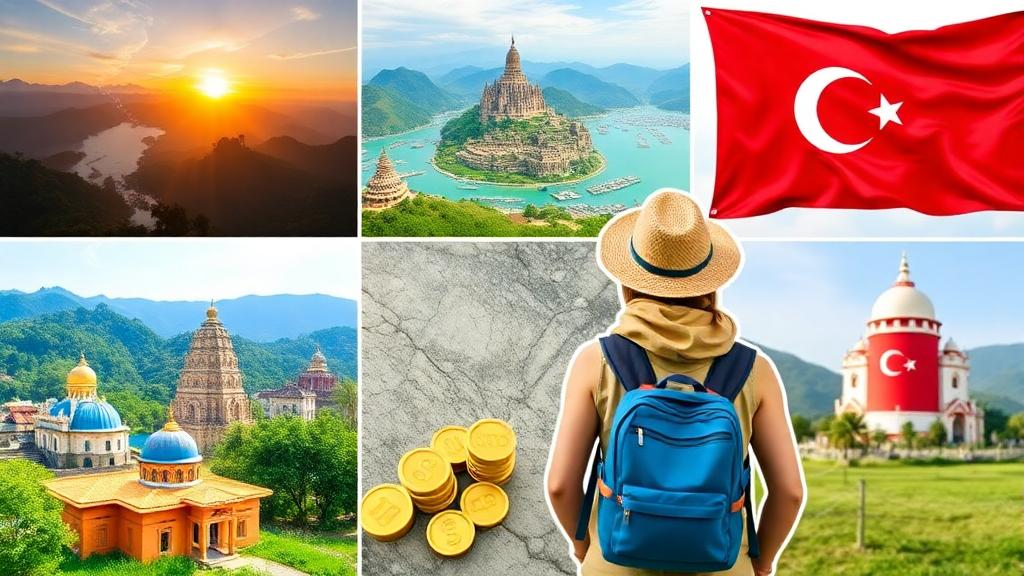
    Collage featuring budget-friendly travel destinations including Vietnam, Sri Lanka, and Turkey, with scenic landscapes, local currency symbols, and a backpacker-style traveler.

    Let’s face it we all dream of going abroad, clicking photos in some foreign galli, sipping chai in a mountain café, and feeling like we’re in a Bollywood travel song. But when we check our wallet or bank app… bas, mood kharaab.

    Still, if you’re clever with timing and don’t mind skipping luxury for some jugaad, 2025 can be your travel year. With the rupee holding up okay, and some good flight hacks and visa shortcuts, you can explore solid places without spending more than ₹1 lakh. And yeh koi “cheap-for-name” type nahi hai these are full paisa vasool spots.

    Here’s a list I made not copied from some travel site of 10 budget-friendly destinations that you can do, even if you’re on a middle-class salary and EMI life.

    1. Vietnam – Where ₹100 Feels Like ₹500

    Vietnam is that place where your INR feels like it’s wearing a Superman cape. Hanoi, Da Nang, Hoi An — each city has its own charm. The food? Wah bhai, street pho with mint chutney-type flavours. Hotels? You’ll get a proper room for less than what a Mumbai sandwich costs in Bandra.

    Rough Daily Budget: ₹2,500 – ₹3,000
    Visa: E-visa (online)
    Don’t Miss: Ha Long Bay cruise, old-school Hoi An lantern streets, and local coffee that’ll kick harder than our nukkad wali chai.

     2. Sri Lanka – Feels Like Goa Got a Makeover

    Just a hop away, Sri Lanka feels like that distant cousin who’s chill, well-dressed, and still desi at heart. Think of it as Goa with a bit more class and less crowd. Flights are super cheap if you keep checking for sales (especially from Chennai or Kochi).

    Rough Daily Budget: ₹2,000 – ₹3,000
    Visa: ETA (apply online)
    Don’t Miss: That dreamy Ella train ride, Sigiriya rock fort, and Mirissa’s peaceful waves.

    3. Georgia – Not America Wala, This One’s a Secret Gem

    People hear “Georgia” and think USA, but this one’s closer and way friendlier on the pocket. Mountains, cobblestone lanes, cozy cafés it’s like walking in a fairytale that didn’t charge entry fees.

    Rough Daily Budget: Around ₹3,500
    Visa: E-visa (if you have UAE/US/UK/Schengen visa)
    Don’t Miss: The Kazbegi hills and that cheesy khachapuri bread fills both heart and tummy.

    4. Nepal – No Passport, No Tension

    You know what’s great about Nepal? It feels both foreign and familiar. You cross the border, and suddenly you’re in front of the Himalayas, sipping thukpa, and thinking “Yeh sab toh itne paas tha!” And no visa drama either.

    Rough Daily Budget: ₹1,500 – ₹2,000
    Visa: Not needed for Indians
    Don’t Miss: Pokhara’s peaceful lakes, that bucket-list Mount Everest flight, and old Buddhist temples.

    5. Turkey – Desi Feel in Foreign Setting

    This one’s a full paisa vasool mix Europe and Asia in one thali. From chai by the Bosphorus to walking through ancient Roman ruins, Turkey has everything. And hot air balloon in Cappadocia? Arre, that’s straight out of a dream.

    Rough Daily Budget: ₹3,500 – ₹4,000
    Visa: E-visa (if you have US/UK/Schengen visa)
    Don’t Miss: Istanbul’s chaos, hammam baths, and the fairy chimneys of Cappadocia.

    6. Indonesia – Bali is Not Just for Honeymooners

    Bali used to be that honeymoon cliché, but now solo travellers and friend groups are owning it. Stay in hostels, rent a scooty, eat nasi goreng for 100 bucks it’s all budget-friendly if you skip the fancy resorts.

    Rough Daily Budget: ₹2,000 – ₹2,500
    Visa: Visa on arrival
    Don’t Miss: Ubud’s green paddy fields, monkey mischief, and beach sunsets that’ll melt your stress away.

    7. Egypt – Time Travel Without Time Machine

    Want to feel tiny next to history? Egypt is calling. Pyramids that’ve been around since before any country was born, plus tasty falafels and a Nile river cruise all without paying Euro prices.

    Rough Daily Budget: ₹3,000
    Visa: E-visa (simple online process)
    Don’t Miss: The Pyramids, Egyptian Museum, and floating peacefully down the Nile.

    8. Thailand – Always Reliable, Always Affordable

    Thailand is like that one friend who never lets you down. Whether you want beaches, parties, or temple trails it fits all moods. Also, no visa till mid-2025? That’s like a travel sale without discount codes.

    Rough Daily Budget: ₹2,000 – ₹2,500
    Visa: Free for Indians (till mid-2025)
    Don’t Miss: Street shopping in Bangkok, Chiang Mai’s mountains, and island-hopping fun.

    9. Philippines – Still Under the Radar

    If beach hopping is your vibe, Philippines should be on your radar. 7,000 islands, crystal water, and food that’s easy on the stomach and wallet. Just avoid peak seasons.

    Rough Daily Budget: ₹2,500 – ₹3,000
    Visa: E-visa needed
    Don’t Miss: Palawan, El Nido’s blue lagoons, and the unforgettable whale shark swim.

    10. Cambodia – Calm, Historic, and Pocket-Friendly

    Cambodia is not for the party crowd — it’s for people who want peace with a side of wow. Angkor Wat is surreal, and the pace of life here… slower than a rural Indian evening.

    Rough Daily Budget: ₹1,800 – ₹2,200
    Visa: Visa on arrival
    Don’t Miss: Sunrise at Angkor Wat, local fish curry, and the floating villages.

    Final Thoughts – You Don’t Need Big Money for Big Memories

    Let’s be real — you don’t need ₹5 lakh and first-class tickets to make memories. You just need the itch to explore, a little planning, and the guts to travel with less. Booking flights early, eating where locals eat, skipping luxury for stories — that’s the real desi traveller’s way.

    “Don’t wait till you’re rich to travel. Travel smart, and you’ll come back rich in memories.”

    What to Pack for a 2-Week Europe Trip from India check here

  • Trump’s Tariff Pause: South Korea Talks, India Watches Closely

    Trump’s Tariff Pause: South Korea Talks, India Watches Closely

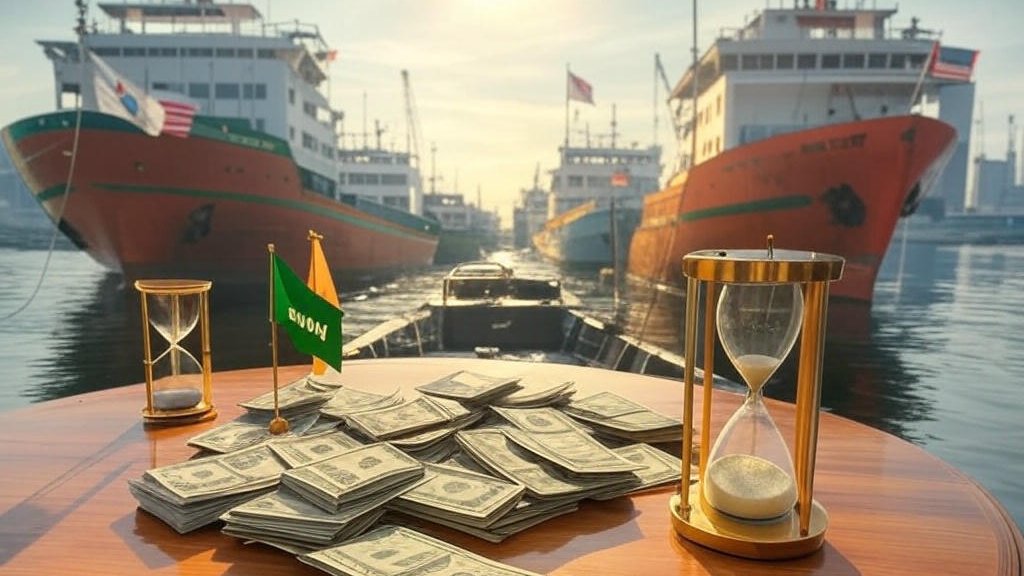
    A dynamic chessboard mid-game with a paused golden pawn labeled ‘Tariffs,’ flanked by Indian rupees and South Korean won pieces, against a vibrant trade port backdrop with ships and skylines

    A Global Chessboard Gets a Reset

    Imagine a high-stakes chess game where every move ripples across continents. That’s the global trade scene right now, and Donald Trump just slid a pawn back, giving everyone a breather. On April 9, 2025, Trump hit pause on his tariff blitz—those hefty import levies he’d rolled out a week earlier—offering a 90-day window for talks. South Korea’s trade envoy cheered it like a lifeline, while here in India, we’re rubbing our hands, wondering how to turn this timeout into our checkmate moment. Let’s break it down.

    The Tariff Rollercoaster: What Just Happened?

    Trump kicked off April with a bang, slapping a 10% baseline tariff on all imports, then piling on extras like toppings at a chaat stall—25% for South Korea, 27% for India, and a jaw-dropping 125% for China (up from 104% on April 9). Markets tanked—$6 trillion wiped out globally in a week—and the world screamed. By April 9, Trump blinked, pausing the higher rates (except China’s) and keeping the 10% base. South Korea, whose auto giants like Hyundai were sweating bullets, saw hope. Their trade minister, Cheong Inkyo, practically danced, saying it’s “room to negotiate.” Meanwhile, India’s pharma lords, who dodged the worst, are whispering, “What’s in this for us?”

    South Korea’s Big Chance

    Here’s where it gets juicy. South Korea’s racing to the bargaining table with an emergency task force led by Acting President Han Duck-soo. Their auto exports—$34.74 billion to the U.S. last year—took a hit with the 25% tariff, and this pause is their shot to claw back. Asian stocks soared on April 10—Nikkei up 9%—as the news eased recession fears. On the flip side, China doubled down, slapping 84% tariffs on U.S. goods, turning the trade war into a slugfest. South Korea’s move could set the tone—success or stumble—for others watching, including us.

    India’s Quiet Confidence

    India’s in a sweet spot. Our pharma exports—$9 billion to the U.S. last year—stayed mostly unscathed thanks to drug exemptions. While China’s reeling from its tariff hike, India’s stock rose (pharma shares jumped 5% on April 3). Modi’s been playing nice with the U.S., cutting tariffs on Harleys and bourbon back in February for that trade deal we’ve been simmering since then. The Reserve Bank’s governor threw a wet blanket on April 9, warning tariffs could nick our growth by 20 basis points. But if we play this right, that’s just a speed bump. The U.S. market’s a goldmine—$180 billion in trade last year—and this pause might widen the door.

    Plotting India’s Next Move

    So, what’s our play? First, we keep calm—no knee-jerk tariffs like China’s. Second, we push that trade deal hard. February’s agreement aimed for an autumn finish, and this pause is our tailwind. Pharma’s our ace, but tech and diamonds could sweeten the pot. Third, we watch South Korea like hawks. Their talks could be our blueprint—or a warning. Picture Modi and Trump shaking hands by July over a deal slashing our 27% tariff to, say, 15%. The U.S. gets cheaper drugs and tech; we get jobs and growth. Win-win, right?

    The Clock’s Ticking

    The spice in this curry? Timing. Trump’s pause ends July 8, 2025—89 days to hustle. South Korea’s got a head start, but India’s got grit. Remember how we turned COVID into a pharma export boom? This could be that, but bigger. Of course, there’s a flip side. If talks stall, or Trump doubles down post-pause, we’re back to square one—higher tariffs, tighter wallets. Oil prices are wobbling from recession fears; a trade flop could tank them further, hitting our import bill. But I’d bet on India’s street-smart hustle over gloom any day.

    A Game Worth Watching

    As I write this on April 10, the internet’s alive with chatter. South Korea’s optimism is contagious, but India’s quiet confidence feels like a tiger crouched to leap. This tariff timeout isn’t just a breather—it’s a chessboard reset. South Korea’s making its move; India’s plotting ours. By July, we’ll know who’s king—or at least who’s still in the game. For now, grab some chai and watch this unfold—it’s going to be one heck of a ride.

    Trump Tariffs 2025: Economic Impact on India, China & Beyond check here
    What’s next?

  • ₹6,839 Cr indian Border Plan: Security or Development?

    ₹6,839 Cr indian Border Plan: Security or Development?

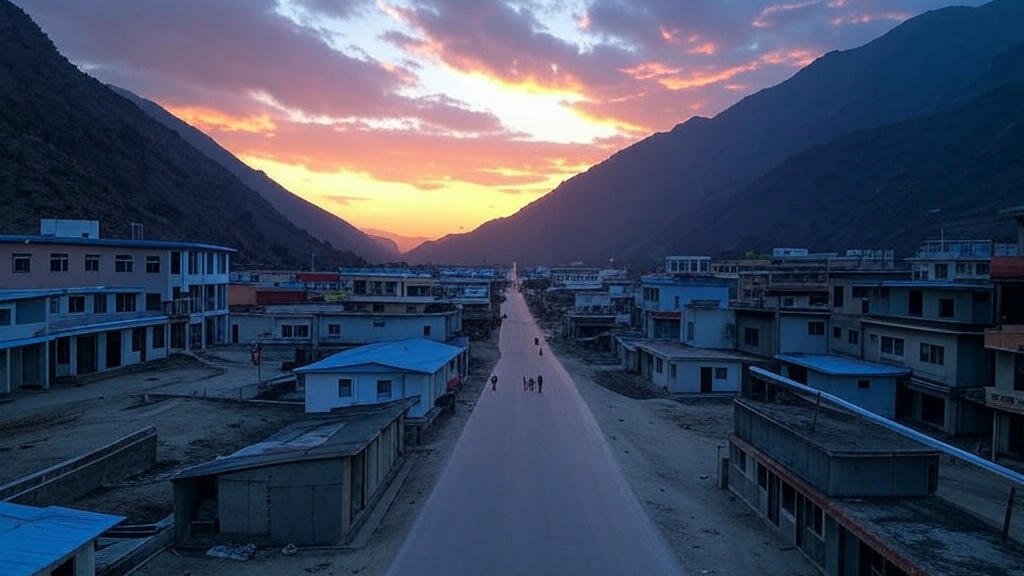
    A vibrant sunset scene over an Indian border village with new roads and SMART classrooms, flanked by rugged mountains and a faint Chinese border post, symbolizing hope and tension.

    Imagine a quiet village tucked between jagged mountain ranges, where the silence carries both tension and hope. Now picture that same place buzzing with new roads, smart classrooms, and tourists. On April 6, 2025, the Indian cabinet announced something massive—₹6,839 crore for the second phase of the Vibrant Villages Programme (VVP-II). Since then, the chatter hasn’t stopped. Some call it a bold move to tighten our borders against China, while others say it’s just another dream that may get buried under red tape.

    Let’s unpack what’s going on.

    The Big Push But What’s the Real Goal?

    Last Sunday, the cabinet, headed by Prime Minister Narendra Modi, gave the nod to pour ₹6,839 crore into villages along India’s international borders. This covers 17 states and union territories—from the valleys of Jammu & Kashmir to the edges of Arunachal and Rajasthan.

    The plan runs till 2028-29, and on paper, it sounds impressive: build all-weather roads, set up SMART classrooms, create tourism circuits, and launch livelihood schemes like cooperatives. It’s an upgrade to the original Vibrant Villages Programme that kicked off in 2023—but this time, with more money, more urgency, and maybe, more politics.

    The government says the goal is to integrate these distant communities into the national fabric—so they don’t just survive on the fringe but become the “eyes and ears” for the forces guarding our borders.

    But here’s the twist—opinions are split. Some are calling it a geopolitical masterstroke. Others are asking the obvious: will this money really reach the ground, or is it just another scheme that’ll get lost in the system?

    Security or Human Touch? That’s the Core Fight

    The heart of this debate is simple: is this about guarding the border, or is it about building lives?

    Security thinkers are all in. After the Galwan clash in 2020, India has been on high alert. Stronger roads help move troops faster. Better internet and mobile networks mean people living there can stay connected—unlike before when they were left in isolation, which China has used to its advantage. Making border villagers active participants in security sounds like a smart, people-powered shield. And given how much China has invested in its “Xiaokang” border villages, this is clearly India’s reply.

    But flip the view, and development-focused voices are asking tougher questions. This isn’t just about bunkers and boots on the ground. It’s about children walking miles for school, villages that still wait for drinking water, and entire communities that migrate for survival. If done right, this ₹6,839 crore could finally change that—giving them stable jobs, tourism income, and the dignity of staying where they belong.

    Yet, memories of past schemes linger. Vibrant Villages Phase I had ₹4,800 crore behind it, but many of those villages are still waiting for the promises to materialise. That’s where the doubt creeps in.

    It’s Not Just About Borders It’s About Belonging

    This debate isn’t just technical it hits right at India’s identity.

    Our borders aren’t just fences or lines on maps. They are living, breathing spaces. Villages in Ladakh, Arunachal, and Sikkim have held their ground despite years of neglect. Many of these places see more yaks than tourists. They’ve lost people to migration and have watched China quietly build railways, schools, and showpiece villages just across the fence.

    This ₹6,839 crore isn’t just an investment—it’s a statement. A way to say: we see you, we need you, and we’re with you.

    Globally too, this changes India’s pitch. While the U.S. gets tangled in tariff wars and China expands its influence brick by brick, India is saying: “We’ll hold our ground, but we’ll also grow our roots.” But it’s a tightrope. Focus too much on infrastructure, and the human side gets lost. Focus only on people, and security might fall behind. Striking the right balance is tricky—but necessary.

    What Can This Really Achieve?

    So here’s the big question: will this plan work?

    If executed well, it could be huge. Imagine 2,000+ villages with proper roads, digital classrooms, cooperative-based businesses, and cultural festivals pulling in tourists. That’s not just pride—it’s real progress.

    The government says it’ll use PM Gati Shakti to coordinate planning and cut red tape. But we’ve seen delays before—remember the Sela Tunnel? Projects on paper often take years longer on the ground.

    And ₹6,839 crore, while big, gets spread out thin once you account for terrain, logistics, and corruption. Execution is everything. The difference between a headline and real change lies in that one word.

    On the Ground, The Talk Is Real

    Online, the arguments are flying.

    Some folks are proud, posting about India finally “catching up” with China. Others are cynical, asking, “Where did the last ₹4,800 crore go?” It’s classic Indian discourse—half hopeful, half weary. And maybe both sides are right.

    My take? This could genuinely shift things—if the money flows past the files and into the villages. Picture a Ladakhi artisan selling woven goods to visiting trekkers, or a girl from Tawang learning science in a smart classroom without needing to migrate to a town 60 km away. That’s the kind of story worth building.

    As of April 10, the Clock Has Started Ticking

    This ₹6,839 crore isn’t just a number—it’s a bet on how we see our own people at the edge. Is it a protective shield against outside threats? Yes. Is it a chance to bring dignity and opportunity to some of India’s most forgotten citizens? Also yes.

    The real test? Between now and 2028-29. That’s when we’ll know whether this was just another press release or a proper turning point.

    Till then, the debate’s onand you should be part of it. What do you think: smart strategy or another empty promise? Pull up a chair, pour some chai, and let’s talk.

    Explore more insights with this related artical. clickhere

    If this topic caught your attention, here’s another one worth checking out: check here

  • Best PC Games to Play in 2025

    Best PC Games to Play in 2025

    A futuristic PC gaming setup with neon lighting, featuring multiple monitors displaying fantasy, sci-fi, and post-apocalyptic game worlds. A sleek gaming chair, RGB keyboard, and scattered snacks add realism to the immersive scene.

    2025, boss, it’s turning out to be the year for PC gamers. Whether you’re into open-world stories, non-stop shooting, deep RPGs, or even slow, peaceful indies this year’s lineup is absolutely stacked.

    Developers are pushing boundaries, graphics look insane, and gameplay feels more real than ever. So if you’re thinking “What PC games should I play in 2025?”, you’re at the right place.

    Let’s dive into the best PC games you can (and should) play this year.

    🎮 Top PC Games You Shouldn’t Miss in 2025

    1. Baldur’s Gate 3 (Still Going Strong)

    Technically not a 2025 launch, but who cares? Baldur’s Gate 3 still feels fresh, especially with all the mods, updates, and community buzz.

    Why it’s still a must-play:

    • Every playthrough gives a new story
    • Mods keep adding more madness
    • Feels like you’re inside a fantasy movie

    2. Helldivers 2 – Pure Co-op Mayhem

    This one’s chaos in the best way possible. Team up with your friends, fight aliens, drop into enemy zones, and laugh your head off when your teammate “accidentally” nukes you.

    Why it’s a blast:

    • Missions are different every time
    • Friendly fire is on… for extra fun
    • Devs keep adding new content

    3. Dragon’s Dogma 2 – RPG Heaven

    Waited 10+ years for this? Totally worth it. Think Skyrim but more intense. You can’t just spam buttons and win. Dragons, goblins, cyclops you name it, it’s out to kill you.

    Why people are loving it:

    • Your companions (Pawns) learn and grow
    • World reacts to weather and time
    • Combat is heavy and satisfying

    4. Palworld – Pokémon With Guns?

    Yep, sounds wild. But Palworld is blowing up for a reason. It’s part survival, part shooter, part crafting game. Oh, and your cute creatures (Pals) can work and fight with you.

    What makes it click:

    • Craft, explore, and fight with your Pals
    • Build farms, factories, and full bases
    • Surprisingly fun once you start

    5. Starfield (But Modded to Perfection)

    At launch, Starfield was kinda meh for some people. But now, thanks to the modding community, it’s like a whole new game in 2025.

    Why it’s worth trying now:

    • Visual upgrades through mods
    • New quests, ships, and features
    • Feels more like “your” game than Bethesda’s

    🕹️ Upcoming PC Games to Keep an Eye On

    These games aren’t fully out yet but already getting serious hype:

    • S.T.A.L.K.E.R. 2: Heart of Chornobyl – Dark, moody, atmospheric survival game
    • Black Myth: Wukong – Looks stunning, action-packed, based on Chinese legends
    • Hades II – Early Access is out, and it’s already winning hearts

    💡 Hidden Gems & Indie Dhamakas

    Don’t sleep on indie games this year. Some of the best gaming experiences come from smaller teams with big ideas.

    Check these out:

    • Dave the Diver – Calm, funny, and addictive
    • Viewfinder – Mind-bending puzzle mechanics
    • Pizza Tower – Wacky platformer with serious speed

    Pro Tip: Steam’s New & Trending section is where you’ll find these gems.

    Before You Hit “Download”…

    🔧 Check Your Specs:
    Don’t get stuck at 10 FPS. Some of these games need a solid GPU.

    🧠 Read Real Reviews:
    Ignore sponsored hype. Check Steam reviews and Reddit threads for real talk.

    🎮 Try Free Demos:
    Especially for indie games test it before you commit.

    Final Thoughts: 2025 is Gaming Gold

    This year’s lineup is no joke. Whether you’re into fantasy RPGs, chaotic shooters, survival sims, or creative indie gems PC gaming in 2025 has something just for you.

    So grab your controller, update your drivers, and clear some space on your SSD. This is going to be a legendary year.

    Looking for more gaming and tech content? Check these out:

    If you’re looking for the best budget-friendly laptops for gaming in 2025, check out this blog on Best Budget Laptops Under ₹30,000 in India – 2025. It’s the ideal read if you want a gaming laptop that offers great value without compromising on performance.