Blog

  • Embracing Dr. B.R. Ambedkar Vision for Equality

    Embracing Dr. B.R. Ambedkar Vision for Equality

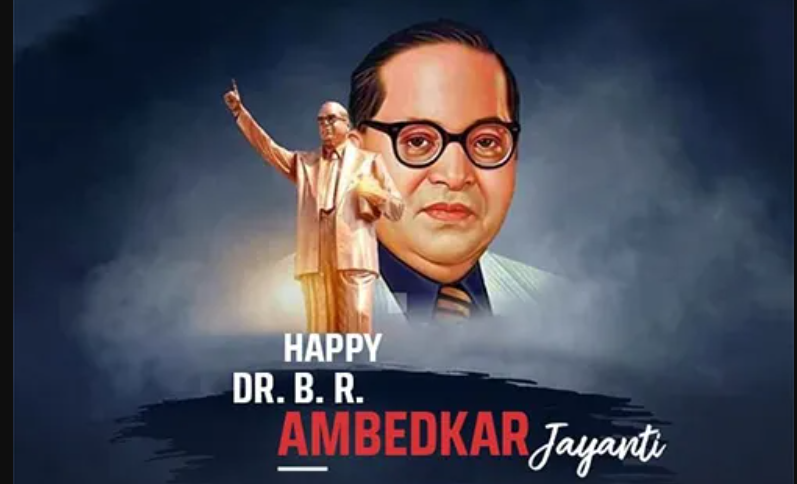
    A vibrant digital painting of Dr. B.R. Ambedkar holding the Indian Constitution, with diverse people celebrating around him, set against Mhow’s serene backdrop

    Every year on April 14, people across India stop and remember a man who didn’t just talk about change he lived it. That man was Dr. Bhimrao Ramji Ambedkar, or as most of us lovingly call him, Babasaheb.

    Now, Ambedkar Jayanti isn’t just about garlanding a photo or putting up blue flags. It’s much more. It’s about honouring a man who stood tall, even when the world tried to push him down. You’ll see rallies, processions, and people shouting “Jai Bhim!” from rooftops and no, it’s not just noise. It’s pride. It’s emotion. It’s remembrance.

    In 2025, even the Chief Minister of Madhya Pradesh, Mohan Yadav, went to Mhow, Indore Babasaheb’s birthplace. He paid his respects, of course, but also ended up sparking a bit of a political storm with a few of his remarks. Happens every year. But still, the main thing is that the day brings everyone together cross caste, class, and region to remember a man whose words still echo in every corner of this country.

    So, Who Exactly Was Babasaheb Ambedkar?

    Dr. Ambedkar was born back in 1891, in Mhow, in a time when caste ruled everything who you spoke to, where you sat, even whether you were allowed to drink water from the same tap.

    He was born into the Mahar community, and from day one, he knew what discrimination felt like. But that didn’t stop him. In fact, it just lit a fire inside him.

    He studied like there was no tomorrow Elphinstone College, Columbia University, then London School of Economics. The man wasn’t just smart he was brilliant. And he didn’t collect degrees just to hang them on a wall. He used them. He used every bit of his knowledge to fight for those who were always told they didn’t matter.

    The Fight That Shaped a Nation

    From Humiliation to Hope

    As a child, he wasn’t allowed to sit on benches with others in school. Even drinking water was a struggle. But his father, who worked in the military, made sure young Bhimrao had access to books. And that love for learning changed everything.

    He went from dusty schoolyards to the world’s top universities, and when he came back, he didn’t look for comfort. He looked for justice.

    Building the Constitution

    You know that big book that decides how India runs? Yeah, Dr. Ambedkar was the chief architect of it. As the head of the Drafting Committee, he filled those pages with ideas of equality, freedom, and fraternity.

    Thanks to him, we have things like Article 17, which put an end to untouchability at least on paper. There’s still work to do, but that’s the foundation he laid.

    He Spoke for the Silent

    Dr. Ambedkar wasn’t just about paperwork and law books. He was on the ground too. In 1924, he started the Bahishkrit Hitakarini Sabha, trying to help Dalits get access to education and public services.

    In Mahad, he led a movement just to claim the right to drink from a public tank. That’s how bad things were. But he didn’t back down.

    Later, in 1956, he embraced Buddhism not the version with rituals, but a fresh, clean start. He called it Navayana, and lakhs followed him. It was a silent revolution.

    His Work Went Beyond Castes

    Ambedkar had his hands in many areas. He gave solid input on India’s economic policies, especially regarding currency and labour. He even formed a political party, the Scheduled Castes Federation, to push for proper representation.

    And that famous book Annihilation of Caste wasn’t just words. It shook society’s roots and forced people to think.

    Life Lessons from Babasaheb That Still Hold True

    Honestly, his life teaches more than any self-help book today. If we had to pick just a few lessons, here’s what they’d be:

    1. Education Isn’t Just for Exams

    Ambedkar chased knowledge because he knew it opened doors. He didn’t stop at one degree — he kept learning, always.

    2. Don’t Be Quiet When Things Go Wrong

    Whether it was water rights or speaking in Parliament, he called out injustice. Loudly. Fearlessly.

    3. Turn Your Struggles into Strength

    He didn’t hide his pain. He turned it into purpose. That’s how real change begins.

    4. Unity Matters More Than Labels

    He wasn’t just for Dalits. He spoke for everyone who faced unfairness. His Constitution aimed to unite, not divide.

    5. Kindness Is Powerful

    Underneath all that sharpness was compassion. Every law he framed had one goal to give people dignity.

    Why His Ideas Still Hit Home

    Even today, when we see news about caste-based violence or social inequality, Babasaheb’s words feel fresh. His famous line
    “I measure the progress of a community by the progress women have achieved” still makes you stop and think.

    And let’s be real we’ve come far, but not far enough. The road ahead is still bumpy. But the tools he gave us education, organization, agitation they still work if we use them right.

    So, What Can You Do on Ambedkar Jayanti?

    You don’t have to go to a rally. Even reading a few pages of his speeches or discussing his work with friends can make a difference.

    Try to live the values he stood for equality, justice, empathy. That’s how we carry his dream forward.

    Not just for one day. But every day.

    Looking for the next step? Try this: B. R. Ambedkar
  • SRH Crush PBKS in IPL 2025: Blazing Batting Show in Hyderabad

    SRH Crush PBKS in IPL 2025: Blazing Batting Show in Hyderabad

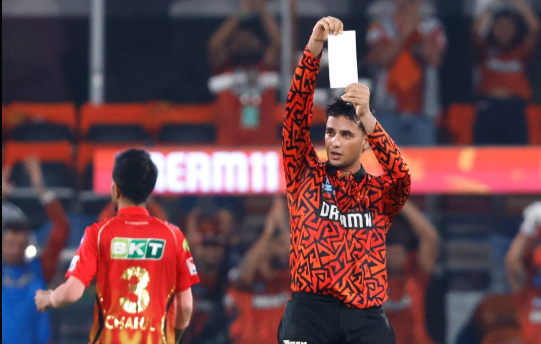
    Abhisekh hold paper in hand after century agient PBKS

    A Night to Remember: SRH Pulls Off Unreal 246 Chase to Stun PBKS in Hyderabad

    April 12, 2025 – Hyderabad.
    This wasn’t just a cricket match, it was a run-fest that turned into a night of pure madness at the Rajiv Gandhi International Stadium. Sunrisers Hyderabad (SRH), chasing a massive 246 set by Punjab Kings (PBKS), pulled off the unthinkable. They romped home in just 18.3 overs with 8 wickets in hand—and yes, you read that right. Led by a thunderous 141 off just 55 balls by Abhishek Sharma, SRH chased down one of the biggest totals in IPL history. And now, the cricket world is wondering: is this fearless approach enough to take SRH all the way to the IPL 2025 trophy?

    PBKS Post a Mountain – 245/6 on the Board

    Batting after winning the toss, PBKS came out firing on all cylinders. Openers Priyansh Arya and Prabhsimran Singh were ruthless. Arya blasted a quick 36 off just 13 balls (strike rate: 276.92), while Prabhsimran kept the pressure on with 42 off 23. By the end of the 4th over, PBKS had already racked up 66 runs. Their powerplay score of 89/1 was their best of the season and put SRH’s bowlers on the backfoot from the get-go.

    Then came Captain Shreyas Iyer. He just took the game to another level—hammering 82 off 36 balls, including 6 sixes and as many fours. He and Prabhsimran stitched together a 164-run partnership that looked like it would seal the match then and there. Even though Iyer eventually fell to Harshal Patel in the 17th over, the momentum didn’t stop.

    Marcus Stoinis came in late but made his presence felt, smashing 34 not out off just 11 balls, including four sixes in the final over against Mohammed Shami. Shami had a rough night—ending with figures of 0/75 from 4 overs, the worst-ever in SRH’s IPL history, breaking Basil Thampi’s 0/70 record.

    Harshal Patel tried his best to contain the damage, picking 4 wickets for 42, including Nehal Wadhera and Shashank Singh. PBKS’s final total of 245/6 looked like more than enough. With short square boundaries (63m and 69m) and a true pitch, it was a batsman’s paradise—but surely even this was too much to chase? SRH had other plans.

    Abhishek Sharma Lights Up Hyderabad with 141

    Chasing 246? Most teams would crumble under pressure. But not this SRH side—not this version of them.

    Abhishek Sharma batted like a man possessed. His 141 off 55 balls, peppered with 14 boundaries and 10 sixes, was pure carnage. The moment he stepped in, it was clear SRH weren’t here to drag the chase—they were here to bulldoze it.

    He broke record after record—his 116 runs in boundaries is now the highest ever in IPL history, beating Jonny Bairstow’s previous best of 90. And those 10 sixes? That’s now the most ever by an SRH batter in a single innings.

    Travis Head gave him the perfect support, playing a classy hand of 66 off 37 balls. Together, they stitched a 171-run opening partnership in just 12.2 overs. SRH were already 83/0 at the end of the powerplay—matching PBKS blow for blow.

    Eventually, Head fell to Yuzvendra Chahal in the 13th over, but Abhishek kept going. After reaching his hundred in just 40 balls, he even pulled out a note from his pocket that read, “This one is for Orange Army.” It was that kind of night.

    His knock finally ended in the 17th over—caught at deep midwicket by Praveen Dubey off Arshdeep Singh. But the crowd gave him a standing ovation, and rightfully so. He walked off with SRH at 222/2, the match all but sealed.

    Klaasen (21* off 14) and Ishan Kishan (9* off 6) completed the chase, with Klaasen finishing things off in style with a boundary over point. Final score: 247/2 in 18.3 overs.

    PBKS bowlers, frankly, had no answers. Chahal went for 56 in 4 overs, Marco Jansen gave away 36 in just two, and even Yash Thakur conceded at 20 runs per over. The total run tally of 492 (245 + 247) became the highest in SRH vs PBKS history.

    SRH’s All-Out Batting: Match-Winning or Risky?

    This wasn’t a one-off strategy by SRH. Since the start of IPL 2025, they’ve been playing this ultra-aggressive style—hit from ball one, don’t hold back. Whether they bat first or chase, it’s all about intent.

    Abhishek Sharma and Travis Head are doing most of the damage up top, often racking up 80+ runs in the powerplay alone. Klaasen has been a reliable finisher. Against PBKS, this full-throttle method paid off handsomely.

    But the big question remains—can this approach win you an IPL trophy?

    Strengths That Stand Out

    • Abhishek Sharma: His 141 was not just a big score—it was a statement. He’s becoming SRH’s go-to match-winner.
    • Travis Head: His powerplay attacking style lays a strong platform for these chases.
    • Heinrich Klaasen: Quietly doing his job at the back end, ensuring no late stumbles.

    If these three continue to fire, there’s no doubt SRH can chase down or post any total. They’ve proven that now.

    But It’s Not All Rosy

    There’s a downside to this all-out approach too. If they lose two or three early wickets, their middle order hasn’t really been tested. Players like Nitish Kumar Reddy and Aniket Verma didn’t even get to bat against PBKS. What happens if Head and Abhishek fail early? Will the next batsman will try to build partnership or they will stick with there fearless approach?

    Also, the bowling is clearly a concern. Shami got smashed for 75. Cummins went for 40 in his quota. On a flatter deck, they might manage. But on slower pitches or big grounds, can they defend a score or control the flow?

    For SRH to actually lift the trophy, their bowlers need to step up. Cummins has to lead with better discipline. They’ll need more from their spinners and death-overs plans.

    Final Word

    This wasn’t just another match. It was an IPL classic that’ll be remembered for years, especially for Abhishek Sharma’s blistering 141. SRH’s eight-wicket win was more than just two points—it was a loud signal to the rest of the league: this team isn’t afraid to chase anything.

    Yes, it’s a gamble. But with the form their top order is in, and if the bowlers pull their weight, SRH might just turn this wild ride into a championship run. For now, Hyderabad is dancing, and the Orange Army is dreaming big—and rightly so.

    You can also check full score card at Cricbuzz.com
    Before you go, here’s another good one: CSK vs. KKR IPL 2025: A Crushing Blow That Hits Deep

  • CNG Kit vs EV Conversion Kit: Which Makes More Sense 2025?

    CNG Kit vs EV Conversion Kit: Which Makes More Sense 2025?

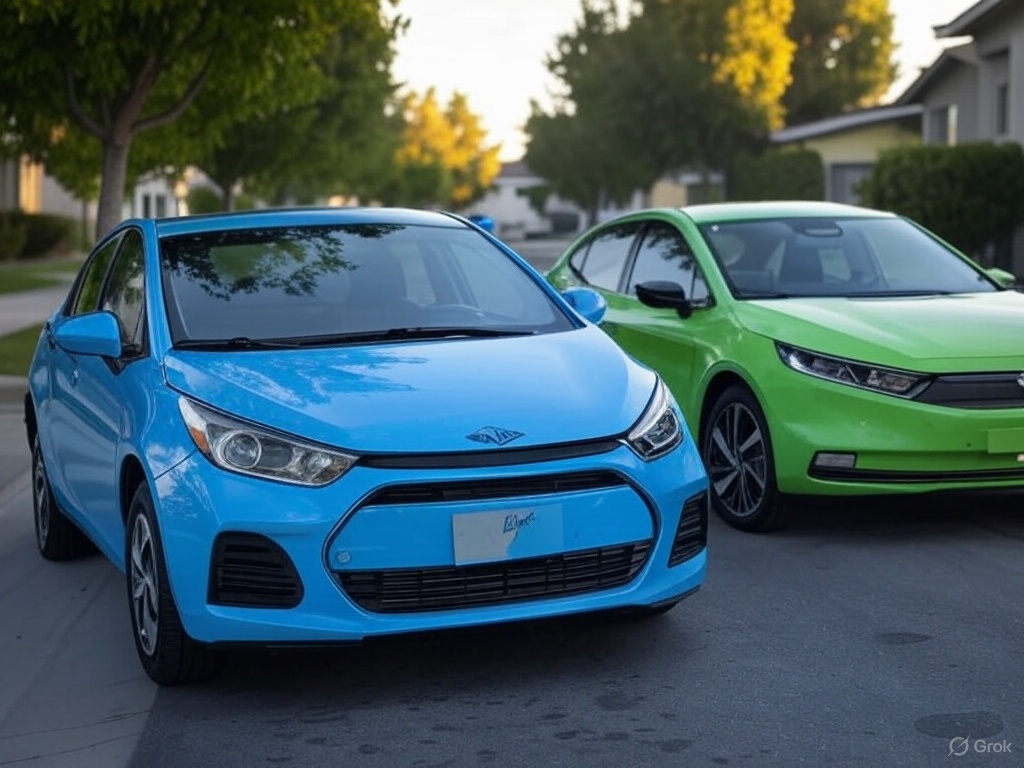
    Hilights 2 car one is CNG car onther is EV car

    Nowadays, everyone is trying to save fuel money. Petrol and diesel have become like gold ₹100 plus per litre, it’s just not affordable for daily travel anymore. On top of that, our cities are full of smoke and dust. So people are asking, “Should I go for a CNG kit or convert my car to EV Conversion?”

    That’s a fair question, honestly. Both options help you save money in the long run, and they’re also better for the environment. But they work in very different ways. So let’s try to make this simple without any big words or complicated lists.

    Why are so many people changing their cars these days?

    Let’s be real fuel price is the biggest reason. If you drive a petrol car every day, your pocket starts crying by the end of the month. And then there’s pollution. If you live in Delhi, Pune, or Bangalore, you know how bad the air has become. People want cleaner options that are also pocket-friendly.

    And that’s where CNG kits and EV Conversion kits come in.

    CNG Kit – Old but still working fine

    CNG kits have been around for years now. Especially in cities like Delhi or Mumbai, you’ll see autos, taxis, and even private cars running on CNG. The idea is simple you get a big cylinder fitted in your car’s boot, and instead of petrol, it runs on compressed natural gas.

    So, what’s good about it?

    • First of all, it’s cheap. Where petrol will cost you ₹8–10 per km, CNG runs at ₹2–3 per km.
    • You don’t need to change the whole engine or anything. Just fit the kit and you’re good.
    • And it’s still cleaner than petrol or diesel, though not as clean as EVs.

    But yeah, not everything is perfect.

    Some small problems with CNG kits

    • The gas cylinder takes up your boot space. So forget about keeping big bags or suitcases there.
    • You’ll feel that the car is slightly slower, especially when you switch on the AC.
    • And during busy times, you might have to stand in line at the CNG station for 20–30 minutes. That can get annoying.

    EV Conversion Kits – New and exciting, but still developing

    Now electric vehicles are the future everybody knows that. But buying a new EV can cost a bomb. Like, even the cheapest ones are above ₹10 lakhs. So instead, people have started converting their old cars into EVs using electric kits.

    With these EV conversion kits, you remove the fuel engine and fit a battery, motor, controller basically, all the stuff that makes it electric.

    Here’s why people are liking EV kits:

    • You get zero pollution. No smoke, no smell, nothing.
    • Cost per km is super low — around ₹1 or even less.
    • The ride becomes smooth and silent — no vibration, no noise.
    • And in some places, the government also gives support or subsidies.

    But again, like anything new, there are some roadblocks.

    A few issues with EV kits

    • They’re expensive right now. Most kits cost between ₹3 to ₹5 lakhs.
    • Not many companies are offering it, especially in smaller cities.
    • You need RTO permission, and that’s not always easy in all states.
    • Also, the battery lasts 5–7 years. Replacing it later is not cheap.

    Let’s Compare – EV Kit vs CNG Kit (Real Talk Table)

    FeatureCNG KitEV Conversion Kit
    Cost₹50,000 – ₹80,000₹3 – ₹5 lakhs
    Running Cost/km₹2 – ₹3₹0.8 – ₹1
    Installation Time1 day3–5 days
    SpaceBoot gets filledDepends on kit design
    RTO ProcessEasy and knownStill complicated
    Green FactorMediumVery high
    AvailabilityCommon in metrosLimited for now

    So yeah, if you’re short on budget and want to start saving immediately, CNG is still a good choice. But if you want to go fully electric and don’t mind the initial cost, then EV kits make more sense for the long run.

    What about Hybrid Kits?

    You might have heard this too some companies are now working on kits that can run on both electric and petrol or CNG. This sounds like a great idea, but it’s still in early stages. Very few models are available and testing is going on. If this becomes common, it could be a total game-changer.

    Who Should Go for What?

    There’s no one-size-fits-all answer. It depends on your needs.

    If you travel inside the city, don’t want to spend too much, and your car is in decent shape CNG can save you a lot every month.

    But if you want to go fully electric, reduce maintenance, and drive in peace without worrying about fuel prices, and you’re okay spending ₹3–4 lakhs upfront EV kits are a better bet.

    Where to Get EV Kits in India?

    You won’t find EV kits in every garage. You’ll need to go to certified people. Some good names right now are:

    • E-Trio
    • Boson Motors
    • Loop Moto
    • GoGoA1 – They’ve got RTO-approved kits for many cars.

    🔗 Check them here: GoGoA1 official site

    🧭 You can also check our blog on “Top EV Conversion Companies in India” for more info (internal link).

    Final Thoughts – What Should You Choose?

    CNG or EV — both are better than staying on petrol. But your choice should depend on how much you can invest, where you live, and how often you drive.

    👉 If you’re looking to start saving immediately and don’t want much hassle — go for CNG.

    👉 If you’re ready to go green, spend a bit more now, and think long-term — EV kits are your friend.

    In a few years, electric kits will become more common and cheaper too. So even if you go for CNG now, keep watching the EV space. The future is definitely electric.

  • South Asia Struggles Through Unseasonal Floods and Landslides

    South Asia Struggles Through Unseasonal Floods and Landslides

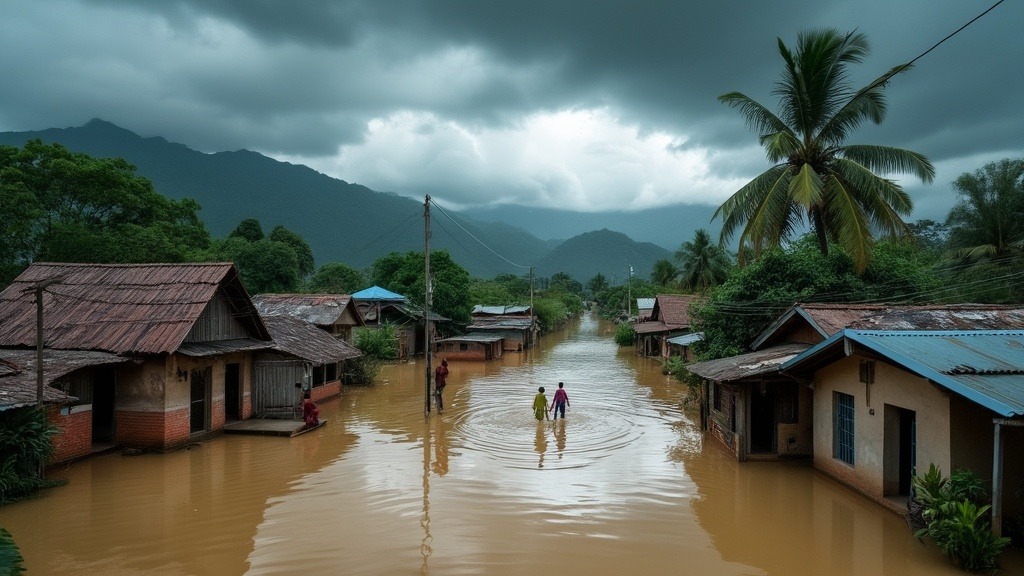
    A dramatic scene of a flooded village in Bihar, India, with muddy waters submerging homes, people wading through knee-deep water, and dark storm clouds overhead, contrasted by a distant landslide in Nepal’s mountains.

    April 2025 has been nothing short of devastating for South Asia. What was supposed to be a calm, pre-monsoon month turned into a nightmare as unexpected heavy rainfall led to massive floods and landslides across India and Nepal. According to a Reuters report on April 11, over 100 people have lost their lives. The worst-hit regions include Bihar and Uttar Pradesh in India, along with parts of Nepal. Honestly, as I went through the news, the gravity of it all hit me—this isn’t just another natural calamity. It’s yet another sign of how dangerously off-balance our climate has become, and how unprepared we still are to face it.

    A Disaster of Terrifying Proportions

    By April 12, the death toll had already crossed 100. Bihar alone reported between 64 and 82 deaths, while Uttar Pradesh recorded 18–20, and Nepal reported 8 deathsmostly due to flash floods, landslides, and lightning strikes. In Bihar, where people are no strangers to seasonal floods, this time entire villages went underwater. Families were displaced, farmlands were destroyed, and daily life was thrown into disarray.

    Uttar Pradesh, meanwhile, witnessed multiple deaths due to lightning a grim reminder of how unpredictable and deadly these weather events are becoming. In Nepal too, lightning took 8 lives, which doesn’t usually grab headlines but is just as dangerous, especially in rural and hilly areas.

    And if that wasn’t enough, Uttarakhand’s Chamoli district had its own share of misfortune. On April 9, a debris flow in Tharali village damaged homes and roads, cutting off access to several areas. It was caused by a sudden downpour after a spell of extreme heat something that simply doesn’t fit into our usual weather patterns. This change in timing and intensity of rainfall is becoming more common, and honestly, it’s deeply unsettling. It feels like we’re entering a new era where the old seasonal calendar no longer applies.

    What’s Really Causing This?

    It’s a mix of climate change and human error both feeding into each other. Scientists have been warning us for years. A study from World Weather Attribution looking at Nepal’s 2024 floods revealed that rainfall was 10% more intense due to human-driven climate change, and such extreme rainfall is now 70% more likely than in a world just 1.3°C cooler. This April’s flooding fits that pattern perfectly unseasonal, extreme, and deadly.

    But blaming it all on the weather would be oversimplifying things. Human actions have made these situations far worse. In Nepal, cities like Kathmandu have seen rampant construction along the Bagmati river floodplain, raising flood risks significantly. In India, places like Uttarakhand are losing their forest cover at alarming rates. For instance, some areas in Wayanad have seen a 62% drop in green cover. So when sudden rain hits, unstable slopes just give way.

    Poor urban drainage in cities like those in Uttar Pradesh turns a few hours of rain into a flood. Meanwhile, in rural India where over 80% of the population lives communities simply don’t have the infrastructure or resources to deal with such disasters.

    The Human and Economic Cost

    What’s truly painful is the human toll this disaster has taken. In Bihar, dozens have died and thousands more are likely displaced, though the full extent is still unclear. Farmers in Uttar Pradesh, working in the open fields, were caught unaware by lightning. In Nepal, mountainous terrain always poses extra danger during such events landslides can hit suddenly and with deadly force.

    On the economic front, the losses are going to be massive. While official numbers for this April’s events aren’t available yet, previous data gives us a rough idea. The 2024 floods in Nepal caused damage worth NPR 17 billion about USD 126 million including large-scale agricultural losses. Similarly, the 2024 floods in Assam wiped out crops across four lakh hectares. Given that Bihar is a crucial agricultural hub, the impact this time will likely be just as severe. Crops have been lost, infrastructure is damaged, and many rural communities are now cut off and waiting for help.

    In Uttarakhand, the debris flow left roads damaged and rescue work delayed. And in Nepal, where many areas still struggle with poor roads and basic rescue equipment, the same old problems have shown up againtoo little, too late.

    Government Response: Gaps Still Exist

    Both India and Nepal have response teams and budgets in place, but this disaster has again revealed some glaring shortcomings. India’s NDRF (National Disaster Response Force) is probably already deployed in Bihar and UP, just like during the 2024 Assam floods when they carried out over a thousand rescue ops. The government has allocated ₹26,841.60 crore for disaster relief in 2024–25, but the speed at which help reaches remote or rural areas is still a major issue.

    Nepal’s army rescued thousands during the 2024 floods, but outdated gear and blocked roads made the job harder than it should have been. The same bottlenecks are visible in 2025 as well. Early warning systems only give a three-day forecast, and many people displaced in previous disasters are still living in high-risk zones. India, too, has its own blind spots. Only 7% of its dams have Emergency Action Plans, which is a disaster waiting to happen if sudden water releases flood nearby villages.

    So while there’s effort, there’s a serious lack of long-term vision. Fixing potholes after the car crashes isn’t enough anymore—we need to be ahead of the curve, especially with disasters like these becoming more frequent.

    Why Isn’t the World Paying Attention?

    One thing that’s hard to ignore is how little global attention this disaster has received. Just a few days ago, on April 9, a nightclub collapse in the Dominican Republic killed 124 people—and it made international headlines. But here, with more than 100 lives lost across India and Nepal, the world has mostly stayed silent.

    This sort of bias isn’t new. South Asian disasters are often overshadowed by those in the West. It affects not just media coverage but also international aid and global awareness. On X (formerly Twitter), people like @SUNOFM894 are calling it a climate crisis, but deeper conversations about accountability, infrastructure, or preparedness are largely missing.

    If the global conversation continues to ignore South Asia’s challenges, how are we ever going to get the support we need? These stories must be told, and they must be heard.

    Looking Ahead: Can South Asia Adapt?

    This April’s floods are more than just a natural calamity—they are a warning siren. Yes, climate change is real and playing a major role. But so are our own decisions—deforestation, poor town planning, and lack of readiness. Together, they turn what could have been manageable rainfall into a full-blown crisis.

    The good news? There are some promising signs. Nepal’s National Adaptation Plan for 2021–2050 lays out a $47 billion roadmap for improving forecasting systems and promoting reforestation. India is working on agro-ecological zoning and building more resilient infrastructure, supported by agencies like the World Bank.

    But here’s the thing—none of it will matter if these efforts don’t reach the most vulnerable. That means the rural farmer in Bihar, the mountain villagers in Nepal, and the informal settlers living in flood-prone zones across South Asia.

    I do believe we can weather this storm—but only if we shift our mindset from reaction to prevention, from paperwork to action, and from top-down policies to ground-level change.

    Final Thoughts

    The April 2025 floods and landslides are a painful chapter in South Asia’s ongoing struggle with climate and disaster. More than 100 lives lost, countless homes wrecked, and dreams washed away—this is not just a one-time tragedy. It’s a call to do better. But if there’s one thing this region has shown time and again, it’s resilience. Amidst all the destruction, people will rebuild. But it’s up to all of us—governments, citizens, and even the global community—to stand with them, not just with sympathy, but with real support and change.

    Curious to dive deeper? Don’t miss this related post: More than 100 people killed after heavy rain hits India, Nepal

    Interested in this? You’ll also want to read: ₹6,839 Cr indian Border Plan: Security or Development?

  • A Tahawwur Rana Is Finally Here But-Is Justice Really Closer?

    A Tahawwur Rana Is Finally Here But-Is Justice Really Closer?

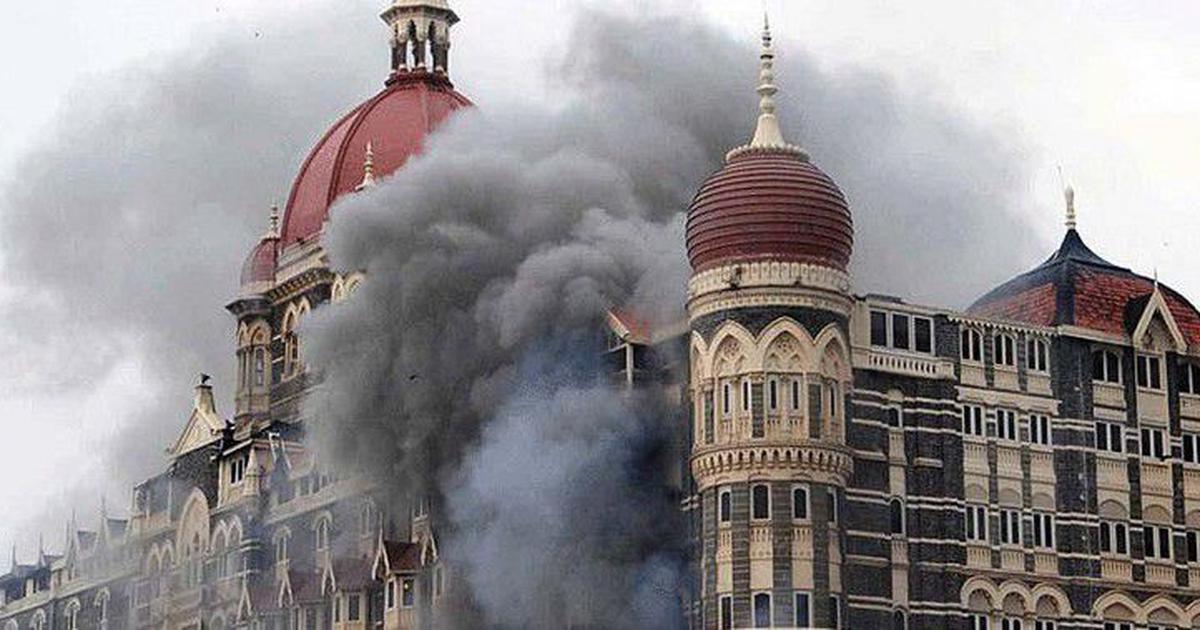
    Taj Hotels attack on 26/11

    As I sat on my balcony this morning, with chai in hand and birds just starting their noisy chatter, the news was impossible to miss Tahawwur Rana has finally landed in India. After nearly 17 years, he’s here. Not as a visitor, but as a man facing questions about one of the darkest days in our country’s recent memory 26/11.

    His extradition from the U.S. on April 10 didn’t just end a long legal tug-of-war. It stirred something deepermemories, anger, hope, maybe even doubt. Everyone’s asking the same thing: does this mean justice is finally knocking, or are we about to be pulled into another never-ending courtroom drama?

    Touchdown in Delhi, and the NIA’s Ticking Clock

    Rana arrived yesterday evening, brought in under heavy guard by the National Investigation Agency. He’s being kept in a tightly monitored 14×14-foot cell at the NIA headquarters, under the watch of a dozen officers. At the centre of it all is DIG Jaya Roy and her team, who’ve been handed 18 days to get answers out of him.

    Right now, the interrogation is digging deep—looking for links to Pakistan’s ISI, checking through emails and old communications, and probing whether Rana knew more than what’s already on record. The agencies are also hinting at potential plots in other Indian cities.

    He’s claimed he’s got Parkinson’s and kidney troubles, and so regular medical checks have been ordered. His lawyer’s allowed to visit every alternate day. Some metro stations near the HQ were even shut down yesterday Delhi hasn’t felt this tense in a while.

    Public Mood: Somewhere Between Pride and Suspicion

    On one side, you’ve got politicians celebrating like it’s Diwali. Home Minister Amit Shah has called it a victory for India’s resolve. Social media is full of posts calling it a long-overdue win for justice, especially from people who still remember those terrifying 60 hours in Mumbai back in 2008.

    But others aren’t quite convinced. The Congress is quick to point out that it was under the UPA government that this extradition process actually began, way back in 2008. Now that it’s finally happened, many are accusing the current government of simply taking credit.

    More importantly, there are legal technicalities. In the U.S., Tahawwur Rana wasn’t convicted for 26/11 itself—he was held for broader terror support. That might complicate things in an Indian courtroom. People are already whispering: will this hold up, or will the case fall flat under pressure?

    More Than India: Why the World’s Watching

    This case isn’t just a domestic matter it’s a showcase of diplomatic strength. For India to pull this off, especially in today’s global climate, shows strong coordination with the U.S. It’s also a message to Pakistan, especially if Rana’s links to the ISI are proven beyond doubt.

    For us Indians, though, this runs deeper. The pain of 26/11 hasn’t faded. The images of the Taj Hotel on fire, the chaos at CST, those innocent lives lost—those aren’t just newsreel footage. They’re scars. Rana being in India now means those wounds may finally start healing. But only if justice truly follows.

    Will It Lead Anywhere? Or Just Another Dead End?

    The NIA’s got a short window 18 days to dig out something solid. A confession, new names, or even proof of wider involvement. If they succeed, it could mean closure for families who’ve been waiting far too long.

    But the hurdles are many. Rana’s health may delay things. His lawyer might file appeals. And with legal loopholes waiting at every step, the whole thing could drag well into next year. We’ve seen that happen before. Trials that go nowhere. Hopes raised, only to be crushed again.

    Still, there’s this strange energy in the air. People are watching. They care. Maybe this time, it won’t all slip away.

    What This Moment Means for Us

    This isn’t just about Tahawwur Rana. It’s about whether our systems still work. Can we deliver justice, even if it’s 17 years late? Or are we going to let the noise die down and move on, like we’ve done before?

    This case could be a real turning point. But only if we don’t let go. Public pressure, media attention, legal scrutiny—every bit matters. We can’t afford to switch off now.

    So, as I finish my tea and get on with the day, I can’t help but wonder—will this finally be it? Or just another name added to a list of unresolved pain?

    Let me know what you think. Is this the start of real justice? Or just another political pitstop?

    If this resonated with you, here’s something similar you might like:26/11 conspirator Tahawwur Rana flown to Delhi, will face trial
    If this topic caught your attention, here’s another one worth checking out: Waqf Bill 2025: What’s Really Going On? Why So Much Noise?

  • CSK vs. KKR IPL 2025: A Crushing Blow That Hits Deep

    CSK vs. KKR IPL 2025: A Crushing Blow That Hits Deep

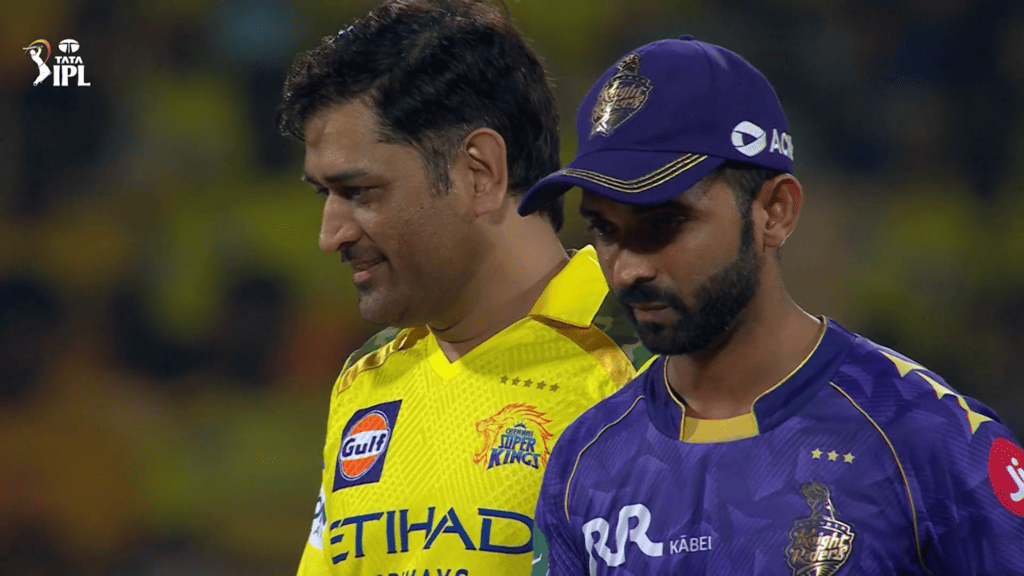
    CSK vs KKR, IPL 2025, MS Dhoni and Rahane

    It was a high-voltage IPL clash last night, April 11, 2025, with Chennai Super Kings (CSK) taking on Kolkata Knight Riders (KKR) at Chepauk. The atmosphere was electric—fans filled the stadium, hoping for a vintage MS Dhoni show, especially since he was leading the team again. But by the end of the night, it wasn’t CSK’s spirit or Dhoni’s leadership that grabbed headlines—it was a dismal batting performance, a controversial dismissal, and a clinical chase by KKR that silenced the yellow army. The defeat by 8 wickets wasn’t just a loss it felt like a jolt to Chennai’s campaign and their confidence.

    CSK’s Batting Collapse: A Nightmare Unfolds

    Things didn’t look promising right from the beginning. Rachin Ravindra went early, scoring just 4 off 9 balls, and Devon Conway too couldn’t anchor the innings, managing only 12 off 11. The top order seemed unsettled, and though Rahul Tripathi hung around for a while, his 16 from 22 balls didn’t really shift gears. Vijay Shankar tried to inject some pace with a 29 off 21, while Shivam Dube remained unbeaten on 31 from 29 balls. Still, the scoreboard barely moved, and the runs came slow.

    The turning point, though, came in the 16th over when Dhoni, who had just walked in, faced Sunil Narine. The delivery turned sharply and struck him on the pads. The on-field umpire, Chris Gaffaney, raised his finger, and the CSK captain opted for DRS. Now, this is where the drama unfolded. The third umpire, Vinod Seshan, took his time—maybe a bit too much. UltraEdge showed a faint spike, which many believed was a clear indication of bat involved. But the ball-tracking showed three reds, and the decision stood. Dhoni had to walk for just 1 run from 4 balls, and with that, a large part of the crowd’s energy seemed to vanish.

    Coach Stephen Fleming was visibly upset and even seen talking to the umpire during the timeout. Fans online and in the stadium questioned the DRS decision. Was there enough evidence to overturn? Did the system fail in a crucial moment?

    From there, it was all downhill. Ravindra Jadeja fell for a duck, Deepak Hooda didn’t trouble the scorers either, and young Anshul Kamboj stayed not out at 3. CSK wrapped up their innings at just 103/9 in their 20 overs—an underwhelming total on any pitch.

    KKR’s Chase: Dominance in Every Stroke

    Chasing 104 was never going to be a mountain for KKR, and they started aggressively. Quinton de Kock gave them the early push with 23 runs off 16 balls, including three towering sixes. Anshul Kamboj managed to dismiss him, but that was the only bit of good news for CSK.

    Sunil Narine, usually known for his bowling, turned into a one-man demolition squad with the bat. His 44 off just 18 balls—packed with five huge sixes—broke CSK’s spirit. Even though Noor Ahmad managed to send him back, by then, the damage was already done.

    Ajinkya Rahane and Rinku Singh then calmly finished the chase. Rahane scored a composed 20 off 17, and Rinku added 15 off 12, taking KKR to 107/2 in just 10.1 overs. It was not just a win—it was a statement.

    Dhoni’s Dismissal Sparks Heated Debate

    The moment Dhoni walked back after that controversial lbw, debates broke out both online and on television panels. Was there an edge? Did the third umpire make a mistake? Fans pointed at the UltraEdge spike and questioned why the benefit of doubt wasn’t given to the batter. Some even said it changed the entire tone of the match—had Dhoni stayed, even a 130+ score might’ve given CSK a better fighting chance.

    Stephen Fleming’s frustration wasn’t just about one decision—it was the reflection of an under-pressure team that knows they can’t afford to lose momentum this early in the season.

    Bowling Analysis and Tactical Misfires

    KKR’s bowlers deserve credit. Varun Chakaravarthy spun a web around CSK, picking up 3 wickets, and Vaibhav Arora supported well with 2 wickets of his own. The CSK batsmen couldn’t read Chakaravarthy’s variations, especially under pressure.

    The pitch did offer some turn, and that should’ve suited CSK too, given they had Jadeja and Noor Ahmad. But their failure to apply pressure through the middle overs let the game slip away. Jadeja’s duck was a blow, and he didn’t make much of an impact with the ball either.

    A Rivalry Gets Intense

    This loss adds another spicy layer to the ongoing CSK-KKR rivalry. KKR looked more balanced and in sync with the conditions, while CSK struggled with both bat and ball. Ruturaj Gaikwad’s absence due to injury was a major setback for CSK. Known for providing stability at the top, his calm presence and ability to anchor the innings were clearly missed. Without him, the top order looked unsettled, and CSK struggled to build any momentum right from the start.

    With Dhoni back as captain, expectations were sky-high. But the pressure now is equally high. The team has to quickly regroup, rethink their strategy, and sort out the middle-order issues. One more loss like this, and the season could spiral fast.

    Final Takeaways

    • CSK’s batting collapse: A clear top-order problem and over-dependence on the middle.
    • KKR’s strong chase: Sunil Narine stole the show with both bat and ball.
    • Controversial DRS call: The Dhoni lbw dismissal will continue to be debated for days.
    • Tactical misses: Not playing Gaikwad and failing to utilise spin effectively cost CSK.
    • What’s next? CSK needs to come back stronger and quickly resolve their playing XI doubts.

    Conclusion: Not Just a Loss, But a Lesson

    CSK’s 8-wicket loss to KKR wasn’t just another bad day—it exposed weak links in their setup and left fans with more questions than answers. From the batting collapse to the controversial umpiring, everything seemed to go wrong. On the other hand, KKR played like a well-oiled unit, showing why they’re always a team to watch in crunch games.

    Now, all eyes are on CSK’s next game. Will they bounce back with changes, or will this defeat snowball into a bigger problem? One thing’s clear—IPL 2025 just got more interesting.

    Interested in this? You’ll also want to read: Arya’s Big Hundred Wins for PBKS Against CSK in IPL 2025!
    You can also check full score card at Cricbuzz.com