Blog

  • DIY Home Decor Ideas to Refresh Your Space Any Season

    DIY Home Decor Ideas to Refresh Your Space Any Season

    A cozy Indian living room with handmade wall art, indoor plants, colorful cushions, and recycled wooden shelves, lit with warm lights—perfect blend of tradition and modern decor.

    You know that odd feeling when you walk into your own house and it just feels… dull? Nothing’s actually broken or messy, but still, something’s missing home decor. I’ve felt that too. Especially here in India, where seasons keep changing and life gets busy, it’s not really possible to revamp our homes every few months.

    But trust me, you don’t always need a contractor or big money to make your place feel cozy and alive again.

    I’ve grown up in a small town where people believe in stretching every rupee. So over the years, I’ve picked up a bunch of simple, DIY home decor tricks that work no matter the season — hot May, breezy October, or cold January.

    Let me walk you through these ideas in a way that feels doable, not just fancy.

    Why Even Bother Changing Home Decor?

    See, we live our whole life in our homes — we laugh, eat, sleep, fight, and sometimes just sit quietly with chai and thoughts. So if the space around us looks fresh, our mind feels better too. It’s not about showing off to guests. It’s about feeling good when you walk in after a long day.

    And no, I’m not talking about those showroom-type setups. I’m talking about those small changes that make a big difference — the kind of stuff anyone can try.

    My Go-To DIY Home Decor Tricks That Work All Year

    Let’s just talk real. I’m not giving you a checklist. These are the kind of things you can mix, match, reuse, or even skip — totally up to your mood and budget.

    1. Cushion Covers & Bedsheets — Instant Mood Changer

    Sounds silly, but try it once — swap out those cushion covers and watch the whole vibe of your living room shift.

    • In winters, go for warm tones like rust, mustard, or even deep green.
    • When it’s hot, switch to whites, soft pinks, or cool blues.

    Old bedsheets lying around? Cut them up and turn them into curtains or DIY wall hangings. My neighbor once made beautiful window blinds from her grandmother’s old cotton saree.

    2. Paint Just One Wall, Not All

    You don’t need to repaint the whole room. Pick one wall — maybe the one behind your bed or sofa.

    Try a bold shade or even simple sponge patterns. I remember my cousin once dabbed leftover paint with a towel on his bedroom wall — looked like an ombre wall from Pinterest, but he spent less than ₹500.

    3. Plants Are Always a Good Idea

    You don’t need a balcony full of them. Just 3-4 indoor plants can brighten up a space.

    • Money plant or areca palm are low-maintenance.
    • Keep them in old terracotta pots — you can even paint them with leftover wall paint.
    • During Diwali or birthdays, add a string of fairy lights around them — looks magical.

    4. Wall Art from Stuff You Usually Throw

    Newspapers, cardboard boxes, old magazines — they’re not trash, they’re art waiting to happen.

    One weekend, I cut random magazine shapes, glued them on a cardboard piece, framed it, and hung it in my hallway. Visitors always ask where I “bought” it.

    5. Mirrors Can Make Small Rooms Look Big

    Especially in smaller flats or rented homes, mirrors are a smart way to open up the space.

    Hang one opposite a window and it reflects natural light. You can wrap the edges with rope, lace, or even paper strips for a rustic look.

    6. Old Glass Jars — Don’t Toss Them Yet

    Next time you finish a pickle jar, keep it.

    • Drop a tealight candle inside with a little salt at the base.
    • Or add fairy lights.
    • Or fill it with water and float a few petals.

    These little touches make a big difference, especially in the evenings.

    7. Rugs & Floor Mats: Small Change, Big Feel

    You don’t need a big Persian carpet. A small cotton rug near your bed or under your table does the job.

    In winter, go for earthy, thick ones. Summer? Use thin, light-colored dhurries.

    I got one from a roadside stall for ₹300 — it’s still going strong after two years.

    8. Rearrange Before You Buy Anything

    Sometimes, you don’t need anything new — just a new angle.

    Try moving your table closer to the window. Shift the sofa. Swap your wall photos. Feels like a brand-new space.

    One Sunday afternoon, I just flipped my bed to the other side — my room felt like a new flat.

    Little Details That Add Life

    Put out a bowl with water and a few floating flowers. Keep some fresh fruits on the table in a tray. Add a hand-painted nameplate outside your main door.

    These aren’t costly. But they give your home a personal charm.

    What’s Trending Lately in Home Decor?

    People are slowly moving back to natural, simple things. As per 2024–25 home trends, handmade and eco-friendly items are getting popular again.

    • Jute baskets, bamboo lamps, clay pots — all are back in style.
    • DIY shelves from wooden crates or old stools are now trending on Instagram.
    • And yes — old sarees used as wall drapes or curtain panels are making a comeback.

    My Take: Don’t Overthink It

    At the end of the day, your home should reflect you. Not what influencers show, not what shops sell — but what feels right to your heart.

    Use what you already have. Don’t wait for “one day” to make it pretty. Do a little now, do more later. It’s not about big changes — it’s about making your home feel like home again.

    Related articles :

    Enjoyed this read? Continue the journey with: How to Build a Healthy Routine for Your Family
    This blog is just the start. Explore more with: 56 DIY Home Decor Ideas for Instant Personality

  • How to Set Personal Growth Goals That Last

    How to Set Personal Growth Goals That Last

    personal growth of hardwoek man & Growth chart

    How I Set Personal Growth Goals That Actually Stick .Ever noticed how our January energy in India starts like a loud baraat band drums rolling, everybody dancingthen, by February, the DJ’s gone home and we’re left sweeping confetti? I’ve been there, scribbling “run 5 km daily” or “learn Python before appraisal,” only to backslide faster than hot jalebis disappear at a village fair.

    So, let’s talk about goal‑setting in plain, small‑town English—no jargon, no imported TED quotes. I’ll share a framework I use with friends and coaching clients, mix in fresh numbers, add a few local stories, and wrap up with my own two‑paise lesson.

    1. Feel the “Why,” Don’t Borrow It

    Think of Neha, a 29‑year‑old accountant from Indore. She once signed up for a cloud‑computing course because “everyone at work is doing it.” Three weeks later the login page was gathering digital dust. When we probed deeper, she craved creative play, not server dashboards. Once she switched to “design a Canva poster for my colony club every Sunday,” the spark came alive—and today she’s unofficial design lead in her office.

    Fresh stat: In the 2025 Indeed India pulse, 78 % of employees ranked “meaningful work” above straight career climb—proof that an emotional hook survives long after peer pressure fades.

    2. Shrink It Till You Feel Silly

    Grand targets look sexy: “read 50 books.” But, just like a rural BSNL tower during IPL streaming, our brain drops packets when overloaded. Neuroscience reviews keep showing that tiny habits lay stronger neural roads. I chop goals down until I can almost tweet them without sounding boastful. “Meditate 30 minutes” morphed into “sit still for three breaths after brushing.” Once that felt normal, minutes went up smoothly.

    3. Meet the R.A.I.S.E. Check

    I love mnemonic jugaad, so here’s R.A.I.S.E.—short, sweet, desi‑friendly:

    • R – Relevant to life stage
      Final‑year student? Build your portfolio, leave stock trading for later.
    • A – Action‑worded
      “Write 200 words” beats “improve writing.”
    • I – Incremental ramps
      Like Couch‑to‑5K mileage, increase slowly.
    • S – Seen by a buddy
      Post a weekly screenshot in the family WhatsApp group.
    • E – Evaluated on a date
      Sip chai on day 30 and judge honestly.

    Tick each box and the goal is less likely to ghost you.

    4. Stack on an Existing Rhythm

    My dadi never set a “fitness resolution,” yet she climbed two storeys daily to dry papad on the roof. Behaviour scientists call that habit‑stacking. Hook the new task onto something already on autopilot—five push‑ups right after morning aarti, vocab flash cards while waiting for the pressure cooker’s second whistle.

    5. Track Like a Kirana Ledger, Not an Insta Reel

    You don’t need aesthetic bullet journals; a ₹30 spiral or a plain Google Sheet works. Mark Y or N each day—nothing fancy. Fun fact: the 2024 Grand View tally puts global self‑development at USD 48.4 billion and growing 5.7 % annually, but many folks still swear by the humble tick‑mark.

    6. Review, Re‑route, Repeat

    End of every month, brew filter coffee, flip your ledger, and ask:

    1. What felt effortless?
    2. What felt like hauling a tractor in neutral?
    3. What tweak would make next month 10 % smoother?

    This loop turns goals into a living thing, not stone tablets.

    7. Celebrate Tiny Wins Out Loud, Big Wins Quietly

    Ravi from Surat once bragged (politely) about a 7‑day Duolingo streak; friends showered him with high‑fives, and now he’s on day 120. Small public pats create community fuel. Yet when that appraisal hike arrives, treat close family to dosa—keeps ego under control.

    India‑Specific Pulse Points (2024‑25)

    • Work‑life balance now outranks pure ladder‑climbing for 78 % of Indian employees (Indeed survey).
    • Digital self‑help apps form a ₹4,000‑crore slice of India’s ed‑tech pie.
    • Global self‑improvement may cross USD 86 billion by 2034 at 5.5 % CAGR, with Asia‑Pacific in the driver’s seat.

    Soft skills and mental fitness are quietly turning into hard currency.

    My Two Paise

    I’ve wasted many Januarys crafting mission statements shinier than a filmfare speech. These days I ask, “Will future‑me thank present‑me?” If the image of future‑me beams back, I lock the plan using R.A.I.S.E. A goal that excites youyet feels a tad embarrassing—sticks around like that loyal college roommate who never returned your T‑shirt.

    Pick one area body, skill, or mind run it through the steps, and come back after 30 cups of chai. Growth isn’t a sprint up Nandi Hills; it’s that long Konkan train ride steady, scenic, coconut‑water breaks included.

    Article icons for free download | Freepik


    Related Articles

    If this resonated with you, here’s something similar you might like: Time Management Tips for Students

    If this sparked some ideas, here’s another piece you’ll find helpful: How to set personal development goals for your life and work


  • 10 Practical Tips to Create a Monthly Budget That Sticks

    10 Practical Tips to Create a Monthly Budget That Sticks

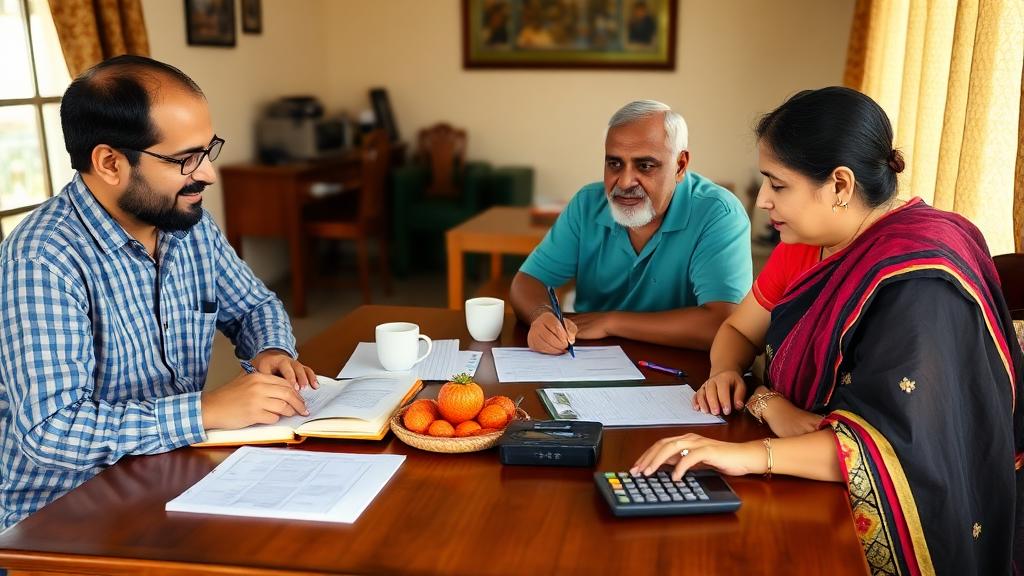
    A small-town Indian family discussing monthly expenses at the dining table with a notebook and calculator, natural lighting, homely vibe

    How I Finally Got My Budget to Work – Real Tips That Actually Stick

    If you’ve ever found yourself staring at an empty Budget by the third week of the month, wondering where all the money vanished welcome to the club. I’ve been there too. Sitting with chai in one hand, telling myself, “This month I’ll spend wisely,” and then boom unplanned expenses, online shopping temptations, or a friend’s birthday dinner mess it all up again.

    So, this blog isn’t some expert-level budgeting guide. It’s just real stuff tried, tested, failed, and tried again. These tips didn’t come from finance books, they came from the kitchen table of an average Indian middle-class house.

    Let me walk you through what actually helped me fix my money mess, in a way that doesn’t feel too strict or boring.

    1. First, ask yourself why you’re even budgeting.

    Honestly, till I had a reason, I never took budgeting seriously. For me, the turning point was when I couldn’t pay my LIC premium on time. That small thing pinched me hard. That’s when I thought, “Okay, I need to sort this.”

    So before anything, just sit and ask yourself — what’s your goal? Maybe it’s saving for your child’s school admission or clearing that one pending loan. Having a reason keeps you going when things get tough.

    2. Don’t keep everything in your head write it down.

    For a long time, I was just mentally calculating — like, “Okay, ₹2,000 for rent, ₹500 for groceries, I should be fine.” But it never worked. I kept forgetting half the things.

    What helped? That ₹30 diary from the local stationery shop. I started writing down even small spends — even the ₹10 chai. It made a difference. You can even stick it near the fridge or on the kitchen wall — somewhere you see every day.

    3. Track every spend like how we follow cricket scores.

    For one whole month, I noted every rupee. Sounds boring, but believe me, it opens your eyes. One week in, I realized I was spending more on snacks than vegetables. That hit me.

    Whether you use an app like Walnut or just a notebook, make it a habit. And do it daily — not once a month, because you’ll forget the small spends otherwise.

    4. Break your spending into categories.

    Don’t just say, “This is all my spending.” Divide it like:

    • Groceries
    • Bills
    • Rent
    • EMIs
    • Eating out
    • Random stuff

    That way, you’ll clearly see where the money leaks are happening. I found I was overspending on food deliveries — didn’t feel like much at the time, but it adds up.

    5. Try the 50-30-20 rule but make it Desi style.

    The basic idea is this:

    • 50% for needs (like rent, bills, food)
    • 30% for wants (entertainment, clothes, outings)
    • 20% for savings

    But in India, things aren’t always that neat. If you’re helping family or have school fees coming up, adjust the ratio. I sometimes do 60-20-20. Point is — divide your income with some logic.

    6. Cash still works better than apps sometimes.

    I know we all use UPI now, but try this withdraw a fixed cash amount for your weekly spends. When you actually see the cash reducing, you’ll think twice before that random impulse spend.

    For me, this method helped me control my Swiggy orders. When the cash in the wallet finishes, it finishes no “Buy Now, Pay Later” nonsense.

    7. Don’t let sudden events spoil your month.

    If you know there’s a wedding or school fee coming up, plan for it. Mark those dates. Keep a small amount aside, so it doesn’t feel like a surprise.

    Earlier, I’d forget about my cousin’s birthday gift and then panic-spend last minute. Now I just write important dates on my fridge whiteboard. Works well.

    8. Keep a small fund just for fun.

    Let’s be honest if your budget is too strict, you won’t follow it. So keep a little money aside just for fun. Movies, snacks, or a new shirt whatever makes you feel good.

    I call it my “guilt-free spending money.” You spend it without feeling bad because you already planned for it.

    9. Automate your savings make it invisible.

    The best decision I made was setting an auto-transfer from my salary account to a savings account. ₹2000, gone the day salary comes in. Out of sight, out of mind.

    I even started a small SIP. You won’t even notice the money going but after a few months, you’ll see it growing.

    10. Your budget will fail the first time. That’s normal.

    The first few months, I kept messing it up. Unexpected things came up. Sometimes I just forgot. But each time, I learnt something.

    Don’t give up. Just adjust a little every month. Maybe one month you overspend on medical stuff, next month cut down on online shopping. Bit by bit, you’ll get better.

    Final Thoughts:

    Honestly, budgeting felt like a boring chore at first. But slowly, it started giving me peace of mind. Earlier, I used to ask, “Where did all the money go?” Now I tell my money where to go.

    It’s not about being perfect. It’s about building a habit, step by step. And if this post helped even one person feel more in control of their money that’s more than enough for me.

    Related Articles:

    If you found this blog interesting, you might enjoy this one too:Desi Jugaad Ways to Save Money Every Month Without Feeling Miserable
    If you’re into this topic, you’ll definitely want to check this out too:10 practical tips for saving money on a tight budget

  • 5 Daily Habits That Actually Brought Me Mental Peace !

    5 Daily Habits That Actually Brought Me Mental Peace !

    A young Indian man or woman sitting peacefully on a terrace at sunrise, sipping chai, with a diary and a plant beside them

    Let’s be real for a second—life’s noisy these days. Whether you’re staying in a small district town or somewhere busy like Bangalore, that daily mental load… it doesn’t really leave you, does it? Work calls, family expectations, Instagram reels till midnight, and still waking up with a tired head next day.

    I’ve been there too. My mind used to feel cluttered all the time. Not serious mental illness maybe, but that constant feeling of being overwhelmed? The kind where nothing’s really wrong, but something never feels right either.

    So I didn’t do anything fancy—no retreats, no expensive therapies. Just started with a few simple daily habits. Very normal things, but when done regularly, they made a big difference to how peaceful I feel inside.

    Let me share what worked for me. Maybe it’ll help you too.

    1. Don’t Touch Your Phone First Thing In The Morning

    What I was doing before:
    Wake up, unlock phone, straight into 10 missed messages, political news, some viral reel, and boom my head would already feel heavy before brushing.

    Now what I do:
    First 30 minutes, no phone. I sit quietly with my morning chai, maybe look at the plants outside or just sit in silence. It feels oddly calm.

    Small tip that helped:
    Keep your phone in another room while sleeping. Use a regular alarm clock, like old times. You’ll sleep deeper and start your day lighter.

    2. Walk Daily (Even If It’s Just Your Corridor)

    What I noticed:
    My neighbour aunty, who’s almost 60, walks every evening for 15–20 minutes on her rooftop. She says her knees feel better and her mind feels fresher.

    I followed the same. No fancy shoes, no gym. Just regular walk, even if it’s around the living room. It clears your head. Especially when done without screens or distractions.

    Why it helps:
    Walking isn’t just for fitness. It gives your thoughts space to breathe.

    3. Finish One Small Task Before Noon

    What it means:
    Doesn’t have to be big—can be folding yesterday’s clothes, replying to one pending mail, or watering the plants.

    How it helps:
    Completing something early in the day gives your mind a push—like, “ok, I’ve done something today already.” It sets the mood for the rest of the day.

    My personal example:
    I clean the front porch every morning. It takes 10 minutes, but gives me that small proud feeling, like I’ve started the day right.

    4. Speak To One Real Person (Not Just Messaging)

    Let’s be honest—most of us spend the day replying to texts or reacting to reels, but actual conversation? Very rare.

    What I do now:
    I call my childhood friend in the evening. We talk nonsense for 10 minutes—memes, what’s cooking, weather. It gives me more peace than any motivational video.

    Try this:
    Call someone who won’t judge. No need for deep talks—just normal catch-up is enough.

    5. No Screens At Least 30 Minutes Before Bed

    Why I changed this:
    Earlier I used to scroll till my eyes shut. But it messed up my sleep and dreams. Now I switch off all screens 30 minutes before bed.

    What I do instead:
    Sometimes I stretch lightly, sometimes I just stare at the moon from my window. I even write a small note of 2-3 things I’m thankful for that day. It brings calmness.

    🌿 My Honest Take: Peace Is Already Around Us

    We keep chasing peace like it’s locked inside some self-care app or therapy session. But actually, it’s sitting quietly next to us—in a quiet morning tea, in one real chat, in a 10-min walk on the rooftop.

    These habits aren’t magic tricks. They won’t change your life in one week. But if you stick to even a few of them, something inside you starts to soften. And that small shift? That’s where peace begins.

    So don’t overthink it. Pick any one and start today.

    Related Links,
    Enjoyed this read? Continue the journey with: Master Time Management with These Proven Techniques
    If this resonated with you, here’s something similar you might like: 12 essential mindfulness practices for cultivating inner peace

  • Milind Soman’s Diet: Simple Food, Real Health

    Milind Soman’s Diet: Simple Food, Real Health

    Milind Soman enjoying a simple homemade Indian meal

    Honestly, when you hear the word ‘diet’, the first thing that comes to mind is salads, protein shakes, or some expensive fancy meal plans. But then you look at someone like Milind Soman, and you realise… maybe it’s not that complicated after all.

    This man, even after crossing 50, looks fitter than most 25-year-olds. And what’s interesting? His food habits are almost too simple to believe. No drama, no superfoods from abroad, just the kind of food we have been eating since childhood.

    He had shared once on his Instagram about what he eats daily, and believe me, it’s as basic as it can get. Let’s just sit and talk about it today.

    First, a little about Milind Soman

    If you were growing up in the 90s, chances are you saw him in that Made in India music video and thought, “This guy is something else.” Over the years, he became not just a model or actor but also a serious fitness inspiration. Runs marathons barefoot, swims across rivers, does Ironman competitions — he’s done it all.

    But the surprising part? His daily routine is more about simple discipline than any crazy fitness obsession. His food is proof of that.

    What does Milind actually eat in a day?

    Morning Kickstart

    First thing he does is drink half a litre of water. No lemon squeezed into it, no chia seeds floating inside just plain, old-school water. It’s something most of us can do without even spending a single rupee extra.

    Breakfast (around 10 AM)

    Instead of heavy parathas or sandwiches, he picks fruits. Seasonal ones mostly papaya, melon, mango if it’s summer time. Along with that, a small handful of almonds or walnuts. That’s it. No fancy smoothie bowls or oats jars you see everywhere on Instagram these days.

    Lunch Time (around 2 PM)

    Lunch is good old Indian homemade food. Mostly khichdi, the humble mixture of rice, dal, and veggies, sometimes chapati, sabzi, and dal with a spoon of ghee on top. Simple, filling, and honestly, comforting too.

    Non-vegetarian food? Rarely. Maybe once in a month a little bit of chicken, mutton, or eggs if he feels like it. But otherwise, pure vegetarian home-style meals.

    Tea Time

    Around 5 PM, if he feels like it, he has black tea with a bit of jaggery. No white sugar. Just a hint of sweetness in the healthiest way possible.

    Dinner

    Dinner is pretty much a lighter version of lunch again, khichdi or roti with vegetables. No heavy curries or deep-fried items.

    Before Sleeping

    At night, he sips a cup of hot water mixed with turmeric and jaggery. A simple old home remedy that helps in digestion and keeping the system clean.

    Why it actually works

    See, the thing is it’s not about eating less or skipping meals. It’s about eating real food. Things that are grown around us, food that our body actually understands.

    No fancy diets with names we can’t even pronounce. No protein powders imported from halfway across the world. Just the kind of food our parents and grandparents always trusted.

    Plus, he listens to his body. Eats when he is hungry. Stops when he feels full. No calorie counting madness.

    Feels like coming back home, doesn’t it?

    Honestly, when you look at Milind’s meals, it feels familiar. Like home. Khichdi after a tiring day, hot water before bed, fruits in the morning — these are the small habits we grew up with but somehow left behind in the rush of modern life.

    Maybe we thought we needed complicated solutions. But maybe, we just needed to trust the basics a little more.

    What we can learn from Milind

    Eat local and seasonal.

    Keep your meals simple.

    Hydrate well.

    Move your body every day.

    And most importantly, don’t overthink food.

    Final Thoughts

    You know, it’s easy to get trapped in the world of crash diets and ‘5-minute abs’ promises. But the truth is, health is very simple.

    If Milind Soman, one of the fittest people around, is thriving on khichdi, fruits, and water, then maybe we don’t need anything fancier either.

    Maybe next time when you’re planning a meal, instead of scrolling through complicated diet plans online, you can just pick up that simple plate of dal-chawal your mother cooked.Because sometimes, old ways are the best ways.

    Liked this post? Then you’ll probably love this as well: Healthline – 7 Indian Foods That Boost Immunity

    Interested in this? You’ll also want to read: 7 Simple Morning Habits That Actually Help Your Mental Health

  • Nishikant Dubey vs Supreme Court: A Storm Brewing in Politics

    Nishikant Dubey vs Supreme Court: A Storm Brewing in Politics

    you’re at a bustling chai stall in Delhi, overhearing a heated debate about politics. One uncle is waving his newspaper, shouting about how politicians are crossing lines, while another sips his chai, muttering about the judiciary’s role. This is the vibe in India right now, thanks to BJP MP Nishikant Dubey’s explosive comments against the Supreme Court and Chief Justice of India (CJI) Sanjiv Khanna. It’s like a masala movie plot—full of drama, accusations, and a clash of powers. So, what’s the deal? Let’s break it down in a way that feels like we’re chatting over some cutting chai.

    The Spark: Dubey’s Controversial Remarks

    Nishikant Dubey, a four-time MP from Godda, Jharkhand, isn’t new to stirring the pot. Known for his fiery speeches, he’s often the BJP’s go-to guy for taking on opponents. But this time, he aimed higher—straight at the Supreme Court. On April 19, 2025, Dubey accused the apex court of “inciting religious wars” and blamed CJI Sanjiv Khanna for “all civil wars in the country.” Ouch! He didn’t stop there. He suggested that if the Supreme Court is going to make laws, Parliament should just shut down. Imagine saying that about the country’s highest court—it’s like telling your boss they’re doing your job wrong, in front of everyone.

    These remarks came after the Supreme Court raised questions about the Waqf (Amendment) Act, 2025, and set timelines for the President and Governors to clear bills, like in the Tamil Nadu Governor case. Dubey felt the court was overstepping its role, acting like a “super Parliament.” His words weren’t just a critique; they were a full-on attack, sparking a political firestorm.

    The Supreme Court’s Response: Calm but Firm

    The Supreme Court didn’t take the bait for a public spat, but it didn’t stay silent either. On April 21, 2025, Justice B.R. Gavai, during a hearing, acknowledged the criticism, saying the court is often accused of “encroaching” on Parliament’s turf. No drama, just facts. The court also addressed a petitioner seeking contempt action against Dubey, clarifying that they don’t need permission to file such a plea but must get the Attorney General’s sanction. This measured response shows the judiciary’s restraint, even when under fire.

    Advocate Anas Tanwir, representing petitioners in the Waqf case, wrote to the Attorney General, calling Dubey’s remarks “grossly scandalous” and harmful to the court’s dignity. The court’s focus remained on the law, not the noise, which is classic Supreme Court style—stay above the fray, let the process handle it.

    The Political Fallout: BJP’s Tightrope Walk

    Here’s where it gets spicy. The BJP, Dubey’s party, quickly distanced itself from his remarks. BJP president J.P. Nadda took to X, saying the party “completely rejects” Dubey’s statements and that they were his “personal opinions.” Smart move, but is it enough? Other BJP leaders, like Assam CM Himanta Biswa Sarma, tried to shift the narrative, pointing out Congress’s past criticisms of the judiciary. But the Opposition wasn’t having it. Congress leaders like Digvijaya Singh demanded Dubey’s suspension, calling his remarks a “defamation” of the court.

    Interestingly, not everyone in the BJP camp disagreed with Dubey. West Bengal MLA Agnimitra Paul backed him, questioning why the CJI should challenge the President’s authority. Talk about mixed signals! This shows the delicate balance the BJP is trying to strike—supporting its outspoken MP while avoiding a full-blown clash with the judiciary.

    The Waqf Act Connection: Why It Matters

    At the heart of this storm is the Waqf (Amendment) Act, 2025. The Act aims to reform how Waqf properties (land or assets dedicated for Muslim religious or charitable purposes) are managed. Critics, including former Chief Election Commissioner S.Y. Quraishi, called it a “sinister plan” to seize Muslim lands. Dubey, in response, didn’t just defend the Act—he attacked Quraishi, labeling him a “Muslim commissioner” instead of an election commissioner. Yikes, that’s personal.

    The Supreme Court’s scrutiny of the Act, particularly provisions like the “Waqf by user” clause, irked Dubey. He argued the court demands evidence for temple land disputes but not for Waqf properties, accusing it of bias. This communal angle has only fueled the controversy, with protests in places like Murshidabad, West Bengal, adding to the tension.

    Why This Clash Matters: Judiciary vs Legislature

    This isn’t just about Dubey’s loud mouth or the Waqf Act. It’s a bigger question: where’s the line between the judiciary and the legislature? The Supreme Court interprets laws and ensures they align with the Constitution, but some, like Dubey and Vice President Jagdeep Dhankhar, argue it’s acting like a lawmaker. Dhankhar called the court a “super Parliament,” echoing Dubey’s sentiments.

    On the flip side, the judiciary’s role is to check and balance the other arms of government. When it set timelines for bill approvals or flagged Waqf Act issues, it was doing its job—protecting constitutional values. But Dubey’s outburst highlights a growing frustration among some politicians who feel the court is meddling too much. It’s like a family feud where everyone thinks they’re right.

    The Public’s Take: A Divided House

    Scroll through X, and you’ll see the divide. Some users hail Dubey as a “fearless” voice calling out judicial overreach. Others slam him as a “troll MP” disrespecting the Constitution. It’s like a Twitter war with no end. The public’s reaction mirrors the larger debate: should politicians challenge the judiciary so openly, or does it weaken our democratic institutions?

    My Take: A Dangerous Precedent?

    Here’s my two cents: Dubey’s remarks cross a line. Critiquing the judiciary is fine—debate keeps democracy alive. But accusing the CJI of starting “civil wars” or throwing communal slurs at critics like Quraishi? That’s not critique; it’s reckless. It risks eroding trust in institutions that hold India together. The BJP’s quick disavowal shows they know this, but their silence on Dubey’s Quraishi comments raises questions about their sincerity.

    The Supreme Court, by staying calm, has shown why it’s the grown-up in the room. But this clash is a wake-up call. We need clearer boundaries between the judiciary, legislature, and executive, or these storms will keep brewing. As citizens, we should demand respectful dialogue, not headline-grabbing rants.

    If you found this blog interesting, you might enjoy this one too: Waqf Act Controversy: What’s Happening in Murshidabad?