Blog

  • 2025 में कुछ नया सीखें—बिना एक रुपया खर्च किए

    2025 में कुछ नया सीखें—बिना एक रुपया खर्च किए

    A cheerful young Indian learner with headphones, sitting at a modest balcony desk littered with chai cup, smartphone, and notebook, laptop screen showing diverse online course icons, early‑morning golden light, vibrant colors, realistic illustration.

    आजकल ऑनलाइन सीखना उतना ही आम हो गया है जितना सुबह WhatsApp चेक करना। पहले चाय-स्टाल पर लोग मैच के स्कोर या राजनीति पर बहस करते थे, अब “यार, मैंने कल एक मुफ्त AI कोर्स पूरा किया” सुनने को मिलता है। यह ऑनलाइन लर्निंग का ट्रेंड चुपके से हमारे बीच आ गया, जैसे शहर भर में अचानक मोबाइल टावर खड़े हो गए—अब हर कोई कनेक्टेड है और सीख रहा है।

    इंटरनेट की कीमत अभी भी सड़क किनारे बिकने वाले मिग्रेन नूडल्स से कम है, इसलिए दूर-दराज के क्षेत्र में रहने वाला असम का कॉलेज स्टूडेंट हो या गुजरात की गृहिणी, हर कोई अपने फोन से नई स्किल सीख रहा है।

    2025 में मुफ्त लर्निंग का क्रेज़

    एक रिपोर्ट के अनुसार भारत का ई-लर्निंग मार्केट 2024 में ₹68,000 करोड़ पार कर गया, और अग आठ साल में यह तिगुना तक पहुँच सकता है। यह सिर्फ IIT या टेक बच्चों की बात नहीं रही—सस्ते मोबाइल वाले भी बाइक रिपेयर, यूट्यूब चैनल बनाना या इंग्लिश बोलना सीखते हैं। UNESCO ने हालिया रिपोर्ट में बताया कि अभी भी लाखों बच्चे क्लासरूम तक नहीं पहुँच पाते। ऐसे में ये फ्री ऐप्स सच में फर्क ला रहे हैं।

    सरकार का SWAYAM प्लेटफ़ॉर्म अब १३ भारतीय भाषाओं में कंटेंट दे रहा है, वहीं प्राइवेट कंपनियाँ हल्के वज़न वाले ऐप्स बना रही हैं जो पुराने फ़ोन्स पर भी चल जाते हैं। तो अगर आपके पास 4G है और सीखने की थोड़ी दिलचस्पी, 2025 आपके लिए स्किलअप का बेस्ट साल हो सकता है।

    मेरी खुद की कहानी

    मैं एक छोटे कस्बे से हूँ जहाँ “कंप्यूटर क्लास” मतलब धूल भरी रूम में एक मॉनिटर और कोई Wi-Fi नहीं। COVID के दौरान बोर होकर CodeWithHarry नाम के यूट्यूब चैनल पर पहुँच गया। धीरे-धीरे कोर्सेज़ करके मैंने अपने मोहल्ले के लिए एक छोटा-सा ग्रॉसरी साइट बना दिया। कोई पैसे नहीं हुए, लेकिन पड़ोस के ही एक दुकानदार ने मुझे पार्ट-टाइम नौकरी दे दी। उस दिन समझ आया—कभी-कभी फ्री चीज़ें पेड से बेहतर सिखाती हैं, जब आप खुद मेहनत करते हो।

    वाक़ई में टॉप प्लेटफ़ॉर्म्स (अप्रैल 2025 तक)

    • SWAYAM: अब १३ इंडियन लैंग्वेज में कोर्स। IIT मद्रास का फ्री AI कोर्स खासकर पॉपुलर हुआ है—नो फीस, नो ड्रामा।
    • Coursera Free Projects: दो-तीन घंटे के शॉर्ट कोर्स, कम RAM वाले फ़ोन पर भी स्मूद।
    • edX Audit Track: सर्टिफिकेट नहीं मिलता, पर पूरा कंटेंट फ्री। अब आप टॉपिक्स मिला-जुला कर माइनी-बूटकैम्प बना सकते हैं।
    • Google Cloud Skills Boost: नया AI Essentials बैज, इंडियन स्टार्टअप्स इसे पसंद कर रहे हैं।
    • Khan Academy Hindi: अब बच्चों के साथ बड़े भी—फाइनेंस टिप्स और बेसिक मैथ्स ऐड किया।
    • GitHub Learning Lab: कोडिंग प्रैक्टिस के लिए बेस्ट, हिंदी कमांड सपोर्ट हो गया है।
    • Duolingo + Bhashini: रियल-लाइफ़ इंडियन शब्द जैसे “rickshaw” या “chai” इंग्लिश लेसन में ऐड—रीलेशन आसान हो गया।
    • SkillUp by Simplilearn: वीकली फ्री वेबिनार, खासकर साइबर सिक्योरिटी और डेटा फील्ड में एंट्री के लिए यूज़फुल।

    एक सिंपल ट्रिक

    थ्योरी के लिए edX (जैसे Python बेसिक्स), प्रैक्टिस के लिए GitHub Learning Lab। फिर प्रोजेक्ट्स LinkedIn पर पोस्ट करें। मैंने देखा, एक अच्छा प्रोजेक्ट पोस्ट करते ही रिक्रूटर मेट्स भेजने लगते हैं—परिवार वालों की बधाई से तेज़ रिजल्ट!

    सीखते समय ध्यान रखने वाली बातें

    1. रैंडम कोर्स मत करें: देखें कंपनियाँ क्या हायर कर रही हैं—साइबर सिक्योरिटी, डिजिटल मार्केटिंग, AI अभी हॉट स्किल्स हैं।
    2. बड़े प्लान छोड़ें: “इस साल २० चीज़ें सीखूंगा” के बजाय रोज़ १५ मिनट क्लास—IPL मैच के बीच में भी हो सकता है।
    3. स्टडी ग्रुप बनाएँ: दोस्तों या कजिन्स का व्हाट्सऐप ग्रुप, पियर प्रेशर से प्रोग्रेस होती है।
    4. सर्टिफिकेट्स पर मत फोकस करें: वर्किंग पोर्टफोलियो ज़्यादा मायने रखता है—GitHub प्रोजेक्ट, Canva डिज़ाइन, या YouTube कुकिंग वीडियो।
    5. नियमित रिफ्रेश: हर ३–४ महीने में एक नई स्किल—माइंड शार्प रहती है।

    बोंस टूल्स जो टाइम बचाते हैं

    • ReSplit: बताए जब पेड कोर्स फ्री हो जाए—रविवारी या नवरात्रि के आसपास।
    • Video Speed Controller: लेक्चर स्पीड बढ़ाएं बिना टीचर को चिपमंक बनाए।
    • Mercury Reader: ब्लॉग की गंदगी हटाकर सीखने में फोकस बढ़ाएं।

    आख़िरी ख़्याल

    आज सीखना स्कूल की तरह नहीं, बाज़ार की सैर जैसा हो गया है—कहीं पता चलता ही क्या। बस बीच में आधे काम मत छोड़ो। रांची के हॉस्टल हों या मदुरै की दुकान—हर जगह एक स्किल सीखने का मौका है।

    और हाँ, हर छोटे कोर्स को पूरा कर के मिलने वाला कॉन्फिडेंस—जब कोई आपसे टेक्निकल मदद मांगे और आप जवाब दे सकें—वो संतुष्टि डिग्री से नहीं मिलती।

    *यदि आपको यह ब्लॉग पसंद आया, तो यह भी देखें: “5 Daily Habits That Actually Brought Me Mental Peace”!
    और यह भी पढ़ें: “Top 15 High-Income Skills to Learn in 2025

  • पहलगाम आतंकी हमला और भारत की सख्त कार्रवाई

    पहलगाम आतंकी हमला और भारत की सख्त कार्रवाई

    Explore the details of the Pahalgam terror attack and understand the strong measures taken by the Indian government in response. Learn about the implications for India-Pakistan relations and national security.

    जब जन्नत रो पड़ी: खूबसूरत वादियां, खौफनाक मंजर में बदल गईं

    कश्मीर को यूं ही नहीं “धरती का स्वर्ग” कहा जाता। पहलगाम भी उन्हीं जगहों में से एक है साफ हवा, हरे-भरे पहाड़, खूबसूरत पोशाकों में सजे टूरिस्ट, टट्टुओं पर घूमते बच्चे सब कुछ किसी सपने जैसा लगता है।

    लेकिन 22 अप्रैल 2025 का दिन इस सपने को एक भयानक सच्चाई में बदल गया। जिस जगह लोग शांति और सुकून ढूंढने आते हैं, वहां अचानक गोलियों की आवाज गूंज उठी।

    आखिर हुआ क्या था?

    उस दोपहर कुछ हथियारबंद आतंकी, जो खुद को The Resistance Front से बताते हैं, बेसरन घास के मैदान के पास पहुंच गए। ये जगह मुख्य सड़क से काफी दूर है, जहां गाड़ियां भी नहीं जातीं। शायद इसी लिए उन्होंने इसे चुना, ताकि हमला करना और बच निकलना आसान हो।

    बिना किसी चेतावनी के, सीधे गोलीबारी शुरू कर दी गई। 26 लोग मौके पर ही मारे गए टूरिस्ट, स्थानीय लोग, यहां तक कि एक भारतीय नौसेना अधिकारी और एक इंटेलिजेंस ब्यूरो अफसर भी। चश्मदीदों ने बताया कि हमलावर कुछ लोगों से नाम पूछकर फायर कर रहे थे, यानी वे शायद पहले से टारगेट तय करके आए थे। रूह कांप जाती है सुनकर।

    ये कोई अचानक उठाया गया कदम नहीं था। सब कुछ सोची-समझी साजिश थी। जहां पहुंचने में ही समय लगता हो, वहां मदद भी देर से ही पहुंचती है। शायद इसी का फायदा उठाया गया।

    2019 के पुलवामा हमले के बाद से कश्मीर में आम नागरिकों की इतनी बड़ी जान हानि पहली बार हुई थी। सोचिए, कितना दर्दनाक मंजर रहा होगा।

    देश का रिएक्शन

    पूरा भारत सकते में था। श्रीनगर में तो उसी वक्त प्रदर्शन शुरू हो गए। नेता लोग जैसे महबूबा मुफ्ती ने भी खुलकर अपनी बात रखी। सोशल मीडिया पर दुख और गुस्से की बाढ़ आ गई। फ्रांस के राष्ट्रपति इमैनुएल मैक्रों जैसे अंतरराष्ट्रीय नेताओं ने भी हमले की निंदा की।

    गृहमंत्री अमित शाह तुरंत घटनास्थल पर पहुंचे। भारतीय वायुसेना और नौसेना ने अपने शहीद अधिकारियों को श्रद्धांजलि दी। पूरा इलाका सील कर दिया गया। हमलावरों के स्केच भी जारी कर दिए गए।

    लेकिन असली जवाब तो अभी बाकी था।

    भारत का तगड़ा पलटवार

    प्रधानमंत्री मोदी ने एक पल भी नहीं गंवाया। सऊदी अरब में चल रहे आधिकारिक डिनर को रद्द कर तुरंत भारत लौटे। एयरपोर्ट पर उतरते ही राष्ट्रीय सुरक्षा सलाहकार अजीत डोभाल और विदेश मंत्री से मीटिंग की। अगली सुबह कैबिनेट सिक्योरिटी कमेटी की आपात बैठक बुलाई गई।

    फैसले? इस बार सिर्फ कड़ी बातें नहीं, सीधे ठोस कदम उठाए गए:

    • इंडस वॉटर ट्रीटी रोकी गई – भारत और पाकिस्तान के बीच नदी जल समझौता। पानी रोकना पाकिस्तान के लिए बहुत बड़ा झटका है।
    • SAARC वीजा एग्जेम्प्शन स्कीम रद्द – पहले पाकिस्तानी नागरिकों को भारत आने में थोड़ी छूट थी, अब उन्हें 48 घंटे में वापस जाने को कहा गया।
    • सभी पाकिस्तानी वीजा रद्द – कोई एंट्री नहीं, कोई विजिट नहीं।
    • पाकिस्तान से भारतीय डिफेंस स्टाफ को वापस बुलाया गया – राजनयिक रिश्ते और भी ठंडे पड़ गए।
    • अटारी बॉर्डर बंद कर दिया गया – बड़ा ट्रेडिंग पॉइंट अब पूरी तरह सील।

    सीधा संदेश था अब और बर्दाश्त नहीं।

    ये फैसले क्यों जरूरी थे?

    सच कहें तो लोग थक चुके हैं। डर, खून, खबरों में तबाही हर रोज यही देखना पड़ता है। इस बार जब सरकार ने इतनी जल्दी और सख्ती से कदम उठाए, तो लोगों को थोड़ी राहत जरूर मिली। सब जानते हैं, इससे रातोंरात सब कुछ नहीं बदलेगा, लेकिन कम से कम यह एहसास हुआ कि कुछ तो किया गया।

    अटारी बॉर्डर बंद करना, वीजा रद्द करना ये सब पाकिस्तान की इकोनॉमी और इमेज पर सीधा असर डालता है। और इंडस वॉटर ट्रीटी वाला फैसला तो सबसे बड़ा झटका था। पानी के मुद्दे वैसे भी देशों के बीच बेहद संवेदनशील होते हैं।

    हां, इसमें खतरा भी है। अगर पाकिस्तान आक्रामक जवाब देता है, तो हालात और भी बिगड़ सकते हैं। भारत बहुत सोच-समझकर यह रास्ता चला रहा है।

    अब आगे क्या?

    कश्मीर के लोगों के लिए ये वक्त बहुत डरावना है। उनकी रोजी-रोटी टूरिज्म पर टिकी है। अब लोग आने से डरेंगे। होटल मालिकों ने कहना भी शुरू कर दिया है कि बुकिंग कैंसिल होने लगी हैं।

    बाकी भारत के लिए बात सीधी है सुरक्षा चाहिए। लोग चाहते हैं कि जब कुछ बुरा हो, तो देश सिर्फ बोलने से नहीं, बल्कि मजबूत कदमों से जवाब दे।

    मेरी अपनी राय

    मैं कोई सिक्योरिटी एक्सपर्ट नहीं हूं। बस एक आम इंसान हूं जो खबरें पढ़ता है और दूसरों का दर्द समझता है। और सच कहूं, तो इस हमले ने दिल से झकझोर दिया। ये कोई सैनिक नहीं थे, कोई नेता नहीं थे ये तो आम लोग थे, जो बस अपनी जिंदगी के खूबसूरत पल बिता रहे थे।

    भारत का जवाब जरूरी था। ताकत दिखानी भी जरूरी थी। लेकिन असली शांति? वो सिर्फ बॉर्डर बंद करने या संधि तोड़ने से नहीं आएगी। जब तक हम उन जड़ों तक नहीं पहुंचते, जहां से ऐसे आतंकी ग्रुप पैदा होते हैं, तब तक ये जख्म भरने वाले नहीं।

    जब तक ऐसा नहीं होगा, कश्मीर को यूं ही दर्द सहना पड़ेगा। और ये किसी के लिए भी न्याय नहीं है ना वहां के लोगों के लिए, ना टूरिस्ट्स के लिए, ना हमारे देश की आत्मा के लिए।

    अगर ये कहानी आपके दिल को छू गई हो, तो इससे जुड़े और भी आर्टिकल्स पढ़ना न भूलें:
    👉 एक नौसेना अधिकारी और उनकी स्कूल टीचर पत्नी की हनीमून कहानी
    👉 Pahalgam Attack: बढ़ती हुई मुस्लिम विरोधी नफरत – क्यों एकता ज़रूरी है

  • Balancing Work and Family: Strategies for Every Parent

    Balancing Work and Family: Strategies for Every Parent

    An Indian working mother cooking in the kitchen while helping her child with homework, laptop open on the table — showing multitasking in a middle-class In

    You know, finding that sweet spot between work and family it’s like trying to keep dal from spilling over on a high flame one second it’s all good, next second, chaos. Most Indian parents, whether in small towns or cities, are constantly playing this juggle. Wake up, make tea, check school group messages, get to office work, then again back to homework and dinner prep it just keeps going.

    A friend of mine, Shweta from Indore, once told me how her day starts with her younger one throwing a tantrum and ends with replying to office mails half-sleeping on the sofa. And honestly, that’s a regular scene in many households, right? Even if you’re in a government job or working from home, it doesn’t get easier the load just shifts shape.

    Why It Feels So Tough for Indian Parents

    Let’s be real in India, parenting is not just about raising children. You also have to manage extended family, attend functions, help in-laws, and sometimes, even deal with nosy neighbours who’ll ask why your kid wasn’t seen in the evening tuition.

    In foreign countries, there’s daycare, there’s a clear “me-time” culture. Here, even if you close the door for a work call, someone will knock and say “aunty is on video call, come say hi.” On top of that, long work hours and commuting add another layer of stress.

    As per a 2024 Family study (can’t recall the exact name), nearly 60% of Indian working parents feel they’re always short on time. Women especially feel double-burdened — working full-time while also managing the house full-time. No wonder many feel exhausted by midweek itself.

    Okay, So What Actually Helps? (No Fancy Tips, Just What Works)

    Let me share a few things I’ve seen or tried myself that actually made life a bit smoother. Nothing dramatic — just small changes that reduce stress.

    1. Don’t Try to Be Perfect, Just Be Present

    Stop chasing the ideal “Instagram mom or dad” dream. Cook what’s quick and healthy, even if it’s upma four days in a row. Forget matching socks or perfect lunchbox notes. Kids don’t mind, trust me.

    Also, learn to say no. To extra projects. To that cousin’s second birthday party across town. To late-night office calls. Your time is limited protect it.

    2. Make Loose Plans Instead of Tight Schedules

    Take 20 minutes every Sunday evening. Note down basic things:

    • Office deadlines
    • School events
    • Grocery stuff
    • Any family commitments

    Use the fridge door or even an old diary. You don’t need a fancy planner. Keep space for sudden things too like power cuts or a sick child. Flexibility is the key, not a rigid timetable.

    3. Divide the Load – Even Kids Can Help

    Don’t try to do everything yourself. Ask your partner to help with bedtime routines. Teach your kids how to arrange their school bags or clean their plates. It takes time, but soon they’ll get used to it.

    Your in-laws can pitch in too — maybe watch over kids during a call or help fold laundry. The more people share, the lighter it gets.

    4. Use Small Breaks to Connect, Not Just Scroll

    Even 10 minutes matter.Family Sit together during evening tea, crack a few jokes, watch a silly video, or just lie down with your kid and chat. It’s not about how long it’s about how “present” you are in those moments.

    Sometimes, I just sit with my daughter while she paints and I sip chai. That’s our quiet time, no gadgets, no stress.

    5. Take Care of Yourself Too (You’re Also a Person, Not Just a Parent)

    Honestly, if you’re always tired and cranky, the whole house feels it. So sneak in small self-care things:

    • A five-minute walk alone
    • Listening to an old song you like
    • Talking to a friend about anything except kids or work

    Also, shut off your work chat groups during dinner. Your boss won’t remember the email delay, but your child will remember that bedtime story you skipped.

    6. For Work-from-Home Folks – Set Some Signals

    People at home often think “you’re always available.” So try this: when working, wear proper clothes (at least the top half), and set a signal like keeping your laptop on a mat or tying your hair a certain way. These visual clues help others take your work time seriously.

    I know a friend who ties a scarf on her chair when it’s there, the kids know “Mumma is busy right now.”

    Final Word: It’s Not About Balance, It’s About Adjusting

    Let’s not fool ourselves there’s no magic formula. Some days you’ll forget the homework, other days, you’ll burn the sabzi. It happens.

    But the heart of it is this: if your child feels loved and heard, and you’re not completely drained, you’re doing a great job. Kids don’t care about spotless floors they remember the laughter after dinner, the random hugs, and those funny moments when the power went out and you all sat with candles.

    So take a breath. Pour that tea. You’re handling more than you know.

    Related Articles:
    If you’re into this kind of content, here’s more: Balancing Work and Parenting: Tips for Modern Parents
    Before you go, here’s another good one: Parenting Tips That Actually Reduce Screen Time

  • Learn Something New in 2025 – Without Paying a Rupee

    Learn Something New in 2025 – Without Paying a Rupee

    A cheerful young Indian learner with headphones, sitting at a modest balcony desk littered with chai cup, smartphone, and notebook, laptop screen showing diverse online course icons, early‑morning golden light, vibrant colors, realistic illustration.

    You know, these days learn online has become as normal as checking WhatsApp in the morning. Earlier, folks at tea stalls would argue about match scores or politics. Now, you’ll hear someone saying, “Arey, I just finished a free AI course yesterday.” Honestly, this online learning wave has slipped into our lives so quietly, just like those mobile towers that popped up everywhere – suddenly, everyone’s connected, and everyone’s learning.

    And with internet still cheaper than roadside noodles, it’s no surprise that people from every corner – whether it’s a college student in Assam or a homemaker in Gujarat – are picking up new skills right from their phones.

    Why Free Online Learning Feels Big in 2025

    I read somewhere that India’s e-learning market crossed ₹68,000 crore in 2024. And experts say it might even triple by the next 8 years. But this isn’t just about IIT kids or techies – even people with budget phones are watching videos to learn how to repair a bike, create a YouTube channel, or just speak better English. UNESCO also mentioned in their recent report that millions of kids still don’t have proper access to classrooms. So these free learning apps are really making a difference.

    In India, government platforms like SWAYAM are now adding more local language content. And private companies? They’re trying to reach even smaller towns using lighter apps that work on older phones. So yeah, if you’ve got 4G and even a tiny bit of interest, 2025 could actually be your best year to upskill.

    How I Accidentally Got into This

    I’m from one of those towns where “computer class” meant a dusty room with one monitor and no Wi-Fi. During COVID, out of boredom, I landed on this YouTube channel called CodeWithHarry. Slowly-slowly, I followed a few lessons and built a small grocery site for my neighbourhood. It didn’t make money, but someone from the next town saw it and gave me a part-time job. All from a free course. That day I realised—sometimes free things teach better than the paid ones, especially when you actually do the work.

    A Few Platforms That Still Give Value in 2025

    Let’s be real, every other app these days claims to teach you something. But a few names actually stick. These are the ones I’ve seen people around me using:

    • SWAYAM: They’ve now got courses in 13 Indian languages. Recently, IIT Madras launched a course on AI that’s open to all – no fees, no drama.
    • Coursera’s Free Projects: Two-hour long short courses you can finish in one evening. The best part? They work fine even if your phone has low RAM.
    • edX Audit Track: You don’t get a certificate unless you pay, but the course content is free. And now they let you mix topics like a mini bootcamp.
    • Google Cloud Skills Boost: There’s a new AI Essentials badge, and it’s already being accepted by many Indian startups and small businesses.
    • Khan Academy Hindi: Not just for kids now—they’ve added finance tips and even maths basics for adults.
    • GitHub Learning Lab: Great for coding practice. And now their onboarding bot even supports Hindi commands.
    • Duolingo + Bhashini: They’ve got real-life Indian words like “rickshaw” and “chai” in their spoken English lessons now. Makes it easier to relate.
    • SkillUp by Simplilearn: Still offering those weekly free webinars. Especially useful if you want to enter cybersecurity or data-related fields.

    All this info is up-to-date as of April 2025.

    Simple Trick That Works

    Try this: do your theory part from edX (like Python basics), and for practice, hop over to GitHub Learning Lab. Then just post your projects on LinkedIn. I’ve seen recruiters message people just by seeing one good post. It works faster than relatives congratulating you after clearing prelims.

    What to Keep in Mind While Learning

    Don’t just chase random courses. Look at what companies are actually hiring for. As per recent trends, fields like cybersecurity, digital marketing, and AI are hot right now.

    Also, instead of making big plans like “I’ll learn 20 things this year,” just start with small goals. Like a 15-minute class every day between dinner and your IPL match.

    Study groups help too. Make a small WhatsApp group with friends or cousins who are also learning. The peer pressure actually helps.

    And forget about stacking certificates. What matters more? A working portfolio – like a GitHub project, a design on Canva, or even a cooking video on YouTube.

    Technology keeps changing. So, every 3–4 months, just learn one new thing. Keeps you sharp.

    Bonus Tools That Save Time

    • ReSplit shows you when a paid course goes free—usually around Diwali or New Year.
    • Video Speed Controller: Speeds up lectures without turning the teacher into a chipmunk.
    • Mercury Reader: Clears up the mess on blogs so you can actually focus on learning.

    My Final Thoughts

    These days, learning feels less like school and more like walking in a crowded bazaar. You don’t know what you’ll find, but it’s fun to explore. Just don’t start too many things and leave them halfway. Whether you’re in a hostel in Ranchi or working in a small office in Madurai—there’s always time to pick up one skill that moves you ahead.

    Personally, every small course I finish—like Canva basics or SQL—gives me a little extra confidence. Feels good when someone asks me for tech help and I actually know the answer. That’s the kind of satisfaction no degree can give.

    Related Articles :

    If this topic caught your attention, here’s another one worth checking out: 5 Daily Habits That Actually Brought Me Mental Peace !
    If this resonated with you, here’s something similar you might like: Top 15 High-Income Skills to Learn in 2025

  • Healthy Cooking on a Budget: Meal Prep Ideas for Indian Homes

    Healthy Cooking on a Budget: Meal Prep Ideas for Indian Homes

    A cozy Indian kitchen scene with meal prep containers, vegetables, dal, and chapati neatly arranged on a wooden table – natural lighting, homely vibe.

    Healthy Cooking on a Budget: Meal Prep Ideas

    You know, whenever someone talks about “healthy eating” these days, most people instantly picture those fancy Instagram reels smoothie bowls, quinoa salads, and avocado toasts. But for folks like us, living in regular Indian homes, that stuff isn’t even part of our reality.

    I’ve grown up watching my maa cook simple food. Nothing too fancy, but full of flavour and good for the body. Back then, we never talked about calories or macros, but still ended up eating pretty balanced meals. That’s what I want to talk about today healthy cooking that doesn’t burn a hole in your pocket. And trust me, it’s totally doable with what you already have in your kitchen.

    Why Healthy Food Seems Costly (But Actually Isn’t)

    Let’s be real these days, healthy food feels like a rich people’s hobby. Social media makes it look like you need imported stuff to be “fit.” But think about it our basic Indian thali has everything your body needs: some dal, one sabzi, rice or roti, and a bit of dahi or achar. That’s it.

    Even a recent nutrition report mentioned how our traditional Indian food naturally gives us fiber, protein, and vitamins. No protein powder needed if you eat right. It’s all about planning a bit better, that’s where most of us get stuck.

    Desi Meal Prep – The Real OG Style (No Fancy Boxes Needed)

    I used to think “meal prep” means filling up plastic boxes and stacking them in the fridge like some YouTube chef. But then I remembered, maa’s been doing that since forever, just in her own style. No labels, no measuring spoons just common sense.

    Planning Bazar List in Advance

    Before going to the market, make a rough idea in your head—Monday could be dal-chawal, Tuesday that same dal turns into dal paratha. Simple.

    Buying in bulk saves money too. Stock up on dal, rice, masala, and whatever veggies are in season. Summer time? Go for lauki, bhindi, tinda. Winter? Methi, palak, gobhi. Not only cheaper, but better for the body too.

    Batch Cooking is Not a New Concept

    We all do this, knowingly or unknowingly. Cook more sabzi or dal than needed, and use the rest for dinner or next day’s lunch.

    I usually boil potatoes or soak chana/chole in bulk. When you’re tired after work, it’s a blessing to have these ready.

    Roti Dough Trick

    Knead dough for two days and keep it in a tight box. Some people mix a bit of milk while kneading—it keeps the rotis soft for longer. Maa’s trick. Works every time.

    3 Simple Desi Meal Combos That Save Money

    1. ₹50 a Day Plan (Solo Meals)

    • Morning: Poha or upma with tea
    • Lunch: Moong dal + rice + bhindi sabzi
    • Evening: Tea with murmura chaat or roasted chana
    • Dinner: 2 rotis + leftover sabzi + curd

    Fills your tummy, doesn’t feel heavy, and you won’t even miss restaurant food.

    2. High-Protein Vegetarian Meal Prep

    Pick one dal chana, rajma, or lobia cook it on Sunday and use it smartly.

    • Make gravy once
    • Next day, dry version with onions and lemon as chaat
    • Mix in leftover rajma into paratha
    • Add into pulao with veggies

    One base, many meals.

    3. South Indian Meal Style

    Sambhar or rasam can last for 2–3 meals. Make a big batch.

    Pair it with idli, dosa, or even plain rice. Chutney also stays fine in fridge for 2 days, just do the tadka properly.

    Smart Desi Cooking Tips for Budget Homes

    • Store leftover sabzi or dal in steel containers. Reheat only once. Saves nutrients.
    • Use curd, lemon, and jeera water instead of oily side dishes.
    • Roast instead of deep frying especially for bhindi, baingan, aloo.
    • One-pot meals like khichdi, masala oats, veg pulao are game-changers. Less mess, full stomach.

    Final Thoughts – Healthy Doesn’t Mean Fancy

    Honestly, the biggest lie floating around is that healthy food is expensive. It’s not. You just have to look at your kitchen differently. Nobody’s posting reels on how lauki can be a healthy dinner under ₹20—but it works.

    I’m not saying skip everything fancy forever. Eat out, try new things—but make your base strong. A little prep on Sunday evening can save a lot of weekday stress. And no guilt either.

    My Takeaway:

    Cooking healthy at home is more about habits than ingredients. You don’t need imported stuff or gadgets. Just your gas stove, some local veggies, and basic planning. It connects you to your roots too—like maa always says, “simple food keeps your body clean and your mind calm.

    Liked this post? Then you’ll probably love this as well: 6 Easy Meal Prep Ideas For Indian Kitchen

    Interested in this? You’ll also want to read: 5 Quick Dinners You Can Make in Under 30 Minutes

  • Kashmir’s Pahalgam Terror Attack: Tragedy in Paradise

    Kashmir’s Pahalgam Terror Attack: Tragedy in Paradise

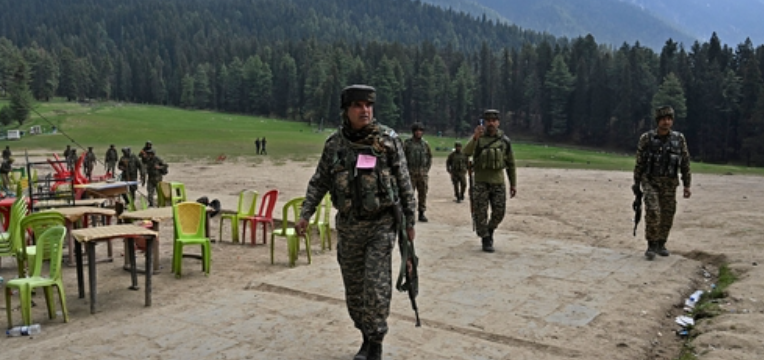
    Indian Army take action on pahelgam

    Sometimes, we think certain places are above pain. Like they’re just too beautiful to be touched by such ugly things. That’s how many of us see Kashmir especially Pahalgam. Last week, I was talking to a friend who had just come back from there. She told me about the green meadows, the cold Lidder river, the sound of horses trotting around Baisaran “It felt like another world,” she said. And honestly, I could almost picture it.

    But just a few days later, on 22nd April 2025, that same peaceful place saw something no one expected. A brutal terror attack. Gunmen opened fire at tourists in Baisaran meadow. At least 26 people died. Some reports say 28. Many others were hurt. Just like that, the joy turned into chaos.

    For people like me who’ve always looked at Kashmir as a place of peace and healing this news felt like a punch to the gut. Not just because of the lives lost. But because this kind of violence brings back fear. It’s like a dark cloud that refuses to go away.

    What Exactly Happened?

    It was a regular Tuesday. Around 1 PM. The meadow was full of tourists families, kids, even newlyweds. People were enjoying pony rides, taking selfies, eating local snacks. Suddenly, out of nowhere, some armed men appeared and started firing.

    There was panic. People ran in all directions. Some tried to hide behind rocks, others fell on the ground to avoid bullets. It was over in a few minutes. But the damage done was massive.

    Among those who died was a young Navy officer Lieutenant Vinay Narwal. He had just gotten married on 16th April. A tourist from Karnataka, Manjunath, was also killed right in front of his wife and son. It’s hard to even imagine that kind of pain.

    A group called The Resistance Front (TRF) linked to Lashkar-e-Taiba took responsibility later. Security agencies believe they wanted to target Hindu tourists just before the Amarnath Yatra season, which starts in July.

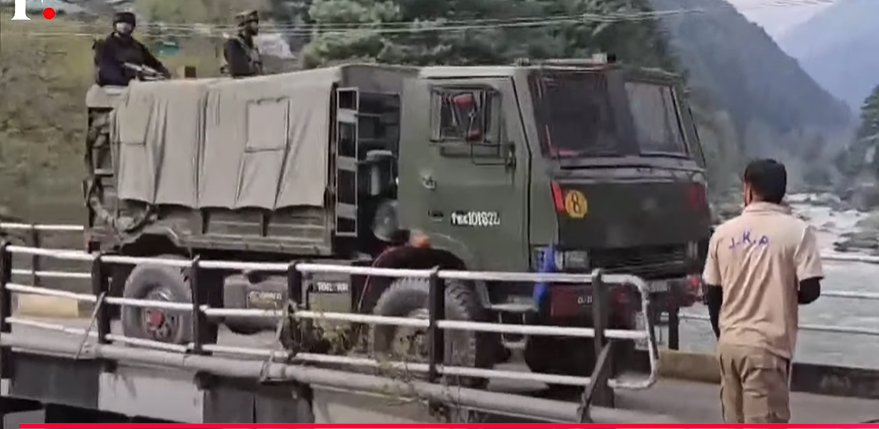
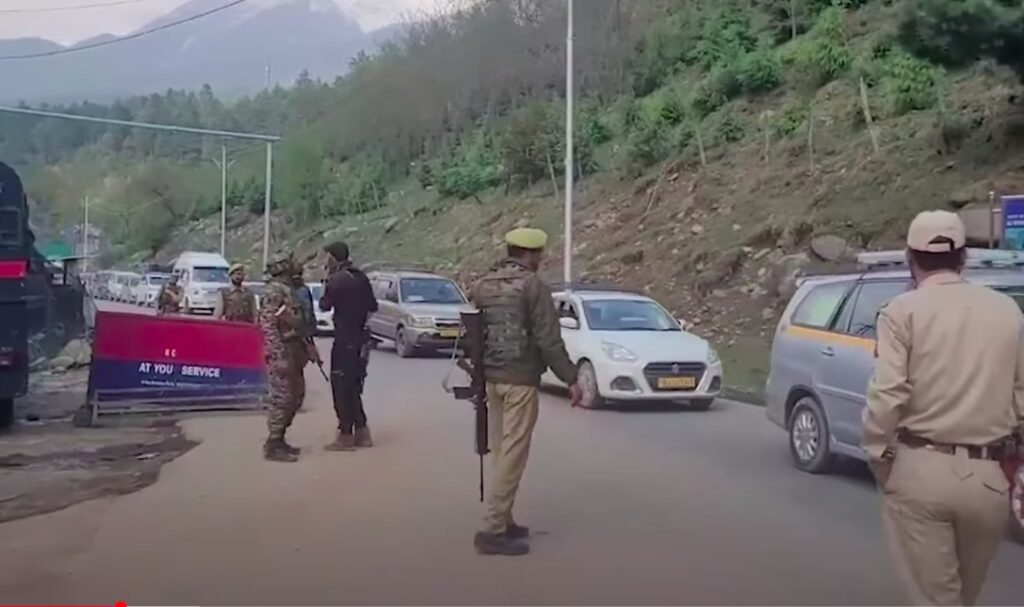
    Police protect Pahelgam
    A sudden terror attack in Pahalgam’s Baisaran meadow on April 22 shook Kashmir, claiming over 26 lives and leaving deep scars on locals and tourists alike.

    Immediate Reactions

    Right after the attack, local police and army teams rushed to the spot. Injured people were taken by helicopter and ponies to hospitals. Emergency numbers were shared for families trying to reach their loved ones.

    Leaders across parties spoke out. Prime Minister Modi called it a “heinous act” and asked for strong action. Home Minister Amit Shah flew to Srinagar for a high-level security check. Even global leaders like US President Trump and Israeli ministers stood with India. But, honestly, after every attack, we hear strong words. What really matters is what happens next.

    Lives That Were Shattered

    You know, it’s easy to say “26 people died.” But behind each number is a full story. A family. A future. A hope.

    Like I said, Lieutenant Narwal was newly married. Manjunath had come with his wife and child for a holiday. Another tourist, Prashant from Odisha, had been planning this trip for months. Survivors are still recovering in hospitals physically and mentally.

    The Karnataka government stepped in to bring back the bodies. But can anyone bring back the peace their families lost?

    Kashmir’s Tourism Takes a Hit

    Kashmir’s beauty attracts lakhs of tourists every year. It’s not just good for Instagram — it’s bread and butter for many locals. Pony owners, taxi drivers, hotel staff, shopkeepers — all depend on these visitors.

    After this attack, fear is back. People are cancelling trips. Amarnath Yatra, which brings thousands of pilgrims, might see tighter security now. But fewer tourists means fewer jobs. And that’s a big worry for people who are already struggling.

    I remember a Kashmiri friend of mine, Javed bhai, who runs a small guesthouse in Srinagar. After the Pulwama attack in 2019, he barely had any guests for months. Now again, he’s scared bookings will drop.

    Is Kashmir Really Safe?

    This is the big question. Every few months, something happens that shakes the peace. Since the 1989 insurgency, Kashmir has seen many such dark days. The 2019 Pulwama attack took 40 CRPF lives. Just last year, 9 Hindu pilgrims were killed in a bus attack in Reasi.

    After Article 370 was scrapped in 2019, the government said things would improve. And yes, some normalcy did return. But this attack shows that threats are still very much alive. Especially from groups operating across the border.

    Security experts are now asking how was such a busy tourist spot left so exposed? Shouldn’t there have been more checks? More patrols?

    So, What Happens Now?

    For now, the Army has launched a search operation. Drones, checkpoints, more boots on the ground. But security alone isn’t enough.

    We need to support the families of victims. Help local businesses bounce back. And more importantly, start honest conversations about why such hate still exists and how to heal this long wound.

    Former CM Mehbooba Mufti called for a protest bandh. Locals held a candle march in silence. These are not just political moves these are signs that people want peace, not revenge.

    If this resonated with you, here’s something similar you might like: Pahalgam terror attack: Narrow escape for three Kerala High Court judges

    Keep the learning going with this one: India’s Steel Tariff: Smart Protection or Risky Trade Gamble?