Blog

  • ग्रीन की तरफ बढ़ते कदम: क्यों ऑर्गेनिक खेती ही है कृषि का भविष्य

    ग्रीन की तरफ बढ़ते कदम: क्यों ऑर्गेनिक खेती ही है कृषि का भविष्य

    An Indian farmer standing proudly in a lush green organic farm at sunrise, with healthy crops, clear blue sky, and eco-friendly vibe.

    आज की खेती सिर्फ बीज बोने और फसल काटने का खेल नहीं रह गया है। अब बात इससे कहीं बड़ी हो चुकी है अब सवाल ये है कि हम ज़मीन को बिना खराब किए, पानी को बिना ज़हर बनाए और अपने शरीर को बिना नुकसान पहुंचाए, खाना कैसे उगाएं।

    अगर आप एक बार ठंडे दिमाग से सोचें, तो साफ़ दिखता है नदियां गंदी हो रही हैं, मिट्टी में जान खत्म हो रही है, और इन सबके बीच सिर्फ एक रास्ता बचता है ऑर्गेनिक खेती। इसमें अब कोई शक नहीं।

    तो चलिए, आराम से बात करते हैं इस बारे में।

    ऑर्गेनिक खेती आखिर है क्या?

    जब “ऑर्गेनिक” शब्द सुनते हैं, तो कई लोगों के दिमाग में फैंसी सुपरमार्केट की महंगी सब्ज़ियां और फल घूमने लगते हैं। लेकिन असलियत ये है कि ऑर्गेनिक खेती का मतलब है खेती वैसे करना जैसे हमारे दादा-दादी करते थे।

    ना कोई केमिकल खाद, ना जहरीले स्प्रे। सिर्फ गोबर की खाद, कम्पोस्ट, नीम की पत्तियों का पानी, फसल चक्र, और ऐसी चीज़ें जो मिट्टी को नुकसान पहुंचाए बिना उसे और भी ज़्यादा उपजाऊ बनाएं।

    ये खेती लालच से नहीं, धैर्य और प्यार से की जाती है।
    और जब हम धरती माँ का ख्याल रखते हैं, तो वो हमें दोगुना लौटाती है।

    क्यों किसान अब दोबारा लौट रहे हैं प्राकृतिक खेती की ओर?

    एक समय था जब केमिकल खेती ने खूब फायदा दिया अन्न भंडार भर गए, फसलें बंपर होने लगीं।
    लेकिन फिर साइड इफेक्ट्स दिखने लगे

    • ज़मीन थक गई, केमिकल्स से भरी पड़ी है
    • पानी ज़हरीला हो गया
    • सब्ज़ियों में अब वो स्वाद ही नहीं रहा
    • और सबसे बड़ा झटका किसान कर्ज में डूबते जा रहे हैं, हर साल महंगे बीज, खाद और दवाई खरीदने में

    अब लोग सोचने लगे हैं क्या ये सब वाकई सही था?

    इसलिए अब हवा बदल रही है। किसान ही नहीं, ग्राहक भी समझ रहे हैं ऑर्गेनिक ही टिकाऊ रास्ता है।

    क्यों जरूरी है ऑर्गेनिक खेती?

    1. सेहत सबसे पहले

    केमिकल से उगी हुई सब्ज़ियां दिखने में चाहे जितनी सुंदर हों, अंदर छुपा जहर किसे दिखाई देता है?
    ऑर्गेनिक खाने में केमिकल नहीं होते, इसलिए ये बच्चों और बुजुर्गों के लिए भी सुरक्षित है।

    असल पोषण वहीं मिलता है जहां खेती शुद्ध होती है। सिर्फ पेट नहीं, शरीर भी तंदरुस्त रहता है।

    2. मिट्टी ही असली धन है

    सोना-चांदी बाद में, असली दौलत तो मिट्टी है।
    केमिकल खेती मिट्टी को बंजर बनाती है।
    वहीं ऑर्गेनिक खेती हर साल उसकी ताकत बढ़ाती है केचुएं, जैविक सूक्ष्म जीव, सब ज़िंदा रहते हैं।

    ये बिल्कुल वैसे है जैसे FD में पैसा डालते हैं धीरे-धीरे बढ़ता है, लेकिन मजबूत होता है।

    3. जलवायु की रक्षा, खामोशी से

    जहां टीवी पर जलवायु परिवर्तन की बड़ी-बड़ी बहसें चलती हैं, वहीं एक ऑर्गेनिक किसान बिना शोर मचाए धरती का तापमान घटा रहा होता है।

    ऑर्गेनिक मिट्टी हवा से कार्बन खींचती है और अपने अंदर रखती है।
    मतलब कम प्रदूषण, साफ हवा और ज़्यादा हरियाली।

    4. पानी को ज़िंदा रखना

    हर बार जब खेत में केमिकल स्प्रे होता है, बारिश के साथ वो ज़हर नदियों और झीलों में पहुंच जाता है।
    यही कारण है कि जगह-जगह पानी पीने लायक नहीं रह गया।

    ऑर्गेनिक खेती का मतलब है साफ पानी, ज़िंदा तालाब, और शुद्ध भूजल।

    5. लंबे समय का फायदा, छोटे लालच से बेहतर

    ऑर्गेनिक खेती में शुरू के 2-3 साल थोड़े कठिन होते हैं।
    पैदावार कम लगती है, मेहनत ज़्यादा लगती है।
    लेकिन जैसे-जैसे ज़मीन सुधरती है, फसलें भी खुद-ब-खुद अच्छी होने लगती हैं।

    ऊपर से ऑर्गेनिक सामान शहरों में अच्छी कीमतों पर बिकता है।

    यानि अंत में फायदे में किसान ही रहते हैं सेहतमंद ज़मीन, अच्छा मुनाफा और चैन की नींद।

    हाँ, मुश्किलें भी हैं लेकिन हिम्मत वाले टिकते हैं

    ऑर्गेनिक खेती आसान नहीं।

    • घास जल्दी उगती है, हाथ से निकालनी पड़ती है
    • कीड़े ज़्यादा परेशान कर सकते हैं
    • सर्टिफिकेशन का झंझट
    • हर जगह सीधे ग्राहक नहीं मिलते

    लेकिन जो किसान ये शुरुआती मुश्किलें पार कर लेते हैं, उनके लिए आगे का रास्ता साफ और समृद्ध होता है।

    भारत के किसान नई क्रांति के नायक

    हमारे देश में ऑर्गेनिक खेती कोई नई चीज़ नहीं।
    ये तो हमारे खून में है।

    पुराने जमाने में हमारे किसान गाय के गोबर से, नीम से, प्राकृतिक चक्र से खेती करते थे।

    आज सिक्किम ने तो 100% ऑर्गेनिक होकर मिसाल कायम कर दी।
    महाराष्ट्र, पंजाब, केरल में हजारों युवा किसान फिर से प्राकृतिक खेती की ओर लौट रहे हैं।

    Startups, मोबाइल apps और सरकारी योजनाएं जैसे परंपरागत कृषि विकास योजना (PKVY) और National Programme for Organic Production इसमें मदद कर रहे हैं।

    भारत फिर से अपनी असली जड़ों की तरफ लौट रहा है धीरे-धीरे, लेकिन मजबूती से।

    ग्राहक भी अब जागरूक हो रहे हैं

    अब लोग सिर्फ दिखावे के लिए नहीं, सेहत के लिए खाना खरीदते हैं।
    उन्हें फर्क पता है कौन सा खाना ज़हरीला है, कौन सा शुद्ध।

    ऑर्गेनिक दूध, गेहूं, फल सब कुछ अब शहरों में उपलब्ध है।
    ऑनलाइन डिलीवरी ने तो इसे और भी आसान बना दिया है।

    अब ऑर्गेनिक खाना “लक्ज़री” नहीं, “लाइफस्टाइल” बन रहा है।

    भविष्य का रास्ता साफ है

    अगर हम आगे की तस्वीर देखें, तो साफ है
    आने वाले समय में खेती का वही तरीका बचेगा जो धरती को बचा सके।

    जो किसान आज से शुरुआत कर रहे हैं, वो कल के लीडर होंगे।
    जो ग्राहक अब से सेहतमंद खाना चुन रहे हैं, वो परिवारों को बचा रहे हैं।

    और भारत जो कभी प्राकृतिक खेती में सबसे आगे था वो फिर से दुनिया को रास्ता दिखा सकता है, बस हमें अपनी मिट्टी पर भरोसा रखना होगा।

    अंत में बस यही अब हरियाली ही रास्ता है

    सेहतमंद लोग, साफ पानी और ज़िंदा धरती चाहिए तो हमें ग्रीन की तरफ बढ़ना ही होगा।
    ऑर्गेनिक खेती अब “चॉइस” नहीं, ज़रूरत है।

    ये एक प्यार है बीज से, मिट्टी से, और आने वाली पीढ़ियों से।

    चाहे आप किसान हों, ग्राहक हों या बस एक सोच रखने वाले इंसान अब वक्त आ गया है साथ चलने का।

    चलो मिलकर भारत को फिर से हराभरा बनाएं सेहतमंद, मजबूत और आत्मनिर्भर।

    क्योंकि भविष्य सिर्फ उन्हीं का है, जो धरती का सम्मान करते हैं।

    संबंधित लेख:

  • Pahalgam Attack: Rising Anti-Muslim Hate – Why Unity Matters

    Pahalgam Attack: Rising Anti-Muslim Hate – Why Unity Matters

    how Indians can fight hate with unity and compassion

    The news of the Pahalgam attack on April 22, 2025, shook our entire nation to the core. In a place known for its scenic beauty, gunmen opened fire on innocent tourists, killing at least 26 people. Most of the victims were Hindu visitors, and according to eyewitnesses, the attackers even asked people their religion before shooting. Among the dead was a Kashmiri Muslim man, who lost his life trying to protect others.

    As we grieved for the victims, another crisis quietly started brewing: a dangerous surge of hatred and mistrust against innocent Muslims across the country. In this blog, I want to talk about how this massacre led to rising Islamophobia, how biased media fueled fears, and what we as Indians can do to keep our unity intact.

    I know this is a sensitive topic, but I’m writing it with hope — the hope that goodness still exists and unity can still win.

    The Horror at Pahalgam and What Followed

    On that heartbreaking Tuesday in April, Pahalgam — a place usually filled with laughter and tourists — turned into a scene of bloodshed. Police said militants opened fire at random, killing dozens. It was one of the worst civilian attacks Kashmir had seen in years.

    The details that emerged later were even more chilling: the gunmen reportedly asked victims about their religion before pulling the trigger. Out of the 26 who died, 25 were Hindu men, and the 26th was a young Kashmiri Muslim ponywallah who tried to stop the attackers.

    I still remember sitting stunned, thinking, “What kind of monsters would do this?” My heart broke for the families. But even before we could process this tragedy, a new danger started spreading — this time, not from guns, but from words, hatred, and suspicion.

    Across cities and towns, social media exploded with anger. Some posts blamed all Kashmiri Muslims for the attack. I saw calls for revenge, boycotts, even violence. In some areas, Kashmiri students were evicted by landlords. Shops refused to serve customers who “looked Kashmiri.” In Dehradun, one Hindutva group even warned Kashmiri Muslims to “leave by 10 a.m. or face consequences.”

    It was frightening to watch fear and hate grow so fast. A terror attack by a few extremists suddenly made millions of innocent Indians feel unsafe in their own country.

    Rising Islamophobia: Real Stories From Across India

    The Pahalgam attack didn’t happen in isolation. Over the past year, India’s Muslims have been facing increasing discrimination and hate. Most Muslims are ordinary people — vendors, teachers, doctors, drivers — just trying to live peacefully. Yet, time and again, a small group’s violence is unfairly used to paint all of them with the same brush.

    Here are some grim realities we’ve seen:

    • Mob Violence and Lynchings: In June last year, a Muslim cook in Aligarh was beaten to death by a mob simply because someone suspected him of carrying beef. Around the same time in Chhattisgarh, two Muslim men were lynched over similar suspicions. These incidents show how dangerous rumors can be.
    • Economic Boycotts: After the Pahalgam attack, calls to boycott Muslim businesses spread like wildfire on social media. In Punjab and Uttarakhand, Kashmiri tenants were asked to vacate their homes. Some shopkeepers openly refused to sell to people “looking Muslim,” further isolating entire communities.
    • Harassment of Students: Young Kashmiri students reported facing harassment in places like Delhi and Pune. Some were bullied, others threatened. Many are now scared to even step out or order food online. One boy told a reporter he felt “cursed” just because of his ethnicity.
    • Online Hate and Fake News: Perhaps the most dangerous trend is the flood of fake news and hate messages online. Wild claims like “all Kashmiris are terrorists” went viral. Old videos of violence from other countries were passed off as recent footage from Pahalgam. Lies were weaponized to spread panic.

    Hearing these stories is heartbreaking. Where I live, Hindus and Muslims have lived side by side for decades. And yet, even here, I heard comments like, “Why do they always do this?” It hurts because innocent Muslims had no role in this terror attack. But when fear takes over, logic often flies out of the window.

    The Media’s Role in Fanning the Flames

    Media can guide public opinion — for better or worse. After Pahalgam, I noticed how selective reporting and sensational headlines made things worse.

    Many headlines screamed about “terrorists” but rarely mentioned the victims’ backgrounds properly. How many TV channels highlighted that a Muslim man died trying to save Hindu tourists? Hardly any. Instead, the larger narrative became: “Kashmiri Muslims are dangerous.”

    On prime-time debates, some anchors irresponsibly asked if Kashmiri migrants were secretly helping terrorists, without a shred of proof. Meanwhile, fake news articles floated around, with shocking but false claims designed to stir hatred.

    Even mainstream papers sometimes focused more on sensationalism than facts. A Times of India piece speculated about victims’ clothes being torn, which only added more horror without adding clarity.

    In the race for views and ratings, many media houses forgot their responsibility: to report truthfully without fueling hate. Worse, many media consumers don’t cross-check what they hear.

    The government should take action on journalists to avoid such a hate speech and guide public opinion on good direction

    Are we doing ?

    This is something that personally worries me. Are ordinary Hindus speaking up enough when they see injustice?

    There have been small but meaningful efforts. In Karnataka, local Muslim communities held peaceful protests condemning the attack. They said loud and clear: “Our religion forbids violence. We mourn for the victims too.”

    Some Hindus I know privately express sympathy toward Muslim friends. A few civil groups, students, and even celebrities have condemned lynchings and hate speech. But public voices are still too few. Most often, hateful slogans on social media drown out the sane ones.

    I feel more Hindus need to stand up visibly — write articles, share positive messages, and show solidarity. Silence can sometimes be mistaken for agreement. In my own way, I try: whenever an uncle or neighbor makes a sweeping statement against Muslims, I gently correct them.

    Hatred survives when good people stay silent. If more of us speak up, even small acts can slowly push hate back into the shadows.

    What Can We Do? Some Steps Towards Unity

    We are a country of incredible diversity. We cannot let a few extremists break what centuries have built. Here’s what I believe we can all do:

    • Local Community Initiatives: Organize neighborhood meetings, joint prayers, sports matches between communities — anything that brings people together and builds trust.
    • Better Education: Schools must teach real stories of Hindu-Muslim unity, especially from our freedom struggle. Media literacy programs should be encouraged to teach young people how to spot fake news.
    • Media Accountability: Journalists and TV channels must be called out when they spread fear instead of facts. Press councils and citizen watchdogs should pressure media to report responsibly.
    • Individual Acts of Kindness: Talk to your neighbors. Invite someone from another faith for chai. Post positive stories on your social media instead of hate forwards. Change starts with small, everyday actions.
    Final Thoughts

    Terrorists tried to divide us at Pahalgam. We must not let them succeed.

    Hatred cannot be the answer to violence. Unity, compassion, and courage must be. And every Indian — Hindu, Muslim, Sikh, Christian — must believe that an attack on one of us is an attack on all of us.

    The fight isn’t just against terrorists with guns. It’s also against the seeds of hatred being quietly planted among us. Let’s refuse to water them. Let’s choose hope over fear, and unity over division.

    Read the full artical of how Indian Government respond after pahalgam atttack: The Pahalgam Terror Attack and India’s Strong Response

    Also read Kashmiris under attack across India after Pahalgam killings

  • Growing Green: Why Organic Farming is the Future of Agriculture

    Growing Green: Why Organic Farming is the Future of Agriculture

    An Indian farmer standing proudly in a lush green organic farm at sunrise, with healthy crops, clear blue sky, and eco-friendly vibe.

    You know, nowadays farming is not just about sowing seeds and waiting for harvest. It’s much bigger than that it’s about growing food without spoiling the land, without making water dirty, and without harming ourselves.
    When you really sit and think about it, seeing how our rivers are getting polluted and how the soil is losing its life, there’s only one answer staring at us: organic farming is the future. No two ways about it.

    Let’s talk about this properly, no hurry.

    So, What Exactly is Organic Farming?

    First thing, let’s clear this confusion When most people hear “organic,” they imagine some fancy fruits and vegetables with high prices in supermarkets. But truly speaking, organic farming just means growing crops naturally, like how our grandparents did it.

    No chemical fertilizers, no poisonous sprays. Only using cow dung manure, natural compost, neem leaf sprays, crop rotation and all those things that keep the soil healthy without killing it.

    It’s like farming with love and patience, not with greed for quick results.

    And believe me, when we treat the soil properly, it gives back even more. Mother Earth always returns the favour.

    Why Farmers Are Slowly Moving Back to Organic Farming

    To be honest, chemical farming did wonders at one time. Gave bumper crops, filled godowns. But slowly, side effects started showing.

    Now the soil is tired, full of chemicals.
    Water is polluted.
    Vegetables don’t even taste real anymore.
    And worst of all, farmers are trapped in debts, buying expensive seeds, fertilizers, and pesticides every season.

    That’s why people are thinking “Was it really worth it?”

    Now, the wind is changing. Farmers and smart consumers both are realising organic farming is the only way to survive and thrive.

    Here’s why:

    1. Our Health Comes First, Always

    You see, chemical farming may give good looking crops, but what about the poison hiding inside?
    Organic food is clean. No hidden chemicals, no slow poisoning.
    Especially when it comes to feeding children and old parents, it’s not even a question. Health has to come first.

    Organic fruits and vegetables are packed with real nutrients, not just empty calories.

    2. Soil is Our True Wealth

    People think gold is precious.
    But you ask a real farmer soil is the real treasure.
    Chemical farming kills the soil.
    Organic farming, on the other hand, makes it richer every year. More microbes, more earthworms, more natural fertility.

    It’s like slowly saving money in a fixed deposit. Soil becomes stronger and pays you back lifelong.

    3. Helping the Climate, Silently

    Big talks happen about climate change on TV. But small steps like organic farming are what truly make the difference.

    Organic farms absorb carbon dioxide from the air and trap it in the soil.
    Less pollution, less harm to the planet.

    Without shouting slogans, organic farmers are becoming silent climate warriors.

    4. Keeping Water Clean

    You know, every time chemicals are sprayed on crops, rains come and wash them into rivers and lakes.
    That’s why you hear news about water getting poisonous.

    Organic farming means no chemical runoff.
    Our rivers, ponds, even underground water stay pure and drinkable.

    Simple farming choices can save entire ecosystems.

    5. Long-Term Profit is Better than Short-Term Greed

    Honestly, first few years of organic farming can be tough. Yields are low, expenses feel high.
    But after 3-4 years, when the land heals, yields improve naturally and the costs come down.
    Plus, organic products sell at better prices, especially in cities.

    So in the long run, organic farmers make more money and have healthier farms.

    Challenges in Organic Farming (But Worth Fighting For)

    Let’s not hide it Organic farming is not a bed of roses, at least in the beginning.

    • Weeds grow faster, need manual removal.
    • Pests sometimes attack more.
    • Certification is a headache.
    • Finding direct buyers is not easy everywhere.

    But the thing is, when you cross the hard first few years, the rewards are lifelong.
    You get better soil, better crops, better prices, and most importantly peace of mind.

    Nothing can replace that.

    How Indian Farmers Are Leading the New Green Revolution

    In India, we don’t have to learn organic farming from abroad.
    It’s in our roots.

    In olden days, farmers didn’t have chemicals.
    They used cow dung, neem, and natural cycles to farm. They respected the land.

    Now, farmers in Sikkim showed the way becoming 100% organic.
    In Maharashtra, Kerala, Punjab, thousands of young farmers are moving back to natural farming.
    Even startups and online apps are helping them sell directly to customers.

    Schemes like Paramparagat Krishi Vikas Yojana and National Programme for Organic Production are giving training and support too.

    Slowly but surely, India is waking up again, going back to its true farming spirit.

    Why More People Are Loving Organic Food

    Customers are not fools anymore.
    They read, they research, they know.

    People now prefer chemical-free, fresh, safe food.
    They are okay paying a little extra if it means saving their family’s health.

    Big cities are full of organic shops now organic milk, organic wheat, organic fruits you name it.
    And online orders are booming too.

    In short, organic food is becoming a lifestyle now, not just a luxury.

    What Future Looks Like

    Looking at today’s situation, one thing is clear farming will not stay “optional” for long.
    It will become the only way to farm if we want to survive.

    Farmers who start now will have a stronghold in future markets.
    Consumers will keep demanding safer food.
    Governments will push harder for clean farming.

    And India, with its natural farming traditions, can lead the world again if we just stick to our roots.

    Conclusion: Growing Green is the Only Way Ahead

    In the end, it’s simple.
    If we want healthy families, healthy water, and a healthy earth, we have no other choice but to grow green.

    Organic farming is not a fashion it’s survival.

    It’s about love for the soil, love for the seed, love for the next generation.

    Whether we are farmers, consumers, or even just dreamers
    it’s time we join hands, and make India greener, healthier, and truly self-reliant.

    The future belongs to those who respect the Earth.

    Related articles :
    The Future Of Organic Farming In India: A Sustainable Revolution
    Organic Farming: Growing the Desi Way, Naturally


  • BSF Jawan Detention by Pakistan Rangers

    BSF Jawan Detention by Pakistan Rangers

    BSF JAWAN P.K. Singh

    Introduction

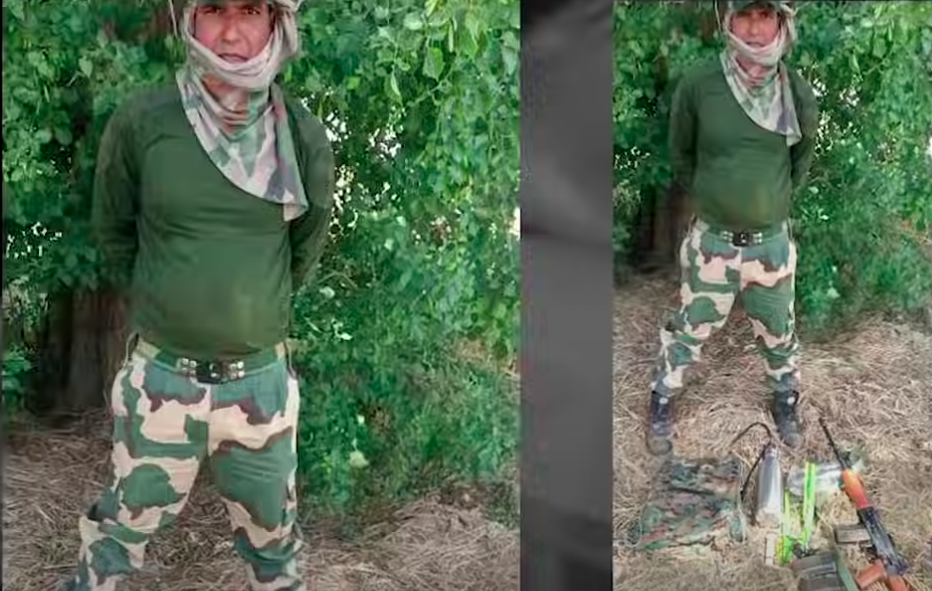
    On April 23, 2025, a BSF jawan named P.K. Singh got himself into a real mess in Ferozepur, Punjab, just by taking a wrong step across the India-Pakistan border. Pakistan Rangers nabbed him, and now it’s a whole situation. This comes right after the Pahalgam terror attack that shook everyone up, so the timing couldn’t be worse. I’m going to lay out what happened, why it’s got people talking, and what it says about our borders and the tricky business of dealing with Pakistan. From the efforts to get Singh back to the everyday struggles of jawans, this is my take, straight from the gut, on what’s going on.

    The Ferozepur Mix-Up

    Let’s get into it. P.K. Singh was with the BSF’s 182nd battalion, stationed in Ferozepur, where the border with Pakistan is always tense. His job was to keep things secure while farmers worked their fields close to the barbed wire. If you’ve ever seen those border villages, the fields go right up to the fence, and it’s not always obvious where India stops and Pakistan starts. That day, it was blazing hot—Punjab summer heat, you know how it is. Singh was with some farmers, probably keeping an eye out for trouble. He wandered off a bit to find shade under a tree. Sounds harmless, right? Except that tree was on Pakistan’s side. Before he could blink, the Rangers had him. He was in his uniform, rifle slung over his shoulder, so it’s not like he was up to anything sneaky. Just a plain, old mistake.

    This kind of thing isn’t new. Back in 2022, another jawan in Abohar got picked up because fog hid the border. They talked it out, sent him back the same day. The border’s messy like that—fields, little ditches, and sometimes just a flimsy fence you can miss if you’re not watching every step.

    Why This Is Such a Big Issue

    So, why’s everyone making a fuss over one guy’s mistake? It’s all about when it happened. Just a day earlier, on April 22, 2025, a terrible attack in Pahalgam, Jammu and Kashmir, killed 26 people, mostly tourists. It hit India like a punch to the stomach. The government didn’t hold back—cut off talks with Pakistan, sent their officials home, paused the Indus Water Treaty, and shut the Attari border post. Pakistan fired back, blocking Indian flights and telling their citizens on SAARC visas to leave India within three days. So, when Singh wandered over, it was like tossing a stone into a stormy pond.

    As of April 24, 2025, late at night around 11:22 PM, the BSF’s still trying to sort it out. They’ve got a flag meeting going, where both sides sit at the border and hash things out. It’s how they usually fix these slip-ups, but there’s no word yet on whether Singh’s back. With everything so heated, it’s not a quick patch-up job. Both sides are on guard, and nobody wants to look soft.

    What It’s Like Guarding the Border

    Being a BSF jawan is tough, no two ways about it. The India-Pakistan border is huge, over 3,300 kilometers, stretching from Rajasthan’s deserts to Kashmir’s snowy peaks. In Punjab, it’s mostly flat fields, but that doesn’t make it a breeze. The BSF’s got about 270,000 people working round the clock, handling smugglers, infiltrators, and sometimes just villagers who stray too close to the fence. I went to a relative’s village near Tarn Taran a few years ago, and the border was so close you could spot Pakistani posts from the fields. The jawans were always there, chatting with farmers but never relaxing. One of them said it’s like walking on eggshells—one wrong move, and things can go bad fast.

    Singh’s mistake shows these jawans are just regular folks. They’re not machines. They get sweaty, tired, and sometimes they mess up. It’s a rough job, and this whole thing makes you see how much they’re dealing with out there.

    Where We’re At and What’s Coming

    Right now, it’s all about getting Singh back home. The flag meeting’s a good sign—it’s how these things usually get settled. But with the Pahalgam attack still fresh, both sides are digging in their heels. That Abohar jawan in 2022 was back in hours, so I’m hoping Singh’s case goes the same way. But it might take a bit, given the mood. Nobody wants this to drag, but the tension’s not helping.

    This could nudge the BSF to rethink a few things. Maybe they’ll start using better tools, like GPS gadgets or clearer signs, so jawans know exactly where the line is. Or they might drill it into everyone to be extra careful near the fence. It’s not about blaming Singh—it’s about stopping this from happening again. For India and Pakistan, it’s a chance to show they can handle a small hiccup without turning it into a full-blown fight.

    The Larger Picture: Borders and Sorting Things Out

    This isn’t just about one jawan. It’s about how India and Pakistan handle things when they’re already mad at each other. Borders are messy—people live, farm, and work right there. Slip-ups happen. The fact that the BSF and Rangers are talking at a flag meeting shows there’s still some level-headedness around. Sorting things out, even when you’re upset, is what keeps these small mistakes from turning into big problems.

    It also makes you think about the border itself. Could we mark it better? Maybe more signs, some lights after dark, or even something high-tech to warn jawans if they’re too close to the line. I’m no big shot, but it seems like there’s got to be a way to make things safer for our jawans. It’s not about pointing blame—it’s about helping the folks who keep our country safe.

    My Take on It

    This whole thing really gets under my skin. I feel for Singh—he was just doing his duty, maybe thinking about his family or what’s for dinner. One wrong step, and now he’s stuck in this storm. It’s a reminder that our jawans are out there, slogging away in tough spots, so we can live without worry. I hope he’s back soon, maybe even cracking a joke about it with his buddies later. To me, this says we need to back our forces with better gear and training to avoid these mix-ups. And for India and Pakistan, it’s a chance to show they can fix a small problem without making it a huge deal. Here’s hoping Singh’s safe and this all ends well.

    Related Articles :
    BSF Jawan detained by Pakistan Rangers across LoC amid Pahalgam attack tensions
    The Pahalgam Terror Attack and India’s Strong Response

  • How to Choose the Best Smartphone for Your Needs

    How to Choose the Best Smartphone for Your Needs

    Mobile in human hand

    How to Choose the Best Smartphone for Your Needs Simple Guide for All

    You know, these days buying a smartphone is no less than choosing a life partner. Sounds funny, but it’s true. Let me tell you why.

    Last week, my uncle came all the way from Sitamarhi to Patna. A retired school teacher, calm and simple man. He had just one request: “Get me a phone that runs WhatsApp and takes clear photos.” Now this sounds easy, right? But when we went to check online, hundreds of phones popped up—brands I’ve never even heard of, some showing five cameras, some shouting 5G, AI, AMOLED and whatnot.

    I realised, even we who use phones daily feel lost. So how would someone from a small town or someone who doesn’t follow tech all day pick the right one?

    So today, let’s break it down in simple, everyday English. No tech jargon. No confusion. Just straight talk. How to choose the best smartphone that fits you—not the market trend.

    Start With the Basics: What Do You Really Need It For?

    First question, always ask this: “Why do I need a phone right now?”

    Let’s say you’re buying vegetables if you need potatoes, why pay for mushrooms?

    Same way, don’t buy a gaming phone just to use WhatsApp.

    Here’s a quick way to think:

    • Students? You’ll need good battery, decent camera (for notes or classes), and smooth usage.
    • Office people? You need something fast, can handle Zoom, multiple apps, long battery.
    • Parents or seniors? Large text, simple interface, loud speaker.
    • Gamers? Look for strong processor, smooth display, cooling.
    • Photo or video lovers? Camera is your king. Also need space for storing all that.

    So figure out your category, and then shortlist phones meant for that—not just the flashy ones you see in ads.

    Budget First, Not After Decide Before You Start Browsing

    We all know this. Budget decides everything. And in India, most people stick between ₹10,000 to ₹25,000. Honestly, you can get very decent phones in this range now.

    Phones mostly come in 3 types:

    • Budget: ₹7,000 to ₹15,000
    • Mid-range: ₹15,000 to ₹30,000
    • Flagship: ₹30,000 and above

    Now you don’t need to spend ₹40,000 just to watch YouTube and click birthday photos.

    Latest Picks in Budget & Mid-range (April 2025)

    • Redmi Note 13 Pro+: Amazing camera, good all-rounder.
    • iQOO Z9 5G: Super fast, ideal for multitasking and gaming.
    • Samsung M14: Trustworthy brand, battery champ, simple interface.
    • Realme Narzo 70x: Bright display, perfect for college students.

    These are not promotions just what’s doing well right now. And prices change, so check reviews and offers.

    Don’t Get Fooled by Fancy Specs Understand What Matters

    Must-Have Specs (Not Too Much, Not Too Less)

    • Processor: Think of it as the brain. Snapdragon 6 or Dimensity 7/8 series is good enough.
    • RAM: 6GB is the base today. 8GB is smoother.
    • Battery: Minimum 5000mAh. Less than that will frustrate you daily.
    • Display: AMOLED is better than normal LCD. Brighter, colourful.
    • Camera: Don’t run behind megapixels. 200MP means nothing if photo comes blurred in low light.

    Ignore These Gimmicks:

    • “AI camera” Just a label.
    • “Gaming mode” Marketing stuff, unless you’re a hardcore gamer.
    • “5G” Unless your area has it, no need to chase it blindly.

    What Else Should You Check Before Buying?

    UI and Bloatware – Some Brands Feel Heavy

    Some phones come with ads inside the phone! Brands like Samsung, Motorola give cleaner UI. Xiaomi and Realme often have extra apps you may never use.

    Also ask: Will it get future updates? No point buying something that’ll become outdated next year.

    After-Sales Service – Very Important for Small Town Users

    I’ve seen this often. People buy iPhones from city, then travel 80km for service. Not practical.

    Check if the brand has a service center near you. Otherwise even a ₹5,000 repair becomes a nightmare.

    Build Quality Not Just Looks

    Slim phones look nice but break easily. If your phone is always in pocket or gets dropped often, better go for plastic or rubber edge ones. Rough use needs a rough-tough phone.

    Online vs Offline Which One is Better for You?

    Buying Online?

    • You get cheaper rates.
    • Can compare lots of models.
    • Offers during festive time are great.

    Buying Offline?

    • You get to touch and check.
    • Return or exchange is easier.
    • Elderly people feel more confident when they see before buying.

    So if you live in a city, online works fine. For rural or small town folks, offline is still king.

    Last Advice Don’t Fall for Hype, Go for Peace

    Honestly, I’m still using a Redmi Note 10 Pro. It doesn’t have 5G or AI camera, but it runs smooth, battery lasts all day, and takes clear pictures. Why upgrade just for show?

    In the end, phone is not your status—it’s your helper. So pick what helps you, not what impresses others.

    Takeaway Buy a Phone Like You’d Choose a Tractor: Practical, Not Fancy

    Don’t let YouTube or flashy ads confuse you. A ₹14,000 phone today can do 90% of what a ₹40,000 phone does. Be smart, set your budget, know your use, and pick the phone that serves you well, not drains your wallet.

    Related Articles :
    Enjoyed this read? Continue the journey with:
    iPhone vs Android: Which One Feels Right for You?
    Things to consider when buying a new smartphone

  • The Pahalgam Terror Attack and India’s Strong Response

    The Pahalgam Terror Attack and India’s Strong Response

    Explore the details of the Pahalgam terror attack and understand the strong measures taken by the Indian government in response. Learn about the implications for India-Pakistan relations and national security.

    When Pahalgam Cried: A Scenic Place Turned Into a Horror Scene

    You know how people talk about Kashmir like it’s heaven on Earth? Pahalgam is one of those places. Clean air, green hills, ponies walking around, tourists in colorful Kashmiri clothes getting their pictures clicked — it’s like something straight out of a postcard.

    But on April 22, 2025, that picture-perfect scene turned bloody. What was supposed to be a peaceful holiday spot suddenly became a place of terror.

    What Actually Happened

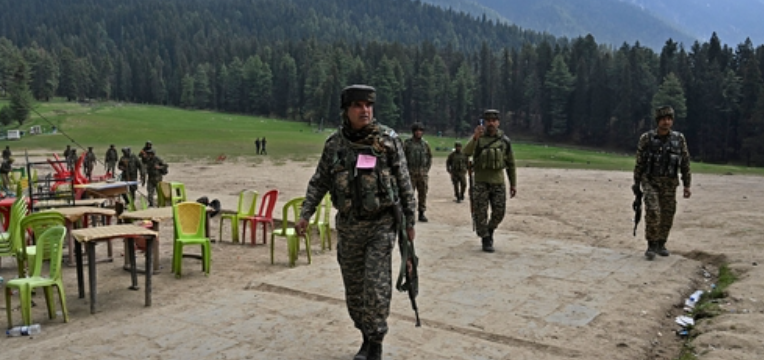
    That afternoon, a few armed men from a group called The Resistance Front suddenly showed up near Baisaran meadow. This place is a bit off the main road, so vehicles don’t go there. That’s why it was easy for the attackers to hide and do what they planned.

    They opened fire, just like that. No warning, nothing. 26 people died on the spot tourists, locals, even an Indian Navy officer and one from the Intelligence Bureau. A few people said the terrorists were asking names before shooting like they already knew who they wanted to target. Horrifying.

    This wasn’t some random act. It was planned. That meadow is not easy to reach, and that’s exactly why they chose it so help would come late.

    It’s the biggest civilian loss in Kashmir since the Pulwama attack back in 2019. And that’s saying something.

    How People Reacted

    Across India, people were just… shocked. In Srinagar, protests started immediately. Leaders like Mehbooba Mufti spoke up. On social media, there was an outpouring of sadness and anger. Even international leaders, like France’s Emmanuel Macron, posted about it.

    Amit Shah went straight to the site. The Indian Air Force and Navy both gave tributes to their fallen officers. Meanwhile, security teams sealed the whole area. Sketches of the attackers were also shared.

    But the real storm was yet to come.

    India’s Quick and Strong Reply

    Modi ji didn’t waste time. He cancelled his official dinner in Saudi Arabia and came back home. The moment he landed, he met with National Security Advisor Ajit Doval and the External Affairs Minister. By the next morning, there was a big meeting with the Cabinet Security Committee.

    What came out of it? Let’s just say it wasn’t soft words.

    India took five strong steps that hit hard not just diplomatically, but also in terms of pressure.

    • Indus Water Treaty paused – This is the agreement between India and Pakistan on how they share river water. Stopping this is a big move, because Pakistan needs that water badly.
    • SAARC Visa Exemption Scheme cancelled – Basically, Pakistani nationals could come to India more easily before. Now, they were given 48 hours to leave.
    • All Pakistani visas cancelled – Full stop. No more entry, no more visits.
    • Indian Defence staff pulled back from Pakistan – Diplomatic relations got colder than ever.
    • Attari Border closed – It’s a major trading point, now completely shut.

    These decisions sent a clear message: no more tolerance.

    Why These Steps Matter

    People are tired. Tired of being scared, tired of seeing blood on the news. So when the government acted this fast and this strongly, a lot of folks felt a sense of relief. Not because it fixes everything, but at least something was done.

    Closing the Attari border, cutting off visas — these things directly hit Pakistan’s economy and image. The water treaty move was the boldest. Everyone knows how touchy water issues are between countries.

    But at the same time, this kind of action also brings risk. If Pakistan responds aggressively, tensions can grow. That’s the tightrope India’s walking.

    What Now?

    For locals in Kashmir, this is scary. They depend on tourism. Now, people will think twice before visiting. Some hotel owners are already saying bookings are being cancelled.

    At the same time, for the rest of India, it’s about safety. People want to feel protected. They want to know that if something terrible happens, the country will respond not just with words, but with power.

    My Honest Take

    I’m not a security expert or anything. Just a regular person who reads the news and cares about people. And honestly, this attack felt personal. These weren’t soldiers or politicians. They were just normal people out enjoying their day.

    India’s reply shows strength. That’s important. But real peace? That takes a lot more than just shutting borders or cancelling treaties. We’ve got to fix what’s broken at the root the reasons why such groups exist in the first place.

    Until then, Kashmir will keep paying the price. And that’s not fair not to locals, not to tourists, not to the soul of our country.

    Related Articles
    If this resonated with you, here’s something similar you might like: A Navy officer, schoolteacher wife on their honeymoon
    Curious to dive deeper? Don’t miss this related post: Kashmir’s Pahalgam Terror Attack: Tragedy in Paradise