Blog

  • Tiny Pacemaker, Big Impact: Saving Newborns with Heart Defects

    Tiny Pacemaker, Big Impact: Saving Newborns with Heart Defects

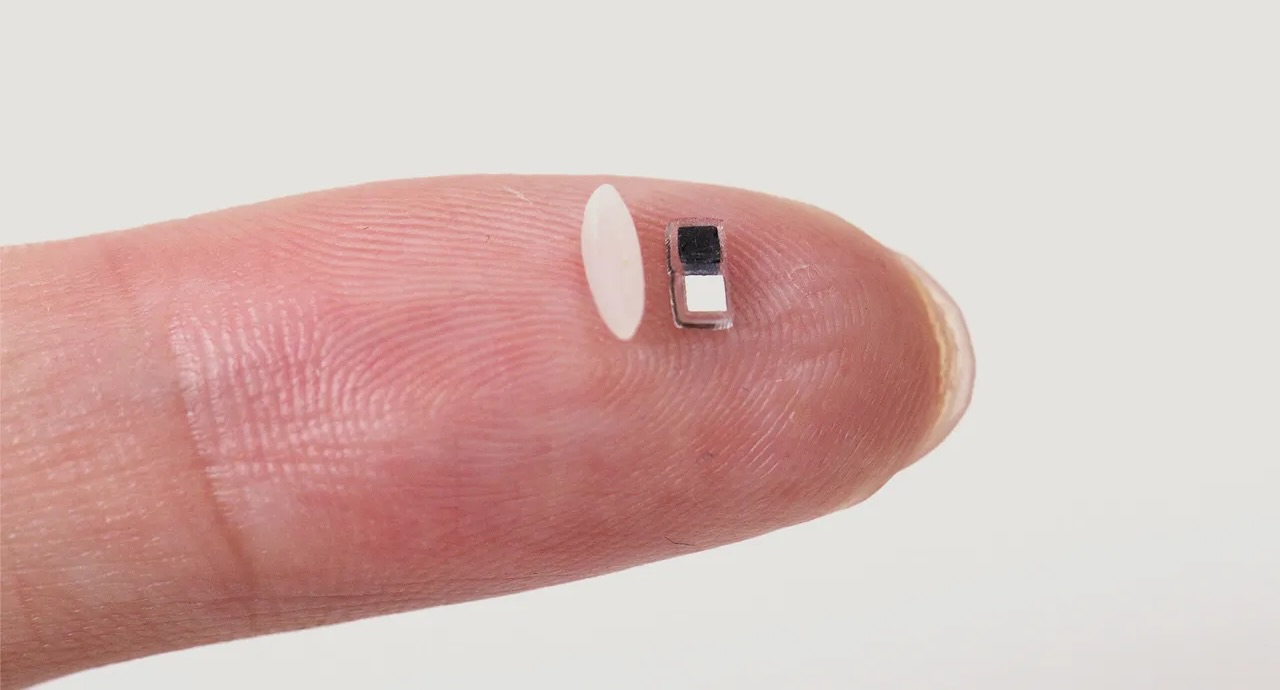
    Pacemaker smaller than a grain of rice, made for newborn babies with heart defects

    in our country, especially in small towns and villages, babies born with heart problems often don’t make it. It’s painful to say, but it’s true. Many of them come into the world too early or too weak, and their tiny hearts can’t keep up. Some need surgeries, others just need help with their heartbeat. But what do we do when even the tools we have are too big for such small lives, Well, recently, something very new and very tiny came into the picture a heart pacemaker that’s smaller than a grain of rice. And believe it or not, this tiny thing might save a lot of lives, especially in places like ours.

    So What’s This Pacemaker All About?

    We all know about pacemakers, right? Those little machines that help the heart beat properly. Normally, they’re used for old people or heart patients. But here, we’re talking about newborn babies tiny, delicate, barely a few days old. For them, even the smallest regular pacemaker is too big and risky.

    Now, scientists have made this new kind of pacemaker one that’s super small and can be injected into the body. No wires, no surgery, no stitches. You just push it in with a syringe, and it starts working. Sounds unbelievable, but it’s real.

    And the best part? After a few days, it melts inside the body. No need to remove it. That means one less operation for the baby. One less tension for the parents.

    Why It’s a Big Deal for Our Side of the World

    Let’s talk honestly. In big cities, there are fancy hospitals, machines, and specialists. But in small towns, we don’t have all that. Many government hospitals can’t even manage regular heart surgeries, let alone high-tech tools.

    That’s why this tiny device could be such a blessing. If doctors can use it even in basic hospitals, then even babies in rural areas will get a chance to survive.

    Think about it — if something like this can be done with just a syringe, how many lives can be saved?

    How Does the Pacemaker Actually Work?

    Okay, without getting too technical, this thing doesn’t have batteries or wires. It works using the body’s natural fluids. There are small metal bits inside it that create tiny electrical pulses when they touch those fluids. That’s enough to keep the heart beating properly for a few days.

    To control it, doctors stick a soft patch outside the baby’s chest. Like a small sticker. That patch sends signals (using light!) to tell the pacemaker what to do. No pain. No wires poking inside.

    After about a week, when the baby’s heart gets stronger, the device dissolves inside. The body just absorbs it. Simple as that.

    Made for Newborns – Not Adults, Not Older Kids

    This isn’t a ‘mini version’ of a regular pacemaker. It was made only for babies, especially those who just had heart surgery. In such cases, doctors only need to support the heart for a few days not forever.

    Till now, they used regular pacemakers, which had to be removed later. That meant another surgery, more pain, more time in the hospital. This new one avoids all that.

    Where It Was Made – And Why It Gives Us Hope

    A team of engineers in the US, at Northwestern University, made this device. They knew that babies in many parts of the world, like India, don’t survive because we simply don’t have the right tools. So they built this with exactly that in mind.

    It’s not flashy. Not expensive. Just smart. Something that can quietly do its job and disappear without a trace. Kind of like a guardian angel inside the baby’s body.

    This Could Be a Lifesaver in India

    Let’s look at the numbers. India has over 2.5 crore births every year. Out of those, lakhs of babies are born with heart defects. In villages, many of these babies don’t get the treatment they need. Some families can’t travel. Others don’t even know their child has a heart problem until it’s too late.

    This device could change that. If government hospitals get it, if NGOs help spread it, we could see survival rates go up — not just in cities, but also in small districts and towns.

    Real-Life Hope – Not Just Science Talk

    There was a case in the US — a baby named Mikey. He was too small for a regular pacemaker. Doctors didn’t know what to do. Cases like his are what inspired this invention. In India, we’ll have many more such cases.

    Once this device starts being used here, we’ll see real stories of survival. Babies who got a second chance. Parents who didn’t have to bury their child just because treatment wasn’t possible.

    Simple, Smart, and So Needed

    Honestly, I feel proud that humans can invent such things. But I also feel sad that it took so long. We’ve lost too many babies already. This device won’t fix everything but it’s a big step in the right direction.

    Sometimes, the best solutions are not the biggest machines, but the tiniest ones that quietly do their work.

    Final Thoughts

    If you’re a doctor, nurse, health worker, or just someone who cares, keep an eye on this. Share it. Talk about it. Push for it to come to India soon.

    And if you’re a parent-to-be, just know science is trying its best. One small invention at a time.

    🔗 Useful Links

  • ट्रम्प टैरिफ़ और ग्लोबल ट्रेड वॉर: भारतीय बाजारों पर असर

    ट्रम्प टैरिफ़ और ग्लोबल ट्रेड वॉर: भारतीय बाजारों पर असर

    Trump's Tariffs Will Increase Prices and Empty Shelves Within Weeks - Business Insider

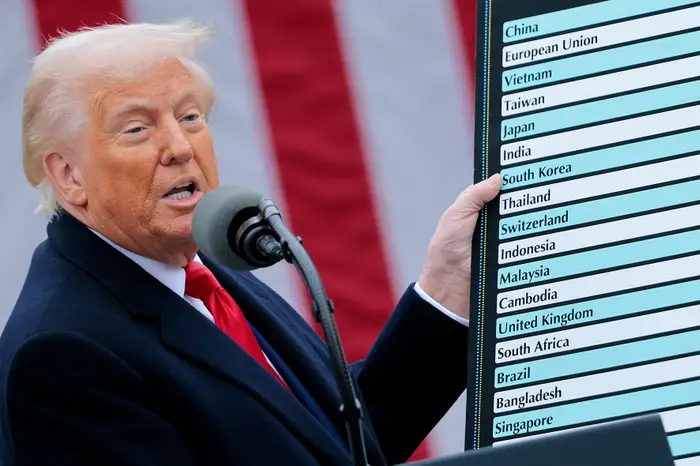
    2018 से शुरू हुई अमेरिका की ट्रेड वॉर की कहानी अब 2025 में फिर से चर्चा में है। डोनाल्ड ट्रम्प की लीडरशिप में अमेरिका ने स्टील और एल्युमिनियम जैसे इम्पोर्टेड प्रोडक्ट्स पर भारी टैरिफ़ (25% और 10%) लगाकर ग्लोबल ट्रेड को झटका दे दिया था। अब अप्रैल 2025 में अमेरिका ने एक बार फिर “रिसिप्रोकल” टैक्स लगाते हुए भारत (26%), चीन (54%), यूरोप (20%) और जापान (24%) पर नए टैरिफ थोप दिए हैं। ये कदम अमेरिका के इम्पोर्ट ड्यूटी को WWII के बाद के सबसे ऊँचे लेवल पर ले गया है। WTO के अनुसार, इससे वर्ल्ड ट्रेड में लगभग 3% की गिरावट हो सकती है।

    भारतीय बाजारों में हड़कंप

    जैसे ही ये खबर आई, भारतीय स्टॉक मार्केट्स में अफरा-तफरी मच गई। सेंसेक्स और निफ्टी 5% तक गिर गए – जो कई सालों में सबसे बड़ा झटका था। सिर्फ 7 अप्रैल 2025 को ही बाज़ार की वैल्यू ₹14 से ₹19 लाख करोड़ तक घटी। बड़ी अमेरिकी निर्भरता वाली कंपनियों जैसे Tata Group की मार्केट वैल्यू में अकेले ~₹2.4 लाख करोड़ की गिरावट आई।

    ऑटोमोबाइल, मेटल, IT, फार्मा, जेम्स, टेक्सटाइल – लगभग हर सेक्टर पर असर पड़ा। विदेशी निवेशकों ने भी डर के मारे पैसे निकाल लिए। नतीजा ये रहा कि सोने की कीमतें बढ़ीं, सरकारी बॉन्ड्स की डिमांड बढ़ी और रुपया कई महीनों के निचले स्तर पर आ गया। जिन कंपनियों का बिज़नेस अमेरिका पर ज्यादा निर्भर है, उन्हें सबसे ज्यादा नुकसान झेलना पड़ा।

    निवेशकों में डर और गिरावट

    7 अप्रैल का दिन ‘ब्लैक मंडे’ जैसा बन गया। हर सेक्टर गिरा – खासकर ऑटो, मेटल, फार्मा, टेक्सटाइल, IT और जेम्स में बड़ी गिरावट देखी गई। सेंसेक्स-निफ्टी में भारी बिकवाली ने आम निवेशक को एक ही दिन में ₹14.2 लाख करोड़ का नुकसान दिया। एक्सपर्ट्स का मानना है कि ये गिरावट ज्यादातर सेंटिमेंट से आई है, फंडामेंटल्स अब भी स्टेबल हैं। अगर अमेरिका और बाकी देशों के बीच समझौता होता है, तो मार्केट तेज़ी से रिकवर भी कर सकता है।

    भारत-अमेरिका ट्रेड रिश्ते और रिएक्शन

    भारत और अमेरिका का द्विपक्षीय व्यापार $190 बिलियन से भी ऊपर है, जिसमें भारत को ~$50 बिलियन का सरप्लस मिलता है। अमेरिका का कहना है कि भारत के टैरिफ़ (17% औसतन) काफी ज़्यादा हैं, जबकि अमेरिका सिर्फ 3% के आसपास टैरिफ़ लेता है। ऐसे में अमेरिका ने ‘रिसिप्रोकल’ रुख अपनाते हुए ये नया टैक्स लगाया।

    भारत के पास अमेरिका जैसी बराबरी से पलटवार करने की ज्यादा गुंजाइश नहीं है क्योंकि भारत की कई एक्सपोर्ट आइटम्स (जैसे दवाइयाँ और फूड प्रोडक्ट्स) अमेरिका में पहले से ही ड्यूटी-फ्री हैं। फिर भी भारत ने 2018 में $900 मिलियन के अमेरिकी एग्री प्रोडक्ट्स (सेब, बादाम वगैरह) पर टैरिफ़ का ऐलान किया था, लेकिन उसे लागू करने से पहले बात-चीत शुरू हो गई और फिलहाल मामला होल्ड पर है।

    अप्रैल 2025 में अमेरिका ने भारत को 90 दिनों की राहत दी है – जुलाई तक कुछ एक्सपोर्ट्स पर नया टैक्स नहीं लगेगा, ताकि बातचीत आगे बढ़ सके। लेकिन दोनों देशों के रिश्तों में तनाव बना हुआ है। भारत को अब बहुत समझदारी से कदम उठाने होंगे – एक तरफ अमेरिका से दोस्ती रखनी है, तो दूसरी ओर अपने इंडस्ट्रीज़ को भी प्रोटेक्ट करना है।

    बाकी दुनिया की हालत

    भारत अकेला नहीं है। ट्रम्प की टार्गेट लिस्ट में सबसे ऊपर चीन है, जिस पर अब 54% औसतन टैक्स लग रहा है। जवाब में चीन ने भी 800 अमेरिकी प्रोडक्ट्स पर ड्यूटी लगाई। हाल ही में उसने सभी अमेरिकी इम्पोर्ट्स पर 34% का टैक्स भी लगा दिया। इसके बाद ट्रम्प ने धमकी दी कि टोटल टैक्स 104% तक जाएगा। इस वजह से हॉन्ग कॉन्ग, शंघाई और ताइवान के स्टॉक मार्केट्स में 7-9% तक गिरावट आई।

    यूरोप और अमेरिका के बीच भी टेंशन है। 2018 में यूरोप ने WTO के ज़रिए अमेरिका का विरोध किया और काउंटर-टैरिफ़्स लगाए। लेकिन 2021 में बाइडन सरकार ने कुछ राहत दी थी। अब फिर से यूरोप पर करीब 20% टैक्स लगाया गया है। कनाडा और मेक्सिको को USMCA समझौते के बाद कुछ राहत मिली थी, लेकिन चाइनीज़ इनपुट्स की वजह से अब भी लागत बढ़ रही है।

    इंडो-पैसिफिक के बाकी देश जैसे वियतनाम, सिंगापुर आदि फिलहाल रिटैलिएशन से बच रहे हैं। वो अपनी एक्सपोर्ट मार्केट को डायवर्सिफाय कर रहे हैं और अमेरिका से सीधे बातचीत की कोशिश में हैं।

    आर्थिक और रणनीतिक बदलाव

    ट्रंप की टैरिफ पॉलिसी सिर्फ व्यापार तक सीमित नहीं है, इसका असर जियोपॉलिटिक्स पर भी पड़ रहा है। चीन से मैन्युफैक्चरिंग हटाकर अब कई कंपनियाँ भारत, ब्राज़ील जैसे देशों की तरफ देख रही हैं। अगर इंडिया अपने इम्पोर्ट ड्यूटीज़ को थोड़ा आसान करे और इंफ्रास्ट्रक्चर पर तेज़ी से काम करे, तो ये मौका बन सकता है।

    साथ ही, ट्रेड नियमों पर अमेरिका के इस रवैये से WTO जैसी संस्थाओं पर भरोसा कम हो रहा है। चीन की RCEP जैसी नई ट्रेड ब्लॉक्स को इससे फायदा हो सकता है। अमेरिका के साथ सुरक्षा के मामले में भारत की नज़दीकी (जैसे QUAD) बढ़ रही है, लेकिन साथ ही भारत यूरोप, मिडिल ईस्ट और रूस के साथ भी अपने रिश्ते मज़बूत करने में लगा है।

    आगे क्या?

    कम-से-कम शॉर्ट टर्म में तो भारतीय बाजारों में उतार-चढ़ाव जारी रहेगा। इंपोर्ट महंगे होने से महंगाई और ग्रोथ पर असर हो सकता है। लेकिन भारत के बहुत से एक्सपोर्टर पहले से ही ऐसे हालातों में काम करने के आदी हैं – खासकर फार्मा और IT सेक्टर। अगर अमेरिका और भारत के बीच कोई समझौता हो जाता है, तो मार्केट तेज़ी से रिकवर कर सकता है।

    लंबे समय में देखा जाए तो ये घटना भारत को अपने ट्रेड नियमों में बदलाव लाने, इम्पोर्ट टैक्स कम करने और फ्री मार्केट की ओर बढ़ने के लिए प्रोत्साहित कर सकती है। कुल मिलाकर, ट्रम्प की ये पॉलिसी भारत के लिए एक इम्तिहान भी है और एक मौका भी। अब देखना है कि भारत इस चुनौती का जवाब कैसे देता है – बातचीत, पॉलिसी रिफॉर्म या इंडस्ट्री को सपोर्ट देकर।

    संबंधित लेख:
    Trump Tariffs 2025: India, China और बाकी देशों पर क्या असर पड़ा?
    Pahalgam Attack: बढ़ती हुई मुस्लिम विरोधी नफरत – क्यों एकता ज़रूरी है

  • 2025 में बच्चों का फैशन ट्रेंड – रंग-बिरंगे प्रिंट्स और कम्फर्टेबल स्टाइल

    2025 में बच्चों का फैशन ट्रेंड – रंग-बिरंगे प्रिंट्स और कम्फर्टेबल स्टाइल

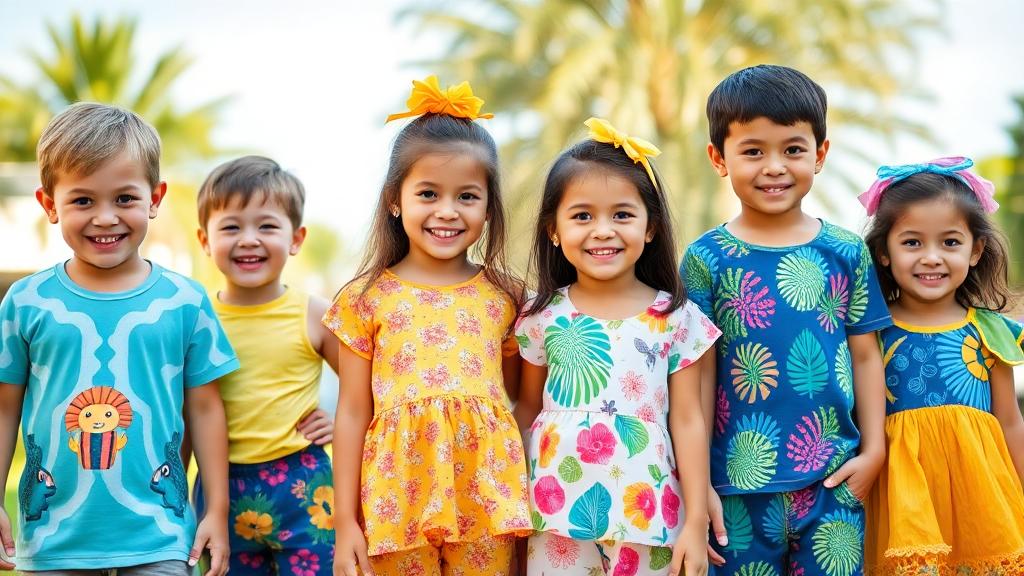
    A group of children outdoors wearing vibrant, colorful printed summer outfits, looking happy and playful

    फैशन ट्रेंड 2025 में बच्चों का वॉर्डरोब कुछ अलग ही अंदाज़ में एंट्री कर रहा है बोल्ड कलर्स, मजेदार प्रिंट्स और ऐसा मिक्स-एंड-मैच स्टाइल जो बच्चों की क्रिएटिविटी को खुलकर सामने लाए। आज की तारीख में बच्चों का फैशन एकदम एक्सप्लोसिव हो चुका है हर कपड़े में आपको एक playful energy दिखेगी, लेकिन साथ में thoughtful डिज़ाइन का टच भी मिलेगा।

    गर्मियों में दिखेगा फैशन का असली रंग

    Spring/Summer 2025 की कलेक्शन्स की बात करें तो एक चीज़ साफ़ है ये सीज़न रंगों और टेक्सचर का धमाका लेकर आया है। ब्राइट ऑरेंज, चमकता येलो, ऐक्टिव ब्लू और बबलगम पिंक जैसे शेड्स हर तरफ छाए हुए हैं। ये कलर्स सिर्फ टीशर्ट्स में ही नहीं, बल्कि स्नीकर्स तक में नज़र आ रहे हैं। और सबसे खास बात इन्हें आपस में इस तरह मिक्स किया जा रहा है कि हर बच्चा अपनी पर्सनैलिटी को पूरी तरह एक्सप्रेस कर सके।

    नॉस्टैल्जिक प्रिंट्स की वापसी

    विंटेज-स्टाइल फ्लोरल्स, ओवरसाइज़्ड बोटैनिकल डिज़ाइन्स और डिटेल्ड एम्ब्रॉयडरी जैसे क्लासिक एलिमेंट्स फिर से ट्रेंड में हैं। वॉटरकलर इफेक्ट्स और जेंटल पास्टल्स इनको नया लुक दे रहे हैं, जिससे ये पुराने होते हुए भी नए लगते हैं।

    स्ट्राइप्स, डॉट्स और जियोमेट्रिक्स का मजेदार मेल

    इस बार डिजाइनर्स ने मिक्सिंग में कोई कसर नहीं छोड़ी है स्ट्राइप्स के साथ फ्लोरल्स, पोल्का डॉट्स के साथ एनिमल प्रिंट्स, और जियोमेट्रिक पैटर्न्स के साथ सॉफ्ट टेक्सचर का कॉम्बिनेशन। बच्चों के कपड़े अब सिर्फ क्यूट नहीं, इंस्टा-रेडी भी हो चुके हैं।

    आरामदायक स्टाइल जो बच्चों के मूवमेंट को सपोर्ट करे

    आजकल पैरेंट्स का फोकस सिर्फ लुक्स पर नहीं, बल्कि प्रैक्टिकलिटी पर भी है। कपड़े ऐसे होने चाहिए जो स्कूल से लेकर प्लेग्राउंड तक बच्चों को पूरे दिन आराम दें। 2025 के ट्रेंड्स में आपको रिलैक्स्ड फिट जॉगर्स, पुल-ऑन शॉर्ट्स, और सॉफ्ट जर्सी टॉप्स देखने को मिलेंगे।

    कई आउटफिट्स को देखकर ऐसा लगता है मानो बच्चों के लिए बना हुआ “एथलीज़र” है – जैसे ब्रीदेबल कॉटन-ब्लेंड स्वेटशर्ट्स, इलास्टिक-वेस्ट पैंट्स, और कोज़ी हुडीज़ जो बच्चों को पूरे दिन एक्टिव बनाए रखें।

    स्मार्ट डिटेलिंग का बढ़ता ट्रेंड

    • फ्लैट सीम्स जो स्किन को इरिटेट ना करें
    • एक्स्ट्रा स्पेस इन नीज़ और शोल्डर्स
    • ड्रॉस्ट्रिंग और एडजस्टेबल फीचर्स
    • ब्लूमर-शॉर्ट्स, लेगिंग्स के साथ ट्यूनिक्स, लाइटवेट जैकेट्स — ये सब लेयरिंग के लिए परफेक्ट हैं

    यह ट्रेंड सिर्फ कैजुअल वियर तक सीमित नहीं है, बल्कि पार्टी वियर में भी आरामदायक फैब्रिक्स और फ्लेक्सिबल कट्स दिख रहे हैं।

    सस्टेनेबिलिटी अब सिर्फ ट्रेंड नहीं, ज़रूरत बन चुकी है

    बच्चों के फैशन में अब सस्टेनेबिलिटी एक मेन थीम बन गई है। पेरेंट्स भी अब ऐसे कपड़े चुन रहे हैं जो ना सिर्फ स्किन-फ्रेंडली हों बल्कि पर्यावरण के लिए भी बेहतर हों।

    2025 में ये फैब्रिक्स दिखेंगे छाए हुए:

    • Organic Cotton: बिना केमिकल वाले नरम और ब्रीदेबल कपड़े
    • Bamboo Jersey: एंटीबैक्टीरियल और UV-प्रोटेक्टिव
    • Tencel: वुड पल्प से बना सिल्की और ड्यूरेबल फाइबर
    • Recycled Polyester: प्लास्टिक वेस्ट से बने फैब्रिक्स

    छोटे ब्रांड्स biodegradable फैब्रिक्स पर फोकस कर रहे हैं। वहीं बड़े ब्रांड्स भी अब सस्टेनेबल कलेक्शन्स लॉन्च कर रहे हैं। अब “eco-friendly” सिर्फ एक टैगलाइन नहीं रही – ये पैरेंट्स की खरीददारी का असली पैमाना बन गया है।

    किन ब्रांड्स पर नज़र रखें?

    बच्चों का ग्लोबल फैशन मार्केट 2025 तक $225 बिलियन तक पहुंचने वाला है। कुछ पॉपुलर ब्रांड्स जो इस ट्रेंड को लीड कर रहे हैं:

    ग्लोबल फैशन चेन: Carter’s, Zara Kids, H&M, Uniqlo, The Children’s Place
    स्पोर्ट्सवियर: Nike Kids, Adidas, Puma
    डिज़ाइनर व बुटीक ब्रांड्स: Burberry Kids, Stella McCartney Kids, Tiny Cottons (Spain), Mini A Ture (Denmark)
    सस्टेनेबल फैशन ब्रांड्स: Organic Era (India), Bobo Choses (Spain), Patagonia Kids

    इन ब्रांड्स के “Summer ’25 capsule collections” में आपको ऊपर बताए गए सारे ट्रेंड्स मिल जाएंगे — चाहें वो bold prints हों या eco-conscious fabrics।

    डिजिटल वर्ल्ड का असर

    आजकल इंस्टाग्राम और टिक-टॉक जैसे प्लेटफॉर्म्स बच्चों के फैशन को भी नई ऊंचाई दे रहे हैं। #OutfitOfTheDay टाइप पोस्ट्स, mommy-and-me फैशन वीडियोज़, और क्यूट unboxing क्लिप्स — इन सबने बच्चों के फैशन को ग्लोबल ट्रेंड बना दिया है।

    अब जब बच्चे भी सोशल मीडिया स्टार बन रहे हैं, तो उनके कपड़े भी ट्रेंडी और कैमरा-फ्रेंडली होने चाहिए। पेरेंट्स खास तौर पर ऐसे कपड़े खरीद रहे हैं जो अच्छे दिखें और इंस्टा-वर्थी भी हों।

    निष्कर्ष: 2025 का बच्चों का फैशन – खुशियों और एक्सप्रेशन का संगम

    फैशन ट्रेंड Kidswear अब सिर्फ क्यूट कपड़ों तक सीमित नहीं रह गया। 2025 में यह स्टाइल, कम्फर्ट और सस्टेनेबिलिटी का परफेक्ट ब्लेंड बन चुका है।

    जो चीजें सबसे ज़रूरी होंगी:

    • ब्राइट और प्लेफुल कलर्स
    • फ्लेक्सिबल और breathable फैब्रिक्स
    • सस्टेनेबल मटीरियल्स
    • स्टेटमेंट प्रिंट्स के साथ बेसिक पीसेज़

    डिज़ाइनर्स और रिटेलर्स को चाहिए कि वे बच्चों की individuality को celebrate करें – inclusive sizing से लेकर bold pattern clashing तक।

    कुल मिलाकर, 2025 में बच्चों का फैशन सिर्फ कपड़े नहीं, एक स्टेटमेंट बन चुका है – ऐसा स्टाइल जो बच्चों की हंसी में झलकता है, उनके खेल में साथ चलता है, और इस धरती का भी ख्याल रखता है।

    पूरा आर्टिकल पढ़ें:
    2025 में कुछ नया सीखें—बिना एक रुपया खर्च किए
    किड्स ने कपड़े फैशन टेलिंग बेबी रेनबो फ्लावर सॉफ्ट आरामदायक किया बच्चों की कपड़े पार्टी ड्रेस पहनती है

  • Trump Tariffs & the Global Trade War: Impact on Indian Markets

    Trump Tariffs & the Global Trade War: Impact on Indian Markets

    Trump's Tariffs Will Increase Prices and Empty Shelves Within Weeks - Business Insider


    Trump tariffs India markets: Beginning in 2018, the Trump administration unleashed a broad trade war. It slapped 25% tariffs on imported steel and 10% on aluminum, then applied a 10% surcharge on nearly all imports and much higher rates on key partners​. By April 2025, the US announced “reciprocal” tariffs targeting India (26%) along with China (54%), the EU (20%), Japan (24%) and others. These moves pushed America’s average import duty to the highest level since World War II​, sparking fears of a prolonged global recession. The World Trade Organization’s Pamela Coke-Hamilton warned that the turmoil could shrink world trade by about 3%, as supply chains reorient toward India, Brazil and other emerging markets​. In short, the new tariffs have dramatically raised prices and uncertainties worldwide, fueling volatile reactions in India.

    Impact on Indian Markets (Short Term)

    Indian stock markets plunged on news of the tariffs. BSE Sensex and Nifty 50 dropped about 5% in a single session​ – one of the worst falls in years. By April 7, 2025, BSE market capitalization had lost over ₹14–19 lakh crore (trillions of rupees)​. Broad indices were dragged down by heavy selling in companies tied to the US economy. For example, Tata Group firms (large US exposure) saw their combined market value shrink by ~₹2.4 lakh crore​. Other sectors hit hard included automobiles, metals, IT services, pharmaceuticals, textiles and gems​.

    Economists attribute this sell-off to panic over higher import costs and slower export demand. Foreign funds withdrew from Indian equities, and investors sought safer assets. Gold prices and government bonds rallied while the rupee slid to multi-month lows under the pressure. Analysts note that companies with large U.S. business (consumer goods, tech services, etc.) saw the steepest declines, as investors “offloaded shares of companies with US exposure” amid fears of a worldwide downturn​. Overall, the tariff shock triggered a bout of extreme volatility in Indian markets, wiping out years of gains in days.

    Stock Market Reaction

    Investors immediately turned bearish. Indian equities were hit by a wave of margin calls and panic selling. On April 7, 2025 Sensex and Nifty each fell roughly 5% in one day, only recovering some losses at the close​. That “Black Monday” erased decades of gains for the day, costing the average investor ₹14.2 lakh crore​. The drop was broad-based: every sectoral index saw multi-percentage declines, led by auto, metal, IT, pharma, textiles and gems​. Notably, firms with strong US revenue streams were sold off most aggressively​.

    This turmoil drove foreign portfolio outflows and a scramble for safe havens. The Bombay Stock Exchange warned that any global recovery or tariff roll-back could quickly reverse the slide​. Meanwhile, credit markets priced in higher risk: corporate bond spreads ticked up slightly and banks reported caution in new loans. Commodity prices also reacted – oil dipped on growth worries, while gold climbed as investors sought protection. Analysts emphasize that much of this damage is due to sentiment – fundamentals have not yet fully changed – suggesting a possible rebound if tensions ease​.

    India–US Trade Relations & Retaliation

    India’s trade with the US is significant: bilateral trade exceeds $190 billion/year, with India running a ~$50 billion surplus​. American officials point out that India’s average tariff on US goods (~17%) far exceeds the US rate (~3%). Washington justified its tariffs as “reciprocal” measures to correct this imbalance​.

    In practice, India has limited ability to retaliate symmetrically. A U.S. think-tank notes that many Indian imports (pharmaceuticals, certain foods) are low or zero-duty in the US​. Nonetheless, India originally announced its own tariffs on $900 million of US agricultural exports (apples, almonds, etc.) in response to 2018 steel and aluminum tariffs. Those duties were to mirror US rates but have been largely shelved pending talks​. For now, India is instead lobbying Washington (through WTO and diplomacy) to avoid a trade war. Prime Minister Modi’s government stresses that India and the US are “friends” and is seeking exemptions or a limited deal. In April 2025 the US paused additional duties on some Indian exports for 90 days (until July) in exchange for ongoing talks​.

    Still, bilateral relations are under strain. The US-China conflict and shifting alliances mean India must balance strategic partnership with protection of its own industries. Policymakers in New Delhi are unlikely to lower their tariffs easily – the very reason Trump imposed them in the first place. Any future concessions (on visas, data flows, etc.) may be tied to trade. In short, India is playing a delicate game: protecting exporters in the short term, while negotiating with the US to avoid an escalation​.

    International Comparisons

    India is not alone. China has been the main target of Trump’s trade campaign. Beijing now faces an effective 54% average tariff on its exports, and has retaliated in kind – imposing duties on around 800 US goods, totaling ~$20.6 billion in 2018 alone. In early April 2025 China announced a 34% tariff on all US imports in response to the new US levies​, prompting Trump to threaten a cumulative 104% tariff if China does not back down​. Stock markets in Hong Kong, Shanghai and Taiwan dropped more than 7–9% in one day​, illustrating the contagion.

    The EU and U.S. have a more mixed legacy. In 2018, when Trump slapped metal tariffs, Europe protested via the WTO and imposed ~$3.6 billion of counter-tariffs. By 2021 the Biden administration lifted those sanctions. However, under the new plan the EU was hit with ~20% on many goods. Canada and Mexico – originally exempt from steel/aluminum tariffs – eventually agreed to USMCA (replacing NAFTA) and saw those duties removed by mid-2019​. In this latest round, North American trade flows aren’t directly affected (the new US plan excluded USMCA countries), but Mexico’s factories do feel higher costs on Chinese inputs.

    Across the Indo-Pacific, most countries (aside from China) have so far avoided immediate retaliation​. Governments are instead exploring strategies like diversifying export markets, cutting domestic tariffs and engaging with Washington bilaterally. For example, Vietnam and ASEAN exporters are shifting sales to Europe, Korea and the Middle East​. A recent survey warns that unless global tensions ease, many economies could face long-term slowdowns and a fracturing of trade links​.

    Geopolitical & Economic Shifts

    Trump’s tariff policy – and the uncertainty around it – is catalyzing broader changes. Some emerging economies could gain export share as supply chains move out of China. Indeed, experts forecast that a lasting 3% drop in global trade would redistribute exports toward countries like India and Brazil​. India may attract more foreign investment in manufacturing as companies look for alternatives, though high Indian tariffs remain a hurdle. Domestically, the shock strengthens voices calling for reforms: lower import duties, faster infrastructure spending and new trade deals to insulate the economy.

    Geopolitically, the US moves have weakened trust in multilateral trade rules. The Administration’s tariff actions have prompted complaints to the WTO and may bolster rival trade blocs (e.g. China’s Regional Comprehensive Economic Partnership). Meanwhile, the Sino-US trade war and fears of “decoupling” have driven closer security ties between India and the US (Quad) – but also encourage India to hedge by deepening trade links with Europe, the Middle East and Russia. In sum, American tariffs are not just an economic lever but a strategic signal: that the global order is shifting to a more competitive, less cooperative era.

    Outlook


    In the short term, India’s markets will likely remain jittery. Analysts caution that inflation (from higher import prices) and slower growth are possible outcomes. However, many Indian exporters are already accustomed to volatility, and sectors like pharmaceuticals and IT services have some insulation. If a negotiated compromise emerges (or if tariffs are delayed), a sharp rebound in markets is possible. Longer-term, the experience may prod India to ease some trade barriers and accelerate moves toward a free-market economy – changes that could ultimately bolster resilience.

    Ultimately, Trump’s tariff barrage has shaken Indian markets and tested policymakers, but it has also underscored India’s role as a rising middle power. How New Delhi responds – through diplomacy, industry support and reforms – will shape its economic fortunes in a post-2025 world.

    Related articles

    Trump Tariffs 2025: Economic Impact on India, China & Beyond

  • Kids Fashion Trends 2025: Colorful Prints & Playful Styles

    Kids Fashion Trends 2025: Colorful Prints & Playful Styles

    A group of children outdoors wearing vibrant, colorful printed summer outfits, looking happy and playful

    Kids’ wardrobes are entering 2025 in full bloom – think vibrant hues, bold patterns, and mix‑and‑match silhouettes that spark creativity. Industry forecasters note that children’s fashion is now “bursting with creativity,” blending playful colors with thoughtful design​. In spring/summer collections, one boutique buyer describes the overall vibe as “an explosion of color, prints, and textures” paired with vintage-inspired nods​. Parents and retailers alike are responding: bright oranges, sunny yellows and lively blues dominate, while comfort and sustainability guide material choices. This post breaks down the key Summer 2025 trends in kidswear – from cheerful patterns to performance-friendly fabrics – with insights and data for fashion professionals.

    Bold Colors & Playful Prints

    Summer 2025 will see children’s clothing saturated in joyful color and dynamic prints. Pantone-led forecasts and trend blogs agree that “bright and bold colors are… making waves,” enabling “playful and eye-catching outfits” for kids​. Expect color palettes full of citrus orange, sunflower yellow, cerulean blue and bubblegum pink. These energetic hues appear in everything from tops to sneakers, often paired together in creative ways. Graphic designers are mixing patterns freely – floral, animal, and geometric motifs all feature in a single outfit – to let each child’s personality shine.

    Classic florals and chintz: Nostalgic ditsy florals and vintage-inspired botanical prints remain perennial favorites (often “beyond the bouquet” with oversized blooms). Gentle pastels and watercolor effects refresh the look, while embroidered and appliqué details add tactile charm.​

    Stripes and geometrics: Wide horizontal or vertical stripes, checkerboard and polka-dot patterns inject a classic yet fun feel. Bold blocks of color and simple shapes resonate for both boys and girls. Many labels mix stripes with other prints (stripes + florals, dots + animals) to create quirky, camera-ready outfits.

    Comfort & Movement-Ready Styles

    From preschool to playground, ease of movement is paramount. For 2025, most kidswear silhouettes prioritize comfort first. Think relaxed-fit joggers, pull-on shorts and soft jersey tops. Many pieces resemble what adults call “athleisure”: breathable cotton‐blend sweatshirts, cozy hoodies, and elastic-waist pants that allow full play. Natural, stretchy fabrics like organic cotton and bamboo jersey dominate – fabrics that feel soft against the skin and adapt as kids grow. Japan’s children’s brands, for example, emphasize that clothes must keep kids comfortable during all activities. In practice, this means garments with extra room in the shoulders and knees, flat seams to prevent chafing, and even adjustable features (drawstring waists, turn-up cuffs) that extend wear.

    Even dressier kids’ outfits get a comfort boost: bloomer-style shorts under dresses, knit blends instead of stiff fabrics, and stretchy leggings paired with tunics. Layering pieces like light cardigans and jersey vests let parents adapt outfits for indoor/outdoor play. According to industry observers, families today expect children’s clothing to be both cute and practical. A recent trend report notes athleisure’s continued dominance  with “breathable, stretchable, and moisture-wicking fabrics becoming essentials” for kids​. This mirrors what one blog calls a shift towards wellness and ease: parents value clothes that handle jumping, climbing and running without worrying about rips or stains.

    Essential pieces: Soft sweatshirts and tees, hoodie jackets, and jogger pants.

    Play-friendly details: Flat seams, gusseted crotches, and snaps/zippers placed where kids can’t poke themselves.

    Layering: Lightweight hoodies over T-shirts, leggings under skirts – combinations that move with the child.

    Footwear: Sneakers with Velcro or elastic laces for easy on/off; slip-ons; and no-hard-welt sandals.

    Sustainable, Eco-Conscious Fashion

    Sustainability is no longer a niche – it’s mainstream in kidswear. Across all regions, parents and brands are seeking eco-friendly materials. The standout fibers of 2025 include organic cotton, bamboo fabric, Tencel (eucalyptus fiber) and recycled polyester. These materials meet a double demand: they are gentle on kids’ sensitive skin and better for the planet. As one source bluntly states, “the rise of sustainable and eco-friendly fashion” is a defining theme for children’s clothing this year​ Organic cotton shirts and jeans (grown without toxic dyes) now sit next to bamboo-blend joggers (naturally antibacterial and UV-protective). Tencel, made from wood pulp, appears in flowing dresses and rompers for its silky feel and durability.

    For retailers, this means stocking basics like organic T-shirts and sustainable denim. Many small brands specialize in biodegradable fabrics or recycled sweater knits. And even in fashion-forward kids’ lines, the old classic (natural cotton!) remains king – it’s breathable, easy to wash, and aligns with the global demand to “be kind to the planet”​.

    Notable Brands and Collections

    The kidswear market remains large and diverse. Research shows the global children’s apparel market will top USD 225 billion in 2025, fueled by growing markets in Asia-Pacific​. Leading players include Carter’s (US), Inditex (Zara Kids), H&M, Nike and other multinationals, along with luxury labels like Burberry and Versace that offer premium children’s lines​. These big brands set broad trends – for example, mini-me streetwear packs from Nike or mass-market floral dresses from H&M.

    But smaller and regional brands are also shaping looks. In the US, independent labels like Appaman and Mini Rodini are known for quirky prints and organic fabrics. In Europe, parents covet brands like Mini A Ture (Denmark) and Bobo Choses (Spain) for their creative graphics. The new generation of Japanese kids’ brands often merges minimalism with function (Uniqlo has a popular kids’ line). Online marketplaces have popularized global designs: a French label’s boho blouse or a South Korean brand’s neon tracksuit can be bought worldwide. In short, retailers should stock both essentials (denim, tees, sneakers) and statement pieces.

    Here are some illustrative names (neither exhaustive nor exclusive):

    Global retail chains: Carter’s, The Children’s Place, Gap/Old Navy, Zara Kids, H&M, Uniqlo (kids), Primark Kids.

    Sportswear: Nike, Adidas Kids, Puma (activewear, sneakers).

    Boutique/Designer: Burberry Kids, Tommy Hilfiger Kids, Stella McCartney Kids, Tiny Cottons (Spain), My Little Cozmo (Spain) – known for premium casuals.

    Sustainable/Niche: Patagonia Kids, Pact (organic basics), Stella McCartney Kids (eco-friendly luxe), Bobo Choses (artsy prints), Organic Era (India, eco-fashion).

    Retailers can leverage these names for trends and collaborations: for example, limited-edition graphic tees or eco-collection pop-ups tap into both brand and trend-conscious shoppers. Whichever brands carry your shelves, look for their summer ’25 capsule collections to see these themes in action.

    Regional Highlights

    United States: US kids’ fashion is leaning into street-inspired comfort. American lines often feature oversized hoodies, joggers, and sneaker culture, reflecting urban streetwear trends. Bright logo tees and personalized denim (embroidered names or patches) are popular. According to one industry guide, “kids’ clothing trends in the USA are all about bold streetwear, playful aesthetics, and sustainable fashion,” with a focus on vibrant colors and statement-making designs​. Athleisure dominates, so expect many kids tracksuits, performance tees, and sports-inspired sets.

    Europe: In Europe, there’s still a taste for a bit more “classic with a twist.” Coastal regions emphasize breathable linens, nautical stripes and pastel palettes (think Mediterranean summer). Northern Europe and Scandinavia often deliver playful prints in high-quality organic fabrics. French brands add a chic flair – CouCou’s spring preview even highlights quirky British and French labels bringing bohemian and vintage charm (flowy dresses, textured knitwear) to kids’ closets. European brands excel at mixing tradition with modern play – e.g., a kids’ gabardine jacket with a fun animal lining, or a gingham dress with practical sneakers.

    Pop Culture & Social Media Influence

    No kids’ trend report would be complete without mentioning the digital world. The influence of social media and pop culture on kids’ fashion is huge and growing. Online, images of stylish toddlers or tweens in cute outfits can go viral overnight. As one market survey notes, “the rising influence of social media and blogs regarding kids’ fashion” is actually fueling the market’s expansion. Platforms like Instagram and TikTok are full of mommy-and-me fashion posts, unboxing videos, and hashtag challenges that showcase children’s outfits. Retailers should note that “outfit-of-the-day” content drives demand for photogenic pieces (think twirly dresses, matching sets, or character-themed back-to-school looks).

    Conclusion

    Summer 2025’s kids’ fashion is about happiness and confidence – clothes that look fun and feel good. Colorful prints, easy silhouettes and eco-friendly materials are the cornerstones. For retailers and designers, the key is to stock a mix of joyful staple pieces (like organic cotton tees in bright prints) and versatile basics (athletic sets, joggers) while keeping an eye on sustainability credentials. By embracing creativity – from bold pattern clashing to inclusive sizing – the industry can meet parents’ desires and inspire children’s self-expression. In short, kids’ fashion in 2025 celebrates individuality, comfort, and the brighter side of style.

    Related Articles,
    Enjoyed this read? Continue the journey with:
    10 Creative Indoor Activities for Kids on Summer Days
    Top 10 Essential Kids’ Fashion Trends for Spring and Summer 2025

  • Nothing’s CMF Phone 2 Pro Hits Indian Market: Premium Looks, Budget Price

    Nothing’s CMF Phone 2 Pro Hits Indian Market: Premium Looks, Budget Price

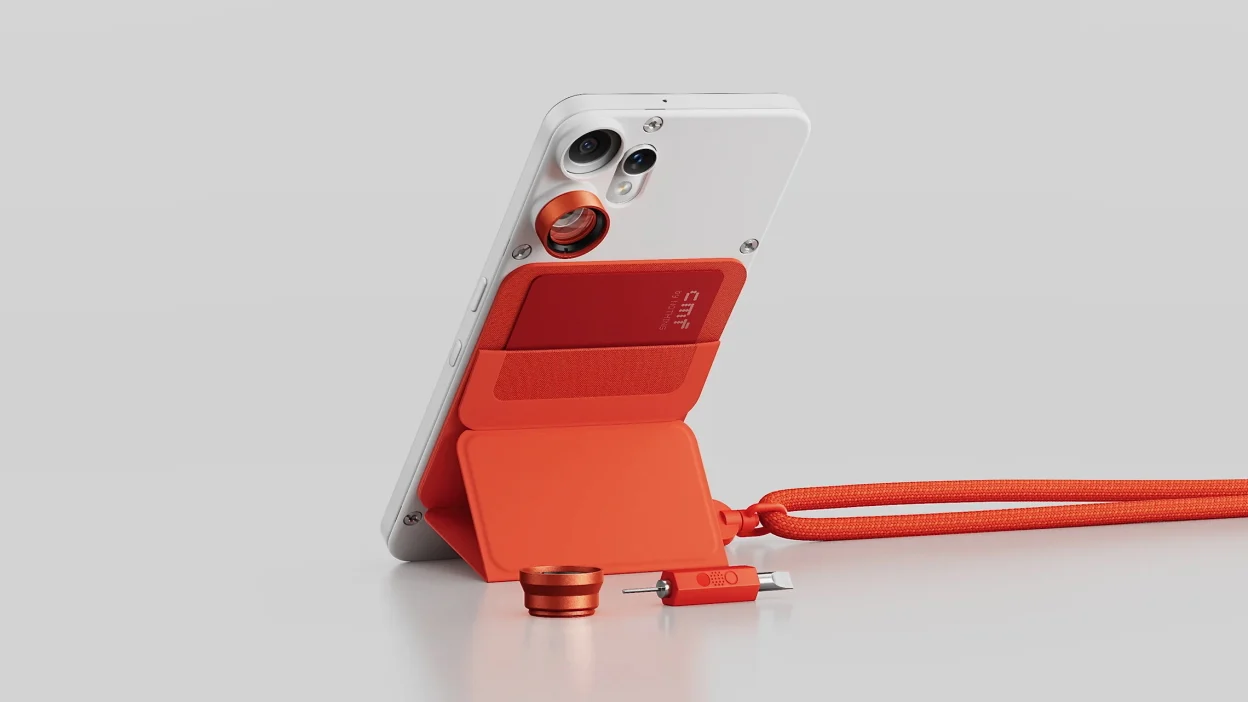
    CMF Phone 2 Pro featuring dual-tone Orange & White design with modular accessories.

    The CMF Phone 2 Pro slipped into our world on April 28, 2025, and suddenly everyone’s talking. At ₹18,999 (8 GB+128 GB) and ₹20,999 (8 GB+256 GB), it doesn’t feel like just another budget phone—it actually nails style, speed, and camera chops without emptying your wallet. Plus, it still comes with a charger in the box, which is almost a relic these days. In this write-up, I’ll walk you through what stood out, what could’ve been better, and why I reckon it’s worth a look.

    Design That Makes You Do a Double-Take

    Look, budget phones usually play it safe—plain black or gray, nothing to write home about. But the Phone 2 Pro dares to be different. That Orange-and-White duotone back with a subtle grippy texture? It feels solid, like it’s built for keeps. And those two little screws on the rear aren’t pointless decoration—they channel that rugged, industrial vibe. I dropped mine once (by accident, honesty), and apart from a tiny scratch, it soldiered on. IP54 splash resistance even saved me when water spurted from the garden hose—no panic, just wiped it off.

    Speed That Keeps Pace with Your Day

    Under the hood, there’s a Dimensity 7300 Pro chip—think small powerhouse. Multitasking, streaming, light gaming: no stutter. In fact, compared to its predecessor, it’s roughly 10 percent snappier on the CPU side and 5 percent smoother in graphics (as per Nothing’s tests). The 6.77-inch AMOLED screen at 120 Hz feels like velvet when you scroll—no judder, no lag. And sunlight? The peak 3,000 nits brightness never left me squinting on a sunny veranda. Toss in 5 G, Wi-Fi 6, and you’re set whether you’re in town or out in the fields.

    Camera Setup That Surprised Me

    Honestly, I didn’t expect much here—budget phones often skimp. But the Phone 2 Pro’s triple-lense array blew me away: 50 MP main, 50 MP telephoto (with real 2× optical zoom), plus an 8 MP ultra-wide. My cousin’s wedding was the real test—low-light shots under fairy lights came out crisp, colors didn’t wash, and those 2× snaps kept the bride’s expressions sharp from across the hall. Ultra-wide mode captured the entire dance floor in one go—no need to shuffle people. Front-cam selfies for family video calls looked just fine too.

    Battery Life and Software: No Surprises, in a Good Way

    5,000 mAh battery plus 33 W fast charging means I didn’t bother lugging a power bank. A quick half-hour charge got me through another evening of videos and messages. Software feels clean—Android 15 with Nothing OS 3.2 has no random apps clogging your home screen. Fingerprint under the display, face unlock—it all just works, none of that ghost-touch nonsense you sometimes find on cheap phones.

    Value Check: Where’s the Catch?

    Truth be told, you won’t find big cons. No headphone jack—fine if you’ve switched to Bluetooth. Hybrid SIM slot—so you pick between extra storage or a second SIM. If you live and breathe MIUI’s bells and whistles, you might miss them here. But for most of us—students, first-jobbers, or anyone who simply wants a solid daily driver—this is a deal. A charger in the box alone feels like a win.

    Summery:

    SpecificationDetails
    Price₹18,999 (8 GB+128 GB), ₹20,999 (8 GB+256 GB)
    Display6.77″ Flexible AMOLED, 1080 × 2392 px, 120 Hz, HDR10+, 3000 nits
    ProcessorMediaTek Dimensity 7300 Pro (4 nm), 2.5 GHz Octa-Core
    RAM8 GB + 8 GB Virtual RAM
    Storage128 GB / 256 GB, expandable via microSD up to 2 TB
    Rear Cameras50 MP Main (ƒ/1.88), 50 MP Telephoto (2× opt. zoom), 8 MP Ultra-Wide (119.5°)
    Front Camera16 MP (ƒ/2.45)
    Battery5000 mAh, 33 W Fast Charging, 5 W Reverse Charging
    OS & UIAndroid 15, Nothing OS 3.2
    Connectivity5 G, Wi-Fi 6, Bluetooth 5.3, USB-C 2.0
    Extra FeaturesIn-display fingerprint, Face Unlock, IP54 Splash-resistant, Charger included
    ColoursOrange & White dual-tone

    Interested in this? You’ll also want to read: CMF Phone 2 Pro Unboxing – Totally Different Phone !

    If this resonated with you, here’s something similar you might like: How to Choose the Best Smartphone for Your Needs