Category: Top Trending

  • How Strawberries Can Help With Fatty Liver and Diabetes

    How Strawberries Can Help With Fatty Liver and Diabetes

    Fresh strawberries and smoothie with glucose meter for managing diabetes and fatty liver

    These days, many people are silently struggling with health problems like fatty liver and diabetes. It’s not just in cities anymore even in small towns, these lifestyle diseases are slowly becoming common. We often hear about expensive medicines or strict diets, but what if a simple fruit could give some relief? Yes, that juicy red fruit sitting in your fridge strawberries might be more helpful than you think.

    Recent findings say that strawberries can support our health in more ways than just being a tasty snack. From helping with blood sugar levels to keeping our liver in better shape, this fruit does a lot quietly. In this blog, we’ll understand how strawberries actually help, why it matters especially for Indians, and easy ways to include them in our regular meals.

    What’s Going Wrong: A Look at Fatty Liver and Diabetes

    Fatty liver is when too much fat gathers inside your liver. It’s mainly of two types one due to drinking too much alcohol, and the other, more common now, is non-alcoholic fatty liver. That’s the one many Indians are dealing with it comes from less activity, overeating fried or rich foods, and being overweight.

    Then there’s diabetes, especially type 2. This is when the body cannot manage sugar in the blood properly because it doesn’t use insulin well. With more than 77 million Indians affected, this is becoming a real issue in both villages and cities. Even schoolchildren in some cases are showing early signs.

    Now here’s the link both fatty liver and diabetes usually come from the same issue: insulin resistance. When your cells stop responding properly to insulin, sugar stays in the blood, and fat builds up in the liver. That’s why experts say treating insulin resistance is key. And guess what helps with that? Strawberries.

    How Strawberries Help

    Don’t let the sweetness fool you strawberries are low in calories and rich in nutrients. They’ve got fiber, vitamin C, and natural compounds called antioxidants. These all work together to fight health problems quietly.

    One big help they offer is improving insulin sensitivity. That means your body can handle sugar better. So if you eat strawberries regularly, it may help control your blood sugar naturally. Some studies also found that strawberries bring down total and LDL (bad) cholesterol, which is usually high in people with fatty liver or diabetes.

    Also, strawberries fight inflammation. Now this is important when your body is inflamed from the inside, it becomes harder to heal or stay healthy. So these small fruits do their part in reducing that pressure on the body.

    What the Research Says

    This is not just a folk belief even scientists back it up. A study published last year showed that people who ate around one cup of strawberries every day saw their cholesterol drop and insulin sensitivity go up. That’s a win-win.

    Even researchers from the University of Nevada, Las Vegas (UNLV), who’ve been studying this fruit for years, say that strawberries can cut down the risk of type 2 diabetes. They noticed better sugar levels and heart health markers in people who added strawberries to their diet regularly.

    Animal tests also showed good results diabetic rats given strawberry juice had lower sugar levels and better insulin response. While humans are not rats, it’s still a sign that strawberries have something good going on.

    Easy Ways to Include Strawberries in Your Diet

    You don’t need fancy recipes. Just pick fresh strawberries from the market when they’re in season usually winter to early spring in India. Here are a few simple ideas:

    Strawberries mixed with dahi – a healthy Indian snack
    • Eat them fresh – Wash and munch as a mid-day snack.
    • Add to curd – Mix with plain curd or make a quick strawberry raita.
    • Blend a lassi – Yogurt, strawberries, a little sugar, blend — done.
    • Top your oats – Slice strawberries over warm oats in the morning.
    • Make a fruit salad – Add to banana, papaya, or apple slices.

    In hill areas like Mahabaleshwar, fresh local strawberries are available in bulk and taste even better. If you get a good deal, buy a box and store them in the fridge.

    More Benefits — Not Just for Liver and Sugar

    Strawberries are not limited to just liver and sugar. There’s more:

    • Heart Health – Keeps cholesterol under control and blood pressure steady.
    • Skin Benefits – Vitamin C helps your skin stay fresh and firm.
    • Helps in Weight Control – Low calorie but filling, so you eat less junk.
    • Good for Digestion – High fiber means better bowel movements.

    In short, they cover many small needs of the body which add up over time.

    Final Thoughts

    Strawberries may not be a miracle cure, but they surely give solid support. For anyone dealing with early signs of fatty liver or high sugar levels, this fruit can be a small, sweet step in the right direction. Even doctors agree that food can act like medicine when chosen wisely.

    Personally, I feel it’s better to try natural, seasonal foods before jumping to pills or complicated diets. In India, where health awareness is slowly improving, bringing such fruits into daily meals can make a real difference.

    Just remember, one fruit alone won’t fix everything. Keep your lifestyle balanced walk a little, eat fresh, sleep well and let strawberries do their small magic quietly in the background.

    🩺 You Might Also Like:

  • Top 10 Easy Plants to Bring Greenery Home Without Any Hassle

    Top 10 Easy Plants to Bring Greenery Home Without Any Hassle

    A variety of potted indoor plants including money plant, snake plant, aloe vera, and basil placed on a sunny windowsill with natural sunlight.

    Introduction

    Green spaces are shrinking fast, especially in our towns and cities. But that doesn’t mean we can’t grow a bit of nature around us. You don’t need a big backyard or fancy tools to get started. A few small pots on a balcony or windowsill are enough. In this blog, we’ll talk about 10 plants that even beginners can grow easily. These are low-maintenance, tough little plants that don’t demand too much attention. Whether you’re living in a flat in Chennai or a small house in Nagpur, these plants will fit right in and lift your mood.

    Also, we’ll see why so many Indians are getting into gardening lately, and how you can join this green movement without much effort.

    Why Grow Plants at Home?

    Spending even five minutes with plants can cool down your head. Life is fast, noisy, and stressful, especially in cities. But having a few green buddies around can make a real difference. They clean the air, lift your mood, and bring a bit of peace. Some people also say their focus gets better when there are plants around.

    In many Indian homes, indoor plants are doing double duty—they’re part of the decor and also work as natural air purifiers. A few studies have shown that plants like snake plant and peace lily can remove toxins from the air. Even basil, which we use in cooking, can help with stress. Plus, plants like lucky bamboo and money plant are believed to bring good luck.

    So yes, gardening is not just a hobby. It’s good for your health, your home, and your pocket too.

    10 Easy-to-Grow Plants

    1. Money Plant

    Why it’s simple: Grows almost anywhere—in soil, in water, in low light.
    Care tips: Water only when top soil is dry. If growing in water, change it every 10-12 days.
    Bonus: People believe it brings wealth and good vibes.

    2. Snake Plant

    Why it’s simple: Hard to kill. Survives long gaps between watering.
    Care tips: Let the soil go completely dry before watering again.
    Bonus: Known to clean indoor air very useful in polluted cities.

    3. Aloe Vera

    Why it’s simple: Stores water in its leaves. Sun-loving.
    Care tips: Keep it near a sunny window. Avoid overwatering.
    Bonus: You can use its gel for small burns or dry skin.

    4. Peace Lily

    Why it’s simple: Shows you when it’s thirsty. Also adjusts well to indoor light.
    Care tips: Water when leaves droop slightly. Mist the leaves sometimes.
    Bonus: Looks lovely with white flowers, cleans air too.

    5. Lucky Bamboo

    Why it’s simple: Grows in just water, no soil needed.
    Care tips: Change water once a week. Avoid direct sunlight.
    Bonus: Often gifted during festivals, believed to bring good luck.

    6. Spider Plant

    Why it’s simple: Grows fast and produces baby plants (called pups).
    Care tips: Water when top soil dries. Not very picky about soil.
    Bonus: Helps remove toxins from air, looks great in hanging pots.

    7. Pothos (Devil’s Ivy)

    Why it’s simple: Forgives you if you forget to water it once in a while.
    Care tips: Keep in medium light, water when soil feels dry.
    Bonus: Trails beautifully and can grow quite long.

    8. Areca Palm

    Why it’s simple: Gives a tropical feel, doesn’t need daily care.
    Care tips: Keep soil slightly moist, mist sometimes in dry weather.
    Bonus: Makes the room feel fresh and lively.

    9. Ivy

    Why it’s simple: Fast grower, climbs and spreads easily.
    Care tips: Let soil dry a bit between watering. Trim as needed.
    Bonus: Can reduce allergens in indoor air.

    10. Basil (Tulsi)

    Why it’s simple: Loves the sun and grows quickly.
    Care tips: Water regularly and pluck flowers to grow more leaves.
    Bonus: Good for cooking and traditional remedies.

    What’s New in Indian Gardening?

    More people in India are now turning to home gardening. One reason is city life too much pollution, small spaces, and rising stress. After COVID, interest in gardening shot up. People wanted to grow their own herbs and vegetables. Even flats with tiny balconies became green spots.

    The garden market is also booming. Reports say kitchen gardens added thousands of crores to the economy in recent years. From apps to tutorials, everything is now available online to help new gardeners. Whether it’s a retired uncle in Bhopal or a college student in Pune, gardening is becoming the new normal.

    Conclusion

    Getting into gardening doesn’t need to be a big project. With these 10 easy plants, even someone with zero experience can start small and enjoy the greenery. It’s not just about making your home look nice, but also feeling good inside. My personal advice? Start with one or two plants. Watch them grow, and you’ll feel a quiet kind of happiness. Nature has its own way of calming things down.

    🌿 Also Worth Checking Out

    If you’re starting with plants, you might also like reading about some easy home wellness habits too.

    – Mornings feel rushed? Try these 7 Simple Morning Habits That Actually Help Your Mental Health— no yoga mat needed.

    And if you’re keeping indoor plants for good vibes:
    – Thinking about air quality? NASA-approved air-purifying plants are surprisingly easy to grow.

  • Seize Your Sunrise: 5 Effortless Morning routine for a Powerful Day

    Seize Your Sunrise: 5 Effortless Morning routine for a Powerful Day

    Morning routine for a Powerful Day

    Most of us hit snooze more than once and rush out the door feeling frazzled. However, a solid morning routine can change everything. Indeed, research shows that people with consistent morning routine report up to 20% more productivity and lower stress levels. Moreover, setting just five simple rituals can turn chaos into calm, whether you live in a bustling city or a quiet village. In this post, we’ll explore a gentle wake-up, quick movement, mindful moments, easy breakfast prep and a lightning-fast plan-of-attack—all in under 15 minutes.

    Wake-Up Strategy

    Firstly, avoid a jarring alarm. Instead, use a gradual light alarm lamp or an app that mimics sunrise over five minutes. For instance, when my neighbour’s lamp glowed softly at 6 a.m., I found myself awake without grogginess. Meanwhile, drink a glass of water immediately. This simple act hydrates your brain and kick-starts digestion. As a result, you’ll feel sharper. It may seem small, but over weeks, this habit builds a reliable cue for your body to wake up gently.

    Micro-Movement

    Next, spend five minutes on light stretching or body-weight moves. Even a handful of neck rolls, shoulder shrugs and calf raises in your doorway makes a difference. For example, I stand by my front door in Kerala and stretch my arms overhead, then lower into a half-squat twice. These micro-movements raise heart rate, loosen stiff muscles and signal to your brain that today is go-time. Plus, it only takes a few breaths and really boosts energy.

    Mindful Minutes

    Then, carve out two to three minutes for mindfulness. You could write a quick journal entry or simply breathe deeply for ten counts, five times. In my hometown, friends jot down three things they’re grateful for on scrap paper left on the kitchen counter. This act shifts focus from yesterday’s worries to present possibilities. Furthermore, it builds mental resilience over time. Honestly, those few words on paper can transform your mood more than you’d expect.

    Healthy Fuel

    Meanwhile, breakfast doesn’t have to be elaborate. Prepare one of these the night before: overnight oats with fresh fruit and nuts, a whole-grain wrap with chutney and veggies, or a chia pudding sweetened lightly with honey. I often soak oats in almond milk and spices in a mason jar beside my bed. Then, when I wake, I grab and go. As a result, I avoid vending-machine snacks and keep energy steady until midday.

    Plan-of-Attack

    Finally, spend under a minute setting three must-do tasks for today. Write them on a sticky note: one big goal, one moderate task and one quick win. For instance, you might choose “draft report intro,” “call supplier” and “reply to two emails.” This tiny plan reduces decision fatigue and keeps you focused. Moreover, ticking off those boxes early gives a sense of momentum—fuel for the rest of the day.

    Personal Takeaway

    Over months, I’ve stuck to these five habits almost daily. As a result, I feel more in control, less rushed and surprisingly calm even when life gets hectic. You can adapt each habit to fit your schedule and resources—but start somewhere, and then build consistency. Trust me, seizing your sunrise makes every day feel unstoppable.

    For those curious about how a structured morning routine can impact overall sleep quality and health, the Sleep Foundation provides useful tips backed by experts.

    More related artical:
    12 Everyday Habits Secretly Damaging Your Health

  • Ayurvedic Wisdom: 6 Herbs That Naturally Boost Focus & Energy

    Ayurvedic Wisdom: 6 Herbs That Naturally Boost Focus & Energy

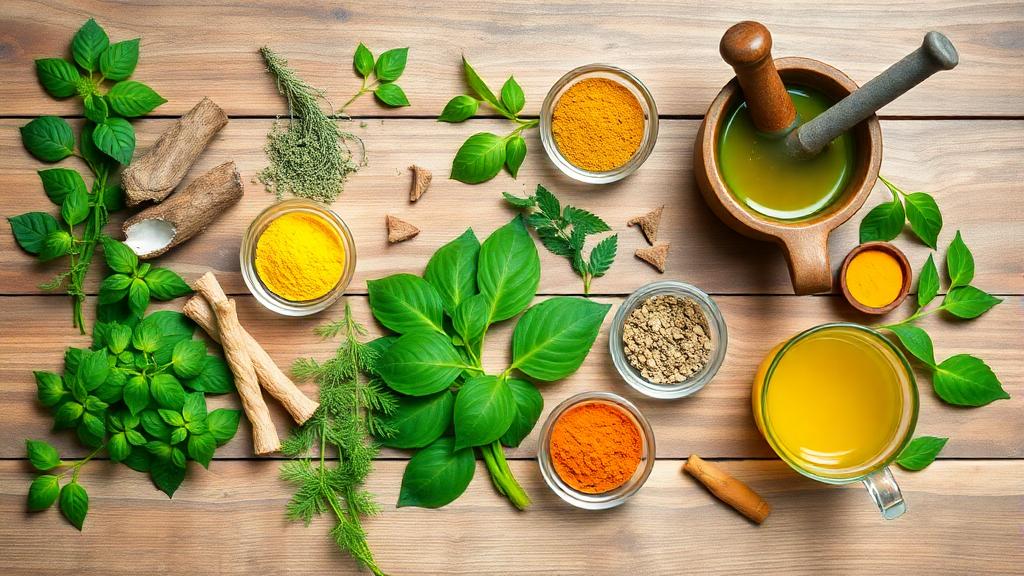
    Flat-lay of Ayurvedic herbs including tulsi, ashwagandha, neem, turmeric, and giloy with herbal powders and tea on a wooden background.

    Life keeps getting busier. Whether you’re running behind meetings, trying to study late into the night, or simply trying not to doze off in the afternoon, staying mentally sharp and energetic has become quite a task. While many people turn to energy drinks or endless cups of coffee, there’s a simpler, more natural way that has been around in our country for generations — Ayurveda.

    This blog is all about six well-known Ayurvedic herbs — Ashwagandha, Brahmi (Bacopa Monnieri), Gotu Kola, Shankhapushpi, Turmeric, and Tulsi. These aren’t fancy modern discoveries. They’ve been part of Indian households for ages. The beauty is they don’t just give short bursts of energy, but help your mind and body stay balanced in the long run.

    Let’s go through each one in a way that makes sense what they do, how to use them, and why they’re still trusted.

    1. Ashwagandha – For Calmer Mind and Steady Energy

    You must’ve heard about Ashwagandha herbs. It’s quite common now, but long before capsules and powders took over, many Indian families used it as part of daily health.

    Ashwagandha is mainly known to help manage stress, which honestly eats up most of our focus. It also boosts your stamina without making you restless, unlike tea or coffee. Some people even say they feel more clear-headed after using it regularly.

    How you can take it:

    You can mix a bit of Ashwagandha powder in warm milk, especially at night. Some prefer capsules easier if you’re on the go. Start small, like 300 mg, and see how your body responds.

    Real-life example:
    My own nani used to have it in milk every night, and she was more active than anyone half her age. I started it during work-from-home days, and it really helped me stay calm during long meetings.

    2. Brahmi (Bacopa Monnieri) – For Sharper Memory

    If you’ve studied in a typical Indian home, chances are your parents gave you Brahmi before exams. They weren’t wrong. This small herb has a big role when it comes to memory and learning.

    Brahmi helps your brain retain things better, and it also keeps you from overthinking too much, which many of us do when under pressure. It’s gentle, but effective if taken regularly.

    How to use:

    Take it with honey or ghee in its powdered form. Or just use capsules. 300 mg a day is a common dose, but of course, ask your doctor.

    Personal story:
    During my college years, my mom used to give me Brahmi syrup. I didn’t like the taste, but later on, I realised I could sit and focus longer without my mind jumping around.

    3. Gotu Kola – For Mental Clarity

    Not many people talk about Gotu Kola, but in some Indian regions, this plant is very well known. It’s said to support mental clarity and even helps when you feel mentally tired after a long day.

    It also supports brain health over time, not just for short boosts. Good for older people too.

    How to take it:

    You can make tea out of fresh or dried leaves. Some people take it as a capsule whichever suits. Around 500 mg is a usual dose.

    Real example:
    My aunt, who is a school teacher, swears by Gotu Kola tea. She has it in the evening while correcting answer sheets. She says it helps her stay sharp even late at night.

    4. Shankhapushpi – For Better Focus

    This herb might not be as famous as others, but it’s one of the best when your brain feels all over the place. It’s known to support concentration and reduce stress too.

    Great for students, but also for anyone who deals with screen overload and constant multitasking.

    How to use it:

    You’ll mostly find it in syrup form. Take 1-2 teaspoons with water or milk. Capsules are also there, if syrup feels too sweet.

    From a friend’s experience:
    One of my friends preparing for civil services introduced me to it. I started using it during my busiest work season, and honestly, it helped me stay focused without feeling burned out.

    5. Turmeric – For Brain Support and Energy

    Turmeric isn’t just for cooking. It’s actually one of the most powerful herbs we have. Thanks to curcumin, it reduces inflammation and even helps the brain function better.

    It’s been shown to improve memory and protect your brain as you age.

    How to use:

    Use it in your curries, mix it in milk (golden milk), or add to smoothies. You don’t always need supplements if you cook at home.

    My habit:
    Every night, I drink haldi milk like my mother used to give. It feels comforting and, at the same time, clears my head after a long day.

    6. Tulsi – The Calm Booster

    Fresh tulsi leaves in a pot

    Almost every Indian household has a Tulsi plant, and for good reason. Tulsi helps reduce mental stress, and when your mind is calmer, focus automatically improves.

    It’s simple, effective, and safe for daily use.

    How to use:

    Chew a few fresh leaves in the morning or make Tulsi tea. Even once a day is enough to feel the effect.

    My take:
    Watering the Tulsi plant every morning is something I still do. That small ritual followed by a cup of Tulsi tea helps me start the day with a calm mind.

    Final Thoughts

    We run behind productivity tools, to-do apps, and stimulants but sometimes, old methods work best. These six herbs — Ashwagandha, Brahmi, Gotu Kola, Shankhapushpi, Turmeric, and Tulsi — are not magic pills. But when used regularly and with care, they bring back focus and energy in a natural, side-effect-free way.

    My view? They’re not just remedies. They’re part of our tradition, and in today’s fast-paced world, going back to such roots might be the smartest thing to do.

    💬 Feeling This Blog? Here’s What You Can Read Next:

    🔹 The Indian Kitchen Remedies That Actually Work in 2025 – From haldi doodh to ajwain water, discover what age-old desi tips are backed by science today.

    🔹 Beetroot Juice in 2025: Still the Easiest Way to Boost Health – One glass a day, and your body says thank you. This blog covers how this bright red root is still winning the health race in 2025.

    🔹 5 Superpower Herbs You Need In Your Kitchen – From your chai masala to your everyday tadka — these herbs aren’t just flavour bombs. They’re health heroes hiding in plain sight.

  • Living Light: Simple Zero Waste Hacks for Every Home

    Living Light: Simple Zero Waste Hacks for Every Home

    Zero-Waste Hacks for Every Home

    Zero waste hacks aren’t just a buzzword; they’re a way to lighten our footprint without turning our lives upside down. In a world where single-use plastics flood our markets, every small swap adds up. Whether you live in a bustling city apartment or a quiet small town, these ideas slot in naturally—no grand upheaval required.

    Plastic Swap List

    Start by replacing everyday disposables with reusables. Here’s a quick rundown:

    • Straws: Bamboo or stainless steel straws slip into your bag easily.
    • Bags: Cotton tote bags work for groceries, while mesh produce bags keep fruits and veggies breathable.
    • Coffee Cups: A ceramic or glass travel mug means no more paper cups that end up in landfill.

    In my hometown market, you can now spot roadside stalls selling cotton totes at just ₹50 each—proof that zero waste hacks can be wallet-friendly, too.

    Upcycling Projects

    Instead of tossing old jars or T-shirts, give them new life:

    • Jam Jars: Clean them thoroughly and use as spice containers or planters on your windowsill.
    • Old T-Shirts: Cut into strips to braid into coasters or rugs—no sewing machine needed.
    • Glass Bottles: Paint or wrap with twine for a rustic vase.

    My neighbour, Mrs. Patel, turned discarded glass bottles into lanterns by simply inserting fairy lights—now her verandah glows every evening.

    Meal Planning and Food Waste

    Bulk Cooking

    Cooking in batches saves time, money and packaging. Prepare staples like dal, rice or sabzi in larger quantities, then portion into glass containers. This way, you avoid single-use cling film or foil.

    Composting Kitchen Scraps

    Kitchen scraps such as vegetable peels, coffee grounds and eggshells make rich compost. Even in a small flat, you can keep a countertop composter—just empty it in a community compost pit or your garden.

    Reducing Food Waste

    Write a simple menu plan and shopping list before heading to the market. Stick to it, and you’ll end up tossing far less edible food. Last week, I saved nearly ₹200 by planning meals and buying only what I needed.

    Eco-Friendly Brands Round-Up

    If you prefer buying over DIY, a few direct-to-consumer brands are making waves:

    • Brown Living: Offers refillable cleaning products delivered in glass bottles.
    • Prolinnova: Sells compostable dishcloths made from cellulose sponges.
    • Karaniya: Provides handmade beeswax wraps—an excellent alternative to plastic wrap.

    These DTC brands often ship without plastic packaging, so you’ll notice the difference right at your doorstep.

    Green Cleaning Solutions

    DIY Recipes

    For most cleaning tasks, a mix of vinegar and baking soda works wonders. To tackle grime, sprinkle baking soda on surfaces, spray diluted vinegar and wipe clean. For a fresh scent, add a few drops of essential oil.

    Store-Bought Plant-Based Buys

    If you’d rather skip the mixing, look for plant-based cleaners labelled phthalate-free and biodegradable. Brands like Purifica and The Happy Co. now stock refill pouches at local organic stores.

    Community and Policy

    Local initiatives make zero-waste living smoother:

    • Bulk-Buy Stores: Shops like ‘Loose Goods’ allow you to refill grains, pulses and spices using your own containers.
    • Refill Stations: Stations for soaps and detergents pop up in malls and markets across many cities now.
    • Plastic Bans: Several municipal corporations have banned single-use plastic, making reusable options the default.

    In Pune, a recent drive distributed cloth bags to over 10,000 households—small policy moves like these ripple out into real change.

    Personal Takeaway

    Honestly, swapping out just a couple of disposables has made me feel more connected—to my neighbourhood market, to fellow eco-minded friends and, most of all, to a future where small changes add up. It’s not perfect, and sometimes I slip, but that’s part of the journey.

    Check more related artical
    Protein on a Budget: Eat Healthy Without Spending Much
    Learn more at Zero Waste Home

  • Protein on a Budget: Eat Healthy Without Spending Much

    Protein on a Budget: Eat Healthy Without Spending Much

    Rustic Indian kitchen table with budget-friendly protein foods like dal, eggs, peanuts, curd, sprouts, and tofu arranged neatly.

    Introduction

    Protein is one of those nutrients we all keep hearing about gym trainers talk about it, dieticians mention it, and even fitness reels on Instagram throw the word around like confetti. But in real life, when you’re managing a tight budget, the first thing that comes to mind is how do I eat more protein without spending too much?

    In India, a lot of people still believe that eating high-protein food means buying expensive powders, fancy chicken breasts, or imported nuts. That’s not the full picture. Truth is, there are so many desi, budget-friendly options around us that are rich in protein we just don’t give them enough credit.

    In this blog, we’ll talk about:

    • Why your body really needs protein
    • What’s going wrong with protein intake in India
    • Smart, affordable protein options you already have at home
    • Simple ideas to include them in your meals without pinching your wallet

    Why Protein Is So Important (Even If You’re Not Going to the Gym)

    Most people think protein is only for bodybuilders or athletes. But actually, whether you’re walking to work, farming in the sun, or just running around behind your kids all day your body still needs protein to stay strong. It helps you recover, builds muscle, keeps your energy stable, and even supports your skin and hair.

    Think about a daily routine in a typical Indian household lifting groceries, cleaning, walking to school or college these tasks use up energy and your muscles. Without enough protein, your body tires out faster. And no, you don’t need to eat meat every day or drink some international shake to get it. Our own local food is full of this nutrient we just need to notice it.

    What’s Going On with India’s Protein Intake?

    You might find this surprising, but over the last few decades, India’s average protein intake has quietly gone down. Long back, in the 90s, rural folks were eating around 60 grams of protein a day. Now, it has dropped closer to 56 grams. Even in cities, it’s gone down slightly.

    One reason could be that we’ve started depending more on rice, biscuits, and ready-made snacks instead of cooking dal, eggs, or paneer. Also, there’s a myth that healthy food means expensive food — which isn’t true.

    At the same time, more people are now becoming aware of health and nutrition. The market for protein-rich food in India is growing fast, which shows people want to eat better. But we still need to make sure this information reaches every home, not just fitness clubs.

    Affordable Protein Sources You Already Know

    Dal (Lentils)

    Honestly, dal is a life-saver. Every home has some version of it — moong, masoor, chana, or toor. Just one bowl can give you a good chunk of your daily protein, around 25 grams per 100 grams cooked. And it doesn’t cost much either.

    From simple dal-chawal to khichdi or even crispy vadas, dal fits into every meal. It’s filling, cheap, and easy to make. And if you add some veggies or paneer in the same meal, it gets even better.

    Paneer

    Paneer is not just a restaurant item. You can easily make it at home using milk and a little lemon juice. It gives around 18 grams of protein per 100 grams, and it’s rich in calcium too. Whether you put it in curry, mix it with peas, or just fry it with masala, it works well. Even in paratha stuffing, paneer adds both taste and protein.

    Soya Chunks

    These are often ignored, but they’re among the highest plant-based protein options in India around 50 grams per 100 grams dry weight. They’re cheap and store well. Just soak, squeeze, and cook. You can toss them into curries, pulao, or even rolls. If you’re trying to avoid meat, this is a great substitute.

    Eggs

    Eggs are everywhere in grocery stores, roadside stalls, and every fridge. One egg gives about 6-7 grams of complete protein, meaning all essential amino acids are present. Boiled, scrambled, or made into bhurji they’re quick and nutritious. Perfect for students and busy folks.

    Peanuts

    Peanuts are not just a snack they’re a proper protein source. About 25-26 grams per 100 grams. Roast them, make chutney, or just have them with jaggery as a snack. Even a small handful can keep you full and energetic.

    Fish

    Especially in coastal areas, fish like mackerel and sardines are protein-rich and budget-friendly. About 20 grams of protein per 100 grams. They also have healthy fats for the heart. A simple fish curry with rice can be a complete, balanced meal.

    Milk and Curd

    These are everyday items in many homes. Milk has around 3.4 grams of protein per 100ml, and curd may have even more depending on how it’s made. Add them to your routine a glass of milk before bed or some curd with lunch can quietly boost your protein.

    Tips to Eat More Protein Without Extra Cost

    • Mix foods wisely: Dal with rice or roti makes a complete protein. Even rajma with rice works great.
    • Spice things up: You don’t need to eat bland boiled food. Our Indian spices can turn even a simple dish into something special.
    • Go local and seasonal: Peas in winter, leafy greens, and locally caught fish are not only cheaper but fresher too.
    • Cook in batches: Make extra and store. Rajma, chole, and paneer sabzis last for 2-3 days and save both time and money.

    Quick Look: Protein vs. Cost

    Food ItemProtein per 100gApprox. Price (INR)
    Dal (Lentils)25g₹10-20
    Paneer18g₹30-40
    Soya Chunks52g (dry)₹10-15
    Eggs (1 egg)6-7g₹5-7 per egg
    Peanuts26g₹15-20
    Fish (Mackerel)20g₹50-70
    Milk (100ml)3.4g₹5-7

    A Small Memory

    When I was younger, there was no talk of “high-protein diets” or “macros.” My grandmother just made whatever was fresh and available dal, some rice, a spoon of ghee. Sometimes moong dal khichdi. Simple food, but filling. Only now I realise that was a complete meal in itself. No powders, no imported stuff just smart cooking with what we had. That’s the beauty of our food culture. It nourishes without showing off.

    Conclusion

    So, if you’re trying to eat better without spending a fortune, don’t fall for marketing gimmicks. Look around your kitchen. Dal, eggs, peanuts, soya they’re all waiting to be appreciated a bit more.

    Start with small changes. Add an extra spoon of dal, a boiled egg with your breakfast, or throw some peanuts into your salad. Health doesn’t have to be costly. It just needs a little planning, a pinch of creativity, and some love for our good old Indian food.

    💬 Liked this post? You’ll also want to read: