Category: Top Trending

  • 10 Best Foods for Brain Development in Children

    10 Best Foods for Brain Development in Children

    Colorful Indian thali with brain-boosting foods like eggs, spinach, fish curry, walnuts, curd, fruits, and dal, served in a steel plate with a smiling child in the background.

    Why What Kids Eat Really Matters

    Every parent wants their child to stay sharp, focused, and full of curiosity. While school, sleep, and play have their place, food quietly plays a big role behind the scenes. In simple words, the brain is always working and like any machine, it needs good fuel. Especially during childhood, when the brain is growing fast, the right kind of food can help a lot. Not all food does the same job. Some items give more brain power than others, and luckily, most of them are already common in Indian kitchens.

    In this blog, let’s talk about 10 such everyday foods that naturally support brain development in children. These are not some fancy imported things just regular items like fish, eggs, and leafy vegetables. I’ll also share ideas on how to include them in daily meals without much fuss.

    Why Nutrition Impacts Brain Growth

    A child’s brain is like a growing tree. In the early years, it needs good nutrients to form strong branches (connections). Things like omega-3 fatty acids, iron, choline, and certain vitamins act like fertilizers for brain function helping with focus, memory, and learning.

    In India, many traditional meals already carry these nutrients, but sometimes kids become picky eaters. So, it becomes important to make smart food choices that help them grow mentally and physically. Even studies have shown how lack of iron or certain vitamins can make kids feel tired or less attentive in class.

    1. Fatty Fish That’s Full of Brain Fuel

    Fish like sardines, tuna, or salmon are packed with omega-3 fats very important for brain cell growth and smooth thinking.

    How to use: Make fish curry, shallow fry it, or try fish cutlets. Even canned tuna works in a sandwich.

    2. Eggs – Simple but Powerful

    Eggs are loaded with choline, which supports memory, and protein, which helps in overall growth.

    How to use: Boil them for tiffin, or prepare anda curry or egg bhurji with a soft touch of masala.

    3. Leafy Greens for Learning Power

    Spinach, methi, and even broccoli are rich in iron and folate both known to boost memory and focus.

    How to use: Mix palak into dal, cook palak paneer, or make green parathas.

    4. Nuts and Seeds That Sharpen Memory

    Almonds, walnuts, and flax seeds carry vitamin E and healthy fats that protect the brain.

    How to use: Crush them into rotis, mix in porridge, or sprinkle over dahi.

    5. Berries – Small but Mighty

    Strawberries, blueberries, and amla are full of antioxidants they keep the brain fresh and strong.

    How to use: Blend them into smoothies, or give them as fruit snacks. Gooseberry candy works too.

    6. Whole Grains That Give Energy.

    Grains like ragi, oats, and brown rice give slow energy and help brain function smoothly.

    How to use: Ragi dosa, oats upma, or brown rice pulao — kids enjoy all with light tadka.

    7. Dairy Products for Brain Tissue Growth

    Milk, curd, and paneer support brain cells and help make certain chemicals in the brain.

    How to use: A glass of milk in the morning, dahi rice for lunch, or lassi in summer.

    8. Lean Meat to Boost Memory

    Chicken and turkey provide iron and zinc, which help children stay sharp and alert.

    How to use: Try chicken curry, grilled chicken, or use leftover chicken in wraps.

    9. Lentils – Everyday Heroes

    Dal, rajma, and chana are rich in protein and good fats — a great option for vegetarians.

    How to use: Prepare dal tadka, chole, or add sprouts to salads.

    10. Fruits That Wake Up the Brain

    They provide vitamin C and help in absorbing iron from other foods. Also protect brain cells from damage.

    How to use: Apple slices with a bit of peanut butter, fresh orange juice, or chopped fruits in curd.

    Making It Easy for Kids

    Let’s be honest, getting kids to eat healthy things isn’t always smooth. But there are small things that help:

    • Cook it their way – Make their favourite dish and sneak in the good stuff
    • Let them help – If kids touch and prepare the food, they enjoy eating it more
    • Use what’s local – No need for imported berries if amla is there
    • Eat together – Kids follow what they see

    Final Thoughts

    Feeding children the right food is not about following strict diet charts it’s more about smart everyday choices. If we include brain-friendly foods like fish, eggs, greens, and grains in regular meals, kids stay energetic and focused without much effort. I’ve personally noticed how adding just one boiled egg in the morning makes my nephew more active during the day.

    So let’s try to fill their plates with these everyday superfoods and support their brain naturally.

    📚 Related Articles You May Like

    Top 9 Indian Breakfasts That Sharpen Kids’ Memory
    Simple, brain-friendly recipes to kickstart school mornings with energy and focus.

    7 Dry Fruits Every Indian Mom Swears By for Brain Power
    From almonds to walnuts—learn how these nuts can support your child’s mental development.

    How Strawberries Can Help With Fatty Liver and Diabetes
    This juicy fruit is more powerful than you think—benefits for liver, blood sugar, and more.

  • Say Goodbye to Hair Fall: Banana Peel Is the Secret For You

    Say Goodbye to Hair Fall: Banana Peel Is the Secret For You

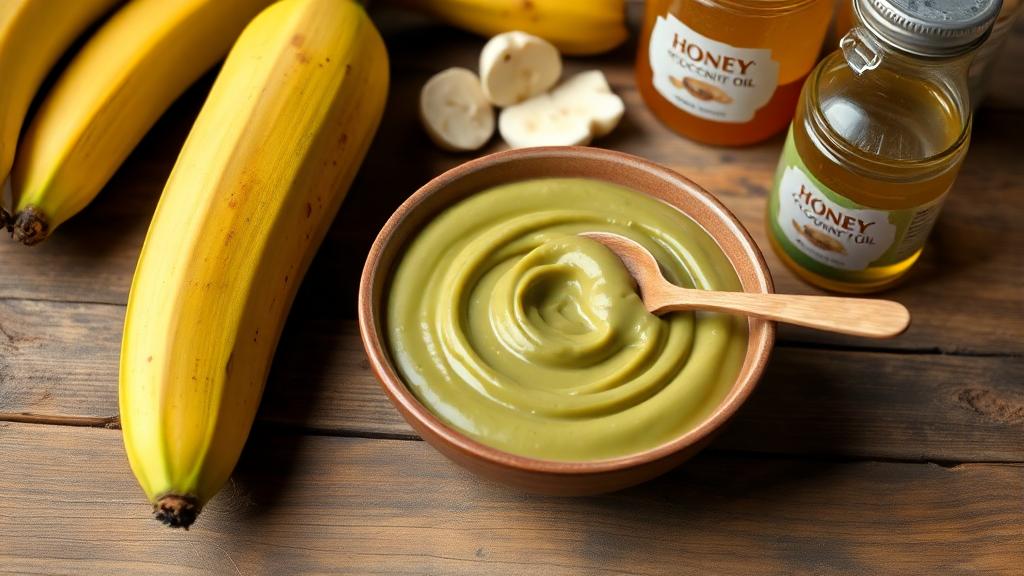
    Banana peel with bananas on yellow background promoting natural hair growth remedy

    Most people eat a banana and throw away the peel without thinking twice. But did you know that peel you waste can actually help your hair grow stronger, shinier, and healthier? Yes, really. In this blog, I’ll explain how a simple banana peel something lying in your kitchen right now can be turned into an easy hair care solution.

    Instead of spending hundreds on hair products that make big promises and small difference, many people these days are going back to simple things. And banana peel is one of them. It’s free, natural, and full of nutrients your hair quietly needs.

    Why Banana Peel Helps Hair

    We all know banana is healthy. But the peel? It’s not useless like people think. It actually holds a lot of the goodness. Banana peel has potassium, which keeps your scalp hydrated and reduces breakage. It has magnesium too, which helps blood flow better on the scalp—very useful for new hair growth.

    There’s also Vitamin C and B6 hiding in that peel, both needed for healthy strands and strong roots. On top of that, the peel has natural oils and antioxidants, which protect your hair from damage and dryness. So basically, it’s like a free hair tonic.

    In many Indian households, older folks already knew this. My aunt in Coimbatore, for example, used to rub banana peel on her scalp before weddings. She said it gave a soft shine to the hair without any chemicals. Turns out, she was onto something.

    3 Ways to Use Banana Peel for Hair

    1. Banana Peel Hair Mask

    This one is super easy.

    You’ll need:

    • 1 ripe banana peel
    • 1 spoon honey
    • 1 spoon coconut oil

    Steps:

    • Wash the peel well. Chop it into small bits.
    • Blend it with honey and oil till it becomes a smooth paste.
    • Apply this paste on your scalp and roots.
    • Leave for 30–40 minutes. Then rinse with mild shampoo.

    You’ll notice your hair feels softer and less frizzy right after.

    2. Banana Peel Water Rinse

    If you don’t want to deal with paste, this one’s for you.

    You’ll need:

    • 1 banana peel
    • 2 cups water

    Steps:

    • Boil the chopped peel in water for 10–15 minutes.
    • Let it cool. Strain the water.
    • After your regular hair wash, pour this water over your scalp.
    • Leave for a minute or two, then rinse with plain water.

    This helps reduce dandruff and gives your scalp a quick nutrient boost.

    3. Banana Peel Infused Oil

    If you’re someone who prefers oiling the hair, this method is a good fit.

    You’ll need:

    • 1 banana peel
    • ½ cup coconut or olive oil

    Steps:

    • Heat the oil on low flame. Add chopped peel.
    • Let it simmer for 10 minutes. Then cool it down.
    • Strain and store in a clean bottle.
    • Use this oil once or twice a week. Warm it a little before applying.

    This oil makes your hair roots stronger and adds natural shine.

    Banana Peel Powder (If You Want to Store It)

    If you want to use banana peel again and again, this method helps you make powder.

    Steps:

    • Wash and sun-dry the peels.
    • Once fully dry, grind them into powder.
    • Store in airtight jar.

    Later, mix this powder with curd or coconut oil and use it as a hair pack.

    What Science Says

    Not a lot of big studies are done on banana peel and hair. But what we do know is, banana peel has strong antioxidants and nutrients. Some reports on banana flower also show it helps with blood circulation and scalp health, which supports hair growth. So even if peel is not yet in textbooks, the benefits are real and practical.

    Things to Keep in Mind

    • Don’t use raw green peels. Go for ripe banana peels only.
    • Do a patch test first. Everyone’s skin reacts differently.
    • Use fresh peel, not one lying around for days.
    • Once a week is enough. No need to overdo.

    Final Thoughts

    Using banana peel for hair might sound odd at first, but it works. It’s one of those home remedies that’s simple, cheap, and kind to your hair. In a world full of chemicals, it’s nice to try something natural that actually makes a difference.

    If your hair is dry, falling, or just dull, this is something you can try without fear. It doesn’t cost anything, and you might be surprised by how your hair feels after a few weeks. Try it once. Maybe your kitchen has the answer your salon never gave.

    📚 Related Articles You May Like

  • Weak Heart Warnings: Know the Silent Signs Before a Heart Attack

    Weak Heart Warnings: Know the Silent Signs Before a Heart Attack

    Healty heart

    These days, heart problems are not just for older people. Even someone in their 30s or 40s can suddenly get a heart attack and that too without any major warning. But actually, the body does warn us. We just don’t take it seriously. Sometimes, we think it’s just gas, tiredness, or maybe we just didn’t sleep well.

    But the truth is, your heart might be struggling. And you won’t know until it’s too late.

    Let’s look at 9 common signs that could mean your heart is getting weak. Read carefully some of these are things we all ignore thinking “it’s nothing.”

    1. A Strange Feeling in Your Chest – Not Always Pain

    When we say heart problem, we all think of sharp chest pain. But that’s not always how it starts. Sometimes it’s just a tight feeling, or pressure, or even a burning like acidity. One of my friends had this heaviness in his chest and jaw for 2 days. He thought it was gas. Turned out, it was the beginning of a heart attack. Scary, no?

    So don’t guess get it checked.

    2. You Get Out of Breath Easily

    Let’s say earlier you could climb 2 floors without trouble. But now you feel breathless just after one flight of stairs that’s a sign. Even walking for a few minutes makes you stop to catch your breath. If your lungs and stamina are fine, then the heart could be the reason.

    3. You’re Tired for No Reason – All the Time

    Some people sleep 8 hours but still feel tired during the day. Not tired like “I didn’t sleep properly” — more like your whole body feels low energy. This can happen when your heart isn’t pumping blood well. Your body isn’t getting enough oxygen, so everything feels like an effort.

    Even small things like folding clothes or going to the shop make you feel drained.

    4. Feeling Dizzy or Light-Headed Suddenly

    You get up from bed or a chair, and suddenly everything spins for a few seconds. Once or twice is fine. But if it keeps happening, or you feel like you might faint please don’t ignore it. It could mean low blood flow to the brain due to a weak heart.

    5. Stomach Discomfort, Nausea, or Vomiting (Even Without Food Issues)

    Not all heart signs are in the chest. Many people, especially women, get stomach pain, feel like puking, or have a strange discomfort in the upper belly. Most of us think it’s something we ate. But sometimes it’s the heart sending signals.

    6. Pain in Neck, Jaw, Shoulder, or Arm (Especially Left Side)

    Yes, chest pain is one thing. But heart trouble can show up as pain in the left arm, or back, or even the jaw. It’s not constant pain it comes and goes. That’s why people think “it’s nothing.” But trust me, this kind of pain needs a check-up.

    7. Cold Sweat for No Reason

    You’re just sitting or watching TV and suddenly you start sweating badly, but your body feels cold. That’s not normal. If it comes with chest tightness or dizziness, go to the hospital immediately. Many people ignore this and regret it later.

    8. Fast or Irregular Heartbeats

    Sometimes you feel like your heart is running faster than normal. Or it skips a beat. This can happen during stress, but if it happens too often or while you’re resting, that’s a problem. The heart should beat steady not randomly.

    9. Sleep Problems – Waking Up Gasping or Feeling Choked

    If you wake up suddenly in the night gasping for air or feeling heavy in the chest, that’s not a bad dream. That could be your heart under stress. Especially if you snore loudly, feel tired in the morning, or feel breathless in sleep these are signs of sleep apnea or heart stress.

    💬 A Small Reality Check

    In India, most people don’t visit the doctor until something major happens. We believe in “Get some rest, you’ll feel better.” But your heart might not wait and ignoring early signs could lead to a heart attack.

    Also, with all the sitting jobs, junk food, lack of exercise, and stress heart disease is no longer an “old people” problem. Young people are at risk too.

    ✅ What You Can Do

    If you noticed 2-3 of these signs happening regularly, please don’t delay. Get an ECG, 2D Echo, or basic heart check-up. Even in small towns, these tests are easily available now.

    Also, start with small changes:
    – Walk for 30 minutes daily
    – Eat more home food
    – Avoid smoking or too much alcohol
    – Reduce stress (even just by sleeping properly)
    – Take yearly health check-ups seriously

    💭 Final Words

    Your heart works 24×7 without complaining. But if it’s starting to get weak, your body will send signals small ones at first. The earlier you catch them, the better your chance of living a long, healthy life.

    Don’t ignore what your body is trying to say. It’s not overthinking. It’s awareness.

    🔗 Useful Links

    • Recognizing Early Signs of a Heart Attack
      Learn the warning symptoms of a heart attack and when to seek immediate medical attention.
      Visit Mayo Clinic
    • How Stress Affects Heart Health
      Understand how chronic stress can contribute to cardiovascular problems and what you can do about it.
      Read on Cleveland Clinic
    • Physical Activity Guidelines by WHO
      Find out how much physical activity you need to keep your heart strong.
      Explore WHO’s Official Guidelines
    • Tiny Pacemaker, Big Impact: Saving Newborns with Heart Defects
      Discover how the world’s smallest pacemaker is changing lives for infants with critical heart issues.
      Read the Full Article
  • 10 Abdul Kalam Quotes That’ll Actually Change How You Think

    10 Abdul Kalam Quotes That’ll Actually Change How You Think

    Dr. APJ Abdul Kalam smiling beside a motivational quote banner titled “10 Abdul Kalam Quotes That’ll Actually Change How You Think”

    Introduction – Why Abdul Kalam’s Words Still Matter Today

    When someone says “Abdul Kalam,” what comes to mind?

    For most Indians, it’s not just about the missiles or him becoming President. It’s about the way he made us feel. That calm smile, the white hair, the way he spoke directly to our hearts – especially students.

    He didn’t speak like a politician. He spoke like a teacher, a mentor. And his quotes? They weren’t just good for textbooks or speeches. They were simple lines, but deep enough to shake your soul.

    I remember hearing his quotes in school, but back then I didn’t really get them. Now, after facing life a bit, they hit differently. So, I thought – why not take 10 of his most famous quotes and explain them with real-life Indian context?

    Not too serious. Just like a friend talking to you over chai.

    Let’s begin.

    1. “If you want to shine like the sun, first you have to burn like it.”

    This one hits like a wake-up call. Everyone wants success – money, name, happiness. But no one wants the struggle part.

    Think of someone like Neeraj Chopra. His gold medal looked shiny on TV. But years of pain, practice, rejections – that was his “burning” phase.

    Even our parents go through it. We see their smiles, but not the sleepless nights they spent worrying about our school fees.

    So next time you’re sweating and struggling, remember – even the sun had to burn to shine.

    2. “Dream is not what you see in sleep. It’s the one that doesn’t let you sleep.”

    It’s easy to dream at night. Everyone does that. But the real dream? That’s the one that keeps poking you even when you try to forget it.

    Maybe you want to start your own café, or become a designer, or even move to a different city. If that thought keeps coming back, it’s not random. It’s your dream trying to wake you up.

    So listen to it. Before it fades.

    3. “It’s very easy to defeat someone. But very hard to win someone’s heart.”

    You can prove someone wrong in an argument. Big deal. But to win someone’s respect? That takes more.

    I’ve seen people who are toppers in class but no one likes talking to them. And then there’s that average student who helps everyone – and he gets the most birthday invites.

    Even Kalam sir never showed off. He could’ve, but he didn’t. That’s why people cried when he passed – not because he was a scientist, but because he was a good man.

    4. “Dream. Think. Act. And success will follow.”

    Some people keep dreaming forever. Some keep overthinking. And some just jump in without a plan.

    Kalam gave the whole roadmap – dream big, think clearly, and take small steps. Even a small act like waking up early or reading 5 pages a day starts something.

    Ola and Swiggy didn’t start with billion-dollar funding. Just one idea, one step, then another. That’s how movement begins.

    5. “Difficulties in life don’t come to destroy you. But to help you realize your hidden potential.”

    We curse problems when they come, right? But sometimes, they show us what we’re truly made of.

    During lockdown, many lost jobs. But I saw a guy in my lane start a dosa cart. Now, he’s doing better than before.

    Kalam faced poverty, rejection, and failure too. But without those tests, would he have become who he was? Probably not.

    6. “Learning gives creativity, creativity leads to thinking, and thinking leads to knowledge.”

    This is more than just school gyaan.

    Think of it like this – when you read, your brain starts opening. When that happens, ideas come. Then slowly, you start understanding things better – not just in studies, but in life.

    It’s not about marks. It’s about mindset.

    That’s why Kalam always encouraged reading – not for exams, but for growth.

    7. “FAIL = First Attempt In Learning. END = Effort Never Dies. NO = Next Opportunity.”

    Only Kalam sir could turn such painful words into hope.

    Failed in something? Don’t beat yourself up. It’s just one attempt. And “No” doesn’t mean never – it just means “not now.”

    I once didn’t get selected in a college I wanted. Felt terrible. But now I realise, it led me to a better path.

    Trust your journey. It knows something you don’t.

    8. “All birds find shelter during rain. But the eagle avoids the rain by flying above the clouds.”

    You can either hide from problems or rise above them.

    In 2020, while many were stuck, some women started cooking businesses from home. Some students began freelancing.

    That’s eagle energy. Don’t wait for storms to pass. Fly above them.

    9. “You have to dream before your dreams come true.”

    Sounds obvious. But so many of us are scared to even dream.

    We think – “I’m from a small town”, or “I don’t know English”, or “I’m too late.”

    But Abdul Kalam sir was a newspaper boy. He had no privilege. Just one thing – belief.

    So allow yourself to dream. That’s step one.

    10. “When you work with a pure heart, the universe supports you.”

    Call it luck, faith, or the universe – when you give your honest best, things fall into place.

    Abdul Kalam used to say, the universe helps those who don’t give up. Not in one day, but slowly, it starts clearing your path.

    Just keep walking.

    Final Thoughts – What You Take From Kalam Is Up To You

    Abdul Kalam sir didn’t ask us to become scientists or presidents. He just wanted us to believe in ourselves. To stay humble. To dream big. And to not give up when things get tough.

    Even now, years after he’s gone, his words still guide us. That’s rare.

    So maybe, pick one of these quotes and stick it near your study table or mirror. Let it remind you that no matter where you’re from, how much money you have, or how big your problems are — you can still fly above the clouds.

    You just have to believe.

    🔗 Related Articles

  • The 7 Habits That Actually Help Engineers Succeed

    The 7 Habits That Actually Help Engineers Succeed

    A young Indian boy working on a laptop with a circuit board, surrounded by tools and fan parts, chalkboard behind him showing hand-drawn project ideas

    First things first…

    You can be that engineers who tops college, submits every assignment early, maybe even gets a solid GATE rank but still feel stuck, like real engineering life hasn’t even begun.

    Why?

    Because being a good engineer isn’t about marks. It’s about how you think and what you do consistently, even when no one’s watching.

    Some habits make a big difference. And trust me, I’ve seen both types: those who stay stuck… and those who quietly grow, without much noise.

    ✅ 1. Don’t Wait for a Problem to Hit You – Catch It Early

    You know what most folks do? They just wait around for the boss to give instructions, for the bug to mess things up, or until the teacher hands out the topic. Nobody wants to take the first step.

    But the ones who go ahead in life they step in before it’s asked.

    One junior of mine at a small plant in Nashik spotted a weird motor vibration. Nobody cared. But he insisted and later found a worn-out shaft. Fixed it. That small habit? Got him promoted within 8 months.

    So don’t just do what’s told. Do what’s needed even if nobody notices right away.

    ✅ 2. Know Where You’re Going — Not Just What You’re Doing

    Imagine you’re fixing a bike, but you don’t know whether the owner wants it for racing or regular city rides. You’ll mess up, right?

    Same with engineering. Don’t just start a project or code or model. First ask: “Why am I doing this? What’s the final use?”

    Even big guys like ISRO plan years ahead before launching anything. They don’t jump in. They think backwards from the goal.

    So, in your job or college project, don’t start with code. Start with clarity.

    ✅ 3. Tackle the Heavy Stuff First — Not the Easy One

    We all love doing easy work. I used to spend 2 hours adjusting fonts on a report, just to avoid actual testing. But that’s not smart.

    Do the difficult, important stuff first like calculations, testing, core logic. Once that’s done, the rest feels like a breeze.

    Think of it like making tea. Boil water first. Don’t waste time picking a cup.

    ✅ 4. Don’t Try to Win Alone – Help Others Grow Too

    There’s enough competition in the world. If you’re still trying to “outperform” your classmates or teammates in every meeting, you’ll get exhausted.

    The smarter engineers figure out ways where everyone gains.

    Like one friend of mine in Bangalore always shared his GitHub tricks with others. Later, his juniors got placed in top firms and pulled him into bigger roles. See? Helping others isn’t charity. It’s a long-term strategy.

    ✅ 5. Talk Less, Listen More (Even if You’re the Smartest)

    Honestly, I wish someone told me this earlier.

    When you talk less and listen more, you learn more. Especially from those who may not have a fancy degree, but have real-world knowledge.

    I once worked with a retired technician who could tell motor RPM by just hearing the sound. I kept quiet and listened. Learnt more in 2 weeks than I did in 2 semesters.

    So yes, speak. But only after listening well.

    ✅ 6. Solo Hero? That Doesn’t Work Here

    Forget movies. In real life, no engineers succeeds alone.

    You’ll need others whether it’s for ideas, data, testing, feedback, or moral support during breakdowns.

    Think about every bridge, every app, every electric grid. So many hands behind it.

    So make friends. Respect people. Coordinate well. Even a simple “thanks” after group work builds strong teams.

    ✅ 7. Never Stop Being Curious – Even After 10 Years

    Tech keeps changing. What you know today? Might be outdated next year.

    I knew a guy who used to repair CRT TVs in the 90s. He learnt LCD, then LED, then moved into IoT sensors. Now he’s consulting in smart homes at 52!

    He never stopped learning.

    Even 15-minute YouTube videos can teach something new. But you have to want to learn.

    In The End…

    Engineering is a vast world. Some climb fast, others get stuck. But the difference rarely lies in talent.

    It’s always in the habits.

    You don’t have to be a genius or a topper. You just need to keep showing up, doing the right things, staying curious, and not waiting for someone to tell you what to fix.

    Do that every day and you’ll quietly become the kind of engineers companies remember.

    Not for marks. But for impact.

    🔗 Related Reads You Might Find Interesting:

    👉 Ayurvedic Wisdom: 6 Herbs That Naturally Boost Focus & Energy – Discover how ancient Ayurvedic herbs can help improve focus and energy levels.
    👉 Engineers Day: How Engineers Have Transformed India – A special look at how engineers have played a crucial role in India’s growth and development.
    👉 7 Morning Habits That Boost Your Mental Health and Productivity – Simple routines to start your day with mental clarity and focus, essential for engineers.

  • 8 Simple Steps to Make a Study Timetable That Actually Works

    8 Simple Steps to Make a Study Timetable That Actually Works

    Student studying at a desk with a laptop, books, and a visible study timetable on the wall

    Creating a good study timetable isn’t rocket science, but many students still get stuck. Whether you’re studying for CBSE boards, NEET, or just want to keep up with school, having a clear routine can take a lot of pressure off your mind. And let’s be honest with so many subjects, tuition classes, and distractions around, it’s easy to feel lost without a plan. That’s where a simple, realistic timetable comes in handy.

    In this blog, let’s go through 8 simple steps to build a study routine that fits your life. These ideas are practical and suited for Indian students who want to study smart, not just hard.

    Step 1: Set Goals That Make Sense

    Before you pick up your pen or open your books, ask yourself: What exactly do I want to finish this week? Don’t just say, “I’ll study Science.” Say, “I’ll complete Chapter 4 of Science and do 10 questions from the guide by Friday night.”

    It helps to break big goals into small, daily targets. For example, if you’re preparing for JEE, you can aim to revise one topic of Physics per day instead of saying you’ll finish the whole syllabus this month. Make it doable, so you don’t burn out halfway.

    Step 2: Make a Timetable That Suits You

    Everyone’s routine is different. Some students study better early morning, some are more active at night. Look at your daily schedule first school hours, tuition, family time, meals and then slot in your study time accordingly.

    Let’s say you’re free after 5 pm. You can fix 5:30 to 7:00 for studying one subject, then take a break and continue from 7:30 to 8:30. Use a notebook or even a wall calendar whatever helps you see your plan clearly.

    Don’t pack it too tight. Keep some buffer time so you don’t feel guilty if one task gets delayed.

    Step 3: Don’t Just Read — Engage

    Reading notes again and again won’t help much. Try summarising what you’ve learned in your own words. Teach it to your sibling or write it out on a whiteboard. These small tricks stick better.

    Also, for subjects like History or Biology, drawing mind maps or quick charts can really make things easier. It’s not just about reading it’s about remembering.

    Step 4: Use Apps, But Carefully

    These days, there are apps for everything. You can watch a full Chemistry chapter on YouTube or use apps like Unacademy and Byju’s. But don’t spend hours jumping between videos.

    Fix a time say 30 minutes daily for learning through apps. And use simple tools like timers or app blockers to avoid wasting time on social media.

    Step 5: Stick to the Routine (Even If You Slip Once or Twice)

    You might miss a session now and then that’s okay. What matters is not giving up. Studying for 30–40 minutes every day is more useful than pushing 6 hours in one go once a week.

    If you’re preparing for something big like NEET or UPSC, even slow but steady progress will take you far. The trick is to build a habit, not a burden.

    Step 6: Don’t Forget Your Health

    Studying is important, yes, but your health keeps you going. If you don’t sleep enough or eat junk all day, your focus will drop. Even a short walk after study can freshen your mind.

    Try to get at least 7 hours of sleep and drink enough water. You don’t need a gym simple stretches, skipping, or just walking around your home can help.

    Step 7: Keep Your Notes Neat and Simple

    Instead of copying full paragraphs, write down key points. Use bullet lists, arrows, or boxes to mark important stuff. This helps a lot during revision.

    A Class 10 student revising Geography can draw small maps or tables instead of reading pages and pages. Short, clean notes will save you hours later.

    Step 8: Stay Positive and Ask for Help

    Some days you’ll feel bored or stuck. That’s normal. When that happens, talk to someone a friend, sibling, or teacher. Even small help can save time and energy.

    Also, reward yourself after a task. Finished a chapter? Watch a short video, eat something you like, or just relax. These tiny breaks keep you going.

    Final Thoughts

    Making a timetable doesn’t mean controlling every hour of your life. It just gives you a direction. If you follow even 60–70% of your plan, that’s still great. Over time, it becomes your habit.

    So start simple. Make a rough plan for one week and see how it feels. You’ll adjust and improve as you go. And once you get used to it, studying won’t feel like such a big load.

    📚 You Might Also Like:

    How to Wake Up Early Without Feeling Tired
    Tricks for students to become early risers and make the most of their mornings.

    Top 5 Brain-Boosting Foods for Students
    Eat smart to focus better no expensive supplements needed.

    10 Smart Ways to Learn Faster: Simple Tips for Everyday Learners
    Practical tips to help you study smarter and speed up your learning process.