Category: Technology

  • CNG Kit vs EV Conversion Kit: Which Makes More Sense 2025?

    CNG Kit vs EV Conversion Kit: Which Makes More Sense 2025?

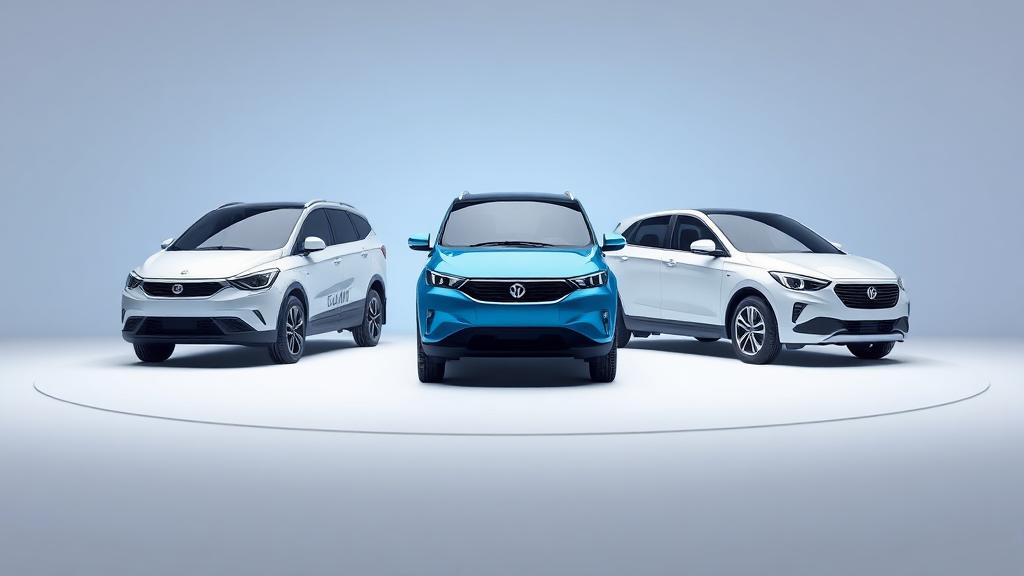
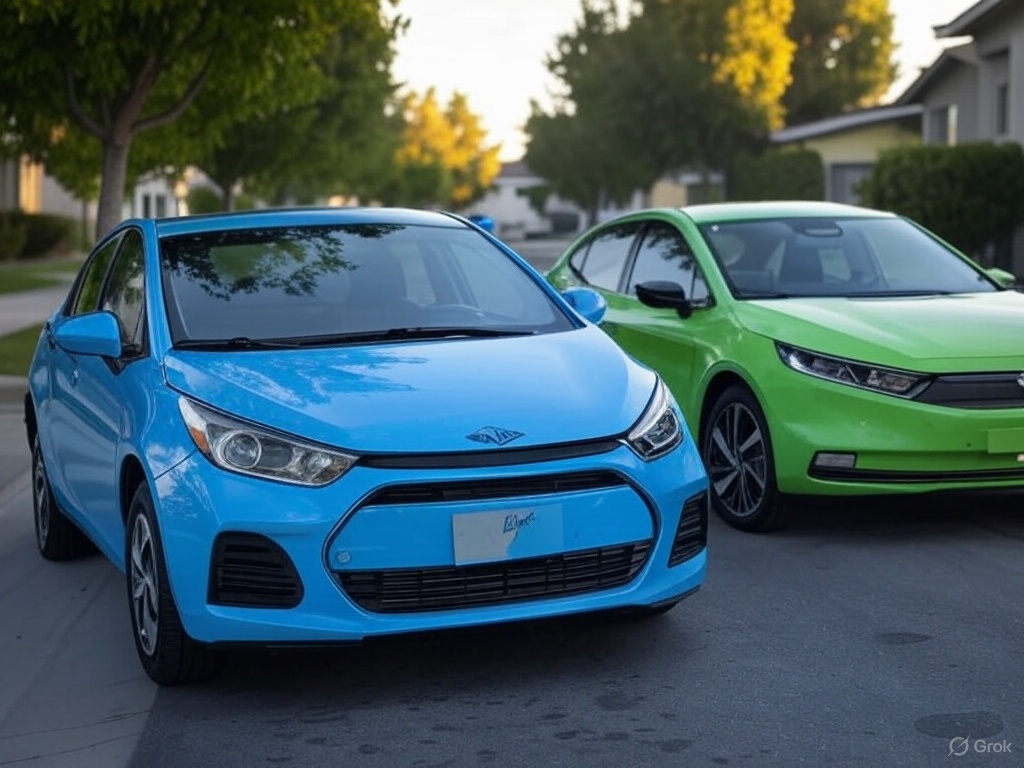
    Hilights 2 car one is CNG car onther is EV car

    Nowadays, everyone is trying to save fuel money. Petrol and diesel have become like gold ₹100 plus per litre, it’s just not affordable for daily travel anymore. On top of that, our cities are full of smoke and dust. So people are asking, “Should I go for a CNG kit or convert my car to EV Conversion?”

    That’s a fair question, honestly. Both options help you save money in the long run, and they’re also better for the environment. But they work in very different ways. So let’s try to make this simple without any big words or complicated lists.

    Why are so many people changing their cars these days?

    Let’s be real fuel price is the biggest reason. If you drive a petrol car every day, your pocket starts crying by the end of the month. And then there’s pollution. If you live in Delhi, Pune, or Bangalore, you know how bad the air has become. People want cleaner options that are also pocket-friendly.

    And that’s where CNG kits and EV Conversion kits come in.

    CNG Kit – Old but still working fine

    CNG kits have been around for years now. Especially in cities like Delhi or Mumbai, you’ll see autos, taxis, and even private cars running on CNG. The idea is simple you get a big cylinder fitted in your car’s boot, and instead of petrol, it runs on compressed natural gas.

    So, what’s good about it?

    • First of all, it’s cheap. Where petrol will cost you ₹8–10 per km, CNG runs at ₹2–3 per km.
    • You don’t need to change the whole engine or anything. Just fit the kit and you’re good.
    • And it’s still cleaner than petrol or diesel, though not as clean as EVs.

    But yeah, not everything is perfect.

    Some small problems with CNG kits

    • The gas cylinder takes up your boot space. So forget about keeping big bags or suitcases there.
    • You’ll feel that the car is slightly slower, especially when you switch on the AC.
    • And during busy times, you might have to stand in line at the CNG station for 20–30 minutes. That can get annoying.

    EV Conversion Kits – New and exciting, but still developing

    Now electric vehicles are the future everybody knows that. But buying a new EV can cost a bomb. Like, even the cheapest ones are above ₹10 lakhs. So instead, people have started converting their old cars into EVs using electric kits.

    With these EV conversion kits, you remove the fuel engine and fit a battery, motor, controller basically, all the stuff that makes it electric.

    Here’s why people are liking EV kits:

    • You get zero pollution. No smoke, no smell, nothing.
    • Cost per km is super low — around ₹1 or even less.
    • The ride becomes smooth and silent — no vibration, no noise.
    • And in some places, the government also gives support or subsidies.

    But again, like anything new, there are some roadblocks.

    A few issues with EV kits

    • They’re expensive right now. Most kits cost between ₹3 to ₹5 lakhs.
    • Not many companies are offering it, especially in smaller cities.
    • You need RTO permission, and that’s not always easy in all states.
    • Also, the battery lasts 5–7 years. Replacing it later is not cheap.

    Let’s Compare – EV Kit vs CNG Kit (Real Talk Table)

    FeatureCNG KitEV Conversion Kit
    Cost₹50,000 – ₹80,000₹3 – ₹5 lakhs
    Running Cost/km₹2 – ₹3₹0.8 – ₹1
    Installation Time1 day3–5 days
    SpaceBoot gets filledDepends on kit design
    RTO ProcessEasy and knownStill complicated
    Green FactorMediumVery high
    AvailabilityCommon in metrosLimited for now

    So yeah, if you’re short on budget and want to start saving immediately, CNG is still a good choice. But if you want to go fully electric and don’t mind the initial cost, then EV kits make more sense for the long run.

    What about Hybrid Kits?

    You might have heard this too some companies are now working on kits that can run on both electric and petrol or CNG. This sounds like a great idea, but it’s still in early stages. Very few models are available and testing is going on. If this becomes common, it could be a total game-changer.

    Who Should Go for What?

    There’s no one-size-fits-all answer. It depends on your needs.

    If you travel inside the city, don’t want to spend too much, and your car is in decent shape CNG can save you a lot every month.

    But if you want to go fully electric, reduce maintenance, and drive in peace without worrying about fuel prices, and you’re okay spending ₹3–4 lakhs upfront EV kits are a better bet.

    Where to Get EV Kits in India?

    You won’t find EV kits in every garage. You’ll need to go to certified people. Some good names right now are:

    • E-Trio
    • Boson Motors
    • Loop Moto
    • GoGoA1 – They’ve got RTO-approved kits for many cars.

    🔗 Check them here: GoGoA1 official site

    🧭 You can also check our blog on “Top EV Conversion Companies in India” for more info (internal link).

    Final Thoughts – What Should You Choose?

    CNG or EV — both are better than staying on petrol. But your choice should depend on how much you can invest, where you live, and how often you drive.

    👉 If you’re looking to start saving immediately and don’t want much hassle — go for CNG.

    👉 If you’re ready to go green, spend a bit more now, and think long-term — EV kits are your friend.

    In a few years, electric kits will become more common and cheaper too. So even if you go for CNG now, keep watching the EV space. The future is definitely electric.
  • Are We Ready for AI’s Energy Crisis? Data Centers Set to Double Power Use by 2030

    Are We Ready for AI’s Energy Crisis? Data Centers Set to Double Power Use by 2030

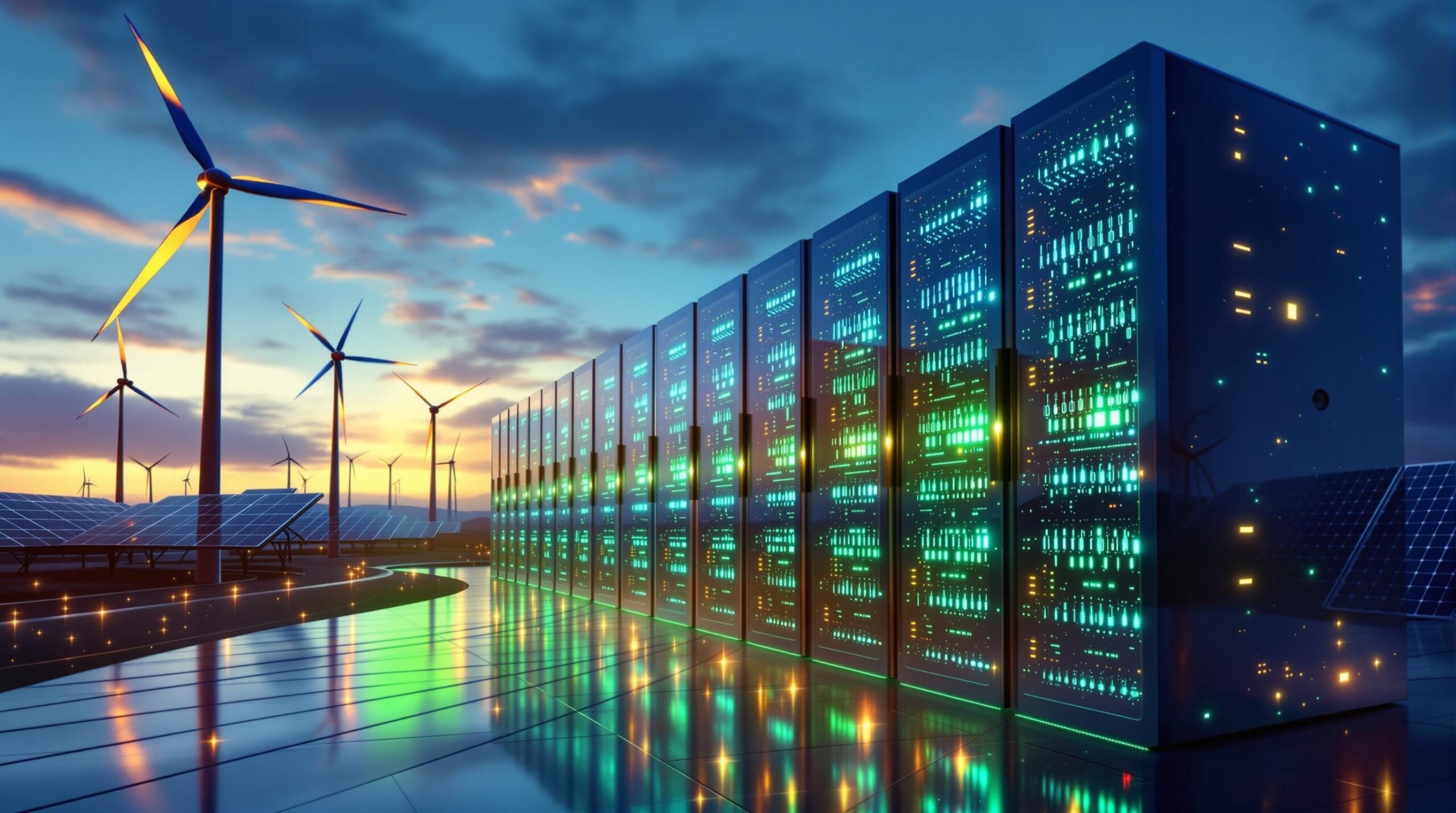
    Futuristic AI server farm illuminated with blue and green lights, surrounded by windmills and solar panels in the background.

    Why Everyone’s Talking About AI’s Power Use

    So here’s the deal. On April 10, 2025, the International Energy Agency (IEA) dropped a report that made people sit up straight.

    It said that by 2030, electricity used by data centres including the ones running AI tools like ChatGPT, MidJourney and others could more than double. Yep, not just a little rise. We’re talking about double the current usage.

    And naturally, social media went nuts. X (you know, what used to be Twitter) was buzzing with all kinds of takes. Some folks were hyped more power, more AI, smarter tech. But many were seriously worried.

    And honestly, who can blame them? We’re already hearing about power shortages and climate issues. Now imagine adding this AI electricity binge on top.

    What the IEA Actually Said In Simple Words

    Okay, here’s the gist.

    Back in 2022, data centres globally were already using around 460 terawatt-hours (TWh) of electricity.

    By 2030, that number might hit 1,000 TWh.

    To give you an idea that’s close to what Japan uses in a year. Let that sink in.

    And why is this happening? Well, because AI doesn’t just run on ideas and code it runs on pure electricity.

    Training big models like GPT-4 takes weeks on thousands of GPUs. And even after training, every time you ask a chatbot something or generate an image, electricity is being used behind the scenes.

    Which Countries Are Feeling It Most?

    Right now, places like the US, Ireland, and Nordic countries are hosting a lot of data centres.

    But now, Asia-Pacific is stepping in especially India, Singapore, and China. And with India aiming to be a tech leader, this is something we seriously need to keep an eye on.

    The Big Dilemma: Innovation vs Environment

    We’re at a tricky point.

    AI is doing amazing things helping detect cancer early, giving accurate weather forecasts, even improving education in remote areas. No doubt about that.

    But there’s a flip side. All this “smartness” is coming with a massive power bill and carbon cost.

    I read two opinions online that really hit home:

    “AI is revolutionising climate research, medicine, and education what’s the big deal about some extra power?”

    And then the other one:

    “If the tools we use to fight climate change are worsening the problem… what’s even the point?”

    That second one? Yeah, kind of hard to ignore.

    What’s Causing the Power Spike?

    Here’s what’s cooking behind the scenes:

    • AI training and inference – Models like GPT-4, DALL·E, etc. need GPU clusters that run for weeks.
    • Crypto mining – Still going strong in many places.
    • Cloud gaming & streaming – Think Netflix, Xbox Cloud, etc. they’re no less power-hungry.
    • Cloud expansion – Every app, startup, or smart home gadget is hosted somewhere on the cloud.

    In short, the digital world is growing fast. And it’s gulping down power just as fast.

    Can Renewables Catch Up in Time?

    Here’s the hopeful part.

    Some countries are already saying: “Fine, build your data centres, but show us your green energy plan first.”

    Like in Ireland and Denmark, new data centres need to commit to renewables from the start.

    Big tech companies like Google and Microsoft have promised to go 100% carbon-free by 2030 at least for their data centres.

    And in India? Our solar sector is gaining serious attention. Could become the backbone for our AI growth, if done right.

    But let’s be real renewables need to scale faster than AI does. Otherwise, it’s like trying to fill a water tank with a hole in it.

    India’s Role in This Power Puzzle

    As India runs towards becoming an AI giant, we’ve got to play it smart.

    Here’s what needs doing:

    • Upcoming data parks in Tamil Nadu, Telangana, Gujarat? They better have green energy baked in from the start.
    • Make it mandatory for big AI or cloud investments to include renewable plans.
    • Educate startups even your chatbot uses energy. Awareness is the first step.

    If we don’t act now, we might end up chasing tech dreams while blackouts and heatwaves become normal.

    Bottomline: Smarter AI, Not Just Bigger AI

    Here’s a thought what if the next big leap in AI isn’t about speed or intelligence… but about how little energy it uses?

    We don’t need more machines that think fast. We need machines that think smart and consume less.

    That means:

    • Models that need fewer GPUs
    • Data centres powered by wind, solar, or even ocean energy
    • Public and policy pressure that pushes companies to clean up their act

    Because let’s face it AI is staying. But how we choose to power it? That choice is still ours.

    And maybe, just maybe, AI won’t just be smart. It’ll be wise too.

    🔗 Related Reads You Might Like

  • Top 5 Budget Electric Cars in India (2025)

    Top 5 Budget Electric Cars in India (2025)

    A modern city road with 5 different budget electric cars lined up, with clear brand logos, electric charging stations in the background, and a clean green environment. Car number plates must be in green


    – For Folks Who Want to Go Electric cars, Without Going Broke

    Let’s be honest, petrol rates have been dancing like wedding DJs lately. Every time you fill the tank, it feels like your wallet lost weight. So naturally, more and more folks are thinking, “Should I try an electric car now?” But then comes the big question: Are electric cars even affordable in India?

    Now earlier, EVs were kind of like those fancy gym memberships — looked good, but not for everyone’s pocket. But times are changing, slowly-slowly. In 2025, you’ve actually got quite a few electric cars in India that don’t need you to break your savings or sell your gold chain.

    So if you’re someone with a limited budget (under ₹15 lakhs), and you’re just looking for a good, reliable, eco-friendly ride, I’ve picked out the 5 best electric cars that actually make sense.

    1. Tata Tiago EV — India’s Most Pocket-Friendly EV

    💰 Price: ₹7.99 to ₹11.89 lakh
    🔋 Range: Up to 315 km
    🔌 Battery: 19.2 or 24 kWh, based on which model you pick

    If someone asked me, “Which EV should I buy first?”, I’d say — start with the Tiago EV. It’s like that dependable cousin who shows up on time, doesn’t overcharge, and knows how to get things done.

    Tata’s kept it simple — neat look, solid battery, enough features, and a price that doesn’t shock the middle-class heart. You also get drive modes, fast charging, and that same Ziptron tech they use in the Nexon EV.

    Best for: City folks, daily office goers, or even college kids who want a reliable ride but don’t want to borrow money from dad.

    2. MG Comet EV — Small Size, Big Style

    💰 Price: ₹6.99 to ₹9.14 lakh
    🔋 Range: 230 km
    🔌 Battery: 17.3 kWh

    You’ve seen it. That cute little boxy EV that zips around town like a kitten on Red Bull? That’s the MG Comet.

    It’s small, yes — but it knows what it’s doing. You get big dual screens inside, LED lights outside, and a cabin that actually feels high-tech. This car doesn’t pretend to be fancy. It’s confident in its compact skin.

    Best for: First-time EV buyers, college kids, or even aunties who need a fuss-free second car for groceries and kitty parties.

    3. Tata Tigor EV — Sedan Vibe, Middle-Class Approved

    💰 Price: ₹12.49 to ₹13.75 lakh
    🔋 Range: Up to 315 km
    🔌 Battery: 26 kWh

    If you’re someone who thinks hatchbacks look a bit chotu, and you want a proper car with boot space and comfort — the Tigor EV is worth checking.

    You get that sedan feel, a safe 4-star safety rating, and all the regular Tata features like regen braking and driving modes. Honestly, it’s one of those “family-friendly but not boring” type of cars.

    Best for: Working couples, small families, or anyone who likes a bit more legroom and luggage space.

    4. Citroen eC3 — Stylish EV with French Tadka

    💰 Price: ₹11.50 to ₹12.68 lakh
    🔋 Range: Around 320 km
    🔌 Battery: 29.2 kWh

    Now this one’s a little offbeat. Citroen eC3 isn’t the most common name you hear in Indian homes, but once you see it on the road, it does turn heads.

    It has a very “European” vibe — quirky design, smooth ride, and that chill crossover body. The infotainment screen is wide, and the driving feel? Light and fun.

    Best for: Folks who don’t want the usual — want something stylish, but still under budget.

    5. Mahindra XUV400 EC — Big, Bold, and Battery-Packed

    💰 Price: Around ₹15.49 lakh (but discounts may apply)
    🔋 Range: 375 km
    🔌 Battery: 34.5 kWh

    If you want an SUV that’s electric, spacious, and doesn’t eat up your salary in EMI, then the XUV400 EC should be on your shortlist. It’s one of the few EVs that actually feels big — like proper road presence types.

    You get a large boot, good acceleration, and fast charging. It’s not just for show — it actually works well on highways too.

    Best for: Big families, folks who love long drives, or anyone upgrading from petrol SUVs.

    So, Which One’s Right For You?

    Well, there’s no “one-size-fits-all” answer, but I’ll try to help:

    • Tight budget or city driving? Go for MG Comet or Tiago EV
    • Want sedan comfort? Tigor EV
    • Craving something stylish? eC3
    • Need big space and long range? XUV400 EC

    No matter what you pick, each one of these electric cars offers value, savings, and a quiet ride (no engine noise!) that petrol vehicles just can’t match anymore.

    So, next time you think about EVs, remember you don’t need to be rich. You just need to be smart about it.

    After Tiago EV specs, You can also check out more on the official Tata Tiago EV site for model comparisons and updates.

    Are EVs Really Worth It in India? check here

  • Diesel vs Petrol vs Electric Cars in India (2025)

    Diesel vs Petrol vs Electric Cars in India (2025)

    Indian man comparing three cars – one diesel, one petrol, and one EV – with fuel pumps and a charging station in the background, with a confused expression.


    You know, for the longest time, buying Electric Cars in India has felt like solving a never-ending puzzle. Diesel? Petrol? Or should we just take the electric route and go all-in on the future?

    Now that it’s 2025, the confusion has only grown bigger. Fuel prices shoot up without warning, electric charging stations are popping up everywhere, and diesel cars are slowly being pushed out of big cities. So obviously, the big question is — which type of car actually helps you save money in the long run?

    Let’s not just talk numbers on paper — let’s talk real-life stuff like cost, comfort, maintenance, resale, and even the environment.

    💰 Initial Cost: EVs Still Burn a Slight Hole in Pocket

    Let’s be honest — for most of us, the first thing we check is the on-road price. Especially when every rupee counts, that first cost pinches the most.

    Car TypeExample ModelStarting Price (Ex-Showroom)
    PetrolMaruti Baleno₹6.7 lakh
    DieselKia Sonet Diesel₹9.8 lakh
    ElectricTata Tiago EV₹8.7 lakh

    See, electric cars still cost a bit more upfront. That’s mostly because of the battery — it’s like the “heart” of an EV and quite an expensive one. Earlier, diesel cars used to be costlier than petrol ones, but thanks to strict rules and fewer diesel options now, that gap has narrowed.

    ⛽ Fuel Cost: EVs Leave the Others Far Behind

    This is where electric cars start to make real sense.

    Vehicle TypeFuel Cost/km (Approx.)Annual Running Cost (15,000 km/year)
    Petrol₹7/km₹1,05,000
    Diesel₹6/km₹90,000
    Electric₹1.2/km₹18,000

    Now think about this — if you drive regularly, an EV can save you over ₹4 lakh in five years compared to petrol. Even diesel will cost you ₹3.5 lakh more. That’s not small money. You could easily take a family vacation or even part-pay a new scooter with that saving.

    🔧 Maintenance: EVs are Like “No Tension” Vehicles

    When it comes to regular upkeep, electric cars are just… simpler.

    Petrol and diesel cars need frequent oil changes, filters, and clutch replacements. It’s part of the deal. But EVs? Hardly any moving parts. No engine oil. No clutch. Less chance of something breaking down.

    Vehicle Type5-Year Avg Maintenance Cost
    Petrol₹60,000 – ₹90,000
    Diesel₹70,000 – ₹1,00,000
    Electric₹15,000 – ₹30,000

    So yeah, EVs are up to 70% cheaper to maintain in the long run. Imagine skipping those regular garage visits — sounds peaceful, right?

    🛞 Driving Feel: What’s It Like on the Road?

    Let’s talk about how it feels behind the wheel. Because driving isn’t just numbers — it’s an experience.

    Petrol Cars:
    Smooth, light, and peppy. Great for daily drives in the city. You don’t get that push-pull feel, but it’s refined.

    Diesel Cars:
    Strong on torque — which means better for highways or carrying heavier loads. But a bit noisy, and not so great for short city drives (they don’t like traffic jams).

    Electric Cars:
    One word — instant. Instant torque, instant pickup. Completely silent, no gears. Feels very modern. Especially fun in stop-go traffic.

    So if you enjoy driving and want something new-age, EVs bring a smile to your face.

    ⛽ Charging vs Refuelling: Who Wins?

    Petrol/Diesel:
    No fuss. Pull in, fill up in 5 minutes, and off you go. You’ll find pumps even in small towns.

    EVs:
    At home, charging takes 6–8 hours.
    Fast-chargers? Around 45 mins to 1 hour.
    Not ideal for highway trips yet, especially in remote areas.

    If you’re someone who mostly drives in the city and has a charging point at home, EVs are super convenient. But for folks doing regular long trips, petrol or diesel still has the edge — for now.

    🌱 Environmental Side: EVs Are Way Cleaner

    We all can feel it — the air in cities is getting worse. Pollution levels are scary. That’s where EVs really step up.

    • Diesel: Heavy emissions, especially the harmful NOx gases
    • Petrol: A bit better, but still pollutes
    • Electric: No emissions while driving (though depends on electricity source)

    If you care about the future — yours and your kids’ — EVs clearly help breathe easier.

    🔄 Resale Value: What Happens After 5 Years?

    Petrol Cars:
    Still doing well. Easy to sell, especially in smaller towns or tier-2 cities.

    Diesel Cars:
    Struggling. With bans already in Delhi NCR and more coming, resale is dropping.

    Electric Cars:
    A surprise winner. Battery warranties and more awareness mean second-hand EVs are in demand.

    EV resale may not be at its peak yet, but it’s rising — faster than many expected.

    📊 So, What’s the Final Math?

    Let’s break it down simply. Here’s a 5-year ownership cost for each type:

    TypeInitial CostFuel CostMaintenanceTotal Cost (Approx.)
    Petrol₹7 lakh₹5.25 lakh₹70,000₹12.95 lakh
    Diesel₹9 lakh₹4.5 lakh₹90,000₹14.4 lakh
    Electric₹9 lakh₹90,000₹30,000₹10.2 lakh

    Winner: Electric — lowest cost in the long run
    Diesel — losing favour, especially in cities
    🟡 Petrol — safe choice, but not future-ready

    If you are intrested in electic cars this blogs will surely help you
    Top 5 Budget Electric Cars in India (2025)
    Check EV policies by state (Government Source)

    If you are intrested not electic cars this blogs is for you:
    Latest fuel prices across Indian states
    Compare car loan interest rates in India

  • How to Speed Up Your Laptop Without Buying a New One

    How to Speed Up Your Laptop Without Buying a New One

    Frustrated person staring at a slow laptop with speed and performance graphs in the background.

    1. Turn Off Startup Programs – Clean the Mess Before It Starts

    Ever wondered why your laptop acts lazy just after turning it on? That’s because it’s busy opening all sorts of random apps in the background. Half of them, you didn’t even ask for. Like, why is Zoom starting on its own when all you clicked was Chrome?

    No need to panic. Just do this:

    • Press Ctrl + Shift + Esc to open Task Manager
    • Head over to the Startup tab
    • Right-click and Disable whatever you don’t need urgently

    Tip: Keep your antivirus and system-related stuff ON. Rest, just remove the extra load.

    2. Remove Old Apps – Like That One Game You Played Once in 2019

    We all have this habit of keeping old apps “Shaayad kaam aa jaaye” type. But truth be told, most of them just sit and slow your laptop down.

    So better to do some cleaning:

    • Go to Settings > Apps > Installed Apps
    • Check what you haven’t used in months
    • Uninstall them without any mercy

    If you’re confused about any program, quickly Google it first. Better safe than sorry.

    3. Delete Temporary Files – Give Your Laptop a Fresh Breath

    Like we throw old wrappers and bills into the dustbin, your laptop also collects useless files over time. These “temporary” files do nothing but take space.

    Clear them like this:

    • Press Windows + R, type temp, and hit Enter
    • Delete all files shown there
    • Then do the same with %temp% and prefetch

    Feels nice, right? Like giving your laptop a warm bath after a long day.

    4. Keep Your System Updated – Those Annoying Updates Actually Help

    Yes, Windows updates show up at the worst times. Right before meetings or online exams. But skipping them only slows things down.

    Here’s what to do:

    • Go to Settings > Windows Update
    • Click Check for Updates
    • For drivers, go to Device Manager, update manually or use tools like Driver Booster

    Updates are like that bitter neem juice don’t like it, but it works.

    5. If Possible, Switch to SSD – The Best Upgrade for Speed

    Okay, this one costs a bit. But if you can save ₹2000-3000, then installing an SSD is like giving your old scooter a Bullet engine.

    Even slow laptops start running like new. Boot-up time drops like magic. Multitasking becomes smoother than desi butter on hot roti.

    If money is tight, no problem. But if you’ve got some spare cash, it’s worth it.

    6. Do a Malware Check – Hidden Enemies Slow You Down

    Sometimes your laptop acts weird slow, hanging, noisy fan. But no virus pop-up. Still, something’s wrong. That’s malware quietly doing mischief in the background.

    Don’t take a chance:

    • Use Windows Defender or trusted tools like Malwarebytes
    • Run a full scan every week
    • And please, avoid downloading shady files or pirated movies (haan haan, we’ve all done it once)

    7. Reduce Fancy Visuals – Shiny Effects Are Not Always Good

    Windows has too many animations opening, closing, shadow, zoom, etc. Looks nice, but it eats up speed.

    To tone it down:

    • Right-click This PC > Properties > Advanced System Settings
    • Under Performance, click Settings
    • Choose Adjust for best performance (or select what you don’t need)

    Your screen may look a little plain, but your laptop will breathe easy.

    8. Clean Your Desktop – Yes, That Mess Slows Things Too

    You’ve kept everything on the desktop photos, documents, project folders, even shortcuts from 2017.

    Time to clean up:

    • Move extra files into folders
    • Keep only 3-4 important icons outside
    • Also, switch off slideshow wallpaper. It looks cool, but eats up RAM

    Less clutter = faster loading.

    9. Restart Your Laptop Properly – Don’t Just Keep Putting It to Sleep

    Many of us just shut the lid and move on. But doing this for days builds up background processes.

    Make it a habit:

    • Restart your laptop every 2-3 days
    • It clears memory and refreshes the system

    Think of it like when we take off our slippers, wash our feet, and sleep well—same feeling for your machine.

    Final Words – Don’t Give Up on Your Laptop Yet

    Look, not every laptop problem needs a new laptop. Sometimes, a little cleaning, some jugaad, and basic care can make even a 5-year-old machine run smooth like fresh lassi on a hot day.

    So next time your laptop lags, don’t start blaming fate. Try these steps and see the magic.

    🔗 Related Reads You’ll Love

    If speeding up your laptop without spending a rupee felt like a win, you’ll also enjoy our post on Best Budget Laptops Under ₹30,000 in India – 2025. It’s perfect if you’re planning to upgrade without burning a hole in your pocket.

    And if you like solving everyday tech problems with simple hacks, check out Top 10 Must-Have Tech Gadgets in 2025.
    Both guides help you get the best performance without needing a computer degree—or a new wallet.

  • The 10 Best AI Tools in 2025 (That Are Truly Worth Your Time

    The 10 Best AI Tools in 2025 (That Are Truly Worth Your Time

    Best AI Tools for 2025

    Intro: Let’s Talk Straight

    See, nowadays AI Tools is like that one overenthusiastic relative who suddenly shows up everywhere helping in cooking, writing blogs, fixing your code, even telling you how to impress your boss. In 2025, AI tools are not just some “techie” thing anymore. They’re part of our daily jugaad, whether you’re running a business, freelancing, or just trying to finish your college project last minute.

    But let’s be honest every week some new AI tool is launched, and half of them vanish in 3 months. So how do you know which ones are actually useful?

    No tension. I tried many of them (and got a few headaches too), and here are 10 AI tools that actually work in 2025 whether you’re a student, freelancer, small business owner, or just someone who loves tech.

    1. ChatGPT Still the Boss of All

    Yeah, I know… ChatGPT has been around since forever. But in 2025, this fellow has leveled up big time. With GPT-4 Turbo and memory features, it now feels like you’re chatting with a personal assistant who knows your mood, your tone, even your writing habits.

    Why it’s still a hit:

    • Writes your emails, blogs, even legal documents (yes, really)
    • Remembers your style no need to repeat things
    • Gives jokes, code, recipes anything
    • It’s like having a smart intern who never asks for chutti

    2. Claude 3 The Quiet Genius

    Claude is like that studious cousin who doesn’t talk much but always tops in exams. It’s smart, detailed, and gives answers that feel like a human wrote them.

    What makes it special:

    • Understands deep topics like finance, law, or long articles
    • Gives summaries without twisting facts
    • Doesn’t go into wild imagination like some other AIs

    Great choice for researchers, writers, or anyone who wants sahi jawaab without drama.

    3. Midjourney v6 Artist Without Paintbrush

    Want to create visuals that make people go “wow”? Midjourney is the tool. No need for drawing skills just write what you imagine, and it turns it into artwork.

    Why people love it:

    • Realistic designs, even better than some real artists
    • 2025 version gives better control less “guesswork”
    • Great for logos, posters, product mockups

    Tip: Pair it with Canva or Photoshop for next-level magic.

    4. Synthesia Without camera make video

    Hate facing the camera? No problem. Synthesia lets you make videos using just text.

    Highlights:

    • Type a script, and AI avatar will speak it like a pro
    • Over 120 languages so even Bhojpuri style can work 😄
    • Best for training, marketing, or explainer videos

    Good for small businesses who want professional videos without spending ₹₹₹.

    5. GitHub Copilot X Coder Ka Dost

    This one’s for the coding crowd. Whether you’re a seasoned developer or just learning, Copilot X feels like your smart coding buddy.

    Why it works:

    • Suggests code as you type (and it actually makes sense!)
    • Works inside your editor no switching tabs
    • Saves time, especially for boring repetitive tasks

    Even college students building projects can use it easy and helpful.

    6. Perplexity AI Tools No Nonsense Search Engine

    Imagine Google, but with less bakwaas and more to the point answers. That’s Perplexity AI.

    Why it’s different:

    • Gives you answers with proper sources
    • No SEO spam, no ads just pure information
    • Useful for school projects, research, or just winning an argument 😄

    It’s like asking a smart teacher who doesn’t waste your time.

    7. Pictory Content Ka Cutting Master

    Have long blogs or podcast episodes lying around? Pictory can chop them into snack-sized videos ready for Instagram, YouTube Shorts, or LinkedIn.

    What it does well:

    • Converts big content into short clips
    • Adds subtitles automatically
    • Gives editing tips too

    Perfect for creators who want to repurpose old content and still stay viral.

    8. Descript Audio/Video Editing Without Headache

    Editing videos is usually a nightmare. But Descript makes it as easy as editing a Word doc.

    Cool features:

    • Cut video by editing its text yes, text!
    • Clone your voice (don’t worry, no black magic involved)
    • Built-in screen recorder and multiple track support

    Great for YouTubers, podcasters, or even online teachers.

    9. Notion AI Smart Planning Wala Tool

    This one’s for productivity lovers. Notion AI is no longer just for notes it’s your full-time project partner now.

    Here’s what it can do:

    • Makes meeting notes, to-do lists, content outlines
    • Fills tables, roadmaps, tasks automatically
    • Syncs with your full Notion workspace

    If you like keeping things organised, this tool is a must.

    10. ElevenLabs Voice That Feels Real

    If you want audio that doesn’t sound robotic, ElevenLabs is your go-to. It creates human-like voices for narration, reels, or even game characters.

    What’s new in 2025:

    • Voices with real emotions not flat and boring
    • Dialogue between characters sounds natural
    • Best for audiobooks, storytelling, or reels

    Just feed it your script it’ll do the rest.

    Final Words How to Choose the Right AI Tool?

    Let’s not get greedy. You don’t need all tools. Start with 1–2 that actually fit your needs.

    You can use ChatGPT to write emails without breaking a sweat.
    Need help with blogs or fixing code? It’s got your back there too.
    Even for creative writing, it handles things surprisingly well.
    And the 2025 version? It actually remembers how you write.

    Try it, fail with it, learn it that’s the real way to find what works.