Category: Automobiles

  • Tata Altroz Facelift 2025: New Features, Price & Design Upgrade

    Tata Altroz Facelift 2025: New Features, Price & Design Upgrade

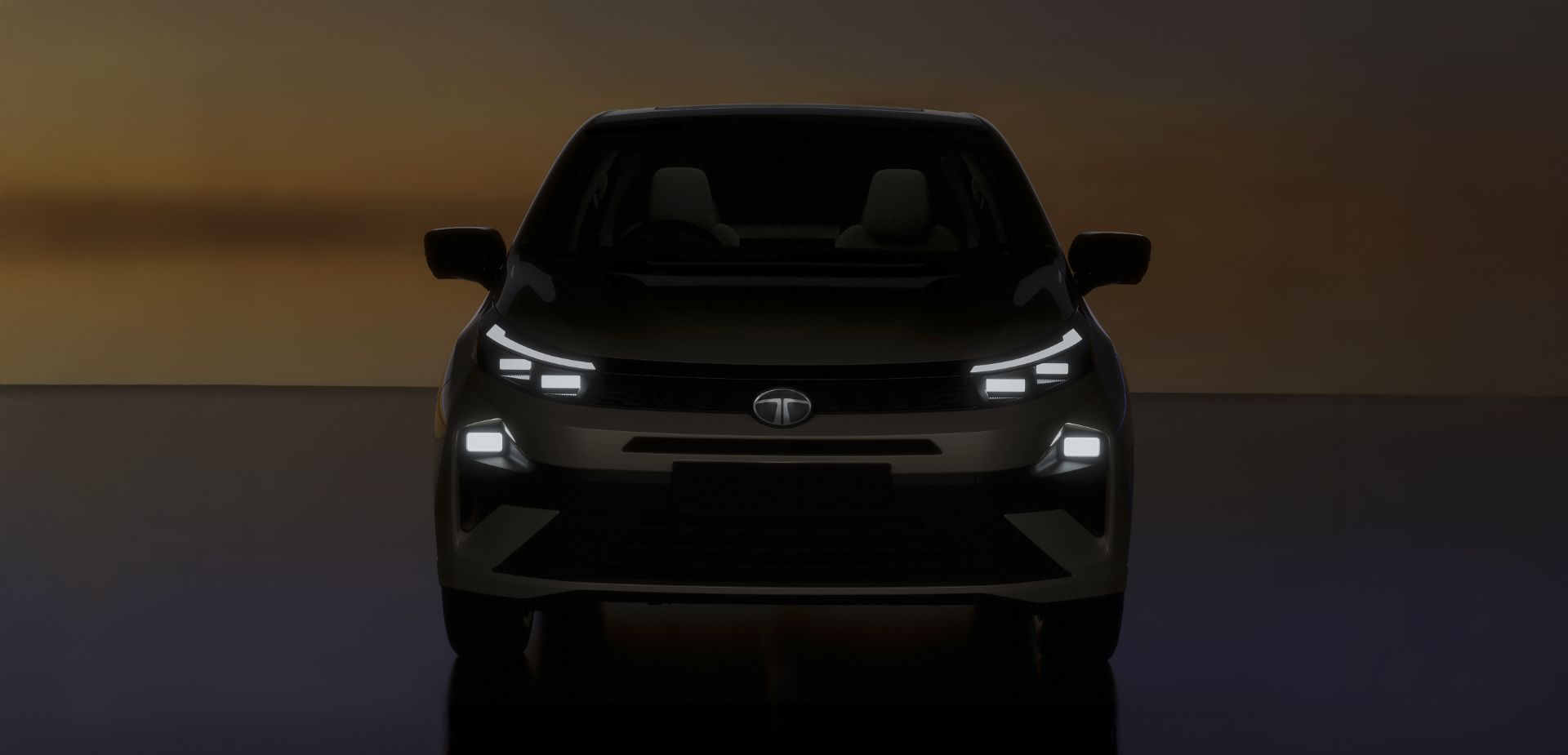
    Tata Altroz Facelift 2025 front view with LED DRLs and new grille design

    A Quick Glimpse at What’s Coming

    Tata Motors is getting ready to launch the updated Altroz on May 9, 2025, and the price announcement will follow on May 22. If you’re someone who’s been eyeing a premium hatchback that blends looks, safety, and new-age features, this one’s worth checking. The new Altroz facelift is expected to start around ₹7 lakh, and honestly, it feels like Tata’s trying to raise the game without making the price shoot up too much.

    Now let’s dive in and see what’s changed, what’s new, and if it’s really worth the buzz.

    What’s New on the Outside?

    One look at the 2025 Altroz facelift, and you can tell it’s been to the stylist’s room.

    The front now looks sharper, thanks to all-LED headlamps with those smart-looking eyebrow-style DRLs. That old piano-black grille? Gone. In its place, you now get a 3D-style grille that actually gives the car a cleaner, more premium face.

    Another neat touch is the flush door handles something we saw earlier on the Tata Curvv. These aren’t just for style. They help with aerodynamics too. The sides now wear new alloy wheels that fit well with the overall design, and the rear lighting has been cleaned up with connected LED tail lamps. Slimmer and sleeker they look way better than before.

    To put it simply, the Altroz looks more modern now. Not flashy, but smart.

    Step Inside – Big Changes Here

    When you open the door and sit inside, you’ll feel it’s not just a small upgrade it’s a pretty decent refresh.

    There’s a 10.25-inch touchscreen infotainment system sitting in the middle, and it supports both Android Auto and Apple CarPlay wirelessly. For those who do long drives or spend time in traffic, this one helps a lot especially with music and navigation.

    Then comes the fully digital instrument cluster, which also measures 10.25 inches. Clear display, crisp info feels like something from a segment above. The steering wheel gets a glow-up too, with a lit-up Tata logo in the center.

    Another big win for Indian summers ventilated front seats. Honestly, in cities like Delhi or Nagpur, this is a blessing. On top of that, you get a powered driver’s seat, ambient lighting, and even an auto-dimming rear-view mirror. All these small touches give the Altroz a more lounge-like cabin feel.

    Safety & Features – Tata Is Not Holding Back

    Tata is clearly pushing safety, and that’s a big deal for buyers here.

    The new Altroz comes with six airbags as standard, which is rare in this price range. Apart from that, there’s talk of ADAS (Advanced Driver Assistance System) making its way in — features like lane assist, auto emergency braking, etc. If that’s true, it’s going to shake up the hatchback segment.

    There’s also an upgraded telematics system, so you can expect some level of smartphone integration maybe control lights or AC using your phone. Not fully confirmed, but possible.

    And yes, there’s a buzz about a dual-pane sunroof. While that’s still not official, even the idea is exciting, especially for long drives.

    Under the Hood – No Surprises, But That’s Okay

    The engine options stay the same and that’s not a bad thing.

    You’ve still got:

    • 1.2L petrol for daily users
    • 1.5L diesel for mileage-focused buyers
    • 1.2L turbo petrol for those who want that sporty punch (Racer variant)

    Transmission-wise, there’s 5-speed manual, 6-speed manual for turbo, and AMT for regular petrol. A 6-speed DCT (dual-clutch) might show up later, which would make city drives smoother.

    So whether you’re navigating tight lanes in Jaipur or cruising through NH44, you’ll find something that fits.

    Price, Variants & Competition

    The facelifted Altroz is expected to cost between ₹7.00 and ₹11.50 lakh (ex-showroom). It’ll go up against Hyundai i20, Maruti Baleno, and Toyota Glanza all strong names.

    Altroz still offers that tough build and now comes loaded with features that many others skip. It’ll have multiple variants from XE to XZ Plus S Lux and will be available in shades like White, Red, and Grey, some specific to variants.

    AspectDetails
    Expected Price Range₹7.00 – ₹11.50 Lakh (ex-showroom)
    Launch DatePublic Debut – May 9, 2025
    Price Reveal – May 22, 2025
    Available ColorsWhite, Red, Grey (variant-specific options)
    VariantsMultiple, from XE to XZ Plus S Lux
    CompetitorsHyundai i20, Maruti Suzuki Baleno, Toyota Glanza

    My Take on the 2025 Altroz Facelift

    To me, this upgrade is not just about fancy lights or bigger screens. It feels like Tata has listened to what users wanted more comfort, better tech, and solid safety.

    Sure, it’s still using the same engine, but the real charm lies in the overall experience. For people who want a hatchback that doesn’t feel “entry-level”, this facelifted Altroz is a solid pick. Especially if safety, style, and smart features are on your checklist.

    If you ask me, take a test drive when it hits showrooms. That’s the only way to know if it suits your kind of driving.

    🔗 You Might Also Like Reading These:

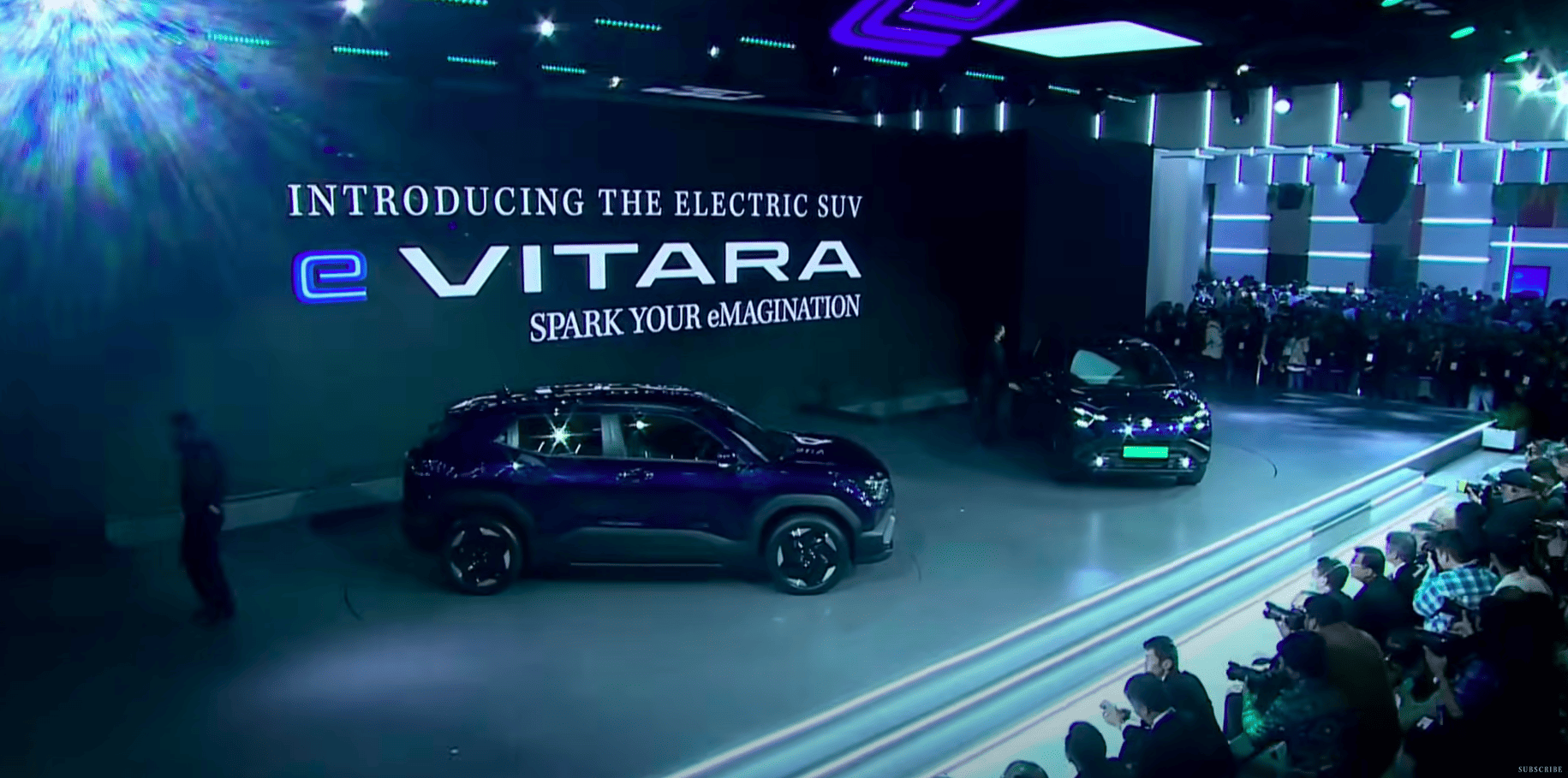
    👉 Maruti’s Big Electric Move!Explore the new e-VITARA electric SUV and see what it brings to the table.
    👉 Thinking of Switching to EVs?We break down if EVs really make sense in India with actual cost vs savings.

    🚗 Confused Between Hatchbacks?
    Check out our side-by-side take on Hyundai i20 vs Tata Altrozfeatures, comfort, and value compared clearly.
  • Maruti’s ₹90,000 Crore Bet on the e‑Vitara Electric Revolution

    Maruti’s ₹90,000 Crore Bet on the e‑Vitara Electric Revolution

    maruti suzuki vitara electric

    Maruti Suzuki has always been the go‑to name when you needed a reliable, pocket‑friendly car. Now, after turning heads at the Bharat Mobility Expo in Delhi with an e‑Vitara mock‑up instead of new paint jobs, the company is ploughing in a staggering ₹90,000 crore to go electric. Here, we’ll unpack why they’re betting big on EVs, what the e‑Vitara rollout looks like, and how this move could change the daily drive for folks from Kolkata’s Howrah Bridge to Chennai’s Marina Beach.

    Why ₹90,000 Crore Matters

    First off, that capex isn’t just a flashy number. Instead, it shows Maruti’s shift from petrol‑only roots toward a cleaner future. Moreover, Suzuki’s global bosses have already earmarked India as their EV cornerstone, promising over $4 billion by 2031. Consequently, factories in Haryana—like the new Kharkhoda plant—are getting extra production lines, and existing units are seeing high‑tech upgrades. All told, this spend should speed up both electric and conventional car output.

    e‑Vitara: The Firstborn EV

    By around September 2025, the e‑Vitara will roll off Maruti’s new Heartect‑e line. And honestly, 70,000 units in the first year sounds ambitious; still, given Maruti’s track record, it feels doable. Design whispers talk of a compact SUV stance with enough ground clearance to tackle our city’s potholes. Plus, battery management tweaks aim to ease that nagging range fear many of us have.

    Heavy on Exports

    You might not know, but Maruti already ships nearly 40 percent of India’s cars overseas. Now, with the e‑Vitara, they’re planning for roughly 70 percent of output to head abroad—places like Japan, Europe, and other markets hungry for small EVs. That way, even if local buyers take their time, Maruti can still hit production targets and keep the assembly lines humming.

    India’s EV Scene Today

    Even with FAME II incentives, EVs made up only about 2.5 percent of last year’s 4.3 million car sales. In truth, finding a charging point in smaller towns feels like hunting for a needle in a haystack. Meanwhile, battery costs keep sticker prices high, and many drivers worry about resale value down the road. Yet, Maruti’s vast showroom network and trusted service centres could narrow these gaps faster than others. Also, as global battery prices drop, the cost per kilometre should start looking more appealing.

    Hurdles Ahead

    Still, Maruti won’t have it all its own way. Tata, Hyundai and MG have already planted their EV flags. Hence, Maruti must not only keep prices low but also deliver decent range, fast charging, and a user‑friendly dashboard. On top of that, any trimming of subsidies or changes in GST could force price hikes. Finally, equipping over 3,000 dealers with chargers and training their teams won’t happen overnight—it’ll take careful planning.

    Read the more related artical here:
    Introducing Maruti Suzuki Electric SUV : e VITARA
    Are EVs Really Worth It in India? Real-Life Look at Cost vs Savings

  • Are EVs Really Worth It in India? Real-Life Look at Cost vs Savings

    Are EVs Really Worth It in India? Real-Life Look at Cost vs Savings

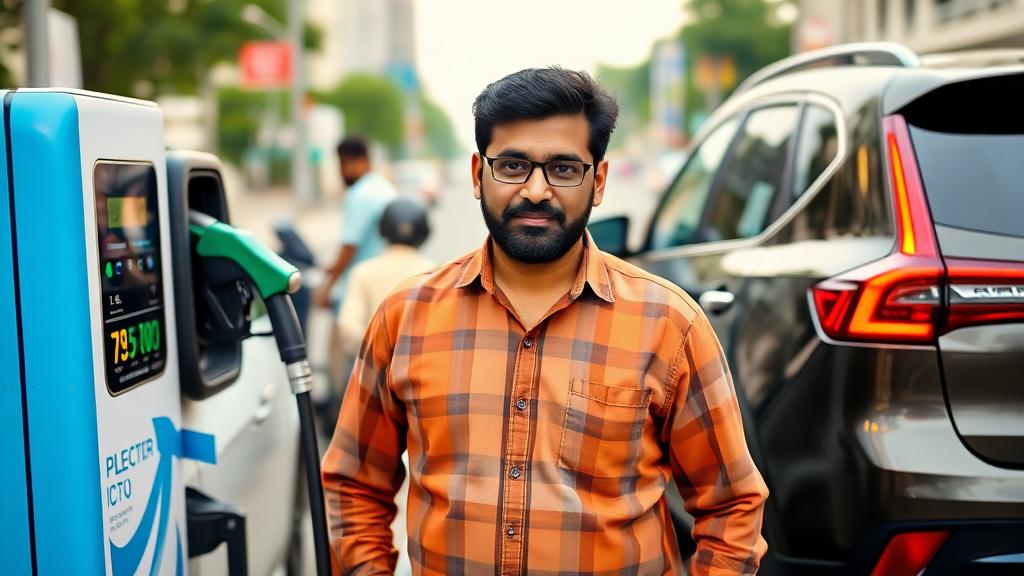
    An Indian man comparing fuel prices with electric charging, with a petrol car and an EV behind him, city background

    These days, you can’t scroll through the news or even go to a showroom without hearing about EVs. Everyone’s talking “EVs is the future”, “no more petrol headache”, and so on. But let’s be honest — when it comes to buying one, it’s not just about the hype. The real question most of us have is: Are EVs actually worth it in India? Or is it just another fancy trend that’ll pass?

    So let’s break it down in simple words, with real numbers and see if putting your hard-earned money on an electric vehicle makes sense in 2025.

    First Up — The Price Tag: Oof or Okay?

    Let’s face it, most EVs still come with a bit of a shock when you first look at the price. Take the Tata Nexon EV starts around ₹14.7 lakh. Meanwhile, the petrol version of Hyundai Venue? You can get that under ₹9 lakh.

    So yeah, you’re staring at a ₹3 to ₹5 lakh gap. Not small at all. But hang on don’t give up yet. There’s more to this story.

    What About Subsidies & Benefits?

    See, the government is really pushing EVs right now. Under schemes like FAME II and some state policies, you can get:

    • Direct discount on EVs (sometimes more than ₹1.5 lakh)
    • Reduced registration and road tax
    • Tax benefits on loans (Section 80EEB gives up to ₹1.5 lakh deduction on interest)

    So, when you add all that up, the price difference starts shrinking. It’s not cheap, but it becomes doable — especially if you’re planning long-term.

    Petrol vs Electricity: The Daily Savings Game

    Now this one’s a big factor. Fuel. You already know how painful petrol prices are. Let’s do a quick math:

    If you drive 15,000 km in a year:

    Vehicle TypeAvg. Cost/kmAnnual Fuel CostCost in 5 Years
    Petrol Car₹7/km₹1,05,000₹5,25,000
    EV₹1.2/km₹18,000₹90,000

    So that’s ₹4.3 lakh just saved on fuel in 5 years. That’s no joke.

    Maintenance: The Quiet Money Saver Nobody Talks About

    Petrol or diesel cars need regular servicing engine oil, filters, clutch, gearbox, exhaust, and whatnot. EVs? Most of that stuff doesn’t even exist.

    On average, EV owners save around ₹25,000 to ₹40,000 a year on maintenance. So in 5 years, that’s another ₹1.25 to ₹2 lakh that stays in your wallet. Basically, fewer headaches and fewer trips to the mechanic.

    But What About Charging?

    Let’s talk about the thing everyone worries about where will I charge this thing?

    Good news 2025 India isn’t the same as even 3 years ago. Charging stations are now in malls, offices, apartments even some kirana store parking lots! Apps like Statiq and Ather Grid make it easy to find chargers near you.

    If you’re staying in a city or big town, daily charging won’t be a problem. Even home charging setups are getting common. Sure, if you’re traveling to very remote areas, it can be tricky but for most daily commutes, you’re covered.

    Battery Life & Resale: Still a Gamble?

    Not really. Most new EVs come with 8-year battery warranties. And battery tech has improved degradation is just 1.5% – 2% per year now. That means even after 10 years, the car’s range is still quite usable.

    And resale? It’s not like before brands like Tata, MG, and Hyundai are holding decent value now. As EVs go mainstream, more buyers are trusting second-hand models too.

    So, Who Should Go for an EV in India?

    Honestly, if you:

    • Drive around 30–60 km daily (especially in city traffic)
    • Have a spot to charge at home or work
    • Plan to keep the car at least 5 years
    • Care about running cost more than top speed

    Then yes, it’s a good bet.

    But if:

    • You live in a remote area with poor charging access
    • You barely drive in a year (under 3,000 km)
    • Or you keep switching cars every 2–3 years

    Then maybe wait a bit or go hybrid.

    Final Thoughts: Are EVs Worth It in 2025 India?

    If you look beyond just the showroom price yes, 100%. The money you save on fuel and maintenance adds up fast. Plus, the driving experience is smooth, quiet, and kinda fun, honestly. And if helping the environment is your thing that’s a bonus.
    Are EVs Really Worth It in India? check here

    For many Indian families today, buying an EV isn’t just a “green” choice it’s a smart one.

  • CNG Kit vs EV Conversion Kit: Which Makes More Sense 2025?

    CNG Kit vs EV Conversion Kit: Which Makes More Sense 2025?

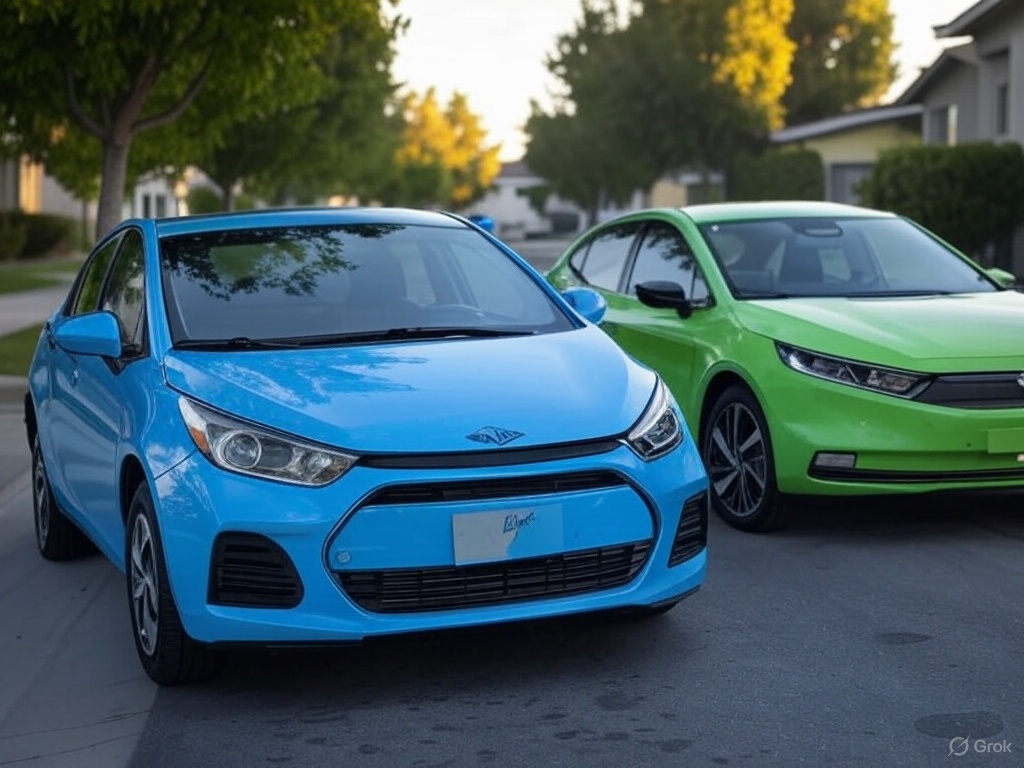
    Hilights 2 car one is CNG car onther is EV car

    Nowadays, everyone is trying to save fuel money. Petrol and diesel have become like gold ₹100 plus per litre, it’s just not affordable for daily travel anymore. On top of that, our cities are full of smoke and dust. So people are asking, “Should I go for a CNG kit or convert my car to EV Conversion?”

    That’s a fair question, honestly. Both options help you save money in the long run, and they’re also better for the environment. But they work in very different ways. So let’s try to make this simple without any big words or complicated lists.

    Why are so many people changing their cars these days?

    Let’s be real fuel price is the biggest reason. If you drive a petrol car every day, your pocket starts crying by the end of the month. And then there’s pollution. If you live in Delhi, Pune, or Bangalore, you know how bad the air has become. People want cleaner options that are also pocket-friendly.

    And that’s where CNG kits and EV Conversion kits come in.

    CNG Kit – Old but still working fine

    CNG kits have been around for years now. Especially in cities like Delhi or Mumbai, you’ll see autos, taxis, and even private cars running on CNG. The idea is simple you get a big cylinder fitted in your car’s boot, and instead of petrol, it runs on compressed natural gas.

    So, what’s good about it?

    • First of all, it’s cheap. Where petrol will cost you ₹8–10 per km, CNG runs at ₹2–3 per km.
    • You don’t need to change the whole engine or anything. Just fit the kit and you’re good.
    • And it’s still cleaner than petrol or diesel, though not as clean as EVs.

    But yeah, not everything is perfect.

    Some small problems with CNG kits

    • The gas cylinder takes up your boot space. So forget about keeping big bags or suitcases there.
    • You’ll feel that the car is slightly slower, especially when you switch on the AC.
    • And during busy times, you might have to stand in line at the CNG station for 20–30 minutes. That can get annoying.

    EV Conversion Kits – New and exciting, but still developing

    Now electric vehicles are the future everybody knows that. But buying a new EV can cost a bomb. Like, even the cheapest ones are above ₹10 lakhs. So instead, people have started converting their old cars into EVs using electric kits.

    With these EV conversion kits, you remove the fuel engine and fit a battery, motor, controller basically, all the stuff that makes it electric.

    Here’s why people are liking EV kits:

    • You get zero pollution. No smoke, no smell, nothing.
    • Cost per km is super low — around ₹1 or even less.
    • The ride becomes smooth and silent — no vibration, no noise.
    • And in some places, the government also gives support or subsidies.

    But again, like anything new, there are some roadblocks.

    A few issues with EV kits

    • They’re expensive right now. Most kits cost between ₹3 to ₹5 lakhs.
    • Not many companies are offering it, especially in smaller cities.
    • You need RTO permission, and that’s not always easy in all states.
    • Also, the battery lasts 5–7 years. Replacing it later is not cheap.

    Let’s Compare – EV Kit vs CNG Kit (Real Talk Table)

    FeatureCNG KitEV Conversion Kit
    Cost₹50,000 – ₹80,000₹3 – ₹5 lakhs
    Running Cost/km₹2 – ₹3₹0.8 – ₹1
    Installation Time1 day3–5 days
    SpaceBoot gets filledDepends on kit design
    RTO ProcessEasy and knownStill complicated
    Green FactorMediumVery high
    AvailabilityCommon in metrosLimited for now

    So yeah, if you’re short on budget and want to start saving immediately, CNG is still a good choice. But if you want to go fully electric and don’t mind the initial cost, then EV kits make more sense for the long run.

    What about Hybrid Kits?

    You might have heard this too some companies are now working on kits that can run on both electric and petrol or CNG. This sounds like a great idea, but it’s still in early stages. Very few models are available and testing is going on. If this becomes common, it could be a total game-changer.

    Who Should Go for What?

    There’s no one-size-fits-all answer. It depends on your needs.

    If you travel inside the city, don’t want to spend too much, and your car is in decent shape CNG can save you a lot every month.

    But if you want to go fully electric, reduce maintenance, and drive in peace without worrying about fuel prices, and you’re okay spending ₹3–4 lakhs upfront EV kits are a better bet.

    Where to Get EV Kits in India?

    You won’t find EV kits in every garage. You’ll need to go to certified people. Some good names right now are:

    • E-Trio
    • Boson Motors
    • Loop Moto
    • GoGoA1 – They’ve got RTO-approved kits for many cars.

    🔗 Check them here: GoGoA1 official site

    🧭 You can also check our blog on “Top EV Conversion Companies in India” for more info (internal link).

    Final Thoughts – What Should You Choose?

    CNG or EV — both are better than staying on petrol. But your choice should depend on how much you can invest, where you live, and how often you drive.

    👉 If you’re looking to start saving immediately and don’t want much hassle — go for CNG.

    👉 If you’re ready to go green, spend a bit more now, and think long-term — EV kits are your friend.

    In a few years, electric kits will become more common and cheaper too. So even if you go for CNG now, keep watching the EV space. The future is definitely electric.

  • Top 5 Budget Electric Cars in India (2025)

    Top 5 Budget Electric Cars in India (2025)

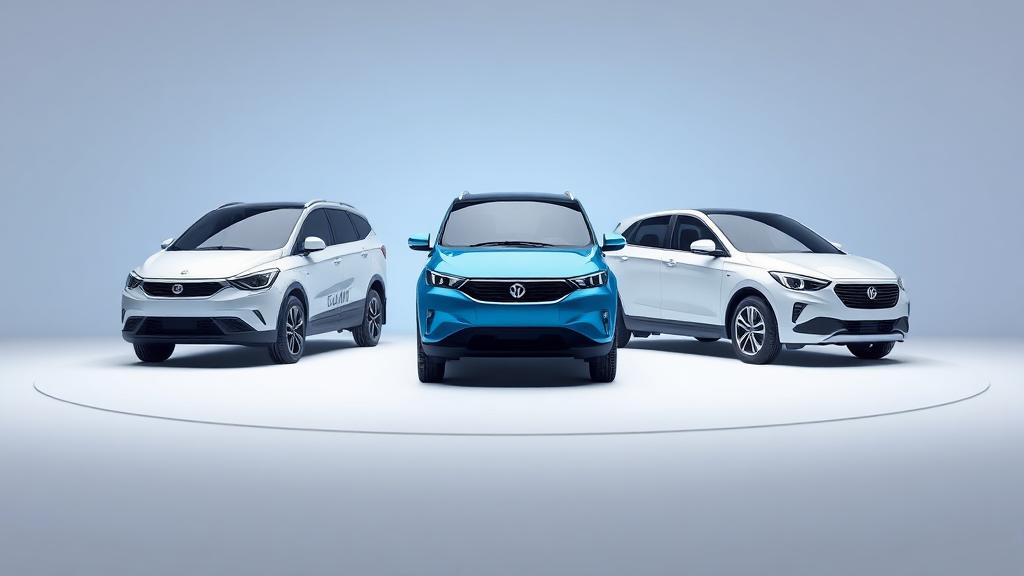
    A modern city road with 5 different budget electric cars lined up, with clear brand logos, electric charging stations in the background, and a clean green environment. Car number plates must be in green


    – For Folks Who Want to Go Electric cars, Without Going Broke

    Let’s be honest, petrol rates have been dancing like wedding DJs lately. Every time you fill the tank, it feels like your wallet lost weight. So naturally, more and more folks are thinking, “Should I try an electric car now?” But then comes the big question: Are electric cars even affordable in India?

    Now earlier, EVs were kind of like those fancy gym memberships — looked good, but not for everyone’s pocket. But times are changing, slowly-slowly. In 2025, you’ve actually got quite a few electric cars in India that don’t need you to break your savings or sell your gold chain.

    So if you’re someone with a limited budget (under ₹15 lakhs), and you’re just looking for a good, reliable, eco-friendly ride, I’ve picked out the 5 best electric cars that actually make sense.

    1. Tata Tiago EV — India’s Most Pocket-Friendly EV

    💰 Price: ₹7.99 to ₹11.89 lakh
    🔋 Range: Up to 315 km
    🔌 Battery: 19.2 or 24 kWh, based on which model you pick

    If someone asked me, “Which EV should I buy first?”, I’d say — start with the Tiago EV. It’s like that dependable cousin who shows up on time, doesn’t overcharge, and knows how to get things done.

    Tata’s kept it simple — neat look, solid battery, enough features, and a price that doesn’t shock the middle-class heart. You also get drive modes, fast charging, and that same Ziptron tech they use in the Nexon EV.

    Best for: City folks, daily office goers, or even college kids who want a reliable ride but don’t want to borrow money from dad.

    2. MG Comet EV — Small Size, Big Style

    💰 Price: ₹6.99 to ₹9.14 lakh
    🔋 Range: 230 km
    🔌 Battery: 17.3 kWh

    You’ve seen it. That cute little boxy EV that zips around town like a kitten on Red Bull? That’s the MG Comet.

    It’s small, yes — but it knows what it’s doing. You get big dual screens inside, LED lights outside, and a cabin that actually feels high-tech. This car doesn’t pretend to be fancy. It’s confident in its compact skin.

    Best for: First-time EV buyers, college kids, or even aunties who need a fuss-free second car for groceries and kitty parties.

    3. Tata Tigor EV — Sedan Vibe, Middle-Class Approved

    💰 Price: ₹12.49 to ₹13.75 lakh
    🔋 Range: Up to 315 km
    🔌 Battery: 26 kWh

    If you’re someone who thinks hatchbacks look a bit chotu, and you want a proper car with boot space and comfort — the Tigor EV is worth checking.

    You get that sedan feel, a safe 4-star safety rating, and all the regular Tata features like regen braking and driving modes. Honestly, it’s one of those “family-friendly but not boring” type of cars.

    Best for: Working couples, small families, or anyone who likes a bit more legroom and luggage space.

    4. Citroen eC3 — Stylish EV with French Tadka

    💰 Price: ₹11.50 to ₹12.68 lakh
    🔋 Range: Around 320 km
    🔌 Battery: 29.2 kWh

    Now this one’s a little offbeat. Citroen eC3 isn’t the most common name you hear in Indian homes, but once you see it on the road, it does turn heads.

    It has a very “European” vibe — quirky design, smooth ride, and that chill crossover body. The infotainment screen is wide, and the driving feel? Light and fun.

    Best for: Folks who don’t want the usual — want something stylish, but still under budget.

    5. Mahindra XUV400 EC — Big, Bold, and Battery-Packed

    💰 Price: Around ₹15.49 lakh (but discounts may apply)
    🔋 Range: 375 km
    🔌 Battery: 34.5 kWh

    If you want an SUV that’s electric, spacious, and doesn’t eat up your salary in EMI, then the XUV400 EC should be on your shortlist. It’s one of the few EVs that actually feels big — like proper road presence types.

    You get a large boot, good acceleration, and fast charging. It’s not just for show — it actually works well on highways too.

    Best for: Big families, folks who love long drives, or anyone upgrading from petrol SUVs.

    So, Which One’s Right For You?

    Well, there’s no “one-size-fits-all” answer, but I’ll try to help:

    • Tight budget or city driving? Go for MG Comet or Tiago EV
    • Want sedan comfort? Tigor EV
    • Craving something stylish? eC3
    • Need big space and long range? XUV400 EC

    No matter what you pick, each one of these electric cars offers value, savings, and a quiet ride (no engine noise!) that petrol vehicles just can’t match anymore.

    So, next time you think about EVs, remember you don’t need to be rich. You just need to be smart about it.

    After Tiago EV specs, You can also check out more on the official Tata Tiago EV site for model comparisons and updates.

    Are EVs Really Worth It in India? check here

  • Diesel vs Petrol vs Electric Cars in India (2025)

    Diesel vs Petrol vs Electric Cars in India (2025)

    Indian man comparing three cars – one diesel, one petrol, and one EV – with fuel pumps and a charging station in the background, with a confused expression.


    You know, for the longest time, buying Electric Cars in India has felt like solving a never-ending puzzle. Diesel? Petrol? Or should we just take the electric route and go all-in on the future?

    Now that it’s 2025, the confusion has only grown bigger. Fuel prices shoot up without warning, electric charging stations are popping up everywhere, and diesel cars are slowly being pushed out of big cities. So obviously, the big question is — which type of car actually helps you save money in the long run?

    Let’s not just talk numbers on paper — let’s talk real-life stuff like cost, comfort, maintenance, resale, and even the environment.

    💰 Initial Cost: EVs Still Burn a Slight Hole in Pocket

    Let’s be honest — for most of us, the first thing we check is the on-road price. Especially when every rupee counts, that first cost pinches the most.

    Car TypeExample ModelStarting Price (Ex-Showroom)
    PetrolMaruti Baleno₹6.7 lakh
    DieselKia Sonet Diesel₹9.8 lakh
    ElectricTata Tiago EV₹8.7 lakh

    See, electric cars still cost a bit more upfront. That’s mostly because of the battery — it’s like the “heart” of an EV and quite an expensive one. Earlier, diesel cars used to be costlier than petrol ones, but thanks to strict rules and fewer diesel options now, that gap has narrowed.

    ⛽ Fuel Cost: EVs Leave the Others Far Behind

    This is where electric cars start to make real sense.

    Vehicle TypeFuel Cost/km (Approx.)Annual Running Cost (15,000 km/year)
    Petrol₹7/km₹1,05,000
    Diesel₹6/km₹90,000
    Electric₹1.2/km₹18,000

    Now think about this — if you drive regularly, an EV can save you over ₹4 lakh in five years compared to petrol. Even diesel will cost you ₹3.5 lakh more. That’s not small money. You could easily take a family vacation or even part-pay a new scooter with that saving.

    🔧 Maintenance: EVs are Like “No Tension” Vehicles

    When it comes to regular upkeep, electric cars are just… simpler.

    Petrol and diesel cars need frequent oil changes, filters, and clutch replacements. It’s part of the deal. But EVs? Hardly any moving parts. No engine oil. No clutch. Less chance of something breaking down.

    Vehicle Type5-Year Avg Maintenance Cost
    Petrol₹60,000 – ₹90,000
    Diesel₹70,000 – ₹1,00,000
    Electric₹15,000 – ₹30,000

    So yeah, EVs are up to 70% cheaper to maintain in the long run. Imagine skipping those regular garage visits — sounds peaceful, right?

    🛞 Driving Feel: What’s It Like on the Road?

    Let’s talk about how it feels behind the wheel. Because driving isn’t just numbers — it’s an experience.

    Petrol Cars:
    Smooth, light, and peppy. Great for daily drives in the city. You don’t get that push-pull feel, but it’s refined.

    Diesel Cars:
    Strong on torque — which means better for highways or carrying heavier loads. But a bit noisy, and not so great for short city drives (they don’t like traffic jams).

    Electric Cars:
    One word — instant. Instant torque, instant pickup. Completely silent, no gears. Feels very modern. Especially fun in stop-go traffic.

    So if you enjoy driving and want something new-age, EVs bring a smile to your face.

    ⛽ Charging vs Refuelling: Who Wins?

    Petrol/Diesel:
    No fuss. Pull in, fill up in 5 minutes, and off you go. You’ll find pumps even in small towns.

    EVs:
    At home, charging takes 6–8 hours.
    Fast-chargers? Around 45 mins to 1 hour.
    Not ideal for highway trips yet, especially in remote areas.

    If you’re someone who mostly drives in the city and has a charging point at home, EVs are super convenient. But for folks doing regular long trips, petrol or diesel still has the edge — for now.

    🌱 Environmental Side: EVs Are Way Cleaner

    We all can feel it — the air in cities is getting worse. Pollution levels are scary. That’s where EVs really step up.

    • Diesel: Heavy emissions, especially the harmful NOx gases
    • Petrol: A bit better, but still pollutes
    • Electric: No emissions while driving (though depends on electricity source)

    If you care about the future — yours and your kids’ — EVs clearly help breathe easier.

    🔄 Resale Value: What Happens After 5 Years?

    Petrol Cars:
    Still doing well. Easy to sell, especially in smaller towns or tier-2 cities.

    Diesel Cars:
    Struggling. With bans already in Delhi NCR and more coming, resale is dropping.

    Electric Cars:
    A surprise winner. Battery warranties and more awareness mean second-hand EVs are in demand.

    EV resale may not be at its peak yet, but it’s rising — faster than many expected.

    📊 So, What’s the Final Math?

    Let’s break it down simply. Here’s a 5-year ownership cost for each type:

    TypeInitial CostFuel CostMaintenanceTotal Cost (Approx.)
    Petrol₹7 lakh₹5.25 lakh₹70,000₹12.95 lakh
    Diesel₹9 lakh₹4.5 lakh₹90,000₹14.4 lakh
    Electric₹9 lakh₹90,000₹30,000₹10.2 lakh

    Winner: Electric — lowest cost in the long run
    Diesel — losing favour, especially in cities
    🟡 Petrol — safe choice, but not future-ready

    If you are intrested in electic cars this blogs will surely help you
    Top 5 Budget Electric Cars in India (2025)
    Check EV policies by state (Government Source)

    If you are intrested not electic cars this blogs is for you:
    Latest fuel prices across Indian states
    Compare car loan interest rates in India