Category: Politics

  • The Pahalgam Terror Attack and India’s Strong Response

    The Pahalgam Terror Attack and India’s Strong Response

    Explore the details of the Pahalgam terror attack and understand the strong measures taken by the Indian government in response. Learn about the implications for India-Pakistan relations and national security.

    When Pahalgam Cried: A Scenic Place Turned Into a Horror Scene

    You know how people talk about Kashmir like it’s heaven on Earth? Pahalgam is one of those places. Clean air, green hills, ponies walking around, tourists in colorful Kashmiri clothes getting their pictures clicked — it’s like something straight out of a postcard.

    But on April 22, 2025, that picture-perfect scene turned bloody. What was supposed to be a peaceful holiday spot suddenly became a place of terror.

    What Actually Happened

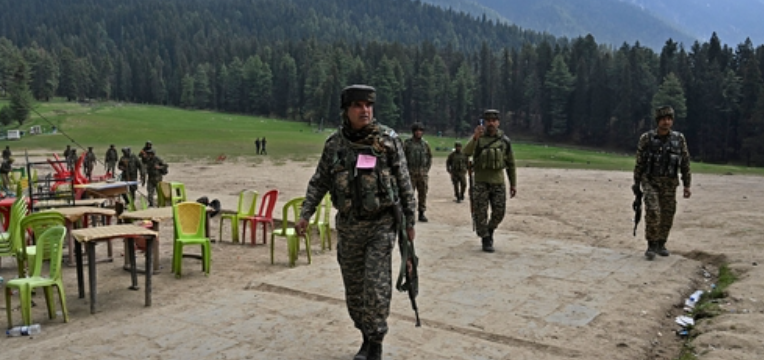
    That afternoon, a few armed men from a group called The Resistance Front suddenly showed up near Baisaran meadow. This place is a bit off the main road, so vehicles don’t go there. That’s why it was easy for the attackers to hide and do what they planned.

    They opened fire, just like that. No warning, nothing. 26 people died on the spot tourists, locals, even an Indian Navy officer and one from the Intelligence Bureau. A few people said the terrorists were asking names before shooting like they already knew who they wanted to target. Horrifying.

    This wasn’t some random act. It was planned. That meadow is not easy to reach, and that’s exactly why they chose it so help would come late.

    It’s the biggest civilian loss in Kashmir since the Pulwama attack back in 2019. And that’s saying something.

    How People Reacted

    Across India, people were just… shocked. In Srinagar, protests started immediately. Leaders like Mehbooba Mufti spoke up. On social media, there was an outpouring of sadness and anger. Even international leaders, like France’s Emmanuel Macron, posted about it.

    Amit Shah went straight to the site. The Indian Air Force and Navy both gave tributes to their fallen officers. Meanwhile, security teams sealed the whole area. Sketches of the attackers were also shared.

    But the real storm was yet to come.

    India’s Quick and Strong Reply

    Modi ji didn’t waste time. He cancelled his official dinner in Saudi Arabia and came back home. The moment he landed, he met with National Security Advisor Ajit Doval and the External Affairs Minister. By the next morning, there was a big meeting with the Cabinet Security Committee.

    What came out of it? Let’s just say it wasn’t soft words.

    India took five strong steps that hit hard not just diplomatically, but also in terms of pressure.

    • Indus Water Treaty paused – This is the agreement between India and Pakistan on how they share river water. Stopping this is a big move, because Pakistan needs that water badly.
    • SAARC Visa Exemption Scheme cancelled – Basically, Pakistani nationals could come to India more easily before. Now, they were given 48 hours to leave.
    • All Pakistani visas cancelled – Full stop. No more entry, no more visits.
    • Indian Defence staff pulled back from Pakistan – Diplomatic relations got colder than ever.
    • Attari Border closed – It’s a major trading point, now completely shut.

    These decisions sent a clear message: no more tolerance.

    Why These Steps Matter

    People are tired. Tired of being scared, tired of seeing blood on the news. So when the government acted this fast and this strongly, a lot of folks felt a sense of relief. Not because it fixes everything, but at least something was done.

    Closing the Attari border, cutting off visas — these things directly hit Pakistan’s economy and image. The water treaty move was the boldest. Everyone knows how touchy water issues are between countries.

    But at the same time, this kind of action also brings risk. If Pakistan responds aggressively, tensions can grow. That’s the tightrope India’s walking.

    What Now?

    For locals in Kashmir, this is scary. They depend on tourism. Now, people will think twice before visiting. Some hotel owners are already saying bookings are being cancelled.

    At the same time, for the rest of India, it’s about safety. People want to feel protected. They want to know that if something terrible happens, the country will respond not just with words, but with power.

    My Honest Take

    I’m not a security expert or anything. Just a regular person who reads the news and cares about people. And honestly, this attack felt personal. These weren’t soldiers or politicians. They were just normal people out enjoying their day.

    India’s reply shows strength. That’s important. But real peace? That takes a lot more than just shutting borders or cancelling treaties. We’ve got to fix what’s broken at the root the reasons why such groups exist in the first place.

    Until then, Kashmir will keep paying the price. And that’s not fair not to locals, not to tourists, not to the soul of our country.

    Related Articles
    If this resonated with you, here’s something similar you might like: A Navy officer, schoolteacher wife on their honeymoon
    Curious to dive deeper? Don’t miss this related post: Kashmir’s Pahalgam Terror Attack: Tragedy in Paradise
  • Nishikant Dubey vs Supreme Court: A Storm Brewing in Politics

    Nishikant Dubey vs Supreme Court: A Storm Brewing in Politics

    you’re at a bustling chai stall in Delhi, overhearing a heated debate about politics. One uncle is waving his newspaper, shouting about how politicians are crossing lines, while another sips his chai, muttering about the judiciary’s role. This is the vibe in India right now, thanks to BJP MP Nishikant Dubey’s explosive comments against the Supreme Court and Chief Justice of India (CJI) Sanjiv Khanna. It’s like a masala movie plot—full of drama, accusations, and a clash of powers. So, what’s the deal? Let’s break it down in a way that feels like we’re chatting over some cutting chai.

    The Spark: Dubey’s Controversial Remarks

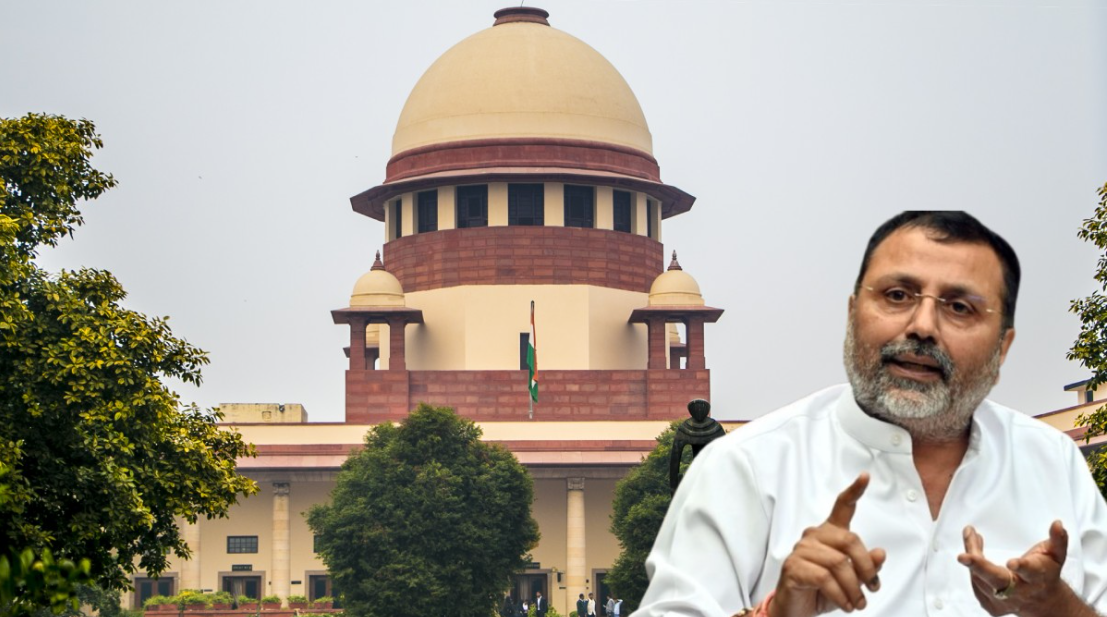
    Nishikant Dubey, a four-time MP from Godda, Jharkhand, isn’t new to stirring the pot. Known for his fiery speeches, he’s often the BJP’s go-to guy for taking on opponents. But this time, he aimed higher—straight at the Supreme Court. On April 19, 2025, Dubey accused the apex court of “inciting religious wars” and blamed CJI Sanjiv Khanna for “all civil wars in the country.” Ouch! He didn’t stop there. He suggested that if the Supreme Court is going to make laws, Parliament should just shut down. Imagine saying that about the country’s highest court—it’s like telling your boss they’re doing your job wrong, in front of everyone.

    These remarks came after the Supreme Court raised questions about the Waqf (Amendment) Act, 2025, and set timelines for the President and Governors to clear bills, like in the Tamil Nadu Governor case. Dubey felt the court was overstepping its role, acting like a “super Parliament.” His words weren’t just a critique; they were a full-on attack, sparking a political firestorm.

    The Supreme Court’s Response: Calm but Firm

    The Supreme Court didn’t take the bait for a public spat, but it didn’t stay silent either. On April 21, 2025, Justice B.R. Gavai, during a hearing, acknowledged the criticism, saying the court is often accused of “encroaching” on Parliament’s turf. No drama, just facts. The court also addressed a petitioner seeking contempt action against Dubey, clarifying that they don’t need permission to file such a plea but must get the Attorney General’s sanction. This measured response shows the judiciary’s restraint, even when under fire.

    Advocate Anas Tanwir, representing petitioners in the Waqf case, wrote to the Attorney General, calling Dubey’s remarks “grossly scandalous” and harmful to the court’s dignity. The court’s focus remained on the law, not the noise, which is classic Supreme Court style—stay above the fray, let the process handle it.

    The Political Fallout: BJP’s Tightrope Walk

    Here’s where it gets spicy. The BJP, Dubey’s party, quickly distanced itself from his remarks. BJP president J.P. Nadda took to X, saying the party “completely rejects” Dubey’s statements and that they were his “personal opinions.” Smart move, but is it enough? Other BJP leaders, like Assam CM Himanta Biswa Sarma, tried to shift the narrative, pointing out Congress’s past criticisms of the judiciary. But the Opposition wasn’t having it. Congress leaders like Digvijaya Singh demanded Dubey’s suspension, calling his remarks a “defamation” of the court.

    Interestingly, not everyone in the BJP camp disagreed with Dubey. West Bengal MLA Agnimitra Paul backed him, questioning why the CJI should challenge the President’s authority. Talk about mixed signals! This shows the delicate balance the BJP is trying to strike—supporting its outspoken MP while avoiding a full-blown clash with the judiciary.

    The Waqf Act Connection: Why It Matters

    At the heart of this storm is the Waqf (Amendment) Act, 2025. The Act aims to reform how Waqf properties (land or assets dedicated for Muslim religious or charitable purposes) are managed. Critics, including former Chief Election Commissioner S.Y. Quraishi, called it a “sinister plan” to seize Muslim lands. Dubey, in response, didn’t just defend the Act—he attacked Quraishi, labeling him a “Muslim commissioner” instead of an election commissioner. Yikes, that’s personal.

    The Supreme Court’s scrutiny of the Act, particularly provisions like the “Waqf by user” clause, irked Dubey. He argued the court demands evidence for temple land disputes but not for Waqf properties, accusing it of bias. This communal angle has only fueled the controversy, with protests in places like Murshidabad, West Bengal, adding to the tension.

    Why This Clash Matters: Judiciary vs Legislature

    This isn’t just about Dubey’s loud mouth or the Waqf Act. It’s a bigger question: where’s the line between the judiciary and the legislature? The Supreme Court interprets laws and ensures they align with the Constitution, but some, like Dubey and Vice President Jagdeep Dhankhar, argue it’s acting like a lawmaker. Dhankhar called the court a “super Parliament,” echoing Dubey’s sentiments.

    On the flip side, the judiciary’s role is to check and balance the other arms of government. When it set timelines for bill approvals or flagged Waqf Act issues, it was doing its job—protecting constitutional values. But Dubey’s outburst highlights a growing frustration among some politicians who feel the court is meddling too much. It’s like a family feud where everyone thinks they’re right.

    The Public’s Take: A Divided House

    Scroll through X, and you’ll see the divide. Some users hail Dubey as a “fearless” voice calling out judicial overreach. Others slam him as a “troll MP” disrespecting the Constitution. It’s like a Twitter war with no end. The public’s reaction mirrors the larger debate: should politicians challenge the judiciary so openly, or does it weaken our democratic institutions?

    My Take: A Dangerous Precedent?

    Here’s my two cents: Dubey’s remarks cross a line. Critiquing the judiciary is fine—debate keeps democracy alive. But accusing the CJI of starting “civil wars” or throwing communal slurs at critics like Quraishi? That’s not critique; it’s reckless. It risks eroding trust in institutions that hold India together. The BJP’s quick disavowal shows they know this, but their silence on Dubey’s Quraishi comments raises questions about their sincerity.

    The Supreme Court, by staying calm, has shown why it’s the grown-up in the room. But this clash is a wake-up call. We need clearer boundaries between the judiciary, legislature, and executive, or these storms will keep brewing. As citizens, we should demand respectful dialogue, not headline-grabbing rants.

    If you found this blog interesting, you might enjoy this one too: Waqf Act Controversy: What’s Happening in Murshidabad?

  • What’s Going On Between the Supreme Court and the Waqf Act?

    What’s Going On Between the Supreme Court and the Waqf Act?

    Waqf Board

    If you’ve been catching bits of news lately or just overheard people chatting near a pan shop, chances are you’ve heard folks talking about this new Waqf Amendment Act of 2025. It’s not some random law—this one’s got communities across the country worried, debating, and honestly, pretty fired up.

    Now, I’m not a legal expert or anything, but growing up in a city like Kanpur, I’ve seen how Waqf lands are part of everyday life. That old mosque near the market, the graveyard we pass on the way to school, even the madarsa with the dusty courtyard—these aren’t just buildings. They’re part of people’s lives. So when Parliament passed a new law in April changing how these properties are managed, it shook things up.

    The Supreme Court stepped in and held back-to-back hearings on April 16 and 17. And suddenly, this whole thing feels much bigger than just rules and amendments.

    So, Why Did the Supreme Court Step In?

    Well, the new Waqf Act brought some bold changes. It says that even non-Muslims can now be part of the Waqf Boards. Also, the old “Waqf by user” idea—where a place is treated as Waqf just because it’s been used that way for decades—is now out. On top of that, District Collectors have been given the power to decide disputes about whether a piece of land is Waqf or not.

    If it sounds technical, trust me, the real impact is much deeper. We’re talking about over 8.7 lakh Waqf properties, together worth more than ₹1.2 lakh crore. That’s not small change. The Act sparked protests, trending hashtags like #RejectWaqfBill, and over 100 people went straight to the Supreme Court asking for help. Big names like Asaduddin Owaisi and Mohammad Jawed called it unfair to the Muslim community, while the government insists it’s all about stopping corruption and mismanagement.

    So, the Supreme Court—led by Chief Justice Sanjiv Khanna—stepped in like a neutral umpire in a very heated match.

    What Actually Happened in the Hearings?

    The Court didn’t cancel the Act, at least not yet. But they did look at it closely and asked some very pointed questions.

    Here’s what went down:

    • The judges considered freezing a few parts of the Act for now, like the bit about non-Muslims joining the Waqf Boards. But the government said, “Wait, let’s talk it through first.” So, the Court gave them a week to reply. Petitioners get five days after that to respond.
    • The next hearing is scheduled for May 5, and till then, the government has promised not to take any bold steps—like changing the Waqf Board structure or shifting property rights.
    • The Chief Justice also expressed concern about the violence that broke out in places like Murshidabad. He called it “disturbing,” and told everyone to calm down while the Court works through things.

    So for now, it’s like pressing the pause button. Not stop, just wait and watch.

    The Big Questions Nobody’s Ignoring Anymore

    Let me break down the main questions the judges asked—not in legal terms, but like we’re talking over an evening walk:

    1. What Happens to Old Waqf Places Without Documents?

    There are places—like small mosques in old parts of town—that have been Waqf for ages. But they don’t have paperwork. Back in the 1700s or 1800s, who even had sale deeds? The Court asked, “If we remove the ‘Waqf by user’ idea, will these places suddenly stop being Waqf?” That could mean a lot of community spaces might lose their status overnight.

    2. Non-Muslims on Waqf Boards – Fair or Not?

    The Court also raised eyebrows at the idea of non-Muslims being added to Waqf Boards. The Chief Justice asked a simple but sharp question—would anyone be okay with Muslims being added to boards managing Hindu temples? That hit a nerve. In many places, that idea alone could cause unrest. The government said non-Muslims would handle admin roles only, not religious matters—but the judges weren’t totally convinced.

    3. Can District Collectors Be Trusted Here?

    The Act says that District Collectors will decide if a land is Waqf or not. But the judges wondered—what if the Collector is under pressure from the government? What if there’s bias? Once a Collector gives a verdict, the land stops being Waqf. Is that fair? Can people even challenge it in court? All these questions came up.

    4. What About Ancient Waqfs Without Deeds?

    Again, the Court circled back to the paperwork issue. Many old dargahs and mosques were built long before British laws came in. There was no official deed system. The judges asked—are we now saying those places don’t count just because they don’t have a file with a stamp?

    5. And the Violence?

    Lastly, the Court didn’t stay quiet about the protests turning violent. In Murshidabad, things got out of hand. The Chief Justice firmly said such violence is unacceptable, especially while the matter is being heard. Everyone needs to cool down.

    Why All This Matters

    This isn’t just courtroom drama. It affects real people. I remember playing cricket outside a mosque near my school—today, that mosque could be at risk of losing its Waqf status because of paperwork. These places aren’t just walls and domes. They carry memories, traditions, and trust.

    The Court’s questions show they’re trying to balance both sides. They’re asking—are we being fair to the past, while also making rules for the future?

    My Take on It

    Personally, I think it’s a good thing that the Supreme Court stepped in. In places like Kanpur, I’ve seen Waqf properties slowly get taken over by shops or builders. Some rules need fixing, sure. Transparency is important. But we can’t just brush off centuries of history.

    Maybe the answer lies somewhere in between. Keep the positive steps, like better records and maybe even allowing women to join boards. But don’t scrap traditions that held things together for years. Also, if we say one religious body must include outsiders, then every religious trust should follow the same rule. No picking and choosing.

    Let’s see what happens on May 5. But at least now, the matter is being questioned—and that’s always better than silent acceptance.

    Releated to this articale:
    Enjoyed this read? Continue the journey with: Waqf Bill 2025: What’s Really Going On? Why So Much Noise?
    If this resonated with you, here’s something similar you might like: Disturbed With Violence During Protests Against Waqf Amendment Act : Supreme Court

  • Bihar Elections 2025: RLJP Exit from NDA & Its Big Impact

    Bihar Elections 2025: RLJP Exit from NDA & Its Big Impact

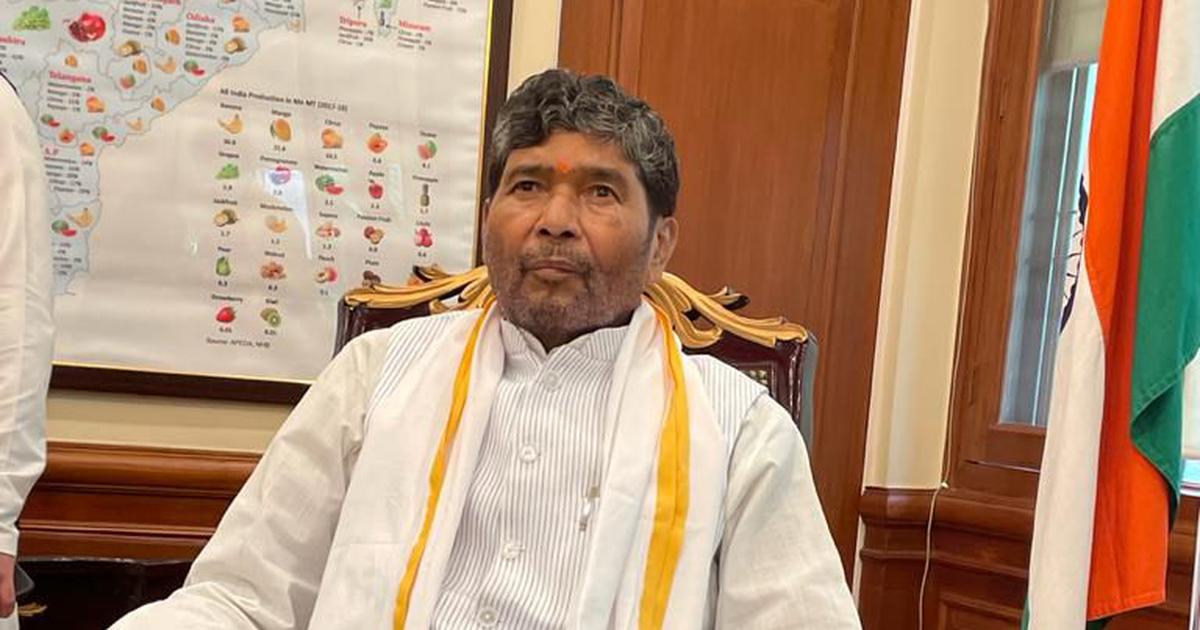
    Prashupati kumar sitting on the chair

    April 14, 2025, will probably go down as a turning point in Bihar’s politics. On this day, Pashupati Kumar Paras, leader of the Rashtriya Lok Janshakti Party (RLJP), officially pulled his party out of the National Democratic Alliance (NDA). This wasn’t just another political press briefing it hit like a tremor. With the 2025 Bihar Assembly elections right around the corner, Paras’s announcement has suddenly shaken the ground beneath the NDA’s feet.

    Paras didn’t hold back. He accused the BJP and JD(U) of sidelining his party and disrespecting their contribution. You could feel the anger in his voice. But now the big question is how will this bold move affect Bihar’s 243 assembly constituencies, and what does it mean for the NDA, which is already juggling complex caste dynamics?

    Why RLJP’s Exit Is a Big Deal

    At first glance, the RLJP may seem like a minor player. But in a state like Bihar, where caste equations dominate every election, even a small outfit can swing results. The RLJP was born in 2021 after a family rift in the Lok Janshakti Party, and it has managed to gain influence among Dalit voters, especially the Paswan community.

    Paras claims that despite this, the NDA treated his party like an outsider. He was especially upset about the “five Pandavas” comment during the Lok Sabha seat-sharing talks, which clearly excluded RLJP. In the 2024 general elections, his party didn’t even get a single seat to contest. That wound clearly hasn’t healed.

    Now, with the RLJP planning to contest all 243 assembly seats, the fear is that this move might lead to vote division particularly among Dalits and seriously hurt the NDA’s chances.

    Caste Politics at the Centre of It All

    If you’ve followed Bihar politics even a little, you’ll know how central caste is to the game. The RLJP’s voter base is largely Dalit, especially the Paswans, who have traditionally supported Ram Vilas Paswan’s legacy. Pashupati Paras has cleverly invoked that legacy, even demanding a Bharat Ratna for his late brother. That’s not just sentiment—it’s strategy.

    And let’s not ignore the date Paras chose to make the announcement—Ambedkar Jayanti. It was clearly aimed at stirring emotions linked to BR Ambedkar’s ideology and tapping into simmering anger over issues like reservation and rising crimes against Dalits. He even referred to the tragic death of a young Dalit girl during Holi in Aurangabad, blaming the state’s inaction.

    All this has given the Mahagathbandhan (RJD, Congress, and Left) a fresh opening. With Paras feeling insulted and unwanted in the NDA, the opposition will surely try to woo him with respect—and perhaps, a few seats.

    RLJP’s Future: Lone Warrior or Kingmaker?

    Paras has made it clear—his party is ready to go solo in the elections. But can the RLJP really contest all 243 seats on its own? Political analysts are doubtful. The party lacks the organisation and the on-ground workers to pull it off independently.

    A smarter move might be to tie up with the Mahagathbandhan. Paras has already left the door open, saying he’s willing to talk if given “proper respect.” Leaders like Tejashwi Yadav would be more than happy to include a Dalit face in their alliance. It would help soften the RJD’s image of being Yadav-dominated.

    However, there’s a twist in the tale—Paras’s nephew, Chirag Paswan, leads the NDA-friendly Lok Janshakti Party (Ram Vilas). The two haven’t been on good terms. So, if RLJP joins the Mahagathbandhan, it sets the stage for a political family drama that might just grab more headlines than the actual campaigns.

    NDA’s Balancing Act

    For the NDA, this is more than just an exit—it’s a warning. While Nitish Kumar’s JD(U) and BJP still hold a strong base among upper castes, OBCs, and Kurmis, the RLJP’s departure weakens their Dalit appeal. Even Jitan Ram Manjhi, another Dalit leader from NDA ally HAM, may not be enough to fill that gap.

    The real danger is in perception. If the NDA starts getting tagged as anti-Dalit, it could hurt them in dozens of key seats. Already, social media is abuzz with hashtags like #DalitBetrayal and #RLJP. The BJP and JD(U) need a damage control strategy—maybe new welfare schemes or symbolic outreach—before this narrative sticks.

    History Repeats?

    This isn’t the first time Bihar’s coalition politics has faced such a jolt. Back in 2020, Chirag Paswan’s LJP had contested independently, targeting JD(U) and splitting the NDA vote. It cost Nitish Kumar dearly, reducing his party’s seat count.

    Paras’s move now seems like déjà vu—but with bigger consequences. If RLJP manages to eat into NDA’s Dalit votes and tilts even 4–5% in some constituencies, it could spell real trouble.

    Ground Sentiment: What the People Say

    Bihar’s voters aren’t fools. They know what’s going on. Some are praising Paras for standing up against “arrogant allies,” while others feel his solo mission is a political gamble. On X (formerly Twitter), the reactions are all over the place. Young voters in cities are more focused on employment and education. Rural Dalits, though, are watching Paras closely. If he aligns with the Mahagathbandhan, it might just shift their loyalty.

    Why This Has National Impact

    This isn’t just about Bihar. The RLJP’s exit exposes the fragile nature of political alliances across India. In a post-2024 Lok Sabha environment, where the BJP needs strong allies in every region, what’s happening in Bihar could have ripple effects in Maharashtra, Uttar Pradesh, and beyond.

    Also, the renewed focus on Dalit identity, reservation, and social justice will echo in other states, especially those heading into elections soon.

    Final Thoughts

    In the end, Paras’s decision could go either way. It might prove to be a bold masterstroke that reshapes Bihar’s politics, or it could end up as a miscalculation. But one thing is for sure—this election just got a whole lot more interesting.

    The NDA needs to act fast. The Mahagathbandhan sees an opening. And the RLJP? They’ve rolled the dice. The rest, as always in Indian politics, will be decided by the people.

    Keep the learning going with this one: RLJP Announces Exit from NDA Alliance in Bihar

  • Waqf Act Controversy: What’s Happening in Murshidabad?

    Waqf Act Controversy: What’s Happening in Murshidabad?

    A tense street scene in Murshidabad, West Bengal, with a crowd of protesters holding banners against the Waqf Act, police in riot gear, and a smoky backdrop of burning vehicles, capturing the unrest’s intensity on April 12, 2025.

    Something’s been brewing quietly in Bengal for some time, and now it’s all out in the open. Last week, small towns like Dhuliyan, Samserganj, and Suti in Murshidabad saw their streets erupt in violence. And the reason? A new law the Waqf (Amendment) Act, 2025. It was meant to fix how Waqf properties are handled land and assets that are supposed to serve Muslim charitable needs. But instead of bringing clarity, it stirred up confusion, anger, and full-blown chaos.

    Now people are asking the obvious: how did a law meant for reform turn into such a mess? Why Bengal? And what does it reveal about the deep cracks political and communal running through the state?

    When a Reform Becomes a Spark

    The Waqf (Amendment) Act officially came into effect on April 8, 2025. According to the Centre, its goal was clear—more transparency, digitized records, fewer irregularities, and stronger state boards to manage Waqf properties. But in reality, things didn’t go as smoothly, especially in regions where a large number of people depend on these properties for livelihood or religious purposes.

    Take Murshidabad, for instance—over 66% of the population here is Muslim. So when the amendments were announced, people didn’t just see a law—they saw a potential threat. Rumours spread like wildfire—some claimed the government would take over mosque land, others said entire livelihoods were at stake. And with social media acting like petrol on fire, fear turned into fury. By April 4, small protests began after Friday prayers. Within a few days, those protests grew, fueled by hashtags like #RejectWaqfBill and amplified by local leaders and influencers.

    Was the government unprepared for such a backlash? Possibly. But given the political climate, especially in a state run by Mamata Banerjee who’s known to lock horns with the Centre, it’s surprising they didn’t anticipate this kind of eruption.

    Murshidabad Boils Over

    If you’ve ever walked through the tight lanes of Dhuliyan, you’d remember the lively sounds of local markets. But from April 8 to 12, all that was replaced by violence and destruction. Protesters didn’t just take to the streets—they blocked highways, squatted on railway tracks, and clashed with the police. Petrol bombs were hurled. Vehicles were set on fire. Even a police station in Suti was attacked.

    And then came the human cost. On April 12, in Jafrabad, two men—Haragobindo Das and his son Chandan—were brutally killed by an angry mob. In Suti, a teenager, 17-year-old Ezaz Ahmed Sheikh, was caught in the crossfire and shot dead. Till now, it’s unclear who fired the bullet—police or paramilitary. But that hardly matters to his grieving family. Over 150 people have been arrested so far, and raids are still going on in districts like Malda and Hooghly. Among the injured are at least 18 police officers.

    It’s heartbreaking to imagine what families like Ezaz’s are going through. A young boy, possibly out protesting for what he believed in, is now gone. And the larger question remains—how did a legal amendment meant for better governance turn into a blood-stained battle?

    Mamata’s Balancing Act

    In moments like this, political leadership is tested. And Chief Minister Mamata Banerjee didn’t waste any time making her stand clear. On April 12, she declared, “The Waqf Act will not be implemented in Bengal.” That one line set off a storm.

    To her supporters, she stood up for the people, especially minorities. To her critics, she was playing vote-bank politics with elections around the corner. BJP leaders slammed her—Suvendu Adhikari went as far as calling West Bengal “West Bangladesh,” while others demanded President’s Rule.

    But here’s the irony. The Act wasn’t hers to begin with—it came from the Centre. Yet, she was stuck between a rock and a hard place. If she enforced the law, she’d alienate large sections of the Muslim community. If she resisted, she’d be blamed for letting law and order fall apart.

    As things worsened, the Calcutta High Court had to step in on April 12. It ordered deployment of paramilitary forces—about 300 BSF troops and additional companies—to bring things under control. The internet was suspended in Jangipur, but online tensions continued. As of April 13, things had calmed somewhat, with police saying they’d restored order. Still, prohibitory orders remain in place and public trust has taken a big hit.

    Could Mamata have acted earlier to prevent all this? Maybe. But hindsight is always clearer than foresight.

    Layers Beneath the Surface

    To truly understand what’s happening, we need to look deeper. West Bengal isn’t new to communal tension. Murshidabad, with its rich Muslim heritage, is also a district struggling with poverty and underdevelopment. Land disputes here are sensitive, especially involving religious institutions. So any sudden change in the status quo—like the 2025 Waqf amendments—naturally feels like an attack on identity.

    And let’s not forget what else is brewing in Bengal. The massive education scam, where nearly 25,000 school jobs were scrapped by a Supreme Court ruling, has already left the youth frustrated and unemployed. That kind of anger needs only a small trigger to boil over.

    The national debate on Waqf isn’t new either. Back in 2006, the Sachar Committee had already pointed out major irregularities. But meaningful reforms were always delayed. The 2025 Act finally tried to fix that, backed by 211 MPs. But with 148 MPs opposing it, including voices from Bengal’s religious circles, it’s clear not everyone is convinced.

    Online, the battle is just as sharp. While some praise Mamata for protecting minority rights, others have been quick to throw around terms like “gazwa-e-hind,” which only deepen divides. The Supreme Court is set to hear the matter on April 16, and that decision might decide where this story heads next.

    What Lies Ahead for Bengal?

    Right now, Murshidabad is quiet but broken. Police and paramilitary forces are everywhere. Families are mourning their loved ones—Haragobindo, Chandan, and young Ezaz. Legal proceedings have begun for those arrested, but justice will take time. More importantly, healing will take even longer.

    I keep thinking about the youth involved in all this. What pushed them? Was it fear, disillusionment, or blind rage? Maybe all three. And as for Mamata Banerjee, she’s got a tightrope to walk—defending her people without fuelling more fires. She’s shaped Bengal for a decade, but this might be one of her biggest challenges yet.

    At the end of the day, this is not just a Bengal issue. It’s a reflection of how reforms are introduced in our country. Governance isn’t just about rules—it’s about empathy and timing. When laws are passed without listening to ground realities, we risk more such tragedies.

    We can’t afford another Ezaz. We can’t let more homes burn. If there’s a lesson here, it’s that we need to ask the right questions—start with the “why,” not just “who.”

  • Waqf Bill 2025: What’s Really Going On? Why So Much Noise?

    Waqf Bill 2025: What’s Really Going On? Why So Much Noise?

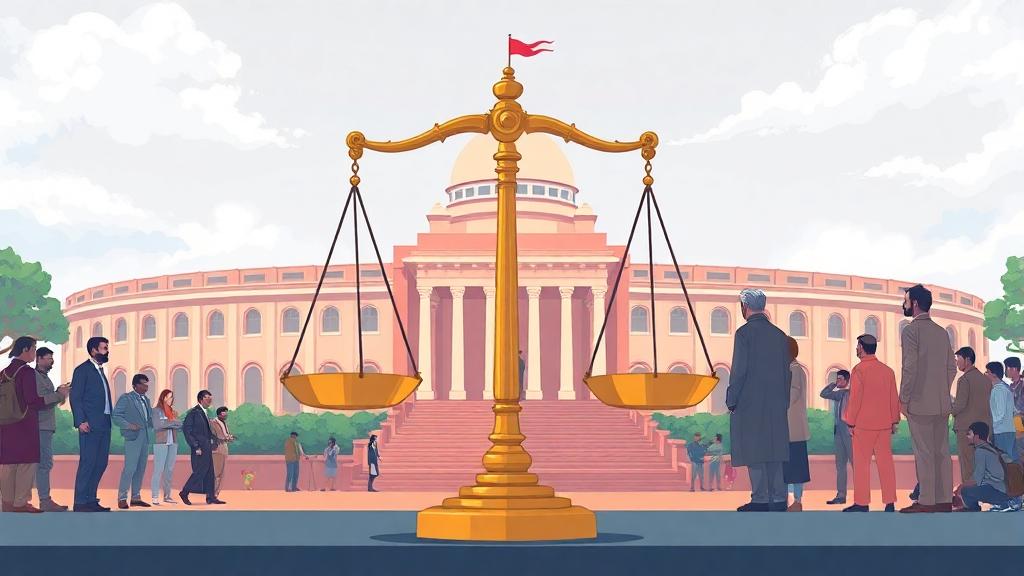
    An illustration showing a scale of justice balanced with people watching on both sides, in front of the Indian Parliament.

    First, what is this Waqf thing?

    Okay, before getting into the latest drama, let’s just understand what Waqf even means. It’s a kind of donation system in Islam — usually land, buildings, or anything valuable — that’s given away forever for religious or charity work. Think of land used for masjid, orphan homes, madrasas, clinics, even burial grounds. And these are not one-two pieces of land. We’re talking over 6 lakh Waqf properties across India. Valued in lakhs of crores.

    Now, Waqf Boards are supposed to manage all this. But over the years, things have gone all over the place. Too many fights over land, illegal takeovers, and in many places, complete mismanagement.

    Waqf Law: Earlier vs Now — What’s Waqf Bill 2025 Really Changing?

    Here’s how the new Waqf Bill is shifting things around, compared to the older Act from 1995:

    1. Dispute Settlement

    • Back then, if any fight happened over Waqf land, it went to Waqf Tribunals — a sort of special court. People had faith that legal steps would be followed.
    • Now, such disputes will go to the District Collector. That means, instead of a judicial process, an administrative officer will decide. This worries many, because the legal filter is now missing.

    2. Recognition of Waqf by Long Use

    • Earlier, even if there were no official papers, land used for Waqf purposes for many years could still be recognised as Waqf. It was based on usage and tradition.
    • Now, that won’t work. If the place isn’t registered properly with full documents, it will not be accepted as Waqf. That puts many old mosques and madrasas at risk of losing legal protection.

    3. Who Conducts Surveys

    • Earlier, surveys were done by officers appointed by the Waqf Board. These people usually had some understanding of local customs and religious use.
    • From now, surveys will be carried out by district officials like Magistrates or Revenue staff. The concern is, they may not always understand the full background of the property.

    4. Digital Records

    • The old system didn’t really push for online databases. Many files were still physical — and often, incomplete or scattered.
    • Now, it is compulsory to digitise all Waqf properties. This includes uploading documents and using geo-tagging. It sounds modern, but if older papers are missing, it could create confusion or loss.

    5. Authority Over Land Decisions

    • Before, Waqf Boards had more control in managing properties. They could look after decisions directly and guide through community members.
    • Now, decision-making power is being shifted more towards local bureaucrats. It means less say for the Waqf Board itself.

    6. Community Representation

    • Earlier, there were voices from the Muslim community directly inside Waqf Boards. They could represent the people and raise real concerns.
    • The new system seems to reduce that kind of involvement. There’s more centralised power, and less direct role for common citizens in Waqf matters.

    Why So Much Protest?

    Let’s be honest — it’s not just about rules. It’s about trust, and right now, there isn’t much.

    1. People feel targeted: Many in the Muslim community feel this law is like questioning their history and heritage. They say, “Our elders donated this land long ago. Now we need papers?”
    2. Old cases might come back: Imagine a masjid land from 1930. No one has full documents today. But now, that land can be reviewed again. People worry — what if it’s taken away?
    3. No more court-style justice: Replacing Tribunals with government officers doesn’t feel right to many. They say: What if an officer is biased? What if there’s pressure from above?
    4. Timing feels off: Some people are also pointing at the election season and asking — “Why now?” They feel it’s more about politics than reform.

    So What’s the Real-World Impact Waqf Bill 2025?

    This isn’t just about papers and files. Waqf properties fund schools, hospitals, orphanages. Small clinics in poor towns. Graveyards for those who can’t afford a plot. Remove that support and entire communities can suffer.

    Take a small madarsa running in a village for 50 years. No formal deed, just usage. Now, it’s at risk. What happens to the kids studying there?

    Is the Bill Completely Bad?

    No, no. It’s not like that. Let’s be fair. Some parts actually make sense:

    • Waqf Boards were messy. No proper data, no audits.
    • Many fake claims were made on land by just saying “This is Waqf.”
    • Tribunals were slow. Cases ran for 10-15 years.
    • Now with digital records, maybe fewer scams.

    So yes, cleaning the system is needed. But the way it’s being done? That’s what’s bothering people.

    What the Government Committee Found

    The Joint Parliamentary Committee had some interesting things to say:

    • Many state Waqf Boards don’t even have working digital systems.
    • Surveys were done so poorly that public land and Waqf land were overlapping.
    • Some states had cases dragging for decades due to slow Tribunals.

    The committee basically said — yes, clean the mess, but please talk to the people too.

    Final Thoughts: What Common People Think Waqf Bill 2025

    If you ask the average Indian citizen, many will say: “Fine, make things digital. Stop the misuse. But don’t take away rights without listening.”

    Among Indian Muslims, there’s real fear. Losing protection for old properties just because a paper is missing? It feels like a loss of identity, not just land. Reform is okay, but forcefully pushing changes without involving people — that never ends well.