Category: Global Issues

  • Iran-Israel Conflict Heats Up: Missile Warnings Raise Global Alarm

    Iran-Israel Conflict Heats Up: Missile Warnings Raise Global Alarm

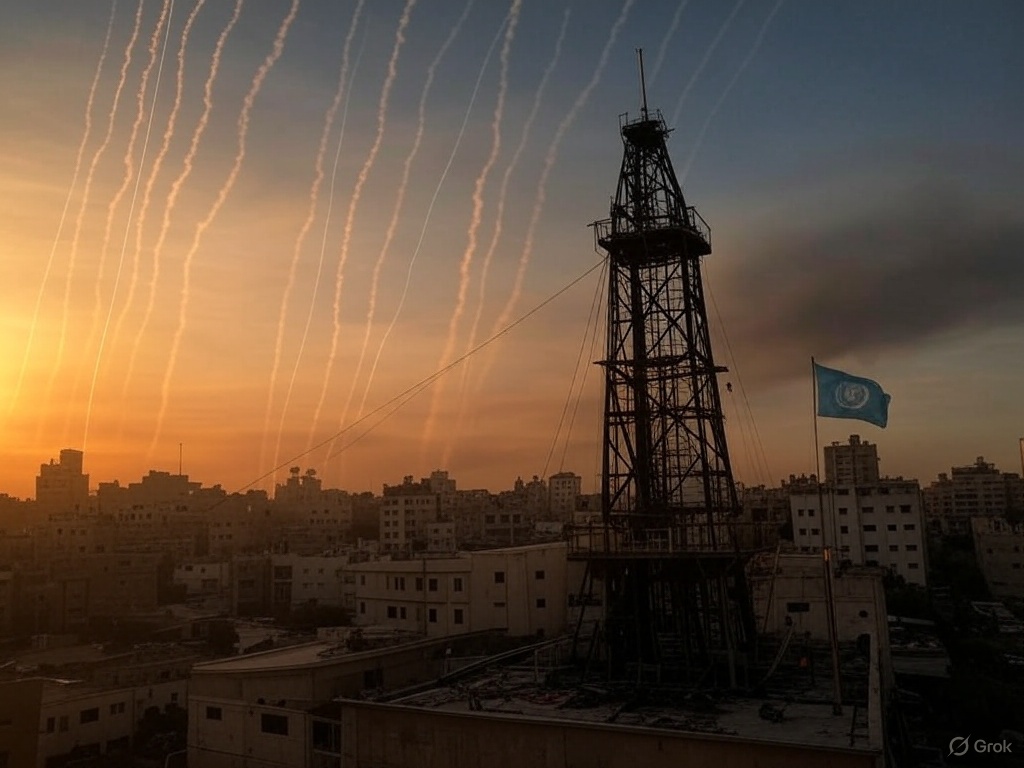
    A tense Middle Eastern skyline at dusk with missile trails in the air, an oil rig in the foreground, and a UN flag waving, symbolizing conflict and diplomacy.

    Tensions between Iran and Israel are growing again. On April 9, 2025, Iran’s Revolutionary Guard gave a warning that they might launch missiles toward Israel. This warning came after repeated disputes over airspace and ongoing military actions from both sides. Many around the world are now concerned — is this just pressure tactics, or is it leading to something serious?

    Situation After the Warning

    This recent statement from Iran isn’t an isolated one. In the last few months, both sides have taken strong steps. In October 2024, Israel carried out airstrikes which damaged parts of Iran’s missile program. Iran is now showing signs of replying with force.

    Some reports, including international ones, suggest that Iran might soon carry out a large missile strike. The U.S. is also reacting — a second aircraft carrier group has moved into the region. There are growing talks about possible strikes on Iranian nuclear facilities if things get worse. Sources close to Iran’s top leadership say there is internal tension. Some fear that if talks fail, the government may face bigger issues inside the country.

    Disputes Over Airspace Continue

    Iran has accused Israel of violating its airspace through drones. On the other side, Israel says Iran’s proxies like the Houthis are also disturbing regional skies. This has made the situation worse.

    Now, Iran is also believed to be sending powerful missiles like Arqab and Jamal 69 to militia groups in Iraq. This means attacks could happen from different places, not just directly from Iran. While governments say these are defensive moves, people are worried it may be an excuse to launch a bigger war. Some also feel politics may be involved, especially with U.S. elections coming.

    Global Concerns Over Oil and Stability

    The reaction from around the world has been mixed. Some countries are calling for peace and warning about the risks of further conflict. Others are preparing for oil shortages and economic effects.

    In India, people are mostly talking about fuel prices. Brent crude oil is already around $90 per barrel. If this conflict increases, prices may go even higher. That means higher fuel costs, more inflation, and pressure on the Indian economy. Many fear that new public projects like the railway expansion and border development fund may slow down or lose funding due to rising oil import bills.

    Some people support the U.S. for backing Israel. Others feel that this might worsen the situation. Iran says it is only acting in self-defense. But experts believe it may also be a warning to stop any attacks on its nuclear program.

    Wider Effects Beyond the Region

    This conflict is not just about two countries. The effects can spread globally. If oil prices go up, many economies may face trouble. Trade routes and supply chains might get disturbed. The world economy is already unstable, and this could make it worse.

    Israel is ready with defense systems like the Iron Dome. But Iran still has strong support from groups like Hezbollah and other militia forces. If those groups join the conflict, it could turn into a larger war. The U.S. recently carried out airstrikes in Yemen to weaken Iran’s network, but nothing is certain.

    For India, this is also a serious issue. Rising oil prices can affect transport, industries, and household budgets. Any further escalation may disturb the progress of infrastructure projects. Even Pakistan may react, depending on how things develop.

    What Happens Next?

    The next few days are crucial. If Iran carries out a missile attack, Israel has already said it will respond strongly. It may even target Iran’s nuclear sites, despite warnings from the international community. There are talks that negotiations may happen soon in Doha, but it’s unclear whether they’ll succeed.

    If the situation calms down, oil prices may stabilise. But if not, crude oil could cross $100 per barrel. That would affect almost every country, including India. Iran’s government is also under pressure. A direct attack on its facilities could cause internal problems, or lead to a bigger war.

    For now, everything depends on what the leaders decide in the coming days. The world is watching. Peace talks are the only option that can stop this from going out of control.

    This blog is just the start. Explore more with: Iran raises alert level amid fear of war with Israel
    Want more on this topic? Check this out: A Tahawwur Rana Is Finally Here But-Is Justice Really Closer?
  • Trump’s Tariff Pause: South Korea Talks, India Watches Closely

    Trump’s Tariff Pause: South Korea Talks, India Watches Closely

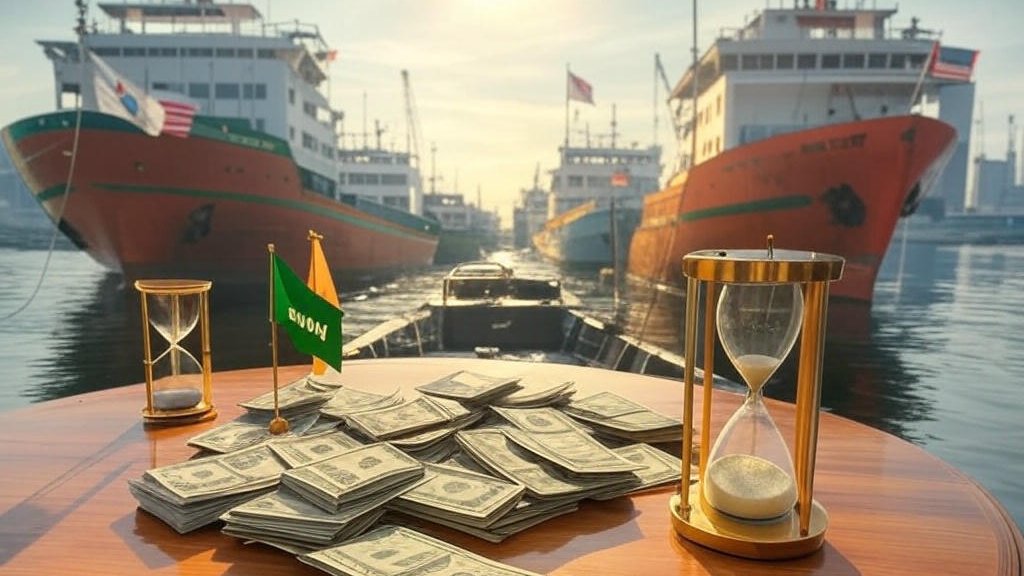
    A dynamic chessboard mid-game with a paused golden pawn labeled ‘Tariffs,’ flanked by Indian rupees and South Korean won pieces, against a vibrant trade port backdrop with ships and skylines

    A Global Chessboard Gets a Reset

    Imagine a high-stakes chess game where every move ripples across continents. That’s the global trade scene right now, and Donald Trump just slid a pawn back, giving everyone a breather. On April 9, 2025, Trump hit pause on his tariff blitz—those hefty import levies he’d rolled out a week earlier—offering a 90-day window for talks. South Korea’s trade envoy cheered it like a lifeline, while here in India, we’re rubbing our hands, wondering how to turn this timeout into our checkmate moment. Let’s break it down.

    The Tariff Rollercoaster: What Just Happened?

    Trump kicked off April with a bang, slapping a 10% baseline tariff on all imports, then piling on extras like toppings at a chaat stall—25% for South Korea, 27% for India, and a jaw-dropping 125% for China (up from 104% on April 9). Markets tanked—$6 trillion wiped out globally in a week—and the world screamed. By April 9, Trump blinked, pausing the higher rates (except China’s) and keeping the 10% base. South Korea, whose auto giants like Hyundai were sweating bullets, saw hope. Their trade minister, Cheong Inkyo, practically danced, saying it’s “room to negotiate.” Meanwhile, India’s pharma lords, who dodged the worst, are whispering, “What’s in this for us?”

    South Korea’s Big Chance

    Here’s where it gets juicy. South Korea’s racing to the bargaining table with an emergency task force led by Acting President Han Duck-soo. Their auto exports—$34.74 billion to the U.S. last year—took a hit with the 25% tariff, and this pause is their shot to claw back. Asian stocks soared on April 10—Nikkei up 9%—as the news eased recession fears. On the flip side, China doubled down, slapping 84% tariffs on U.S. goods, turning the trade war into a slugfest. South Korea’s move could set the tone—success or stumble—for others watching, including us.

    India’s Quiet Confidence

    India’s in a sweet spot. Our pharma exports—$9 billion to the U.S. last year—stayed mostly unscathed thanks to drug exemptions. While China’s reeling from its tariff hike, India’s stock rose (pharma shares jumped 5% on April 3). Modi’s been playing nice with the U.S., cutting tariffs on Harleys and bourbon back in February for that trade deal we’ve been simmering since then. The Reserve Bank’s governor threw a wet blanket on April 9, warning tariffs could nick our growth by 20 basis points. But if we play this right, that’s just a speed bump. The U.S. market’s a goldmine—$180 billion in trade last year—and this pause might widen the door.

    Plotting India’s Next Move

    So, what’s our play? First, we keep calm—no knee-jerk tariffs like China’s. Second, we push that trade deal hard. February’s agreement aimed for an autumn finish, and this pause is our tailwind. Pharma’s our ace, but tech and diamonds could sweeten the pot. Third, we watch South Korea like hawks. Their talks could be our blueprint—or a warning. Picture Modi and Trump shaking hands by July over a deal slashing our 27% tariff to, say, 15%. The U.S. gets cheaper drugs and tech; we get jobs and growth. Win-win, right?

    The Clock’s Ticking

    The spice in this curry? Timing. Trump’s pause ends July 8, 2025—89 days to hustle. South Korea’s got a head start, but India’s got grit. Remember how we turned COVID into a pharma export boom? This could be that, but bigger. Of course, there’s a flip side. If talks stall, or Trump doubles down post-pause, we’re back to square one—higher tariffs, tighter wallets. Oil prices are wobbling from recession fears; a trade flop could tank them further, hitting our import bill. But I’d bet on India’s street-smart hustle over gloom any day.

    A Game Worth Watching

    As I write this on April 10, the internet’s alive with chatter. South Korea’s optimism is contagious, but India’s quiet confidence feels like a tiger crouched to leap. This tariff timeout isn’t just a breather—it’s a chessboard reset. South Korea’s making its move; India’s plotting ours. By July, we’ll know who’s king—or at least who’s still in the game. For now, grab some chai and watch this unfold—it’s going to be one heck of a ride.

    Trump Tariffs 2025: Economic Impact on India, China & Beyond check here
    What’s next?

  • Saudi Arabia’ Visa Shift Multiple-Entry Ban for 14 Countries

    Saudi Arabia’ Visa Shift Multiple-Entry Ban for 14 Countries

    Saudi Arabia’s Visa

    Imagine that you’re all set for a year of trips to Saudi Arabia. Maybe some business deals, catching up with family, or just chilling in the desert. And then, boom, everything changes. On February 1, 2025, Saudi Arabia dropped big news: no more multiple-entry visas for people from 14 countries, including India. This isn’t some small thingit’s flipped travel plans for so many. So, what’s happening? Who’s in trouble? And how do you deal with it? Let’s break it down with some real talk, a bit of curiosity, and advice that actually works.

    What’s Changed in Saudi Arabia’s Visa Game?

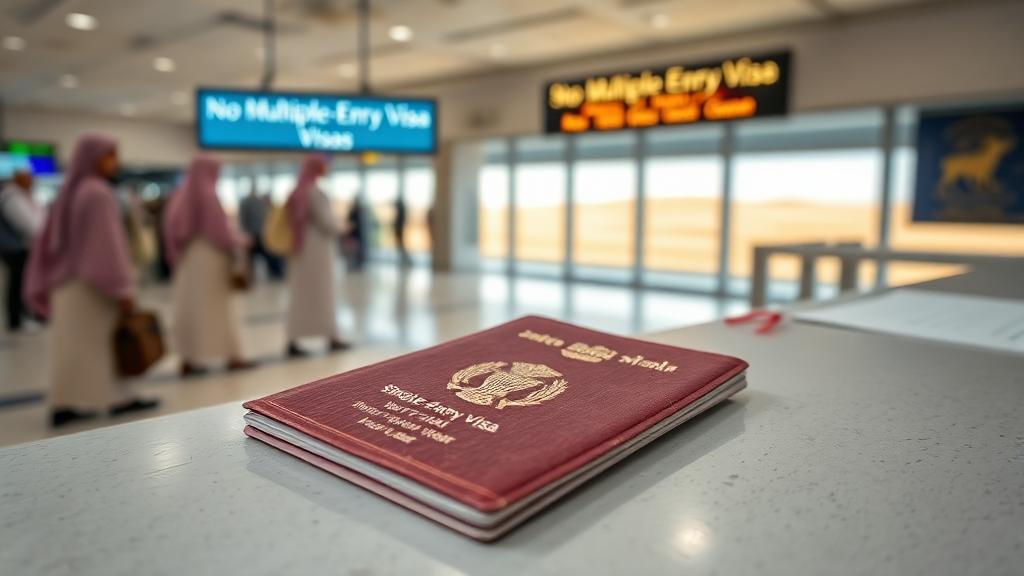
    Saudi Arabia’s put a full stop; nobody knows for how long on those one-year multiple-entry visas. Here’s what’s gone now. Tourism visas? You used to come and go for 12 months, but now it’s one visit, 30 days tops. Business visas are the same story, just one entry, 30 days, no hopping around for meetings anymore. And family visits, like seeing your cousins in Riyadh? You’ll need a single-entry visa every time, good for a month.

    But don’t freak out if you’re going for Hajj or Umrah. Those visas are still okay, same with diplomatic stuff and residency permits. For regular travelers though, or people who fly there often, this is a proper curveball.

    Why Did Saudi Arabia Pull the Plug?

    Picture this scene of lakhs of people at Mecca for Hajj, heat blazing down, and total chaos. In 2024, over 1,200 lost their lives because of overcrowding and crazy temperatures. Saudi folks started noticing something fishy: some people were slipping in with these long-term multiple-entry visas, staying way past their time, and joining Hajj without the right papers. It’s not just about breaking rules; it was turning dangerous.

    So, Saudi Arabia said, “Enough’s enough.” By cutting these visas, they’re trying to keep things under control, make Hajj safer, and watch their borders better. Smart or too strict? Up to you to think about.

    When Did This Kick In?

    Put it in your diaryFebruary 1, 2025. That’s when the multiple-entry dream ended. They haven’t said when it’ll come back, if ever. So, for now, if you’ve got a trip lined up, don’t think you can waltz back in a month later without a fresh visa.

    Who’s Caught in the Crosshairs?

    This hits 14 countries, and it’s a mixed bunch. Here’s the list Algeria, Bangladesh, Egypt, Ethiopia, India, Indonesia, Iraq, Jordan, Morocco, Nigeria, Pakistan, Sudan, Tunisia, Yemen. If you’re from one of these, your travel plans just got shaken up. India’s got so many people going to Saudi Arabia business types, tourists, familiesit’s going to hit us hard.

    What Does This Mean for You?

    Let’s be honest this isn’t just paperwork it’s personal stuff. Maybe you’re an Indian guy sealing deals in Jeddah, or someone from Morocco visiting relatives in Dammam. Here’s the deal now. Plan ahead single-entry visas mean more forms every time, so apply early, don’t wait till the end. Stick to the rules of overstaying or sneaking into Hajj? Bad move. You’re looking at heavy fines, jail, or even a permanent ban from Saudi Arabia.

    And yeah, budget smarter more visa applications mean extra cash spent. My friend in Delhi, Anil, used to zip to Riyadh every few months for work. Now he’s moaning about the hassle, but he says it’s making him think harder about his trips. Less random running around, more focus maybe that’s not so bad.

    How to Stay in the Loop

    Saudi Arabia isn’t shouting this from the rooftops. You’ve got to check their official sites or call the embassy yourself. I learned it the tough way: don’t trust every travel blog you read (funny, right?). My cousin almost got stuck last year, but a quick chat with the consulate saved him.

    The Bigger Picture

    This isn’t just about visas it’s Saudi Arabia showing they’re serious. Hajj isn’t some small event; it’s a giant thing, and safety matters big time. Plus, with their Vision 2030 pushing tourism and all, they’re juggling being open with keeping order. It’s a tricky balance, and this ban’s a bold step.

    Tips for Travelers

    Double-check your visa type before booking anything, don’t mess that up. Watch Hajj dates too even if you’re not going, the crowd controls might mess with you. And talk to peoplecheck forums like X, see what other travelers are saying. This shift might feel rough, but it’s not over. Saudi Arabia’s still there just pack some extra patience with your bags.