Category: Economy & Law

  • India’s Steel Tariff: Smart Protection or Risky Trade Gamble?

    India’s Steel Tariff: Smart Protection or Risky Trade Gamble?

    You know how you catch up over chai at the local stall? That’s how I felt when news broke: “Government imposes 12% safeguard duty on steel imports.” My cousin, who runs a tiny fabrication shop in Coimbatore, nearly dropped his cutting torch. “Is this good or bad?” he asked. Well, let’s break it down like we’re both sipping ginger chai on a rainy evening.

    Why Steel Is Our Backbone

    Steel isn’t just metal—it’s ambition forged in fire. From the high‑rise in Mumbai to the metro rails in Delhi, every beam and bolt carries our country’s dreams. And millions of jobs hang on it. We’re No. 2 in the world for crude steel, right behind China. Names like Tata Steel, JSW Steel, and SAIL aren’t just companies—they’re household heroes.

    My neighbour’s brother works at SAIL in Rourkela; he says “we churn out enough to build hundreds of bridges.” But when cheap steel from elsewhere floods in, that pride feels threatened.

    The Flood of Cheap Imports

    Here’s the rub. China—and friends like South Korea and Japan—have been pouring in rock‑bottom steel. In the financial year 2024–25, we imported 9.5 million tonnes of finished steel—our highest in nine years. 78% of that came from those three countries. Imagine selling handmade laddoos at a village mela when someone next door gives them away free. That’s what our mills face.

    My friend in Pune, who builds farm equipment, tells me his margins vanished overnight. He’s not alone—some small steel plants even paused production or eyed layoffs.

    So, What’s This 12% Tariff All About?

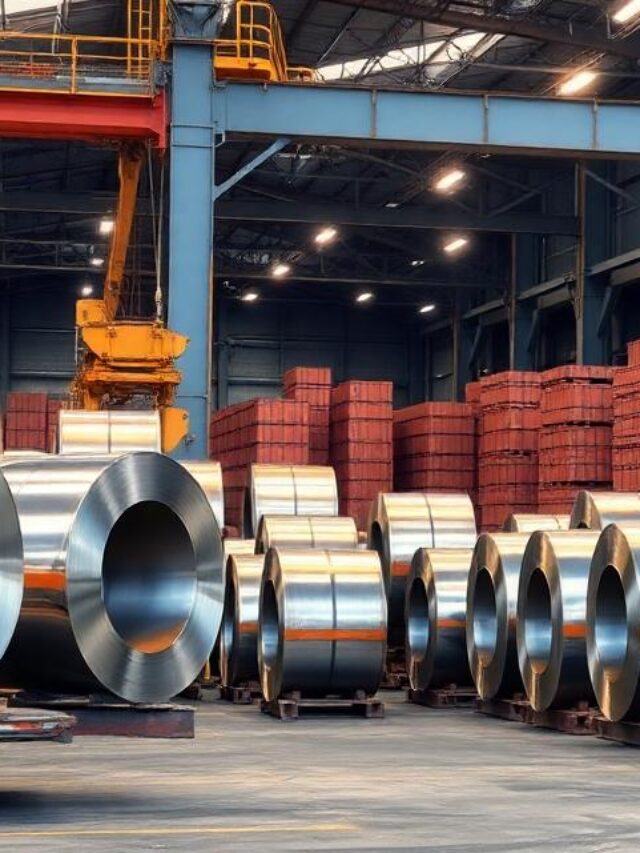
    This isn’t a permanent tax stamp. It’s called a safeguard duty, and it’s meant to be temporary—just 200 days starting April 21, 2025. Think of it as a protective shield: it makes imported Non‑Alloy and Alloy Steel Flat Products (sheets, coils, plates) about 12% pricier at the border. That nudge can convince builders and carmakers to pick “Made in India” instead.

    Who Feels the Heat & How Long?

    AspectDetails
    Duty Rate12% safeguard duty
    Products CoveredNon‑Alloy & Alloy Steel Flat Products
    Duration200 days (from April 21, 2025)
    Main SourcesChina, South Korea, Japan
    Import Volume9.5 million tonnes (2024–25)

    The DGTR (Directorate General of Trade Remedies) dug into the numbers from December 2024, then the Finance Ministry signed off.

    Industry Cheers vs. Buyer Worries

    Steel Mills: They’re clinking glasses (figuratively). JSW, SAIL, even ArcelorMittal Nippon Steel India say this duty is a lifeline. On BSE, SAIL shares jumped nearly 4%, Tata Steel up 2%—that tells you something.

    Downstream Users: Builders in Mumbai, auto‑part makers in Pune, and countless MSMEs are biting their nails. Higher steel prices mean bigger project bills and pricier cars. My cousin in Coimbatore is already recalculating his quotes—he fears clients will balk at the extra rupees.

    Some small‑scale groups are asking for import quotas instead, so price hikes stay limited.

    Beyond Economics: India‑China Relations

    This isn’t just a tax move; it’s a diplomatic chess move too. Ever since the 2020 border clashes, India’s been cautious around Chinese goods and investments. This tariff fits our self‑reliance push—“Make in India”—but it could rile Beijing. They might slap counter‑tariffs on Indian pharma or textile exports.

    Still, External Affairs Minister S. Jaishankar points out we’re not shutting our doors—just choosing which guests to invite.

    Worldwide Ripples

    We’re not alone in this. Remember how the US slapped a 25% tariff on steel under Trump in March 2025? Excess steel meant for America then flooded markets like ours. Meanwhile, the EU, Turkey, South Africa—they’ve all put up barriers to guard their mills. India’s 12% duty is partly a response to this global overflow—nobody wants to be the world’s dumping ground.

    My Two Paise: Balancing Act Ahead

    Honestly, this 12% duty feels like a necessary sting. Our steel sector needs a breather after years of undercutting. But let’s not forget the ripple effects—higher building costs, pricier cars, tighter budgets for small firms.

    Here’s a thought: the government could roll out temporary relief—like tax breaks or modest subsidies—for critical sectors such as housing and automobile. At the same time, this is a wake‑up call for steel makers: invest in greener tech, streamline costs, and aim for exports too.

    In the long run, we should diversify where we buy steel from and ramp up local capacity. Only then can India transform from a tariff‑reliant market into a true powerhouse.

    If you’re into this topic, you’ll definitely want to check this out too: India imposes temporary tariff on some steel to stem cheap imports from China

    If this resonated with you, here’s something similar you might like: Waqf Act Controversy: What’s Happening in Murshidabad?
  • India’s Record Trade Deficit with China: Causes and Solutions

    India’s Record Trade Deficit with China: Causes and Solutions

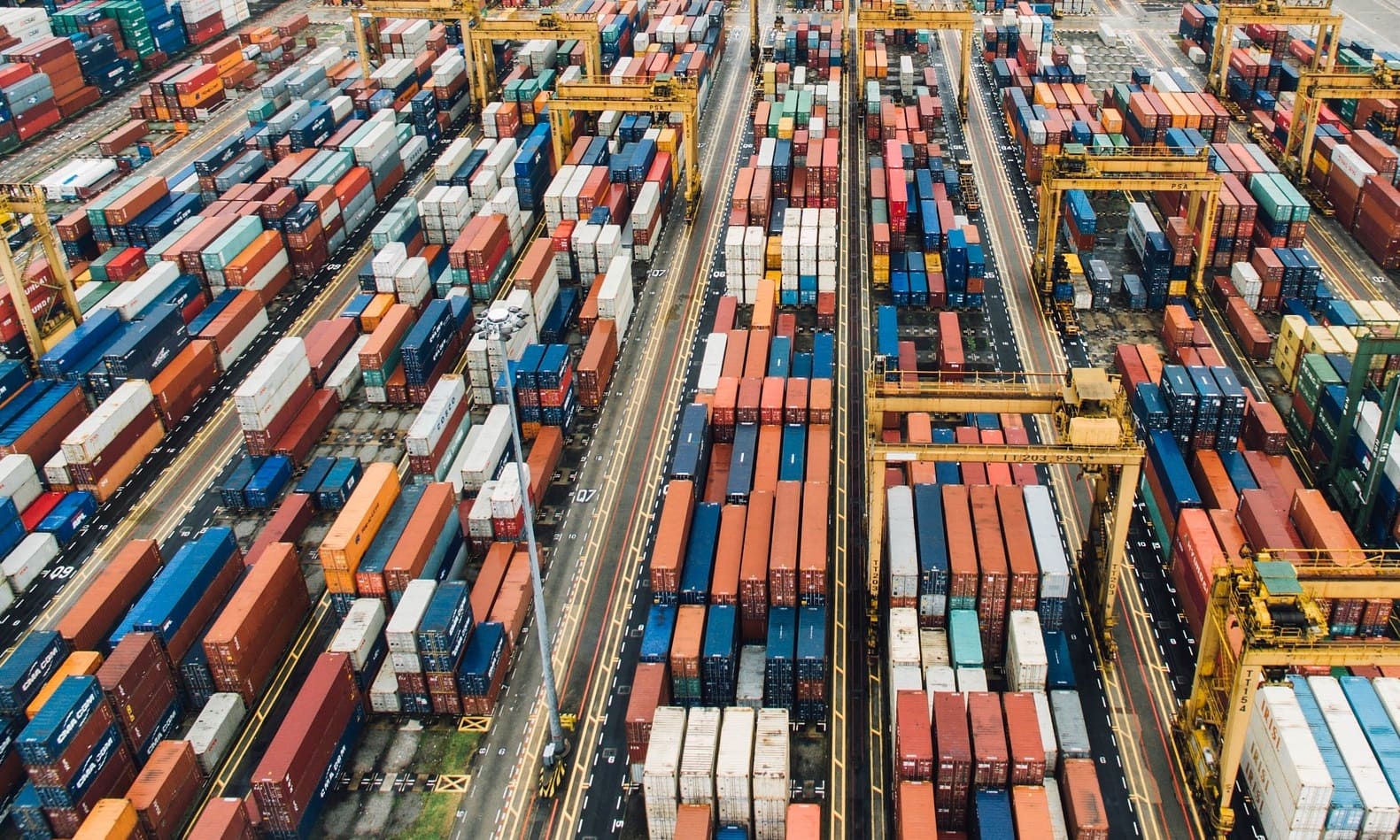
    India importing chinese goods

    You’ve probably heard that India’s trade gap with China just hit a record $99.2 billion in the fiscal year 2024–25, right? In simple terms, we’re snapping up smartphones, solar panels, and big industrial machines like there’s no tomorrow, while sending them mostly iron ore and cotton in return. Honestly, it’s like spending all your pocket money on sweets and then trying to pay rent with loose change from your piggy bank. Clearly, economists and policymakers are sweating bullets. So, let’s unpack why this is happening, why it really matters for you and me, and—most importantly—what steps we can take next.

    Current Situation: Numbers That Won’t Stay Quiet

    Well, here’s the deal: between April 2024 and February 2025, India imported $103.78 billion worth of goods from China, while our exports to them languished at just $12.74 billion. That means an eleven‑month deficit of over $91 billion—and by the end of March 2025, it’s set to cross $100 billion. What’s driving this? Mainly electronics, electric batteries, consumer durables—you name it. Meanwhile, exports to China actually fell by around 14.5% in March 2025 compared to March 2024. Trust me, that drop stings.

    Survey Note: Detailed Analysis of India’s Trade Deficit with China

    On April 16, 2025, Reuters flagged that our deficit reached $99.2 billion. This surge, fueled by electronics and energy‑related imports, shines a spotlight on how dependent we’ve become—and why that has everyone from Delhi to Chennai talking. With global tensions—especially U.S.–China trade friction—this isn’t just about numbers; it’s about strategy too.

    Current Trade Dynamics: The Widening Gap

    India actually runs a surplus with 151 countries—covering over 55% of our exports (Global Trade Research Initiative via The Hindu, Sept 2024). However, with China, we’re in a different league altogether:

    PeriodImports from China ($ bn)Trade Deficit ($ bn)
    Apr 2024–Feb 2025103.78>91
    2023–24101.7385.08
    2022–2383.20
    2021–2273.31
    2020–2144.00
    2019–2048.65

    Root Causes: Peeling Back the Layers

    1. Trade Composition Imbalance
      Essentially, we import high‑value finished goods—think telecom gear, solar cells, chemicals, heavy machinery—while our exports are low‑value raw materials like iron ore, cotton, and gems. As the Embassy of India in Beijing notes, we’re missing out on adding more value before selling abroad.
    2. Market Access Barriers
      Oddly enough, even though India excels in pharmaceuticals, IT services, and agriculture, Chinese markets are tough to crack. Their rules favour local firms, whereas our markets stay wide open for Chinese goods. This asymmetry only deepens the gap.
    3. Smart Chinese Branding
      Brands such as Xiaomi and Oppo, along with solar‑panel and battery makers, have fine‑tuned products to match Indian tastes and wallets. As a result, local manufacturers struggle to compete on price and scale.

    Economic & Strategic Implications: Real‑World Risks

    • Foreign Exchange Drain
      When we run such a large deficit, we’re constantly pumping foreign currency out. That can deplete our reserves, weaken the rupee, and push up borrowing costs.
    • Hit to Domestic Industry
      From Noida’s electronics hubs to textile units in Tirupur, small and medium enterprises are closing shops because they just can’t match cheap imports.
    • National Security Concerns
      Given the current geopolitical standoff with China, relying on them for critical goods is risky. Any sudden cutoff—political or logistical—could leave us in a real bind.

    Global Context: Knock‑On Effects of U.S.‑China Tensions

    In April 2025, the U.S. paused tariff hikes for 75 countries (including India) for 90 days, while hiking levies on Chinese imports. Consequently, China may redirect goods toward markets like ours, further inflating our deficit. However, this also presents a chance: manufacturers seeking to move out of China might consider India—if we can offer the right incentives.

    Potential Solutions: Turning the Tide

    1. Boost Local Manufacturing
      Schemes like Make in India and the PLI programme are steps in the right direction, especially for electronics, solar kits, and pharma. We need to scale these up, fast.
    2. Diversify Import Sources
      Rather than lean solely on China, we could import more from Vietnam, Taiwan, or South Korea. That would spread risk and balance supply chains.
    3. Negotiate Fairer Access
      Our diplomats should press Beijing hard for better terms, especially in pharma, IT, and agri‑products—sectors where we excel.
    4. Smart Tariffs
      Targeted duties on non‑essential Chinese goods can give local players breathing room, but we must watch out for consumer price hikes and retaliation.
    5. Invest in R&D & Value Addition
      Instead of exporting raw cotton or ore, let’s focus on finished textiles and steel products. Adding value is key to narrowing this gap.
    6. Keep Dialogue Open
      Even when things get tense, communication with China can pave the way for more balanced, long‑term trade relations.

    Conclusion & Personal Takeaway

    Honestly, this record deficit is a wake‑up call. Yes, it shows our appetite for modern tech and infrastructure. But unless we build those capabilities at home, we’ll stay vulnerable. Personally, I see this as our moment to double down on self‑reliance—invest in our industries, push innovation, and negotiate hard for fair trade. If we act now, we can turn this challenge into the next big chapter in India’s growth story.

    If you’re into this topic, you’ll definitely want to check this out too: Trump’s Tariff Pause: South Korea Talks, India Watches Closely

    Follow us in X to follow similar topic: Sochbuzz

  • UPI Outage on April 2025: Wake call for India’s Digital Payments

    UPI Outage on April 2025: Wake call for India’s Digital Payments

    An image of a frustrated user in India trying to make a payment through UPI on their smartphone, with an error screen displayed, and an urban backdrop featuring local shops affected by the digital payment issue.

    UPI (Unified Payments Interface) has long been hailed as one of the most revolutionary digital payment systems in India. Launched by the National Payments Corporation of India (NPCI), it has become the backbone of India’s cashless economy, enabling instant money transfers, bill payments, and more with just a few taps on a smartphone. In fact, UPI has grown so extensively that in January 2025 alone, the system recorded over 16.99 billion transactions amounting to a staggering Rs 23.48 lakh crore.

    However, on April 12, 2025, a massive UPI outage disrupted millions of transactions, leaving users frustrated and businesses stalled. Popular payment platforms like Google Pay, Paytm, and PhonePe were affected, and the incident quickly became a hot topic across social media. This outage has raised questions about the reliability of UPI as India continues its push toward a digital economy. What caused the April 12 outage, and what does this mean for the future of UPI and India’s digital payments ecosystem?

    The April 12, 2025, UPI Outage: What Went Wrong?

    The UPI outage on April 12 occurred around 11:30 AM IST, causing widespread disruption to payments across various platforms. As millions of transactions failed, users turned to social media to express their frustration, with many complaining about payments not being processed.

    According to NPCI, the outage was caused by “intermittent technical issues,” which were eventually resolved. However, for many users, this explanation felt vague, and the impact of the outage was far-reaching. In the fast-paced world of digital payments, downtime no matter how brief can cause major disruptions.

    So, what caused this failure? While the official statement from NPCI blamed technical glitches, several factors likely contributed to the outage.

    High Traffic and System Strain

    One of the main reasons for such outages is the increasing volume of transactions processed by UPI. According to experts, the system is under significant strain during peak hours. The rise in digital payments, especially around events like IPL 2025, results in a heavy load on the servers, which sometimes leads to performance issues. With millions of transactions being processed at the same time, the infrastructure can become overwhelmed, leading to failures.

    Infrastructure Limitations and Maintenance

    April 12 wasn’t the first time UPI faced such technical challenges. The system has often been pushed to its limits, and issues like system latency, maintenance delays, and overlaps in bank server activities have compounded these problems. On the day of the outage, some banks, including HDFC and Kotak Mahindra, were undergoing scheduled maintenance, which likely caused additional strain on the system. The combination of maintenance schedules and high transaction volumes may have been a recipe for disaster.

    Recent UPI Outages Identified

    While the April 12 outage was one of the most significant disruptions, it wasn’t the first instance of technical problems affecting UPI. Several outages have been reported over the past few months, with varying degrees of impact. Below is a table summarizing the most recent UPI outages in March and April 2025:

    March 26, 2025
    Time of Report: 7:50 PM IST
    Affected Apps: Google Pay, Paytm, PhonePe
    Complaints (DownDetector): A total of 2,750 complaints were registered, including 296 for Google Pay, 119 for Paytm, and 376 for SBI-related issues.
    NPCI Statement: “Intermittent technical issues, system stabilized.”

    April 2, 2025
    Time of Report: Not specified
    Affected Apps: Not detailed
    Complaints (DownDetector): Not specified
    NPCI Statement: “Latency in UPI network, issue resolved.”

    April 12, 2025
    Time of Report: 11:30 AM IST
    Affected Apps: Google Pay, PhonePe, Paytm
    Complaints (DownDetector): By 12:56 PM, 2,147 complaints were recorded, with nearly 80% related to failed payment transactions.
    NPCI Statement: “Intermittent technical issues, working to resolve.”

    These outages have highlighted the vulnerabilities in UPI’s infrastructure, and many users are questioning whether the system can handle the rapidly increasing demand.

    The Impact: Small Businesses and Everyday Users

    The disruption caused by the April 12 outage was not limited to individuals trying to pay for online shopping. Small businesses across the country, which rely heavily on UPI for transactions, faced significant losses. Many local vendors, such as vegetable sellers and auto-rickshaw drivers, found themselves unable to complete transactions, leading to frustration and lost income. For many small businesses, UPI is their primary payment system, and downtime means lost revenue and customer dissatisfaction.

    While large-scale businesses may have the resources to manage through such disruptions, small businesses have little to no backup plan. Without UPI, they often rely on cash payments, which is not feasible in today’s increasingly cashless world.

    UPI’s Global Aspirations: A System at the Crossroads

    India has ambitions to make UPI a global payment system. In fact, the system is already operational in countries like Singapore and the UAE, where it is used by Indian expatriates for sending money home. However, if India wants UPI to be adopted more widely, it must address the reliability issues that continue to plague the system.

    With the growing popularity of UPI internationally, frequent outages like the one on April 12 could undermine the trust global users have in the system. If India is serious about positioning UPI as a global standard, it needs to ensure that such outages are rare and swiftly addressed.

    How Can NPCI Improve UPI’s Reliability?

    There is no doubt that UPI has been a game-changer in India’s digital payment landscape. However, for it to remain a viable option for millions of users and businesses, the National Payments Corporation of India (NPCI) must address several key issues:

    1. Improved Infrastructure: NPCI needs to invest in better infrastructure to handle the growing volume of transactions. This includes improving server capacity, optimizing database management systems, and having better backup systems in place during peak periods.
    2. Clearer Communication During Outages: When a system fails, clear and transparent communication is key to maintaining user trust. NPCI should ensure that users are kept informed about the nature of the issue, the estimated time for resolution, and any alternate payment options available.
    3. Collaborative Solutions with Banks: Since many outages are caused by overlaps with bank maintenance schedules, NPCI must work more closely with financial institutions to avoid such issues. More coordination and advanced scheduling of system upgrades could prevent disruptions.

    Conclusion: A Call for Action

    The UPI outage of April 12, 2025, has once again highlighted the growing pains of India’s ambitious digital payment system. As UPI continues to gain ground in India and internationally, it is essential for NPCI to address these technical issues and ensure that the system can handle the increasing demand.

    India’s push for a cashless society hinges on UPI’s success, and any significant disruption could slow down the adoption of digital payments in the country. To truly unlock the potential of UPI, India must invest in scalable, secure infrastructure and ensure that UPI remains a reliable and efficient payment system for users across the globe.

    If you’re into this topic, you’ll definitely want to check this out too: South Asia Struggles Through Unseasonal Floods and Landslides

  • TCS Hike Delayed in 2025 — Just One More Hit for IT Folks?

    TCS Hike Delayed in 2025 — Just One More Hit for IT Folks?

    TCS corporate office with concerned employees, global map showing US-India tensions and falling economy charts in the background.

    So yeah, here we are in April 2025… and no hike from TCS this time. For lakhs of folks who work there, this news isn’t just disappointing it’s confusing, frustrating, and honestly, kind of expected too?

    Every year around this time, there’s that usual buzz “hike letters coming,” “expecting 10% this time,” etc. But this year? Silence. And then the official word came salary hikes paused, thanks to “global uncertainty” and, well, the whole US tariff mess.

    It’s not cancelled, they said. Just delayed. Still, that’s not much comfort, is it?

    Feels Like Déjà Vu

    Last year also had its share of slowdowns and hiring freezes. And here we are again. Different year, same story. This time, TCS is blaming it on things happening halfway across the world. Something about the US changing trade policies, budgets being cut, and clients holding back on spending.

    Sounds valid on paper. But if you’re someone working late nights, closing deliverables, and doing daily standups, this just feels unfair. You do the work, but the reward? Maybe later. Or maybe never.

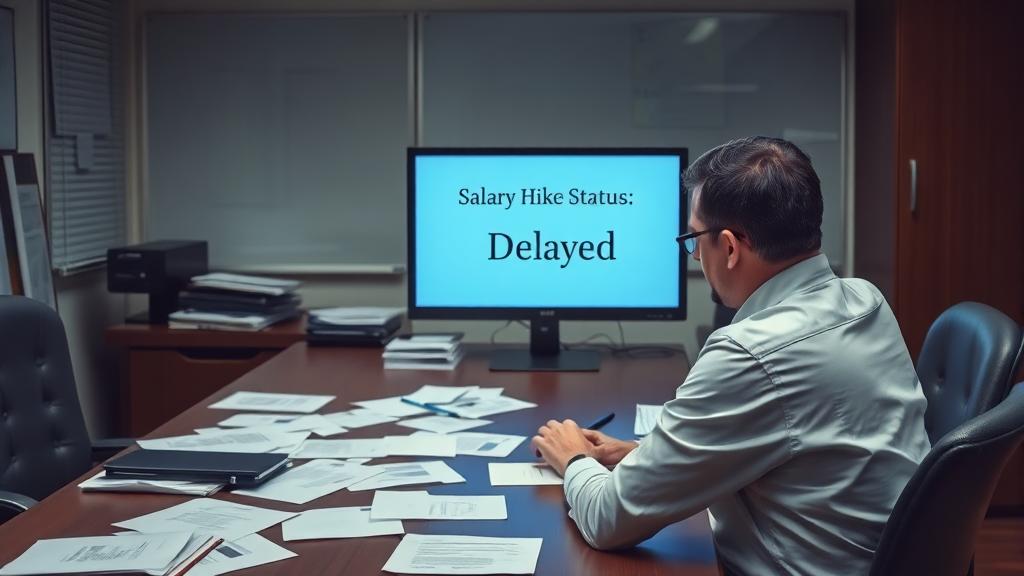
    Corporate employee staring at delayed salary hike message on office computer with frustration
    “When the screen says it all — hike delayed, mood deflated.”

    “We’re Hiring, But We’re Not Giving Hikes” – Make It Make Sense?

    What’s also weird is that hiring’s still on. Freshers are getting onboarded, some experienced roles are being filled too. So clearly, money is there.

    It’s not like TCS is broke. Far from it. Projects are running. Offices are open. There’s chai in the pantry.

    But when it comes to appraisals? Suddenly it’s all about “efficiency” and “cost optimization”.

    Honestly, sounds like corporate jugglery. Cut costs without calling it layoffs. Look “stable” to investors. Keep people in the loop, but not too happy. That’s what it feels like.

    What Employees Are Saying (Quietly)

    No one’s shouting, but the mood is low. On Slack, WhatsApp, Teams people are venting in DMs. Some were counting on the raise to plan EMIs, others were just hoping to catch up with inflation.

    Now it’s more like, “Let’s wait and see.”

    But the truth? This could easily become a trend. Delay this year, maybe trim it next year, and who knows what happens after that.

    But Is It Really Just About the US?

    Okay, sure, the global economy is shaky. Tariffs, elections, wars, AI killing budgets there’s a lot going on.

    But there’s also the inside story no one talks about openly. Companies want to show better profits. Margins were low last year. Cutting hikes makes the books look good. That’s not a conspiracy. That’s just how business works.

    You stop one hike, you save crores. Simple math.

    And if Infosys and Wipro are doing the same, well… there’s safety in numbers, right?

    What Can You Even Do?

    Honestly? Not much.

    But maybe don’t wait around hoping. Learn something new. Cloud, AI, DevOps whatever keeps you in demand.

    Start saving smart. Like seriously, don’t depend on appraisals to balance your budget. They’re not guaranteed anymore.

    And yeah, don’t blindly jump jobs either. Other companies might not be much better right now.

    Final Thought – Not The End, But Definitely a Signal

    This isn’t some tragic collapse. It’s not TCS shutting shop. But it is a warning.

    The market’s changed. The way companies work has changed. And hikes? They might not come as easily or as regularly as they used to.

    So yeah, hang in there. Upskill. Stay sharp. Keep your eyes open.

    Because if the world’s gonna throw curveballs, we better learn how to hit sixes too.

    This blog is just the start. Explore more with: TCS to delay salary hikes: We will decide within the …, says HR head

  • A Tahawwur Rana Is Finally Here But-Is Justice Really Closer?

    A Tahawwur Rana Is Finally Here But-Is Justice Really Closer?

    Taj Hotels attack on 26/11

    As I sat on my balcony this morning, with chai in hand and birds just starting their noisy chatter, the news was impossible to miss Tahawwur Rana has finally landed in India. After nearly 17 years, he’s here. Not as a visitor, but as a man facing questions about one of the darkest days in our country’s recent memory 26/11.

    His extradition from the U.S. on April 10 didn’t just end a long legal tug-of-war. It stirred something deepermemories, anger, hope, maybe even doubt. Everyone’s asking the same thing: does this mean justice is finally knocking, or are we about to be pulled into another never-ending courtroom drama?

    Touchdown in Delhi, and the NIA’s Ticking Clock

    Rana arrived yesterday evening, brought in under heavy guard by the National Investigation Agency. He’s being kept in a tightly monitored 14×14-foot cell at the NIA headquarters, under the watch of a dozen officers. At the centre of it all is DIG Jaya Roy and her team, who’ve been handed 18 days to get answers out of him.

    Right now, the interrogation is digging deep—looking for links to Pakistan’s ISI, checking through emails and old communications, and probing whether Rana knew more than what’s already on record. The agencies are also hinting at potential plots in other Indian cities.

    He’s claimed he’s got Parkinson’s and kidney troubles, and so regular medical checks have been ordered. His lawyer’s allowed to visit every alternate day. Some metro stations near the HQ were even shut down yesterday Delhi hasn’t felt this tense in a while.

    Public Mood: Somewhere Between Pride and Suspicion

    On one side, you’ve got politicians celebrating like it’s Diwali. Home Minister Amit Shah has called it a victory for India’s resolve. Social media is full of posts calling it a long-overdue win for justice, especially from people who still remember those terrifying 60 hours in Mumbai back in 2008.

    But others aren’t quite convinced. The Congress is quick to point out that it was under the UPA government that this extradition process actually began, way back in 2008. Now that it’s finally happened, many are accusing the current government of simply taking credit.

    More importantly, there are legal technicalities. In the U.S., Tahawwur Rana wasn’t convicted for 26/11 itself—he was held for broader terror support. That might complicate things in an Indian courtroom. People are already whispering: will this hold up, or will the case fall flat under pressure?

    More Than India: Why the World’s Watching

    This case isn’t just a domestic matter it’s a showcase of diplomatic strength. For India to pull this off, especially in today’s global climate, shows strong coordination with the U.S. It’s also a message to Pakistan, especially if Rana’s links to the ISI are proven beyond doubt.

    For us Indians, though, this runs deeper. The pain of 26/11 hasn’t faded. The images of the Taj Hotel on fire, the chaos at CST, those innocent lives lost—those aren’t just newsreel footage. They’re scars. Rana being in India now means those wounds may finally start healing. But only if justice truly follows.

    Will It Lead Anywhere? Or Just Another Dead End?

    The NIA’s got a short window 18 days to dig out something solid. A confession, new names, or even proof of wider involvement. If they succeed, it could mean closure for families who’ve been waiting far too long.

    But the hurdles are many. Rana’s health may delay things. His lawyer might file appeals. And with legal loopholes waiting at every step, the whole thing could drag well into next year. We’ve seen that happen before. Trials that go nowhere. Hopes raised, only to be crushed again.

    Still, there’s this strange energy in the air. People are watching. They care. Maybe this time, it won’t all slip away.

    What This Moment Means for Us

    This isn’t just about Tahawwur Rana. It’s about whether our systems still work. Can we deliver justice, even if it’s 17 years late? Or are we going to let the noise die down and move on, like we’ve done before?

    This case could be a real turning point. But only if we don’t let go. Public pressure, media attention, legal scrutiny—every bit matters. We can’t afford to switch off now.

    So, as I finish my tea and get on with the day, I can’t help but wonder—will this finally be it? Or just another name added to a list of unresolved pain?

    Let me know what you think. Is this the start of real justice? Or just another political pitstop?

    If this resonated with you, here’s something similar you might like:26/11 conspirator Tahawwur Rana flown to Delhi, will face trial
    If this topic caught your attention, here’s another one worth checking out: Waqf Bill 2025: What’s Really Going On? Why So Much Noise?

  • India’s ₹18,658 Cr Railway Plan: Boost for Growth?

    India’s ₹18,658 Cr Railway Plan: Boost for Growth?

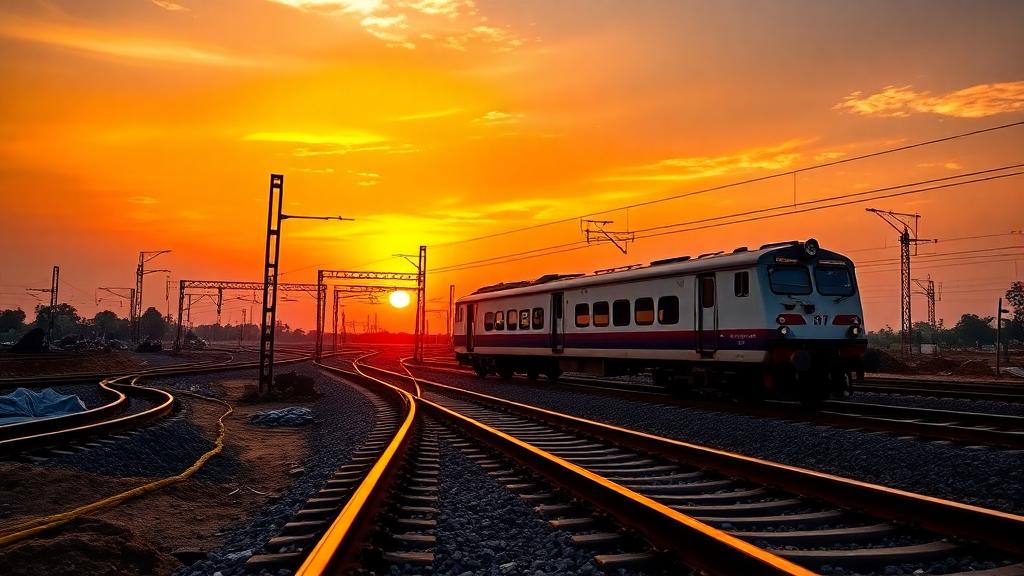
    A vibrant sunrise over a new railway construction site in Chhattisgarh, with workers laying tracks, a modern train in the background, and a hopeful village skyline, symbolizing progress and challenge.

    This blog is about the recent ₹18,658 crore approval by the Indian government for expanding railway projects across three major states – Maharashtra, Odisha, and Chhattisgarh. The goal? More jobs, better freight movement, faster travel, and a push towards a greener, stronger economy. But while the announcement is big, many people are asking – will it actually work? Or is it just another flashy promise that might get delayed or quietly fade out?

    Change on the Tracks: What’s Happening on Ground?

    So here’s the scene. On April 6, 2025, the Indian Cabinet gave the green signal for four massive railway projects. These will cover over 1,247 kilometers and touch 15 districts. We’re talking lines like Sambalpur–Jarapada’s third and fourth tracks, and the Gondia–Balharshah doubling. And just this morning, the Railways Ministry said that work has already kicked off for the 5th and 6th lines between Kharsia and Naya Raipur. That’s in Chhattisgarh’s Baloda Bazar area.

    Now that’s fast. Bulldozers have rolled in, and workers are on site. The vibe on ground? People are hopeful. There’s excitement in small towns nearby. Some say this might finally bring real development. The government says this project will carry almost 89 million tonnes of goods each year — mostly coal, cement, and iron ore. Plus, about 4.7 million people from over 3,000 villages will get better connectivity. And 38 million human-days of jobs? That’s big talk.

    Also, they say this shift to rail will save 95 crore litres of diesel. That’s like planting 19 crore trees. A bold number, but sounds nice on paper, right?

    Not All Smooth: Execution Is the Real Test

    Here’s the thing — planning is one part, doing it is another. People on social media, especially on X (earlier Twitter), are already talking about possible delays. In Odisha’s Sambalpur region, some land disputes are slowing things down. And anyone who’s followed Indian rail projects knows — land problems, paperwork, and contractor delays can stretch timelines easily.

    Yes, this entire thing is part of PM Gati Shakti — that mega plan to boost transport infra. It includes building 19 new stations, including some in underdeveloped districts like Gadchiroli. Good move, no doubt. But still, real work needs time, and lots of coordination. One small snag, and the project can stall for months.

    People Are Split: Progress or Another Empty Promise?

    If you go online, there’s a tug-of-war. Some folks are excited. They say ₹18,658 crore will boost India’s ₹4.2 trillion economy, bring down transport costs, and even help tourism in small towns. One viral clip showed a farmer from Chhattisgarh smiling ear to ear, saying this rail line might bring a new mandi closer to him.

    On the other hand, some folks aren’t so sure. Someone commented, “What happened to VVP-II’s ₹6,839 crore fund? Still stuck somewhere.” Others are pointing at past delays — like how the Sela Tunnel dragged on for years.

    Now, the Railways say they’re using the EPC model to finish faster. Basically, one contractor handles design to delivery. Sounds efficient. But still, people are worried. Red tape, budget crunches, even bad weather can slow things down. We’ve seen it before.

    A Bigger Picture: Not Just Local, the World Is Watching

    This isn’t just about connecting a few towns or shifting cement faster. There’s a global angle too. With the world slowly trying to reduce its dependence on China, India has a chance to step up. And good rail infrastructure is one way to do that. Cheaper freight movement means cheaper exports. That helps us stay competitive.

    Also, there’s an environment angle. The government says this move could save 477 crore kg of CO2 emissions. That fits into India’s net-zero goals. So yes, international folks are watching. If India pulls this off, it could really shine. If not, it’ll just be one more missed opportunity.

    What Could Happen If This Works

    Let’s be positive for a moment. If this rail push works like it’s supposed to, it could mean real change. A young engineer from a remote district like Gadchiroli might finally get a decent job close to home. Farmers could send goods to market faster. Small factories might get better access to raw materials. And travel? Maybe faster, smoother, and safer.

    And globally, it could mean fewer oil imports and better export links. For once, India’s name might be taken as an infrastructure success story, not a country stuck in delays.

    But Let’s Not Jump the Gun Yet

    Honestly, the ₹18,658 crore is a solid number. And the plans do sound promising. But the execution part is still a big question mark. Right now, with a national railway budget of ₹2.62 lakh crore for FY26, even a small slip-up could stretch things thin.

    The past hasn’t been very kind either. Think of Delhi-Mumbai railway upgrades — still not finished. Or the Sela Tunnel, which we already talked about. These things remind us that big dreams need solid ground reality.

    So What’s the Real Take?

    This whole thing the railway expansion has the potential to be a real game-changer. But only if it’s done right. That means quick land work, fewer delays, no shady deals, and regular updates to the public.

    Because let’s be real ₹18,658 crore isn’t just a number on a press release. It’s about people. It’s about connecting dreams and opening doors. It’s about a father in Odisha hoping his kids can travel to college more easily. Or a trader in Maharashtra wanting to cut transport costs.

    That’s what matters.
    Before you go, here’s another good one: ₹6,839 Cr indian Border Plan: Security or Development?
    Want more on this topic? Check this out: Cabinet approves additional railway lines for Chhattisgarh, Maharashtra, Odisha