Category: News & Affairs

  • Trump Tariffs & the Global Trade War: Impact on Indian Markets

    Trump Tariffs & the Global Trade War: Impact on Indian Markets

    Trump's Tariffs Will Increase Prices and Empty Shelves Within Weeks - Business Insider


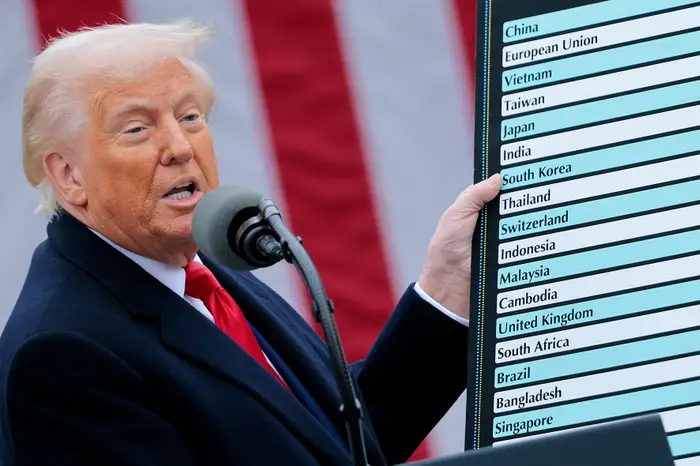
    Trump tariffs India markets: Beginning in 2018, the Trump administration unleashed a broad trade war. It slapped 25% tariffs on imported steel and 10% on aluminum, then applied a 10% surcharge on nearly all imports and much higher rates on key partners​. By April 2025, the US announced “reciprocal” tariffs targeting India (26%) along with China (54%), the EU (20%), Japan (24%) and others. These moves pushed America’s average import duty to the highest level since World War II​, sparking fears of a prolonged global recession. The World Trade Organization’s Pamela Coke-Hamilton warned that the turmoil could shrink world trade by about 3%, as supply chains reorient toward India, Brazil and other emerging markets​. In short, the new tariffs have dramatically raised prices and uncertainties worldwide, fueling volatile reactions in India.

    Impact on Indian Markets (Short Term)

    Indian stock markets plunged on news of the tariffs. BSE Sensex and Nifty 50 dropped about 5% in a single session​ – one of the worst falls in years. By April 7, 2025, BSE market capitalization had lost over ₹14–19 lakh crore (trillions of rupees)​. Broad indices were dragged down by heavy selling in companies tied to the US economy. For example, Tata Group firms (large US exposure) saw their combined market value shrink by ~₹2.4 lakh crore​. Other sectors hit hard included automobiles, metals, IT services, pharmaceuticals, textiles and gems​.

    Economists attribute this sell-off to panic over higher import costs and slower export demand. Foreign funds withdrew from Indian equities, and investors sought safer assets. Gold prices and government bonds rallied while the rupee slid to multi-month lows under the pressure. Analysts note that companies with large U.S. business (consumer goods, tech services, etc.) saw the steepest declines, as investors “offloaded shares of companies with US exposure” amid fears of a worldwide downturn​. Overall, the tariff shock triggered a bout of extreme volatility in Indian markets, wiping out years of gains in days.

    Stock Market Reaction

    Investors immediately turned bearish. Indian equities were hit by a wave of margin calls and panic selling. On April 7, 2025 Sensex and Nifty each fell roughly 5% in one day, only recovering some losses at the close​. That “Black Monday” erased decades of gains for the day, costing the average investor ₹14.2 lakh crore​. The drop was broad-based: every sectoral index saw multi-percentage declines, led by auto, metal, IT, pharma, textiles and gems​. Notably, firms with strong US revenue streams were sold off most aggressively​.

    This turmoil drove foreign portfolio outflows and a scramble for safe havens. The Bombay Stock Exchange warned that any global recovery or tariff roll-back could quickly reverse the slide​. Meanwhile, credit markets priced in higher risk: corporate bond spreads ticked up slightly and banks reported caution in new loans. Commodity prices also reacted – oil dipped on growth worries, while gold climbed as investors sought protection. Analysts emphasize that much of this damage is due to sentiment – fundamentals have not yet fully changed – suggesting a possible rebound if tensions ease​.

    India–US Trade Relations & Retaliation

    India’s trade with the US is significant: bilateral trade exceeds $190 billion/year, with India running a ~$50 billion surplus​. American officials point out that India’s average tariff on US goods (~17%) far exceeds the US rate (~3%). Washington justified its tariffs as “reciprocal” measures to correct this imbalance​.

    In practice, India has limited ability to retaliate symmetrically. A U.S. think-tank notes that many Indian imports (pharmaceuticals, certain foods) are low or zero-duty in the US​. Nonetheless, India originally announced its own tariffs on $900 million of US agricultural exports (apples, almonds, etc.) in response to 2018 steel and aluminum tariffs. Those duties were to mirror US rates but have been largely shelved pending talks​. For now, India is instead lobbying Washington (through WTO and diplomacy) to avoid a trade war. Prime Minister Modi’s government stresses that India and the US are “friends” and is seeking exemptions or a limited deal. In April 2025 the US paused additional duties on some Indian exports for 90 days (until July) in exchange for ongoing talks​.

    Still, bilateral relations are under strain. The US-China conflict and shifting alliances mean India must balance strategic partnership with protection of its own industries. Policymakers in New Delhi are unlikely to lower their tariffs easily – the very reason Trump imposed them in the first place. Any future concessions (on visas, data flows, etc.) may be tied to trade. In short, India is playing a delicate game: protecting exporters in the short term, while negotiating with the US to avoid an escalation​.

    International Comparisons

    India is not alone. China has been the main target of Trump’s trade campaign. Beijing now faces an effective 54% average tariff on its exports, and has retaliated in kind – imposing duties on around 800 US goods, totaling ~$20.6 billion in 2018 alone. In early April 2025 China announced a 34% tariff on all US imports in response to the new US levies​, prompting Trump to threaten a cumulative 104% tariff if China does not back down​. Stock markets in Hong Kong, Shanghai and Taiwan dropped more than 7–9% in one day​, illustrating the contagion.

    The EU and U.S. have a more mixed legacy. In 2018, when Trump slapped metal tariffs, Europe protested via the WTO and imposed ~$3.6 billion of counter-tariffs. By 2021 the Biden administration lifted those sanctions. However, under the new plan the EU was hit with ~20% on many goods. Canada and Mexico – originally exempt from steel/aluminum tariffs – eventually agreed to USMCA (replacing NAFTA) and saw those duties removed by mid-2019​. In this latest round, North American trade flows aren’t directly affected (the new US plan excluded USMCA countries), but Mexico’s factories do feel higher costs on Chinese inputs.

    Across the Indo-Pacific, most countries (aside from China) have so far avoided immediate retaliation​. Governments are instead exploring strategies like diversifying export markets, cutting domestic tariffs and engaging with Washington bilaterally. For example, Vietnam and ASEAN exporters are shifting sales to Europe, Korea and the Middle East​. A recent survey warns that unless global tensions ease, many economies could face long-term slowdowns and a fracturing of trade links​.

    Geopolitical & Economic Shifts

    Trump’s tariff policy – and the uncertainty around it – is catalyzing broader changes. Some emerging economies could gain export share as supply chains move out of China. Indeed, experts forecast that a lasting 3% drop in global trade would redistribute exports toward countries like India and Brazil​. India may attract more foreign investment in manufacturing as companies look for alternatives, though high Indian tariffs remain a hurdle. Domestically, the shock strengthens voices calling for reforms: lower import duties, faster infrastructure spending and new trade deals to insulate the economy.

    Geopolitically, the US moves have weakened trust in multilateral trade rules. The Administration’s tariff actions have prompted complaints to the WTO and may bolster rival trade blocs (e.g. China’s Regional Comprehensive Economic Partnership). Meanwhile, the Sino-US trade war and fears of “decoupling” have driven closer security ties between India and the US (Quad) – but also encourage India to hedge by deepening trade links with Europe, the Middle East and Russia. In sum, American tariffs are not just an economic lever but a strategic signal: that the global order is shifting to a more competitive, less cooperative era.

    Outlook


    In the short term, India’s markets will likely remain jittery. Analysts caution that inflation (from higher import prices) and slower growth are possible outcomes. However, many Indian exporters are already accustomed to volatility, and sectors like pharmaceuticals and IT services have some insulation. If a negotiated compromise emerges (or if tariffs are delayed), a sharp rebound in markets is possible. Longer-term, the experience may prod India to ease some trade barriers and accelerate moves toward a free-market economy – changes that could ultimately bolster resilience.

    Ultimately, Trump’s tariff barrage has shaken Indian markets and tested policymakers, but it has also underscored India’s role as a rising middle power. How New Delhi responds – through diplomacy, industry support and reforms – will shape its economic fortunes in a post-2025 world.

    Related articles

    Trump Tariffs 2025: Economic Impact on India, China & Beyond

  • Pahalgam Attack: Rising Anti-Muslim Hate – Why Unity Matters

    Pahalgam Attack: Rising Anti-Muslim Hate – Why Unity Matters

    how Indians can fight hate with unity and compassion

    The news of the Pahalgam attack on April 22, 2025, shook our entire nation to the core. In a place known for its scenic beauty, gunmen opened fire on innocent tourists, killing at least 26 people. Most of the victims were Hindu visitors, and according to eyewitnesses, the attackers even asked people their religion before shooting. Among the dead was a Kashmiri Muslim man, who lost his life trying to protect others.

    As we grieved for the victims, another crisis quietly started brewing: a dangerous surge of hatred and mistrust against innocent Muslims across the country. In this blog, I want to talk about how this massacre led to rising Islamophobia, how biased media fueled fears, and what we as Indians can do to keep our unity intact.

    I know this is a sensitive topic, but I’m writing it with hope — the hope that goodness still exists and unity can still win.

    The Horror at Pahalgam and What Followed

    On that heartbreaking Tuesday in April, Pahalgam — a place usually filled with laughter and tourists — turned into a scene of bloodshed. Police said militants opened fire at random, killing dozens. It was one of the worst civilian attacks Kashmir had seen in years.

    The details that emerged later were even more chilling: the gunmen reportedly asked victims about their religion before pulling the trigger. Out of the 26 who died, 25 were Hindu men, and the 26th was a young Kashmiri Muslim ponywallah who tried to stop the attackers.

    I still remember sitting stunned, thinking, “What kind of monsters would do this?” My heart broke for the families. But even before we could process this tragedy, a new danger started spreading — this time, not from guns, but from words, hatred, and suspicion.

    Across cities and towns, social media exploded with anger. Some posts blamed all Kashmiri Muslims for the attack. I saw calls for revenge, boycotts, even violence. In some areas, Kashmiri students were evicted by landlords. Shops refused to serve customers who “looked Kashmiri.” In Dehradun, one Hindutva group even warned Kashmiri Muslims to “leave by 10 a.m. or face consequences.”

    It was frightening to watch fear and hate grow so fast. A terror attack by a few extremists suddenly made millions of innocent Indians feel unsafe in their own country.

    Rising Islamophobia: Real Stories From Across India

    The Pahalgam attack didn’t happen in isolation. Over the past year, India’s Muslims have been facing increasing discrimination and hate. Most Muslims are ordinary people — vendors, teachers, doctors, drivers — just trying to live peacefully. Yet, time and again, a small group’s violence is unfairly used to paint all of them with the same brush.

    Here are some grim realities we’ve seen:

    • Mob Violence and Lynchings: In June last year, a Muslim cook in Aligarh was beaten to death by a mob simply because someone suspected him of carrying beef. Around the same time in Chhattisgarh, two Muslim men were lynched over similar suspicions. These incidents show how dangerous rumors can be.
    • Economic Boycotts: After the Pahalgam attack, calls to boycott Muslim businesses spread like wildfire on social media. In Punjab and Uttarakhand, Kashmiri tenants were asked to vacate their homes. Some shopkeepers openly refused to sell to people “looking Muslim,” further isolating entire communities.
    • Harassment of Students: Young Kashmiri students reported facing harassment in places like Delhi and Pune. Some were bullied, others threatened. Many are now scared to even step out or order food online. One boy told a reporter he felt “cursed” just because of his ethnicity.
    • Online Hate and Fake News: Perhaps the most dangerous trend is the flood of fake news and hate messages online. Wild claims like “all Kashmiris are terrorists” went viral. Old videos of violence from other countries were passed off as recent footage from Pahalgam. Lies were weaponized to spread panic.

    Hearing these stories is heartbreaking. Where I live, Hindus and Muslims have lived side by side for decades. And yet, even here, I heard comments like, “Why do they always do this?” It hurts because innocent Muslims had no role in this terror attack. But when fear takes over, logic often flies out of the window.

    The Media’s Role in Fanning the Flames

    Media can guide public opinion — for better or worse. After Pahalgam, I noticed how selective reporting and sensational headlines made things worse.

    Many headlines screamed about “terrorists” but rarely mentioned the victims’ backgrounds properly. How many TV channels highlighted that a Muslim man died trying to save Hindu tourists? Hardly any. Instead, the larger narrative became: “Kashmiri Muslims are dangerous.”

    On prime-time debates, some anchors irresponsibly asked if Kashmiri migrants were secretly helping terrorists, without a shred of proof. Meanwhile, fake news articles floated around, with shocking but false claims designed to stir hatred.

    Even mainstream papers sometimes focused more on sensationalism than facts. A Times of India piece speculated about victims’ clothes being torn, which only added more horror without adding clarity.

    In the race for views and ratings, many media houses forgot their responsibility: to report truthfully without fueling hate. Worse, many media consumers don’t cross-check what they hear.

    The government should take action on journalists to avoid such a hate speech and guide public opinion on good direction

    Are we doing ?

    This is something that personally worries me. Are ordinary Hindus speaking up enough when they see injustice?

    There have been small but meaningful efforts. In Karnataka, local Muslim communities held peaceful protests condemning the attack. They said loud and clear: “Our religion forbids violence. We mourn for the victims too.”

    Some Hindus I know privately express sympathy toward Muslim friends. A few civil groups, students, and even celebrities have condemned lynchings and hate speech. But public voices are still too few. Most often, hateful slogans on social media drown out the sane ones.

    I feel more Hindus need to stand up visibly — write articles, share positive messages, and show solidarity. Silence can sometimes be mistaken for agreement. In my own way, I try: whenever an uncle or neighbor makes a sweeping statement against Muslims, I gently correct them.

    Hatred survives when good people stay silent. If more of us speak up, even small acts can slowly push hate back into the shadows.

    What Can We Do? Some Steps Towards Unity

    We are a country of incredible diversity. We cannot let a few extremists break what centuries have built. Here’s what I believe we can all do:

    • Local Community Initiatives: Organize neighborhood meetings, joint prayers, sports matches between communities — anything that brings people together and builds trust.
    • Better Education: Schools must teach real stories of Hindu-Muslim unity, especially from our freedom struggle. Media literacy programs should be encouraged to teach young people how to spot fake news.
    • Media Accountability: Journalists and TV channels must be called out when they spread fear instead of facts. Press councils and citizen watchdogs should pressure media to report responsibly.
    • Individual Acts of Kindness: Talk to your neighbors. Invite someone from another faith for chai. Post positive stories on your social media instead of hate forwards. Change starts with small, everyday actions.
    Final Thoughts

    Terrorists tried to divide us at Pahalgam. We must not let them succeed.

    Hatred cannot be the answer to violence. Unity, compassion, and courage must be. And every Indian — Hindu, Muslim, Sikh, Christian — must believe that an attack on one of us is an attack on all of us.

    The fight isn’t just against terrorists with guns. It’s also against the seeds of hatred being quietly planted among us. Let’s refuse to water them. Let’s choose hope over fear, and unity over division.

    Read the full artical of how Indian Government respond after pahalgam atttack: The Pahalgam Terror Attack and India’s Strong Response

    Also read Kashmiris under attack across India after Pahalgam killings

  • BSF Jawan Detention by Pakistan Rangers

    BSF Jawan Detention by Pakistan Rangers

    BSF JAWAN P.K. Singh

    Introduction

    On April 23, 2025, a BSF jawan named P.K. Singh got himself into a real mess in Ferozepur, Punjab, just by taking a wrong step across the India-Pakistan border. Pakistan Rangers nabbed him, and now it’s a whole situation. This comes right after the Pahalgam terror attack that shook everyone up, so the timing couldn’t be worse. I’m going to lay out what happened, why it’s got people talking, and what it says about our borders and the tricky business of dealing with Pakistan. From the efforts to get Singh back to the everyday struggles of jawans, this is my take, straight from the gut, on what’s going on.

    The Ferozepur Mix-Up

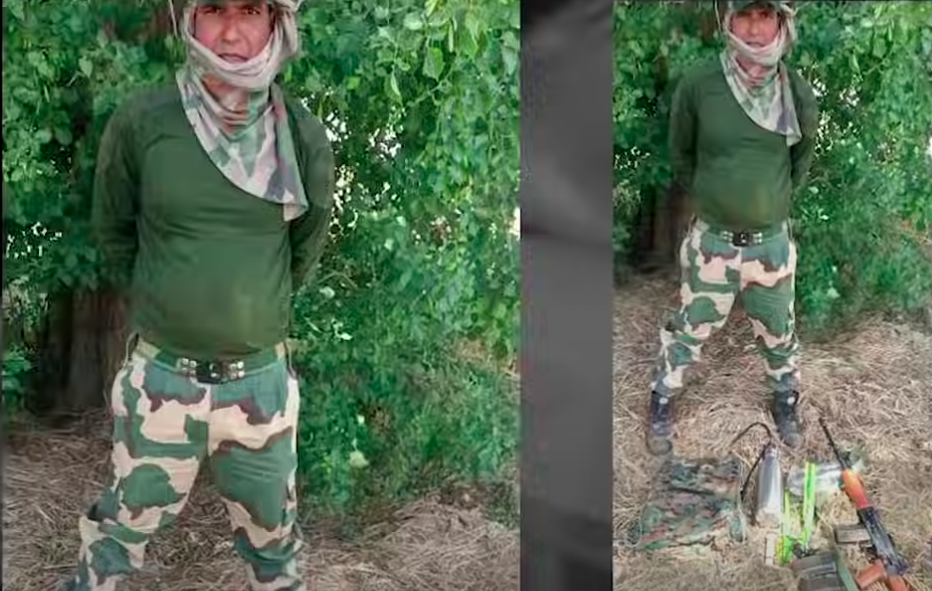
    Let’s get into it. P.K. Singh was with the BSF’s 182nd battalion, stationed in Ferozepur, where the border with Pakistan is always tense. His job was to keep things secure while farmers worked their fields close to the barbed wire. If you’ve ever seen those border villages, the fields go right up to the fence, and it’s not always obvious where India stops and Pakistan starts. That day, it was blazing hot—Punjab summer heat, you know how it is. Singh was with some farmers, probably keeping an eye out for trouble. He wandered off a bit to find shade under a tree. Sounds harmless, right? Except that tree was on Pakistan’s side. Before he could blink, the Rangers had him. He was in his uniform, rifle slung over his shoulder, so it’s not like he was up to anything sneaky. Just a plain, old mistake.

    This kind of thing isn’t new. Back in 2022, another jawan in Abohar got picked up because fog hid the border. They talked it out, sent him back the same day. The border’s messy like that—fields, little ditches, and sometimes just a flimsy fence you can miss if you’re not watching every step.

    Why This Is Such a Big Issue

    So, why’s everyone making a fuss over one guy’s mistake? It’s all about when it happened. Just a day earlier, on April 22, 2025, a terrible attack in Pahalgam, Jammu and Kashmir, killed 26 people, mostly tourists. It hit India like a punch to the stomach. The government didn’t hold back—cut off talks with Pakistan, sent their officials home, paused the Indus Water Treaty, and shut the Attari border post. Pakistan fired back, blocking Indian flights and telling their citizens on SAARC visas to leave India within three days. So, when Singh wandered over, it was like tossing a stone into a stormy pond.

    As of April 24, 2025, late at night around 11:22 PM, the BSF’s still trying to sort it out. They’ve got a flag meeting going, where both sides sit at the border and hash things out. It’s how they usually fix these slip-ups, but there’s no word yet on whether Singh’s back. With everything so heated, it’s not a quick patch-up job. Both sides are on guard, and nobody wants to look soft.

    What It’s Like Guarding the Border

    Being a BSF jawan is tough, no two ways about it. The India-Pakistan border is huge, over 3,300 kilometers, stretching from Rajasthan’s deserts to Kashmir’s snowy peaks. In Punjab, it’s mostly flat fields, but that doesn’t make it a breeze. The BSF’s got about 270,000 people working round the clock, handling smugglers, infiltrators, and sometimes just villagers who stray too close to the fence. I went to a relative’s village near Tarn Taran a few years ago, and the border was so close you could spot Pakistani posts from the fields. The jawans were always there, chatting with farmers but never relaxing. One of them said it’s like walking on eggshells—one wrong move, and things can go bad fast.

    Singh’s mistake shows these jawans are just regular folks. They’re not machines. They get sweaty, tired, and sometimes they mess up. It’s a rough job, and this whole thing makes you see how much they’re dealing with out there.

    Where We’re At and What’s Coming

    Right now, it’s all about getting Singh back home. The flag meeting’s a good sign—it’s how these things usually get settled. But with the Pahalgam attack still fresh, both sides are digging in their heels. That Abohar jawan in 2022 was back in hours, so I’m hoping Singh’s case goes the same way. But it might take a bit, given the mood. Nobody wants this to drag, but the tension’s not helping.

    This could nudge the BSF to rethink a few things. Maybe they’ll start using better tools, like GPS gadgets or clearer signs, so jawans know exactly where the line is. Or they might drill it into everyone to be extra careful near the fence. It’s not about blaming Singh—it’s about stopping this from happening again. For India and Pakistan, it’s a chance to show they can handle a small hiccup without turning it into a full-blown fight.

    The Larger Picture: Borders and Sorting Things Out

    This isn’t just about one jawan. It’s about how India and Pakistan handle things when they’re already mad at each other. Borders are messy—people live, farm, and work right there. Slip-ups happen. The fact that the BSF and Rangers are talking at a flag meeting shows there’s still some level-headedness around. Sorting things out, even when you’re upset, is what keeps these small mistakes from turning into big problems.

    It also makes you think about the border itself. Could we mark it better? Maybe more signs, some lights after dark, or even something high-tech to warn jawans if they’re too close to the line. I’m no big shot, but it seems like there’s got to be a way to make things safer for our jawans. It’s not about pointing blame—it’s about helping the folks who keep our country safe.

    My Take on It

    This whole thing really gets under my skin. I feel for Singh—he was just doing his duty, maybe thinking about his family or what’s for dinner. One wrong step, and now he’s stuck in this storm. It’s a reminder that our jawans are out there, slogging away in tough spots, so we can live without worry. I hope he’s back soon, maybe even cracking a joke about it with his buddies later. To me, this says we need to back our forces with better gear and training to avoid these mix-ups. And for India and Pakistan, it’s a chance to show they can fix a small problem without making it a huge deal. Here’s hoping Singh’s safe and this all ends well.

    Related Articles :
    BSF Jawan detained by Pakistan Rangers across LoC amid Pahalgam attack tensions
    The Pahalgam Terror Attack and India’s Strong Response

  • The Pahalgam Terror Attack and India’s Strong Response

    The Pahalgam Terror Attack and India’s Strong Response

    Explore the details of the Pahalgam terror attack and understand the strong measures taken by the Indian government in response. Learn about the implications for India-Pakistan relations and national security.

    When Pahalgam Cried: A Scenic Place Turned Into a Horror Scene

    You know how people talk about Kashmir like it’s heaven on Earth? Pahalgam is one of those places. Clean air, green hills, ponies walking around, tourists in colorful Kashmiri clothes getting their pictures clicked — it’s like something straight out of a postcard.

    But on April 22, 2025, that picture-perfect scene turned bloody. What was supposed to be a peaceful holiday spot suddenly became a place of terror.

    What Actually Happened

    That afternoon, a few armed men from a group called The Resistance Front suddenly showed up near Baisaran meadow. This place is a bit off the main road, so vehicles don’t go there. That’s why it was easy for the attackers to hide and do what they planned.

    They opened fire, just like that. No warning, nothing. 26 people died on the spot tourists, locals, even an Indian Navy officer and one from the Intelligence Bureau. A few people said the terrorists were asking names before shooting like they already knew who they wanted to target. Horrifying.

    This wasn’t some random act. It was planned. That meadow is not easy to reach, and that’s exactly why they chose it so help would come late.

    It’s the biggest civilian loss in Kashmir since the Pulwama attack back in 2019. And that’s saying something.

    How People Reacted

    Across India, people were just… shocked. In Srinagar, protests started immediately. Leaders like Mehbooba Mufti spoke up. On social media, there was an outpouring of sadness and anger. Even international leaders, like France’s Emmanuel Macron, posted about it.

    Amit Shah went straight to the site. The Indian Air Force and Navy both gave tributes to their fallen officers. Meanwhile, security teams sealed the whole area. Sketches of the attackers were also shared.

    But the real storm was yet to come.

    India’s Quick and Strong Reply

    Modi ji didn’t waste time. He cancelled his official dinner in Saudi Arabia and came back home. The moment he landed, he met with National Security Advisor Ajit Doval and the External Affairs Minister. By the next morning, there was a big meeting with the Cabinet Security Committee.

    What came out of it? Let’s just say it wasn’t soft words.

    India took five strong steps that hit hard not just diplomatically, but also in terms of pressure.

    • Indus Water Treaty paused – This is the agreement between India and Pakistan on how they share river water. Stopping this is a big move, because Pakistan needs that water badly.
    • SAARC Visa Exemption Scheme cancelled – Basically, Pakistani nationals could come to India more easily before. Now, they were given 48 hours to leave.
    • All Pakistani visas cancelled – Full stop. No more entry, no more visits.
    • Indian Defence staff pulled back from Pakistan – Diplomatic relations got colder than ever.
    • Attari Border closed – It’s a major trading point, now completely shut.

    These decisions sent a clear message: no more tolerance.

    Why These Steps Matter

    People are tired. Tired of being scared, tired of seeing blood on the news. So when the government acted this fast and this strongly, a lot of folks felt a sense of relief. Not because it fixes everything, but at least something was done.

    Closing the Attari border, cutting off visas — these things directly hit Pakistan’s economy and image. The water treaty move was the boldest. Everyone knows how touchy water issues are between countries.

    But at the same time, this kind of action also brings risk. If Pakistan responds aggressively, tensions can grow. That’s the tightrope India’s walking.

    What Now?

    For locals in Kashmir, this is scary. They depend on tourism. Now, people will think twice before visiting. Some hotel owners are already saying bookings are being cancelled.

    At the same time, for the rest of India, it’s about safety. People want to feel protected. They want to know that if something terrible happens, the country will respond not just with words, but with power.

    My Honest Take

    I’m not a security expert or anything. Just a regular person who reads the news and cares about people. And honestly, this attack felt personal. These weren’t soldiers or politicians. They were just normal people out enjoying their day.

    India’s reply shows strength. That’s important. But real peace? That takes a lot more than just shutting borders or cancelling treaties. We’ve got to fix what’s broken at the root the reasons why such groups exist in the first place.

    Until then, Kashmir will keep paying the price. And that’s not fair not to locals, not to tourists, not to the soul of our country.

    Related Articles
    If this resonated with you, here’s something similar you might like: A Navy officer, schoolteacher wife on their honeymoon
    Curious to dive deeper? Don’t miss this related post: Kashmir’s Pahalgam Terror Attack: Tragedy in Paradise

  • Kashmir’s Pahalgam Terror Attack: Tragedy in Paradise

    Kashmir’s Pahalgam Terror Attack: Tragedy in Paradise

    Indian Army take action on pahelgam

    Sometimes, we think certain places are above pain. Like they’re just too beautiful to be touched by such ugly things. That’s how many of us see Kashmir especially Pahalgam. Last week, I was talking to a friend who had just come back from there. She told me about the green meadows, the cold Lidder river, the sound of horses trotting around Baisaran “It felt like another world,” she said. And honestly, I could almost picture it.

    But just a few days later, on 22nd April 2025, that same peaceful place saw something no one expected. A brutal terror attack. Gunmen opened fire at tourists in Baisaran meadow. At least 26 people died. Some reports say 28. Many others were hurt. Just like that, the joy turned into chaos.

    For people like me who’ve always looked at Kashmir as a place of peace and healing this news felt like a punch to the gut. Not just because of the lives lost. But because this kind of violence brings back fear. It’s like a dark cloud that refuses to go away.

    What Exactly Happened?

    It was a regular Tuesday. Around 1 PM. The meadow was full of tourists families, kids, even newlyweds. People were enjoying pony rides, taking selfies, eating local snacks. Suddenly, out of nowhere, some armed men appeared and started firing.

    There was panic. People ran in all directions. Some tried to hide behind rocks, others fell on the ground to avoid bullets. It was over in a few minutes. But the damage done was massive.

    Among those who died was a young Navy officer Lieutenant Vinay Narwal. He had just gotten married on 16th April. A tourist from Karnataka, Manjunath, was also killed right in front of his wife and son. It’s hard to even imagine that kind of pain.

    A group called The Resistance Front (TRF) linked to Lashkar-e-Taiba took responsibility later. Security agencies believe they wanted to target Hindu tourists just before the Amarnath Yatra season, which starts in July.

    Police protect Pahelgam
    A sudden terror attack in Pahalgam’s Baisaran meadow on April 22 shook Kashmir, claiming over 26 lives and leaving deep scars on locals and tourists alike.

    Immediate Reactions

    Right after the attack, local police and army teams rushed to the spot. Injured people were taken by helicopter and ponies to hospitals. Emergency numbers were shared for families trying to reach their loved ones.

    Leaders across parties spoke out. Prime Minister Modi called it a “heinous act” and asked for strong action. Home Minister Amit Shah flew to Srinagar for a high-level security check. Even global leaders like US President Trump and Israeli ministers stood with India. But, honestly, after every attack, we hear strong words. What really matters is what happens next.

    Lives That Were Shattered

    You know, it’s easy to say “26 people died.” But behind each number is a full story. A family. A future. A hope.

    Like I said, Lieutenant Narwal was newly married. Manjunath had come with his wife and child for a holiday. Another tourist, Prashant from Odisha, had been planning this trip for months. Survivors are still recovering in hospitals physically and mentally.

    The Karnataka government stepped in to bring back the bodies. But can anyone bring back the peace their families lost?

    Kashmir’s Tourism Takes a Hit

    Kashmir’s beauty attracts lakhs of tourists every year. It’s not just good for Instagram — it’s bread and butter for many locals. Pony owners, taxi drivers, hotel staff, shopkeepers — all depend on these visitors.

    After this attack, fear is back. People are cancelling trips. Amarnath Yatra, which brings thousands of pilgrims, might see tighter security now. But fewer tourists means fewer jobs. And that’s a big worry for people who are already struggling.

    I remember a Kashmiri friend of mine, Javed bhai, who runs a small guesthouse in Srinagar. After the Pulwama attack in 2019, he barely had any guests for months. Now again, he’s scared bookings will drop.

    Is Kashmir Really Safe?

    This is the big question. Every few months, something happens that shakes the peace. Since the 1989 insurgency, Kashmir has seen many such dark days. The 2019 Pulwama attack took 40 CRPF lives. Just last year, 9 Hindu pilgrims were killed in a bus attack in Reasi.

    After Article 370 was scrapped in 2019, the government said things would improve. And yes, some normalcy did return. But this attack shows that threats are still very much alive. Especially from groups operating across the border.

    Security experts are now asking how was such a busy tourist spot left so exposed? Shouldn’t there have been more checks? More patrols?

    So, What Happens Now?

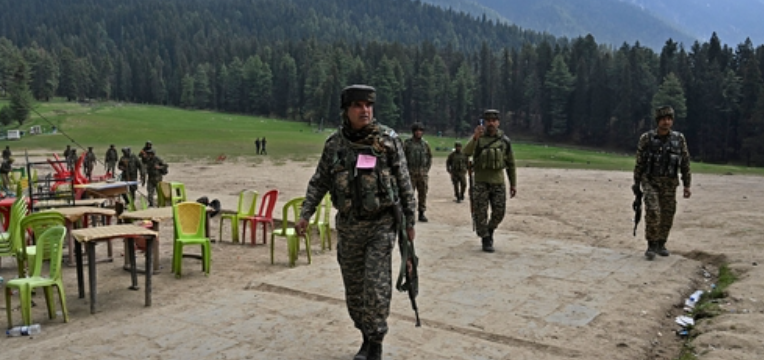
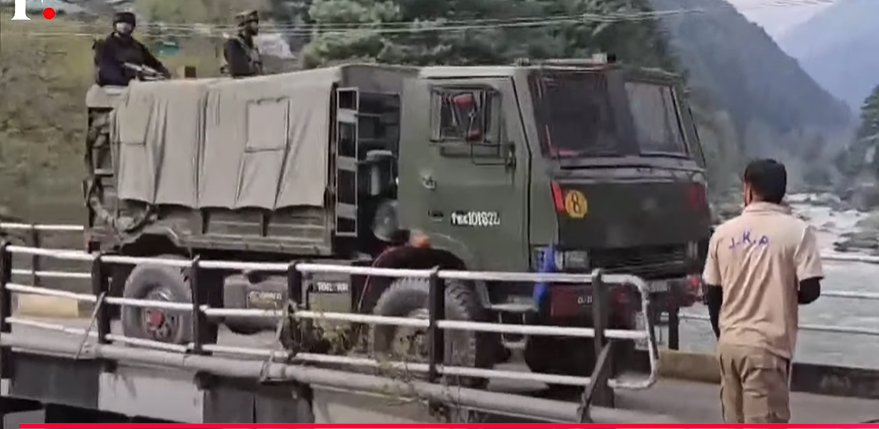
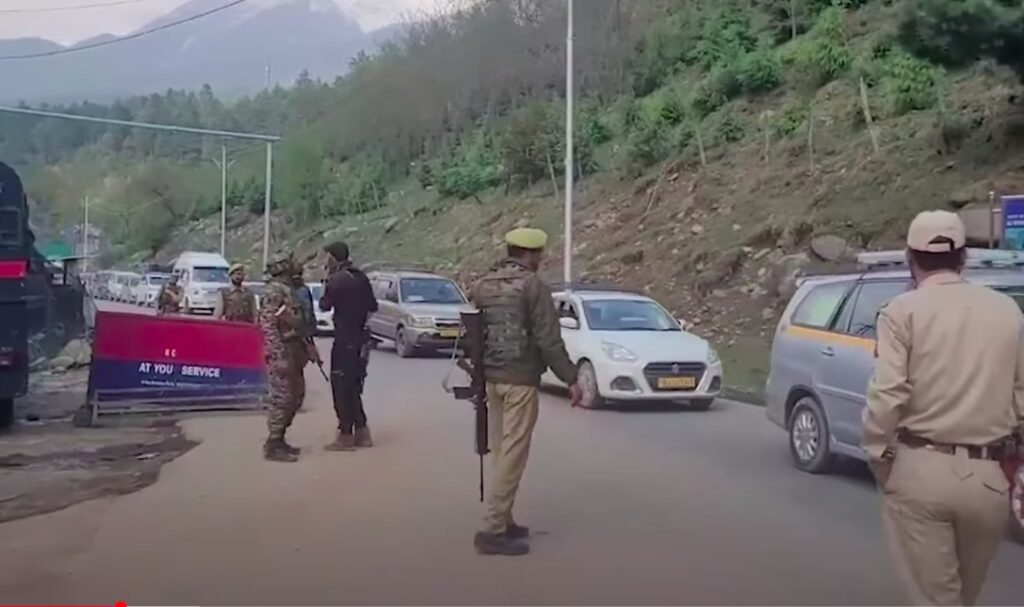
    For now, the Army has launched a search operation. Drones, checkpoints, more boots on the ground. But security alone isn’t enough.

    We need to support the families of victims. Help local businesses bounce back. And more importantly, start honest conversations about why such hate still exists and how to heal this long wound.

    Former CM Mehbooba Mufti called for a protest bandh. Locals held a candle march in silence. These are not just political moves these are signs that people want peace, not revenge.

    If this resonated with you, here’s something similar you might like: Pahalgam terror attack: Narrow escape for three Kerala High Court judges

    Keep the learning going with this one: India’s Steel Tariff: Smart Protection or Risky Trade Gamble?

  • Nishikant Dubey vs Supreme Court: A Storm Brewing in Politics

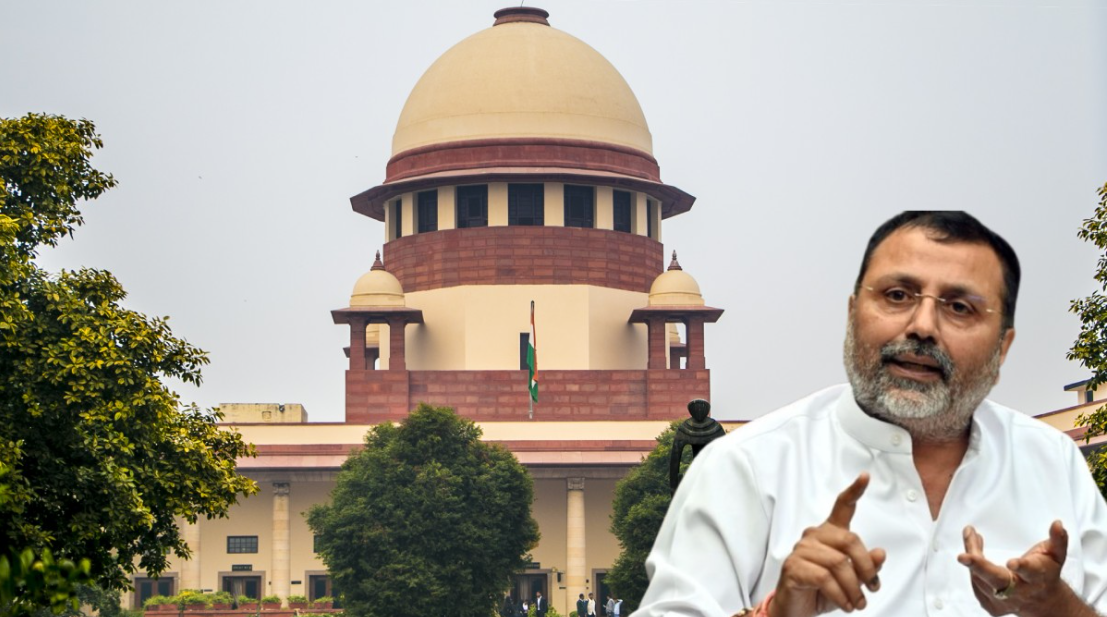
    Nishikant Dubey vs Supreme Court: A Storm Brewing in Politics

    you’re at a bustling chai stall in Delhi, overhearing a heated debate about politics. One uncle is waving his newspaper, shouting about how politicians are crossing lines, while another sips his chai, muttering about the judiciary’s role. This is the vibe in India right now, thanks to BJP MP Nishikant Dubey’s explosive comments against the Supreme Court and Chief Justice of India (CJI) Sanjiv Khanna. It’s like a masala movie plot—full of drama, accusations, and a clash of powers. So, what’s the deal? Let’s break it down in a way that feels like we’re chatting over some cutting chai.

    The Spark: Dubey’s Controversial Remarks

    Nishikant Dubey, a four-time MP from Godda, Jharkhand, isn’t new to stirring the pot. Known for his fiery speeches, he’s often the BJP’s go-to guy for taking on opponents. But this time, he aimed higher—straight at the Supreme Court. On April 19, 2025, Dubey accused the apex court of “inciting religious wars” and blamed CJI Sanjiv Khanna for “all civil wars in the country.” Ouch! He didn’t stop there. He suggested that if the Supreme Court is going to make laws, Parliament should just shut down. Imagine saying that about the country’s highest court—it’s like telling your boss they’re doing your job wrong, in front of everyone.

    These remarks came after the Supreme Court raised questions about the Waqf (Amendment) Act, 2025, and set timelines for the President and Governors to clear bills, like in the Tamil Nadu Governor case. Dubey felt the court was overstepping its role, acting like a “super Parliament.” His words weren’t just a critique; they were a full-on attack, sparking a political firestorm.

    The Supreme Court’s Response: Calm but Firm

    The Supreme Court didn’t take the bait for a public spat, but it didn’t stay silent either. On April 21, 2025, Justice B.R. Gavai, during a hearing, acknowledged the criticism, saying the court is often accused of “encroaching” on Parliament’s turf. No drama, just facts. The court also addressed a petitioner seeking contempt action against Dubey, clarifying that they don’t need permission to file such a plea but must get the Attorney General’s sanction. This measured response shows the judiciary’s restraint, even when under fire.

    Advocate Anas Tanwir, representing petitioners in the Waqf case, wrote to the Attorney General, calling Dubey’s remarks “grossly scandalous” and harmful to the court’s dignity. The court’s focus remained on the law, not the noise, which is classic Supreme Court style—stay above the fray, let the process handle it.

    The Political Fallout: BJP’s Tightrope Walk

    Here’s where it gets spicy. The BJP, Dubey’s party, quickly distanced itself from his remarks. BJP president J.P. Nadda took to X, saying the party “completely rejects” Dubey’s statements and that they were his “personal opinions.” Smart move, but is it enough? Other BJP leaders, like Assam CM Himanta Biswa Sarma, tried to shift the narrative, pointing out Congress’s past criticisms of the judiciary. But the Opposition wasn’t having it. Congress leaders like Digvijaya Singh demanded Dubey’s suspension, calling his remarks a “defamation” of the court.

    Interestingly, not everyone in the BJP camp disagreed with Dubey. West Bengal MLA Agnimitra Paul backed him, questioning why the CJI should challenge the President’s authority. Talk about mixed signals! This shows the delicate balance the BJP is trying to strike—supporting its outspoken MP while avoiding a full-blown clash with the judiciary.

    The Waqf Act Connection: Why It Matters

    At the heart of this storm is the Waqf (Amendment) Act, 2025. The Act aims to reform how Waqf properties (land or assets dedicated for Muslim religious or charitable purposes) are managed. Critics, including former Chief Election Commissioner S.Y. Quraishi, called it a “sinister plan” to seize Muslim lands. Dubey, in response, didn’t just defend the Act—he attacked Quraishi, labeling him a “Muslim commissioner” instead of an election commissioner. Yikes, that’s personal.

    The Supreme Court’s scrutiny of the Act, particularly provisions like the “Waqf by user” clause, irked Dubey. He argued the court demands evidence for temple land disputes but not for Waqf properties, accusing it of bias. This communal angle has only fueled the controversy, with protests in places like Murshidabad, West Bengal, adding to the tension.

    Why This Clash Matters: Judiciary vs Legislature

    This isn’t just about Dubey’s loud mouth or the Waqf Act. It’s a bigger question: where’s the line between the judiciary and the legislature? The Supreme Court interprets laws and ensures they align with the Constitution, but some, like Dubey and Vice President Jagdeep Dhankhar, argue it’s acting like a lawmaker. Dhankhar called the court a “super Parliament,” echoing Dubey’s sentiments.

    On the flip side, the judiciary’s role is to check and balance the other arms of government. When it set timelines for bill approvals or flagged Waqf Act issues, it was doing its job—protecting constitutional values. But Dubey’s outburst highlights a growing frustration among some politicians who feel the court is meddling too much. It’s like a family feud where everyone thinks they’re right.

    The Public’s Take: A Divided House

    Scroll through X, and you’ll see the divide. Some users hail Dubey as a “fearless” voice calling out judicial overreach. Others slam him as a “troll MP” disrespecting the Constitution. It’s like a Twitter war with no end. The public’s reaction mirrors the larger debate: should politicians challenge the judiciary so openly, or does it weaken our democratic institutions?

    My Take: A Dangerous Precedent?

    Here’s my two cents: Dubey’s remarks cross a line. Critiquing the judiciary is fine—debate keeps democracy alive. But accusing the CJI of starting “civil wars” or throwing communal slurs at critics like Quraishi? That’s not critique; it’s reckless. It risks eroding trust in institutions that hold India together. The BJP’s quick disavowal shows they know this, but their silence on Dubey’s Quraishi comments raises questions about their sincerity.

    The Supreme Court, by staying calm, has shown why it’s the grown-up in the room. But this clash is a wake-up call. We need clearer boundaries between the judiciary, legislature, and executive, or these storms will keep brewing. As citizens, we should demand respectful dialogue, not headline-grabbing rants.

    If you found this blog interesting, you might enjoy this one too: Waqf Act Controversy: What’s Happening in Murshidabad?