
Category: Lifestyle

  • Solo Travel Tips Every First-Time Explorer Should Know

    Solo Travel Tips Every First-Time Explorer Should Know

    A young solo traveller with a backpack, walking alone on a mountain trail during sunset with a scenic background – peaceful, adventurous vibe

    There’s something special about going on your first solo travel trip. It’s exciting, sure, but also a bit scary. You’re on your own walking around a new place, eating alone, figuring things out by yourself. Some moments feel peaceful, some feel confusing. But that’s the fun of it.

    Let’s be honest, solo travel isn’t always picture-perfect. It’s not just beaches and sunsets. Sometimes it’s getting lost, or sitting quietly in a café not knowing what to do next. But if you’ve been thinking about going on a solo trip for the first time, this might help. No fancy advice here, just simple talk.

    Why Even Travel Alone?

    Think about it. When you go with others, the trip becomes a group story. When you go alone, it becomes your own story. You notice small things more. You feel proud when you figure something out without help like reading a signboard in another language, or finding your hostel without asking ten people.

    And the best part? You start feeling okay with being alone. You enjoy your own company. It’s like getting to know yourself better, but while walking through a street market or watching the sunset from a quiet hill.

    Tips That Actually Help (From People Who’ve Done It)

    Start with a Comfortable Place

    You don’t have to fly across the world. Pick a place that’s safe and easy to travel maybe a popular destination where lots of solo travellers go. Somewhere with good transport, English signs, and friendly locals.

    Pack Only What You’ll Use

    One big mistake? Overpacking. Remember, you’re the one carrying everything. Pick clothes that match with each other. Carry basic medicines, a power bank, and photocopies of your ID. Keep it light your back will thank you later.

    Plan Less, Feel More

    It’s good to know where you’re going, but don’t fix every hour. Some of the best memories come from unplanned moments. Maybe you find a quiet beach that’s not on the internet. Or a stranger tells you about a food stall nearby. Leave some space for surprises.

    Stay in Hostels (Not Just Hotels)

    If you stay in hostels or homestays, you’ll meet other solo travellers. Many of them are also exploring for the first time. You might hear some interesting travel stories or even end up exploring together for a day.

    Trust That Feeling in Your Stomach

    If something doesn’t feel right leave. Whether it’s a place, a person, or a situation. You don’t owe anyone an explanation. Better to feel safe than be polite for no reason.

    That Quiet Feeling Called Loneliness

    It happens. You’ll see people laughing in groups while you’re eating alone. You’ll miss home during quiet nights. But slowly, you’ll learn to enjoy these slow moments. Carry a book. Write a few thoughts in a notebook. Or just sit on a bench and watch people go by.

    And yes, call your people. A five-minute chat with your friend or your parents can really lift your mood.

    Small Things That Actually Matter

    • Download offline maps — WiFi isn’t reliable everywhere.
    • Learn a few local words — even just “hello” or “thank you” shows respect.
    • Keep your passport and money in different places — in case one gets lost or stolen.
    • Post your photos after leaving the place — just a basic safety tip.

    Final Word: It’s Your Journey

    Solo travel isn’t about running away from life. It’s about walking into it — slowly, calmly, with your own steps. It teaches you things that no book or video can. You’ll come back with more confidence, a better mood, and a new kind of peace.

    So if you’ve been waiting for a sign, this is it. Book that ticket. Go see a new place. Talk to strangers. Eat new food. Make mistakes. Learn from them. And come back with stories only you could’ve lived.

    If you are plannning to travel to europe, this page will surely help you to bags : What to Pack for a 2-Week Europe Trip from India
  • What to Pack for a 2-Week Europe Trip from India
    What to Pack for a 2-Week Europe Trip from India

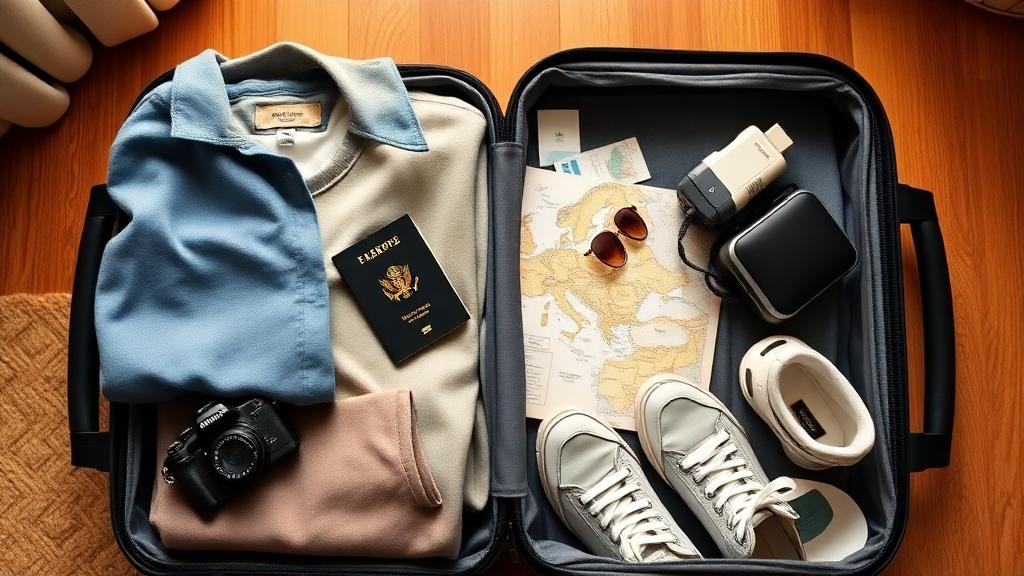
    Flat lay of a neatly arranged suitcase with travel essentials for Europe: casual clothes, passport, camera, travel adapter, sunglasses, sneakers, and a map, with warm lighting in a cozy room

    You know that feeling, right? Europe trip booked, the countdown begins, and suddenly—panic. What to pack, what to skip, will it be too cold, what if I forget something important?

    Don’t worry. If you’re heading from India to Europe trip for 14 days, I’ve got a tried-and-tested list that won’t leave you lugging around a suitcase heavier than your excitement.
    Whether you’re hopping cities or chilling by the countryside, here’s a sensible guide to keep your bags light and your mind lighter.

    Packing Basics – Travel Light, Travel Happy

    Let’s be real Europe isn’t the place for hauling 25 kilos of baggage. You’ll walk a lot, catch trains, and maybe even get lost in some cute old town (and you’ll love it). So the lighter, the better.

    Choose the right bag:

    • Backpack (40-50L): If you’re going budget or solo-style.
    • Carry-on suitcase (55 cm): Good for efficient travel, especially if you’re flying between countries.
    • Check-in suitcase (max 23 kg): Fine if you’re staying longer or prefer comfort over minimalism.

    Pro tip: Carry a small foldable daypack for daily outings — easy to tuck in your main bag and super handy on the road.

    Clothes – Smart, Simple & Stylish

    There’s this 5-4-3-2-1 rule floating around online, and guess what? It actually works.

    Here’s what you need:

    • 5 tops: Some casual, one or two for evenings out, and at least one that’s warm enough if it gets chilly.
    • 4 bottoms: Jeans, one comfy travel trouser, a skirt or shorts maybe.
    • 3 dresses or Indo-Western fusion outfits: Looks great in those Europe photos!
    • 2 jackets: One light and one slightly heavier – layering is key in Europe.
    • 1 dressy outfit: For that fancy dinner or unexpected plan.

    And don’t forget:

    • 6-8 innerwear pieces
    • 2 sets of nightwear
    • 4-5 pairs of socks
    • 1 scarf/stole – handy for style and visiting churches or temples
    • 1 swimsuit – yes, you’ll wish you had one if you find a pretty beach or thermal spa

    Style Note: Europeans don’t overdress. Neutral tones, comfy layers, and clean shoes that’s the vibe. Heavy Indian suits or bright desi dresses? Maybe skip unless you’ve got a wedding or special event.

    Shoes – Only Two, Seriously

    Your legs will do a lot of the work on this trip. Think walking tours, old towns, and stairs. So your shoes? They better be loyal.

    • 1 pair good walking shoes/sneakers – something your feet already love.
    • 1 pair nice flats or sandals – something you can wear for dinner or casual outings.

    Avoid heels. Those cobblestone lanes are pretty but brutal.

    Toiletries – Pack Mini, Pack Wise

    Yes, you’ll get everything in Europe. But why spend 3x more there when you can carry a small kit from home?

    • Toothbrush, mini toothpaste
    • Shampoo, conditioner (travel-size)
    • Moisturiser, and definitely sunscreen
    • Razor, deodorant, pads/tampons
    • Lip balm, wet wipes, nail cutter
    • Optional: Few sachets of detergent to handwash socks and undies

    Documents & Money – Don’t Mess This Up

    This section’s boring but essential. One slip here can ruin your trip, not joking.

    Must-haves:

    • Passport + visa printout
    • Travel insurance (yes, you need it for Schengen)
    • Flight tickets + hotel confirmations (physical and on phone)
    • Cash (Euros + small USD stash)
    • Forex/Debit card with international use ON
    • Photocopies of all important papers — packed separately, just in case

    Gadgets – Only What You’ll Use

    Europe uses Type C plugs. Get a universal adapter or you’ll end up begging strangers for a charger.

    • Phone + charger
    • Power bank
    • Camera (if you’re into photos)
    • Kindle or one good book
    • Earphones/headphones
    • Download offline maps, Google Translate, Eurail/Omio apps before flying

    From One Indian Traveller to Another – Don’t Forget These

    These aren’t on fancy packing lists but trust me, you’ll thank yourself later.

    • Few basic medicines fever, cold, stomach upset, all those travel bugs
    • Ready-to-eat food few Maggis, Upma packets, or Thepla (if you eat it)
    • Small steel spoon + refillable water bottle
    • Passport photos helpful if you’re getting a local SIM or hostel ID

    Indian Hack: Most European tap water is clean. Save money — just keep refilling your bottle.

    Final Word – Travel Light, Travel Right

    A Europe trip from India is special. So don’t let overpacking ruin it. Carry the things you know you’ll use, and leave the “what if” stuff behind.

    You don’t need five pairs of jeans or your entire skincare drawer. Keep space for souvenirs, pack layers, and above all just enjoy the ride.

    Castles, museums, sunsets, random alley cafés they’re all waiting. Go make memories. ✈️🌍

    If you are planning you to travel solo, then this blog will help you to make you exprience better: Solo Travel Tips Every First-Time Explorer Should Know

  • 10 Creative Indoor Activities for Kids on Summer Days

    10 Creative Indoor Activities for Kids on Summer Days

    Activities for Kids on Summer

    Summer time feels all fun and bright till the heat becomes too much or out of nowhere, clouds start grumbling and rain plays spoilsport. I’ve seen this happen often. As a parent, those days when kids are stuck indoors can go either way — sometimes it’s peaceful and creative, other times it feels like they’ll tear the house apart.

    But honestly, with a little bit of thought and some imagination, even these stuck-at-home days can turn into something fun and memorable. Trust me, no need to rely on screens every time. Just mix a few household items, let the kids take the lead, and see the magic unfold.

    So whether it’s too hot to step out, or the sky suddenly starts throwing tantrums, these simple indoor ideas can help keep your little ones busy — and hey, maybe you’ll even get a little breather yourself.

    1. Blanket Fort City: Build, Name, and Dream

    Why stop at just a small fort when your kids can build an entire fort city? Give them bedsheets, a few cushions, some cardboard boxes lying around, and maybe a torch or two. Soon enough, they’ll be building forts, towers, and tunnels — each one with a purpose.

    Let them get creative — one corner could be a reading spot, another could be a puppet theatre, or maybe even a fake café where you’re served imaginary tea.

    Simple tip: Chairs and clothespins make great support structures. Ask them to name their city — something funny like “Blanketabad” or “Cushionpur” — and draw small signboards too. They’ll feel like proper architects.

    2. Frozen Toy Rescue: Ice Digging Game

    Here’s something my kids love, especially on hot afternoons. Take small toys — tiny animals, marbles, LEGO bits — and freeze them inside ice cube trays. Next day, hand the kids a bowl of warm water, a bit of salt, maybe an old spoon or brush. Now let them become little archaeologists, digging out their frozen treasure.

    You can add food colour to the ice before freezing, just for that extra “wow” effect.

    And while they’re at it, sneak in some science talk — “See how salt melts the ice faster?” Works like a charm.

    3. Summer Collage of Their Own

    Bring out old magazines, newspapers, even printouts if you’ve got some. Give the kids glue, scissors (child-safe, of course), and let them create a “Summer So Far” collage.

    They can cut out anything that reminds them of the season — mangoes, watermelons, sun, swimming pools, rain, whatever they like. Let them draw and write a bit too.

    Stick the final collage on the fridge or wall. It becomes a sweet memory of how your child sees summer.

    4. Indoor Beach Party (No Sand, No Problem)

    Beach outing cancelled? No worries. Just spread out towels in the living room, put on some old beachy music, and get into the vibe. Ask everyone to dress in sunglasses and flip-flops. Pour some juice, add fruit slices, and serve mocktails like you’re at a resort.

    If you’ve got kinetic sand, great. But even regular rice or wheat in a tray can turn into a mini beach sensory bin. Hide small shells or coins in it and let the kids dig and explore.

    Want bonus points? Get them to make paper palm trees or play beach ball volleyball with a balloon.

    5. Edible Science Fun in the Kitchen

    This one’s fun and also teaches a bit. Set up small experiments they can eat later. Like fizzy lemonade using lemon and baking soda. Or making rock candy — sugar, water, and patience. You can even do colour eruptions using baking soda, vinegar, and food colour in muffin trays.

    While they mix, stir, and laugh at all the fizzing, you can talk to them about what’s actually happening. Reactions, changes, all that fun science stuff.

    And if nothing else, it keeps their hands (and mouths) busy for a good hour.

    6. Cardboard Box = Endless Possibilities

    Got a big delivery box at home? Don’t throw it. That’s a castle now. Or a spaceship. Or maybe a drive-through restaurant.

    Give the kids markers, crayons, scissors (if they’re old enough), and let them design their own fantasy hideout. Cut out windows, tape on decorations, maybe even add fairy lights inside if you’ve got them lying around.

    Once it’s done, they’ll be playing inside it for days. It becomes their own little world.

    7. Put On a Puppet Show!

    This one always brings laughter. Let them create puppets using socks, paper bags, or even old spoons. Stick googly eyes, draw faces, add yarn for hair. The more ridiculous, the better.

    Then turn a table or box into a stage — add a curtain (old dupatta works fine), and let them rehearse a short “Summer Adventure” play.

    They can invite you for the show. Or better, record it. Watching it later is hilarious and kind of heart-warming too.

    8. Obstacle Course in the Hall

    When they’ve got energy bursting out of their ears, turn your house into a mini obstacle course. Use pillows, broomsticks, hula hoops, tables — whatever’s available.

    Make them crawl under blankets, jump over cushions, balance on a line of tape. Then challenge them to design their own version.

    At the end, give them silly titles like “Best Couch Jumper” or “Fastest Under-the-Table Runner.”

    9. Roll the Dice, Tell a Story

    Make your own story dice using paper cubes or any blocks. Draw random things on each side — like elephant, spaceship, banana, ghost, etc.

    Each time they roll, they add a new part to their story using whatever shows up. The stories get wild, silly, and super creative.

    It’s fun for siblings to do together. Sometimes they fight over story turns, but that’s part of the fun too.

    10. Time Capsule from Summer 2025

    This one’s more on the emotional side. Take a small box and ask your kids to put in drawings, tiny toys, a letter to their future self, or even a note saying their favourite food or game this year.

    Seal it up and write “Open in Summer 2030” on it. Hide it somewhere in the house.

    Years later, when they open it, it becomes a beautiful memory box — almost like a hug from the past.

    Make Indoor Days Feel Just as Special

    Being stuck indoors during summer doesn’t mean boredom or non-stop screen time. Sometimes, with a little push and some desi-style creativity, these days can be just as special as any outing.

    Let the kids take the lead. You join in sometimes too — even if just to sit nearby and enjoy their chaos. These small moments? They turn into stories for years.

    After all, summer memories don’t need to be picture-perfect. They just need to be made.

  • Parenting Tips That Actually Reduce Screen Time

    Parenting Tips That Actually Reduce Screen Time

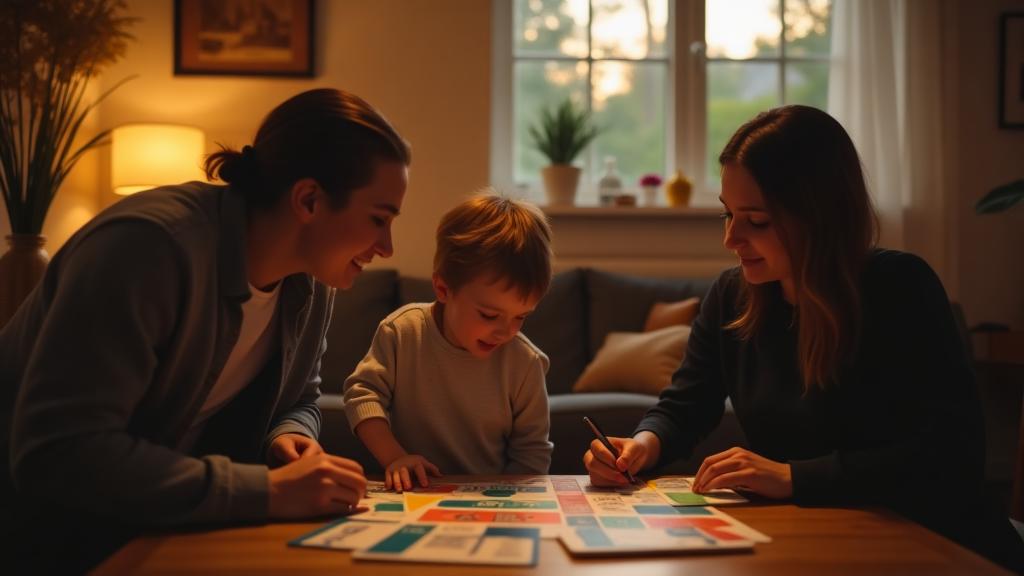
    A cozy family living room with a child playing board games with parents

    Why Reducing Screen Time Is More Than Just a Rule

    These days, everywhere you look — screens. Phone in the pocket, tablet in the bag, smart TV in the hall, even watches are flashing notifications. For kids, it’s become part of everyday life. But slowly, this habit starts affecting other things — sleep gets disturbed, outdoor playtime reduces, and even studies take a hit.

    Now, no one is saying to throw away the phone or live like it’s the 80s. But somewhere, we have to find a balance. A way to use technology without letting it take over our lives. These tips are not from any textbook. They’re coming from real parents, real experiences — and what has actually worked in daily life.

    1. Kids Copy Us, Not Just Listen to Us

    You can keep telling your child, “Too much screen is bad,” but if they see you scrolling through social media at dinner or watching serials late night, they’ll pick that up faster. Kids don’t learn from advice — they copy what they see at home.

    Start from yourself:

    • Try leaving the phone in another room when you eat.
    • Keep one hour in the evening where no screens are touched.

    Make it something the whole family does together. If it feels like a rule only for kids, they’ll never follow it happily. But if they see everyone trying, it becomes teamwork.

    2. Don’t Just Say “No”—Offer Something Better

    Taking away the tablet and saying “Go outside” doesn’t work. That usually ends in tears or fights. Kids don’t stop using screens unless you give them something fun in return.

    Try simple swaps:

    • After dinner, instead of cartoons, take out a board game or puzzle.
    • Keep crayons, LEGO, or storybooks nearby — not locked inside shelves.
    • Fix a time every day where all of you sit and read quietly, like a mini library at home.

    When these activities are in front of their eyes, kids naturally try them. No need to force.

    3. Rules Are Needed, But Keep Them Practical

    Children like routine. But if you make screen rules too strict, they may start lying or hiding it. So better to keep rules clear, but with some breathing space.

    For example:

    • Under 5: Maybe 1 hour max, and that too with an adult sitting beside.
    • 6–12 years: No screens while eating, and avoid it inside bedrooms.
    • Teenagers: Sit and make mutual agreements. If they like gaming, allow it — but with timing.

    One small idea — make a screen-time contract. Not a fancy one, just a few rules written together and agreed upon. When kids help in setting the rules, they feel responsible.

    4. Make Screens Slightly Difficult to Reach

    Sometimes, you don’t need to fight with your child. Just make screens less accessible.

    • Keep the tablet on charge in your room at night, not theirs.
    • Hide the TV remote inside a kitchen drawer or cupboard.
    • Use app locks or timers so that apps shut down after a while.

    When things are not in front of the eyes, kids forget about them. Simple tricks work better than arguments.

    5. Use Screens Together — Don’t Let Them Be Lonely

    Not all screen time is bad. If you use it to spend time together, it can actually bring you closer.

    Watch something informative or funny as a family, then talk about it. Play games where everyone joins — even grandparents sometimes enjoy simple ones.

    Say things like:

    “Let’s watch one episode together, then we’ll make popcorn,” or
    “After this game, we’ll go for a walk.”

    Screens, when used together, feel like bonding time — not isolation.

    6. Boredom Is Not Bad — It’s Good

    Nowadays, the moment a child says “I’m bored,” parents give the phone. But being bored is not a problem — it’s where creativity starts.

    When children have nothing to do, they might:

    • Build a pillow fort.
    • Take out old toys and start mixing games.
    • Or just lie down and think — that’s also needed.

    So next time they say “What do I do now?”, just smile and say, “You’ll figure it out.”

    7. Fix Screen-Free Corners and Times

    Sometimes, instead of rules, the space itself can set the tone.

    Try this:

    • No screens on the dining table. Meals should have stories, not reels.
    • Bedrooms stay screen-free. That way, sleep stays peaceful.
    • Short car rides? No phone. Look out of the window — it’s a habit.

    You can also fix timings like:

    • No screens one hour before bed.
    • Sunday afternoon = family unplug time.
    • Morning before school — no scrolling, just brushing and breakfast.

    Stick to these slowly. Once it becomes habit, there’s less drama.

    8. Don’t Just Point Out Mistakes — Celebrate Effort

    Many parents only notice when the child does something wrong. But what about when they quietly pick up a book instead of asking for the phone?

    Say it out loud: “Hey, I saw you chose to draw today — that was awesome.”

    Ask them how they felt. Did they sleep better? Was their mood nicer? Help them connect the dots between screen-free time and feeling good.

    These small moments matter more than punishments.

    Final Thoughts: It’s Not About Winning, It’s About Learning Together

    Reducing screen time is not a fight. It’s a journey — with small wins, small mistakes, and lots of learning.

    Some days will go well. Some won’t. But keep trying. Stay calm. Stay involved. When children see that you’re walking beside them, not above them, they listen more.

    This isn’t about perfect parenting. It’s about real parenting — with love, patience, and presence.

    This blog got you thinking? How to Build a Healthy Routine for Your Family is another one you’ll really enjoy.