Category: Lifestyle

  • Kids Fashion Trends 2025: Colorful Prints & Playful Styles

    Kids Fashion Trends 2025: Colorful Prints & Playful Styles

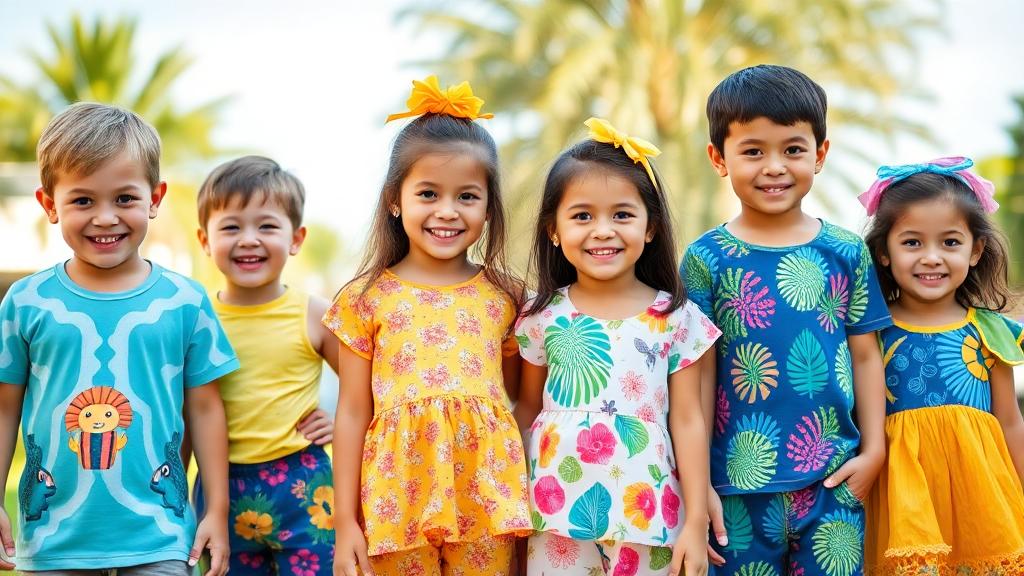
    A group of children outdoors wearing vibrant, colorful printed summer outfits, looking happy and playful

    Kids’ wardrobes are entering 2025 in full bloom – think vibrant hues, bold patterns, and mix‑and‑match silhouettes that spark creativity. Industry forecasters note that children’s fashion is now “bursting with creativity,” blending playful colors with thoughtful design​. In spring/summer collections, one boutique buyer describes the overall vibe as “an explosion of color, prints, and textures” paired with vintage-inspired nods​. Parents and retailers alike are responding: bright oranges, sunny yellows and lively blues dominate, while comfort and sustainability guide material choices. This post breaks down the key Summer 2025 trends in kidswear – from cheerful patterns to performance-friendly fabrics – with insights and data for fashion professionals.

    Bold Colors & Playful Prints

    Summer 2025 will see children’s clothing saturated in joyful color and dynamic prints. Pantone-led forecasts and trend blogs agree that “bright and bold colors are… making waves,” enabling “playful and eye-catching outfits” for kids​. Expect color palettes full of citrus orange, sunflower yellow, cerulean blue and bubblegum pink. These energetic hues appear in everything from tops to sneakers, often paired together in creative ways. Graphic designers are mixing patterns freely – floral, animal, and geometric motifs all feature in a single outfit – to let each child’s personality shine.

    Classic florals and chintz: Nostalgic ditsy florals and vintage-inspired botanical prints remain perennial favorites (often “beyond the bouquet” with oversized blooms). Gentle pastels and watercolor effects refresh the look, while embroidered and appliqué details add tactile charm.​

    Stripes and geometrics: Wide horizontal or vertical stripes, checkerboard and polka-dot patterns inject a classic yet fun feel. Bold blocks of color and simple shapes resonate for both boys and girls. Many labels mix stripes with other prints (stripes + florals, dots + animals) to create quirky, camera-ready outfits.

    Comfort & Movement-Ready Styles

    From preschool to playground, ease of movement is paramount. For 2025, most kidswear silhouettes prioritize comfort first. Think relaxed-fit joggers, pull-on shorts and soft jersey tops. Many pieces resemble what adults call “athleisure”: breathable cotton‐blend sweatshirts, cozy hoodies, and elastic-waist pants that allow full play. Natural, stretchy fabrics like organic cotton and bamboo jersey dominate – fabrics that feel soft against the skin and adapt as kids grow. Japan’s children’s brands, for example, emphasize that clothes must keep kids comfortable during all activities. In practice, this means garments with extra room in the shoulders and knees, flat seams to prevent chafing, and even adjustable features (drawstring waists, turn-up cuffs) that extend wear.

    Even dressier kids’ outfits get a comfort boost: bloomer-style shorts under dresses, knit blends instead of stiff fabrics, and stretchy leggings paired with tunics. Layering pieces like light cardigans and jersey vests let parents adapt outfits for indoor/outdoor play. According to industry observers, families today expect children’s clothing to be both cute and practical. A recent trend report notes athleisure’s continued dominance  with “breathable, stretchable, and moisture-wicking fabrics becoming essentials” for kids​. This mirrors what one blog calls a shift towards wellness and ease: parents value clothes that handle jumping, climbing and running without worrying about rips or stains.

    Essential pieces: Soft sweatshirts and tees, hoodie jackets, and jogger pants.

    Play-friendly details: Flat seams, gusseted crotches, and snaps/zippers placed where kids can’t poke themselves.

    Layering: Lightweight hoodies over T-shirts, leggings under skirts – combinations that move with the child.

    Footwear: Sneakers with Velcro or elastic laces for easy on/off; slip-ons; and no-hard-welt sandals.

    Sustainable, Eco-Conscious Fashion

    Sustainability is no longer a niche – it’s mainstream in kidswear. Across all regions, parents and brands are seeking eco-friendly materials. The standout fibers of 2025 include organic cotton, bamboo fabric, Tencel (eucalyptus fiber) and recycled polyester. These materials meet a double demand: they are gentle on kids’ sensitive skin and better for the planet. As one source bluntly states, “the rise of sustainable and eco-friendly fashion” is a defining theme for children’s clothing this year​ Organic cotton shirts and jeans (grown without toxic dyes) now sit next to bamboo-blend joggers (naturally antibacterial and UV-protective). Tencel, made from wood pulp, appears in flowing dresses and rompers for its silky feel and durability.

    For retailers, this means stocking basics like organic T-shirts and sustainable denim. Many small brands specialize in biodegradable fabrics or recycled sweater knits. And even in fashion-forward kids’ lines, the old classic (natural cotton!) remains king – it’s breathable, easy to wash, and aligns with the global demand to “be kind to the planet”​.

    Notable Brands and Collections

    The kidswear market remains large and diverse. Research shows the global children’s apparel market will top USD 225 billion in 2025, fueled by growing markets in Asia-Pacific​. Leading players include Carter’s (US), Inditex (Zara Kids), H&M, Nike and other multinationals, along with luxury labels like Burberry and Versace that offer premium children’s lines​. These big brands set broad trends – for example, mini-me streetwear packs from Nike or mass-market floral dresses from H&M.

    But smaller and regional brands are also shaping looks. In the US, independent labels like Appaman and Mini Rodini are known for quirky prints and organic fabrics. In Europe, parents covet brands like Mini A Ture (Denmark) and Bobo Choses (Spain) for their creative graphics. The new generation of Japanese kids’ brands often merges minimalism with function (Uniqlo has a popular kids’ line). Online marketplaces have popularized global designs: a French label’s boho blouse or a South Korean brand’s neon tracksuit can be bought worldwide. In short, retailers should stock both essentials (denim, tees, sneakers) and statement pieces.

    Here are some illustrative names (neither exhaustive nor exclusive):

    Global retail chains: Carter’s, The Children’s Place, Gap/Old Navy, Zara Kids, H&M, Uniqlo (kids), Primark Kids.

    Sportswear: Nike, Adidas Kids, Puma (activewear, sneakers).

    Boutique/Designer: Burberry Kids, Tommy Hilfiger Kids, Stella McCartney Kids, Tiny Cottons (Spain), My Little Cozmo (Spain) – known for premium casuals.

    Sustainable/Niche: Patagonia Kids, Pact (organic basics), Stella McCartney Kids (eco-friendly luxe), Bobo Choses (artsy prints), Organic Era (India, eco-fashion).

    Retailers can leverage these names for trends and collaborations: for example, limited-edition graphic tees or eco-collection pop-ups tap into both brand and trend-conscious shoppers. Whichever brands carry your shelves, look for their summer ’25 capsule collections to see these themes in action.

    Regional Highlights

    United States: US kids’ fashion is leaning into street-inspired comfort. American lines often feature oversized hoodies, joggers, and sneaker culture, reflecting urban streetwear trends. Bright logo tees and personalized denim (embroidered names or patches) are popular. According to one industry guide, “kids’ clothing trends in the USA are all about bold streetwear, playful aesthetics, and sustainable fashion,” with a focus on vibrant colors and statement-making designs​. Athleisure dominates, so expect many kids tracksuits, performance tees, and sports-inspired sets.

    Europe: In Europe, there’s still a taste for a bit more “classic with a twist.” Coastal regions emphasize breathable linens, nautical stripes and pastel palettes (think Mediterranean summer). Northern Europe and Scandinavia often deliver playful prints in high-quality organic fabrics. French brands add a chic flair – CouCou’s spring preview even highlights quirky British and French labels bringing bohemian and vintage charm (flowy dresses, textured knitwear) to kids’ closets. European brands excel at mixing tradition with modern play – e.g., a kids’ gabardine jacket with a fun animal lining, or a gingham dress with practical sneakers.

    Pop Culture & Social Media Influence

    No kids’ trend report would be complete without mentioning the digital world. The influence of social media and pop culture on kids’ fashion is huge and growing. Online, images of stylish toddlers or tweens in cute outfits can go viral overnight. As one market survey notes, “the rising influence of social media and blogs regarding kids’ fashion” is actually fueling the market’s expansion. Platforms like Instagram and TikTok are full of mommy-and-me fashion posts, unboxing videos, and hashtag challenges that showcase children’s outfits. Retailers should note that “outfit-of-the-day” content drives demand for photogenic pieces (think twirly dresses, matching sets, or character-themed back-to-school looks).

    Conclusion

    Summer 2025’s kids’ fashion is about happiness and confidence – clothes that look fun and feel good. Colorful prints, easy silhouettes and eco-friendly materials are the cornerstones. For retailers and designers, the key is to stock a mix of joyful staple pieces (like organic cotton tees in bright prints) and versatile basics (athletic sets, joggers) while keeping an eye on sustainability credentials. By embracing creativity – from bold pattern clashing to inclusive sizing – the industry can meet parents’ desires and inspire children’s self-expression. In short, kids’ fashion in 2025 celebrates individuality, comfort, and the brighter side of style.

    Related Articles,
    Enjoyed this read? Continue the journey with:
    10 Creative Indoor Activities for Kids on Summer Days
    Top 10 Essential Kids’ Fashion Trends for Spring and Summer 2025

  • Balancing Work and Family: Strategies for Every Parent

    Balancing Work and Family: Strategies for Every Parent

    An Indian working mother cooking in the kitchen while helping her child with homework, laptop open on the table — showing multitasking in a middle-class In

    You know, finding that sweet spot between work and family it’s like trying to keep dal from spilling over on a high flame one second it’s all good, next second, chaos. Most Indian parents, whether in small towns or cities, are constantly playing this juggle. Wake up, make tea, check school group messages, get to office work, then again back to homework and dinner prep it just keeps going.

    A friend of mine, Shweta from Indore, once told me how her day starts with her younger one throwing a tantrum and ends with replying to office mails half-sleeping on the sofa. And honestly, that’s a regular scene in many households, right? Even if you’re in a government job or working from home, it doesn’t get easier the load just shifts shape.

    Why It Feels So Tough for Indian Parents

    Let’s be real in India, parenting is not just about raising children. You also have to manage extended family, attend functions, help in-laws, and sometimes, even deal with nosy neighbours who’ll ask why your kid wasn’t seen in the evening tuition.

    In foreign countries, there’s daycare, there’s a clear “me-time” culture. Here, even if you close the door for a work call, someone will knock and say “aunty is on video call, come say hi.” On top of that, long work hours and commuting add another layer of stress.

    As per a 2024 Family study (can’t recall the exact name), nearly 60% of Indian working parents feel they’re always short on time. Women especially feel double-burdened — working full-time while also managing the house full-time. No wonder many feel exhausted by midweek itself.

    Okay, So What Actually Helps? (No Fancy Tips, Just What Works)

    Let me share a few things I’ve seen or tried myself that actually made life a bit smoother. Nothing dramatic — just small changes that reduce stress.

    1. Don’t Try to Be Perfect, Just Be Present

    Stop chasing the ideal “Instagram mom or dad” dream. Cook what’s quick and healthy, even if it’s upma four days in a row. Forget matching socks or perfect lunchbox notes. Kids don’t mind, trust me.

    Also, learn to say no. To extra projects. To that cousin’s second birthday party across town. To late-night office calls. Your time is limited protect it.

    2. Make Loose Plans Instead of Tight Schedules

    Take 20 minutes every Sunday evening. Note down basic things:

    • Office deadlines
    • School events
    • Grocery stuff
    • Any family commitments

    Use the fridge door or even an old diary. You don’t need a fancy planner. Keep space for sudden things too like power cuts or a sick child. Flexibility is the key, not a rigid timetable.

    3. Divide the Load – Even Kids Can Help

    Don’t try to do everything yourself. Ask your partner to help with bedtime routines. Teach your kids how to arrange their school bags or clean their plates. It takes time, but soon they’ll get used to it.

    Your in-laws can pitch in too — maybe watch over kids during a call or help fold laundry. The more people share, the lighter it gets.

    4. Use Small Breaks to Connect, Not Just Scroll

    Even 10 minutes matter.Family Sit together during evening tea, crack a few jokes, watch a silly video, or just lie down with your kid and chat. It’s not about how long it’s about how “present” you are in those moments.

    Sometimes, I just sit with my daughter while she paints and I sip chai. That’s our quiet time, no gadgets, no stress.

    5. Take Care of Yourself Too (You’re Also a Person, Not Just a Parent)

    Honestly, if you’re always tired and cranky, the whole house feels it. So sneak in small self-care things:

    • A five-minute walk alone
    • Listening to an old song you like
    • Talking to a friend about anything except kids or work

    Also, shut off your work chat groups during dinner. Your boss won’t remember the email delay, but your child will remember that bedtime story you skipped.

    6. For Work-from-Home Folks – Set Some Signals

    People at home often think “you’re always available.” So try this: when working, wear proper clothes (at least the top half), and set a signal like keeping your laptop on a mat or tying your hair a certain way. These visual clues help others take your work time seriously.

    I know a friend who ties a scarf on her chair when it’s there, the kids know “Mumma is busy right now.”

    Final Word: It’s Not About Balance, It’s About Adjusting

    Let’s not fool ourselves there’s no magic formula. Some days you’ll forget the homework, other days, you’ll burn the sabzi. It happens.

    But the heart of it is this: if your child feels loved and heard, and you’re not completely drained, you’re doing a great job. Kids don’t care about spotless floors they remember the laughter after dinner, the random hugs, and those funny moments when the power went out and you all sat with candles.

    So take a breath. Pour that tea. You’re handling more than you know.

    Related Articles:
    If you’re into this kind of content, here’s more: Balancing Work and Parenting: Tips for Modern Parents
    Before you go, here’s another good one: Parenting Tips That Actually Reduce Screen Time

  • DIY Home Decor Ideas to Refresh Your Space Any Season

    DIY Home Decor Ideas to Refresh Your Space Any Season

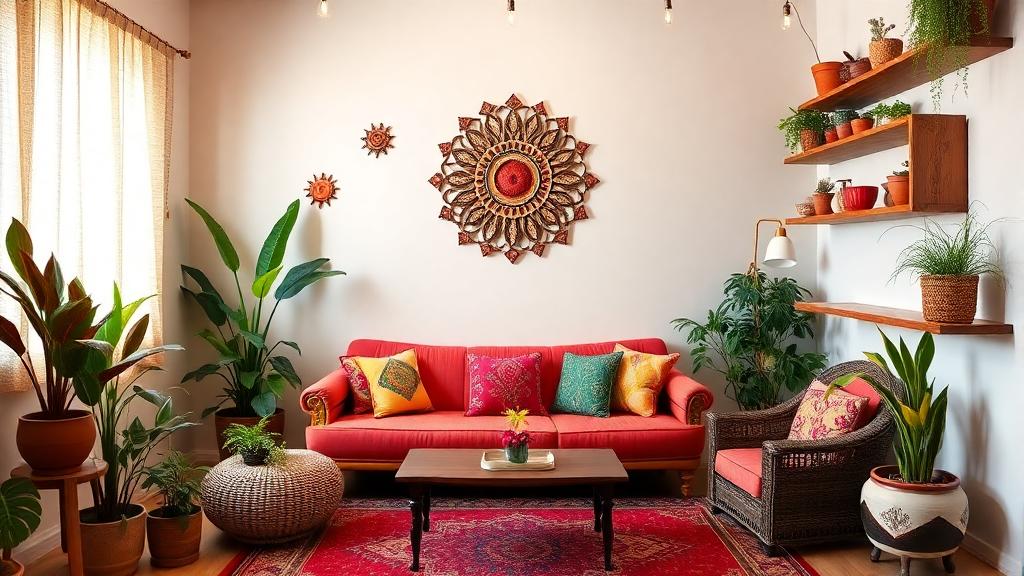
    A cozy Indian living room with handmade wall art, indoor plants, colorful cushions, and recycled wooden shelves, lit with warm lights—perfect blend of tradition and modern decor.

    You know that odd feeling when you walk into your own house and it just feels… dull? Nothing’s actually broken or messy, but still, something’s missing home decor. I’ve felt that too. Especially here in India, where seasons keep changing and life gets busy, it’s not really possible to revamp our homes every few months.

    But trust me, you don’t always need a contractor or big money to make your place feel cozy and alive again.

    I’ve grown up in a small town where people believe in stretching every rupee. So over the years, I’ve picked up a bunch of simple, DIY home decor tricks that work no matter the season — hot May, breezy October, or cold January.

    Let me walk you through these ideas in a way that feels doable, not just fancy.

    Why Even Bother Changing Home Decor?

    See, we live our whole life in our homes — we laugh, eat, sleep, fight, and sometimes just sit quietly with chai and thoughts. So if the space around us looks fresh, our mind feels better too. It’s not about showing off to guests. It’s about feeling good when you walk in after a long day.

    And no, I’m not talking about those showroom-type setups. I’m talking about those small changes that make a big difference — the kind of stuff anyone can try.

    My Go-To DIY Home Decor Tricks That Work All Year

    Let’s just talk real. I’m not giving you a checklist. These are the kind of things you can mix, match, reuse, or even skip — totally up to your mood and budget.

    1. Cushion Covers & Bedsheets — Instant Mood Changer

    Sounds silly, but try it once — swap out those cushion covers and watch the whole vibe of your living room shift.

    • In winters, go for warm tones like rust, mustard, or even deep green.
    • When it’s hot, switch to whites, soft pinks, or cool blues.

    Old bedsheets lying around? Cut them up and turn them into curtains or DIY wall hangings. My neighbor once made beautiful window blinds from her grandmother’s old cotton saree.

    2. Paint Just One Wall, Not All

    You don’t need to repaint the whole room. Pick one wall — maybe the one behind your bed or sofa.

    Try a bold shade or even simple sponge patterns. I remember my cousin once dabbed leftover paint with a towel on his bedroom wall — looked like an ombre wall from Pinterest, but he spent less than ₹500.

    3. Plants Are Always a Good Idea

    You don’t need a balcony full of them. Just 3-4 indoor plants can brighten up a space.

    • Money plant or areca palm are low-maintenance.
    • Keep them in old terracotta pots — you can even paint them with leftover wall paint.
    • During Diwali or birthdays, add a string of fairy lights around them — looks magical.

    4. Wall Art from Stuff You Usually Throw

    Newspapers, cardboard boxes, old magazines — they’re not trash, they’re art waiting to happen.

    One weekend, I cut random magazine shapes, glued them on a cardboard piece, framed it, and hung it in my hallway. Visitors always ask where I “bought” it.

    5. Mirrors Can Make Small Rooms Look Big

    Especially in smaller flats or rented homes, mirrors are a smart way to open up the space.

    Hang one opposite a window and it reflects natural light. You can wrap the edges with rope, lace, or even paper strips for a rustic look.

    6. Old Glass Jars — Don’t Toss Them Yet

    Next time you finish a pickle jar, keep it.

    • Drop a tealight candle inside with a little salt at the base.
    • Or add fairy lights.
    • Or fill it with water and float a few petals.

    These little touches make a big difference, especially in the evenings.

    7. Rugs & Floor Mats: Small Change, Big Feel

    You don’t need a big Persian carpet. A small cotton rug near your bed or under your table does the job.

    In winter, go for earthy, thick ones. Summer? Use thin, light-colored dhurries.

    I got one from a roadside stall for ₹300 — it’s still going strong after two years.

    8. Rearrange Before You Buy Anything

    Sometimes, you don’t need anything new — just a new angle.

    Try moving your table closer to the window. Shift the sofa. Swap your wall photos. Feels like a brand-new space.

    One Sunday afternoon, I just flipped my bed to the other side — my room felt like a new flat.

    Little Details That Add Life

    Put out a bowl with water and a few floating flowers. Keep some fresh fruits on the table in a tray. Add a hand-painted nameplate outside your main door.

    These aren’t costly. But they give your home a personal charm.

    What’s Trending Lately in Home Decor?

    People are slowly moving back to natural, simple things. As per 2024–25 home trends, handmade and eco-friendly items are getting popular again.

    • Jute baskets, bamboo lamps, clay pots — all are back in style.
    • DIY shelves from wooden crates or old stools are now trending on Instagram.
    • And yes — old sarees used as wall drapes or curtain panels are making a comeback.

    My Take: Don’t Overthink It

    At the end of the day, your home should reflect you. Not what influencers show, not what shops sell — but what feels right to your heart.

    Use what you already have. Don’t wait for “one day” to make it pretty. Do a little now, do more later. It’s not about big changes — it’s about making your home feel like home again.

    Related articles :

    Enjoyed this read? Continue the journey with: How to Build a Healthy Routine for Your Family
    This blog is just the start. Explore more with: 56 DIY Home Decor Ideas for Instant Personality

  • How to Actually Save Money on Daily Expenses in 2025

    How to Actually Save Money on Daily Expenses in 2025

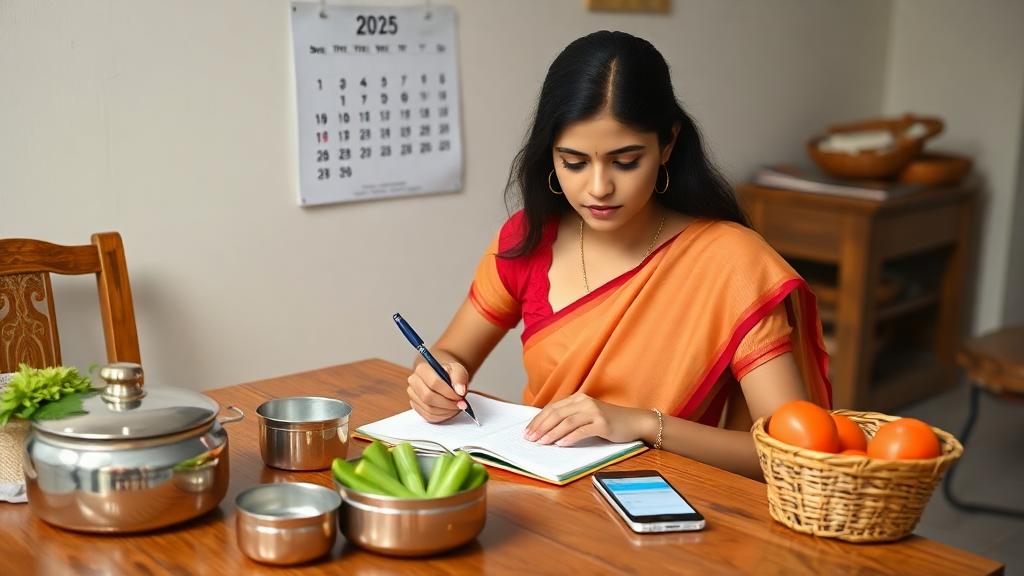
    A realistic scene showing an Indian middle-class young woman sitting at a small wooden dining table, carefully noting down daily expenses in a notebook with a pen, surrounded by simple household items like a steel tiffin, vegetables in a basket, and a smartphone with budgeting app open. She looks thoughtful but hopeful. The setting is a modest Indian home in natural lighting, showing everyday life and a focus on frugality. Background includes a wall calendar showing 2025.

    Real-life ideas from someone who’s been there

    Let’s talk straight—2025 has been rough on the pocket. Whether it’s the monthly ration or just the electricity bill, somehow everything feels more expensive than last year. I still remember back in the 2000s, my father would run the whole house in ₹10,000. These days, even if you earn three times that, the money just slips away—one Swiggy order here, one phone recharge there.

    But honestly, that doesn’t mean saving money is impossible. You don’t need to live on dal-rice 7 days a week or become some budgeting guru. Just a few smart habits — the kind our parents used naturally — mixed with today’s tools, and you’re good to go.

    Why Saving money Feels Tougher in 2025

    You must’ve noticed petrol has touched around ₹110 a litre. Cooking oil, atta, and even regular biscuits have become luxury items. Add to that Zomato cravings on weekends or those “deal of the day” temptations on shopping apps, and bam salary gone before the 20th.

    I read somewhere that city households now spend about 25–30% more than they did back in 2020 and that doesn’t even include big stuff like rent or EMIs. So yeah, now’s a good time to pause and think about how we can cut some corners without feeling deprived.

    Simple Ways I Personally Save money (that actually work)

    These are not “expert tips” just what’s worked for me and a few friends. Some are old-school, others are just common sense with a 2025 upgrade.

    1. Weekly Meal Planning Just Like Amma Did

    My wife and I started doing this during the lockdown and never stopped. Every Sunday night, we just sit with chai and jot down what we’ll cook the coming week. Doesn’t take more than 15 minutes.

    Trust me, it helps avoid wastage and random food delivery apps during those “nothing’s in the fridge” moments.

    • Only buy what’s on the plan
    • Leave 1–2 buffer days for eating out or leftovers
    • Always peek into the fridge before shopping

    2. Bulk Buying Saves More Than You Think

    If you’ve got the space (or even a cousin to split stuff with), buy things like rice, dal, soap, and oil in bulk. I grabbed a 5kg detergent bag last month for ₹400 — the same thing costs ₹700 in regular shops.

    Pro-tip: Airtight dabbas save your grains from insects and moisture.

    3. Understand Your Electricity Meter It’s Smarter Now

    Gone are the days of guessing. These days, smart meters show when power costs more and when it’s cheaper.

    • Wash clothes in the morning or late night
    • Switch off geyser and modem when not needed
    • Iron everything once a week, not daily

    I tried this and my bill dropped by ₹400 in just one month.

    4. Stick to Kirana Shops Instead of Fancy Stores

    You may not get jazzy packaging, but my neighbourhood kirana guy sells the same dal and oil 10–15% cheaper. I compared. Plus, he gives home delivery and sometimes credit if it’s month-end.

    Also, shopping local supports small businesses. Win-win, right?

    5. Don’t Subscribe to All OTT Platforms

    Honestly, how many platforms do we even watch properly? Rotate them. Take Netflix for two months, then switch to Prime or Hotstar. Why pay for everything together?

    And don’t forget: good old YouTube has plenty of free content too.

    6. Cut Back on Small UPI Payments

    Digital payments are fast, but they make us careless. ₹30 for tea here, ₹80 for samosa there it adds up quietly. Carry some cash for tiny spends. It makes you pause before spending.

    Make Saving a Part of Daily Life, Not Some Punishment

    You don’t need to turn into a miser. Just following 3–4 of these regularly will show results. Personally, I’ve saved ₹500–₹1,000 a month on electricity and groceries alone, without cutting comfort. The trick is not in sacrifices it’s in habits.

    My Final Thoughts

    Honestly, saving in 2025 is more about awareness than suffering. If you mix old-school tricks with today’s tools, it becomes much easier. Our parents didn’t have apps, cashback, or smart meters yet they managed just fine.

    So next time you feel tempted to order that ₹450 pasta, ask yourself “Can I make something better at home for ₹80?” Often, the answer is yes.

    Your future self (and your bank account) will be happy you did.

    Curious to dive deeper? Don’t miss this related post: How to Save Money Effectively in 2025: Smart Strategies for Financial Growth

  • Embracing Dr. B.R. Ambedkar Vision for Equality

    Embracing Dr. B.R. Ambedkar Vision for Equality

    A vibrant digital painting of Dr. B.R. Ambedkar holding the Indian Constitution, with diverse people celebrating around him, set against Mhow’s serene backdrop

    Every year on April 14, people across India stop and remember a man who didn’t just talk about change he lived it. That man was Dr. Bhimrao Ramji Ambedkar, or as most of us lovingly call him, Babasaheb.

    Now, Ambedkar Jayanti isn’t just about garlanding a photo or putting up blue flags. It’s much more. It’s about honouring a man who stood tall, even when the world tried to push him down. You’ll see rallies, processions, and people shouting “Jai Bhim!” from rooftops and no, it’s not just noise. It’s pride. It’s emotion. It’s remembrance.

    In 2025, even the Chief Minister of Madhya Pradesh, Mohan Yadav, went to Mhow, Indore Babasaheb’s birthplace. He paid his respects, of course, but also ended up sparking a bit of a political storm with a few of his remarks. Happens every year. But still, the main thing is that the day brings everyone together cross caste, class, and region to remember a man whose words still echo in every corner of this country.

    So, Who Exactly Was Babasaheb Ambedkar?

    Dr. Ambedkar was born back in 1891, in Mhow, in a time when caste ruled everything who you spoke to, where you sat, even whether you were allowed to drink water from the same tap.

    He was born into the Mahar community, and from day one, he knew what discrimination felt like. But that didn’t stop him. In fact, it just lit a fire inside him.

    He studied like there was no tomorrow Elphinstone College, Columbia University, then London School of Economics. The man wasn’t just smart he was brilliant. And he didn’t collect degrees just to hang them on a wall. He used them. He used every bit of his knowledge to fight for those who were always told they didn’t matter.

    The Fight That Shaped a Nation

    From Humiliation to Hope

    As a child, he wasn’t allowed to sit on benches with others in school. Even drinking water was a struggle. But his father, who worked in the military, made sure young Bhimrao had access to books. And that love for learning changed everything.

    He went from dusty schoolyards to the world’s top universities, and when he came back, he didn’t look for comfort. He looked for justice.

    Building the Constitution

    You know that big book that decides how India runs? Yeah, Dr. Ambedkar was the chief architect of it. As the head of the Drafting Committee, he filled those pages with ideas of equality, freedom, and fraternity.

    Thanks to him, we have things like Article 17, which put an end to untouchability at least on paper. There’s still work to do, but that’s the foundation he laid.

    He Spoke for the Silent

    Dr. Ambedkar wasn’t just about paperwork and law books. He was on the ground too. In 1924, he started the Bahishkrit Hitakarini Sabha, trying to help Dalits get access to education and public services.

    In Mahad, he led a movement just to claim the right to drink from a public tank. That’s how bad things were. But he didn’t back down.

    Later, in 1956, he embraced Buddhism not the version with rituals, but a fresh, clean start. He called it Navayana, and lakhs followed him. It was a silent revolution.

    His Work Went Beyond Castes

    Ambedkar had his hands in many areas. He gave solid input on India’s economic policies, especially regarding currency and labour. He even formed a political party, the Scheduled Castes Federation, to push for proper representation.

    And that famous book Annihilation of Caste wasn’t just words. It shook society’s roots and forced people to think.

    Life Lessons from Babasaheb That Still Hold True

    Honestly, his life teaches more than any self-help book today. If we had to pick just a few lessons, here’s what they’d be:

    1. Education Isn’t Just for Exams

    Ambedkar chased knowledge because he knew it opened doors. He didn’t stop at one degree — he kept learning, always.

    2. Don’t Be Quiet When Things Go Wrong

    Whether it was water rights or speaking in Parliament, he called out injustice. Loudly. Fearlessly.

    3. Turn Your Struggles into Strength

    He didn’t hide his pain. He turned it into purpose. That’s how real change begins.

    4. Unity Matters More Than Labels

    He wasn’t just for Dalits. He spoke for everyone who faced unfairness. His Constitution aimed to unite, not divide.

    5. Kindness Is Powerful

    Underneath all that sharpness was compassion. Every law he framed had one goal to give people dignity.

    Why His Ideas Still Hit Home

    Even today, when we see news about caste-based violence or social inequality, Babasaheb’s words feel fresh. His famous line
    “I measure the progress of a community by the progress women have achieved” still makes you stop and think.

    And let’s be real we’ve come far, but not far enough. The road ahead is still bumpy. But the tools he gave us education, organization, agitation they still work if we use them right.

    So, What Can You Do on Ambedkar Jayanti?

    You don’t have to go to a rally. Even reading a few pages of his speeches or discussing his work with friends can make a difference.

    Try to live the values he stood for equality, justice, empathy. That’s how we carry his dream forward.

    Not just for one day. But every day.

    Looking for the next step? Try this: B. R. Ambedkar

  • Top 10 Budget-Friendly Travel Destinations for 2025

    Top 10 Budget-Friendly Travel Destinations for 2025

    Collage featuring budget-friendly travel destinations including Vietnam, Sri Lanka, and Turkey, with scenic landscapes, local currency symbols, and a backpacker-style traveler.

    Let’s face it we all dream of going abroad, clicking photos in some foreign galli, sipping chai in a mountain café, and feeling like we’re in a Bollywood travel song. But when we check our wallet or bank app… bas, mood kharaab.

    Still, if you’re clever with timing and don’t mind skipping luxury for some jugaad, 2025 can be your travel year. With the rupee holding up okay, and some good flight hacks and visa shortcuts, you can explore solid places without spending more than ₹1 lakh. And yeh koi “cheap-for-name” type nahi hai these are full paisa vasool spots.

    Here’s a list I made not copied from some travel site of 10 budget-friendly destinations that you can do, even if you’re on a middle-class salary and EMI life.

    1. Vietnam – Where ₹100 Feels Like ₹500

    Vietnam is that place where your INR feels like it’s wearing a Superman cape. Hanoi, Da Nang, Hoi An — each city has its own charm. The food? Wah bhai, street pho with mint chutney-type flavours. Hotels? You’ll get a proper room for less than what a Mumbai sandwich costs in Bandra.

    Rough Daily Budget: ₹2,500 – ₹3,000
    Visa: E-visa (online)
    Don’t Miss: Ha Long Bay cruise, old-school Hoi An lantern streets, and local coffee that’ll kick harder than our nukkad wali chai.

     2. Sri Lanka – Feels Like Goa Got a Makeover

    Just a hop away, Sri Lanka feels like that distant cousin who’s chill, well-dressed, and still desi at heart. Think of it as Goa with a bit more class and less crowd. Flights are super cheap if you keep checking for sales (especially from Chennai or Kochi).

    Rough Daily Budget: ₹2,000 – ₹3,000
    Visa: ETA (apply online)
    Don’t Miss: That dreamy Ella train ride, Sigiriya rock fort, and Mirissa’s peaceful waves.

    3. Georgia – Not America Wala, This One’s a Secret Gem

    People hear “Georgia” and think USA, but this one’s closer and way friendlier on the pocket. Mountains, cobblestone lanes, cozy cafés it’s like walking in a fairytale that didn’t charge entry fees.

    Rough Daily Budget: Around ₹3,500
    Visa: E-visa (if you have UAE/US/UK/Schengen visa)
    Don’t Miss: The Kazbegi hills and that cheesy khachapuri bread fills both heart and tummy.

    4. Nepal – No Passport, No Tension

    You know what’s great about Nepal? It feels both foreign and familiar. You cross the border, and suddenly you’re in front of the Himalayas, sipping thukpa, and thinking “Yeh sab toh itne paas tha!” And no visa drama either.

    Rough Daily Budget: ₹1,500 – ₹2,000
    Visa: Not needed for Indians
    Don’t Miss: Pokhara’s peaceful lakes, that bucket-list Mount Everest flight, and old Buddhist temples.

    5. Turkey – Desi Feel in Foreign Setting

    This one’s a full paisa vasool mix Europe and Asia in one thali. From chai by the Bosphorus to walking through ancient Roman ruins, Turkey has everything. And hot air balloon in Cappadocia? Arre, that’s straight out of a dream.

    Rough Daily Budget: ₹3,500 – ₹4,000
    Visa: E-visa (if you have US/UK/Schengen visa)
    Don’t Miss: Istanbul’s chaos, hammam baths, and the fairy chimneys of Cappadocia.

    6. Indonesia – Bali is Not Just for Honeymooners

    Bali used to be that honeymoon cliché, but now solo travellers and friend groups are owning it. Stay in hostels, rent a scooty, eat nasi goreng for 100 bucks it’s all budget-friendly if you skip the fancy resorts.

    Rough Daily Budget: ₹2,000 – ₹2,500
    Visa: Visa on arrival
    Don’t Miss: Ubud’s green paddy fields, monkey mischief, and beach sunsets that’ll melt your stress away.

    7. Egypt – Time Travel Without Time Machine

    Want to feel tiny next to history? Egypt is calling. Pyramids that’ve been around since before any country was born, plus tasty falafels and a Nile river cruise all without paying Euro prices.

    Rough Daily Budget: ₹3,000
    Visa: E-visa (simple online process)
    Don’t Miss: The Pyramids, Egyptian Museum, and floating peacefully down the Nile.

    8. Thailand – Always Reliable, Always Affordable

    Thailand is like that one friend who never lets you down. Whether you want beaches, parties, or temple trails it fits all moods. Also, no visa till mid-2025? That’s like a travel sale without discount codes.

    Rough Daily Budget: ₹2,000 – ₹2,500
    Visa: Free for Indians (till mid-2025)
    Don’t Miss: Street shopping in Bangkok, Chiang Mai’s mountains, and island-hopping fun.

    9. Philippines – Still Under the Radar

    If beach hopping is your vibe, Philippines should be on your radar. 7,000 islands, crystal water, and food that’s easy on the stomach and wallet. Just avoid peak seasons.

    Rough Daily Budget: ₹2,500 – ₹3,000
    Visa: E-visa needed
    Don’t Miss: Palawan, El Nido’s blue lagoons, and the unforgettable whale shark swim.

    10. Cambodia – Calm, Historic, and Pocket-Friendly

    Cambodia is not for the party crowd — it’s for people who want peace with a side of wow. Angkor Wat is surreal, and the pace of life here… slower than a rural Indian evening.

    Rough Daily Budget: ₹1,800 – ₹2,200
    Visa: Visa on arrival
    Don’t Miss: Sunrise at Angkor Wat, local fish curry, and the floating villages.

    Final Thoughts – You Don’t Need Big Money for Big Memories

    Let’s be real — you don’t need ₹5 lakh and first-class tickets to make memories. You just need the itch to explore, a little planning, and the guts to travel with less. Booking flights early, eating where locals eat, skipping luxury for stories — that’s the real desi traveller’s way.

    “Don’t wait till you’re rich to travel. Travel smart, and you’ll come back rich in memories.”

    What to Pack for a 2-Week Europe Trip from India check here