Category: Fitness

  • 10 Simple Exercises to Add to Your Morning Walk

    10 Simple Exercises to Add to Your Morning Walk

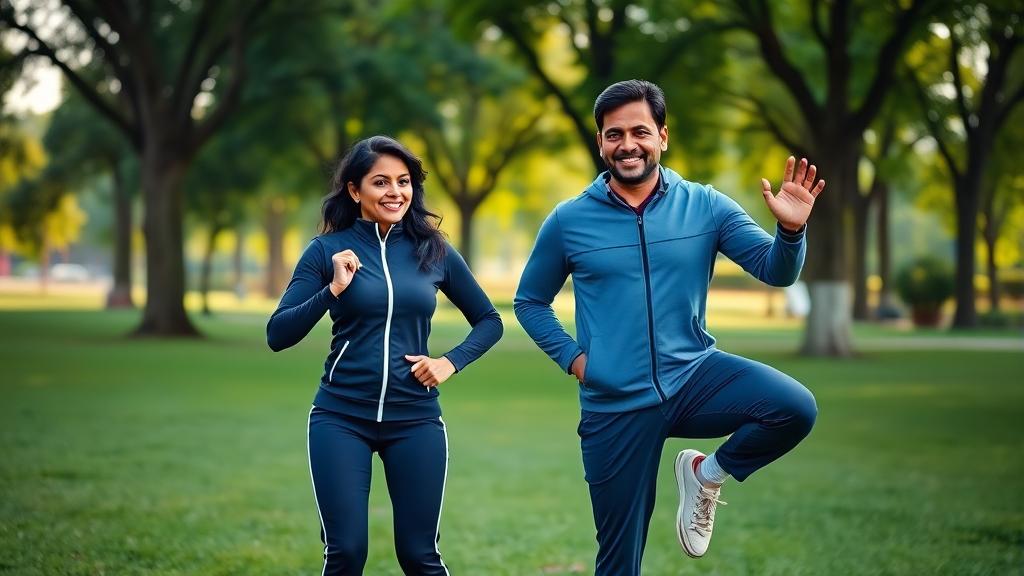
    Cheerful middle-aged Indian couple doing morning walk exercises in a city park.

    Introduction

    In India, a lot of people already have a habit of going for morning walks — whether it’s inside the colony park, on the local walking track, or just along the roadside when it’s still peaceful. But most of us only walk, right? What many don’t realise is that if we add just a few small exercises to this daily routine, it can turn into a full-body workout. You don’t need a gym or any special gear. Just a little effort, and your usual walk becomes much more useful for your health.

    In this guide, let’s look at 10 easy exercises that you can do during your morning walk. No need to do them all at once. Just try a few as per your comfort, and slowly build your stamina.

    Why Morning Walk is Already Good for You

    Let’s start by understanding why morning walks are already such a good idea:

    • You get fresh air and a calm mind before the day starts.
    • Your body feels active and light the whole day.
    • Sunlight in the early hours is good for vitamin D.
    • It’s a peaceful time to think or even chat with someone while walking.
    • People who walk regularly also see better heart health and fewer mood swings.

    And just 20–30 minutes of walking every day can also help in keeping weight under control. That’s something we all want, right?

    10 Best Exercises to Add During Your Walk

    Let’s now look at the exercises you can easily mix into your walk. These don’t need equipment or much space — you can do them even inside your local park or empty road.

    1. Brisk Walking

    Walk a little faster than your usual speed. You should still be able to talk, but not too comfortably. This kind of walking burns more calories and wakes your body up properly. Think of it as picking up the pace just a bit — not running, but not too slow either.

    2. Walk in Intervals

    This means mixing slow and fast walking. For example, walk normal for 3–4 minutes, then do fast walking for 1 minute. Keep repeating. This helps improve stamina and keeps the walk from getting boring.

    3. Use Small Slopes or Stairs

    If your walking place has a slope, hill, or even some stairs — use them. Walking uphill works your legs more and gives a mini strength workout. Many parks in cities like Delhi or Pune have these natural spots.

    4. Swing Your Arms

    Instead of just letting your hands hang, swing them properly while walking. It keeps your shoulders loose and adds some movement to your upper body. Some people even carry light water bottles — but don’t make it too heavy.

    5. March with High Knees

    Every few minutes, try walking by lifting your knees higher. It’s like slow jogging but without jumping. Do it for 30 seconds at a time. This works your stomach area and makes you breathe faster, which is good for your heart too.

    6. Butt Kicks

    Try walking while kicking your heels backward toward your waist. You can do this slowly or a little faster. It gives a nice stretch to your legs and adds a fun twist to your walk.

    7. Side Steps

    Take 5–6 steps to the right, then to the left. You can do this on a straight path. It works on side muscles of your legs and helps with balance.

    8. Lunges

    Stop at a bench or open area, and do a few lunges. Step one foot forward and bend both knees, then come back. Do the same with the other leg. If you’re not used to it, start with 5 per leg. It’s very good for thigh strength.

    9. Tip-Toe Lifts (Calf Raises)

    Pause during your walk, lift your heels and stand on your toes, then come back down slowly. Do it 10–15 times. It’s a great way to work your lower legs and improve balance.

    10. Simple Stretching

    End your walk by stretching your legs and back. Touch your toes gently, pull your ankle toward your waist, or stretch your arms. This helps cool down the body and prevents stiffness later.

    Make It a Part of Your Routine

    Wherever you walk — colony lane, terrace, or local park — these small exercises will fit in. In places like Kolkata or Lucknow, parks are full of regular walkers. You’ll always find a corner or patch to try out lunges or calf raises. In hilly areas like Dehradun, the slopes already give you a natural workout. If you live in a polluted city, just try going a little earlier or find an indoor track or society corridor.

    My Honest Experience

    I used to walk casually for 20–25 minutes every morning. It felt good, yes, but not enough. Once I started adding 2–3 of these exercises — like high knees or brisk walking — I felt a major change. More energy, better sleep, and even fewer body aches. Now it’s become a habit. Even when I’m travelling, I try to sneak in these small moves during walks.

    You don’t need to do all 10 things every single day. Just do what feels right. Add one new exercise every week maybe, and slowly make your body used to it.

    Final Thoughts

    Morning walk is already one of the best things you can do for your health. But now you know, it can be even better. With just a little extra effort, it becomes a total body workout — and the best part is, it costs nothing. So next time you go out for your walk, remember these small tweaks. Your body will thank you later.

    📚 You Might Also Like:

    Morning Routine Habits That Actually Boost Your Fitness
    Small changes that can make your morning walks more effective and energising.

    Best Stretching Exercises to Do Before and After a Walk
    Gentle Indian-friendly stretches to warm up and cool down your body properly.

    How to Set and Achieve Realistic Fitness Goals
    A practical guide to creating health goals that truly match your lifestyle and sticking to them.

  • How to Stay Motivated to Exercise: Real Tips Backed by Science and Experience

    How to Stay Motivated to Exercise: Real Tips Backed by Science and Experience

    Woman meditating in a yoga pose on a mat with a motivational quote about staying motivated to exercise.

    Introduction

    Getting motivated to exercise or work out isn’t easy for most people. In fact, for many of us, especially in India where lifestyle habits are changing fast, it feels like one more thing to tick off from a long to-do list. But staying active isn’t just about looking fit it’s about feeling good, mentally and physically.

    You might not always have a fancy gym around, or even enough time in hand. Still, small steps go a long way. So, in this blog, let’s look at how you can boost your motivation to work out, using a few science-backed tricks and some desi practicality. We’ll cover everything from setting real goals to finding joy in simple workouts because fitness is for everyone, not just for celebrities or gym freaks.

    Why Motivation Even Matters

    Most of us already know that exercise is good it helps the heart, lifts your mood, and gives you more energy. But the tricky part is actually doing it, right? In India, health issues like diabetes and high BP are rising every year. Still, nearly 4 out of 10 adults don’t even get the minimum recommended physical activity every week.

    Now, you may ask if we know it’s good for us, why don’t we just do it? That’s where motivation plays a big role. It’s the reason why someone goes for a walk even after a tiring day or joins a dance class when lying down seems easier.

    Make Your Goals Simple and Clear

    You need to know why you want to work out and what you’re trying to achieve. Goals help with that. But don’t make it too broad like, “I want to be fit someday.” Instead, try something more practical like, “I’ll walk 20 minutes every evening for the next 3 weeks.”

    Let’s say you’ve got a function coming up in 2 months, and you want to feel confident in your favourite kurta. Instead of saying “I want to lose weight,” make a plan: “I’ll cut down on sugary tea and do yoga three times a week.” Feels doable, right?

    You don’t need big gym schedules or scary routines. What matters is starting small and staying steady.

    Don’t Go It Alone – Find a Buddy

    Working out alone gets boring fast. But when there’s someone with you even if it’s your neighbour, spouse, or a friend it feels lighter. Just having a friend to walk with every evening or join an online fitness challenge can keep you going.

    In many Indian cities, you’ll see people forming walking groups in local parks or taking group yoga sessions in community halls. Even small towns now have fitness groups on WhatsApp or Facebook. If you’re shy to go outside, try online classes together with a friend over video call.

    Point is you’re more likely to show up if someone’s counting on you.

    Do Something You Actually Like

    This one’s simple: if you hate what you’re doing, you won’t stick to it. Exercise doesn’t always mean gym or running. It can be dancing, cycling, skipping, or even just walking your dog.

    I tried running once, but honestly, I couldn’t keep up. Then I found a YouTube Zumba session that felt more like dancing than working out and I haven’t looked back since.

    The key is, if it feels fun, you’ll do it again.

    Keep Mixing It Up

    Doing the same workout every day becomes boring after a point. And your body stops improving too. So switch things up once in a while.

    Maybe one day, do yoga. The next, go for a brisk walk. On weekends, play a bit of badminton with your kid or go cycling if you have a group. You can even use small weights or resistance bands at home.

    Now that many Indians are buying home fitness gear—like yoga mats and dumbbells—it’s even easier to try new things. And online fitness apps are booming, so you can explore different routines without spending much.

    Track Your Progress, Even the Small Wins

    Let’s be honest seeing even small results gives a big boost. Whether it’s one extra push-up or your jeans fitting a bit better, these things matter.

    You can write things down in a notebook or use apps like Fittr or HealthifyMe. Many people I know just mark a ✅ on the calendar every day they complete their workout it’s simple, and it works.

    When you see your own progress, you naturally feel like doing more.

    Celebrate Yourself (But Smartly)

    Every time you complete a week of workouts or hit a personal goal, reward yourself a little. Not with a box of sweets but maybe with a nice pair of workout shorts or a healthy smoothie treat.

    For me, after a month of walking every day, I bought new earphones to enjoy music while walking. That small reward made me look forward to it even more.

    Know Your “Why” Deeply

    At the end of the day, no matter what tips you follow, the strongest push comes from inside. Ask yourself: Why do I want to do this?

    Maybe you want more energy to play with your grandkids. Or you want to stay strong for your ageing parents. Or maybe you just want to sleep better. Keep reminding yourself of this reason it’ll help you even on lazy days.

    If mornings are tough, just plan a 10-minute stretch before breakfast. That small step builds momentum.

    Final Thoughts – My Take

    So, if you’re struggling to stay motivated, you’re not alone. It’s tough but it’s not impossible. Just start with what you can, where you are, with what you have. Focus on small actions, not perfection.

    For me, fitness became easier once I stopped chasing big goals and started enjoying small routines. Whether it’s dancing in my room, walking with my cousin, or stretching before bed it all counts.

    Your journey is yours. Just make sure it makes you feel good.

    Related articles
    7 Effective ways to stay motivated to work out, backed by science
    How to Set and Achieve Realistic Fitness Goals

  • How to Set and Achieve Realistic Fitness Goals

    How to Set and Achieve Realistic Fitness Goals

    Indian man in his 30s tying shoelaces before morning jog in a peaceful park with water bottle nearby

    Why Most Fitness Goals Don’t Stick Around

    Let’s be real, we’ve all done this. New Year rolls in, and suddenly we’re full of motivation. “This year, I’m hitting the gym daily!” we declare. But by the second or third week, that gym bag hasn’t moved, and those running shoes? They’ve now become fancy chappals for home.

    Truth is, the problem usually isn’t your willpower. It’s how we go about setting our goals. We dream too big, too soon. And then get tired halfway.

    The real trick? Setting fitness goals that feel real, ones that fit into your actual life, without making it a punishment.

    What Does a “Realistic” Fitness Goal Look Like?

    Realistic means something you can do even on a bad day. It’s not about being lazy; it’s about being smart.

    A goal that pushes you, sure, but doesn’t break you.

    Just to give you an idea:

    ✅ “I’ll take a 30-minute walk four times a week.” That’s realistic.

    ❌ “I’ll lose 10 kilos in one month.” That’s like trying to grow mangoes in winter. Doesn’t work.

    A Simple Way to Set Fitness Goals That Actually Work

    Forget those fancy fitness plans that make your head spin. Here’s a chill, 5-step way to start your journey one that won’t leave you tired or guilty.

    1. First, Know Why You Want to Get Fit

    Don’t just say, “I want to get fit.” Ask yourself why.

    Is it to feel less tired? To keep sugar levels in check? Or maybe just climb stairs without huffing?

    Whatever the reason, write it down somewhere. Your fridge, mirror, even your phone wallpaper. It’ll remind you why you started, especially on the tough days.

    2. Start Small, Think Long-Term

    You don’t have to lift weights or run 10k from Day 1. Start with tiny steps.

    A few ideas?

    • Cycle to market once a week
    • Skip the lift, take the stairs
    • Do 10 minutes of stretching in the morning

    It doesn’t sound grand, but it works. Like they say slow and steady actually wins here.

    3. Make Goals That Are SMART (And Not Just Fancy Talk)

    Yes, you might’ve heard about SMART goals. Sounds corporate, but it’s helpful.

    Break it down like this:

    • Specific: “Walk 5,000 steps” is better than “Exercise more.”
    • Measurable: So you can see your progress
    • Achievable: Something you won’t drop after 3 days
    • Relevant: It should actually help your health, not someone else’s
    • Time-bound: Add a small timeline like “next 2 weeks.”

    You don’t need a business degree to do this. Just a pen and paper will do.

    4. Track, But Don’t Obsess

    Some people go crazy with tracking step counters, calorie apps, fitness journals…

    All good. But don’t let it take over your life.

    Check in once a week. Are you walking more? Sleeping better? Feeling stronger? That’s enough.

    Use a simple app or even a diary. Whatever suits you.

    5. Celebrate the Small Wins, Boss

    You managed to walk daily for a whole week? That deserves a clap.

    Lost a kilo? Nice buy yourself a new water bottle or headphones.

    Reward the effort, not just the outcome. Because this journey is about showing up, even when you don’t feel like it.

    Some Mistakes People Often Make (And Then Quit)

    You might be doing your best, but a few small things can spoil the whole game.

    ❌ Comparing Yourself With Others

    Your body, your rules. That fitness influencer on Instagram? They’ve got a different life. Focus on your path.

    ❌ Only Thinking About Weight Loss

    Being fit isn’t only about weight. It’s about strength, energy, and peace of mind too.

    So set goals like “improve flexibility” or “sleep better,” not” just “lose 5 kg.”

    ❌ Trying to Do Everything At Once

    Today you bought dumbbells. Tomorrow you’re on a keto diet. Day after injuries.

    That’s not fitness. That’s panic. Start slow. Build a base.

    How to Stay On Track When Motivation Drops (And It Will)

    Let’s not pretend some days you won’t feel like doing anything. That’s normal.

    Here’s what helps:

    • Work out with a friend. A bit of gossip + exercise = win-win.
    • Try something fun Zumba, dance, trekking
    • Watch free workout videos online
    • Keep a mood journal, not just a fitness one
    • Focus on how you feel, not just how you look

    Final Thoughts: Do It Your Way

    Look, this is your body, your time, and your energy. So, the fitness journey should also be yours.

    No need to follow trendy diets or 6-pack workout plans. Just do what fits your lifestyle.

    Even a 10-minute evening walk is better than sitting all day.

    So don’t wait for Monday, or New Year, or that “perfect” moment.

    Start now. Start today. For yourself.

    If you found this blog interesting, you might enjoy this one too: Workout Routines for Men: The Ultimate Guide

    This blog pairs perfectly with: How to Build a Healthy Routine for Your Family

  • Simple Home Workouts You Can Do Right in Your Living Room

    Simple Home Workouts You Can Do Right in Your Living Room

    Person doing push-ups, squats, and lunges in a minimalist living room, showcasing a home workout routine.

    Home workouts, Let’s be honest, not everyone has time or money to hit the gym every day. And truth be told, you don’t really need fancy machines or flashy equipment to stay healthy. A small corner in your room, a bit of dedication, and your own bodyweight that’s more than enough to get going.

    These days, a lot of people are skipping gym memberships and choosing to work out at home. It’s easier, pocket-friendly, and fits right into your daily routine even if you’ve got a busy schedule. Whether you’re just starting out or trying to get back in shape, home workouts are a solid option.

    Why More People Are Choosing Home Workouts Now

    First thing comfort. At home, you’re in your own space. No waiting in line for dumbbells or awkward stares when you’re trying a new move. You can work out in your night shorts if you want. Who’s going to judge?

    And you save a lot too. No monthly gym fee, no petrol to drive anywhere, and no gear to buy. Honestly, all you need is a floor mat and the will to move.

    On top of that, there’s flexibility. Early morning, during lunch break, or even at midnight, you can exercise whenever you find time. That’s the best part. No fixed hours, no trainer pressure.

    Some Easy Home Workouts That Actually Work

    You don’t need equipment or machines. Your body itself is enough. These exercises are simple, effective, and good for beginners too.

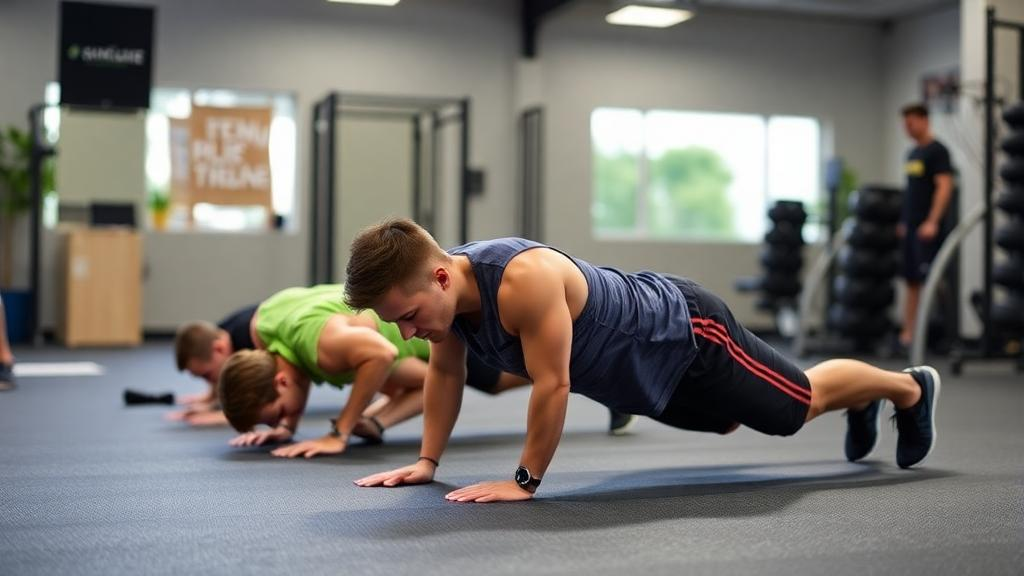
    1. Push-ups

    Old-school but still gold. Push-ups work on your chest, arms, and shoulders. Just lie face-down, place your palms on the floor under your shoulders, and push your body up and down. Can’t do full ones? No problem — try doing them on your knees till you get stronger.

    Push up

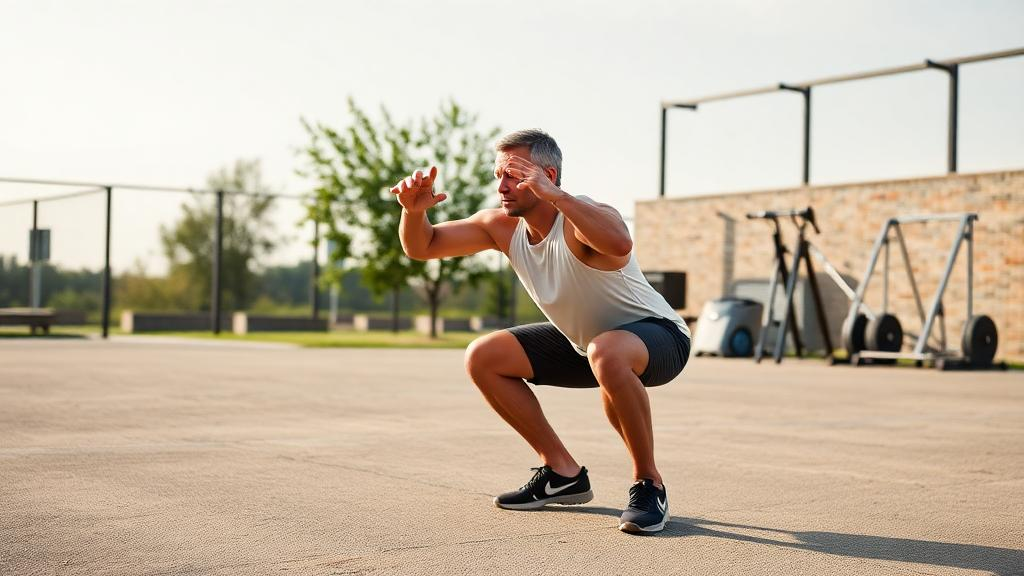
    2. Squats

    Think of sitting on a low stool — that’s pretty much a squat. It helps your legs, thighs, and backside (glutes). Keep your feet apart, bend your knees, and sit halfway. Then come back up. Do it slowly and steadily.

    man doing Squats

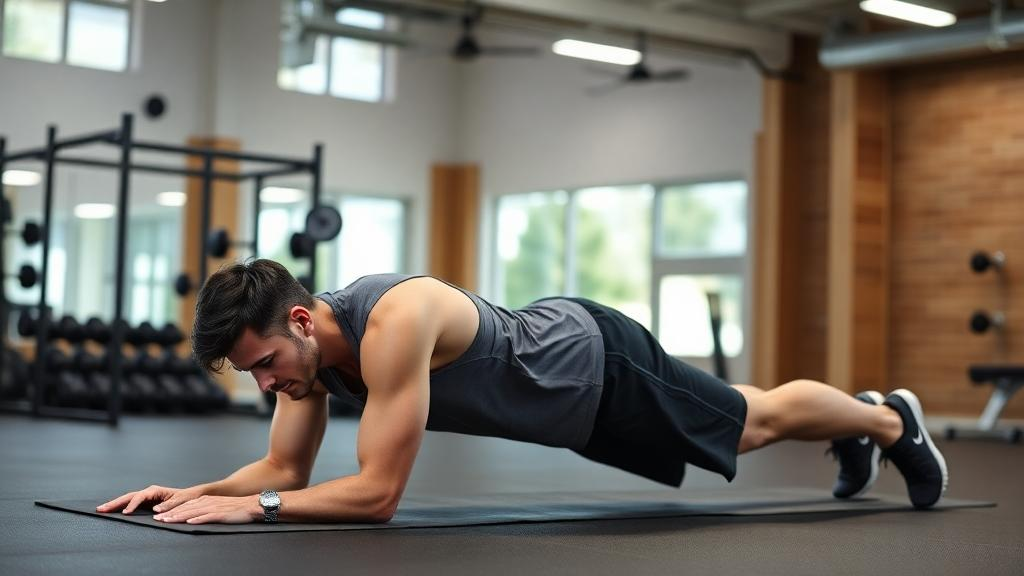
    3. Plank

    This one looks simple but burns like crazy. Just stay in a push-up-like position, but on your elbows. Keep your back straight, tighten your stomach, and hold. Even 20-30 seconds will feel like an hour in the beginning.

    a man doing Plank

    4. Lunges

    Lunges are good for leg strength and balance. Stand straight, take one big step forward, bend both knees, and come back. Do it on both sides. Great for improving stability too.

    Lunges doing

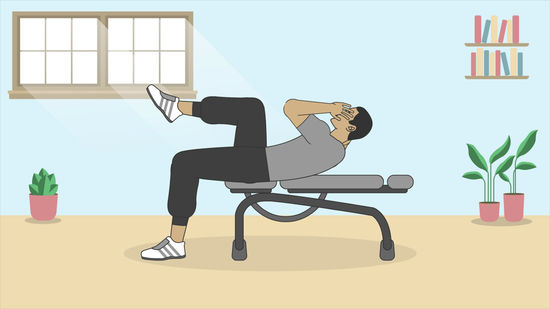
    5. Bicycle Crunches

    Lie down, lift your legs, and pedal them in the air. While doing this, twist your upper body to touch opposite elbow to knee. It hits your stomach muscles real good.

    Bicycle Crunches

    How to Make Your Own Home Workout Plan

    Now you’ve got a few moves in your pocket, just mix and match. Pick 4-5 of them, do each for 30–45 seconds, then rest for 15–30 seconds. Repeat this whole thing 3-4 times.

    If you’re just starting, don’t push too hard. As you get better, increase the time or add extra rounds. Main thing is — be regular. Even 15 minutes daily is better than doing 1 hour once a week.

    Tips to Keep You Going

    Here’s what usually helps people stick to home workouts:

    • Set small goals – Like “I’ll do 10 squats today” or “3 rounds of plank”. Don’t overplan.
    • Fix a time – Morning or evening, doesn’t matter. Just follow it like a habit.
    • Track something – Maybe note down reps in a notebook or take progress pics.
    • Don’t skip warm-up or cool-down – A few stretches before and after makes a big difference.

    Final Words

    You don’t need a gym membership to stay fit that’s the simple truth. Even small workouts at home can improve your health, mood, and energy. Just start somewhere. Move your body. Keep it consistent. Slowly you’ll see the difference not just in looks, but how you feel too.

    Even if you’re busy, even if your budget is tight fitness is still possible. Just clear a little space in your room and begin. Rest will follow.

    Enjoyed this read? Continue the journey with The Ultimate Guide to Clean Eating on a Budget

  • Home Workouts That Actually Help You Burn Fat

    Home Workouts That Actually Help You Burn Fat

    A fit person doing an intense home workout, with sweat dripping, in a minimalistic home setting, showing dedication and energy.

    Let’s face it — not everyone has the time (or the budget) for a gym. And honestly, with work, home chores, traffic, and everything else going on, stepping out just for a workout feels like a task.

    But here’s the good news: you can burn fat, tone up, and feel fitter — right from your own home.
    No dumbbells? No treadmill? No problem. The secret isn’t fancy equipment. It’s how you move and how consistent you are.

    Let’s break down a few fat-burning home workouts that actually work. All you need is 15–30 minutes, some space, and a bit of josh!

    Why Home Workouts Work (Yes, Really)

    Many people think if you’re not lifting weights or running on a machine, you can’t lose fat. Total myth!

    What actually burns fat?

    • Intensity of your workout
    • How regularly you do it
    • And of course, eating clean-ish (we’ll come to that later)

    So if you go all in — even for short bursts — home workouts can be super effective.

    1. HIIT – Burn More in Less Time

    High-Intensity Interval Training (HIIT) is like the king of all fat-burning workouts. You give max effort for a short time, rest, and repeat. It gets your heart racing and keeps you burning calories even after the workout is done.

    Sample HIIT (15 min)

    • Jump Squats – 40 sec | Rest – 20 sec
    • Push-ups – 40 sec | Rest – 20 sec
    • Mountain Climbers – 40 sec | Rest – 20 sec
    • Burpees – 40 sec | Rest – 20 sec
      → Repeat 3–4 rounds

    🔥 Why it works: Your body goes into “afterburn” mode. That means calories keep burning even when you’re chilling later.

    2. Jump Rope – Don’t Underestimate It!

    This old-school move is making a comeback. And for good reason.

    • Burns 10+ calories per minute
    • Builds endurance, balance & speed
    • Great for quick, sweaty sessions

    Beginner Routine:

    • 1 min jump rope
    • 30 sec rest
      → Do 5 rounds. Add more as you improve.

    Bonus: You can do this in your balcony or terrace!

    3. Bodyweight Strength – Muscle Burns Fat

    Strength training isn’t just for bodybuilders. More muscle = higher calorie burn even at rest.

    Fat-Burning Circuit:

    • Squats – 15 reps
    • Lunges – 12 per leg
    • Push-ups – 12 reps
    • Plank – Hold for 30 sec
      → Do 3–4 rounds

    Trust the burn — your muscles (and metabolism) will thank you later.

    4. Tabata – 4 Minutes of Fire

    Tabata is a fast, powerful form of HIIT. Just 4 minutes, but your body will feel it like a full workout.

    How it works:

    • 20 seconds workout
    • 10 seconds rest
      → Repeat 8 rounds

    Try This Tabata Mix:

    • Jump Squats
    • Push-ups
    • Plank Jacks
    • Burpees

    Just pick 1 or 2 exercises and rotate them. That’s it!

    5. Core Workouts That Hit Belly Fat

    Forget doing 100 crunches. If you want a stronger core and to trim belly fat, do moves that hit multiple areas.

    Core Circuit:

    • Russian Twists – 15 per side
    • Bicycle Crunches – 20 reps
    • Plank with Shoulder Taps – 30 sec
    • Leg Raises – 15 reps
      → 2–3 rounds

    Remember: Core strength = better posture + less belly fat + injury protection.

    6. Fat-Burning Yoga Poses

    Yes, yoga can burn fat too! Especially when combined with mindful breathing and active holds.

    Try These Poses:

    • Boat Pose (Navasana) – for core
    • Plank Pose – for total body
    • Warrior II – for strength & focus
    • Bridge Pose – for back & hips

    These help improve flexibility and metabolism — the perfect combo.

    How to Burn More Fat at Home

    • Keep workouts intense: No long breaks
    • Mix it up: Alternate between strength, cardio, and yoga
    • Eat clean: Calorie deficit is key — home workouts + overeating = no result
    • Track progress: Don’t obsess over the scale. Measure inches or click progress pics once a week
    • Stay consistent: 4–5 workouts a week + decent diet = fat loss

    Final Thought: No Gym? No Worries!

    You don’t need a trainer watching or a mirror-filled studio.
    You need willpower, some movement, and a bit of sweat equity.

    With the right routine and a bit of discipline, your home can be your best workout space.

    Start small. Stay regular. And watch the fat burn — one rep at a time.

    Enjoyed this blog? You might also love our post – 7 Simple Morning Habits That Actually Help Your Mental Health. Take a look!

  • Rooting Diet & Exercise – A Real Way to Feel Alive Again

    Rooting Diet & Exercise – A Real Way to Feel Alive Again

    someone stretching on the grass, a messy pile of fresh apples and carrots nearby


    Most of us want to feel good, right? Not just “I survived the day” good, but alive, strong, and ready for whatever comes our way. That’s where this whole Rooting Diet & Exercise thing comes in. It’s not some flashy trend or a punishing rulebookit’s about getting back to what makes sense for our bodies. Eating real food, moving in ways that feel natural, and watching it all come together. Sounds intriguing? Let’s break it down.

    So, What’s This Rooting Diet About?

    Picture this: food that doesn’t come from a factory but from the earth. The Rooting Diet is all about keeping things simple and natural—fruits, veggies, nuts, lean meats, maybe some quinoa if you’re feeling fancy. It’s not about counting every calorie or choking down kale because someone said so. It’s about picking stuff that’s packed with nutrients and gives your body a break from all the processed nonsense we’re usually surrounded by.

    I’ve always thought of it like a little detox without the misery. You’re not starving yourself—you’re just letting go of the junk that drags you down. Ever notice how a greasy burger might taste great for five minutes but leaves you foggy for hours? This is the opposite. It’s food that keeps you going and clears out the gunk.

    Why Exercise Fits In

    Now, let’s talk about moving. You can’t just eat well and call it a day—your body wants to do something. The Rooting approach isn’t about killing yourself at the gym or running marathons (unless that’s your thing). It’s more practical: a mix of strength, flexibility, and stamina.

    Maybe you try some squats or push-ups to build muscle. Or stretch out with a bit of yoga to loosen up after sitting all day. Then there’s stuff like walking—honestly, a good walk can change your whole mood. The point is to find what clicks for you and keep it steady. No fancy gear needed—just you and a little effort.

    What You Get Out of It

    Here’s the fun part: the payoff. I’ve seen friends try this and swear they feel lighter—not just on the scale, but in their step. The weight comes off naturally when you’re not drowning in sugar and sitting all day. Energy? Oh, it’s there—none of that 3 p.m. slump where you’re eyeing the couch like it’s your soulmate. And the mental boost? Huge. Things just feel clearer when your body’s not fighting junk.
    It’s not overnight magic, but stick with it, and you’ll notice. You’re not just surviving—you’re thriving.

    How to Start Without Losing Your Mind

    Okay, so how do you actually do this? Keep it easy—don’t overthink it. Here’s what I’d do for a day:

    • Morning: A bowl of oats with some berries—sweet, filling, done.
    • Lunch: Toss some grilled chicken on a pile of greens, splash it with olive oil, add a few almonds for crunch.
    • Snack: An apple or a scoop of yogurt—nothing complicated.
    • Dinner: Bake a piece of fish, steam some broccoli, throw in a side of rice or whatever grain you’ve got.


    For moving? Try this:

    • Monday: 20 minutes of basic stuff—squats, planks, whatever you can manage.
    • Wednesday: Walk for half an hour. Outside if you can—fresh air’s a bonus.
    • Friday: Stretch it out—15 minutes of bending and breathing.
    • Other days: Rest or just stroll around.
    • Start there. Tweak it as you go. It’s not a race.

    What the Pros Say

    I’ve chatted with folks who know their stuff, and they’re all about this. A nutritionist I know, Sarah, told me once, “Real food doesn’t confuse your body—it heals it.” Makes sense, right? And a trainer friend, Mike, said, “You don’t need to overdo it—just build strength and keep moving. That’s what lasts.” They both swear it’s less about perfection and more about showing up for yourself.

    Your Turn—Give It a Shot
    Here’s the thing: you don’t need a big overhaul to start. Swap out one soda for water. Take a walk after dinner. Grab a carrot instead of chips. Little moves add up, and before you know it, you’re hooked on feeling good. The Rooting Diet & Exercise idea isn’t about rules—it’s about rooting yourself in what works. You’ve got this. Why not start today?