Category: Agriculture

  • AI in Agriculture: How Indian Farms Are Slowly Turning Smarter

    AI in Agriculture: How Indian Farms Are Slowly Turning Smarter

    Indian farmer using smartphone in a field with drone and AI-based farming tools.

    Agriculture in India has never been easy. From unpredictable rains to rising costs and shrinking profits, farmers have been facing challenges for decades. But now, a new kind of support is showing up not in the form of subsidies or schemes, but through technology. Artificial intelligence, or AI, is slowly finding its way into Indian fields. And no, it’s not some sci-fi idea. It’s already being used by farmers in different parts of the country to grow better crops, use less water, and avoid losses.

    In this blog, we’ll talk about how AI agriculture is helping Indian farmers. Not in big, complex terms, but in a simple way. We’ll look at what it actually does, how it’s used here, the benefits it brings, and where it’s still struggling. We’ll also touch on what needs to be done so that even small farmers in remote villages can benefit.

    What Does AI in Farming Even Mean?

    Let’s keep it simple. AI is just a tool that helps machines think, learn, and make decisions. In farming, it means using apps, sensors, drones, or even satellite images to collect data and tell farmers what to do next. For example, how much to water, when to spray pesticides, or whether the crop is getting any disease.

    Instead of guessing when to irrigate or depending fully on gut feeling, AI can give real-time suggestions. Think of it like this: a farmer in Punjab growing wheat can now get a phone alert saying, “The soil’s dry. You should irrigate now.” Or a cotton grower in Maharashtra can get a warning that pest activity is going up and it’s time to take preventive action.

    How AI is Being Used on Indian Farms

    Now, let’s not think only big cities use this. Even in states like Odisha and Bihar, farmers are trying out AI tools.

    Take the government’s “Per Drop More Crop” scheme, for example. It uses AI to help farmers save water while growing the same or even better-quality crops. It checks the soil, the weather, and the plant needs then suggests how much water should be used. That’s a big deal in places where water is already drying up.

    Then there’s the National Pest Surveillance System. Sounds fancy, right? But what it does is pretty useful it tells farmers early if pests like bollworms or locusts are coming. That kind of warning can save entire fields.

    Even startups are playing a role. CropIn gives farmers updates about their crop health, and Intello Labs allows them to click photos of their plants, and the app tells if there’s any disease faster than the human eye sometimes.

    It’s not just about tools. It’s about making sure the smallest farmer also gets the kind of advice that used to be available only to big ones.

    What’s Actually Changing on Ground

    Let’s be honest farming has always had its share of uncertainties. But AI is slowly helping reduce those unknowns.

    For starters, AI is saving money. Fertilizer use can go down by up to 30% if it’s used only when and where needed. That means fewer chemicals in the soil, cleaner groundwater, and some money saved. In Punjab and Haryana, where overuse of fertilizer has caused long-term soil issues, this change is much needed.

    It’s also helping with market prices. AI can study demand and predict what crop is likely to sell better in the coming season. So, instead of growing what everyone else is growing, a farmer can plan better. Let’s say someone in West Bengal usually grows rice. But this year, if the app shows better returns for lentils, they might switch. That’s smart farming.

    Knowledge-sharing has also become easier. Before, many farmers didn’t even know about drought-resistant seeds or organic practices. Now, simple mobile apps are sharing this info in local languages. A farmer in Tamil Nadu might learn about new fertilizers, while another in UP might get tips on tomato farming all through AI tools.

    Still, Not Everything is Perfect

    Of course, nothing comes without problems.

    First off, AI tech is still expensive. Small farmers don’t always have smartphones, let alone money to buy sensors or drones. Plus, rural areas often don’t have good internet. Even if they do, understanding these tools takes time and training.

    Also, a lot of these tools are made by private companies. If the government doesn’t step in to support and subsidize them, small farmers may be left out. So while big farms in Haryana may be using automated machines, someone in a Jharkhand village may not even know such a thing exists.

    What Needs to Happen Next

    For AI agriculture to truly work in Indian farming, it has to become common. Like fertilizers or tractors. Not just a special tool for a few.

    Subsidies can help. Training programs too. And let’s not forget language these apps and tools should talk in local languages, not just English. Even voice-based tools can help those who can’t read much.

    In a few years, we could see self-driving tractors in Indian fields, or AI-powered robots harvesting sugarcane. Sounds big, but it’s possible. What’s needed is support for the small farmer, for better internet in villages, and for making the tech affordable.

    My Personal Take

    I’ve seen farming up close relatives, neighbours, friends all doing it. It’s not just work, it’s life. There’s a kind of hope in every seed that’s sown. And now, AI feels like a helping hand that’s finally arrived.

    But let’s be real it’ll only help if we make sure it reaches everyone. No farmer should be left behind just because they didn’t have the money or the knowledge. If used well, AI can reduce pain and increase profit. But we need to treat it as a tool, not a miracle.

    🔗 Useful Links

  • Cold Storage: The Silent Backbone of Indian Farming

    Cold Storage: The Silent Backbone of Indian Farming

    Indian farmer placing fruits inside a cold storage warehouse to prevent spoilage

    When we talk about farming problems in India, most people think about rainfall issues, crop prices, or middlemen. But one major issue that quietly affects everything—from farmers’ income to food wastage—is storage. Especially when it comes to fruits, vegetables, dairy, or anything perishable, we don’t have enough cold storage facilities. That’s where cold storage steps in—not loudly, but powerfully.

    This blog walks through how cold storage is slowly changing the face of Indian agriculture, what the current situation looks like, how the government is pushing this sector, and what can be done better. We’ll also see how this system, if improved well, can reduce wastage, support small farmers, and make fresh food travel longer without going bad.

    So, What Exactly Is Cold Storage?

    Think of cold storage like a well-planned pause button for perishable goods. It’s not just about putting tomatoes or milk in a fridge. It’s a proper system—big warehouses with temperature control—meant to slow down rotting and spoilage. Especially in a country like ours, where transport takes time and the weather isn’t always kind, this storage gives breathing space to farmers.

    Let’s take a real example. A farmer from Kashmir harvests apples. Now, without a cold storage nearby, he has to rush to sell them. Many apples get damaged on the way or rot before reaching South India. But if a cold storage facility is there in his area, he can store his produce safely and wait for the right price. It helps him earn better and ensures you and I get fresh apples even after months.

    Why Cold Storage Is So Important for India

    India produces huge amounts of fruits and vegetables—we’re among the top two globally. But here comes the sad part: almost 40-50% of that gets wasted just because we don’t have the systems to store and move it properly. Imagine half the effort of farmers going straight to waste. No earnings. No benefit.

    This also affects you and me. Prices go up in cities, quality goes down, and farmers still stay poor. Cold storage changes that. It allows produce to stay fresh for longer. That means farmers can store and sell later when prices are better. It also supports online grocery stores, frozen food sellers, and city markets where fresh supply matters every day.

    How Are We Doing So Far?

    As per reports from 2023, India has around 8,653 cold storage units. That may sound big, but it’s not enough when you look at our size and farming output. States like Uttar Pradesh, Punjab, and Gujarat are doing better because they’ve been growing and storing in bulk for years.

    But if you look at the North-East or other interior places, things are patchy. Many areas don’t even have a small setup. Plus, most cold storages are in private hands. Big players like Snowman Logistics, Coldrush Logistics, and Indicold are growing fast, but they can’t reach everywhere. For many rural farmers, these setups are either too far or too expensive.

    StateCold Storage CapacityMajor Produce Stored
    Uttar Pradesh~1.5 million metric tonsPotatoes, fruits
    GujaratSignificant shareVegetables, dairy
    PunjabSignificant shareGrains, vegetables

    What’s the Government Doing?

    Government has stepped in with a few good plans. Under schemes like MIDH (Mission for Integrated Development of Horticulture) and PMKSY, they’re giving subsidies to farmers and entrepreneurs. In regular areas, you get 35% help; in hilly or backward areas, even up to 50%. That makes a big difference when cold storage setup can cost lakhs.

    From 2014 onwards, thousands of units have been approved. Many public-private partnership projects have also started, especially for storing fruits, vegetables, fish, and even medicines. The aim is to make cold storage more accessible, more affordable, and more useful for all types of produce—not just potatoes or onions.

    Real Problems on Ground

    Even with government support, challenges remain. One of the biggest problems is cost. For a small or medium farmer, setting up cold storage alone is almost impossible. Many don’t even know how to use it efficiently. Some still rely on old ways—sun drying or selling immediately—because they’ve never seen anything else work.

    But on the other hand, this is also a chance. With frozen food becoming more popular in cities, demand is growing. Online platforms and supermarkets now need fresh stock daily. If storage and transport improve, farmers can be part of this bigger market. Companies like Indicold are already working on advanced cold warehouses. These connect farmers to cities, and even to exports in some cases.

    My Take on This

    From what I see, cold storage is not just about keeping food cold. It’s about giving farmers a choice. Instead of being forced to sell in a hurry, they can wait, plan, and earn more. It’s also about saving food. Every mango saved from rotting is someone’s meal, someone’s income.

    To truly make this work, awareness must grow at the grassroots. More training, more mobile cold units, and more affordable options will help. If we do it right, cold storage can turn into one of the strongest tools to improve rural life and urban food supply together.

    Wrapping Up

    Cold storage may not be glamorous, but it’s essential. If we want to reduce waste, support farmers, and feed our growing cities without price shocks, then investing in cold chains is non-negotiable. We’ve already taken a few steps. But the road ahead needs more action, smarter planning, and involvement from both public and private players.

    In the end, every fruit or vegetable that makes it from farm to fork without spoiling is a win—for farmers, for consumers, and for the country.

    🔗 Useful Links

    Interested in this? You’ll also want to read: How Post-Harvest Losses Affect Farmer Income in India

    Curious about agri-tech trends? Don’t miss: Cold Chain Logistics and Its Role in Indian Agriculture

    Looking for government help? Check this: Complete Guide to PMKSY & Cold Storage Subsidies in India

    Wondering how storage helps exports? Here’s more: Organic Kesar in India Real Gold from the Soil, Not the Mines

  • Vertical Farming : India’s Sustainable Food Future?

    Vertical Farming : India’s Sustainable Food Future?

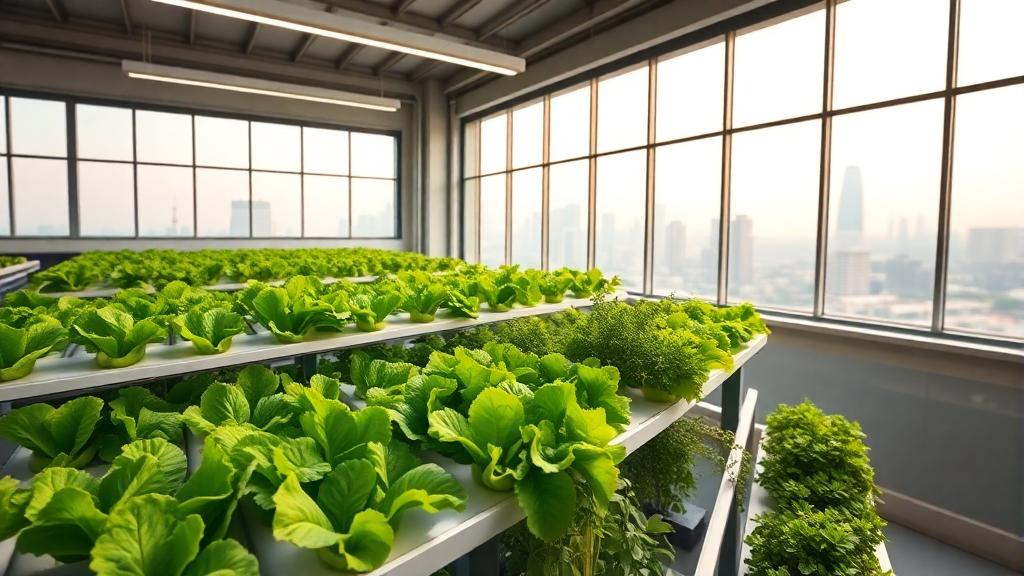
    A modern indoor vertical farm in an Indian city warehouse: vibrant green lettuce and herbs growing on multi-level racks under bright LED lights, with an Indian city skyline visible through the windows.

    In Indian cities, vertical farming can sound like sci-fi – imagine skyscrapers stacked with spinach instead of offices. But with India’s population near 1.4 billion​ and almost no extra farmland to spare, new ideas are needed. Could vertical farms – indoor, LED-lit gardens – help us produce more food (saving water and beating pests), or are they just a fancy fad? We’ll unpack how these farms work, why startups and investors are excited, and whether the hype really holds water.

    Why India Is Rethinking Farming

    India’s agriculture faces multiple pressures, so it makes sense to look beyond traditional fields. Consider these facts:

    Population boom: Nearly 1.4 billion people and limited arable land​. Per capita farm size is shrinking.

    Extreme weather: Recent years saw ~34 million hectares of crops lost to floods and another ~35 million to drought (2015–21)​. Whole states’ worth of crops vanished to unpredictable rains or heat.

    Water scarcity: About 84% of India’s water goes into irrigation​. In a bad monsoon, farms suffer badly.

    Urban hunger: City folk want fresh veggies year-round. In fact, reports say local urban gardens in Mumbai and Delhi already provide ~60% of those cities’ fresh vegetables​. India’s National Horticulture Board even estimates urban farms could meet roughly 40% of city households’ vegetable needs in coming years​.

    These trends – more mouths to feed, less water and land, and lots of city diners craving greens – set the stage for high-tech solutions like vertical farming.

    How Vertical Farming Works

    Vertical farming moves plants off the open field and into controlled indoor setups, often in cities. Here’s the gist:

    Hydroponics & Aeroponics: Plants grow in water or nutrient mist instead of soil. These closed systems recycle water. For example, aeroponic towers can use 90% less water than a traditional field crop​. Overall, vertical farms can cut water use by ~90–95%​​. That’s crucial in drought-prone India.

    Stacked gardens: Crops are arranged on multi-tier shelves inside a greenhouse or warehouse. One analysis found a 30-floor vertical farm could match the output of ~2,400 acres of open farmland​ – a huge multiplier of space.

    Controlled climate: Sensors, fans and LED lights keep temperature, humidity and light just right all year. This means year-round growing with much faster, more predictable harvests, since plants never see a monsoon flood or a winter chill.

    Put simply, vertical farms are like high-tech indoor ecosystems. By removing soil pests and extremes of weather, they let us grow things much more intensively.

    Who’s Doing It in India

    Many homegrown enterprises are already experimenting. For example:

    UrbanKisaan (Bengaluru/Mumbai): One of the largest Indian vertical farms, with multi-level growing towers. They claim their indoor lettuce yields 30× more per unit area than a field farm – and use 95% less water​.

    UGF Farms (Mumbai): Converts rooftops and vacant urban spaces into hydroponic micro-farms for leafy greens. They focus on zero-carbon growing and even run community workshops.

    Triton FoodWorks (Delhi): A big urban farm (150,000 sq ft under glass) cultivating over 20 crops – from strawberries and tomatoes to coriander and broccoli​.

    365D Farms (Pune): A novel one-in-a-container vertical farm growing lettuce 365 days a year with advanced tech.

    On the market side, growth is hot. Analysts estimate India’s indoor/vertical farming sector could hit around USD 200 million by 2025​ (from a low base today). The global market is even bigger (over $40 billion by 2025​) and Asia-Pacific is forecast to skyrocket (from $1.3B in 2023 to ~$6B by 2029​). Investors and agri-majors are paying attention: many agri-tech funds are backing farms and government programs (like Startup India) now support agri-innovations with funding and incubation​.

    Benefits of Vertical Farming

    Why all the buzz? Advocates highlight several advantages:

    Local, year-round produce: Grow vegetables right in the city, 365 days a year. No long transport or seasonal gap means fresher greens in the market (great for chefs and health-conscious consumers).

    Space efficiency: You can harvest a lot from a small footprint. Stacking racks multiplies yield. (Recall UrbanKisaan’s claim of 30× the lettuce yield on the same land​.)

    Water savings: By recirculating nutrient solutions, vertical farms use roughly 90–95% less water​​. In a country where most water goes to irrigation, this is a game-changer.

    Clean, safe food: Indoor farming means far fewer pests. That translates to almost no pesticide use, so produce is cleaner and often qualifies as organic.

    Consistent quality: Controlled lights and climate ensure even, high-quality crops. No surprises from weather means reliable supply (good for markets and restaurant supply chains).

    In short, vertical farms directly tackle issues like land shortage and water use. For city residents (urban youth and families craving organic veggies), these points matter.

    Challenges to Overcome

    However, it’s not all smooth sailing:

    High initial cost: Setting up vertical farms (LED lighting, climate controls, racks, building space) is very expensive. Only well-funded startups or companies can afford it initially. Many need heavy loans or VC cash.

    Energy bills: All those lights and pumps run 24/7. If electricity comes from the grid or diesel generators, costs (and carbon footprint) can be high. India’s frequent power outages mean farms often invest in expensive backup systems or solar panels​, adding to costs.

    Crop limits: So far, vertical farms mainly grow leafy greens, herbs, and some fruits. You won’t see rice, wheat or corn growing under LEDs – the economics don’t work yet. This means vertical farming supplements our food supply (nice greens and specialty crops), rather than replacing staples.

    Awareness & skills: Many traditional farmers and officials still view this as exotic. There’s a gap in technical know-how. Experts note that limited awareness and lack of training can slow adoption​. Building a workforce that knows hydroponics is a hurdle.

    Regulatory & logistics: Rules for urban farms are still developing. Cities need to allow unused buildings or land for farming. Startup teams must navigate building codes and permits, which can be a hassle.

    These challenges explain why some say “the industry is struggling” despite its promise. It will take time (and likely cheaper tech) to overcome them.

    Perspectives: Farmers, City-Folk & Investors

    Who benefits? Urban consumers love the concept: younger city dwellers pay a premium for pesticide-free, local produce. For them, high-tech farming is very appealing. Startups are already offering subscription boxes of ultra-fresh greens via apps, tapping into this market.

    Traditional farmers feel mixed. Most Indian farmers still cultivate outdoor fields of grains and vegetables. Vertical farming requires skills and investment they may not have. A few forward-looking farmers are trying hydroponics in small greenhouses, but broadly the technology is driven by startups and companies, not villages.

    Investors see big potential but also risk. A projected $200M market by 2025​ draws venture capital and even big AgriTech funds (some global agri-giants are keeping an eye on Indian vertical farms). But investors also watch returns carefully: the long payback and power costs mean only the best-run farms will really profit. We’ve seen a few high-profile funding rounds for farm-tech, but many projects have to prove they can scale and cut costs.

    In short, vertical farming is mainly an urban tech phenomenon right now – aligning with city lifestyles and startups more than with the traditional farming sector.

    Conclusion: Future or Fad?

    My take: Vertical farming is more than a fad, but it’s not a standalone solution. It’s a promising piece of India’s agricultural future, especially for cities. I recently visited a vertical farm in Bengaluru – walking between metal racks of lettuce under blue LED lights felt like science fiction, but the salad it produced was real and delicious. That experience convinced me: this tech can work here.

    Yet, when I chat with rice growers in rural Punjab or onion farmers in Maharashtra, vertical farming is a different world. It won’t replace the old rice fields, millet fields or orchards anytime soon. Think of vertical farming as adding a specialty crop to our menu – it lets us grow lots of salad greens and herbs with minimal water and zero pesticides right in Mumbai or Delhi. Meanwhile, our farmers will keep feeding us rice, wheat and pulses in the traditional way.

    So, will vertical farms feed India by 2030? Not entirely. They will likely remain a fast-growing niche – leading to some local resilience and fresher veggies in cities, and creating high-tech jobs for young entrepreneurs. If costs come down (cheaper LEDs, more solar power) and people catch on, we could see many more towers of green in the next decade. But in my view, they complement rather than replace conventional farms.

    Ultimately, vertical farming feels like the future more than a fad – it addresses real problems of land and water in a high-tech way. I’m excited that India is experimenting with it. As a food-lover and tech enthusiast, I hope these farms flourish. Just remember: a salad tower won’t solve everything. It’s one tool among many.

  • Growing Green: Why Organic Farming is the Future of Agriculture

    Growing Green: Why Organic Farming is the Future of Agriculture

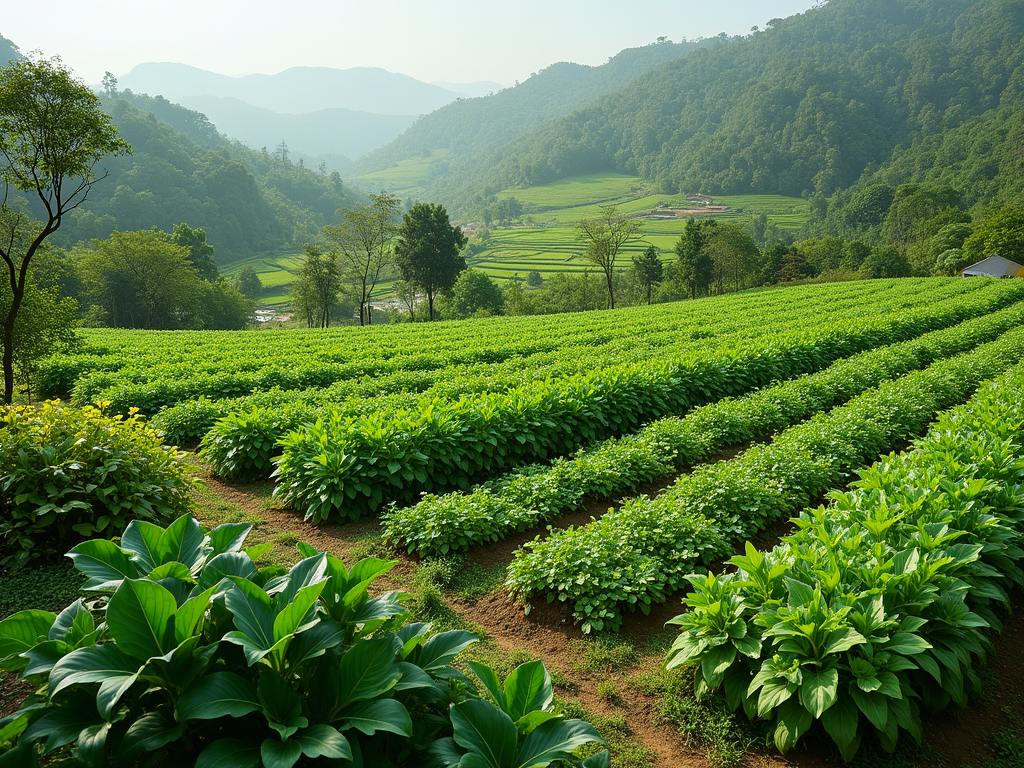
    An Indian farmer standing proudly in a lush green organic farm at sunrise, with healthy crops, clear blue sky, and eco-friendly vibe.

    You know, nowadays farming is not just about sowing seeds and waiting for harvest. It’s much bigger than that it’s about growing food without spoiling the land, without making water dirty, and without harming ourselves.
    When you really sit and think about it, seeing how our rivers are getting polluted and how the soil is losing its life, there’s only one answer staring at us: organic farming is the future. No two ways about it.

    Let’s talk about this properly, no hurry.

    So, What Exactly is Organic Farming?

    First thing, let’s clear this confusion When most people hear “organic,” they imagine some fancy fruits and vegetables with high prices in supermarkets. But truly speaking, organic farming just means growing crops naturally, like how our grandparents did it.

    No chemical fertilizers, no poisonous sprays. Only using cow dung manure, natural compost, neem leaf sprays, crop rotation and all those things that keep the soil healthy without killing it.

    It’s like farming with love and patience, not with greed for quick results.

    And believe me, when we treat the soil properly, it gives back even more. Mother Earth always returns the favour.

    Why Farmers Are Slowly Moving Back to Organic Farming

    To be honest, chemical farming did wonders at one time. Gave bumper crops, filled godowns. But slowly, side effects started showing.

    Now the soil is tired, full of chemicals.
    Water is polluted.
    Vegetables don’t even taste real anymore.
    And worst of all, farmers are trapped in debts, buying expensive seeds, fertilizers, and pesticides every season.

    That’s why people are thinking “Was it really worth it?”

    Now, the wind is changing. Farmers and smart consumers both are realising organic farming is the only way to survive and thrive.

    Here’s why:

    1. Our Health Comes First, Always

    You see, chemical farming may give good looking crops, but what about the poison hiding inside?
    Organic food is clean. No hidden chemicals, no slow poisoning.
    Especially when it comes to feeding children and old parents, it’s not even a question. Health has to come first.

    Organic fruits and vegetables are packed with real nutrients, not just empty calories.

    2. Soil is Our True Wealth

    People think gold is precious.
    But you ask a real farmer soil is the real treasure.
    Chemical farming kills the soil.
    Organic farming, on the other hand, makes it richer every year. More microbes, more earthworms, more natural fertility.

    It’s like slowly saving money in a fixed deposit. Soil becomes stronger and pays you back lifelong.

    3. Helping the Climate, Silently

    Big talks happen about climate change on TV. But small steps like organic farming are what truly make the difference.

    Organic farms absorb carbon dioxide from the air and trap it in the soil.
    Less pollution, less harm to the planet.

    Without shouting slogans, organic farmers are becoming silent climate warriors.

    4. Keeping Water Clean

    You know, every time chemicals are sprayed on crops, rains come and wash them into rivers and lakes.
    That’s why you hear news about water getting poisonous.

    Organic farming means no chemical runoff.
    Our rivers, ponds, even underground water stay pure and drinkable.

    Simple farming choices can save entire ecosystems.

    5. Long-Term Profit is Better than Short-Term Greed

    Honestly, first few years of organic farming can be tough. Yields are low, expenses feel high.
    But after 3-4 years, when the land heals, yields improve naturally and the costs come down.
    Plus, organic products sell at better prices, especially in cities.

    So in the long run, organic farmers make more money and have healthier farms.

    Challenges in Organic Farming (But Worth Fighting For)

    Let’s not hide it Organic farming is not a bed of roses, at least in the beginning.

    • Weeds grow faster, need manual removal.
    • Pests sometimes attack more.
    • Certification is a headache.
    • Finding direct buyers is not easy everywhere.

    But the thing is, when you cross the hard first few years, the rewards are lifelong.
    You get better soil, better crops, better prices, and most importantly peace of mind.

    Nothing can replace that.

    How Indian Farmers Are Leading the New Green Revolution

    In India, we don’t have to learn organic farming from abroad.
    It’s in our roots.

    In olden days, farmers didn’t have chemicals.
    They used cow dung, neem, and natural cycles to farm. They respected the land.

    Now, farmers in Sikkim showed the way becoming 100% organic.
    In Maharashtra, Kerala, Punjab, thousands of young farmers are moving back to natural farming.
    Even startups and online apps are helping them sell directly to customers.

    Schemes like Paramparagat Krishi Vikas Yojana and National Programme for Organic Production are giving training and support too.

    Slowly but surely, India is waking up again, going back to its true farming spirit.

    Why More People Are Loving Organic Food

    Customers are not fools anymore.
    They read, they research, they know.

    People now prefer chemical-free, fresh, safe food.
    They are okay paying a little extra if it means saving their family’s health.

    Big cities are full of organic shops now organic milk, organic wheat, organic fruits you name it.
    And online orders are booming too.

    In short, organic food is becoming a lifestyle now, not just a luxury.

    What Future Looks Like

    Looking at today’s situation, one thing is clear farming will not stay “optional” for long.
    It will become the only way to farm if we want to survive.

    Farmers who start now will have a stronghold in future markets.
    Consumers will keep demanding safer food.
    Governments will push harder for clean farming.

    And India, with its natural farming traditions, can lead the world again if we just stick to our roots.

    Conclusion: Growing Green is the Only Way Ahead

    In the end, it’s simple.
    If we want healthy families, healthy water, and a healthy earth, we have no other choice but to grow green.

    Organic farming is not a fashion it’s survival.

    It’s about love for the soil, love for the seed, love for the next generation.

    Whether we are farmers, consumers, or even just dreamers
    it’s time we join hands, and make India greener, healthier, and truly self-reliant.

    The future belongs to those who respect the Earth.

    Related articles :
    The Future Of Organic Farming In India: A Sustainable Revolution
    Organic Farming: Growing the Desi Way, Naturally


  • Organic Kesar in India Real Gold from the Soil, Not the Mines

    Organic Kesar in India Real Gold from the Soil, Not the Mines

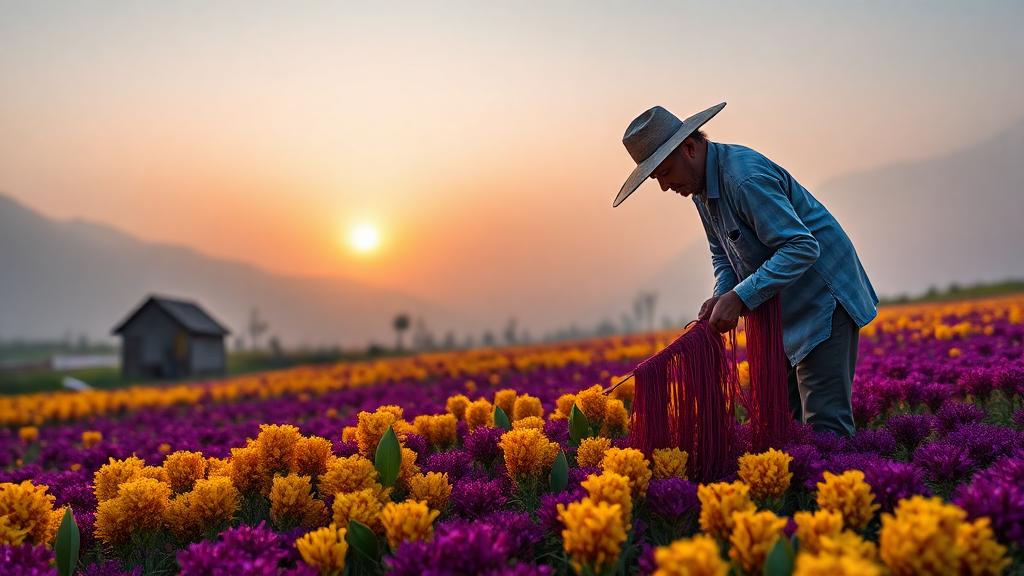
    A farmer gently harvesting saffron flowers in the fields of Kashmir during sunrise, with misty mountains in the background and saffron threads being dried in the sun.

    Organic Kesar in India – The Real Gold from the Mitti

    In India, we always say something precious is like gold. But tell me one thing… is gold always found inside mines? Not really. Sometimes, it grows quietly in our own mitti (soil), and we don’t even realise how priceless it is. One of those treasures is organic kesar. Pure, handmade, grown with patience… this is the kind of gold our land gives us.

    Why People Say Kesar is Not Just a Spice

    Ask any old family, especially in North India or Kashmir… they’ll tell you. Kesar is not just for cooking. It’s an emotion. It’s used during festivals, weddings, even in medicines and home remedies. In many homes, it’s still kept in a small glass box like some precious item.

    The best of the best kesar comes from Pampore, Kashmir. The smell, the strength, the colour—it’s just next level. And it’s not cheap. Real Kashmiri saffron, organic one, costs more than gold sometimes. Not joking.

    To get even 500 grams of kesar, they need to handpick around 75,000 flowers. Just think, how much work that is. Every single flower, picked by hand.

    But the Reality Is Not So Pretty

    Behind this beautiful kesar, there’s a lot of pain too. The farmers growing it? Most of them are struggling now. Climate is not stable anymore. Rains are not coming on time. Plus, there’s no proper water supply. Because of this, many farmers are slowly leaving saffron farming. They are moving to other crops or just giving up.

    Also, outside kesar—especially from Iran—is entering our market. It’s cheaper, lower quality, and sold in the name of “Kashmiri organic kesar”. This is not just bad for business, but also killing the trust.

    What’s worse? The old generation who knew how to grow good kesar—they’re getting old now. The new generation isn’t much interested. Slowly, that age-old wisdom is going away.

    What’s So Special in Organic Kesar Anyway?

    Let’s be clear. Organic kesar is not like those packet ones we get in shops with shiny labels.

    • No chemicals are used
    • Colour is deeper, smell is richer
    • It’s picked with care, not machines
    • And when it’s from Kashmir, it smells like the mountain air itself

    You open the box, and it just feels different. No lab-made thing can match that.

    Beware – Fakes Are Everywhere

    Most people can’t even tell real kesar from fake now. And that’s a big problem. Some kesar is coloured with artificial dye. Some sellers mix Iranian threads and say “Kashmiri kesar”.

    One simple test—real kesar doesn’t turn water red immediately. It takes its own sweet time. First golden, then light orange. That’s the sign of real saffron.

    How You Can Tell If It’s Real Organic Kesar

    • The strands will be dark red, slightly thick, and a bit curly at the tip
    • If it makes water dark red in seconds—it’s fake or coloured
    • Look for GI tag – that proves it’s really from Kashmir
    • Buy from local sellers or known organic brands. Not just fancy-looking websites

    This Is Our Chance – World Is Looking for Real Stuff

    Today, people everywhere—especially outside India—are choosing organic and handmade things. They want real, clean food. They want natural wellness. And in all this, our Indian saffron can shine like a star.

    But this will only happen if we help our farmers. Teach them better ways. Let them grow organic. And tell people the truth about kesar.

    What You Can Do (As a Normal Buyer Like Us)

    • Support GI-certified kesar sellers
    • Don’t fall for offers or too-good-to-be-true prices
    • Talk about organic farming, even on social media
    • Give kesar as a gift—it’s thoughtful, not show-off
    • Try using it in home remedies too, not just desserts

    Some Health Benefits of Real Kesar

    • Helps reduce stress and lifts mood naturally
    • Makes your skin better over time
    • Good for digestion and appetite
    • Keeps heart health and sugar levels balanced

    At the End, It’s More Than Just a Spice

    If you ask me, kesar is not luxury. It’s a blessing. Something pure from our land. Next time you open that little kesar box, just stop for a second. Think about the farmer in Kashmir, waking up before sunrise, plucking those flowers with freezing hands. No complaints. Just quietly doing his work.

    This gold doesn’t shine like jewellery. But it glows—from inside.

    And maybe… this is the kind of gold we need more of today. Honest, rooted, full of heart.

    This blog is just the start. Explore more with Organic Kesar: The Purest Form of Nature’s Gold

    Want more on this topic? Check this out: Organic Farming: Growing the Desi Way, Naturally

  • Organic Farming: Growing the Desi Way, Naturally

    Organic Farming: Growing the Desi Way, Naturally

    Rooted in Nature: The Rise of Organic Farming in India

    You must’ve heard about this organic farming thing, right? It’s all about growing crops and raising animals without those chemical fertilizers and sprays we’ve been dumping on fields for years. No DAP, no urea—just pure, natural stuff like gobar and compost. Honestly, it’s a bit like how Dada-ji used to farm back in the day, keeping the soil happy and the environment clean. In India, more and more people are turning to this because, let’s be real, the old chemical way was starting to feel like too much trouble.

    So, what’s the big deal with organic farming? It’s simple—it’s about making sure the soil stays fertile, the air doesn’t choke, and the food we eat doesn’t come with a side of poison. Plus, with all the talk about environmental sustainability, it’s a nice way to say we care about tomorrow, not just today.

    What’s the Heart of Organic Farming?

    Organic farming isn’t some fancy rulebook thing—it’s got a soul. It’s about keeping everything healthy—soil, plants, animals, even us. Like, if the soil’s good, the crops grow strong, and we don’t get sick eating them. Then there’s this idea of copying nature—like how birds eat pests or how rain feeds the earth. No need to force things with chemicals when nature’s already got a plan.

    It’s also about fairness. Farmers, middlemen, everyone should get a fair deal, no cheating. And care? That’s just common sense—don’t mess up the land today so your kids can still farm it later. Simple, hai na?

    How We Do It in India

    In our villages, organic farming isn’t some new invention—it’s what we’ve always done, just with a modern twist. Take soil, for example. We don’t buy expensive bags of fertilizer. Instead, we mix in gobar from the cows, throw in some green manure, and rotate crops so the land doesn’t get tired. My neighbor even swears by his neem spray to keep bugs away—works like magic, he says.

    Then there’s growing different crops together. Like, plant some marigold with the veggies—keeps pests confused and fields colorful. It’s a smart trick, and if one crop fails, the other might still save you. For weeds and pests, no need for poison sprays—just pull them out by hand or let chickens peck around. And inputs? We use stuff like vermicompost or that panchgavya mix—smells bad, but the plants love it.

    Why It’s Worth the Effort

    Organic farming has some solid perks. First, it’s good for nature—no chemical runoff into rivers, less dirty air, and the soil stays rich. Water stays clean too, which is a big deal in dry months. Then there’s the food—tastes better, feels safer. My cousin in the city says organic tomatoes actually taste like tomatoes, not plastic!
    For farmers, it’s a money thing too. Sure, you save cash by not buying chemicals every season. And if you sell organic stuff in the market, people pay extra—sometimes double! It’s not always easy, but it can fill your pocket in the long run.

    The Tough Side of Going Organic

    But it’s not all rosy, bhai. Switching to organic takes time—two-three years where your yield might dip, and you’re just praying it works out. Finding buyers who’ll pay a fair price is another headache—middlemen still try to lowball you. And that certification? Arre, it’s a pain—tons of rules, fees, and waiting. Not every small farmer can handle that.

    Real Stories That Inspire

    Still, some people are making it work. Take Sikkim—whole state went organic back in 2016! They’re like the rockstars of farming now. Or that Navdanya group—Vandana Shiva’s team—helping farmers in 16 states grow naturally and save old seeds. It’s proof that if you stick to it, organic farming can shine.

    Wrapping It Up

    Organic farming feels like a mix of Dada-ji’s old tricks and some new-age thinking. In India, it’s a chance to fix our fields, keep the planet green, and eat food that doesn’t scare you. Yes, there’s hard work and hurdles, but more folks are waking up to it. Maybe it’s time we all give it a shot—slowly, steadily, the desi way.